The Huawei Nova 15 series is set to debut in China on Dec. 22, and ahead of the official launch, Huawei has revealed several key details about the upcoming lineup. The company has confirmed the presence of three models and showcased their exterior styling, color choices and storage configurations. While the complete hardware details remain under wraps, the early reveals put strong emphasis on design changes and visual identity. Here is a closer look at what has been disclosed so far.
Huawei Nova 15 series design and colour options revealed
Huawei Nova 15
Huawei has listed the Nova 15, Nova 15 Pro and Nova 15 Ultra on its official store, offering a clear view of their final designs. The standard Nova 15 sticks to a familiar look that closely resembles its predecessor, featuring a single punch-hole display and a simpler rear camera layout. This approach keeps the base model visually consistent with earlier Nova phones.
The Nova 15 Pro and Nova 15 Ultra, however, mark a noticeable design shift. Both models adopt a horizontally aligned camera matrix, a first for the Nova lineup, giving them a more distinctive appearance. The Nova 15 Ultra goes a step further with a dual circular camera ring layout, enhancing visual symmetry and recognition. Official posters also hint at a metal middle frame on the Ultra, suggesting a more premium in-hand feel compared to earlier generations.
Huawei Nova 15 Pro
Across all three models, Huawei is offering four colour options: Dynamic Green, Easy Match Purple, Zero Degree White and Phantom Night Black. The green and purple variants feature a striped rear panel finish, making them stand out with a more vibrant and youthful look, while the white and black options keep things understated and clean.
Huawei Nova 15 series configurations
Huawei Nova 15 Ultra
The Nova 15 and Nova 15 Pro will be available with 12GB+256GB and 12GB+512GB options. Reports have revealed that these devices will be powered by the Kirin 8020 chipset.
The Nova 15 Ultra adds a higher-end 12GB+1TB variant alongside the same base configurations. It is speculated to feature the Kirin 9010S or 9020A chip. All three phones are already listed on Huawei’s official store and will open for pre-orders today, ahead of their formal launch on December 22.
For more daily updates, please visit our News Section.
Huawei Nova 15 series news has finally moved beyond speculation. After weeks of leaks and mixed timelines, Huawei has now confirmed that the Nova 15 lineup is ready to debut in China. The brand has released official teaser images that give a first look at the design while also locking in the launch window. While these visuals do not reveal full specifications, they clearly indicate that Huawei is preparing a noticeable update to its popular Nova range.
Huawei Nova 15 series launch date
Huawei has confirmed that the Nova 15 series will launch in China on Dec. 22. At present, there is no clarity on whether these phones will be introduced in global markets or remain China-exclusive.
The official image reveals a redesigned rear camera layout for the Nova 15 Ultra. The phone features a rectangular camera module that houses two separate circular sections. One circle contains the three rear cameras, while the second circle accommodates the LED flash along with the “XD Portrait” branding, giving the device a more distinctive and premium visual identity. Likely, the other Nova 15 models may sport the same design language.
Huawei Nova 15 series: What’s known so far?
According to leaks, the Nova lineup will include three models: Nova 15, Nova 15 Pro, and Nova 15 Ultra. The standard Nova 15 is expected to feature a 6.7-inch display, while the Pro model could arrive with a larger 6.84-inch screen. Both are tipped to use 1.5K LTPO OLED panels for smoother visuals and improved efficiency.
According to tipster Bald Panda, both the Nova 15 and Nova 15 Pro are expected to be powered by the Kirin 8020 chipset. The Nova 15 Ultra, however, may use a more powerful Kirin 9010S processor, with a Kirin 9020A also mentioned as a possible alternative.
The Nova 15 Pro may come with a dual front camera setup featuring 50-megapixel and 8-megapixel sensors, while the standard model could stick to a single 50-megapixel front camera. On the rear, the Pro variant is said to include a 50-megapixel main camera, a 50-megapixel periscope telephoto lens, an ultra-wide camera, and a multispectral sensor for better colour accuracy. All three models are said to pack a 5,700mAh battery.
For more daily updates, please visit our News Section.
Huawei has started rolling out a new HarmonyOS update for the Mate 80 series. The update, version 6.0.0.120 SP9, is going live and focuses mainly on camera behavior, gallery features, cross-device sharing, and system navigation.
Camera-related changes make up a large part of the update. Huawei says shooting has been optimized in movie effects and moon modes, with better stability when capturing moving subjects. Dynamic photo stabilization has been adjusted, and the Red Maple camera system now uses updated color tuning in certain scenes, improving results from telephoto and wide-angle lenses.
The Gallery app adds a new option that lets users delete photos only from the device while keeping them stored in the cloud. This is aimed at freeing up local storage without removing backups. Gallery desktop cards now support light dynamic effects, and a new custom album card allows multiple photos to be selected for playback from the home screen.
Huawei is also expanding Huawei Share support. Mate 80 devices can now send photos, videos, files, and contacts to iOS, iPadOS, and macOS devices, as long as the receiving device installs Huawei’s HarmonyOS Galaxy Interconnect app. Setup details are listed under Help & Feedback.
Privacy controls have been updated as well. Users can now limit app access to device orientation data, which helps prevent “shake” actions that can trigger unwanted ad redirects. The setting is located under Privacy and Security.
On the system side, the update introduces Outdoor Exploration Mode, adding gesture shortcuts for multitasking, quick app switching, split screen, and floating windows. Huawei also notes general performance and stability improvements.
The Weather app now shows dynamic icons that change based on local conditions.
The update is rolling out in stages, so availability may vary.
Huawei’s Nova 15 series is expected to arrive soon, but the launch schedule remains unclear. Reports from China have offered different timelines, with some pointing to a year-end debut and others suggesting Huawei pushed the release back to allow more time for hardware and software refinement.
Huawei Nova 14 Vitality Edition
A new update from tipster Fixed Focus Digital Cameras (定焦数码) now narrows the window. The source mentioned three dates in December: the 15th, 22nd, and 28th. While no official context was shared, online discussion suggests Huawei could begin promotions around December 15, hold the launch event on December 22, and open sales on December 28. If this plan is accurate, early teasers should surface within the next few days.
(Source:
Design changes are also part of the discussion. The Nova lineup has followed the same visual identity for several years, with only small adjustments to camera placement. Most models feature a circular camera ring placed either at the top or within a vertical pill-shaped module. Back finishes have varied between solid colors, leather textures, and patterned glass, but the structure has remained largely the same.
This could change with the Nova 15 series. According to the leak, Huawei is preparing more noticeable updates to the phone’s design. While specific details are not yet known, the shift may be similar in scale to recent design changes seen in Huawei’s higher-end models.
Earlier information from Digital Chat Station suggests the Nova 15 lineup will include three devices: Nova 15, Nova 15 Pro, and Nova 15 Ultra. The standard Nova 15 is expected to feature a 6.7-inch display, while the Nova 15 Pro could come with a slightly larger 6.84-inch panel. Both models are said to use 1.5K LTPO OLED displays.
Camera hardware is expected to see upgrades as well. The Nova 15 Pro may feature a dual front camera setup with 50MP and 8MP sensors, while the base model is likely to use a single 50MP camera. On the rear, the Pro model is tipped to include a 50MP main camera, a 50MP periscope telephoto lens, an ultra-wide camera, and a multispectral sensor to improve color accuracy and low-light performance. Both models are expected to be powered by new Kirin 8-series processors.
For more daily updates, please visit our News Section.
The Huawei MatePad 11.5 S 2026 with 12GB RAM, 256GB storage, and a detachable keyboard is priced at 479 euros. The PaperMatte Edition with the same configuration costs 529 euros. Both variants are available in Green and Space Gray.
The tablet features an 11.5-inch LCD display with a resolution of 2800 x 1840 pixels. It supports a 30Hz to 144Hz adaptive refresh rate and reaches up to 500 nits of brightness. Huawei claims an 87 percent screen to body ratio, a 1500:1 contrast ratio, and P3 wide colour gamut support. The PaperMatte Edition uses nano-level etching to reduce glare and surface sparkle by 50 percent and eliminate 99 percent of light interference, making it suitable for outdoor use. It carries TÜV Rheinland Low Blue Light and Flicker-Free certifications, along with SGS Low Visual Fatigue 2.1 certification, which applies only to the PaperMatte model.
The MatePad measures 261.0 x 177.3 x 6.1 mm and weighs around 515 grams. It uses an all-metal body design. The tablet runs HarmonyOS 4.3 and comes with 12GB RAM, paired with either 256GB or 512GB storage.
Huawei Notes is pre-installed and supports AI equation recognition, AI handwriting enhancement, note replay, and a built-in resource centre. Creative users also get the GoPaint app with studio-style brushes. The tablet supports the M-Pencil Pro stylus and a detachable keyboard, both sold separately.
For cameras, the device includes a 13MP rear camera with autofocus and an 8MP front camera. It is powered by an 8800mAh battery with support for up to 40W wired fast charging.
Connectivity options include Wi-Fi 6, Bluetooth 5.2, NearLink, USB Type-C 3.0, and quad speakers tuned with Huawei Histen 9.0 audio.
If 2024 was a year of incremental updates, 2025 was the year the foldable form factor truly matured. We moved past the era of engineering curiosity and fragility into a time where these devices stood confidently alongside and often surpassed traditional flagship phones.
From Samsung’s meticulous refinement of its ecosystem to Huawei and Oppo pushing the physical limits of camera optics and hinge mechanics, this year’s lineup proved that foldables are no longer just experiments. They are now among the very best smartphones money can buy.
Here are our picks for the best foldable smartphones of 2025.
Samsung Galaxy Z Fold 7
Samsung’s seventh-generation book-style foldable feels like the device the series was always destined to be. The Galaxy Z Fold 7 eliminates previous compromises, most notably in its weight; at just 215g, it is the lightest Fold yet, thanks to a new titanium-backed display and slimmer FlexHinge. The viewing experience has been significantly upgraded with an 8-inch main display featuring thinner bezels and the removal of the under-display camera, which has been swapped for a sharper 10MP sensor.
However, the headline feature is the camera system. For the first time, Samsung has integrated a 200MP flagship-grade sensor, allowing the Fold 7 to capture images that rival the best slab phones on the market. On the software front, the device acts as a premier mobile workstation. Running One UI 8 and Android 16, it leverages Galaxy AI for seamless multitasking, such as side-by-side editing and context-aware interactions with Gemini Live.
Please Note: When you buy something using the links in our articles, we may earn a small commission at no cost to you.
Samsung Galaxy Z Flip 7
Samsung also elevated its Flip line this year, turning the clamshell form factor into a productivity tool. The Galaxy Z Flip 7 introduced the biggest and brightest cover screen ever seen on the series, a 4.1-inch FlexWindow that genuinely feels like a standalone phone. This expanded real estate allows users to reply to messages, run full apps, or interact with Gemini Live without ever needing to unfold the device.
Beyond the screen, the Flip 7 is a powerhouse in its own right. It is the first in the series to support Samsung DeX, allowing it to double as a desktop computer, and it packs a larger 4300mAh battery despite being slimmer than ever. This combination of portability and power ensures that the Flip 7 offers a premium flagship experience that goes far beyond simple nostalgia.
Please Note: When you buy something using the links in our articles, we may earn a small commission at no cost to you.
Huawei Mate X7
While others focused on refinement, Huawei chose to experiment with aggressive hardware. The Mate X7 turned heads with its unique Yun Brocade Collector’s Edition design, but it is the camera system that truly sets it apart. It features a 50MP main sensor with a variable aperture, a 50MP telephoto lens with 3.5x optical zoom, and Huawei’s Red Maple color sensor, all of which combine to deliver stunning results in any lighting condition.
The display technology is equally impressive, with a foldable OLED screen that reaches a peak brightness of 2500 nits. Running on HarmonyOS, the device makes excellent use of this extra screen real estate with improved multitasking features and satellite messaging support. To top it off, the 5600mAh battery and titanium-reinforced body make the Mate X7 one of the most rugged and longest-lasting foldables released this year.
If Samsung and Huawei aimed for raw performance and camera versatility, the Find N5 focused on ergonomic perfection. This was arguably the most comfortable and polished foldable to hold in 2025, featuring a crease so shallow it is barely noticeable. This is made possible by an aerospace-grade titanium hinge that is both lighter and tougher than anything Oppo has shipped before.
The experience is just as premium on the inside. The 8.12-inch LTPO inner display supports stylus input, while the outer display has been upgraded for higher brightness. The Hasselblad-powered triple camera system, which includes a 50MP periscope lens and 6x optical zoom, holds its own in low-light and portrait scenarios. Furthermore, Oppo addressed battery anxiety by packing a massive 5600mAh silicon-carbon battery into the device, complete with fast wired and wireless charging, features its predecessor sorely lacked.
Huawei’s Pura X took the idea of a flip phone and flipped expectations. The device features a unique 6.3-inch inner display with a 16:10 aspect ratio, a rarity in foldables, while the 3.5-inch outer OLED is a perfect square, giving the phone a distinctive, mirror-like aesthetic. Both screens are top-tier, supporting high-frequency PWM dimming and full 120Hz LTPO refresh rates.
Unlike many flips that compromise on cameras, the Pura X is a serious imaging device. It houses a 50MP RYYB main camera, a 40MP ultra-wide, and a 3.5x telephoto lens, offering flagship versatility in a playful form factor. When you add in IPX8 water resistance, satellite communication support, and a 4720mAh battery with 66W wired charging, the Pura X stands out as a flip phone that feels like a true flagship.
So yes, HUAWEI did it too. The Mate Pro+ series has now been renamed as Pro Max this year. Xiaomi taught us through its own sales numbers that, as long as the product is powerful enough, the name doesn’t matter. In fact, HUAWEI probably thinks the same way, which is why the Mate 80 Pro Max has become the new peak of HUAWEI smartphones. Also, this is the most impressive Pro Max I’ve ever seen. With a major redesign and a launch price lower than last year’s Mate 70 Pro+, there’s no reason the Mate 80 Pro Max would be anything less than great.
Design & Features
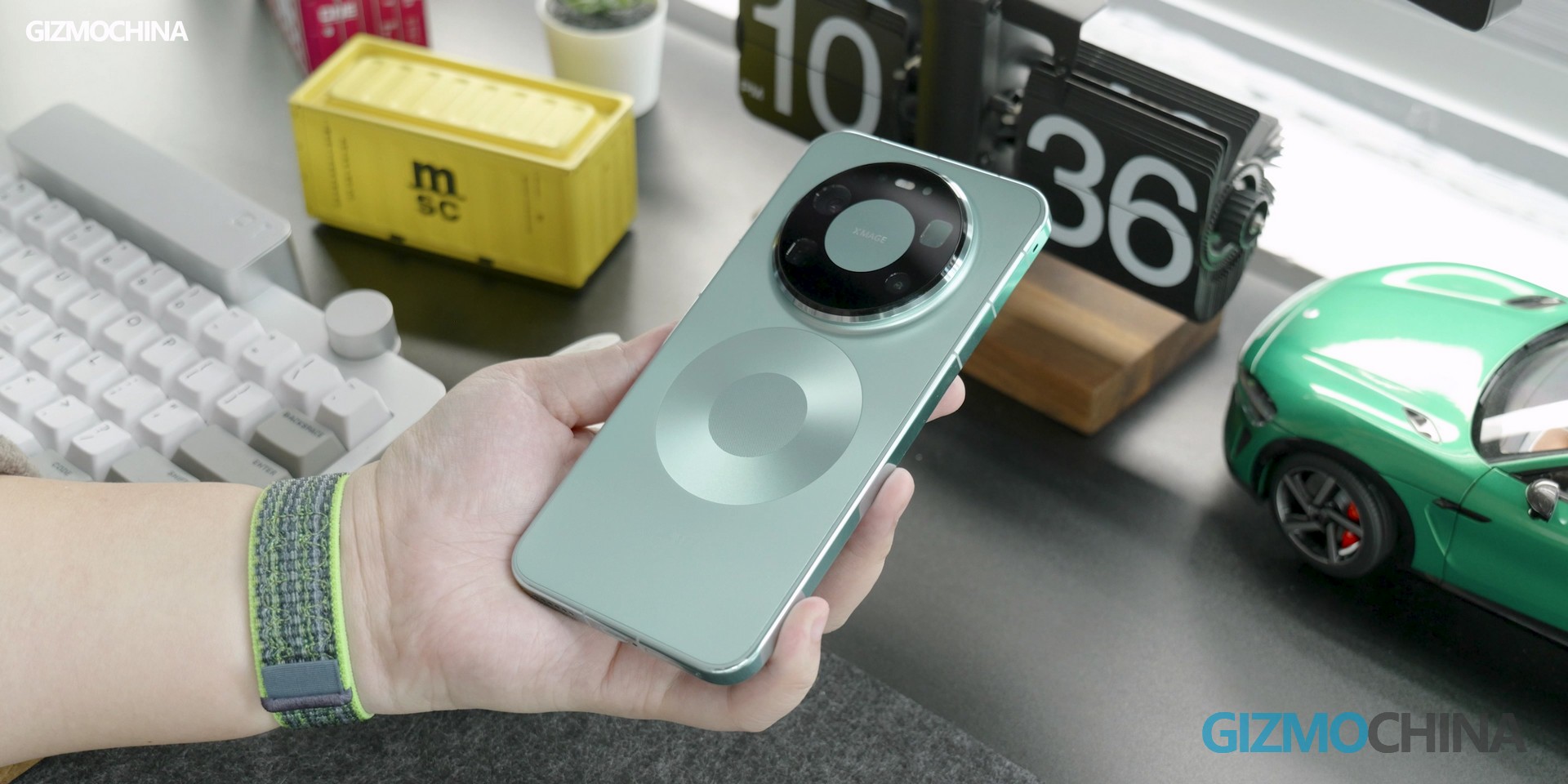
Let me answer the question you’re most curious about. No, this ring on the back doesn’t support magnetic accessories. Why the Mate 80 Pro Max has such a ring here it’s simply to prevent the functions of the wireless charging coil from being blocked by its metal back cover.
Compared to the Mate 70 series, the frames of the Mate 80 series have changed from round to flat. The benefit is that it looks slimmer. As for the downside, your hand will tell you.
The Mate 80 Pro Max is a phone with many holes. The three holes on the screen are nothing new; basically, the 3D facial recognition module and the front camera.
There are also five holes along the frame, including the microphone, speaker port, and SIM card slot—most of them are familiar to us. But what is this hole on the side for? HUAWEI told us that this is also one of the speakers. The difference is that it’s mainly used to cancel out the sound waves leaking during calls, to protect your privacy during phone calls.
Many of HUAWEI’s target users are outdoor explorers, so HUAWEI also designed new features for them. The Mate 80 Pro Max adds a new Expedition mode, which turns a modern smartphone into a professional outdoor tool. In addition to satellite communication and emergency messaging, it also extends battery life a lot. The map has also been optimized, automatically recording your path and allowing you to retrace your route anytime.
With IP68 and IP69 ratings, and the second-generation Kunlun Glass, treating the Mate 80 Pro Max as an ultimate rugged phone is absolutely justified.
Display
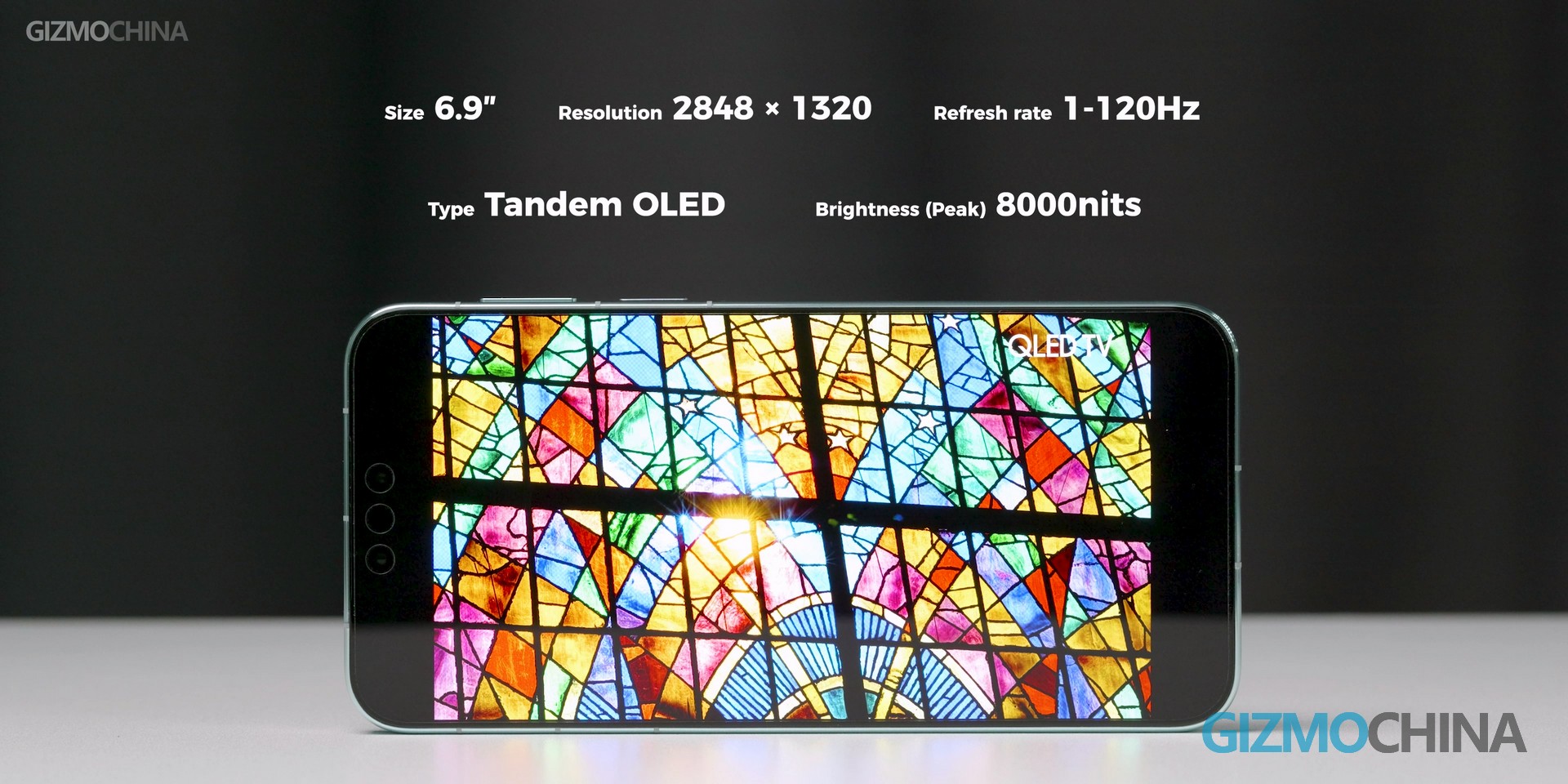
If you have the budget to buy the Mate 80 Pro Max or RS Ultimate version, your display will be upgraded from regular OLED to a Tandem one. Tandem OLED is not a new technology. The iPad Pro and HUAWEI Mate 70 RS Ultimate both use Tandem OLED.
The benefits of this panel are obvious—higher brightness, wider color gamut, and lower power consumption. Higher resolution may not be noticeable for everyone, but higher brightness is something you will definitely feel. I placed it next to several flagship phones we own, and at a glance, you can see how high the Mate 80 Pro Max’s brightness is.
Not only is it easier to read under sunlight, but it also excels at HDR content. The blinding highlights are hard to capture in video. Trust me, if you get a chance to see the Mate 80 Pro Max’s display in a store, you’ll definitely feel tempted to buy it.
The only downside of Tandem OLED is expense; however, the Mate 80 Pro Max is probably the cheapest Tandem OLED phone at launch right now. So this should be one of the strongest reasons for you to buy this phone.
Performance & Battery
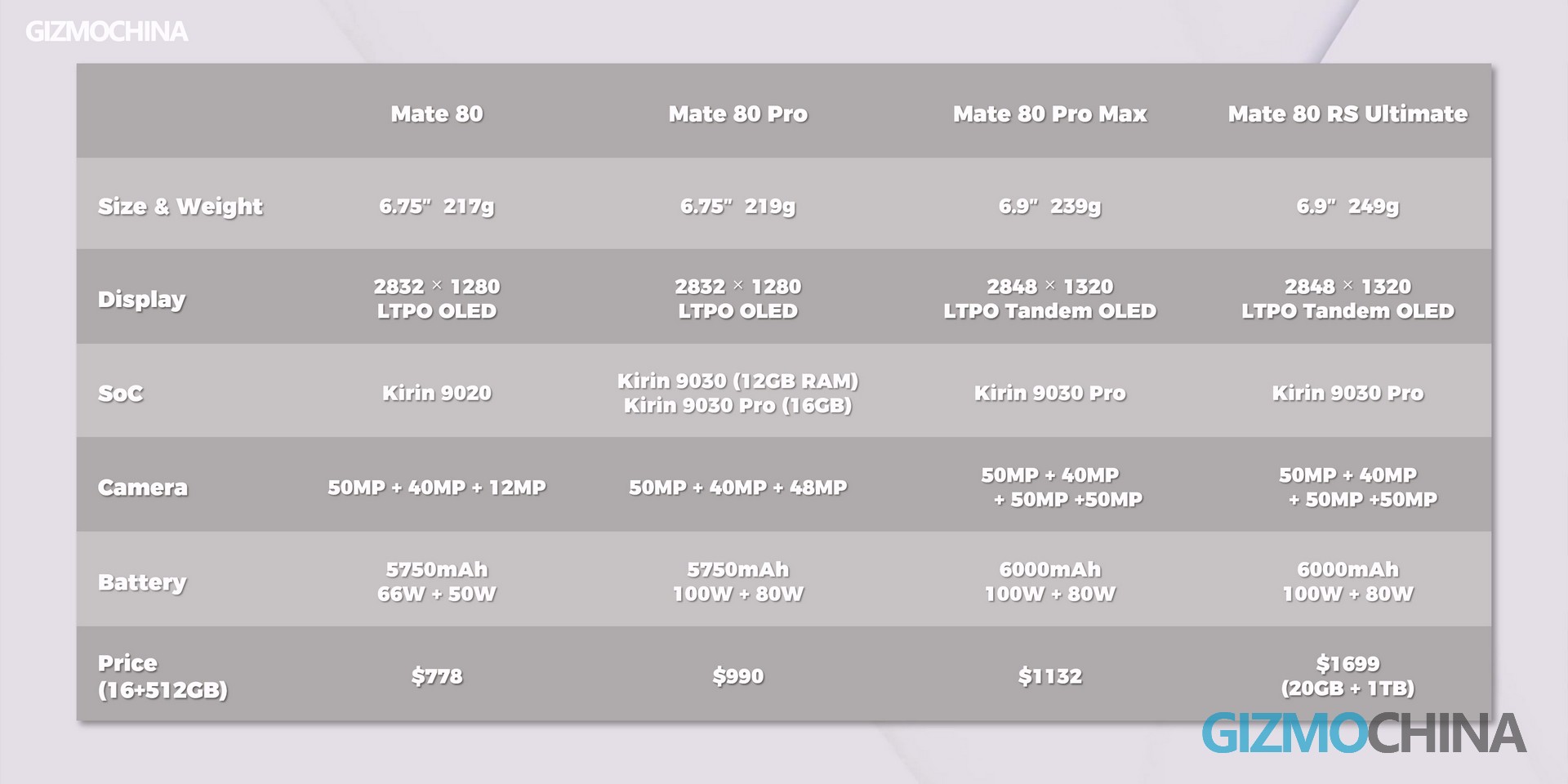
The Mate 80 Pro Max uses the latest and most powerful Kirin 9030 Pro platform. Compared to the Kirin 9020, the 9030 Pro has one extra P-core, and both CPU and GPU frequencies have been improved. It’s worth noting that the four phones in the Mate 80 series have three different Kirin processor models. If you want the highest performance from a HUAWEI phone, you need to get the 16GB RAM Pro version at least.
Since the benchmarks we commonly use are all blacklisted by HUAWEI, we won’t be running benchmarks this time—the scores can’t prove the strength of a chipset anyway. So let’s jump straight to gaming performance.
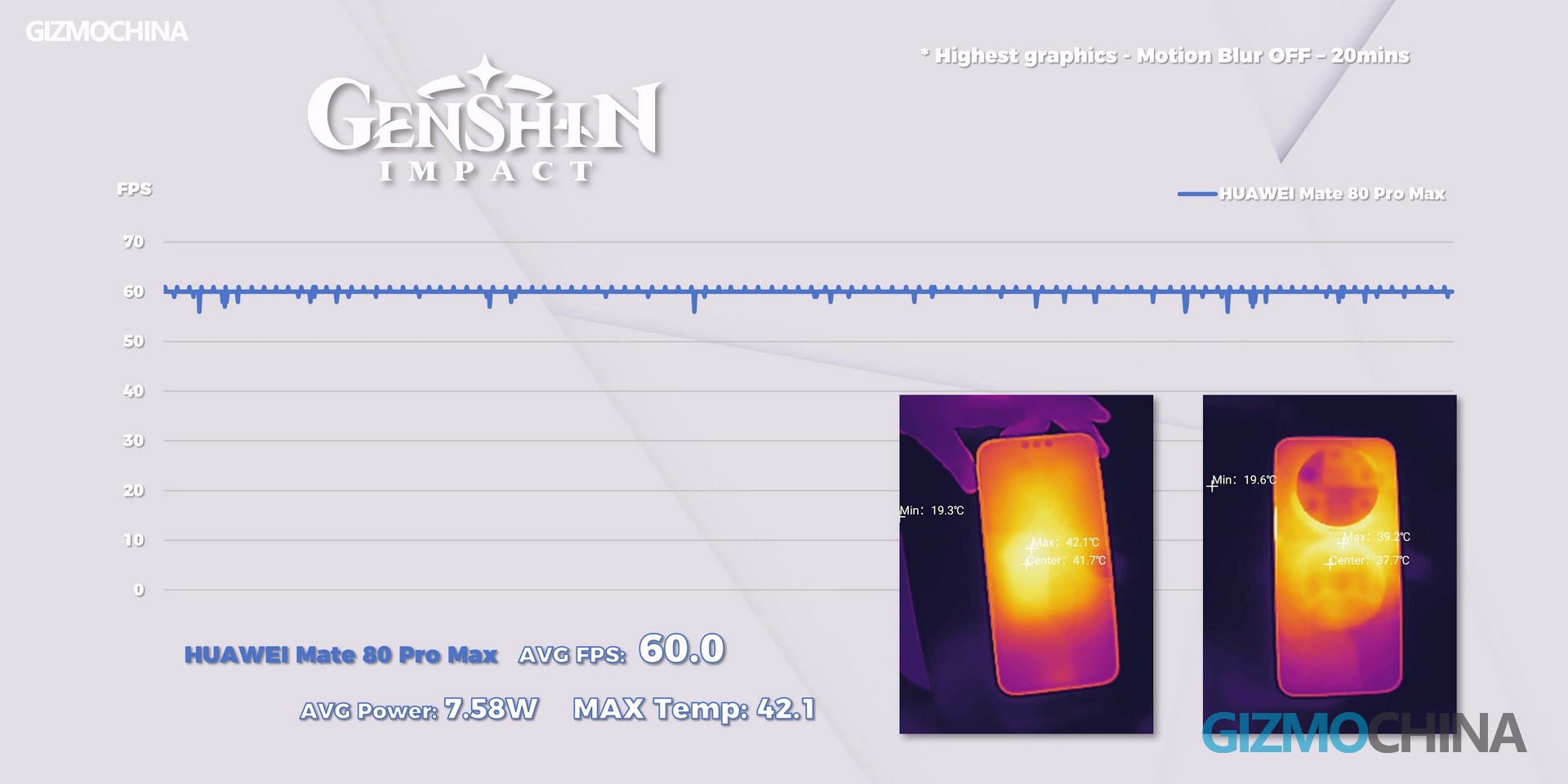
Fortunately, miHoYo developed a HarmonyOS-exclusive version of Genshin Impact. This makes it one of the very few games that can fully unleash the Kirin 9030 Pro’s performance. And when you enable high-performance mode, you can disable frame interpolation.
HUAWEI also designed a new performance monitoring tool for all HarmonyOS phones: HiSmartPerf. With this, we can finally capture accurate frame rate curves from HarmonyOSI devices.
Wow, look at this perfectly straight frame rate graph—can you believe this is from a HUAWEI phone? This is the native frame rate without interpolation. I can’t believe that. It’s beautiful. Thanks to the full metal back cover, heat is evenly distributed. From this, the gaming experience seems comparable to other Snapdragon 8 Elite Gen 5 phones.
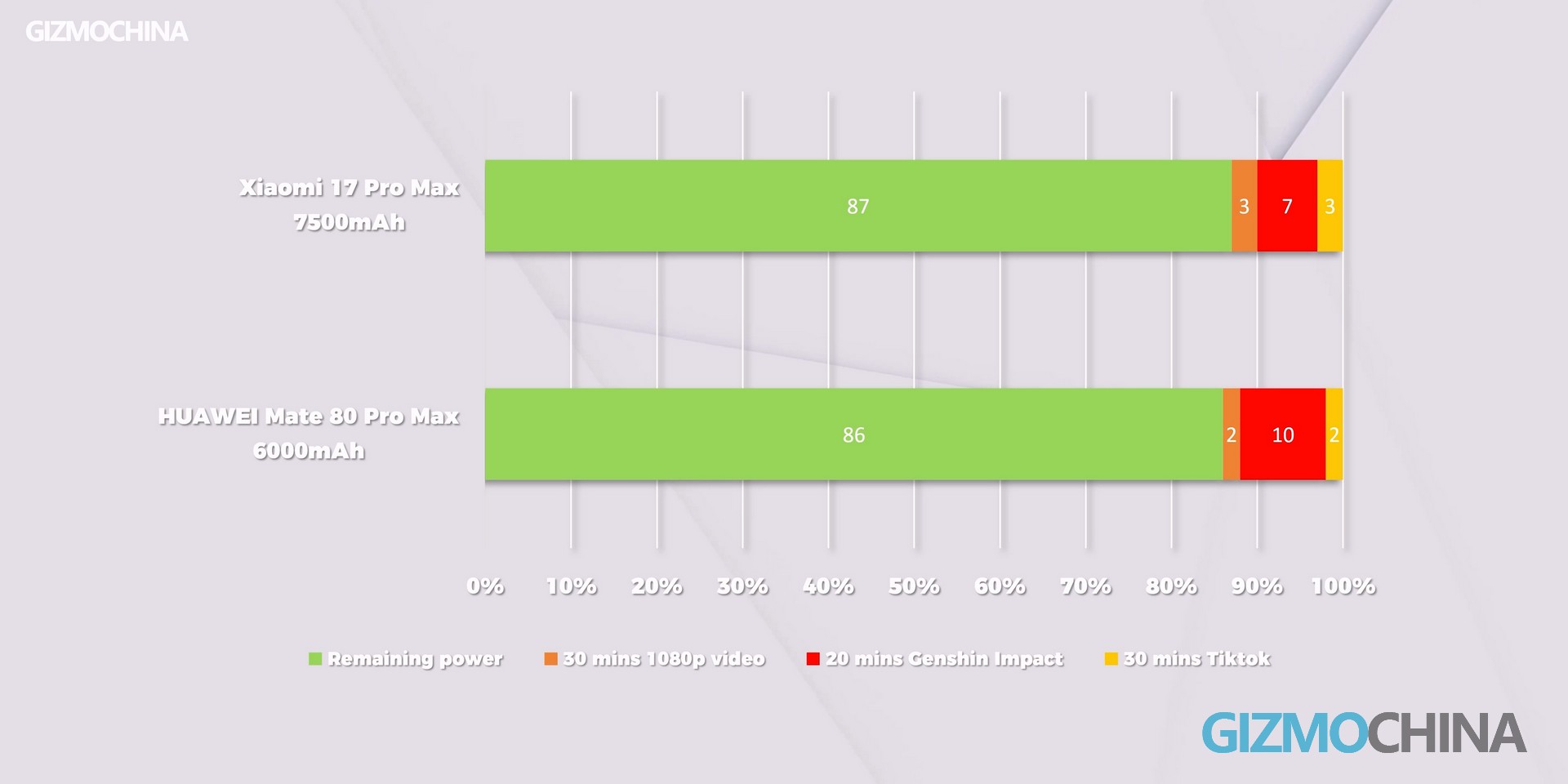
Well, the Kirin 9030 Pro has indeed made great progress, but there is a cost—its power consumption still has room to improve. And with the battery capacity only increased by 300mAh compared to the previous generation—less than we expected—so battery life in gaming does indeed fall behind. Fortunately, under light workloads, it’s power-efficient enough to rival phones with 7000mAh batteries if you don’t play games.
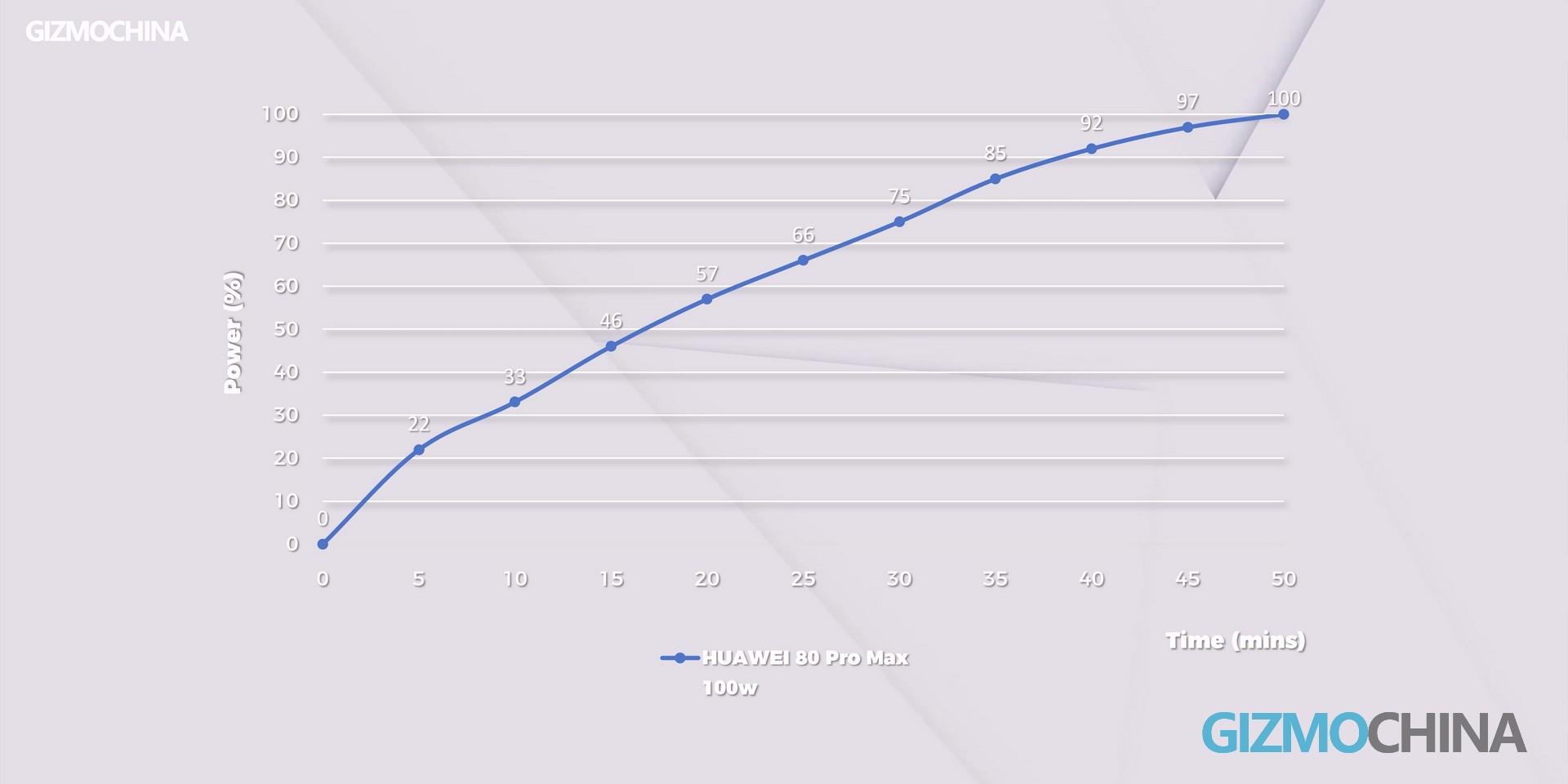
Wired charging supports 100W, and wireless charging goes up to 80W. It only takes 50 minutes to fully charge in our tests. Overall, I think battery and charging performance are still satisfying.
Camera
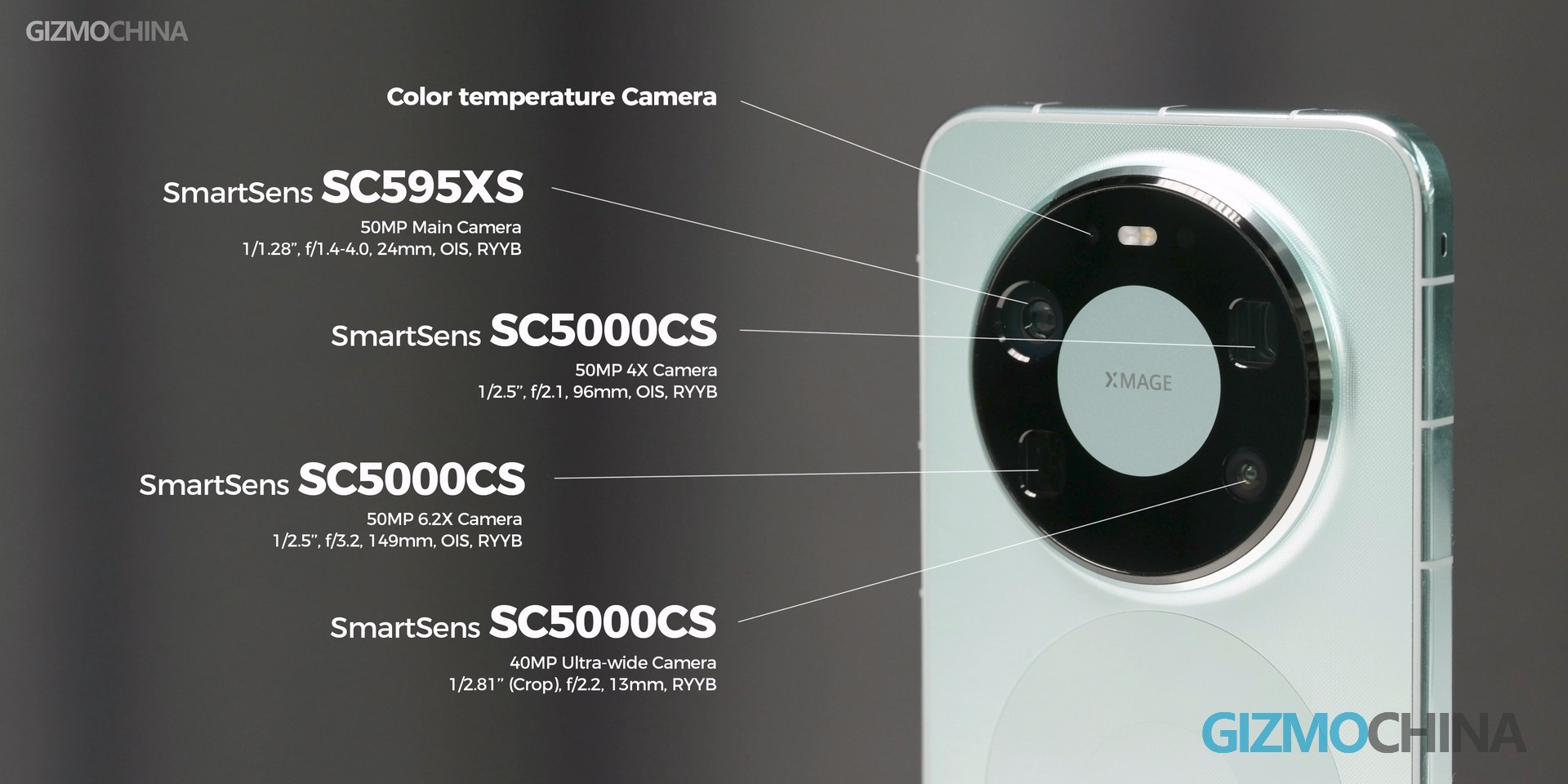
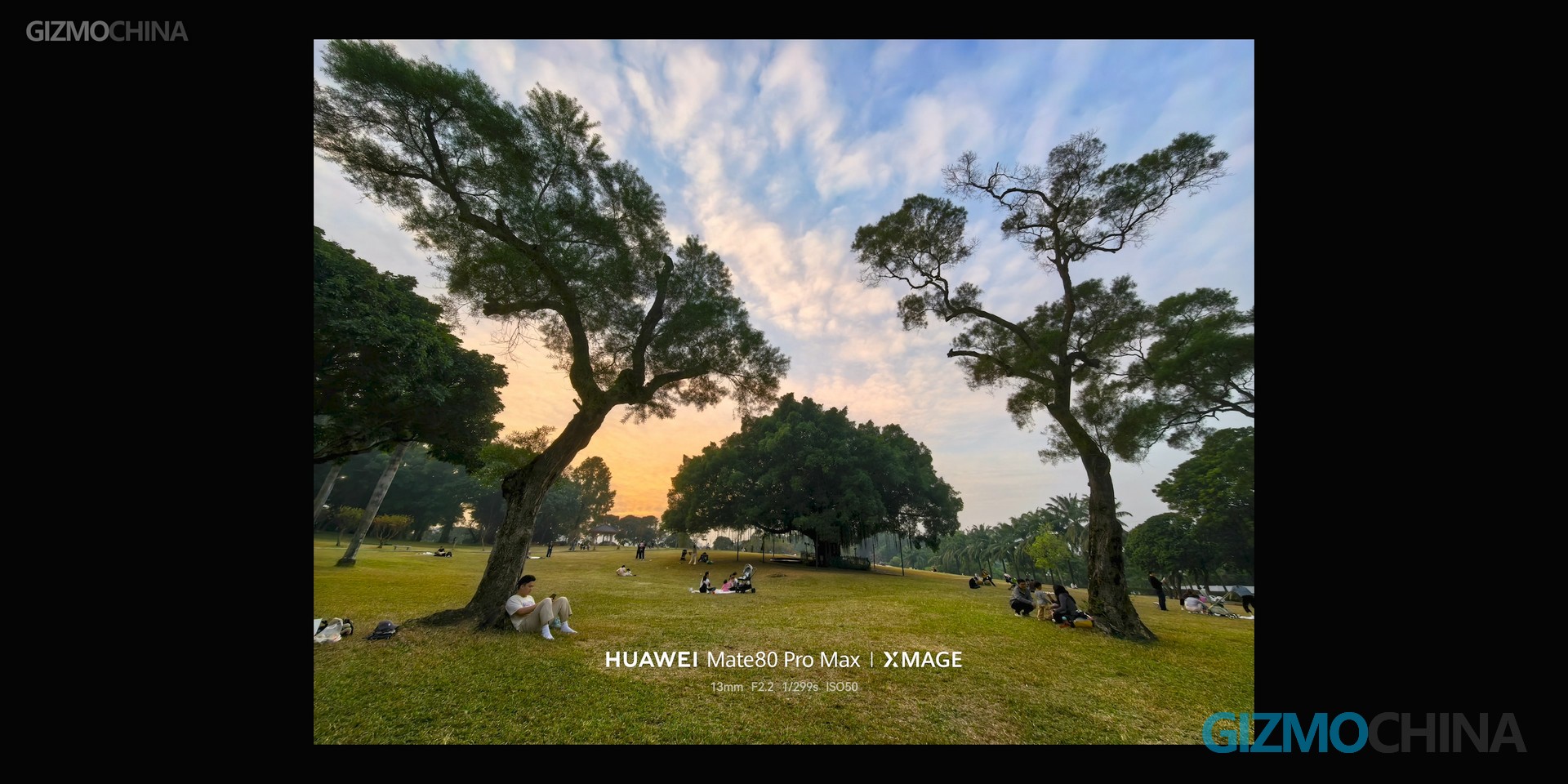
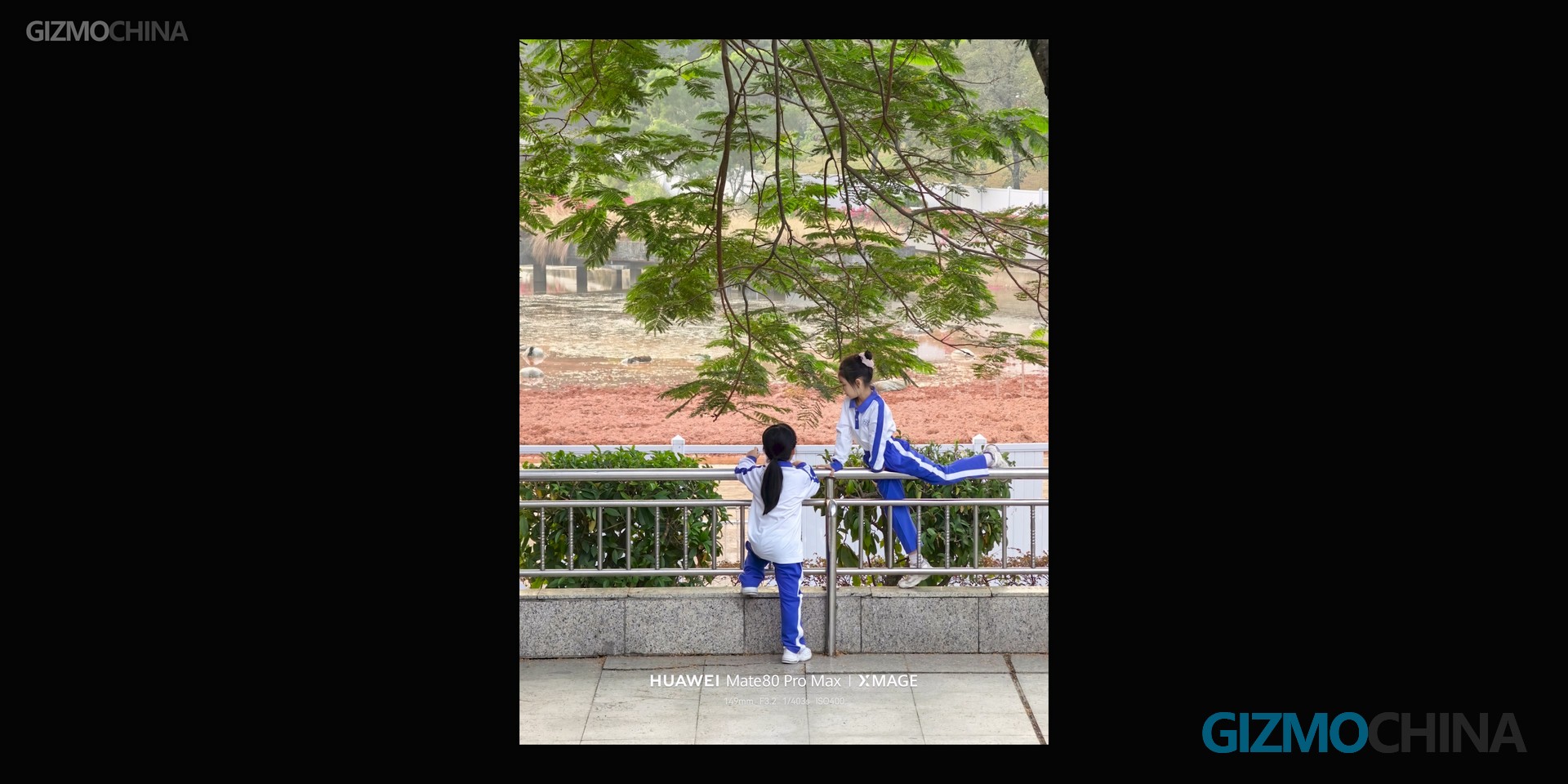
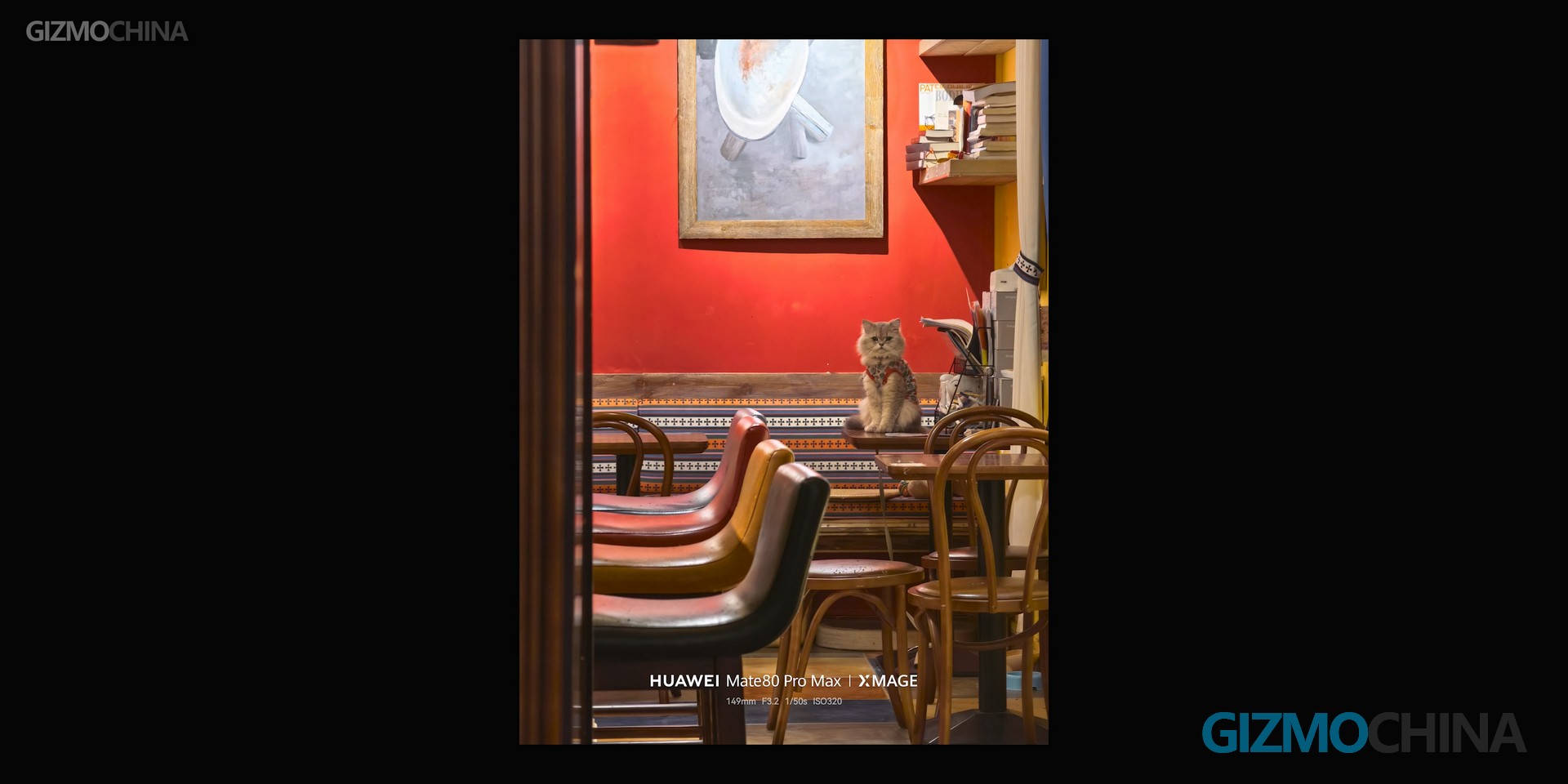
All four camera sensors on the Mate 80 Pro Max come from SmartSens Technology. Honestly, I’m very happy with all four of them. The ultra-wide has a sufficiently wide field of view, and 2 telephoto lenses let me capture subjects far away.
There are two things to note: First, the ultra-wide camera is not compromised like in many other flagships. It uses the same sensor as the two telephotos, meaning image quality at every focal length remains excellent. Secondly, every sensor uses an RYYB filter, increasing light intake and greatly improving low-light performance. And the color shift caused by RYYB can be corrected with the second-generation color temperature sensor. Combined with the variable aperture on the main camera and SmartSens’s new HDR technology, this is the most feature-rich and balanced camera system I’ve seen. Whether it’s dynamic range, white balance, or focal coverage, I can’t find any faults.
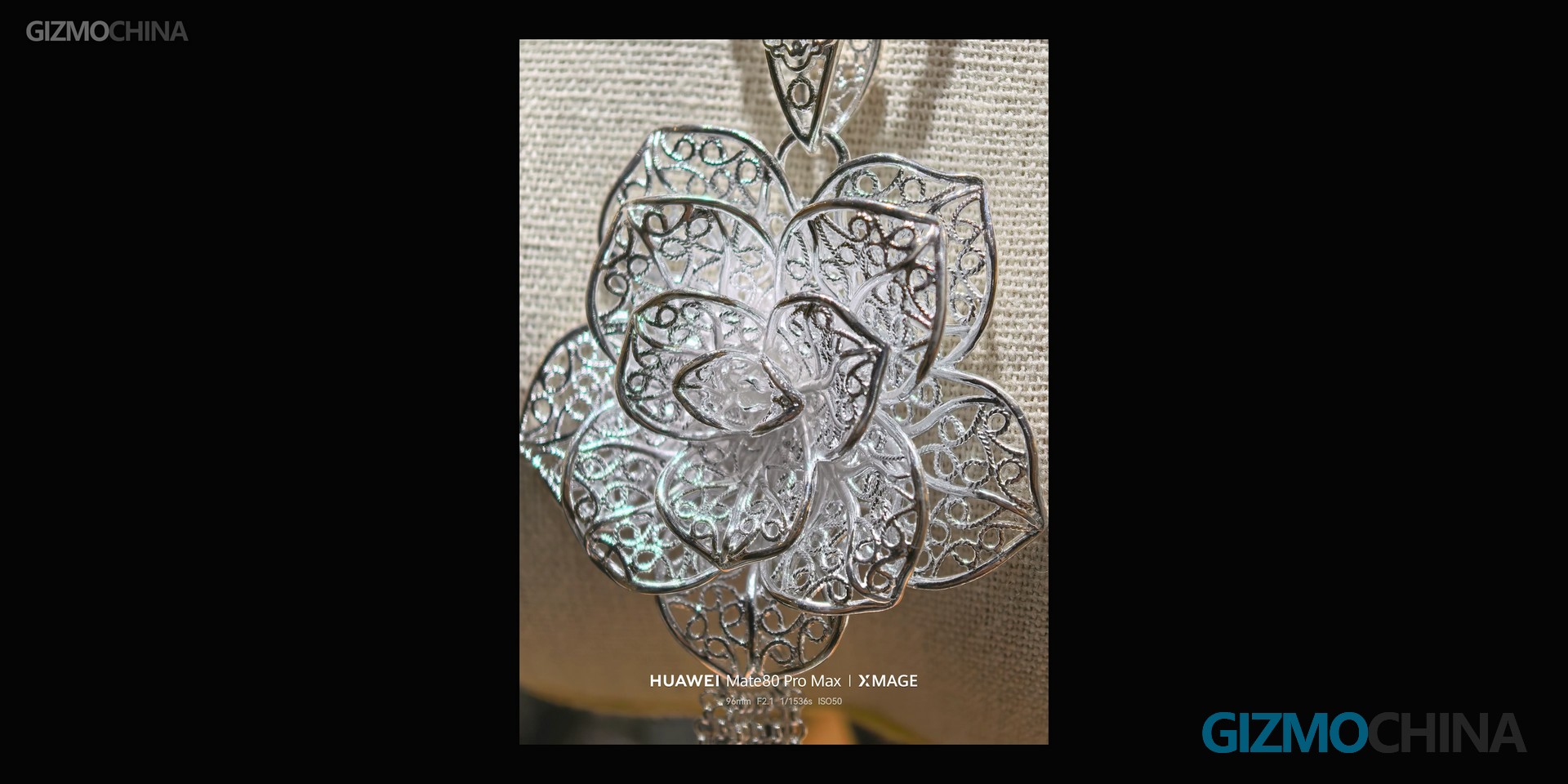
Some phones try to use a 200MP mid-telephoto camera, rely on in-sensor zoom to cover longer focal lengths. Although in most cases, the cropped photos look similar to the Mate 80 Pro Max’s 6.2x optical zoom, this approach has two major drawbacks you might not know: One, their telephoto cameras cannot shoot macro photos. The Mate 80 Pro Max’s 4x telephoto has a minimum focusing distance of 5cm—the best macro performance we’ve ever seen on any phone, period.
Two, if you need to shoot video using the telephoto lens, the quality difference becomes huge. So, between a single large-sensor telephoto and two smaller-sensor telephotos that cover longer ranges, I’ll always choose the latter.
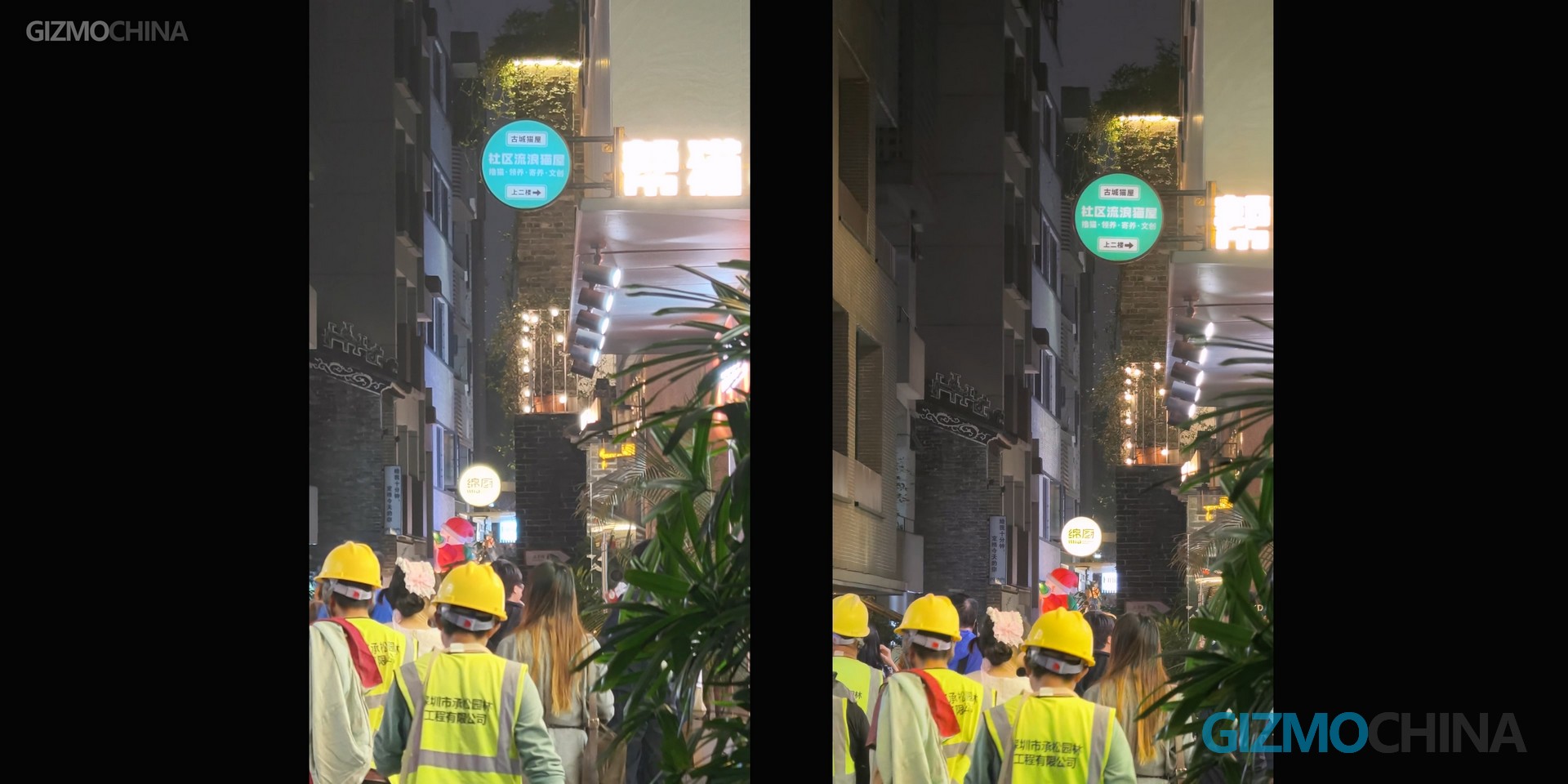
Speaking of video recording, the Mate 80 Pro Max has improved a lot as well. Shaking caused by stabilization has been reduced significantly. The ultra-wide sensor is also larger than that of other flagships, performing better than expected in low light.
The front camera is also from SmartSens, but with a smaller sensor. Selfie quality is average.
Conclusion
After reviewing this phone, I realized I like it more than the time I bought it. Although it looks more ordinary now, and its performance can’t compete with other Pro Max devices, HarmonyOS 6 is very smooth, and battery life is excellent if you don’t play games. The camera system is my favorite—full-range quad cameras—and it also has the brightest display I’ve ever seen.
Add long-held advantages like signals and Face ID, and you’ll understand why HUAWEI phones remain popular. Oh, and it’s also cheaper now, so for longtime HUAWEI users, this is the perfect time to upgrade.

 Login
Login