
 Login
Login

Women entrepreneurs driving the Middle East forward
International Women’s Day 2026 arrives amid a period of geopolitical tension, economic recalibration, and rapid technological transformation in the Middle East. Yet even against this backdrop, women entrepreneurs across the region are not only building companies—they are redefining leadership, challenging entrenched norms, and proving that resilience is not just a trait but a strategic advantage. Their journeys reflect a region in motion, one where opportunity is expanding but structural barriers persist. Through their voices, a powerful narrative emerges: women are not waiting for change—they are creating it.
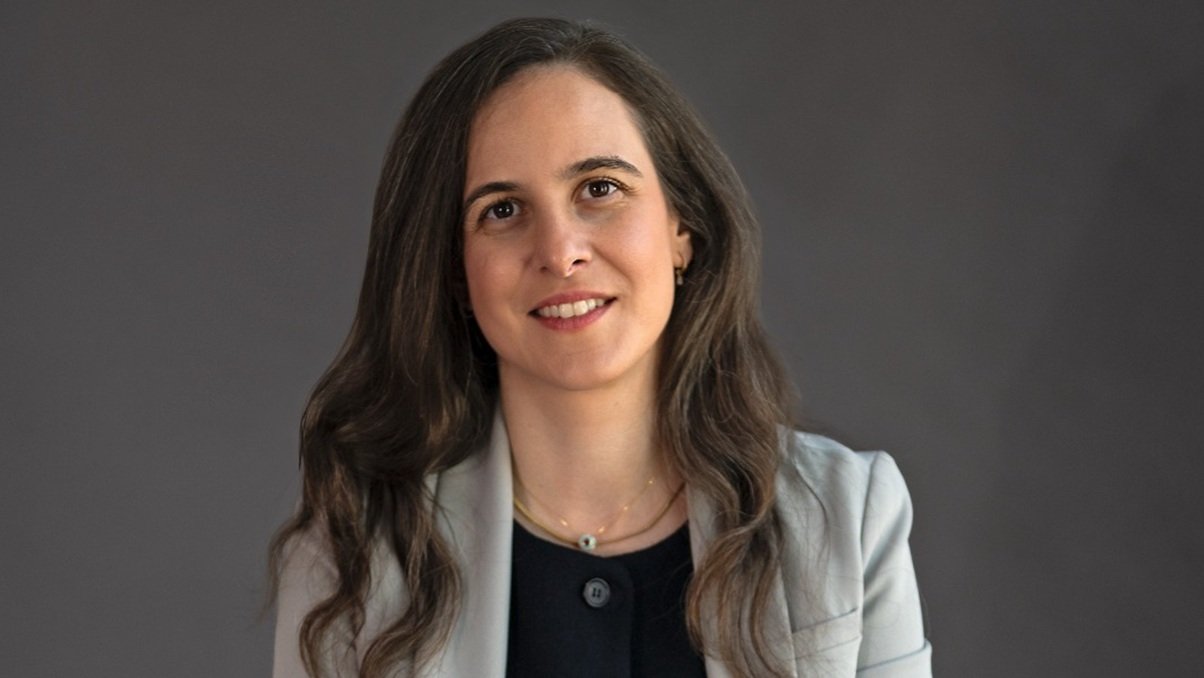
Rawan Baddour, Co-Founder of Zest
Rawan Baddour, Co‑Founder of Zest, has always believed that preparation and hard work—not gender—shape entrepreneurial success. She resists viewing her journey through a gendered lens, arguing that doing so risks limiting ambition. For her, the founders who inspire most are those who focus on what they are building and how consistently they push themselves to evolve. Yet she acknowledges that the region’s ecosystem still has structural gaps, particularly in early‑stage funding where informal networks often determine access. While regulatory progress and increased female representation in investment circles have opened new doors, she stresses that transparency in how capital moves is essential. When evaluation criteria are clear and structured, the quality of the idea—not the founder’s connections—becomes the deciding factor.
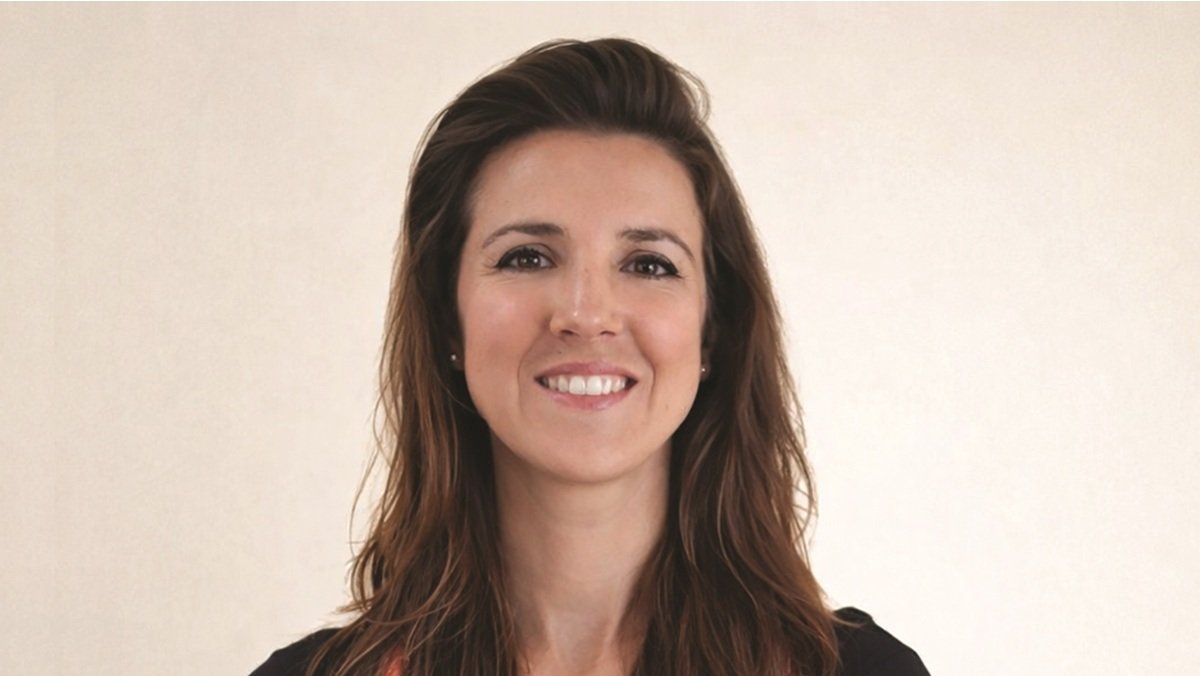
Felicia Agmyren, Founder & Managing Partner of REX Real Estate
Felicia Agmyren, Founder and Managing Partner of REX Real Estate, sees empathy, deep listening, and collaborative leadership as the strengths that have shaped her success in the UAE. These qualities have helped her understand clients deeply, build trust, and create long-term value. She notes that the region has made meaningful progress, with greater visibility for women founders, stronger institutional support, and more inclusive networks. Yet she believes funding remains uneven and senior mentorship limited, especially in high-growth sectors. For Felicia, the most impactful change would be ensuring transparent, performance-based access to capital. When evaluation criteria are consistent and merit-driven, strong businesses thrive regardless of gender—accelerating innovation and economic growth across the region.
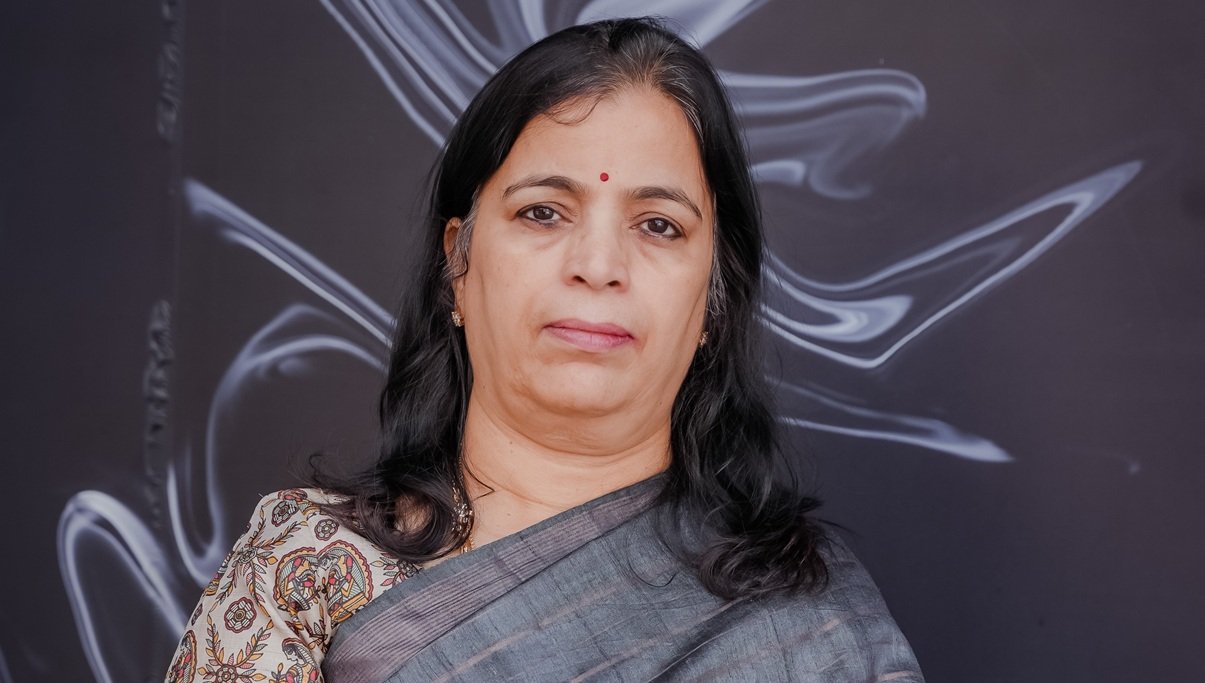
Uma Shankari, Managing Director of Luckystar Computers
For Uma Shankari, Managing Director of Luckystar Computers, entrepreneurship has been a journey defined by ambition, courage, and unwavering family support. While some viewed her decision to start a business as a challenge, she saw it as a calling. Her family’s belief in her abilities—later strengthened by her husband’s encouragement—became the foundation of her confidence. Being a woman in business has taught her resilience, emotional intelligence, and the ability to balance multiple responsibilities without losing focus. She sees the Middle East evolving rapidly, with governments championing entrepreneurship and digital transformation creating new opportunities for women. Yet she believes access to venture capital remains the biggest barrier. Equal, structured, and transparent funding processes, she argues, would unlock the full potential of women founders and accelerate the region’s economic diversification.
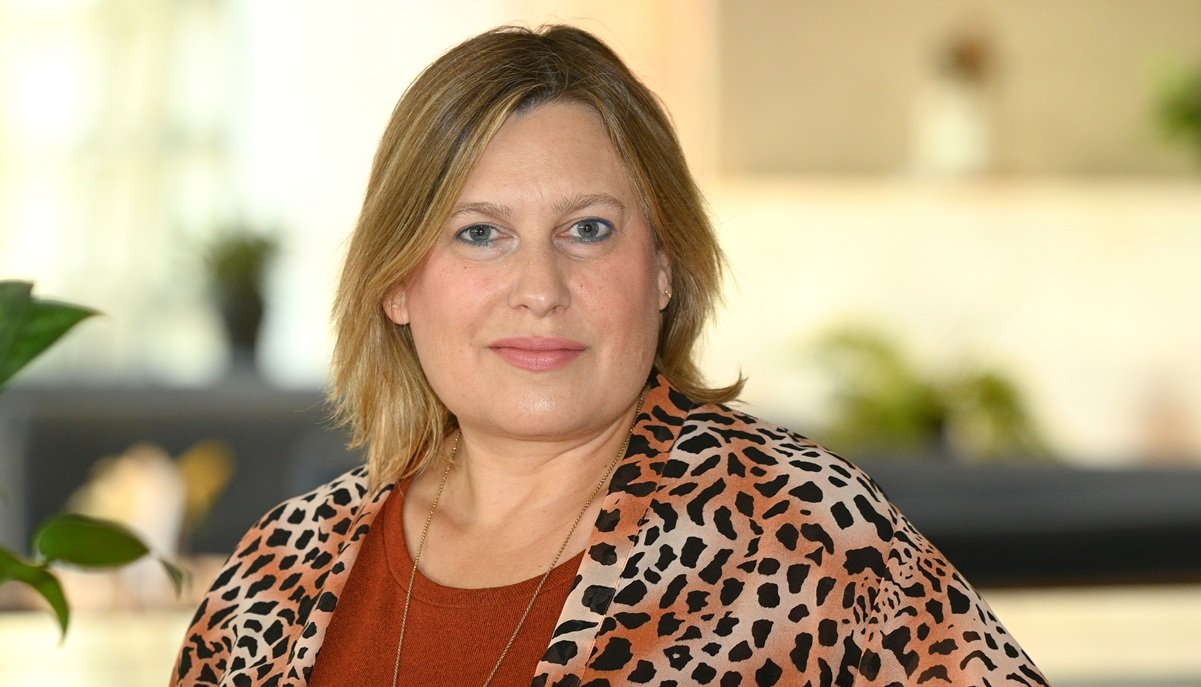
Ananda Shakespeare, Founder and CEO of Shakespeare Communications
Ananda Shakespeare, Founder and CEO of Shakespeare Communications, has seen firsthand how being a woman shapes the entrepreneurial journey in the Middle East. Many private workplaces in the UAE still lack women‑friendly environments, with men dominating leadership and entire teams. Finding herself as the only woman in meetings, offices, or even lifts highlighted how deeply gender imbalance persists. These experiences strengthened her resolve to build her own path—one where women are not outliers but leaders. She also believes the rise in female founders is partly driven by workplaces that don’t fully support women’s needs. While angel investing exists, structured support for expat women remains limited. If she could change one thing, it would be significantly increasing investment in female‑led startups, because targeted funding has the power to unlock growth and enable women to empower one another across the region.
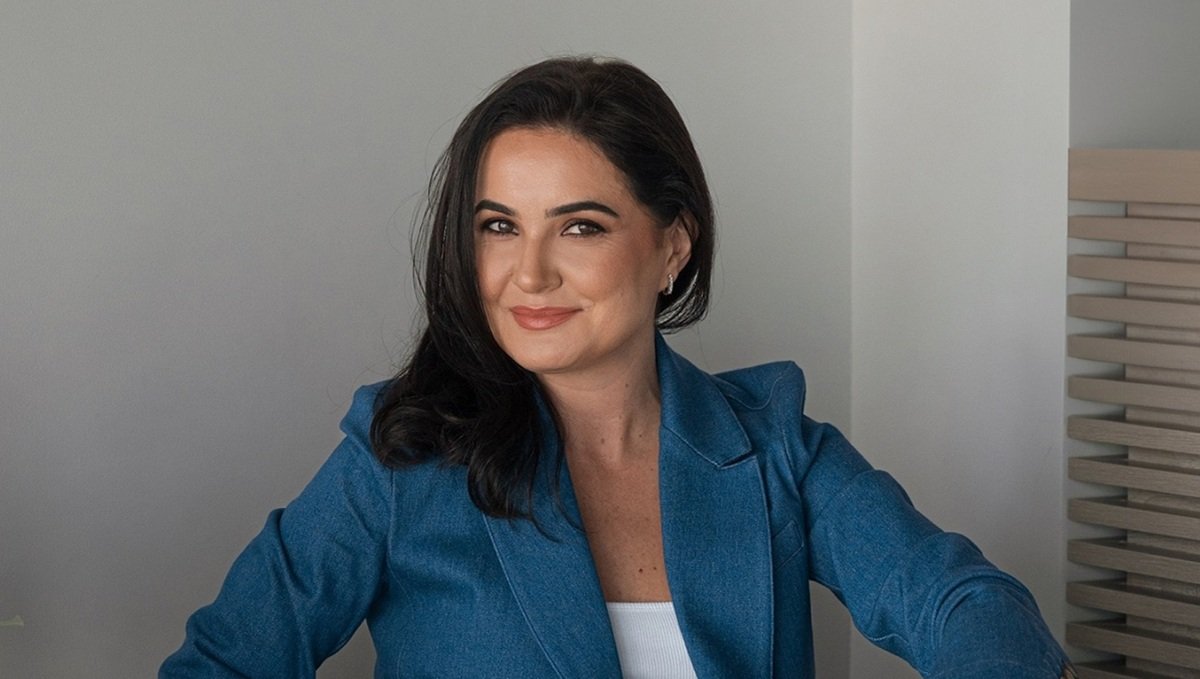
Anna Skigin, Founder & CEO, Frank Porter
Anna Skigin, Founder and CEO of Frank Porter, speaks candidly about navigating a male‑dominated industry where she was often underestimated or not taken seriously. Rather than discouraging her, these moments fueled her determination to excel and prove her competence. She believes her greatest strength lies in her ability to see situations differently, make emotionally intelligent decisions, and avoid ego-driven leadership. Anna acknowledges that the region’s startup ecosystem is shifting, with more visibility for women founders and stronger support networks emerging. However, she emphasizes that access to funding—especially at later stages—remains uneven. Informal networks still tend to favor men, and representation among investors is limited. For her, improving access to capital for women-led startups would create long-term, systemic change, allowing talent—not gender—to determine opportunity.
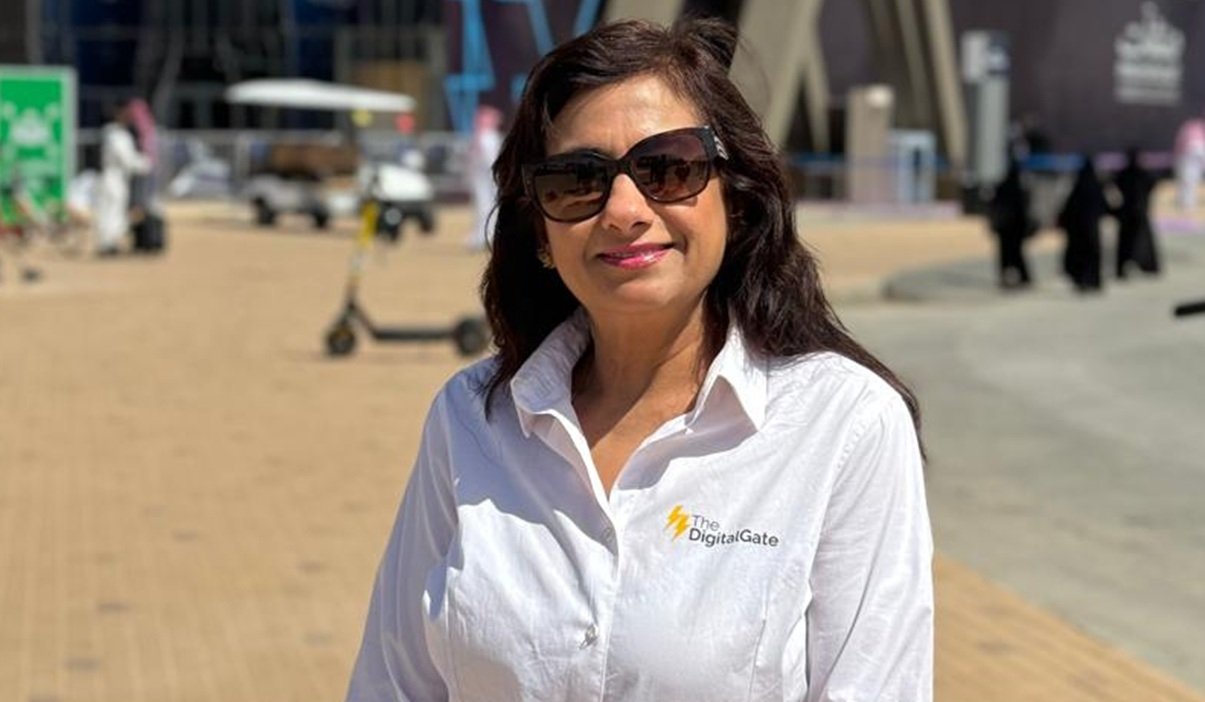
Subela Bhatia, Founder and Managing Director at Imperium Middle East
Subela Bhatia, Founder and Managing Director at Imperium Middle East, describes her entrepreneurial journey as one built on strategic thinking, resilience, and the belief that leadership does not need to mirror traditional norms to be effective. In fields like cybersecurity, data analytics, and workforce development, she has learned that long‑term trust and relationship-building matter more than transactional wins. As a woman in tech, she has often faced perception challenges rather than capability gaps, requiring her to repeatedly prove her expertise. Subela sees significant progress driven by government initiatives, advisory networks, and women-led communities. Yet she believes deep‑tech funding, visibility beyond women-only platforms, and cultural mindset shifts in technical domains remain critical areas for improvement. Redirecting institutional capital toward performance-based investment in women-led tech companies, she argues, would unlock transformative impact across the region.
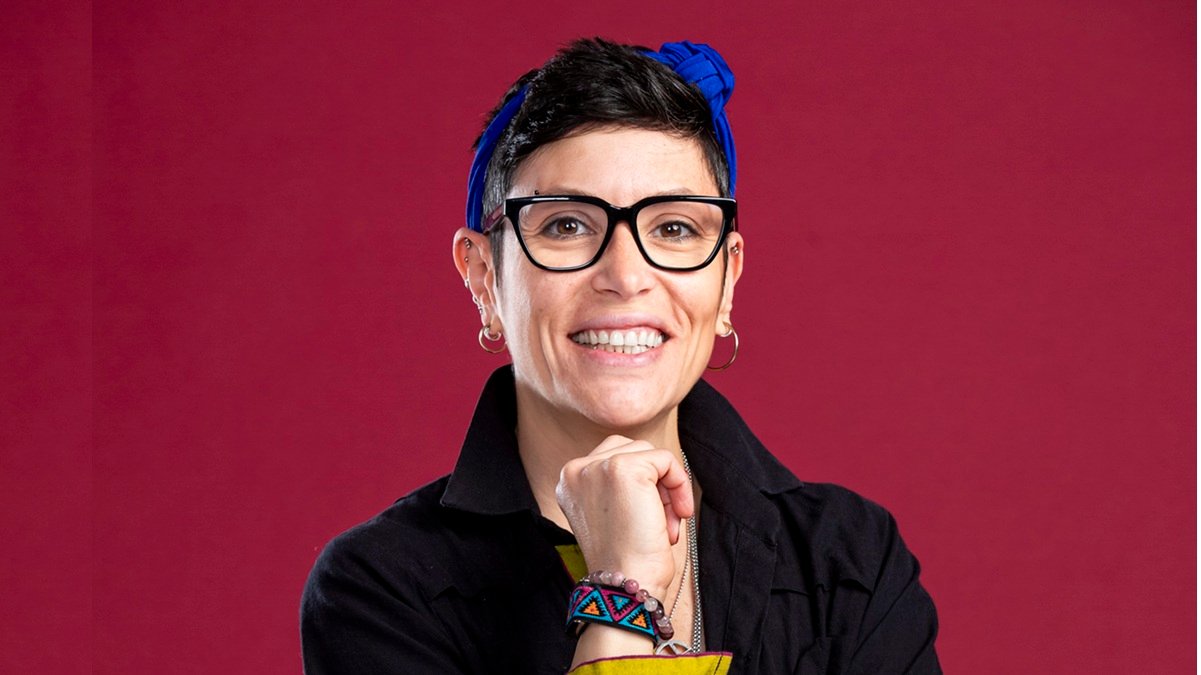
Ola Sinno, co-founder of Spill the Bean
For Ola Sinno, Co‑Founder of Spill the Bean, entrepreneurship in the Middle East has been a journey of strengthening resilience, self-belief, and the ability to hold her ground in financial and operational discussions. She believes women bring emotional intelligence, long-term thinking, and community-centered leadership—qualities that build sustainable businesses rather than short-lived ventures. Ola sees encouraging shifts in the ecosystem, with more women launching scalable companies and incubators opening their doors more widely. Yet she stresses that visibility must translate into real capital access. Women founders, she says, do not need symbolic support—they need fair evaluation and equal opportunity to scale. She believes that normalizing flexible, outcome-based work structures would significantly support women balancing entrepreneurship with family responsibilities, creating a more sustainable and inclusive ecosystem.
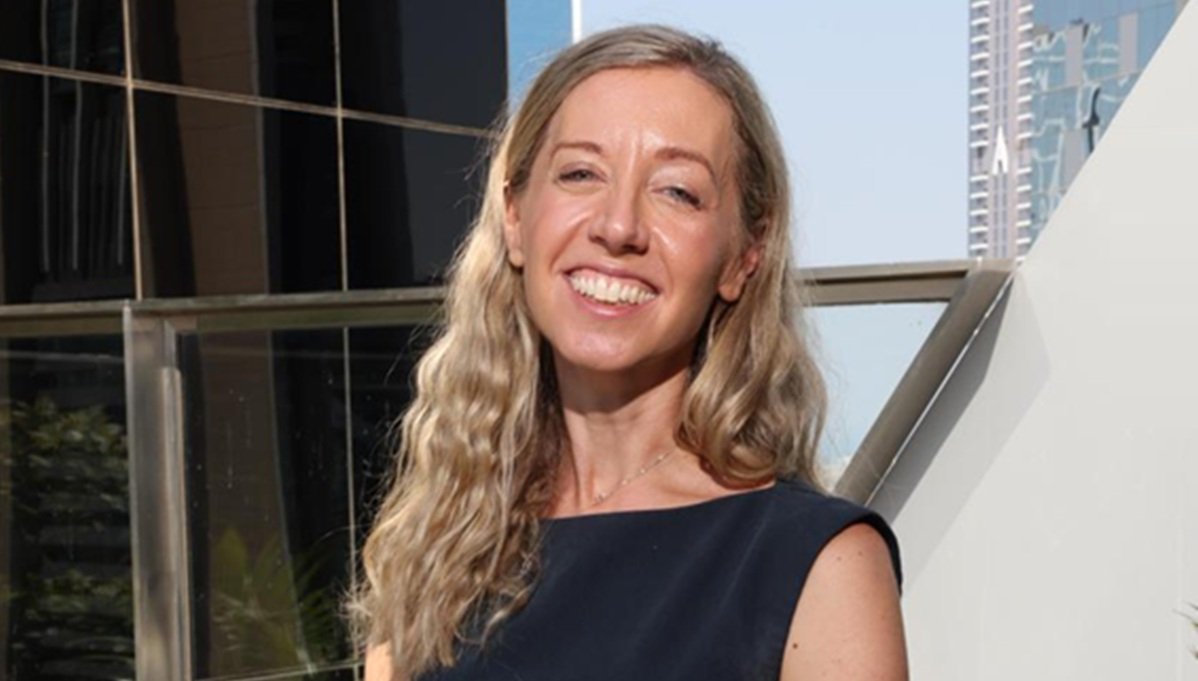
Cheryl King, Founder and CEO of King & Co PR
Cheryl King, Founder and CEO of King & Co PR, believes her entrepreneurial journey has been shaped more by relationships and networks than by gender. While being a woman in tech brings visibility, she credits her success to the strong connections she has built across the Middle East and the UK. Cheryl sees growing institutional support for women founders, particularly in the UAE and Saudi Arabia, where government-backed accelerators and funding initiatives are expanding opportunities. However, she notes that progress is still needed in late-stage funding and board-level representation within high-growth technology companies. For her, sustained access to capital, mentorship, and government-backed growth initiatives are essential to strengthening the region’s entrepreneurial landscape. Supporting women-led networks, she adds, is vital to ensuring that strong ideas—regardless of gender—can scale and contribute meaningfully to the region’s economic future.
Women entrepreneurs across the Middle East are building companies in a time of heightened uncertainty, yet their determination remains unwavering. Even as the region grapples with geopolitical conflict and economic volatility, these founders continue to innovate, lead, and push boundaries with remarkable clarity and courage. Their stories reveal a powerful truth: resilience is not merely a response to adversity—it is a catalyst for transformation. As the Middle East charts its path forward, women entrepreneurs are not only participating in the region’s evolution; they are shaping it. Their leadership, vision, and refusal to be limited by circumstance are driving a new era of inclusive, sustainable, and future-ready entrepreneurship.
The post Women entrepreneurs driving the Middle East forward appeared first on My Startup World - Everything About the World of Startups!.
