Login
Login
Why Your Emails Aren’t Getting Clicked (And How to Fix That)
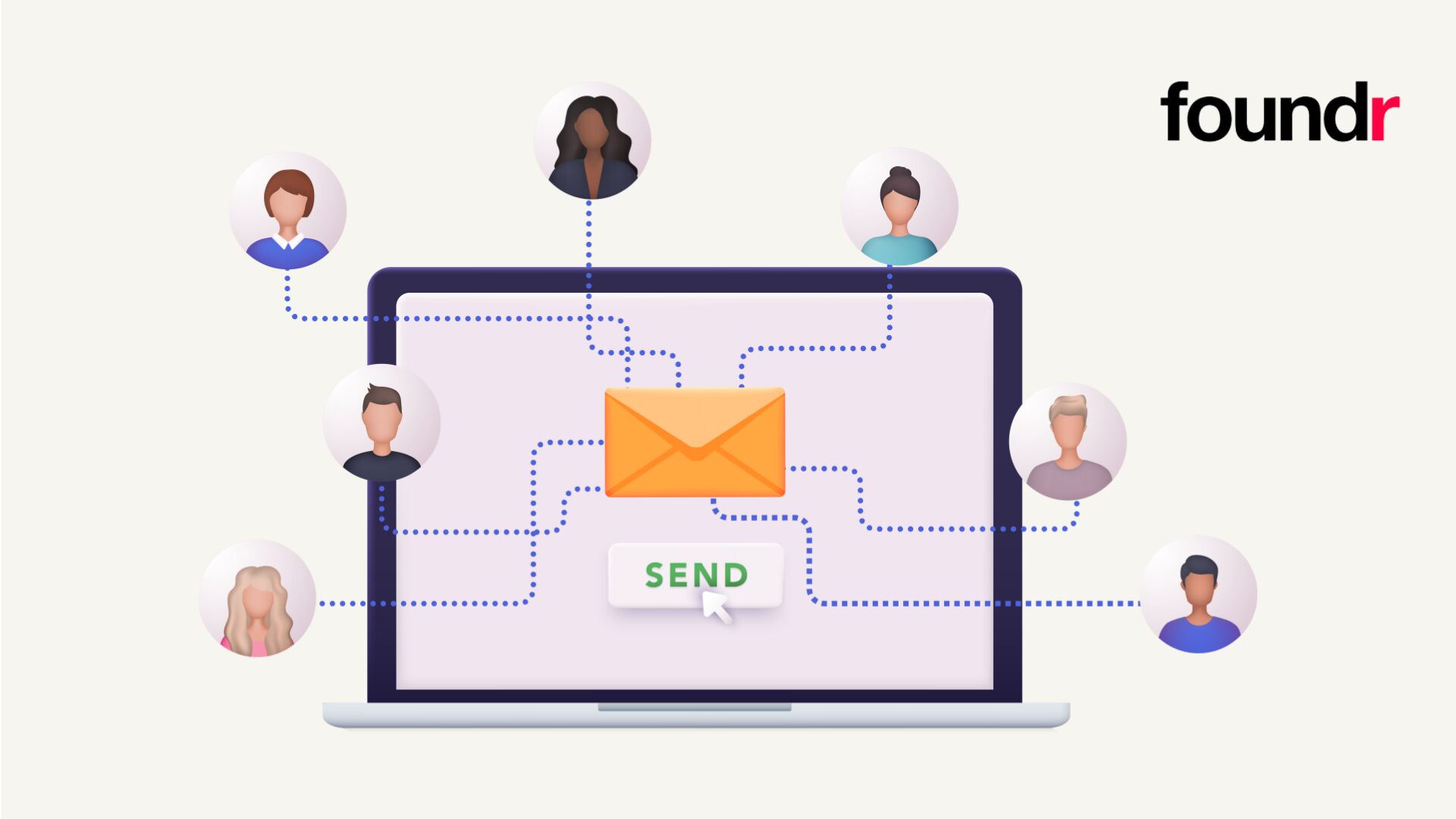
You spend hours crafting the perfect email. The subject line feels sharp, the copy is polished, and you’re confident this one is going to drive serious clicks.
Then it lands in inboxes… and nothing happens.
No spike in traffic. No sales. No meaningful engagement.
Just another email your audience scrolls past.
If this feels familiar, you’re not alone. Even the smartest founders and marketers struggle to turn opens into clicks. And while it’s easy to blame “email fatigue” or shrinking attention spans, the real problem usually comes down to a handful of fixable mistakes.
The good news? Small, strategic tweaks can dramatically boost your click-through rate. In this article, we’ll break down why people aren’t clicking your emails and exactly how to reverse it using proven psychology and practical best practices.
Ready to turn passive readers into active customers? Let’s dive in.
Why Your Emails Aren’t Getting Clicked
Before you can fix low click-through rates, you need to understand why people aren’t taking action in the first place. Most email performance issues stem from a few common patterns. If your CTR is flat or falling, chances are one of these culprits is to blame.
Your subject line isn’t pulling its weight
The subject line is your email’s first impression, and in a crowded inbox, you only get a split second to earn attention. If your subject line is vague, predictable, or overly salesy, people will skip right past it.
Strong subject lines spark curiosity, promise value, or tap into a specific desire. Weak ones blend into the noise. If you’re not making people want to open your email, you’ll never get them to click inside it.
You’re not connecting with the reader’s mindset
Most emails fail because they talk at the reader instead of speaking to where the reader is mentally or emotionally.
People click when something feels relevant.
They click when they feel understood.
They click when the message aligns with what they’re already thinking about.
If your email jumps straight into a pitch without context or empathy, the disconnect kills engagement long before the CTA appears.
The email feels generic or impersonal
Sending one blanket message to everyone on your list doesn’t work anymore. Subscribers are used to personalized recommendations, tailored content, and experiences that feel crafted for them.
If your emails feel mass-produced, readers treat them that way.
When the message doesn’t match their interests, stage in the buyer journey, or past behaviour, they simply won’t engage.
Your formatting makes it hard to read
Huge paragraphs, cluttered layouts, weak hierarchy, and buried CTAs all cause friction. And friction kills clicks.
People skim emails, especially on mobile. If they can’t quickly understand what the message is about and what’s in it for them, they won’t take the next step.
Your job isn’t just to write well. It’s to make the message effortless to digest.
You’re not using psychological triggers that drive action
Clicks don’t happen by accident. They’re a response to emotional cues.
Urgency, curiosity, social proof, reciprocity, fear of missing out, clarity of benefit. These are the levers that turn attention into action.
When your email lacks these triggers, the message may be pleasant but ultimately forgettable. A good email makes people nod. A great email moves them to click.
How to Fix It (Step by Step)
Fixing low click-through rates isn’t about reinventing your entire email strategy. It’s about tightening a few key elements so your message feels clearer, more relevant, and more compelling. Here’s how to turn your emails into high-performing assets your audience actually engages with.
1. Write subject lines that spark curiosity or promise value
Great subject lines earn attention by doing one of two things:
They make the reader curious, or they make the benefit irresistible.
Keep them short. Avoid clichés. And focus on what the reader gets, not what you’re sending.
A few reliable approaches:
- Ask an intriguing question
- Tease a solution to a known problem
- Create an open loop that the reader wants to resolve
If the subject line earns the open, the content can earn the click.
2. Segment your audience and tailor the message
People click when the message feels made for them. Segmentation lets you send targeted emails based on behaviour, skill level, interests, or stage in the buying journey.
The more specific the message, the more relevant it feels. And relevance is the fastest route to clicks.
Start with simple segments such as:
- New subscribers
- Customers vs. non-customers
- Highly engaged vs. inactive readers
- Product interest groups
Even basic segmentation can double or triple click-through rates.
3. Personalize beyond first names
True personalization is about context, not just tokens.
Use behaviour, history, and preferences to shape your message. For example:
- Recommend content based on what they previously read
- Reference items they browsed
- Follow up on something they downloaded
- Tailor emails to the challenges of their specific niche or role
When readers feel like the email speaks directly to them, they’re far more likely to click.
4. Use psychology to guide your CTA
A strong call to action isn’t just well-worded. It’s strategically positioned, emotionally primed, and crystal clear.
To increase clicks:
- Make the CTA benefit-driven
- Use urgency that’s real, not force
- Leverage social proof near the CTA
- Reduce hesitation with risk reversals or guarantees
Your CTA should feel like the natural next step, not a hard sell.
5. Improve readability and layout
If readability improves, clicks improve.
Make your email effortless to skim by using:
- Short paragraphs
- Bullet points
- Clear subheads
- Bolded key lines
- One primary CTA
And don’t underestimate design hierarchy. Your CTA should be impossible to miss, especially on mobile.
6. Test, Measure, Iterate
The most successful email marketers treat every send as data.
A/B test:
- Subject lines
- CTA placement
- Send times
- Button colour and copy
- Email length and structure
What works for one audience may flop for another. Testing lets the numbers decide.
Quick Wins You Can Implement Today
You don’t need a full strategy rebuild to get more clicks. A few targeted adjustments can lift your CTR almost immediately.
Start by tightening your CTA. Vague prompts like “Learn more” or “Click here” don’t tell the reader what they’ll gain. Swap them for benefit-driven actions such as:
- “See the full strategy”
- “Download the guide”
- “Start improving your results”
Next, move your primary CTA higher in the email. Most subscribers skim, and if the only action appears at the bottom, many will never see it. Place one CTA early, then repeat it for readers who scroll.
Shortening your email also helps. Cutting around 20% of the copy reduces friction and makes the core message easier to digest. A tighter email naturally draws more attention to the action you want people to take.
A quick curiosity line at the top can also boost engagement. A simple hook like “Most people miss this step” keeps readers moving long enough to reach your CTA.
Finally, preview your message on mobile. Over half of your audience reads on a phone, so spacing, CTA size, and readability all influence whether they click.
Final Thoughts
The emails that earn the most clicks aren’t the loudest or the flashiest. They’re the ones built around how people actually make decisions.
If you want to build these kinds of campaigns without doubling your workload, Omnisend gives you everything you need. With behaviour-based automations, dynamic personalization, and built-in social proof, it helps founders pair smart psychology with effortless execution.
Foundr readers also get 50% off their first 3 months. Just use code FOUNDR50 when you sign up and start creating emails that get clicked, not ignored.
The post Why Your Emails Aren’t Getting Clicked (And How to Fix That) appeared first on Foundr.


 Subject line