Reading view

Huawei Nova 16 vs Vivo V60: Which Mid-Range Phone Should You Buy in 2026?

Huawei vs Vivo

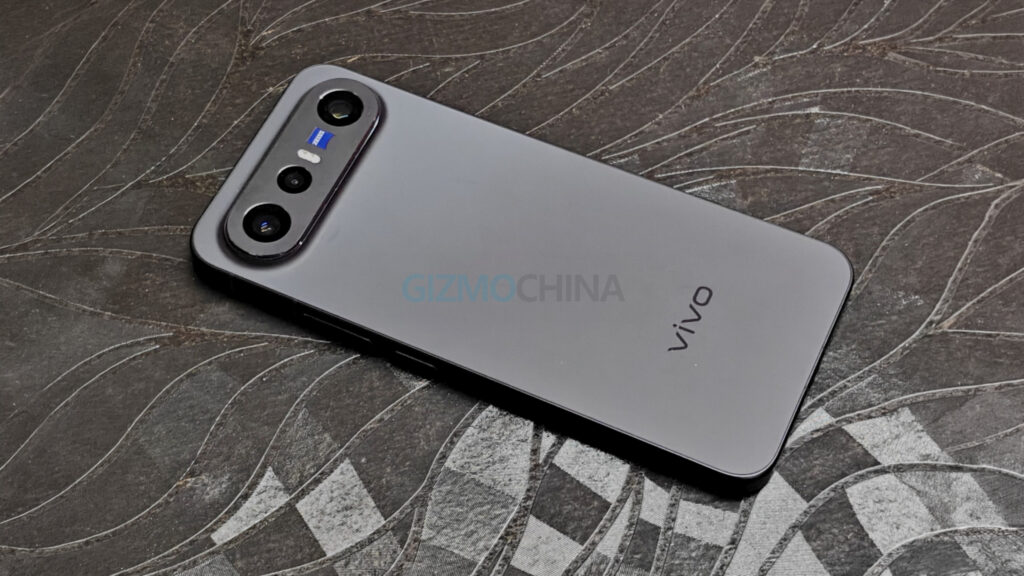
Huawei Nova 16 and Vivo V60 target buyers looking for premium features without stepping into flagship pricing. Both smartphones bring large batteries, capable cameras, high-refresh-rate displays, and modern designs, but they take different approaches when it comes to performance, photography, and overall value. This comparison breaks down their key differences to help determine which device deserves a spot in your pocket.

Major Features:

CategoryHuawei Nova 16Vivo V60Winner
Build QualityGlass front, aluminum backGlass front, plastic/glass backHuawei – More premium materials
DurabilityIP65IP68/IP69Vivo – Better water and dust resistance
Display QualityOLED, 1280 x 2800, 120HzAMOLED, 1080 x 2392, 120HzHuawei – Sharper display
Display BrightnessHDR VividUp to 5000 nits peakVivo – Much brighter outdoors
ProcessorKirin 9010SSnapdragon 7 Gen 4Vivo – Newer chipset
SoftwareHarmonyOS 6.1Android 15, 4 upgradesVivo – Better long-term support
RAM & StorageUp to 12GB/512GBUp to 16GB/512GBVivo – More memory options
Main Camera50MP Wide50MP Wide, Zeiss opticsVivo – Better image tuning
Telephoto Camera50MP, 3.7x zoom50MP, 3x zoomHuawei – Longer optical zoom
Ultrawide CameraNo8MP UltrawideVivo – More shooting flexibility
Selfie Camera50MP Ultrawide50MP AF SelfieVivo – Autofocus advantage
Video Recording4K Front & Rear4K Front & RearTie – Similar capabilities
Battery Capacity7000mAh6500mAhHuawei – Larger battery
Charging Speed100W90WHuawei – Faster charging
Extra Battery FeaturesReverse chargingReverse + Bypass chargingVivo – More useful features
ConnectivityWi-Fi 7, Bluetooth 6.0Wi-Fi 6, Bluetooth 5.4Huawei – Newer standards
Fingerprint ScannerSide-mountedUnder-displayVivo – More premium solution
PriceAround $450 / ₹42,000Around $425 / ₹37,000Vivo – Lower price
Value for MoneyPremium battery-focused packageBalanced feature setVivo – Better overall value
Disclaimer: Specs are based on available data. Actual performance may vary. Verify details from official sources before buying.

Design and Display

Build and Feel

The Huawei Nova 16 and Vivo V60 take different approaches to design. Huawei uses a more premium construction with an aluminum back paired with a glass front, giving the device a sturdier and more refined feel in daily use. It also carries an IP65 rating, which provides protection against dust and water splashes. The Vivo V60 counters with a much stronger IP68/IP69 rating, making it better suited for users who prioritize durability and water resistance. Its under-display fingerprint scanner also delivers a more modern experience than Huawei’s side-mounted solution.

Display Quality

Huawei equips the Nova 16 with a high-resolution OLED panel that delivers sharper visuals and excellent clarity. The HDR Vivid support and 2160Hz PWM dimming make it particularly appealing for multimedia consumption and long viewing sessions. Vivo’s AMOLED display is brighter, reaching significantly higher peak brightness levels while also supporting HDR10+. Outdoor visibility is excellent, and colors appear vibrant and punchy.

Verdict

Huawei offers a more premium-looking design and sharper screen, while Vivo delivers superior durability and brightness. Users focused on display clarity may prefer the Nova 16, whereas those wanting better outdoor usability and stronger protection will find the V60 more appealing.

Specifications Including Battery

Performance

The Huawei Nova 16 is powered by the Kirin 9010S chipset paired with 12GB of RAM across all variants. Every day, performance feels smooth, and HarmonyOS remains highly optimized for multitasking. However, the Vivo V60 gains an advantage with the newer Snapdragon 7 Gen 4 platform built on a 4nm process. Combined with Android 15 and a promise of four major Android upgrades, it offers stronger long-term software support and broader app compatibility.

Battery and Charging

Battery life is a major strength for both phones. Huawei packs a massive 7000mAh battery that comfortably handles heavy usage and can easily stretch into a second day. The 100W charging system is among the fastest in the segment. Vivo’s 6500mAh silicon-carbon battery is slightly smaller but still excellent, while its 90W charging remains impressively quick. Features such as bypass charging and reverse charging add extra versatility for gamers and power users.

Verdict

Huawei wins on battery capacity and charging speed, making it ideal for endurance-focused buyers. Vivo takes the lead in processing efficiency, software longevity, and overall platform flexibility.

Camera

Main and Secondary Lenses

The Huawei Nova 16 focuses on a dual-camera setup featuring a 50MP main sensor and a 50MP periscope telephoto camera with 3.7x optical zoom. Image quality should be strong, particularly for portraits and zoom photography. Vivo adopts a more versatile approach with a 50MP main camera, a 50MP periscope telephoto lens, and an additional 8MP ultrawide camera. The inclusion of Zeiss optics enhances color tuning and image processing, providing a more polished photography experience.

Selfie Camera

Both devices feature impressive 50MP front cameras capable of 4K video recording. Huawei uses an ultrawide selfie camera that is particularly useful for group photos and travel shots. Vivo’s autofocus-equipped selfie camera offers more reliable sharpness and consistency, especially when recording video or taking close-up portraits.

Verdict

Huawei delivers excellent zoom performance and a capable selfie system, but Vivo’s extra ultrawide camera and Zeiss-tuned imaging create a more complete camera package. For users who enjoy experimenting with different shooting styles, the V60 feels more versatile overall.

Pricing

The Huawei Nova 16 is priced around $450 (₹42,000), while the Vivo V60 is priced around $425 (₹37,000). Despite being slightly cheaper, the Vivo offers a newer Snapdragon chipset, stronger water resistance, an additional ultrawide camera, longer software support, and multiple memory configurations. These advantages make its pricing highly competitive within the upper mid-range segment.

Huawei justifies its higher price through premium materials, a larger battery, faster charging, and a sharper display. Buyers who place greater value on battery endurance and display resolution may find the premium worthwhile. However, the overall feature balance leans slightly toward Vivo.

Verdict

Both phones offer solid value, but the Vivo V60 extracts more features from a lower price point. Huawei remains attractive for battery-focused users, while Vivo provides a stronger all-around value proposition.

Disclaimer:
Prices are approximate and may vary based on country, region, launch timing, and applicable taxes. Always check whether the listed price is for a China unit or a global/international variant when purchasing.

Conclusion

The Huawei Nova 16 stands out with its premium aluminum-backed design, high-resolution OLED display, massive 7000mAh battery, and 100W charging system. It is clearly aimed at users who prioritize endurance, display sharpness, and premium hardware. The periscope zoom camera also adds appeal for portrait and telephoto photography enthusiasts.

The Vivo V60 differentiates itself with Snapdragon 7 Gen 4 performance, Zeiss-enhanced cameras, an ultrawide lens, superior IP68/IP69 protection, a brighter AMOLED display, and four guaranteed Android upgrades. These strengths create a more balanced smartphone that caters to a wider audience.

Verdict

Huawei Nova 16 is the better choice for users who want maximum battery life, faster charging, and a sharper display. The Vivo V60 is the stronger overall smartphone thanks to its more versatile camera system, newer chipset, better durability, longer software support, and lower price. For most buyers seeking the best combination of features and value, the Vivo V60 is the more compelling option.

Disclaimer: This comparison is based on the specifications provided and is intended for general informational purposes. Actual performance, camera results, battery life, and overall experience may vary depending on real-world usage, software updates, and individual preferences.

Read More:

The post Huawei Nova 16 vs Vivo V60: Which Mid-Range Phone Should You Buy in 2026? appeared first on Gizmochina.

Android 17 eligible devices: Complete list for all major brands

Android 17 eligible devices list

Google has released Android 17 for Pixel devices, and soon other brands will begin rolling out the update. However, there’s a lot of uncertainty among users about whether their devices will receive this major upgrade. So, we have prepared a brand-by-brand list of devices that will receive the Android 17 update, including Samsung, OnePlus, Motorola, Xiaomi, and more.

Except for Google, no brand has announced the list of eligible devices for the Android 17 upgrade. So, we reviewed the current update policy for every brand to prepare the list. Since it’s based on the update policy, devices on the list are almost confirmed to receive the update.

Google Pixels Android 17 eligible devices list

Pixel phones, as always, are the first phones to receive the Android 17 update. The rollout went live on June 16 for all eligible devices, though the availability depends on your region.

  • Pixel 10, 10 Pro, 10 Pro XL, 10 Pro Fold, 10a
  • Pixel 9, 9 Pro, 9 Pro XL, 9 Pro Fold, 9a
  • Pixel 8, 8 Pro, 8a
  • Pixel 7, 7 Pro, 7a
  • Pixel 6, 6 Pro, 6a
  • Pixel Tablet
  • Pixel Fold

Samsung Android 17 eligible devices list

Samsung is already testing the One UI 9.0, based on Android 17, via the beta program, which is available for the Galaxy S26 phones, with more devices expected to join soon. The stable version is expected to debut with the upcoming Galaxy Z Fold 8 and Galaxy Z Flip 8 in July 2026.

Galaxy S series

  • Galaxy S26, S26+, S26 Ultra
  • Galaxy S25, S25+, S25 Ultra, S25 Edge, S25 FE
  • Galaxy S24, S24+, S24 Ultra, S24 FE
  • Galaxy S23, S23+, S23 Ultra, S23 FE

Galaxy Z series

  • Galaxy Z TriFold
  • Galaxy Z Fold Special Edition
  • Galaxy Z Fold 7, Z Flip 7, Z Flip 7 FE
  • Galaxy Z Fold 6, Z Flip 6
  • Galaxy Z Fold 5, Z Flip 5

Galaxy A series

  • Galaxy A57, A56, A55, A54
  • Galaxy A37, A36, A35, A34
  • Galaxy A27, A26, A25, A24
  • Galaxy A17 (4G/5G), A16 (4G/5G), A15 (4G/5G)
  • Galaxy A07 (4G/5G), A06 (5G)

Galaxy M series

  • Galaxy M56, M55, M55s, M54
  • Galaxy M36, M34
  • Galaxy M17, M17e, M16, M15
  • Galaxy M07, M06

Galaxy F series

  • Galaxy F70e
  • Galaxy F56, F55, F54
  • Galaxy F36, F34
  • Galaxy F17, F16, F15
  • Galaxy F07, F06

Galaxy Tab series

  • Galaxy Tab S11, Tab S11 Ultra
  • Galaxy Tab S10+, S10 Lite, S10 Ultra
  • Galaxy Tab S10 FE, S10 FE+
  • Galaxy Tab S9, Tab S9+, Tab S9 Ultra
  • Galaxy Tab S9 FE, Tab S9 FE+
  • Galaxy Tab S6 Lite (2024)
  • Galaxy Tab A11, Tab A11+
  • Galaxy Tab Active 5, Tab Active 5 Pro

Galaxy XCover series

  • Galaxy XCover 7, XCover 7 Pro

OnePlus Android 17 eligible devices list

While the Android 17 beta has remained limited to the OnePlus 15, the stable version will be released for a bunch of devices across lineups. It will come with OxygenOS 16 on top, which is expected to be released around November 2026.

OnePlus flagship phones

  • OnePlus Open
  • OnePlus 15, 15R
  • OnePlus 13, 13R, 13s, 13T
  • OnePlus 12, 12R
  • OnePlus 11

OnePlus Nord series

  • OnePlus Nord 6
  • OnePlus Nord 5
  • OnePlus Nord 4
  • OnePlus Nord CE 6
  • OnePlus Nord CE 6 Lite
  • OnePlus Nord CE 5

OnePlus Pad series

  • OnePlus Pad 4
  • OnePlus Pad 3
  • OnePlus Pad 2
  • OnePlus Pad Lite
  • OnePlus Pad Go 2

Nothing Android 17 eligible devices list

Nothing will release Android 17 for most of its smartphones. While the brand didn’t release an Android 17 beta, it’ll likely be among the first to push the stable update, which will likely come with the Nothing OS 5.0 skin at the top. The rollout is expected to begin in November 2026.

  • Nothing Phone (4a)
  • Nothing Phone (4a) Pro
  • Nothing Phone (3)
  • Nothing Phone (3a)
  • Nothing Phone (3a) Lite
  • Nothing Phone (3a) Pro
  • Nothing Phone (2a)
  • Nothing Phone (2a) Plus
  • Nothing CMF Phone 2 Pro

Motorola Android 17 eligible devices list

Motorola is expected to release the Android 17 update for dozens of phones across the premium Razr series, mid-range Edge lineup, and affordable Moto G series. Around a dozen of them are already part of the beta program, while the stable release is expected around October 2026.

Motorola Razr series

  • Motorola Razr 70 (Razr 2026)
  • Motorola Razr 70+ (Razr+ 2026)
  • Motorola Razr 70 Ultra (Razr Ultra 2026)
  • Motorola Razr 60 (Razr 2025)
  • Motorola Razr+ 2025
  • Motorola Razr 60 Ultra (Razr Ultra 2025)
  • Motorola Razr 50 (Razr 2024)
  • Motorola Razr 50 Ultra (Razr+ 2024)

Motorola Edge series

  • Motorola Edge 70, 70 Pro, 70 Pro+, 70 Fusion, 70 Fusion+
  • Motorola Edge 60, 60 Pro, 60 Neo, 60 Fusion, 60 Stylus
  • Motorola Edge 50, 50 Pro, 50 Ultra, 50 Neo, 50 Fusion
  • Motorola Edge (2026), Edge (2025)

Motorola Moto G series

  • Moto G Max
  • Moto G stylus 5G (2026), Moto G stylus 5G (2025)
  • Moto G Power 5G (2026), Moto G Power 5G (2025)
  • Moto G Play (2026)
  • Moto G (2026), Moto G (2025)
  • Moto G87, G86
  • Moto G77, G75
  • Moto G67, G57, G57 Power
  • Moto G47, G37, G37 Power

Other Motorola phones

  • Moto Pad (2026)
  • Moto Pad 60 Neo
  • Motorola ThinkPhone 25
  • Motorola Signature

Xiaomi Android 17 eligible devices list

Xiaomi has been publicly testing Android 17 beta on some premium models, such as the Xiaomi 17 and Xiaomi 17 Ultra, while the stable rollout is expected to kick off around October 2026. In China, things may happen a few weeks earlier.

  • Xiaomi Leica Leitzphone
  • Xiaomi 17, 17 Ultra, 17T, 17T Pro
  • Xiaomi 15, 15 Pro, 15 Ultra, 15T, 15T Pro
  • Xiaomi 14, 14 Pro, 14 Ultra, 14 Civi, 14T, 14T Pro
  • Xiaomi 13T, 13T Pro
  • Xiaomi Mix Flip

Redmi Android 17 eligible devices list

While no Redmi phones were a part of the early Android 17 beta program, they usually start receiving the update alongside premium Xiaomi phones. That means we can expect the stable rollout to begin in November 2026.

Redmi Note series

  • Redmi Note 15 (4G/5G), Note 15 Pro (4G/5G), Note 15 Pro+, Note 15 Special
  • Redmi Note 14 4G, Note 14 Pro, Note 14 Pro+, Note 14S

Redmi number series

  • Redmi 15 (4G/5G)
  • Redmi 15C (4G/5G)
  • Redmi 15A

Redmi A series

  • Redmi A7, A7 Pro (4G/5G)
  • Redmi A5

Redmi Pad series

  • Redmi Pad 2
  • Redmi Pad 2 9.7
  • Redmi Pad 2 Pro

Redmi Turbo series

  • Redmi Turbo 5

POCO Android 17 eligible devices list

POCO phones should start receiving the Android 17 update around November 2026, alongside Xiaomi and Redmi phones.

POCO F series

  • POCO F8 Pro, F8 Ultra
  • POCO F7, F7 Pro, F7 Ultra
  • POCO F6, F6 Pro

POCO X series

  • POCO X8 Pro, X8 Pro Max
  • POCO X7, X7 Pro
  • POCO X6 Pro

POCO M series

  • POCO M8, M8 Pro, M8s
  • POCO M7 4G, M7 Plus

POCO C series

  • POCO C85 (4G/5G), C85x
  • POCO C81, C81 Pro, C81x
  • POCO C71

POCO Pad series

  • POCO Pad X1
  • POCO Pad M1
  • POCO Pad C1

Oppo Android 17 eligible devices list

While the Android 17 Developer Preview program remained limited to the Oppo Find X9 Pro, the stable release will reach a bunch of devices. The stable rollout is expected to begin in November 2026.

Oppo Find N series

  • Oppo Find N6
  • Oppo Find N5
  • Oppo Find N3, N3 Flip
  • Oppo Find N2, N2 Flip

Oppo Find X series

  • Oppo Find X9, X9 Pro, X9 Ultra, X9s
  • Oppo Find X8, X8 Pro, X8 Ultra
  • Oppo Find X7, X7 Ultra
  • Oppo Find X6, X6 Pro

Oppo Reno series

  • Oppo Reno 15, 15 Pro, 15 Pro Mini, 15 Pro Max, 15 F, 15 FS
  • Oppo Reno 14, 14 Pro, 14 F
  • Oppo Reno 13, 13 Pro, 13 F (4G/5G)
  • Oppo Reno 12, 12 Pro
  • Oppo Reno 11, 11 Pro

Oppo F series

  • Oppo F33, F33 Pro
  • Oppo F31, F31 Pro, F31 Pro+
  • Oppo F29, F29 Pro

Oppo K series

  • Oppo K13
  • Oppo K13 Turbo
  • Oppo K13 Turbo Pro
  • Oppo K13x

Oppo Pad series

  • Oppo Pad 5
  • Oppo Pad 3
  • Oppo Pad SE

Vivo Android 17 eligible devices list

Like most of its Chinese rivals, Vivo may also begin rolling out Android 17 in November 2026. The update should come with OriginOS 7 skin at the top. 

Vivo X series

  • Vivo X300, X300 Pro, X300 Ultra, X300 FE
  • Vivo X200, X200 Pro, X200 FE, X200T
  • Vivo X100, X100 Pro

Vivo V series

  • Vivo V70, V70 FE, V70 Elite
  • Vivo V60, V60e, V60 Lite (4G/5G)
  • Vivo V50, V50e, V50 Lite (4G/5G)
  • Vivo V40, V40 Pro

Vivo T series

  • Vivo T4, T4 Pro, T4 Ultra, T4 Lite
  • Vivo T4x, T4R

Vivo Y series

  • Vivo Y400 (4G/5G), Y400 Pro, Y400 Pro+
  • Vivo Y300 GT, Y300t, Y300i
  • Vivo Y51 Pro
  • Vivo Y31d 4G
  • Vivo Y21 (2026)
  • Vivo Y11 (2026)
  • Vivo Y05 4G

iQOO Android 17 eligible devices list

iQOO phones follow the same timeline as Vivo’s, and hence, they are expected to receive the Android 17 update starting in November 2026.

iQOO flagship phones

  • iQOO 15, 15 Ultra, 15R
  • iQOO 13
  • iQOO 12, 12 Pro

iQOO Z series

  • iQOO Z11x
  • iQOO Z10, Z10x, Z10R, Z10 Lite

iQOO Neo series

  • iQOO Neo 10, 10R
  • iQOO Neo 9 Pro

Realme Android 17 eligible devices list

Realme GT 8 Pro is the only device from the brand to receive the Android 17 beta, but the stable update is due to arrive on a wide range of devices. The update will come with Realme UI 8.0 skin and is expected to start rolling out to devices in early November 2026.

Realme GT series

  • Realme GT 8 Pro
  • Realme GT 7, 7 Pro, 7 Pro Racing, 7T
  • Realme GT 6, 6T
  • Realme GT 5 Pro

Realme number series

  • Realme 16, 16 Pro, 16 Pro+, 16T
  • Realme 15, 15 Pro, 15 Lite, 15T, 15x
  • Realme 14, 14 Pro, 14 Pro+, 14T

Realme P series

  • Realme P4, P4 Pro, P4 Lite (4G/5G), P4 Power 5G, P4R, P4x
  • Reame P3, P3 Pro, P3 Ultra, P3x

Realme C series

  • Realme C85 (4G/5G), C85 Pro, C83
  • Realme C75, C75x, C73, C71

Realme Narzo series

  • Realme Narzo Power 5G
  • Realme Narzo 100 Lite
  • Realme Narzo 90, 90X
  • Realme Narzo 80 Lite (4G/5G), 80 Pro, 80x

Realme Note series

  • Realme Note 80
  • Realme Note 70, 70T

Realme Pad series

  • Realme Pad 3

Asus Android 17 eligible devices list

Asus doesn’t have a good track record with software releases, and this year is expected to be no different. It will likely push the stable Android 17 update towards the end of the year.

  • Asus ROG Phone 9
  • Asus ROG Phone 9 Pro
  • Asus ROG Phone 9 FE
  • Asus Zenfone 12 Ultra

Honor Android 17 eligible devices list

The Android 17 update for Honor devices is expected to come with a MagicOS 11 skin on top, and it is expected to start rolling out in October 2026. 

Honor Magic series

  • Honor Magic 8, 8 Lite, 8 Pro
  • Honor Magic 7, 7 Lite, 7 Pro
  • Honor Magic 6 Pro, 6 Ultimate
  • Honor Magic V6
  • Honor Magic V5
  • Honor Magic V3
  • Honor Magic Vs3

Honor number series

  • Honor 600, 600 Lite, 600 Pro
  • Honor 400, 400 Lite, 400 Pro, 400 Smart
  • Honor 300, 300 Pro, 300 Ultra
  • Honor 200, 200 Pro

Sony Android 17 eligible devices list

Sony isn’t part of the Android 17 partner beta testing initiative, so it hasn’t released the beta update. The company is expected to push the stable update directly sometime around October 2026.

The rollout shouldn’t take long, as only three devices are eligible for Android 17.

  • Sony Xperia 10 VI
  • Sony Xperia 1 VII
  • Sony Xperia 1 VI

We’ll update the list as and when brands announce the official list of eligible devices for Android 17.

Don’t forget to visit the Android 17 section regularly for the latest developments. Also, join our Telegram channel to receive instant alerts when we publish new stories.

The post Android 17 eligible devices: Complete list for all major brands appeared first on Gizmochina.

Vivo X Fold 6 officially confirmed to offer 7,000mAh battery, IPX8/9 water resistance

Vivo has shared a new demonstration video highlighting the capabilities of the upcoming Vivo X Fold 6. Instead of focusing only on performance or cameras, the company is drawing attention to areas that matter to frequent travellers and power users, including battery endurance, durability and network connectivity.

Vivo X Fold 6 battery size, durability details confirmed

Vivo Product Manager Han Boxiao has confirmed that the Vivo X Fold 6 will pack a massive 7,000mAh Blue Ocean battery across all variants. The foldable is also said to be the industry’s first smartphone to feature fifth-generation silicon-anode battery technology, complemented by Vivo’s third-generation semi-solid-state battery technology for improved efficiency and endurance.

According to Boxiao, the Blue Ocean battery system has been optimised at multiple levels, helping the foldable deliver up to 9.8 hours of endurance in heavy-load Atomic Workbench scenarios. Vivo claims this represents a 30 per cent improvement in battery life.

The company also showcased the phone’s performance in extreme conditions. The Vivo X Fold 6 reportedly continued operating at temperatures as low as minus 20 degrees Celsius. Another demonstration showed the foldable being used underwater. The device carries IPX8 and IPX9 ratings and is claimed to withstand powerful water pressure. Vivo has also equipped it with a lightweight hinge designed to maintain stable folding and unfolding over extended use.

Connectivity appears to be another major focus area. Vivo says the Vivo X Fold 6 features its upgraded Global Signal Amplification System 3.0, supported by a proprietary 1+4 communication chipset architecture. This setup includes one dedicated signal amplification chip and four Wi-Fi enhancement chips aimed at improving reception in challenging environments.

The company even demonstrated a voice call during a skydive from an altitude of 4,000 metres, highlighting the phone’s ability to search for and maintain optimal network connections. Vivo claims the upgraded communication system is designed to deliver reliable connectivity in high-speed trains, lifts, highways and other difficult coverage areas.

Previously, the brand confirmed that the device will feature an 8.02-inch foldable OLED inner display with up to 5,000 nits of brightness, the Dimensity 9500 Super Edition chipset, and a triple rear camera setup comprising a 200-megapixel main camera, a 50-megapixel ultra-wide lens, and a 50-megapixel periscope telephoto camera. it will be the company’s first foldable to support a telephoto extender attachment. 

It will be available in 12GB+256GB, 12GB+512GB, 16GB+512GB, and 16GB+1TB configurations, along with Blue Cave, Salt Lake, Polar Night, and Black Gold Edition color options. The device is expected to launch on June 26 in China, with its global debut likely to follow in July.

For more daily updates, please visit our News Section.

Stay ahead in tech! Join our Telegram community and sign up for our daily newsletter of top stories!

(source)

The post Vivo X Fold 6 officially confirmed to offer 7,000mAh battery, IPX8/9 water resistance appeared first on Gizmochina.

Vivo X Fold 6 RAM, storage variants, color options revealed before launch

Vivo X Fold 6 images

Vivo is all set to unveil the Vivo X Fold 6 on June 26 in China. Since yesterday, the foldable phone has been available for pre-orders through multiple Chinese retail platforms. The listing on JD.com has now been updated with details such as configurations and color options.

Vivo X Fold 6 configurations and color options revealed

The Vivo X Fold 6 will be available in four color options: Blue Hole, Salt Lake, Polar Night, and Black Gold Edition. It will come in four configurations, including 12GB+256GB, 12GB+512GB, 16GB+512GB, and 16GB+1TB. The Black Gold Edition will be offered exclusively in the 16GB+1TB variant.

As far as specifications are concerned, the Vivo X Fold 6 will be powered by the Dimensity 9500 Super Edition chipset. The brand has also confirmed that its rear camera setup will include a 200-megapixel main camera and a Sony LYT-602 periscope telephoto camera.

The rear camera setup is also said to include a 50-megapixel ultra-wide camera. For image processing, the device will feature the V3+ imaging chip. This will be Vivo’s first foldable phone to support a telephoto extender attachment. It will also support the G2 teleconverter with up to a 200mm focal length.

On the inside, the Vivo X Fold 6 will feature an 8.02-inch foldable screen equipped with Samsung M14 emissive material. Both the inner and outer displays are expected to offer up to 5,000 nits of peak brightness.

Reports have revealed that the Vivo X Fold 6 will pack a massive 6,900mAh battery. The device is also expected to support wireless charging, similar to the previous generation. Equipped with AI-optimized OriginOS 6 Fold, it is expected to deliver an intuitive multitasking experience, allowing users to access up to five apps on the same screen. For security, it will feature a side-facing fingerprint sensor.

For more daily updates, please visit our News Section.

Stay ahead in tech! Join our Telegram community and sign up for our daily newsletter of top stories!

The post Vivo X Fold 6 RAM, storage variants, color options revealed before launch appeared first on Gizmochina.

❌