Reading view

Palit officially announces RTX 3060 return with 'new' Infinity 2 OC launch — 2021 GPU with 12GB of VRAM is an AI crisis stopgap

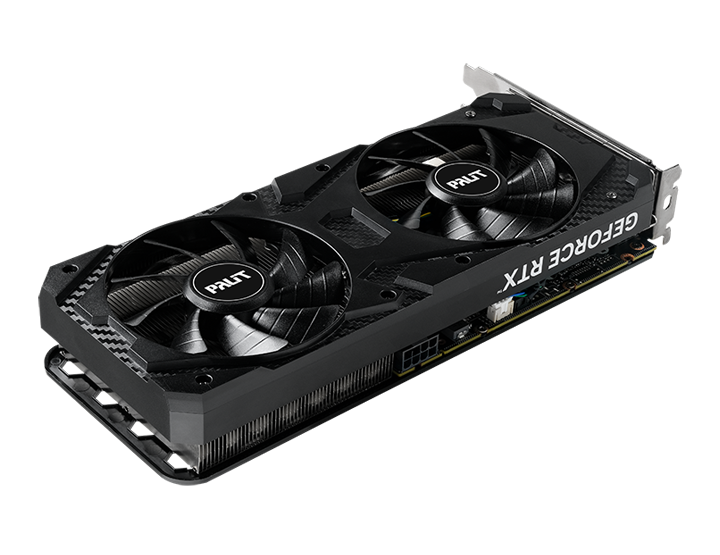
Nvidia has just relaunched its five-year-old graphics card, the GeForce RTX 3060, in order to combat the component scarcity driven by AI. This resurrection has seen a staggered release, with companies like Gigabyte and Manli silently listing their renewed variants in different parts of the world. Today, Palit joined the list with an official announcement for its RTX 3060 Infinity 2 OC, the first official indication of Ampere's return.

If we take a look at the specs, the card is identical to the original RTX 3060 we saw in 2021 — it has 3,584 CUDA cores paired with 12GB of GDDR6 VRAM saturated across a 192-bit-wide bus. Since this is an overclocked variant, it can boost up to 1,792 MHz, which is less than 1% higher than the base 1,777 MHz boost that Nvidia already mandates. Palit will also release a non-OC variant of the Infinity 2 RTX 3060.

The card features a relatively simple design characterized by the typical black aesthetic we see on budget GPUs. There's no zero-RPM tech here, but Palit claims 0dB noise levels and says there's a "protective backplate" on the card that prevents PCB flex. When you're buying a GPU like this, its looks are probably the least of your concern; the main selling point is, of course, that 12GB memory pool.
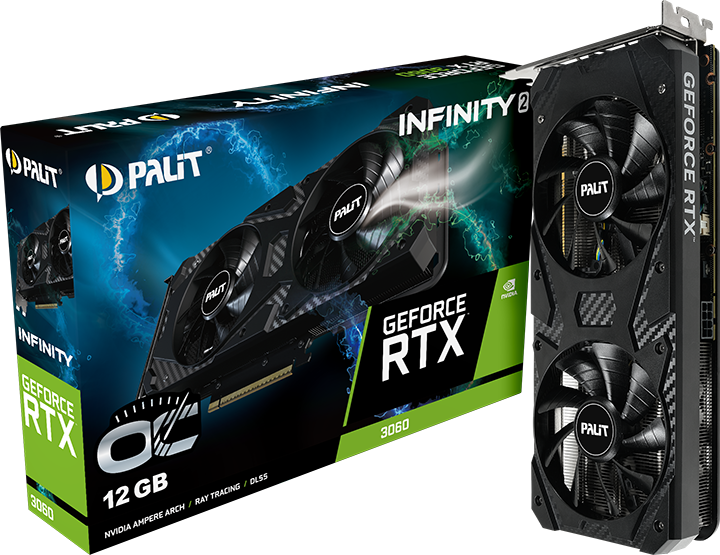
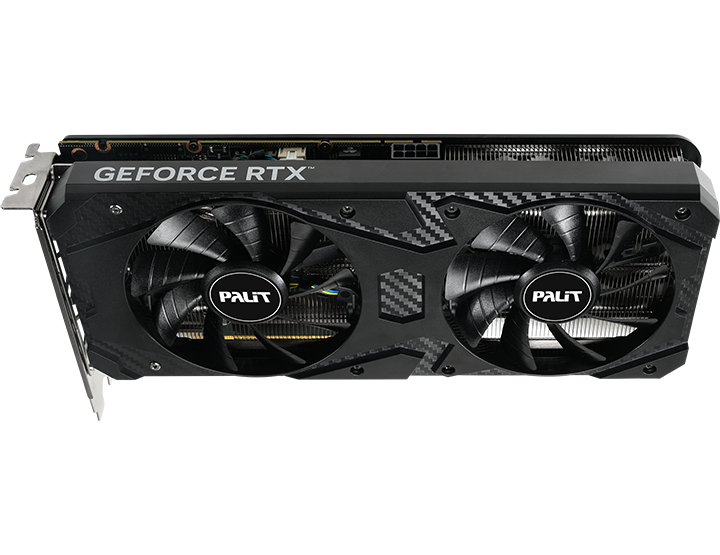
Palit GeForce RTX 3060 Infinity 2 OC
Palit
Palit GeForce RTX 3060 Infinity 2 OC
Palit
Palit GeForce RTX 3060 Infinity 2 OC
Palit

Late last year, the PC hardware industry entered one of its most turbulent eras, characterized by production inadequacies created by the AI boom. Artificial intelligence demands a lot of memory and storage, and thus, commodity silicon has skyrocketed in price overnight with no signs of slowing down. After evading the crisis initially, GPUs eventually got wrapped up in the price hikes as well.

Nvidia's latest Blackwell family uses cutting-edge GDDR7 memory, which is even more expensive, and since vendors are busy producing HBM for fatter margins instead, the "solution" to this dilemma had to be creative. The idea for reviving older generation cards was actually floated by our very own Paul Alcorn at a Q&A at CES 2026, where Nvidia CEO Jensen Huang replied, saying he'd "go back and take a look at this."

Palit hasn't provided a price for the Infinity 2 OC yet, and we didn't see it listed on retailers yet, but we can infer it'll cost around $329 given similar variants have also been popping up for that price. To be clear, the RTX 3060 is a great value GPU that we praised even back when it launched. But in the face of the RTX 50-series, it's not exactly something you should consider first, especially when buying new.

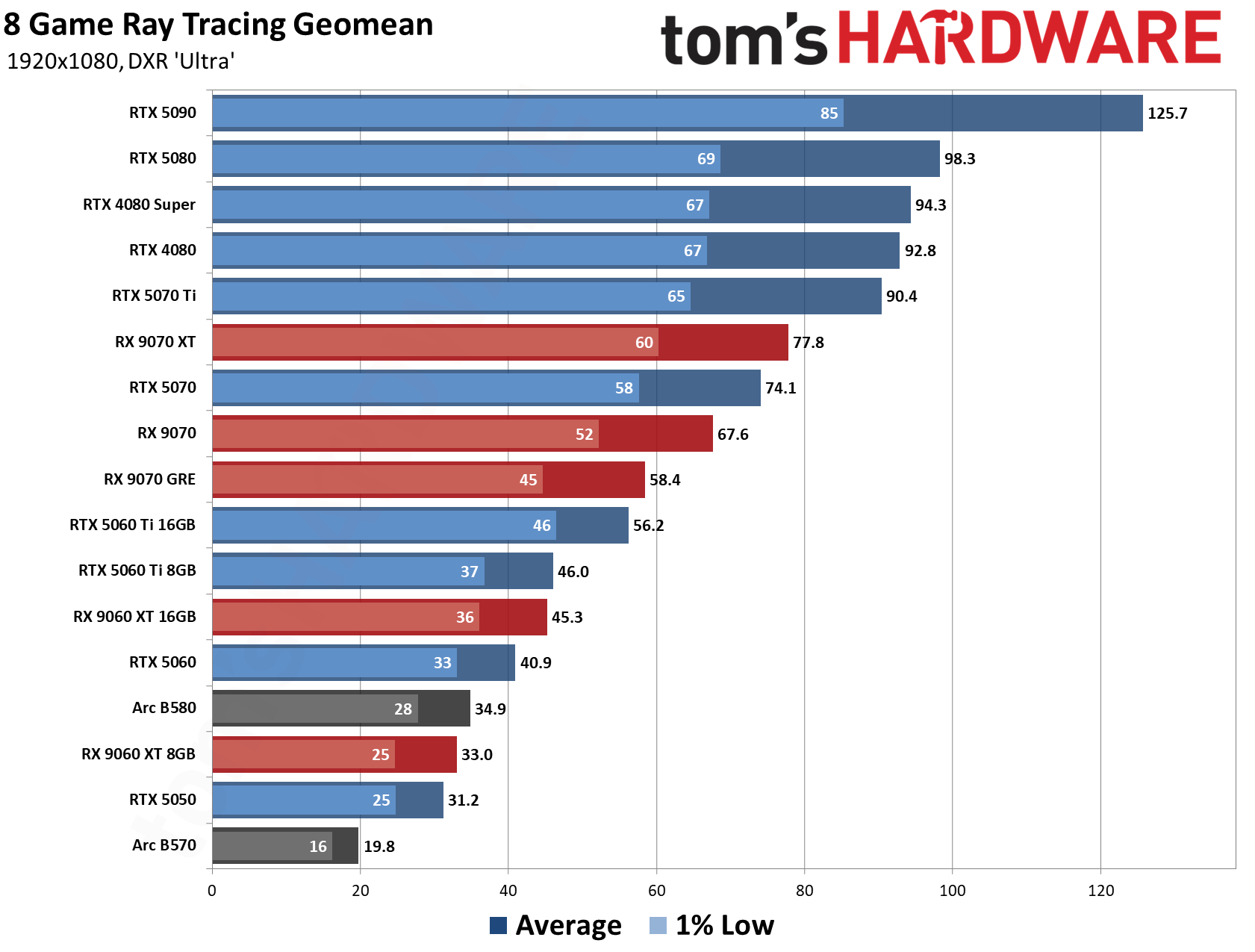
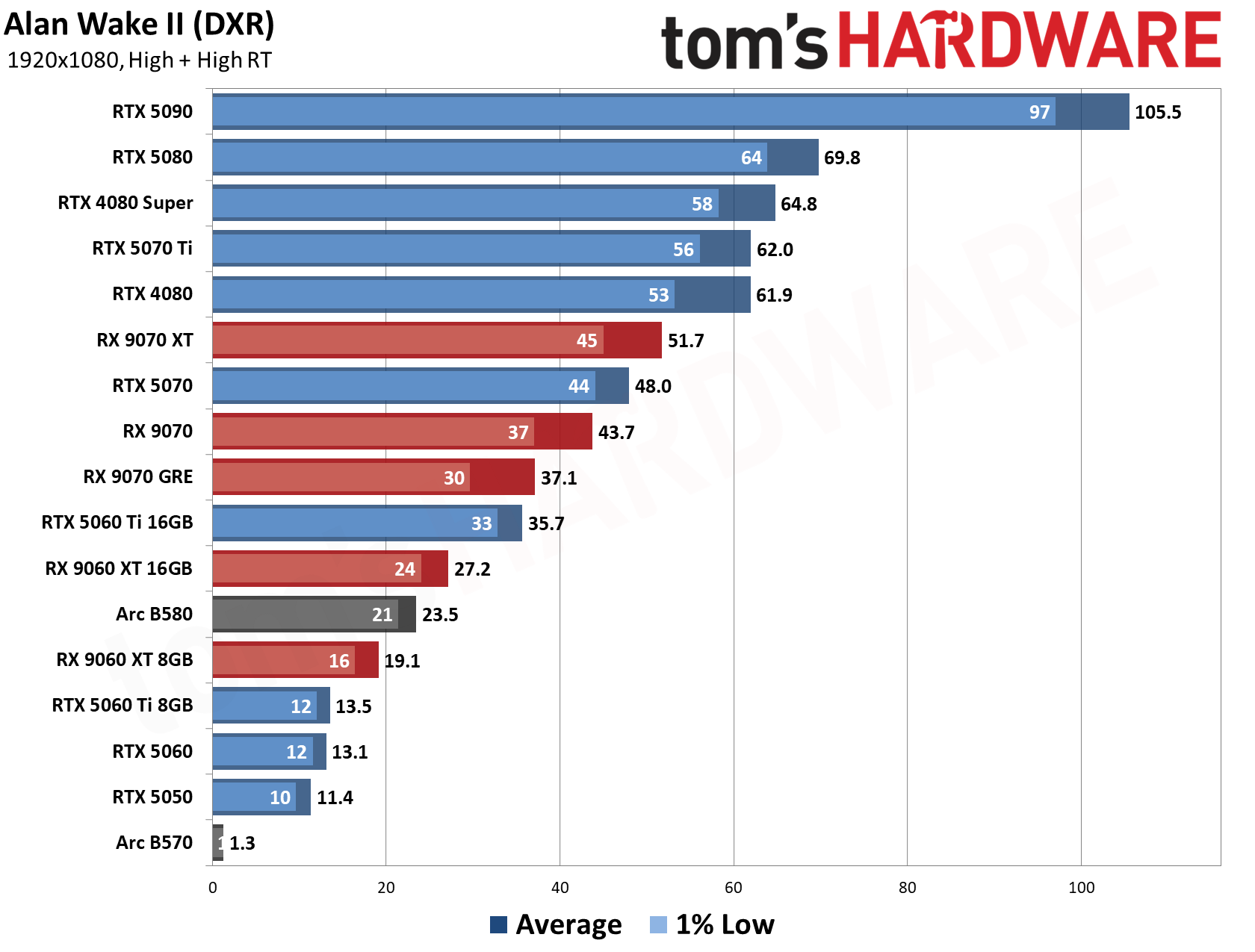
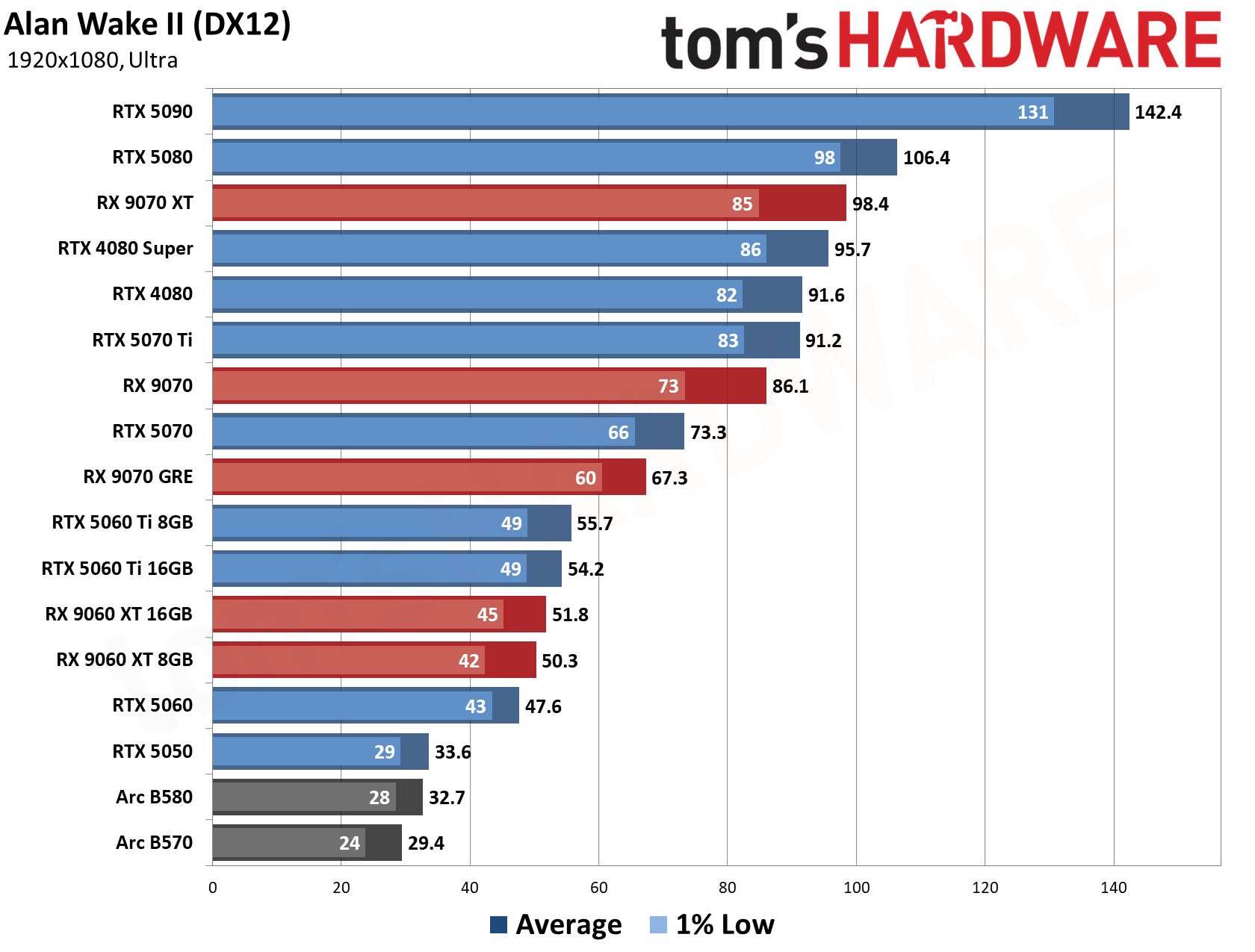
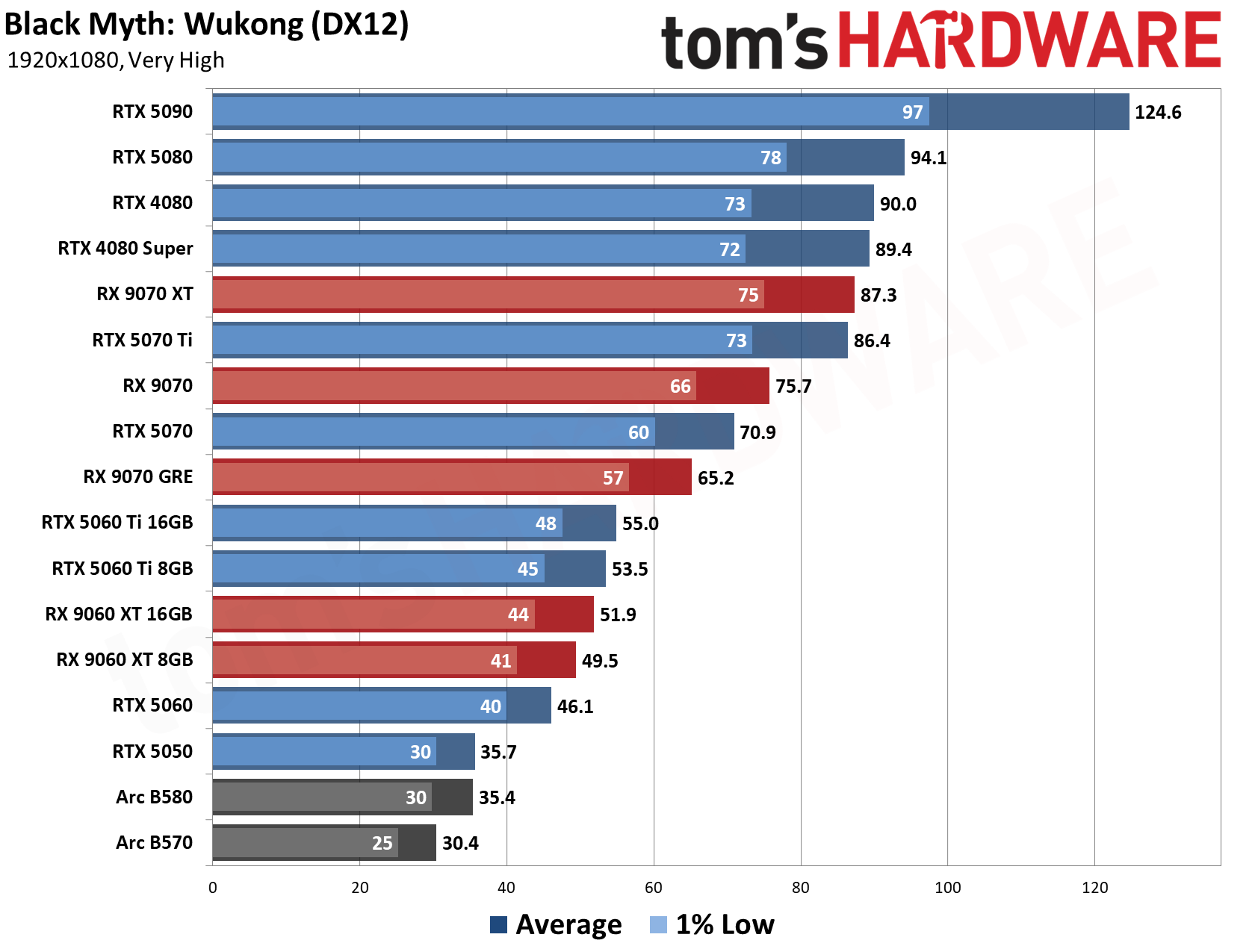
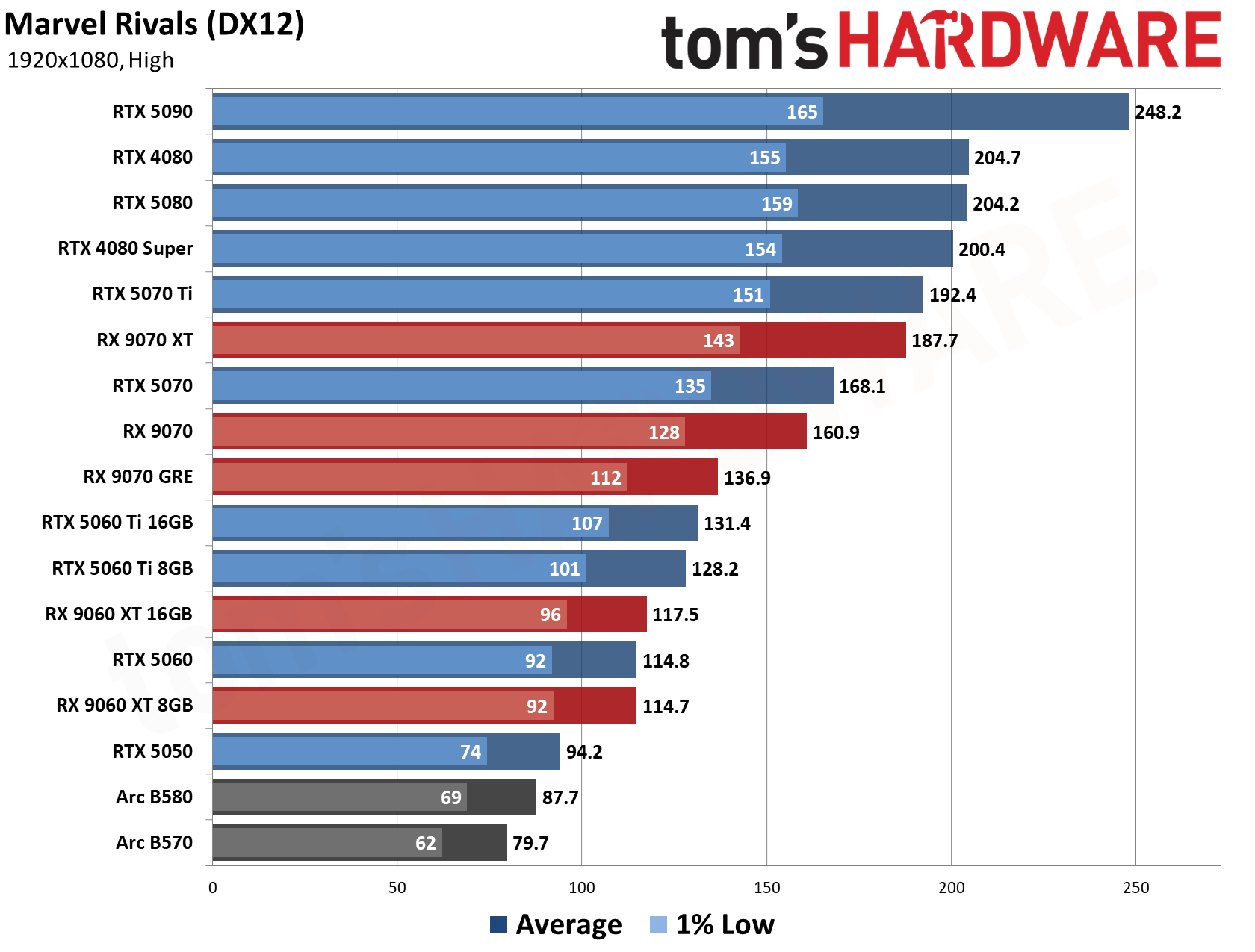
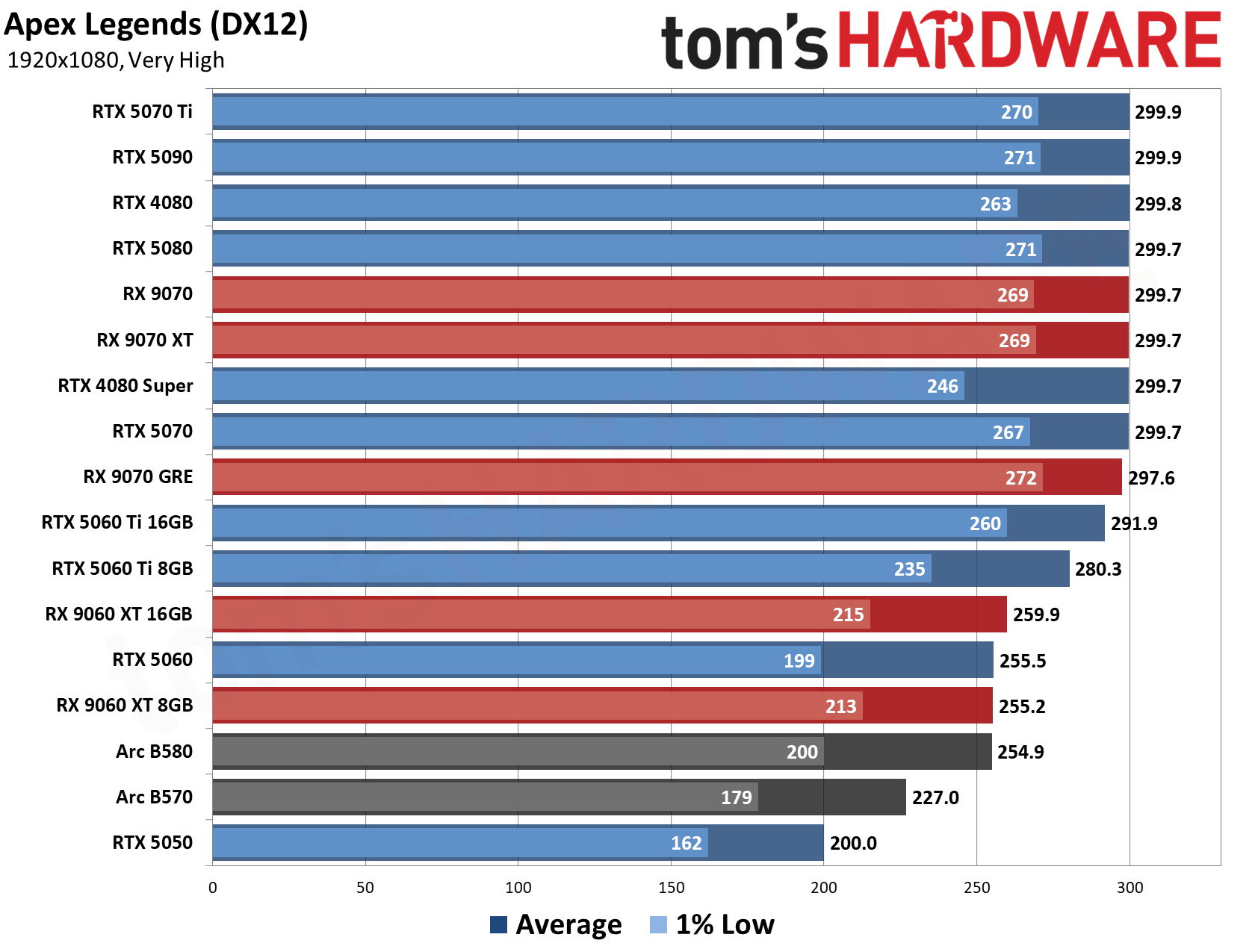
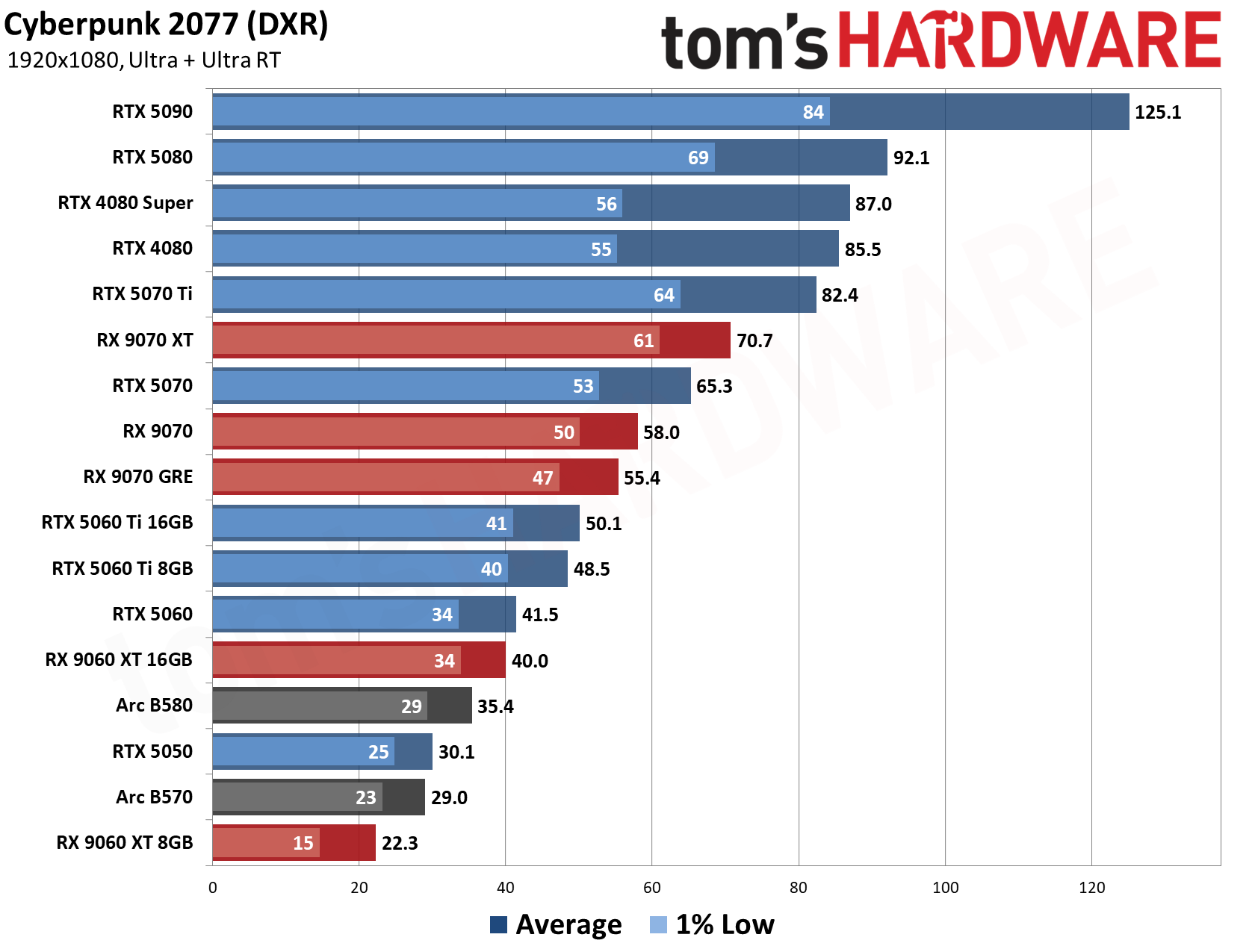
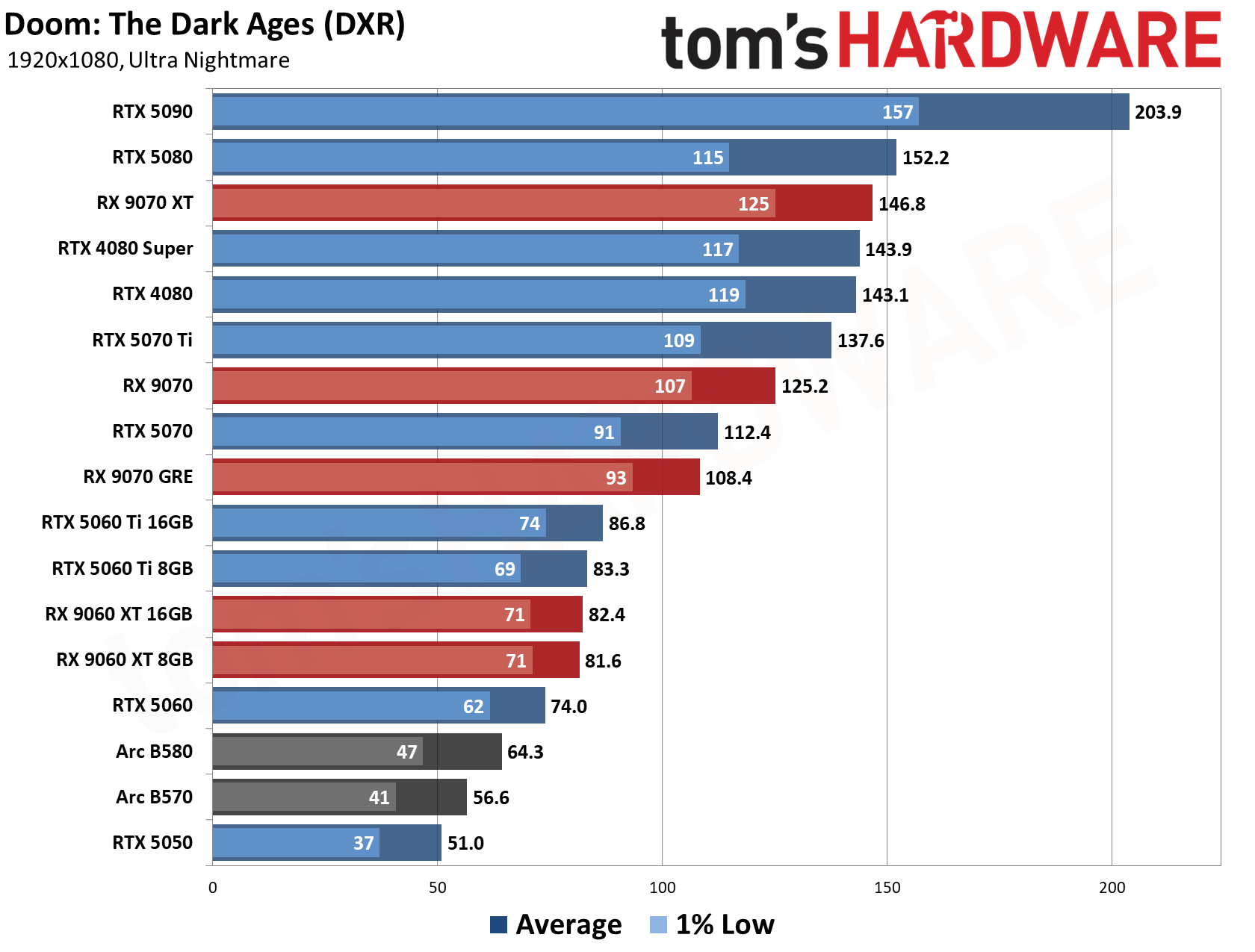
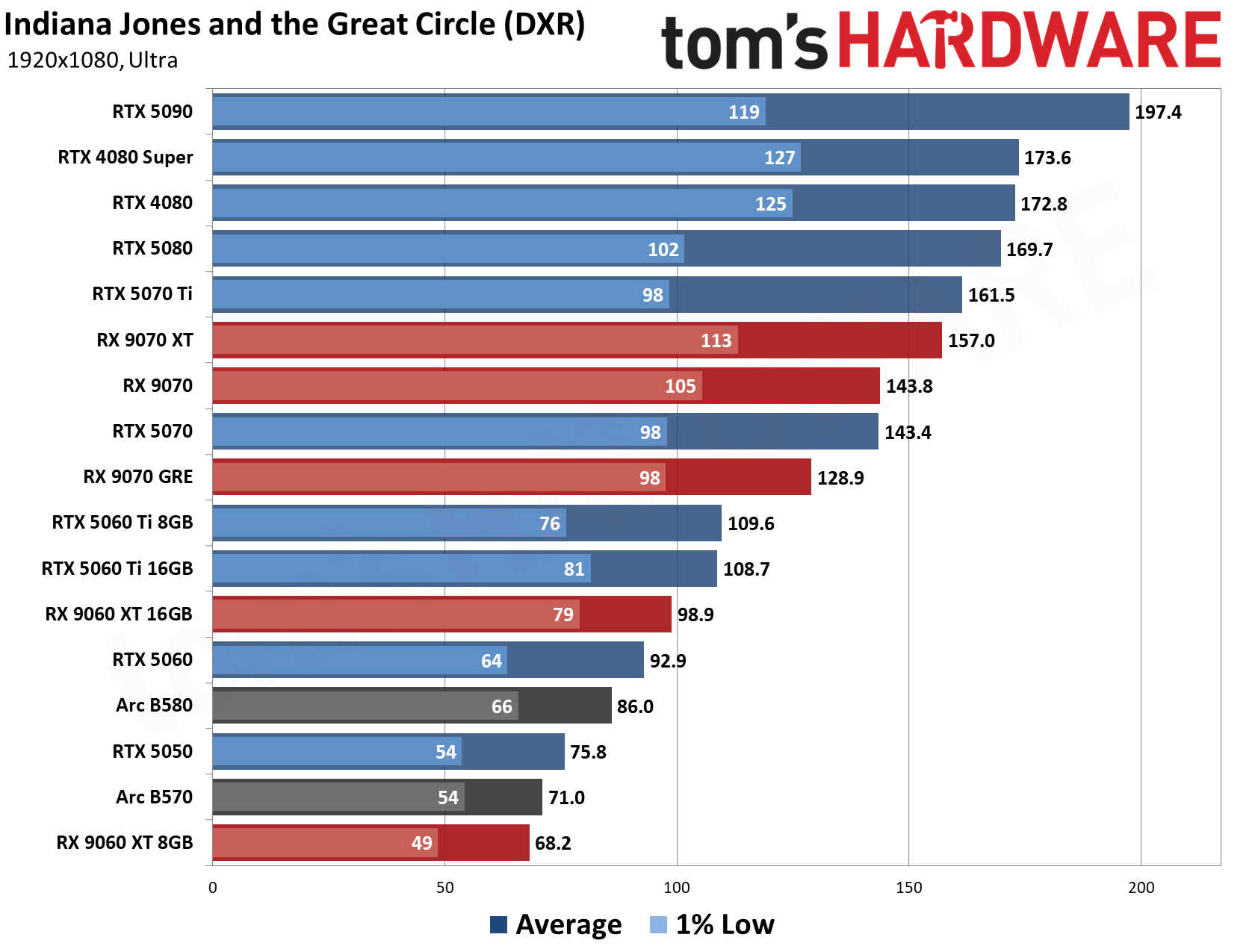
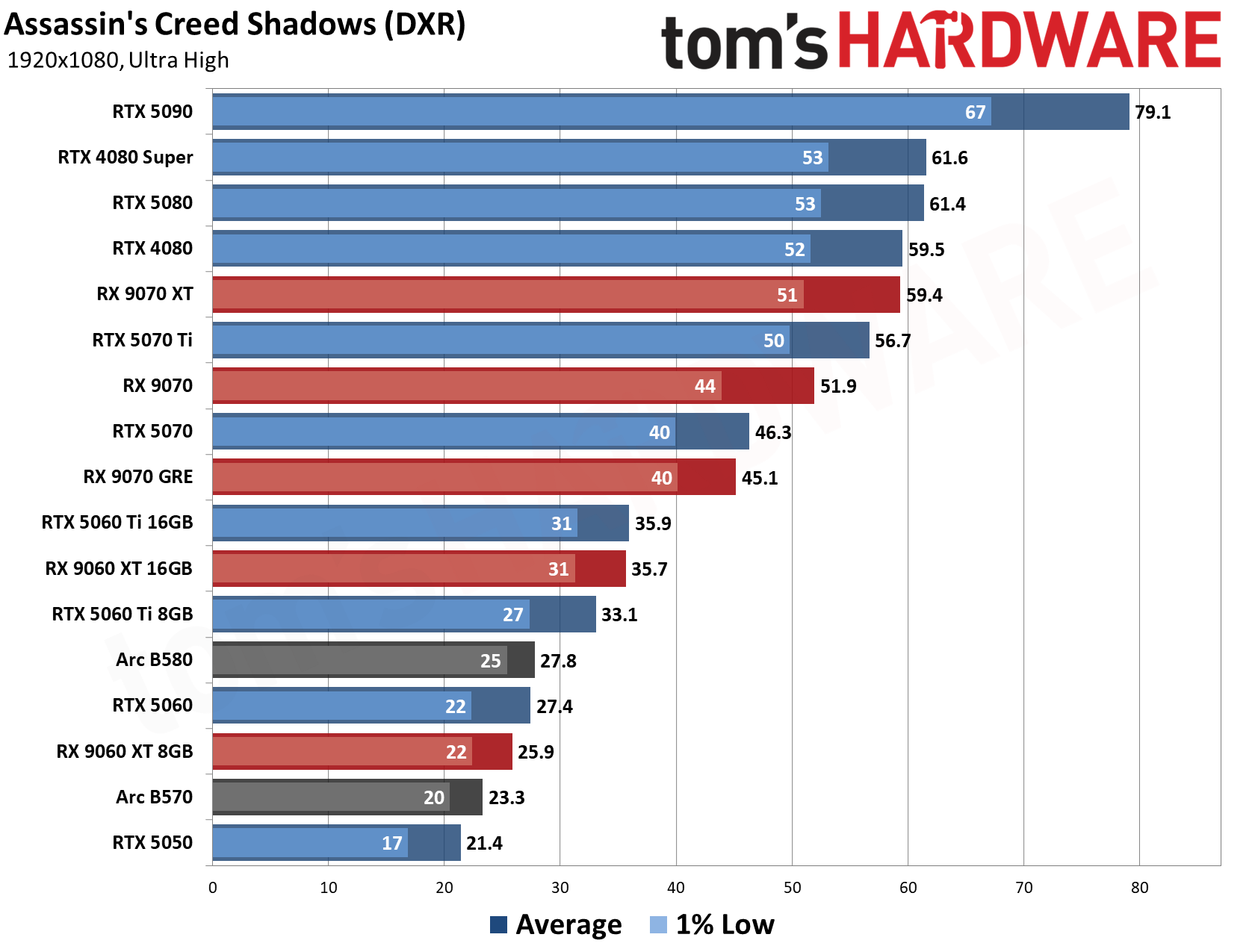
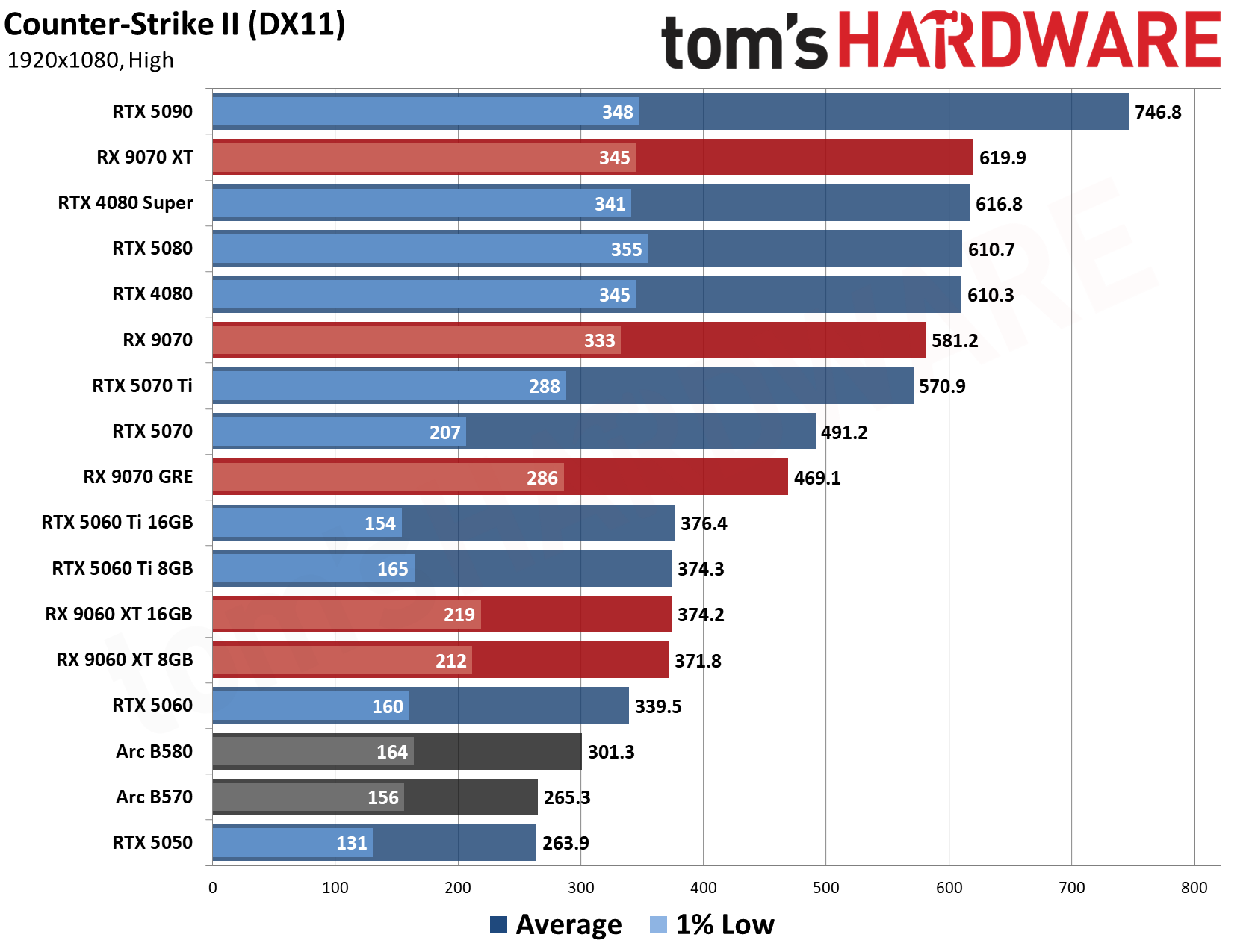
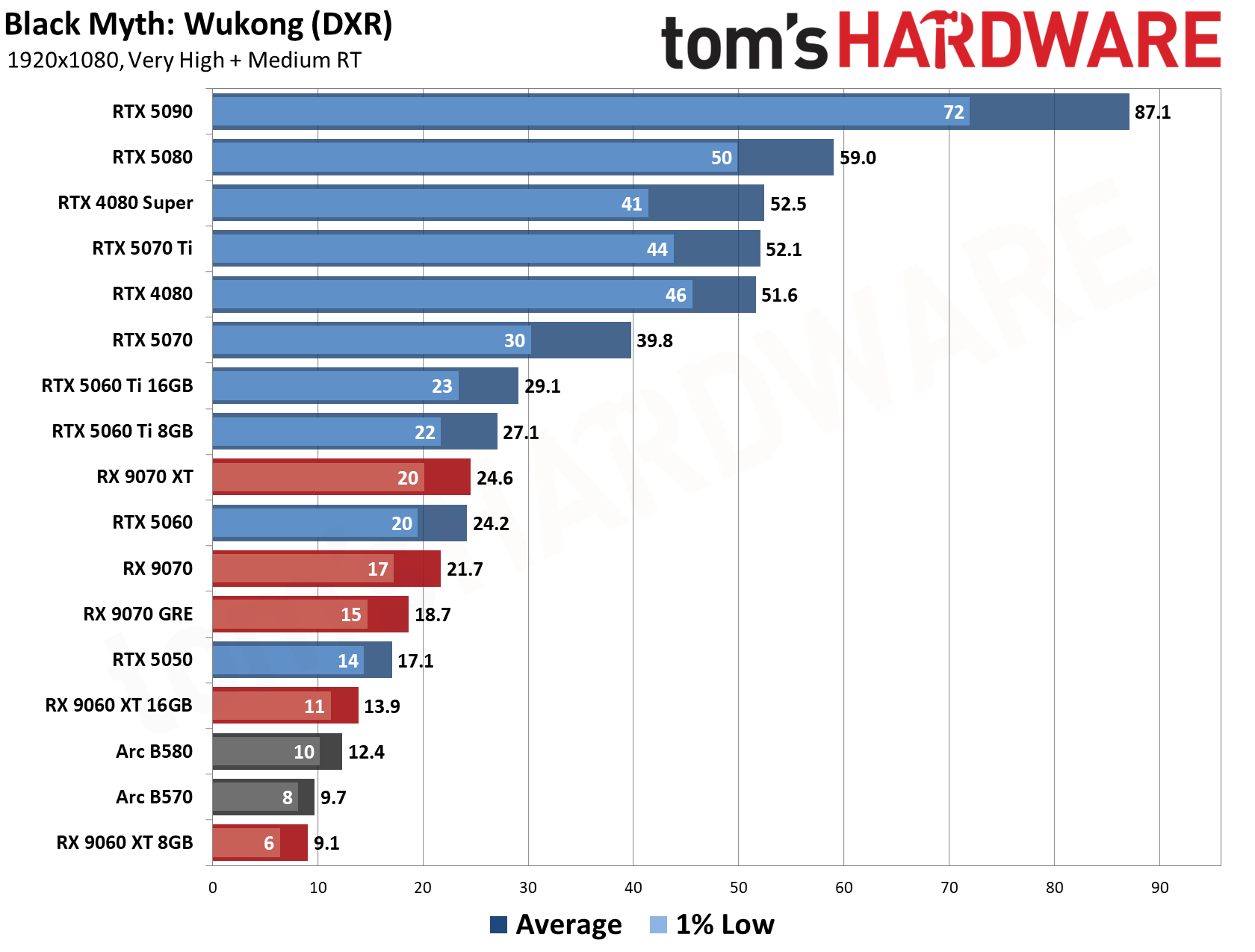
You can get an RTX 5060 Ti for just $369 right now on Newegg, which is a significantly faster card with support for DLSS 4.5 and multi-frame gen, not to mention the better efficiency. It only has 8GB of VRAM, unfortunately, which hurts performance at high resolutions and if you like to play with ray tracing enabled. Still, unless you're going up to 4K, the 5060 Ti (and the regular 5060) will perform much better than a 3060 no matter what, as you can see in our GPU benchmark hierarchy.

Ultimately, rebooting the RTX 3060 makes sense from a manufacturer's point of view given the better yields of Samsung's older 8nm process compared to TSMC's more expensive N5 node used by Ada and Blackwell. But as a consumer, you should definitely stick with the RTX 50-series or try to find a used RTX 40-series GPU instead.

Intel invests $5.7 billion in Ireland fab — aims to boost output of Xeon 6, next-gen Xeon products built on Intel 3 process

Intel this week announced that it will invest €5 billion ($5.7 billion) to expand and modernize its manufacturing operations at the company's facility near Leixlip, Ireland. The project is intended to increase production capacity for Intel Xeon 6 processors and next-generation Intel Xeon products built using the Intel 3 fabrication process (3nm-class), as well as advanced research and development (R&D) activities at the site.

The upgrade of the facility will involve installation of new tools presumably at Fab 34 as well as extensive infrastructure improvements designed to increase manufacturing efficiency. One of the key elements of the project is the expansion of the campus' automated material transport network, which will connect separate manufacturing modules into a single high-speed production system. Meanwhile, the modernization will not involve cleanroom expansion. Intel expects the upgrade to enable the Leixlip site to produce larger volumes of Intel 3-based products and make better use of the existing cleanroom capacity.

Intel opened its Fab 34 near Leixlip, Ireland, in 2023 and has been making various chips — including Core Ultra 100-series using Intel 4 and Xeon 6 using Intel 3 production node — using its process technologies that rely on EUV lithography at the site. At present, Intel's Fab 34 is Europe's only high-volume semiconductor production facility that uses EUV tools.

In mid-2024, Intel announced the €10.1 billion sale of a 49% stake in Fab 34 with Apollo Global Management as it badly needed money. This April, the company announced that it would repurchase the 49% stake in Fab 34 for $14.2 billion, which opened doors to the current expansion and investment. Intel claims that it kicked off execution of the project earlier this year, though it did not disclose when the upgrades will be completed.

"By investing in our existing fabs with state-of-the-art technology and installing cutting-edge tools, we are not just increasing output of critical products like Xeon 6 and next gen Intel Xeon processors built on Intel 3, we are ensuring that Ireland remains at the forefront of the world's most advanced manufacturing ecosystems, while strengthening the region’s role in the global technology landscape," said Naga Chandrasekaran, Executive Vice President, Chief Technology and Operations Officer and General Manager of Intel Foundry.

Among other things, Intel says that the investment will strengthen Europe's semiconductor supply chain and support the European Union's technology sovereignty objectives by increasing domestic production of leading-edge CPUs. There is a catch about that claim, though. All the silicon produced in Ireland is transported back to the U.S. for testing and assembly, as well as makes the end products, such as Core Ultra or Xeon 6, 'made in America.'

AMD Ryzen 7 5800X3D is back in stock with up to $173 in savings, thanks to these Newegg deals — free $70 MSI MAG cooler brings costs well below MSRP for the standalone CPU, alongside an extra $100 off for a 16GB RAM and motherboard bundle

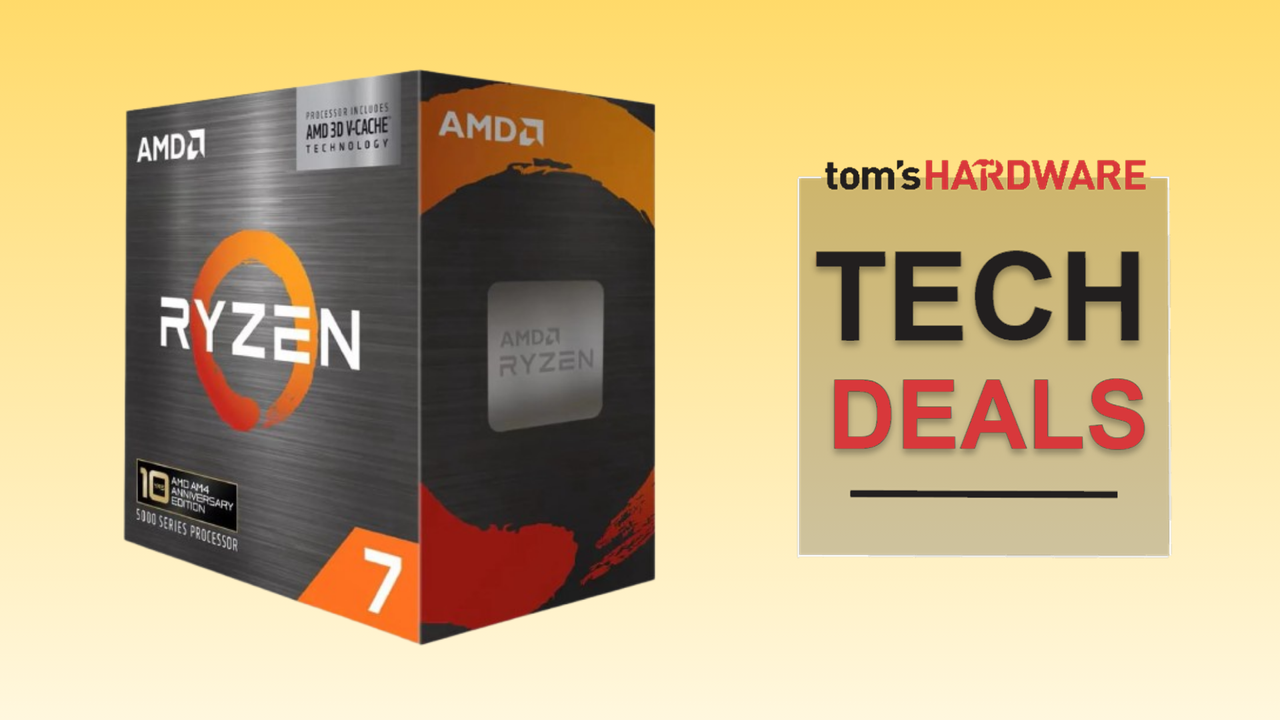
With DDR5 RAM costs skyrocketing over recent months, you might prefer to revert back to a more economical solution. Luckily, AMD's re-release of the Ryzen 7 5800X3D means that an AM4 build could be in your future, and at a good price, too, as this 5800X3D Newegg deal for $349.99 is throwing in a free MSI MAG cooler worth $70. Another option, meanwhile, gives you both the 5800X3D, an Asus TUF Gaming motherboard, and 16GB of DDR4 RAM for $529.99.

Grab the AMD Ryzen 7 5800X3D with free MSI MAG cooler from Newegg

Grab this 5800X3D with 16GB RAM and motherboard bundle from Newegg

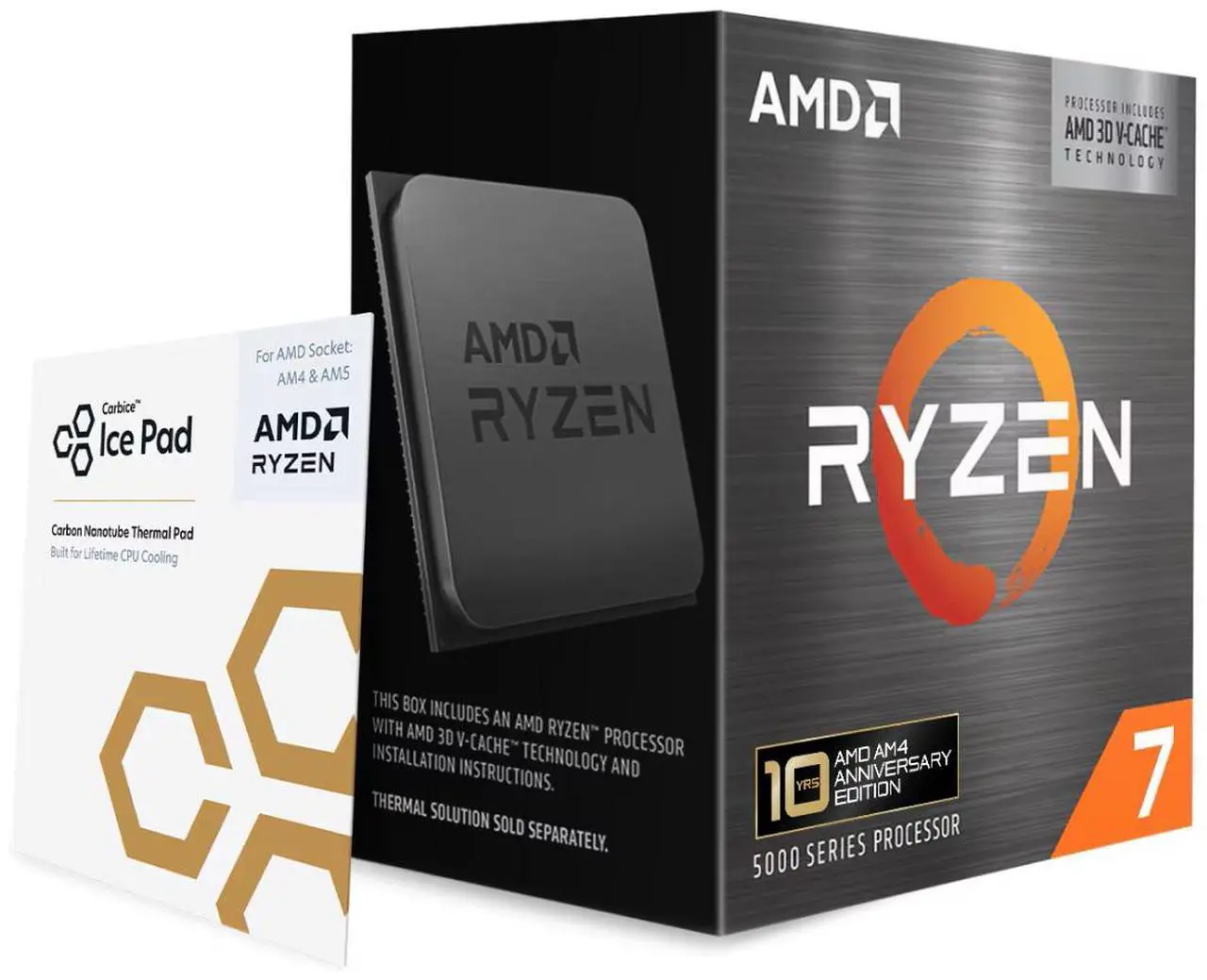
Stock for the 10th Anniversary 5800X3D has fluctuated since launch, but it's back with a vengeance. The $349.99 price is certainly better than the efforts by scalpers to double the price shortly after launch, and puts it back at MSRP. However, it's the free AIO cooler that makes this a serious bargain, as it brings the effective cost of the 5800X3D to just $270.

The Ryzen 7 5800X3D 10th Anniversary Edition is functionally similar to its predecessor, delivering top-tier gaming from a DDR4 platform with its eight cores and 16 threads delivering up to 4.5 GHz. The massive 96MB L3 is the main attraction, powering excellent gaming performance for this class of chip.

For a limited-time only, the 5800X3D comes with a free MSI MAG Coreliquid 250mm AIO cooler worth $69.99.View Deal

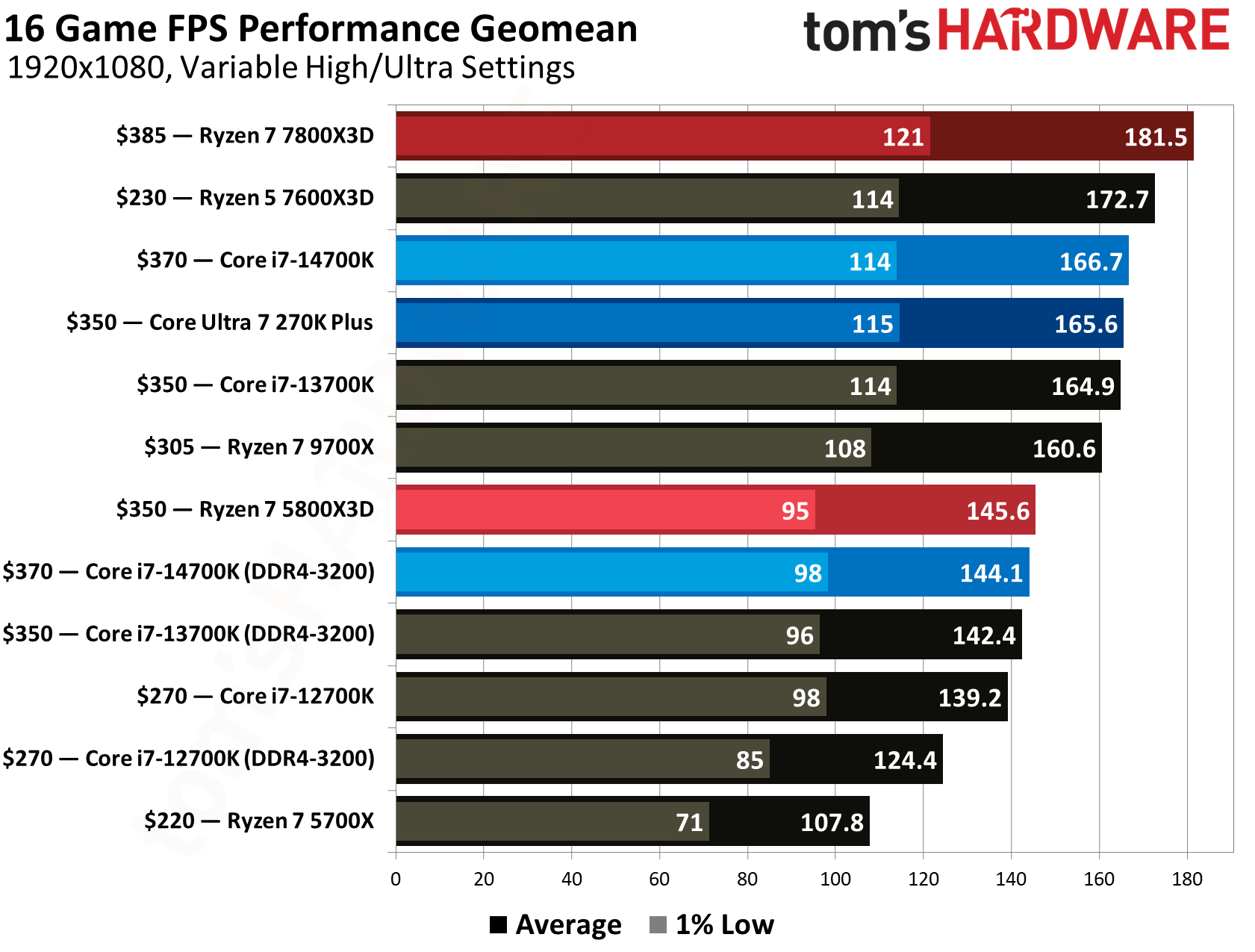
Our 5800X3D re-review shows that AMD has made a shrewd move by re-releasing this old classic. It continues to be the fastest option for builds with AMD AM4 builds with DDR4 RAM, as our CPU benchmark data confirms. It has eight cores, 16 threads, uses AMD's Zen 3 architecture, and can boost up to 4.5 GHz, and, yes, it has that boosted L3 cache capacity of 96MB, too.

AMD Ryzen 7 5800X3D

(Image credit: Tom's Hardware)

This earlier X3D chip lacks the serious performance gains seen in its newer replacements like the 7800X3D and 9800X3D, but it's mostly in the context of DDR4 vs DDR5 platforms, as far as in-game FPS scores go. Our re-review shows that simply switching to DDR5 memory can itself be a big performance boost.

But that's not the point: DDR5 RAM is massively more expensive than it used to be, and the 5800X3D's re-release is designed to give gamers with older AM4 builds, or those looking to build a budget-friendly build with cheaper DDR4 RAM, an alternative route. You're certainly getting that here, and if you want a more complete set of parts, Newegg is also offering a combo bundle with the 5800X3D, motherboard, and RAM, alongside the free MSI MAG cooler that'll give you $173 in savings overall.

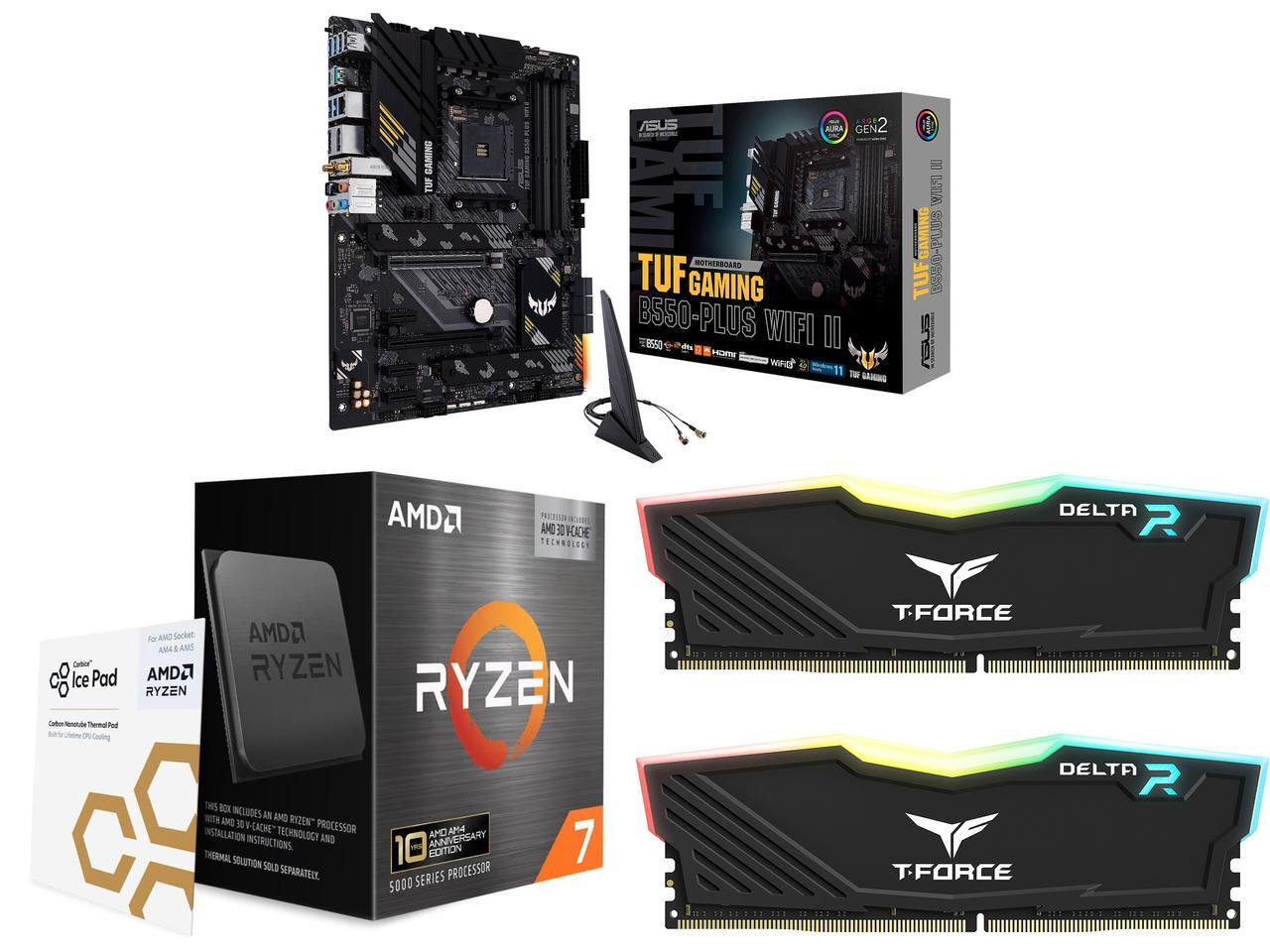
This Newegg combo bundle features the re-released 5800X3D with 16GB of DDR4 RAM and an Asus TUF Gaming B550-Plus motherboard, alongside the free $69.99 MSI MAG Coreliquid cooler.View Deal

Alongside the 5800X3D, you're getting an Asus TUF Gaming B550-Plus motherboard. We reviewed this model back in 2020, and it scored well as a good all-rounder for an AM4 build, with WiFi 6 support, 2.5Gb Ethernet, and support for up to 128GB DDR4 RAM. There's plenty of Type-C and Type-A USB ports for peripherals, and it also supports two M.2 SSDs, one with Gen 4 speeds.

RAM, meanwhile, is supplied by TeamGroup. The T-Force Delta RAM kit here has two 8GB modules, for 16GB total. It's DDR4, supporting speeds of 3,200 MT/s, with customizable RGB lighting. The deal overall means you're saving $103.99 compared to buying the parts separately, but that excludes the free $69.99 MSI MAG cooler that you'd also receive with this bundle.

For a budget-friendly build, these 5800X3D kit options make sense. If you want to inject some new life into an older AM4 gaming PC, the 5800X3D is the best you can get, and the combined deals here push it below MSRP. You can pick up the 5800X3D with the free MSI cooler for $349.99 while stocks last or the Newegg bundle with RAM, motherboard, and cooler for $549.99 instead.
If you're looking for more savings, check out our Best PC Hardware deals for a range of products, or dive deeper into our specialized SSD and Storage Deals, Hard Drive Deals, Gaming Monitor Deals, Graphics Card Deals, Gaming Chair, Best Wi-Fi Routers, Best Motherboard, or CPU Deals pages.

You can also join the Tom's Hardware deals Discord for up-to-the-minute hardware deals.

Amazon Prime members can get this Asus RTX 5060 for just $2 above MSRP — upgrade to Blackwell gaming power for less than the cost of an RTX 3060

If you're looking for a relatively affordable graphics card upgrade, the landscape has been barren of late, even during the peak of Prime Day. But Amazon is back with a deal on Asus' Prime RTX 5060 that beats even the best Prime Day lows we saw — at least if you're one of the lucky Prime subscribers it deems worthy.

If you do qualify, you can get this card for just $301.62, or just $2 above MSRP, which is as low a price as you'll find anywhere for an RTX 5060 right now.

To get this deal, you need to be a Prime member, but you also need to meet some other secret criteria. Most of the Tom's Hardware staff and several friends were eligible for the discount, but at least one of my friends didn't see it despite being a Prime member, so it's not a surefire deal. That said, if you are lucky enough to get this offer and need an affordable GPU upgrade, it's worthy of your consideration.

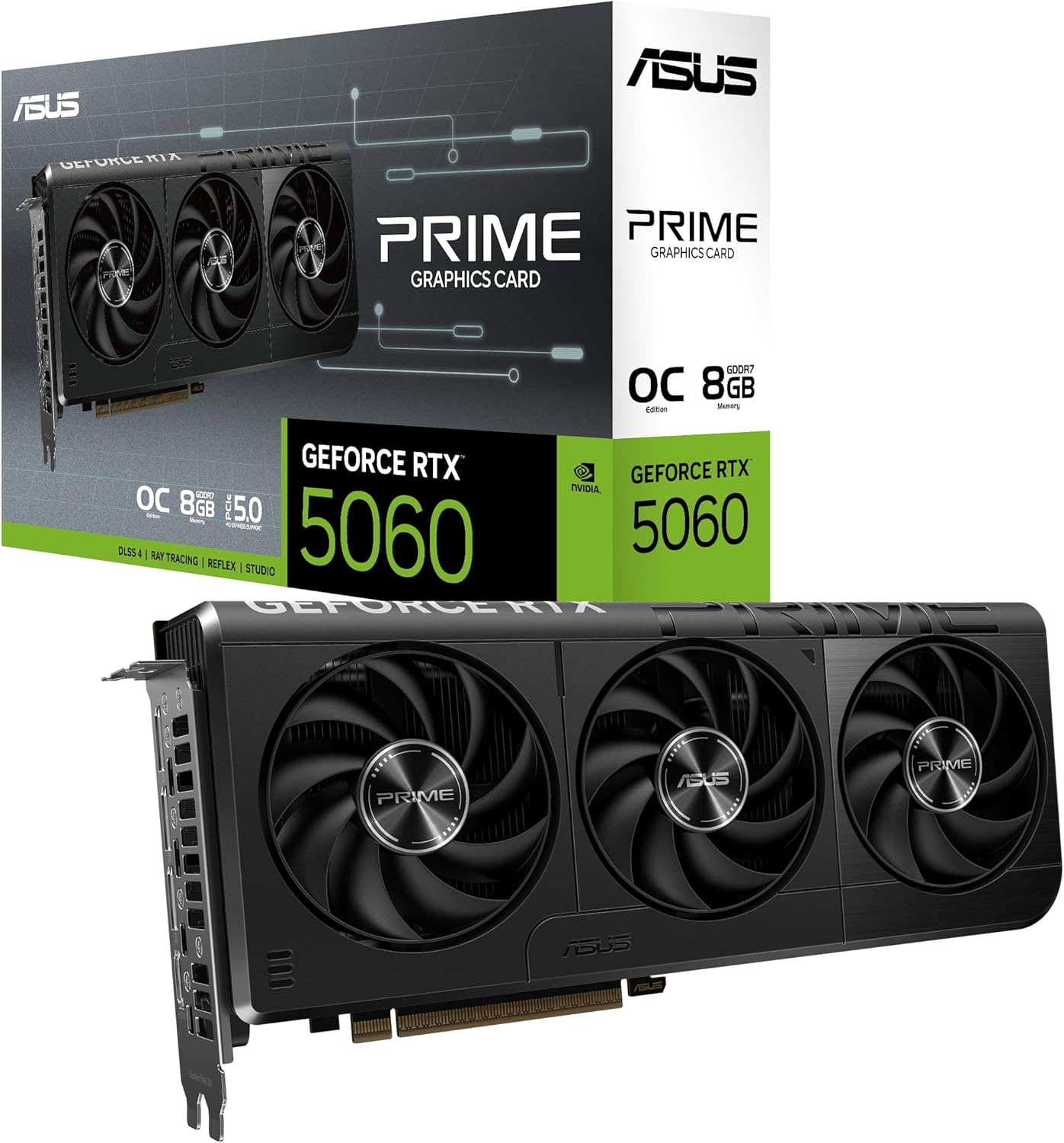
Nvidia's GeForce RTX 5060 is our pick for the best 1080p gaming graphics card, and you can score this Asus Prime card and its spiffy triple-fan cooler for less right now.View Deal

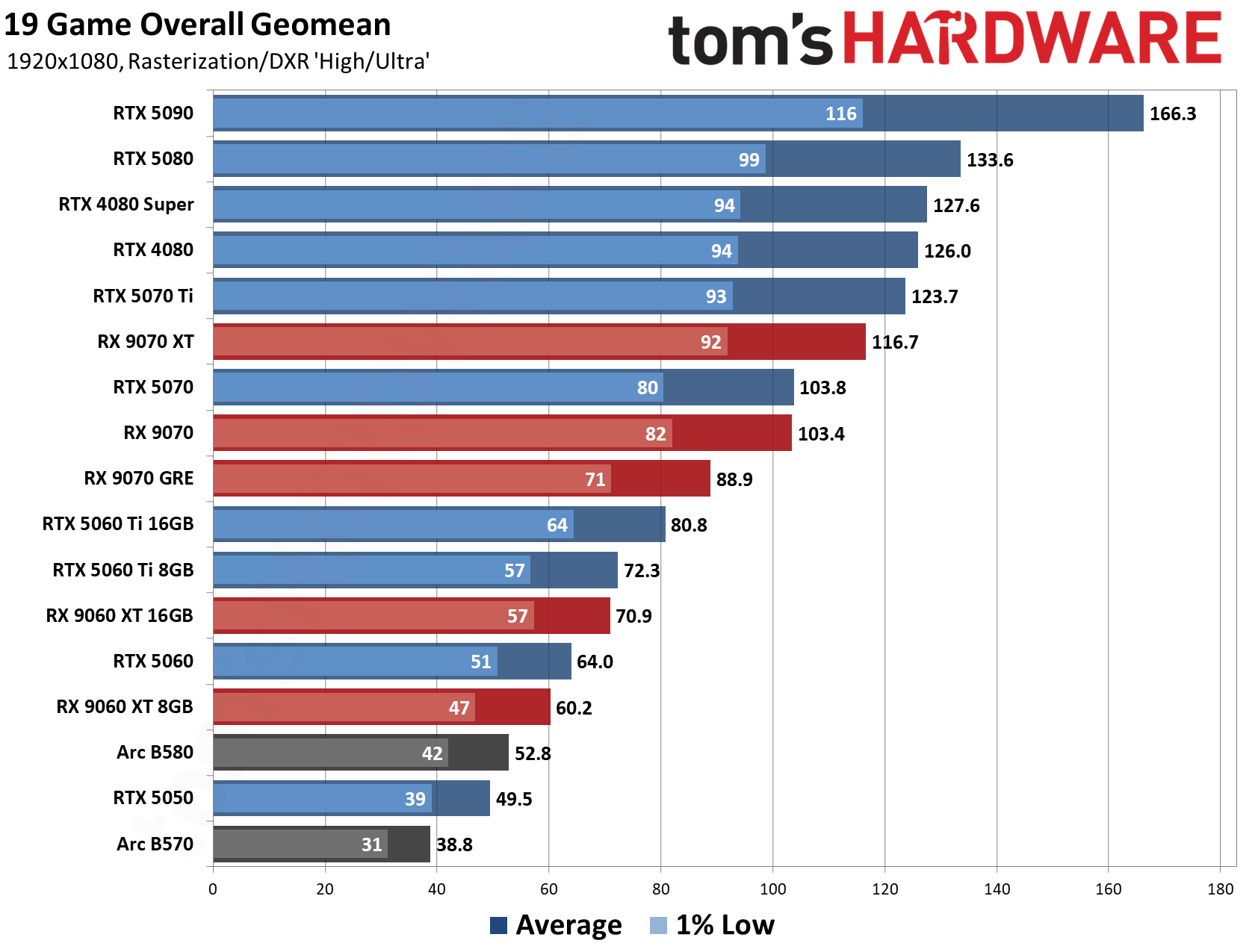
Despite having 8GB of VRAM, the RTX 5060 offers some of the strongest bang for the buck of any graphics card of its class, thanks to the strong baseline performance of its Blackwell architecture and support for the latest DLSS 4.5 upscaling model (as well as MFG, if your game's VRAM usage is low enough to allow for it).

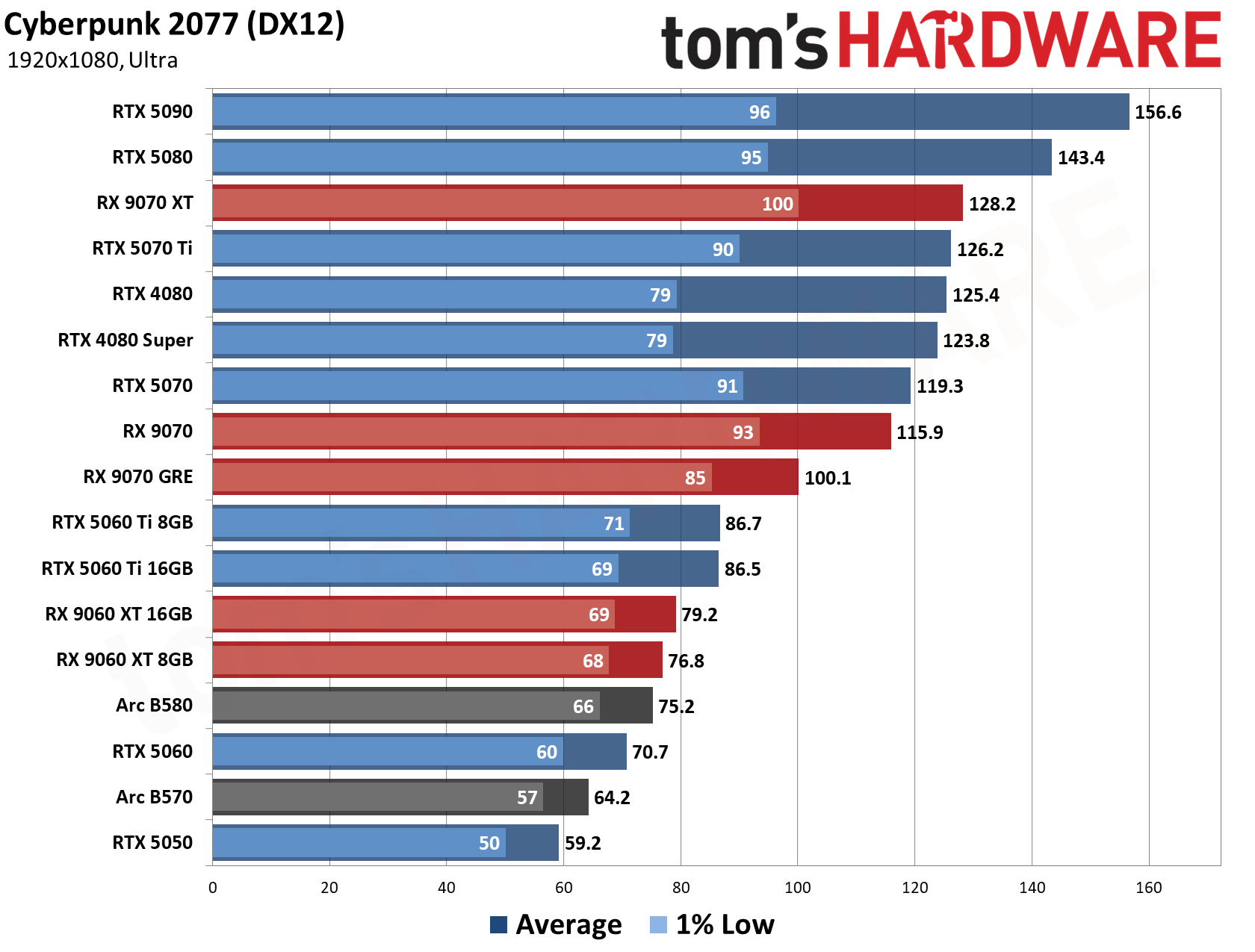
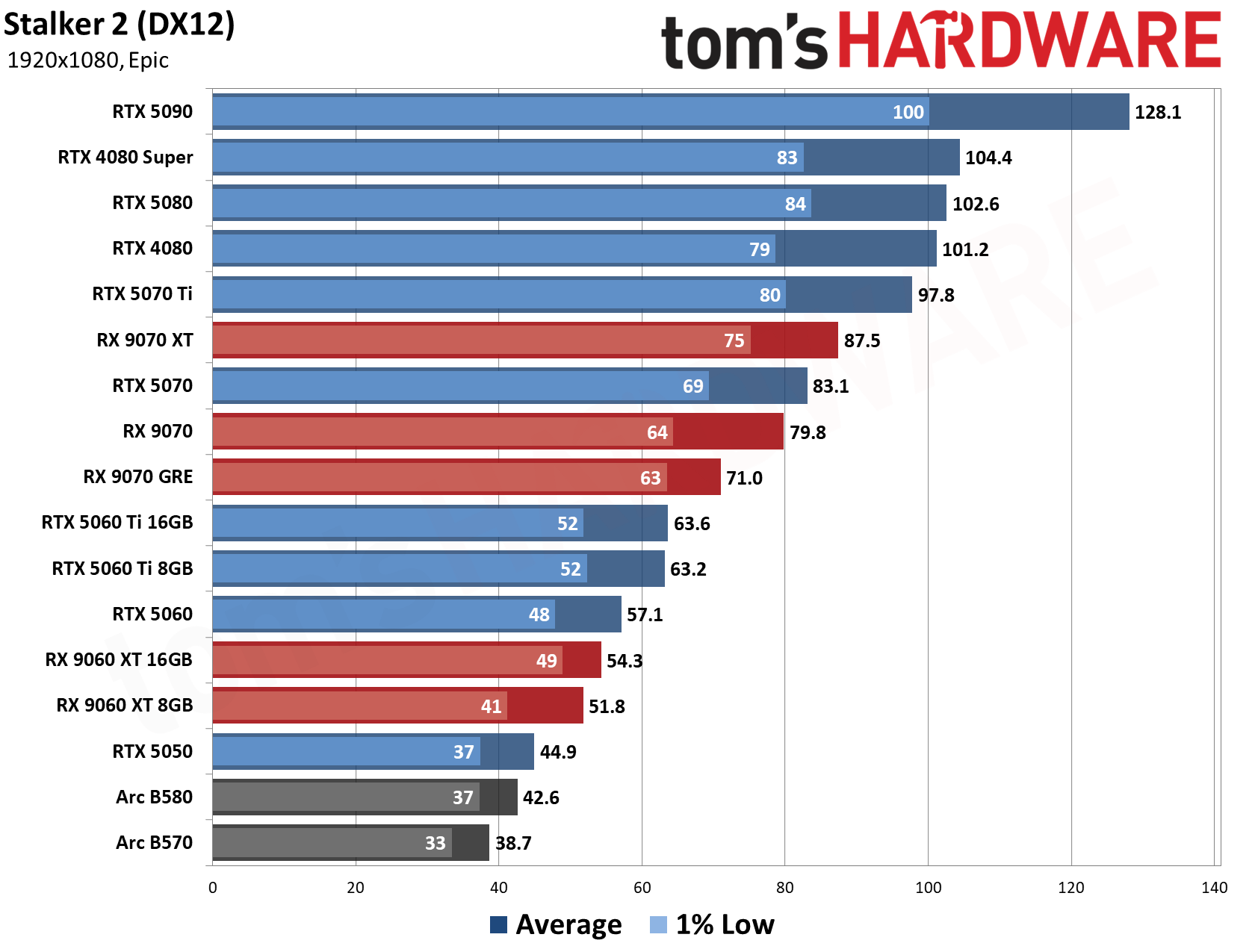
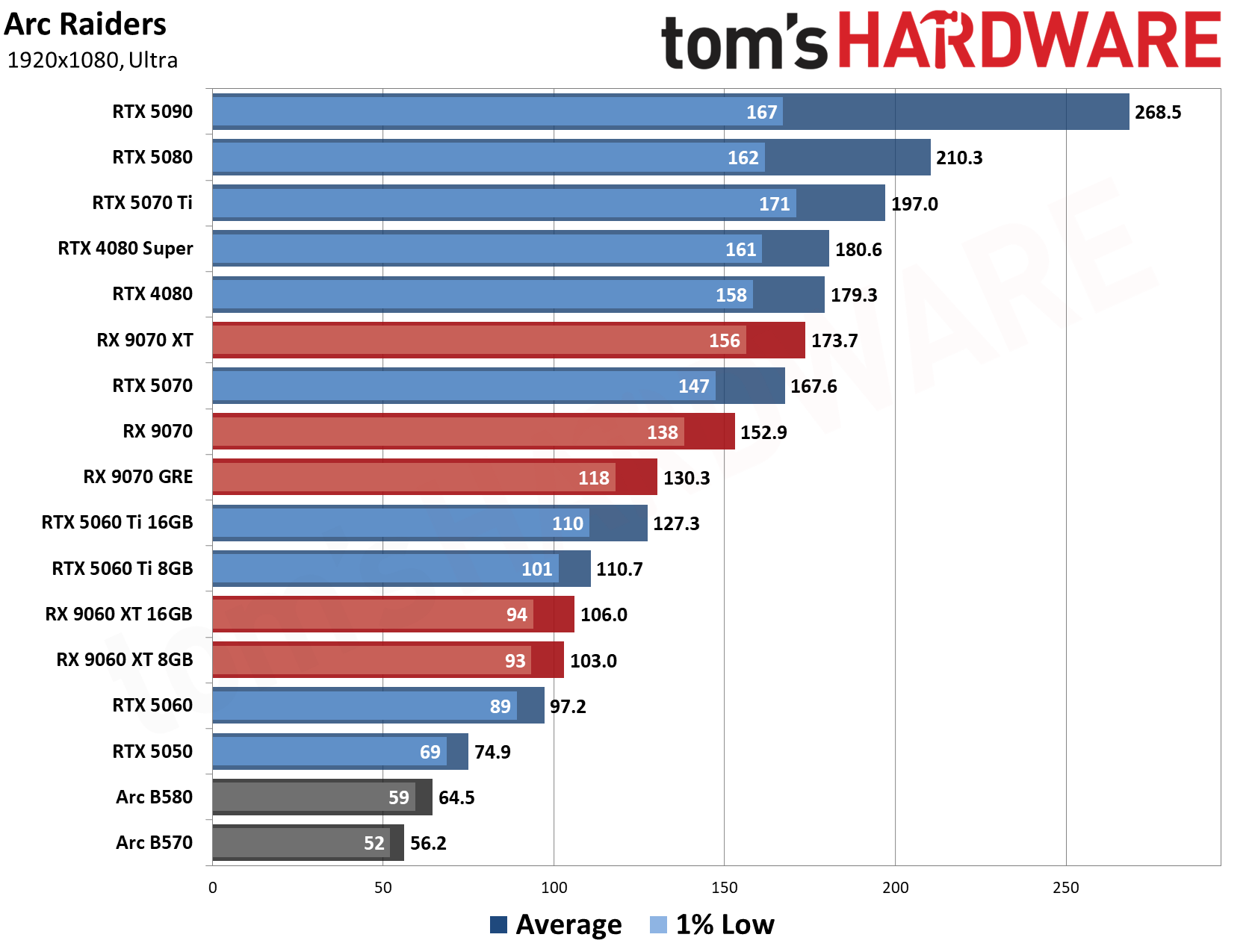
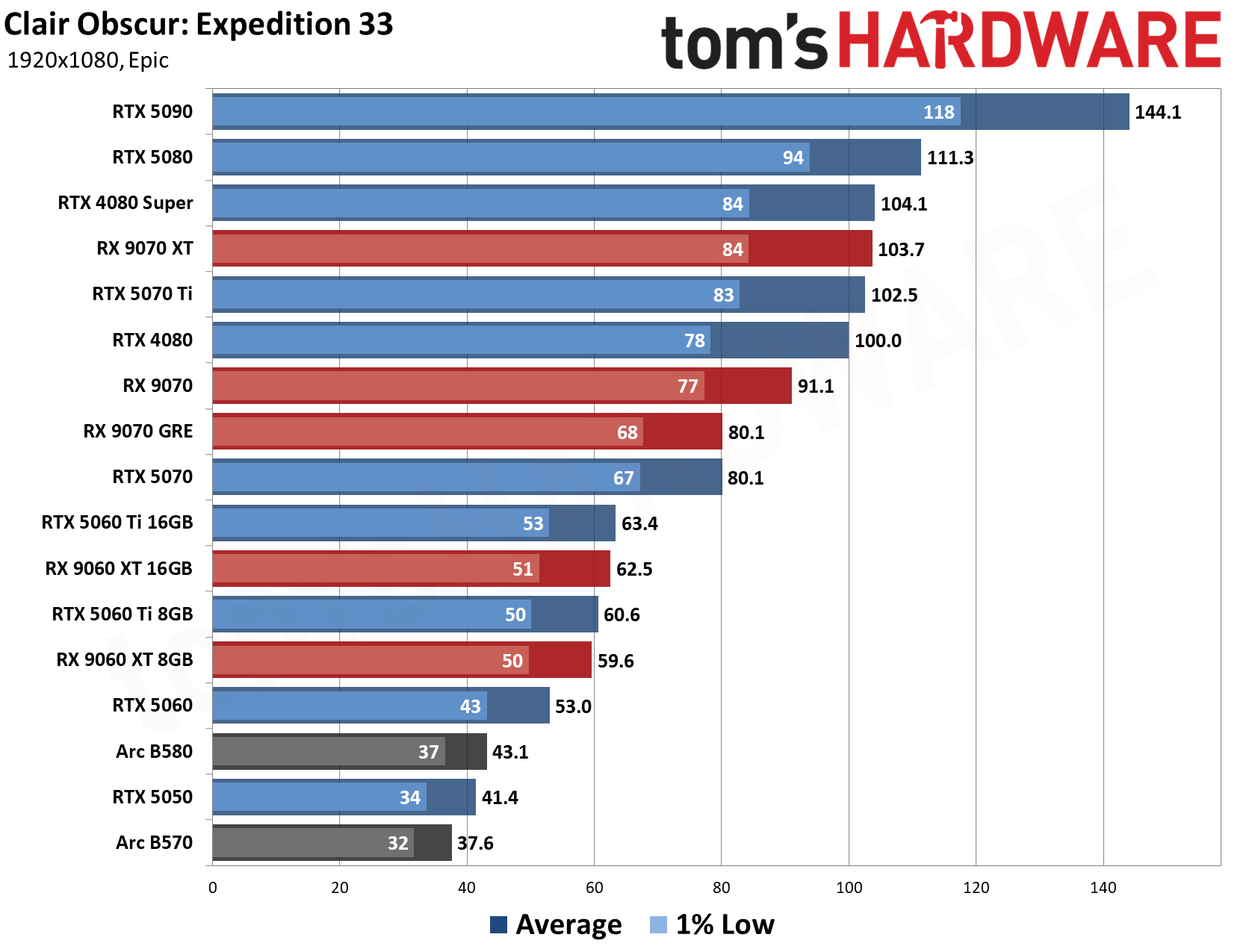
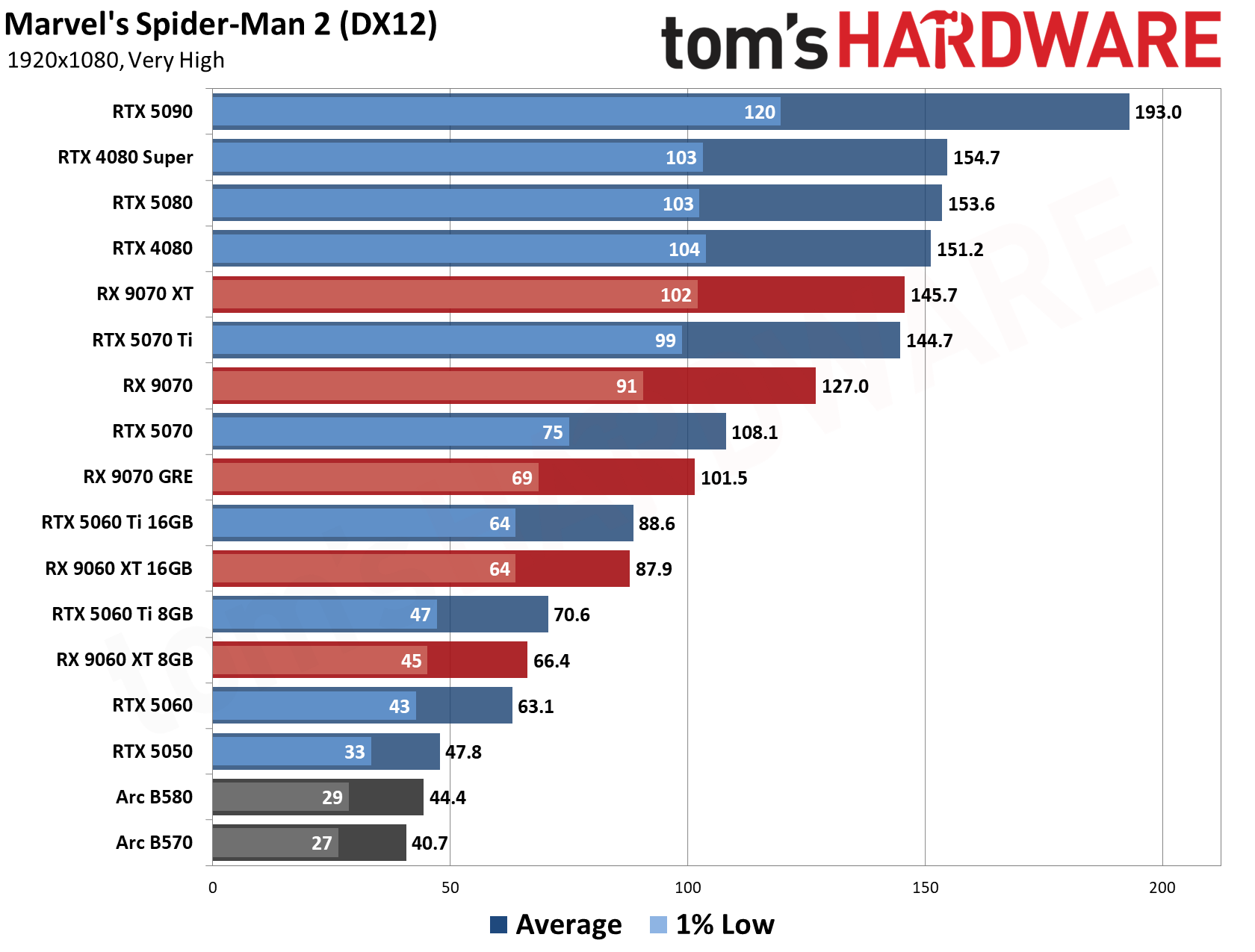
GPU Benchmarks Hierarchy 2026 - 1080 Performance Results
Future
GPU Benchmarks Hierarchy 2026 - 1080 Performance Results
Future
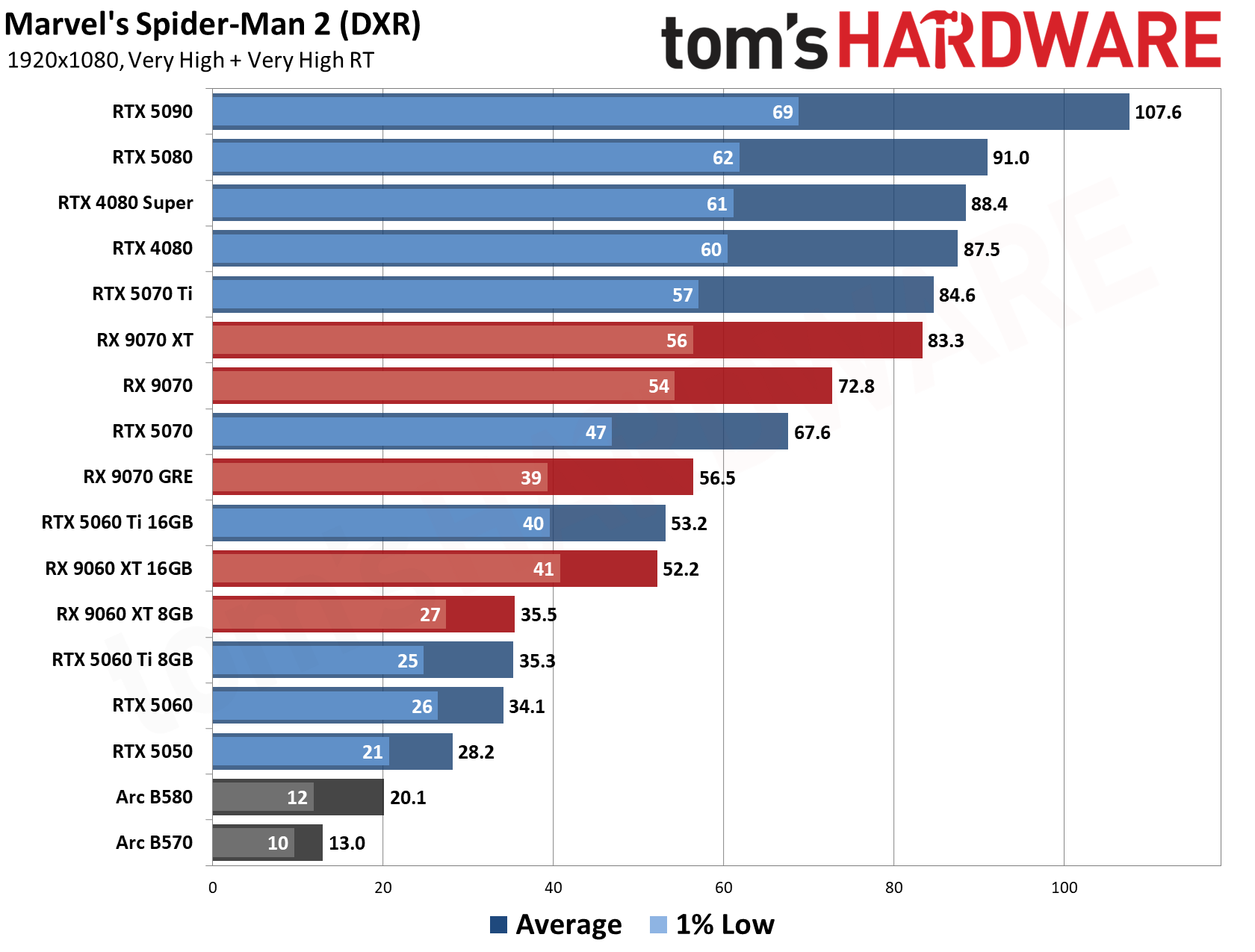
GPU Benchmarks Hierarchy 2026 - 1080 Performance Results
Future
GPU Benchmarks Hierarchy 2026 - 1080 Performance Results
Future
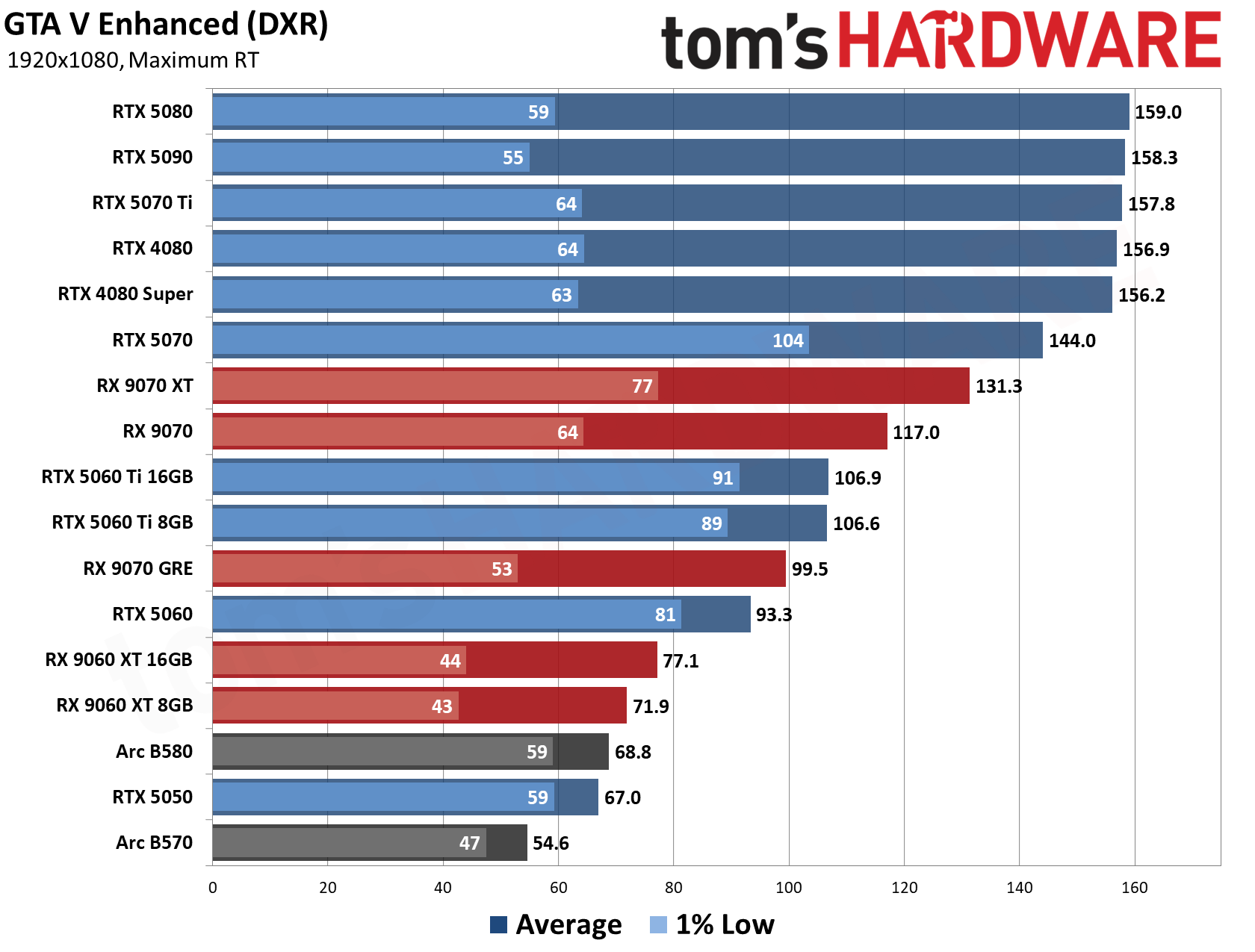
GPU Benchmarks Hierarchy 2026 - 1080 Performance Results
Future
GPU Benchmarks Hierarchy 2026 - 1080 Performance Results
Future
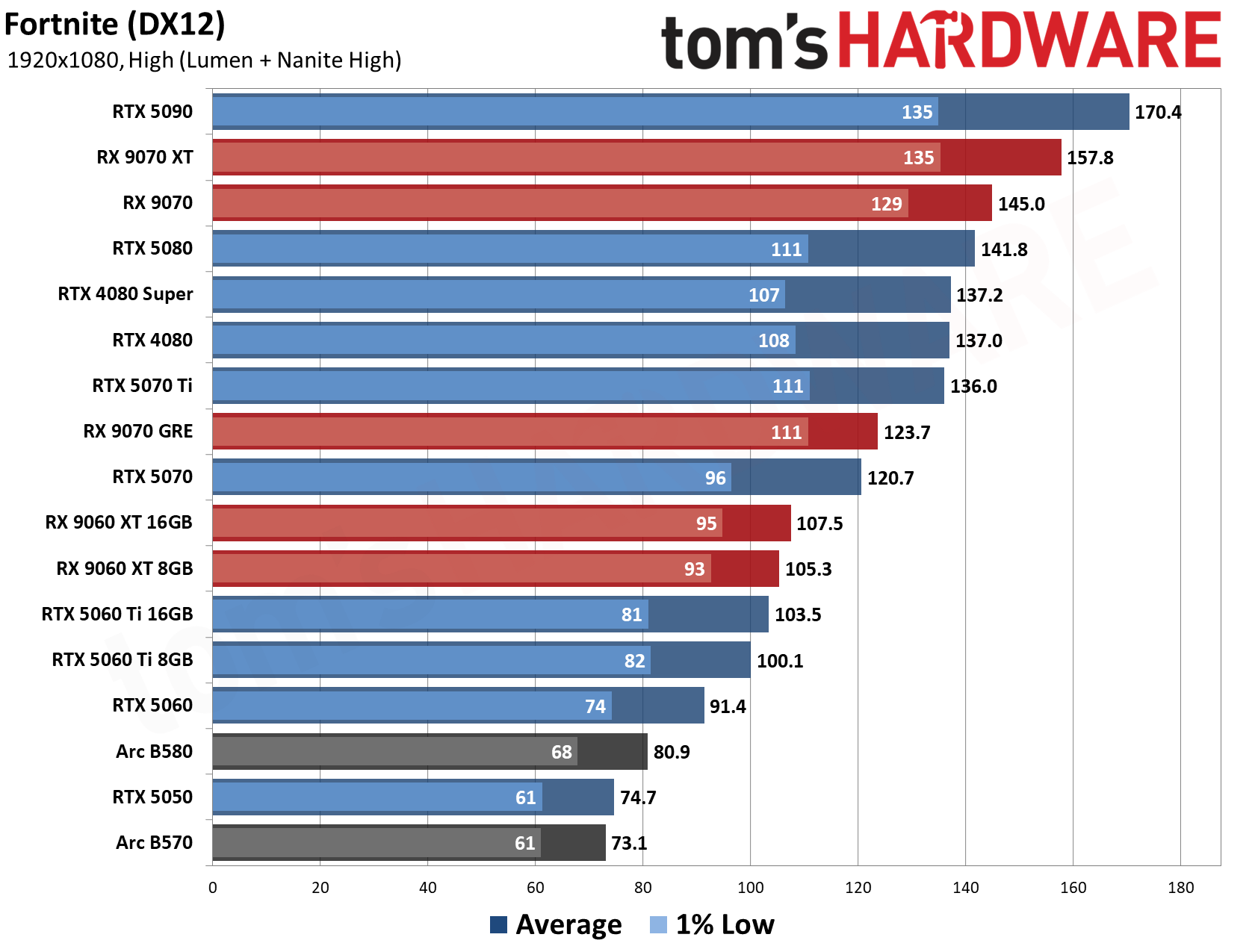
GPU Benchmarks Hierarchy 2026 - 1080 Performance Results
Future
GPU Benchmarks Hierarchy 2026 - 1080 Performance Results
Future
GPU Benchmarks Hierarchy 2026 - 1080 Performance Results
Future
GPU Benchmarks Hierarchy 2026 - 1080 Performance Results
Future
GPU Benchmarks Hierarchy 2026 - 1080 Performance Results
Future
GPU Benchmarks Hierarchy 2026 - 1080 Performance Results
Future
GPU Benchmarks Hierarchy 2026 - 1080 Performance Results
Future
GPU Benchmarks Hierarchy 2026 - 1080 Performance Results
Future
GPU Benchmarks Hierarchy 2026 - 1080 Performance Results
Future
GPU Benchmarks Hierarchy 2026 - 1080 Performance Results
Future
GPU Benchmarks Hierarchy 2026 - 1080 Performance Results
Future
GPU Benchmarks Hierarchy 2026 - 1080 Performance Results
Future
GPU Benchmarks Hierarchy 2026 - 1080 Performance Results
Future
GPU Benchmarks Hierarchy 2026 - 1080 Performance Results
Future
GPU Benchmarks Hierarchy 2026 - 1080 Performance Results
Future
GPU Benchmarks Hierarchy 2026 - 1080 Performance Results
Future

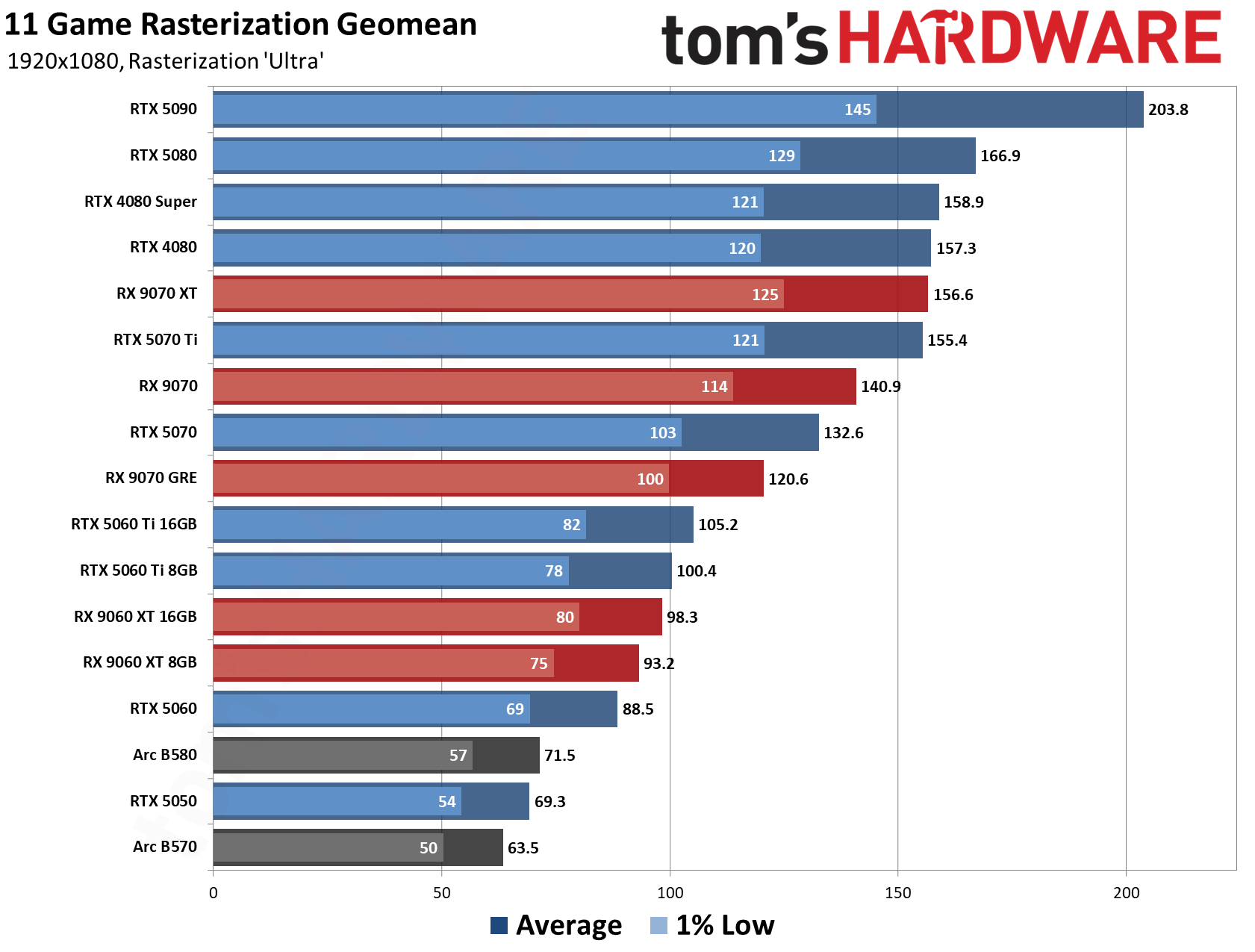
The recently re-introduced RTX 3060 12GB is selling for anywhere from $329 to $359, but despite its extra 4GB of VRAM, we wouldn't give that card a second glance in 2026. By the time the extra VRAM makes a difference in performance, you're already running into the limitations of this five-year-old graphics card's shader horsepower. And even in raster games, the 3060 greatly trails the 5060 in our 2026 test suite. The smart money is definitely on the more modern Blackwell card.

The RTX 5060's most direct competition is the $299 Radeon RX 9060 XT 8GB, but you won't find any of those cards for anywhere close to the price of the median RTX 5060 right now, to say nothing of this Asus Prime card.

Versus other RTX 5060s, the Prime RTX 5060 8GB stands out thanks to its triple-fan cooler, sleek and stealthy shroud, and a full-length backplate with a large flow-through cutout for waste heat. Asus also equips this card with a dual-BIOS switch that lets you choose between the highest performance and low noise levels.

All that adds up to a great deal, so if you need an entry-level gaming upgrade in 2026 and qualify for this coupon from Amazon, you should jump on it while you can.

If you're looking for more savings, check out our Best PC Hardware deals for a range of products, or dive deeper into our specialized SSD and Storage Deals, Hard Drive Deals, Gaming Monitor Deals, Graphics Card Deals, gaming chair, or CPU Deals pages.

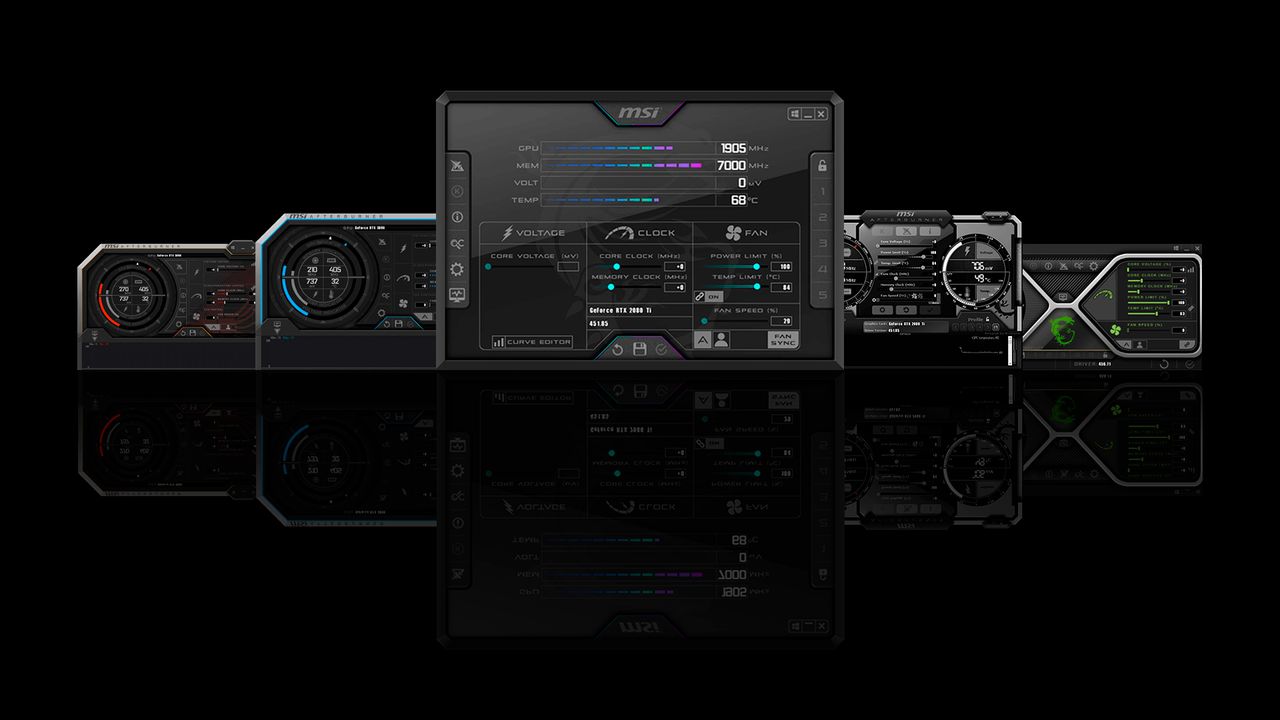
Upcoming MSI Afterburner update adds heatmap to V/F curve editor to show your GPU's boosting behavior — new feature shoots for better overclocks with more data

MSI Afterburner’s solo developer is working on a new update that provides a heatmap of the most-used voltage/frequency points a GPU is operating at within Afterburner’s voltage/frequency curve chart. The update is designed to help enthusiasts and overclockers better understand the boosting behavior of their GPU and adjust their GPU’s overclock accordingly. Unwinder, Afterburner’s developer, reported on the Guru3D forums that this update will be released with 4.6.7 beta4 for users to test. An official (non-beta) release with the heatmap has not been announced yet.

The new heatmap generates yellow dots within Afterburner’s existing V/F curve editor, making it easy to compare the GPU’s existing V/F curve against where the GPU is boosting in real workloads. For instance, Unwinder shared a screenshot of the heatmap being used with an RTX 5090, showing the GPU operating primarily at 800mv at 1200MHz, and 1000- 1055 mV at around 2.6 to 2.8GHz. The former relates to the GPU’s behavior at idle/low-load workloads and the latter at maximum load.
the next beta of msi afterburner developed by unwinder adds V/F hit map.v4.6.7 beta4 (not yet released)https://t.co/sJxErlqMLVthe current latest beta is v4.6.7 beta3 build17352 (jun 19)https://t.co/o4jRfXFMJP https://t.co/cEMaQHaDTe pic.twitter.com/7vKK0rgyhhJuly 12, 2026

Unwinder revealed that one interesting perk of the new heatmap system is its ability to identify the differences in boosting behavior between Nvidia’s RTX 40-series and older GPUs, and RTX 50-series GPUs. Improvements in Blackwell’s DVFS, or Dynamic Voltage Frequency Scaling, make the GPU behave very differently compared to RTX 40-series GPUs or older. Unwinder shared an additional screenshot of an RTX 4090 running the heatmap, showing yellow dots only around the lower and upper ranges of the V/F curve. By contrast, the heatmap of the RTX 5090 shows yellow dots across the entire V/F curve, revealing that the RTX 5090 is spending more time in the middle range of the curve than its predecessor.

MSI Afterburner’s new heatmap aims to help overclockers more accurately adjust their overclocks according to what voltage/frequency points the GPU is prioritizing in real workloads. For the uninitiated, V/F curve overclocking manipulates the GPU’s boosting algorithm by changing the shape of its V/F curve. If you're able to sustain the same clock speed at a lower voltage, that should mean a higher voltage can push a higher clock speed, which is the idea behind undervolting with a V/F curve before overclocking with an offset.

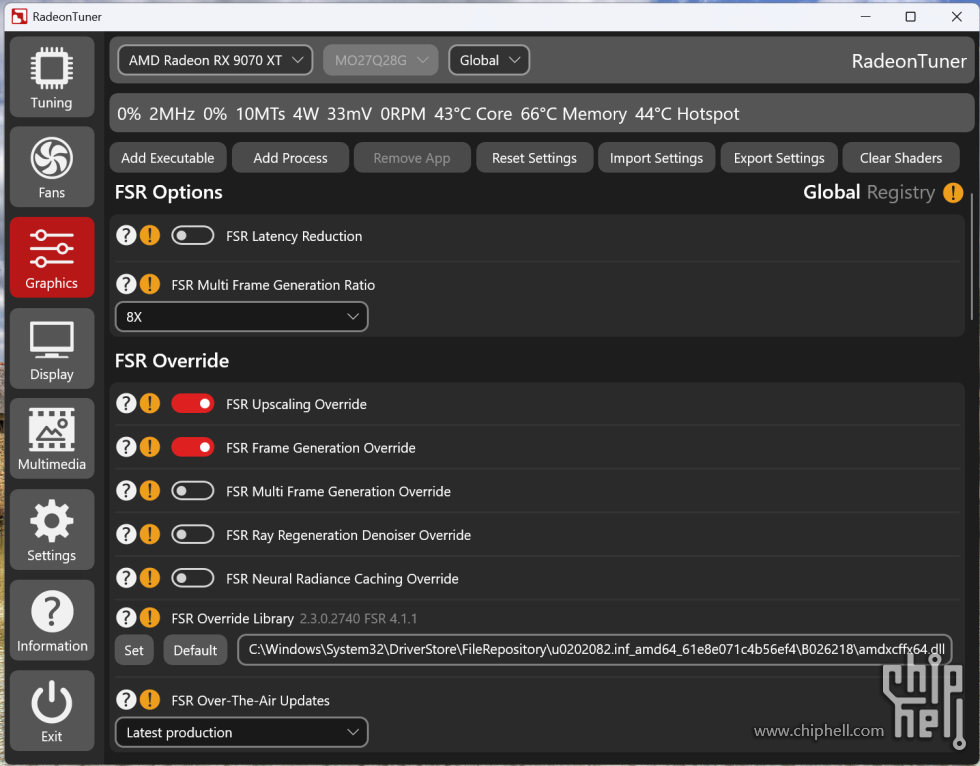
AMD FSR Multi-Frame Generation with 8x mode spotted — experimental driver settings could hint at FSR's next evolution

AMD is reportedly testing FSR Multi Frame Generation for existing Radeon GPUs, with ratios of up to 8x. According to a screenshot shared on the Chiphell forums, AMD's latest Adrenalin Edition 26.6.2 driver includes support for Multi Frame Generation, as hidden experimental settings were discovered in RadeonTuner, a third-party open-source alternative to AMD Adrenalin Software. In addition to a new Multi Frame Generation Ratio setting, RadeonTuner also includes override options for FSR Ray Regeneration Denoiser and FSR Neural Radiance Caching.

This suggests that AMD is potentially testing FSR Multi Frame Generation, with options ranging from 1x to 8x. In theory, that could boost a base frame rate of 60 FPS to as high as 480 FPS, which is around 2x higher than what Nvidia currently offers on its RTX 50 series GPUs. That said, these settings are non-functional, and there is no confirmation whether AMD has plans to roll out an 8x Multi Frame Generation mode.

A screenshot of RadeonTuner revealing FSR Multi Frame Generation settings

(Image credit: Chiphell Forums)

The discovery has also prompted a response from the developer of RadeonTuner on GitHub, where they explained that AMD occasionally adds the names of upcoming settings to its drivers months before the actual functionality is implemented. The developer also clarified that the newly listed Multi Frame Generation ratios of up to 8x are placeholders that have been added for testing purposes, meaning that it may or may not align with the final implementation that AMD ends up supporting eventually.
Interestingly, during Microsoft's recent unveiling of its upcoming Xbox platform codenamed Project Helix, the company confirmed that the console will feature FSR Diamond (previously called FSR Next). This was touted as an AI-powered rendering suite that would include machine learning-based upscaling, ray regeneration, and Multi Frame Generation. AMD's graphics chief, Jack Huynh, later described FSR Diamond as the result of a multi-year engineering collaboration with Microsoft.

While there is no indication that the hidden driver settings are directly tied to FSR Diamond, the presence of experimental options for Multi Frame Generation, Ray Regeneration, and Neural Radiance Caching suggests AMD is laying the groundwork for its next-generation FSR technologies across the Radeon ecosystem.

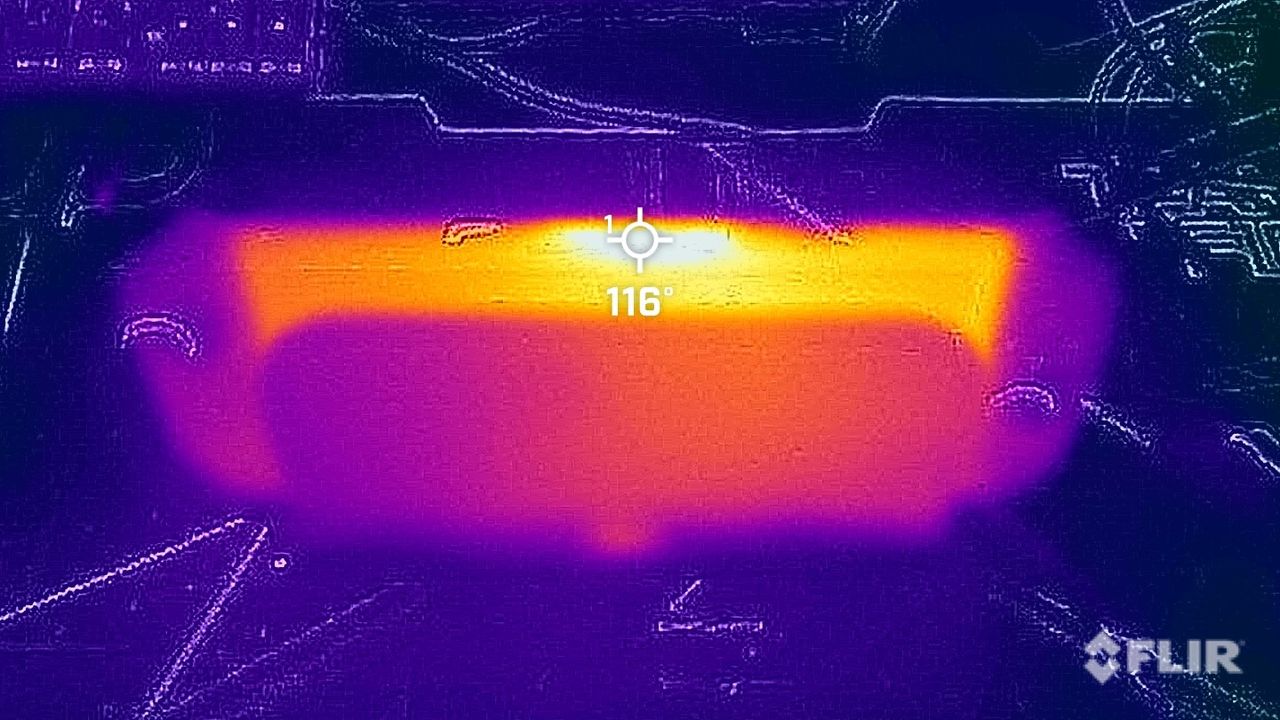
Hotspot temperature sensor on Nvidia's Blackwell gaming GPUs is still accessible if you have access to Nvidia's internal MODS tool — Nvidia RTX 5070 Ti caught throttling at 107°C over poor TIM application

When the RTX 50 series launched, reviewers quickly discovered that the hotspot temperature was being misreported in standard diagnostics tools such as HWiNFO or MSI Afterburner. Eventually, people realized that Nvidia had outright removed the option to monitor hotspot temps, but it seems like the hardware was never removed from the GPU. New testing by Brazilian repair specialist Paulo Gomes has revealed that the sensor is still present and readable with special tools.

In the video, the host shows a Gigabyte variant of the RTX 5070 Ti that was sent to him due to overheating issues. Within Windows, the monitoring tools showed no abnormal signs, as the "average" temperature was reported at 67 to 68 degrees Celsius. However, when diagnosed with a specialized tool called "MODS," the hotspot temperature reached 107 degrees Celsius almost immediately under load.

MODS stands for Modular Diagnostics Software, and it's an internal Nvidia tool used to test GPUs before they hit the shelves or during the RMA process. It's not available to the public and doesn't work on Windows because the OS keeps intercepting calls from the hardware monitoring APIs. You need a Linux distribution that boots directly into a command line, from where MODS (and MATS, for memory testing) can run as intended.

Some repair shops have been known to get access to MODS, such as in this case, which unlocks the hidden hotspot temperature sensor on Blackwell gaming GPUs. Keep in mind that Nvidia ships much more comprehensive diagnostic utilities for its server-grade and workstation GPUs that can actively monitor all aspects of the card. It's unknown why the company decided to keep some sensors locked out of gamers' reach.

Perhaps we can infer the rationale from last year, when Igor's Lab tested several RTX 50-series GPUs and found a "hotspot issue" affecting all of them. The reason was poor PCB manufacturing — not using heavy-duty materials to build the PCB layers, causing certain parts of the substrate to heat up even when the core was relatively cool. This was exacerbated by Nvidia's own guidelines, which told AIBs to compensate for ideal conditions instead of worst-case scenarios.

Anyhow, as Paulo Gomes and his team discovered, the RTX 5070 Ti's hotspot was hitting 107 degrees Celsius, and the card throttled and dropped its clock speeds right away. Nvidia mandates 107 degrees Celsius as the upper limit for RTX 50-series, so it was clear that the card was slowing down to prevent damage. To inspect what was actually wrong, they opened up the card and found poor thermal contact between the cooler and the componentry.

The TIM (thermal interface material) application was inadequate; the paste had accumulated around the perimeter of the core while the center was mostly dry. The repair personnel removed the old material and replaced it with SnowDog Husky paste, which was enough to drop the hotspot temperatures to 100 degrees Celsius. Now, it was within the safe operating range and no longer thermal throttling under load.

What would've been a simple fix on the consumer's end was turned into a repair job solely because Nvidia hid the GPU's hotspot temperature, literally misreporting the card's internal condition. Had this RTX 5070 Ti just run at 107 degrees Celsius continuously, the silicon would wear down incredibly fast, and the customer would never even know why. Not to mention some manufacturers' insistence on voiding warranty upon breaking the GPU's "seal," which is an illegal and unenforceable practice in the United States.

AMD RX 9070 GRE collapses to $499 to save 1440p gaming — RDNA 4 price slips 9% to steal a piece of Nvidia's mid-range pie

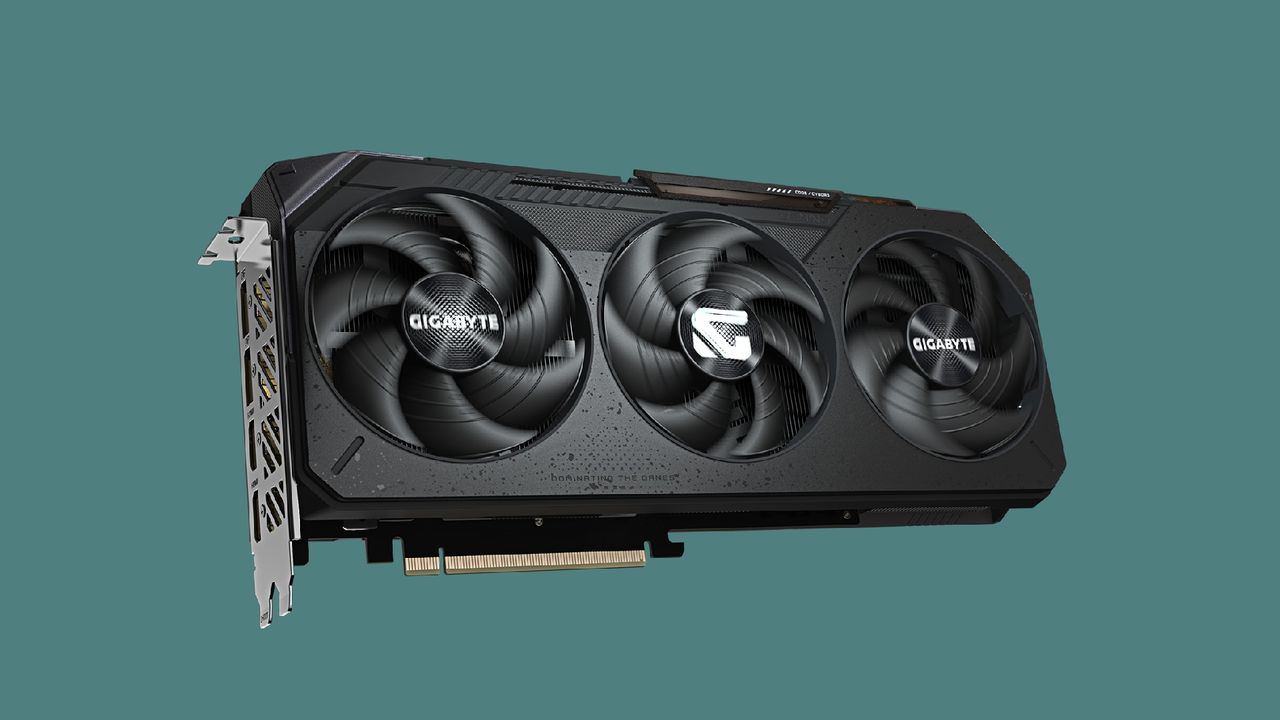
AMD’s formerly China-exclusive Radeon RX 9070 GRE, which rivals the best graphics cards, went global last month at a suggested MSRP of $549. The GPU has now seen its first price drop since its launch, with the Gigabyte Gaming Radeon RX 9070 GRE available for $499 at Newegg. While the listing shows $549, customers can use a $50 promo code by submitting their email address to reveal it.

The Radeon RX 9070 GRE is built on AMD’s RDNA 4 graphics architecture, and uses the same Navi 48 GPU as the Radeon RX 9070 and RX 9070 XT. However, it uses a cut-down version of that chip with 48 compute units. It also comes with 12GB of GDDR6 running at 18 Gbps on a 192-bit bus, offering 432 GB/s of raw memory bandwidth. Despite the scaled-down specifications, the RX 9070 GRE retains a TDP of 220W, similar to the standard Radeon RX 9070. Essentially, the card sits between the RX 9060 XT 16GB and the RX 9070, and AMD claims it delivers 21% higher average performance than the RTX 5060 Ti 16GB in 1440p gaming.

Radeon RX 9070 GRE
Future
Radeon RX 9070 GRE
Future
Radeon RX 9070 GRE
Future

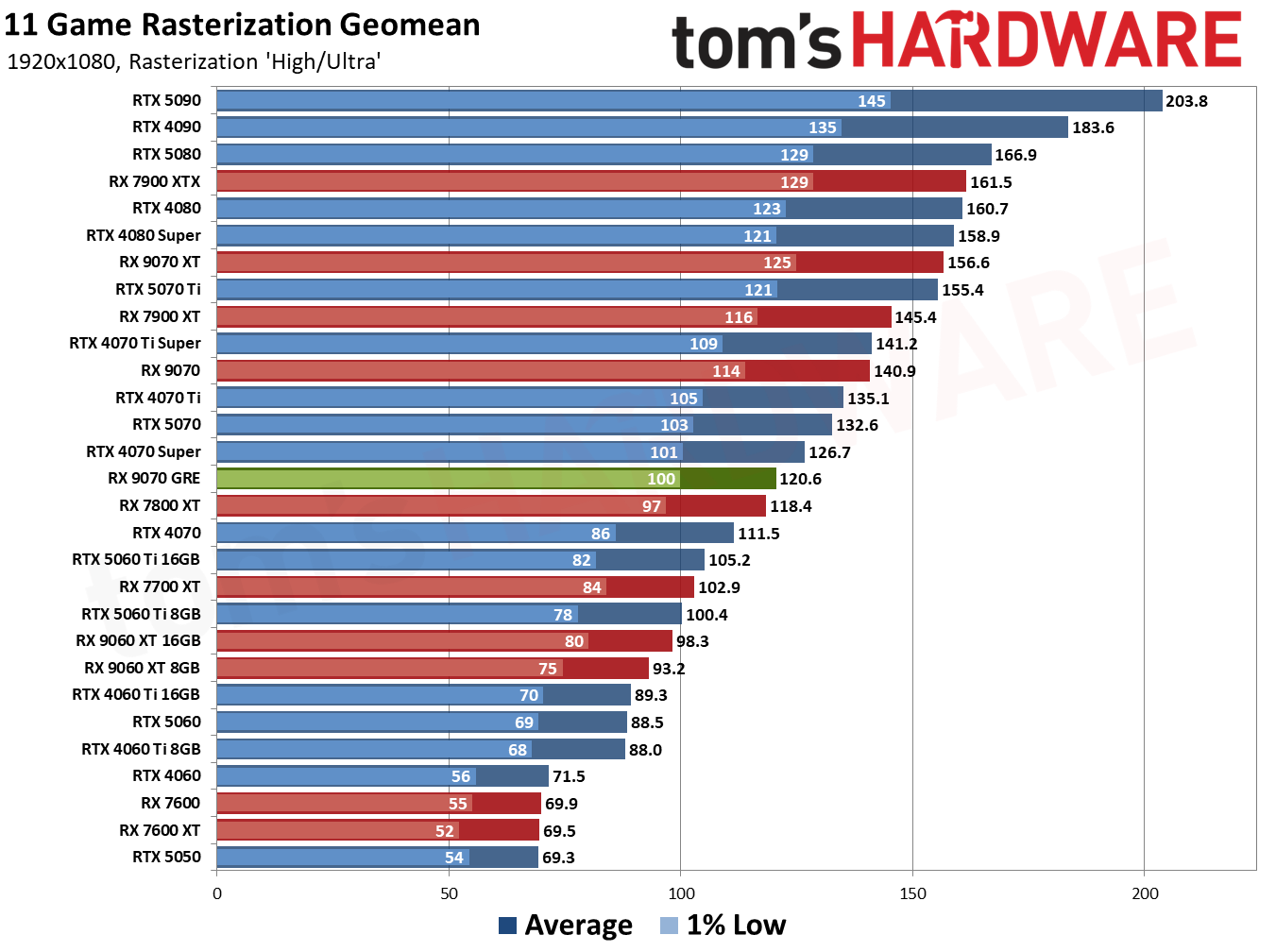
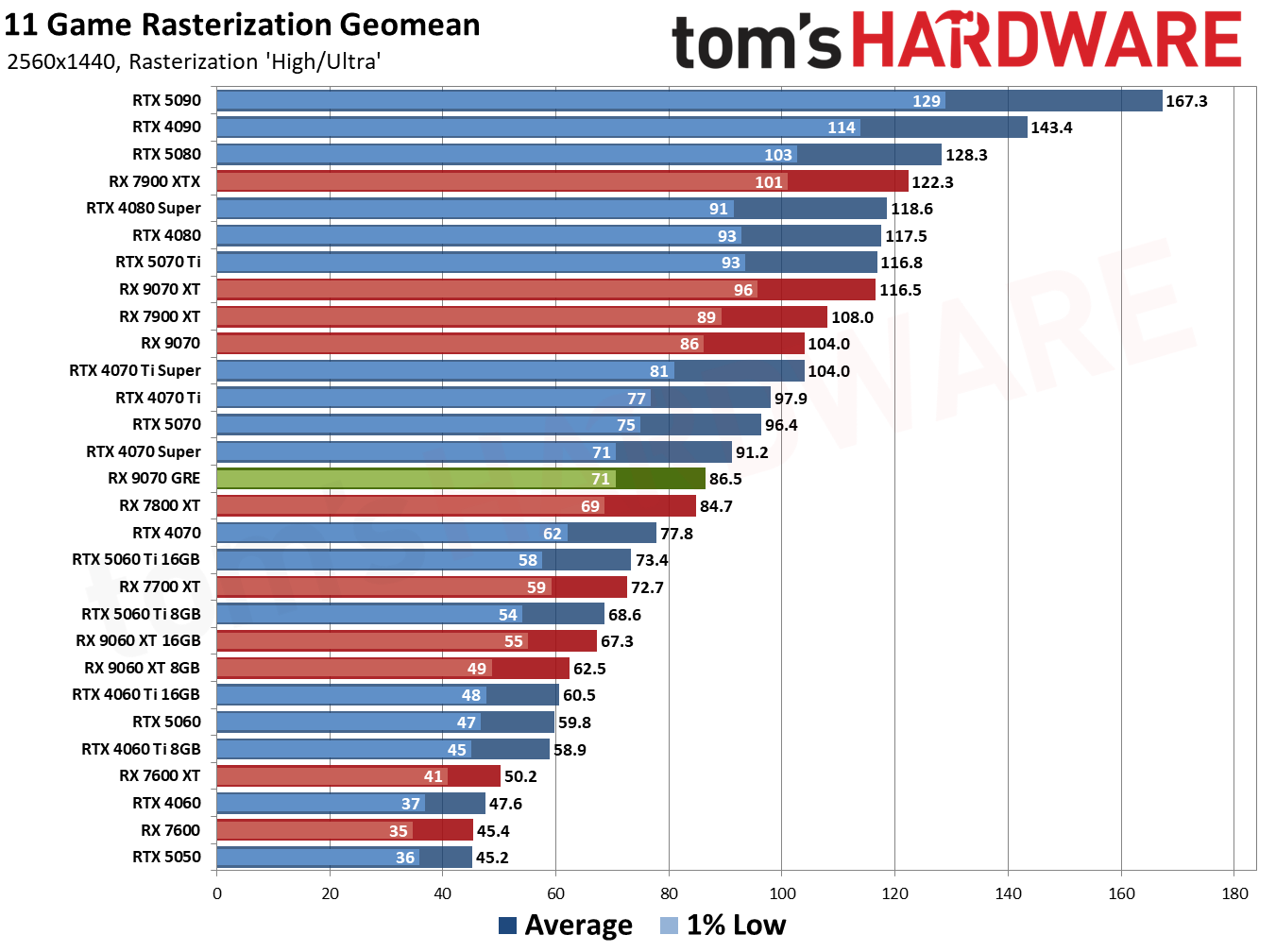
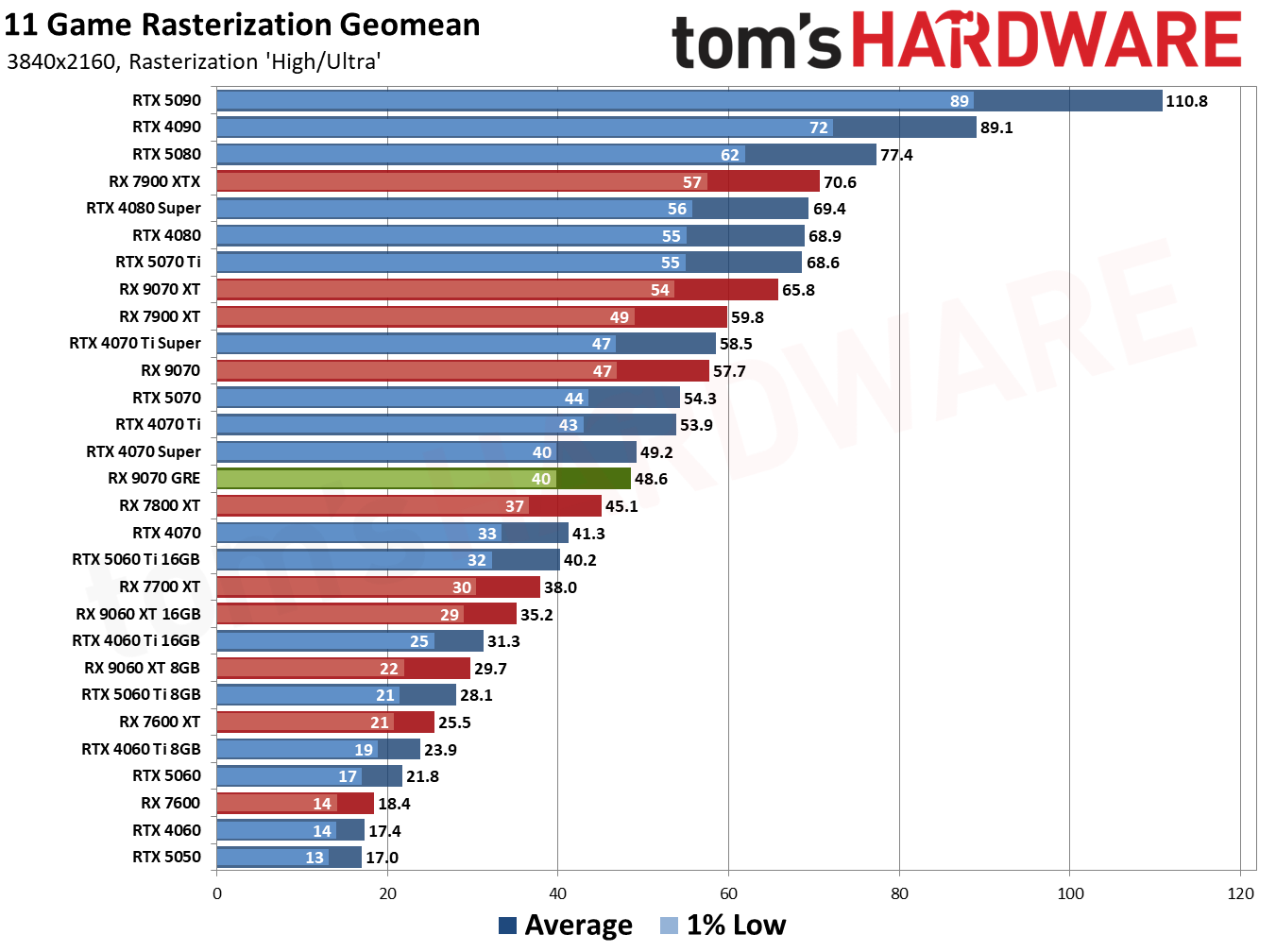
In our testing of the XFX Swift Radeon RX 9070 GRE, we found that the card averages 120 FPS at 1080p and 86.6 FPS at 1440p across our 11-game raster-only test suite. That makes it a solid choice for high-refresh-rate gaming at two of the most popular monitor resolutions, and it offers a comfortable position over the RX 9060 XT 16GB and RTX 5060 Ti 16GB.

Unfortunately, the RX 9070 GRE is not entirely impressive at 4K resolution as it struggles to maintain an average of 60 FPS. That said, enabling FSR 4 upscaling and frame generation in supported titles can significantly improve performance. Ray tracing performance remains a weaker area for the RX 9070 GRE. Gamers who prefer enabling RT effects will likely need to enable FSR 4 to offset the performance hit, particularly at higher resolutions.

At its discounted price, the RX 9070 GRE competes directly with Nvidia's RTX 5060 Ti 16GB, which currently sells for well over $500. If you are a gamer who prioritizes raw rasterized performance, the RX 9070 GRE is worth considering, especially if you're upgrading from an older GPU such as the RX 6700 XT or RTX 3070.

❌