Unless you plan on conducting all of your virtual meetings at arm's length or from the end of a selfie stick, an excellent webcam is a home office essential nowadays — and a must-have accessory for your setup if you plan to stream or create content online.
While practically every laptop offers a built-in webcam, OEMs rarely deliver an impressive camera as standard. Sure, the 16-inch MacBook Pro M4 Pro's 12MP Center Stage camera proves there are exceptions. However, generally speaking, your default webcam likely isn't cutting it.
If you're tired of falling back on your grainy, dimly lit, and low-resolution stock webcam, then it's time to invest in an external webcam to look and sound your best with sharper, richer audio and visual flair.
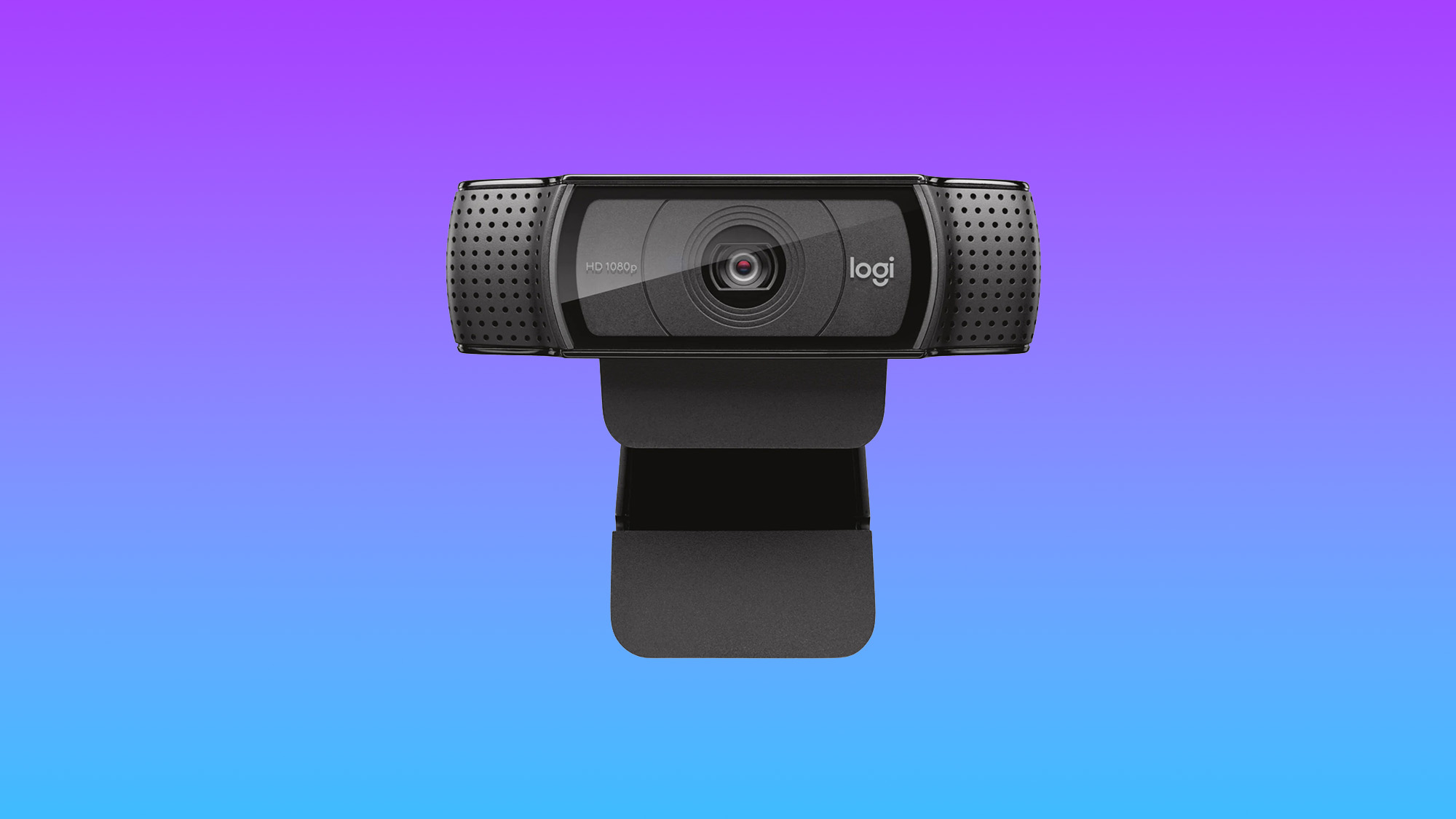
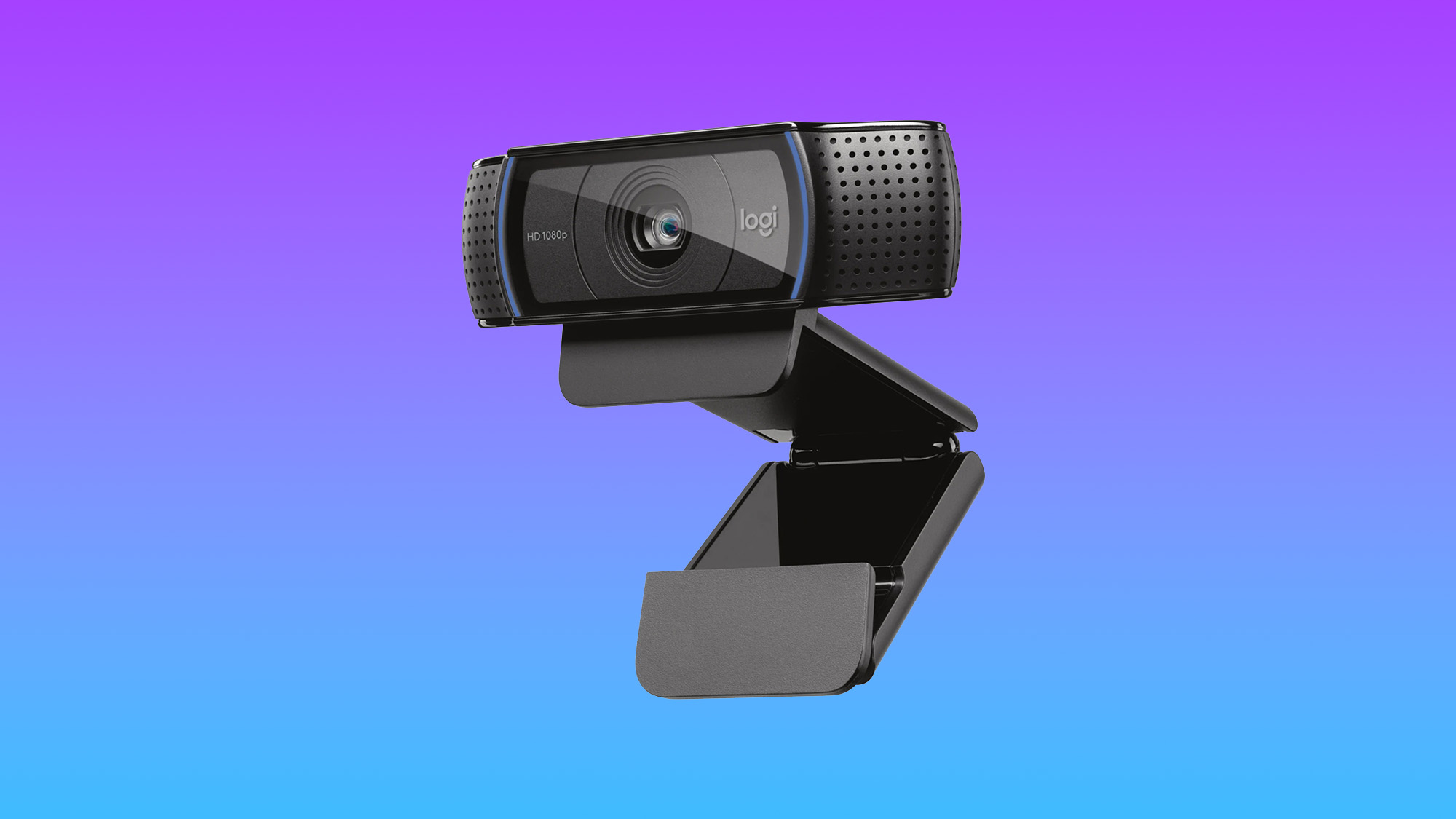
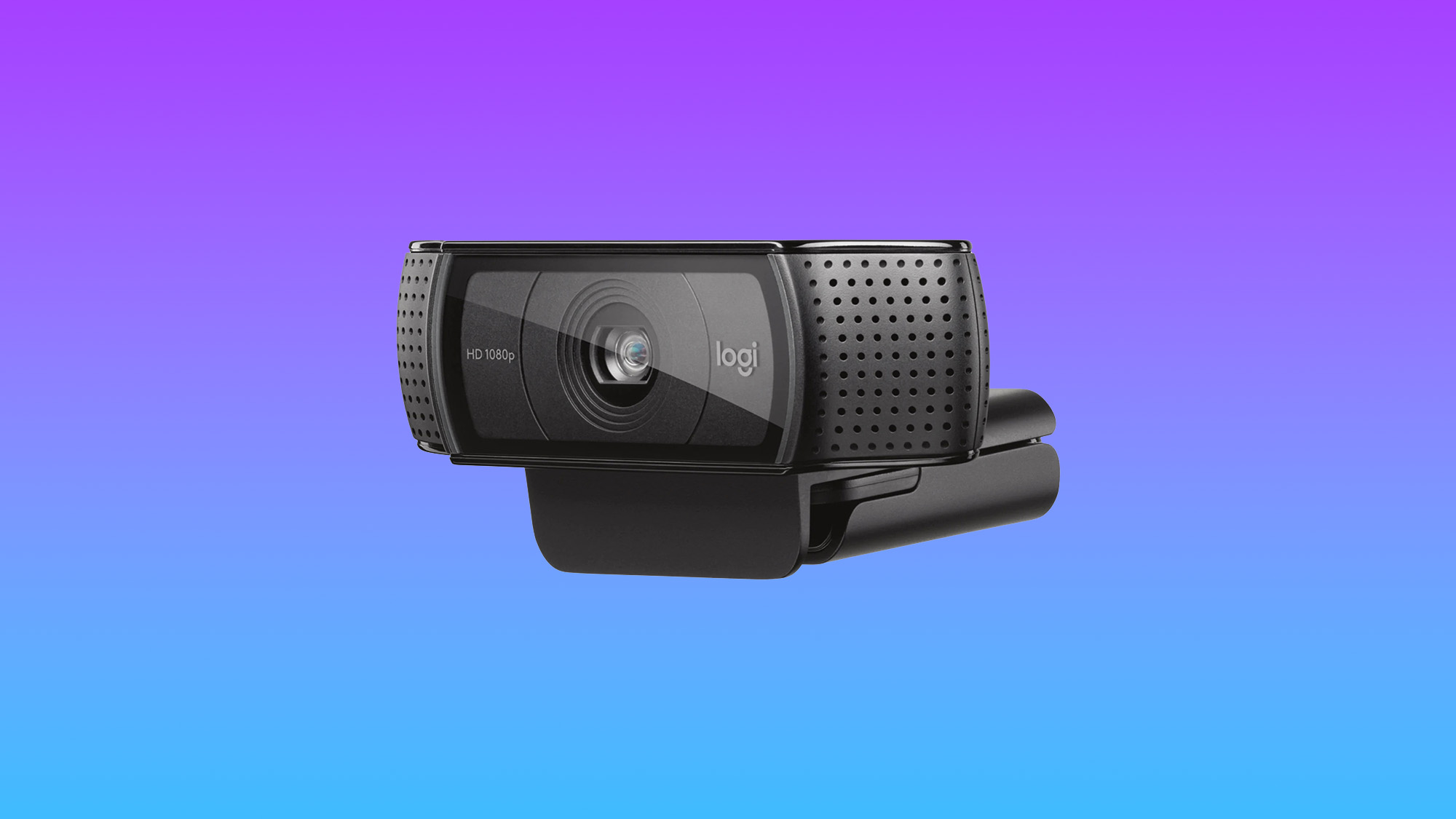
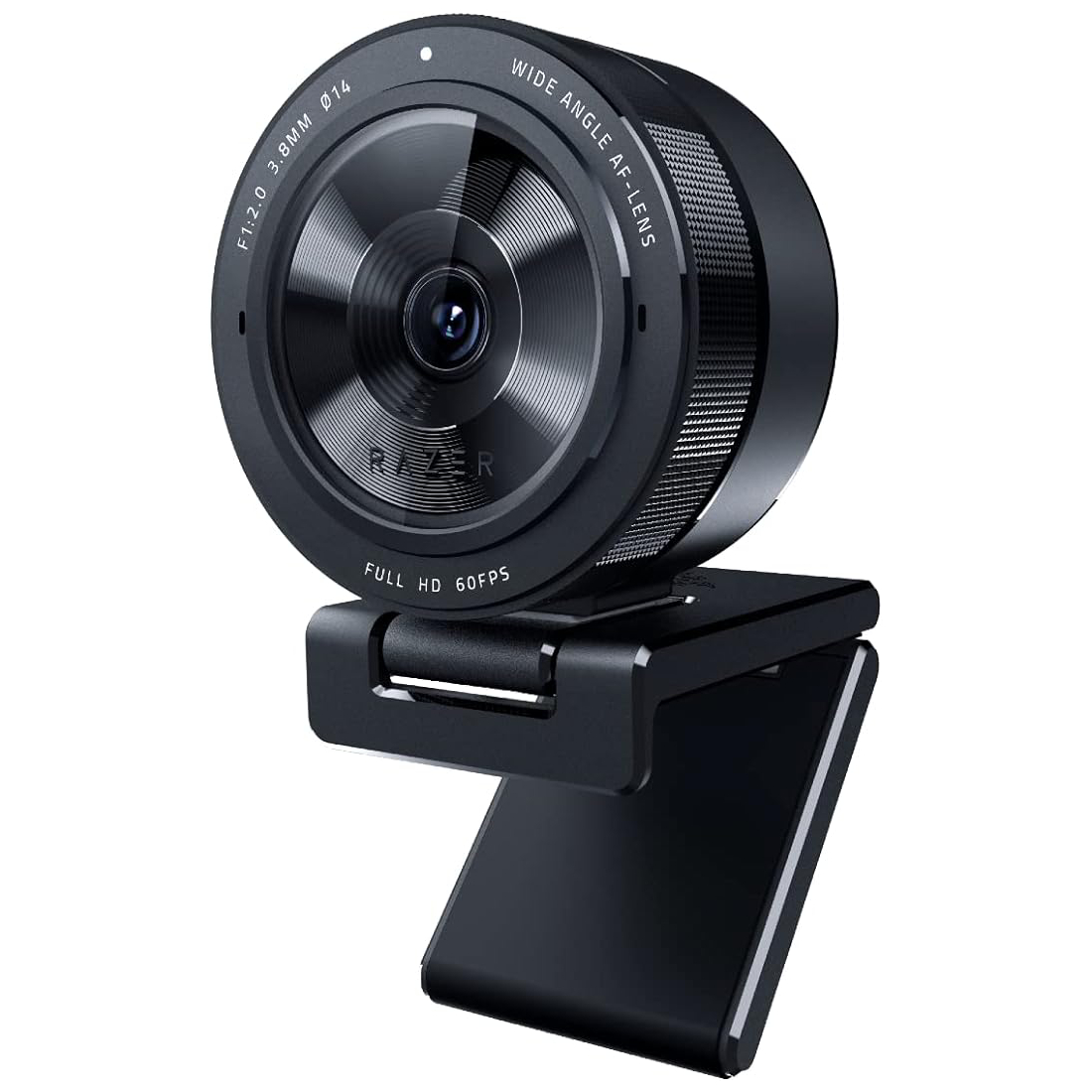
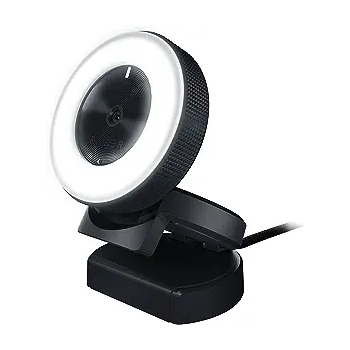
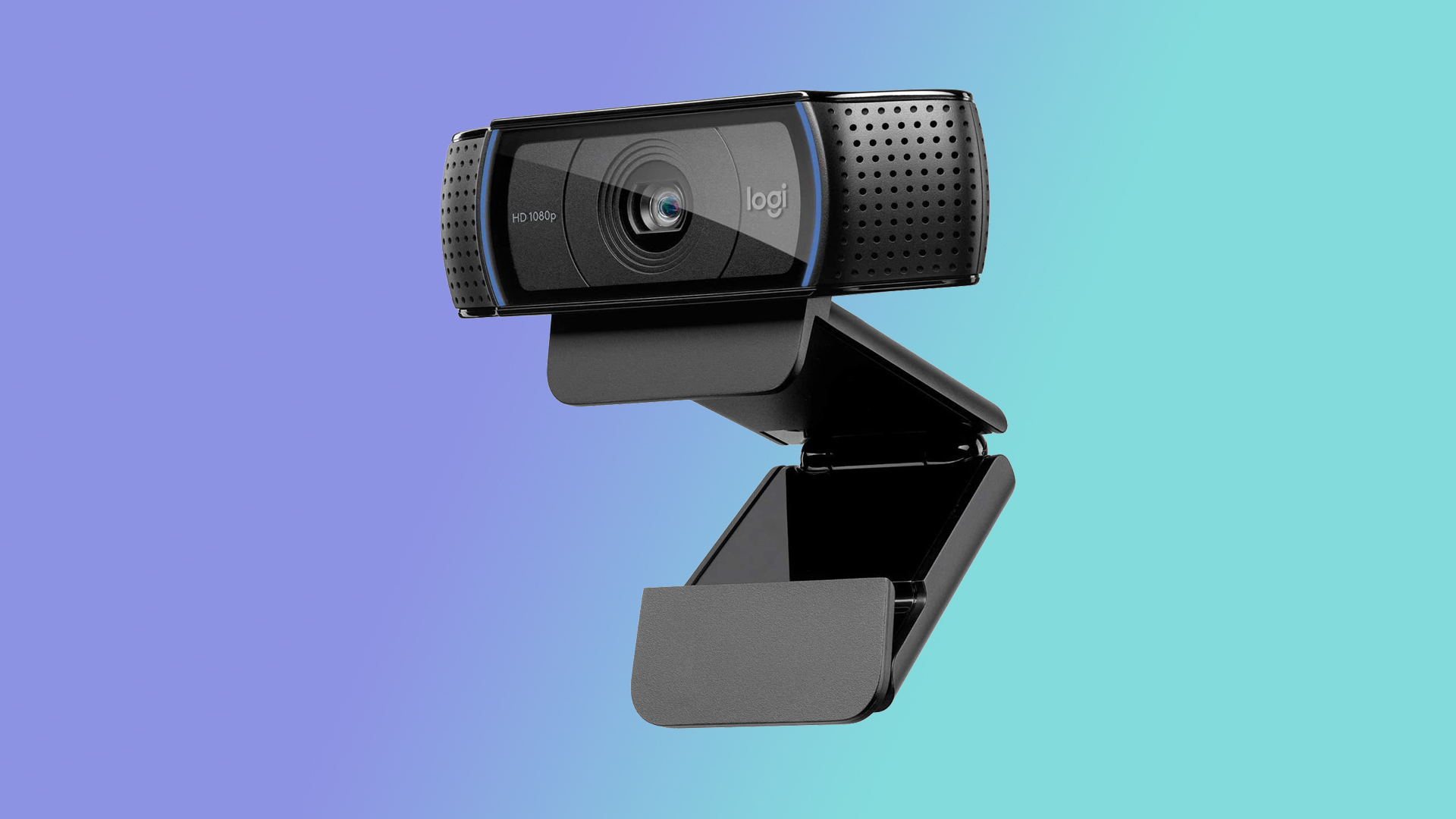
From an affordable all-rounder like the Logitech HD Webcam C920, perfect for meetings and video calls, to the advanced flexibility of the Insta360 Link 2, ideal for content creation or hosting presentations, our roundup of the best webcams offers some genuinely fantastic options for laptops and desktop computers alike.
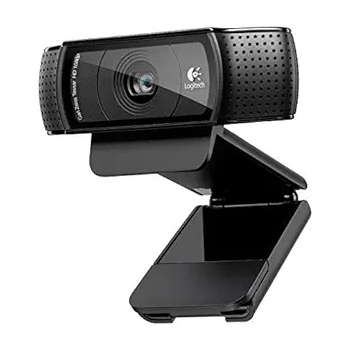
This is the best webcam out there for most people. The image quality blows away anything you'll get in a laptop, and it's available for well under $100. The Logitech HD Webcam C920 decimates the competition, and once you try it, it’s unlikely you’ll regret it.
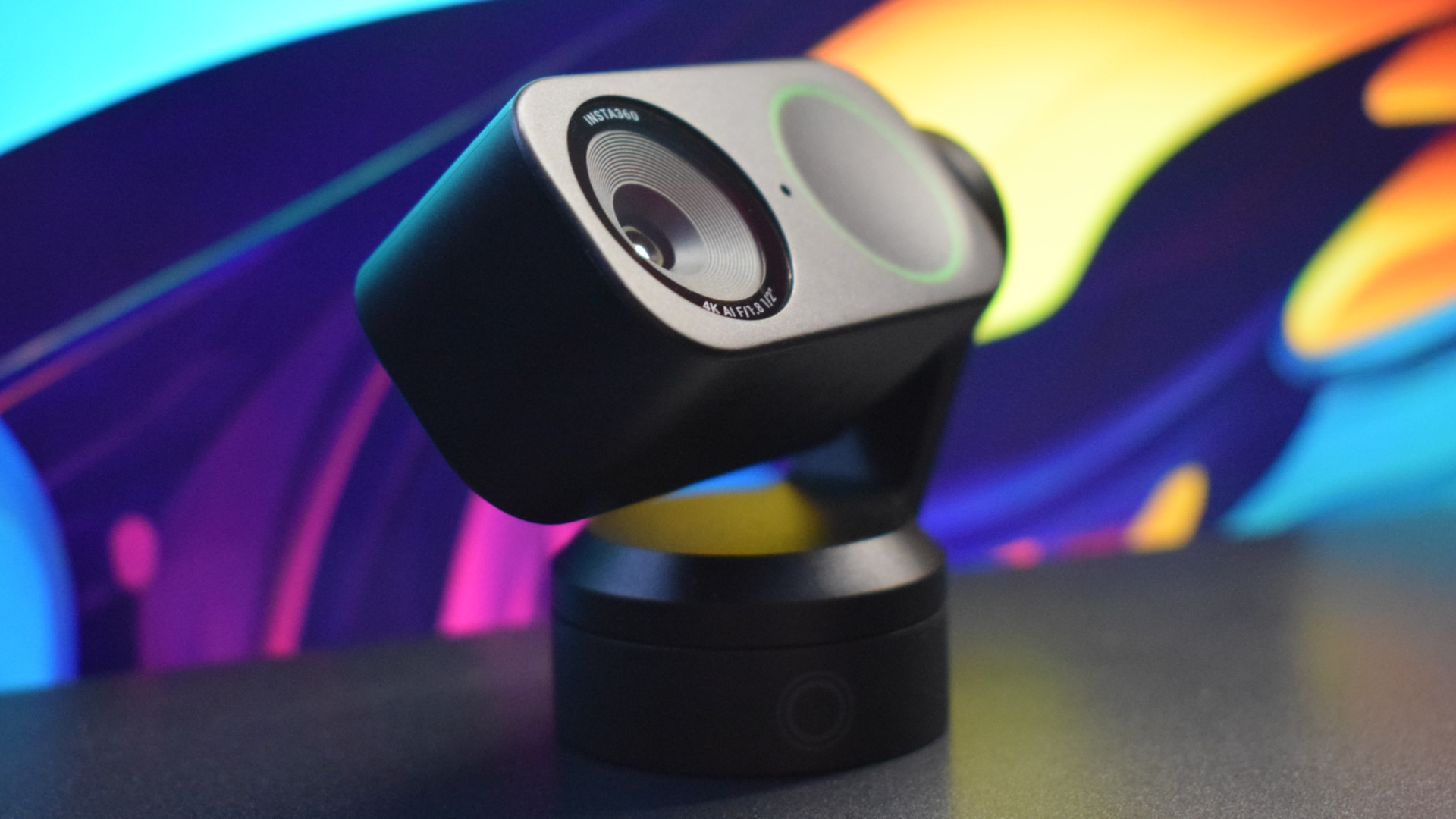
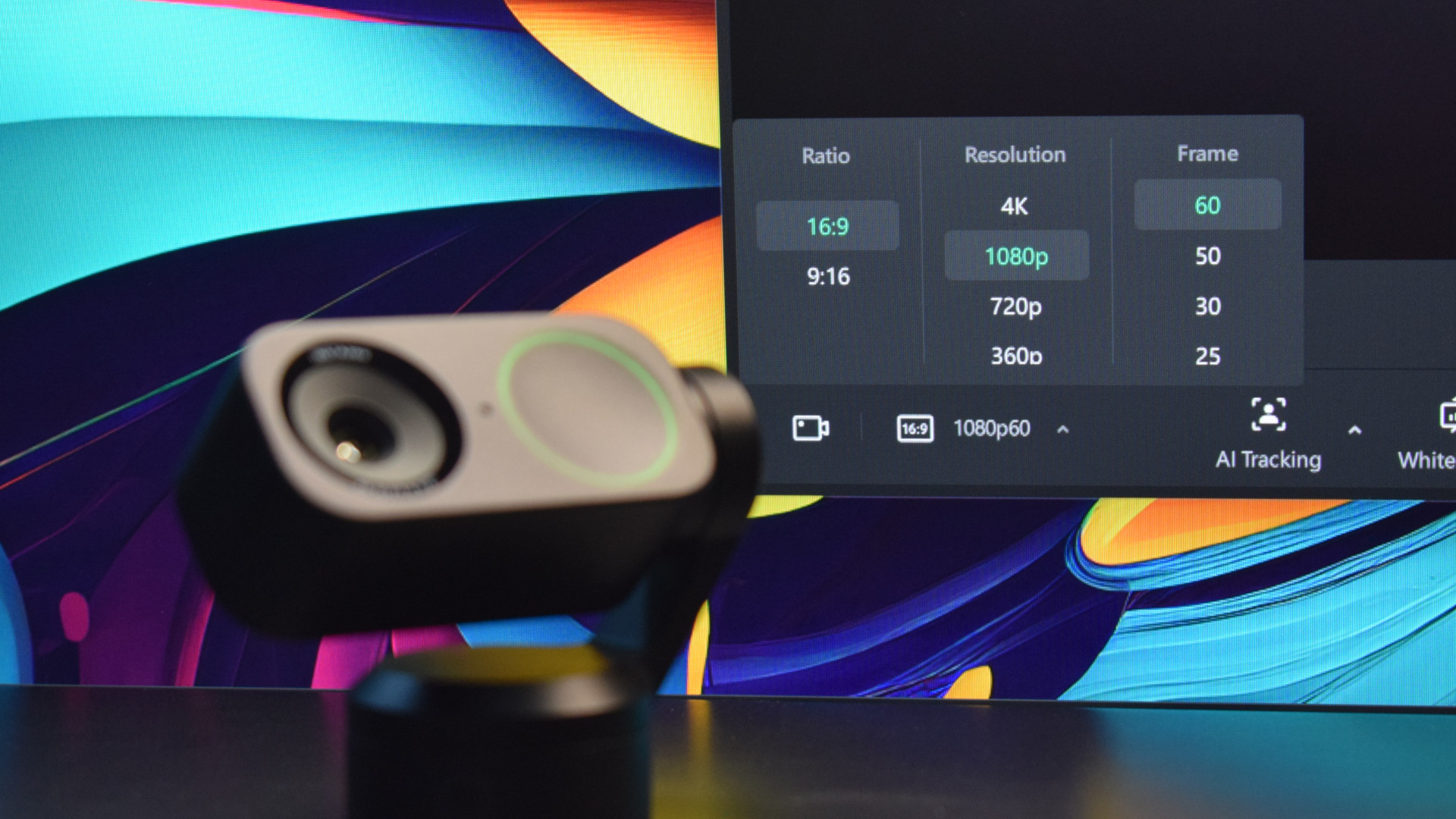
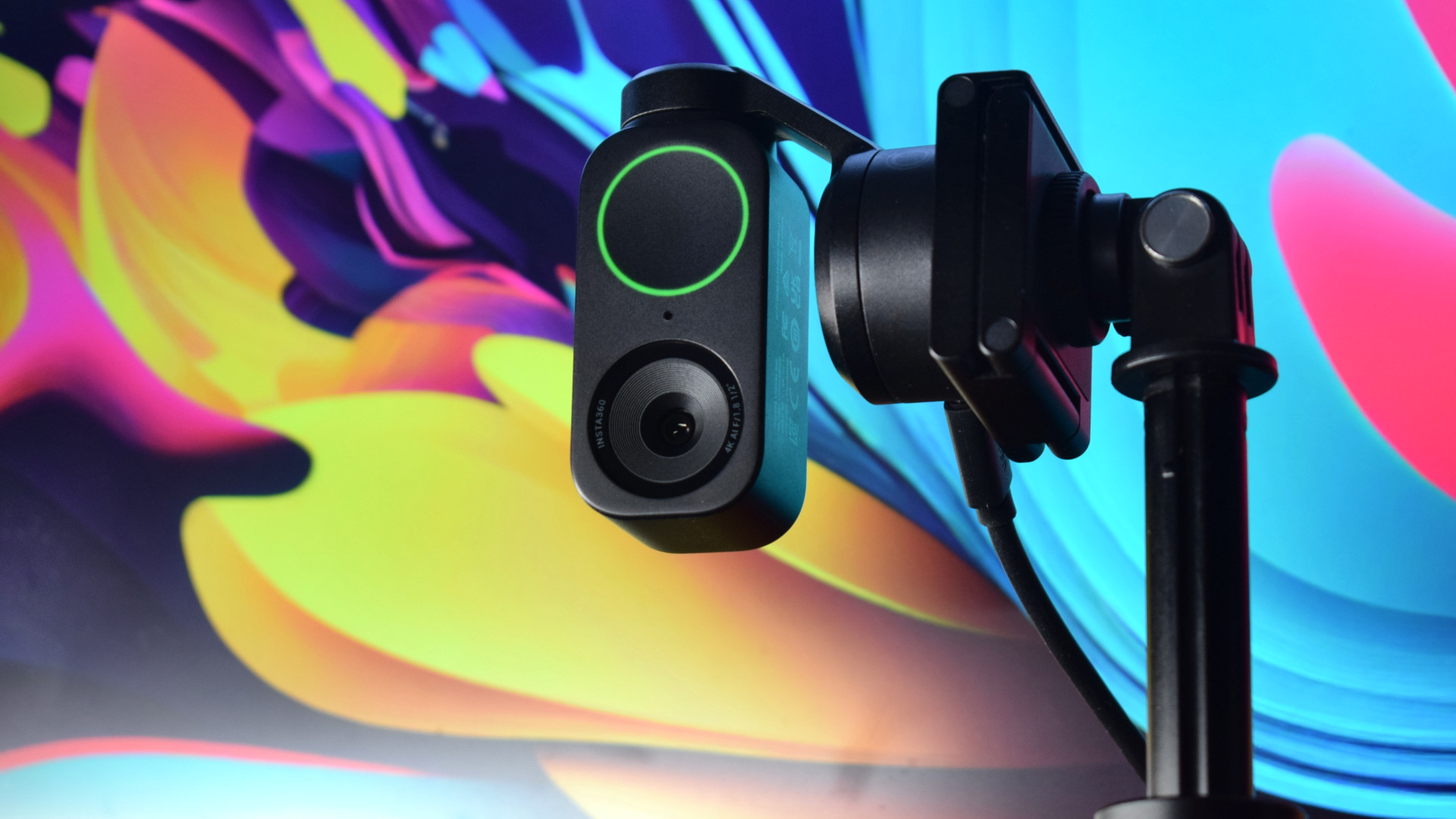
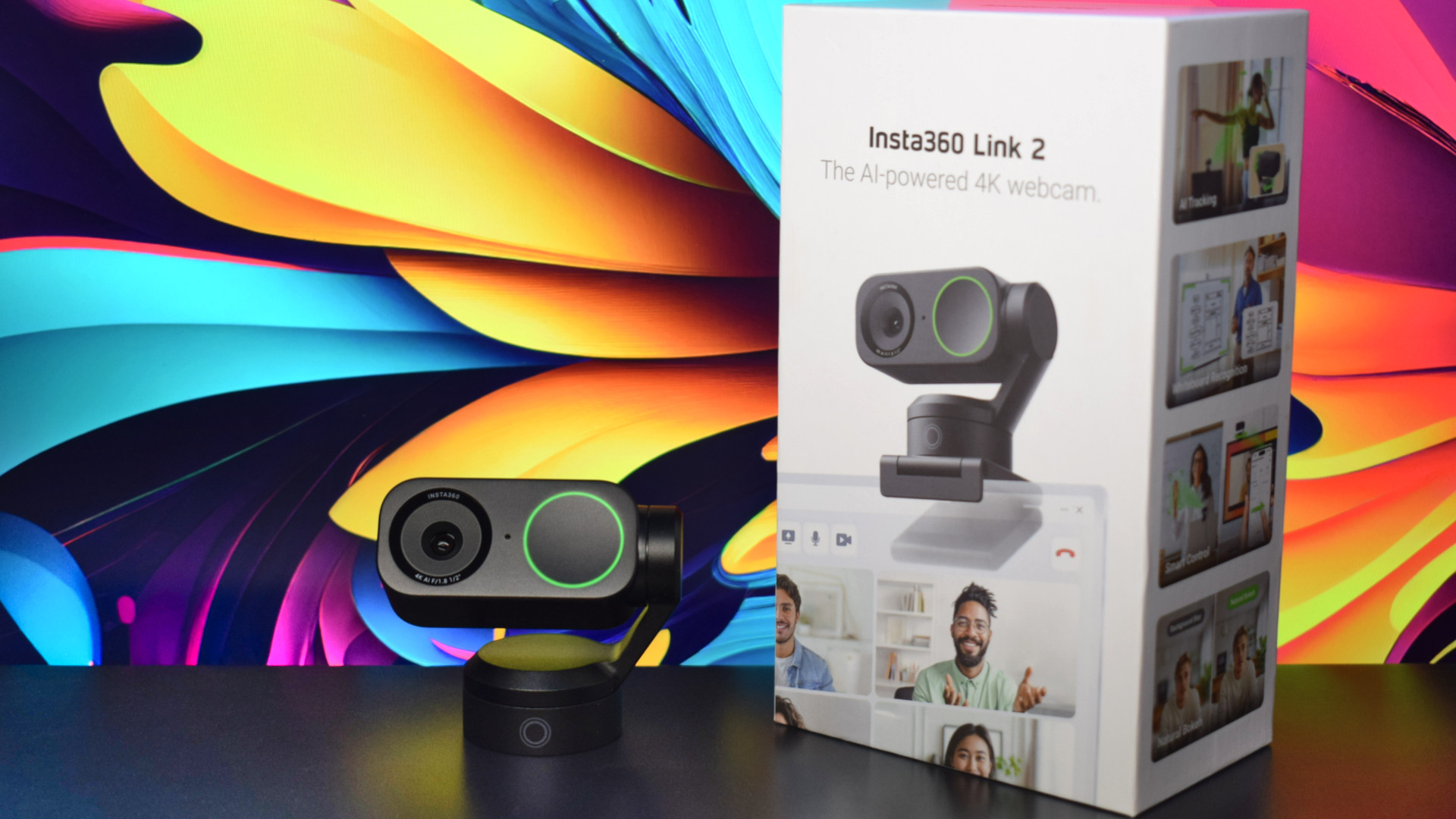
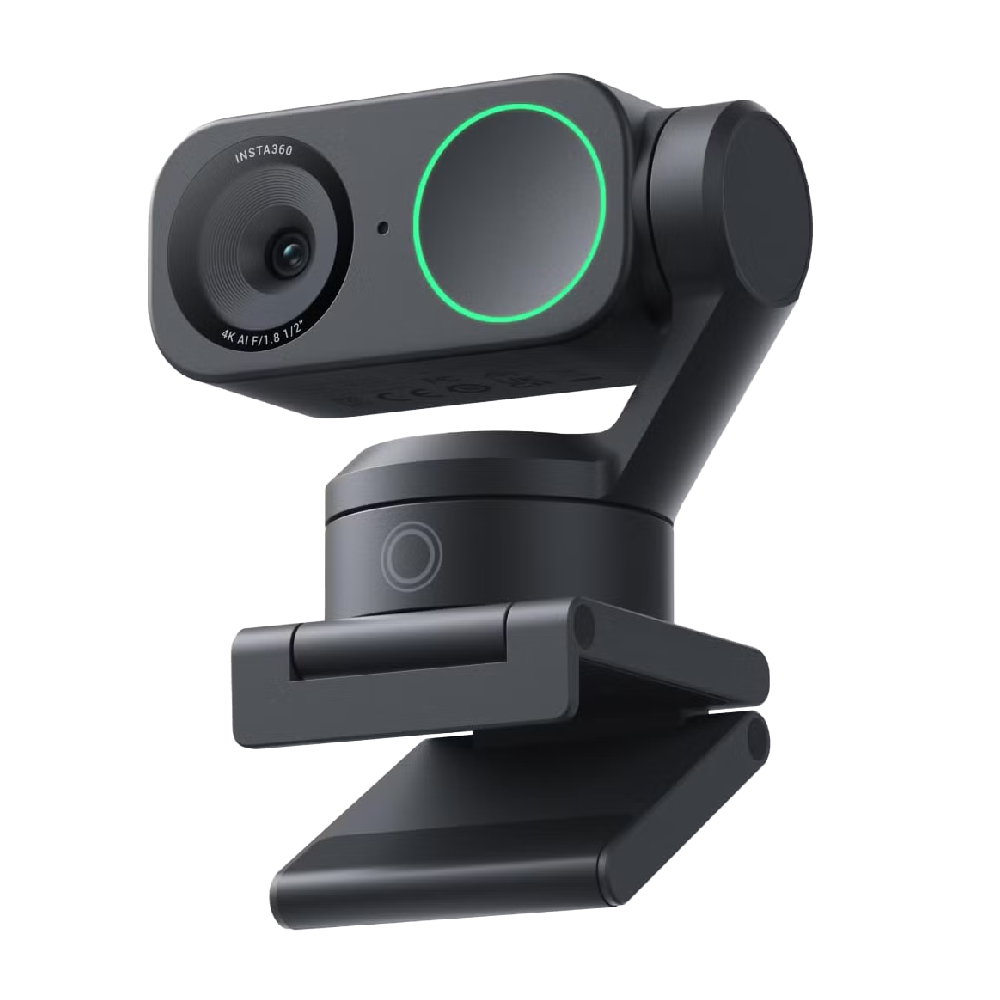
The Insta360 Link 2 offers 4K capture with robust software that features AI tracking to deliver production-level results with DSLR quality, ideal for content creation or presenting at a professional level.
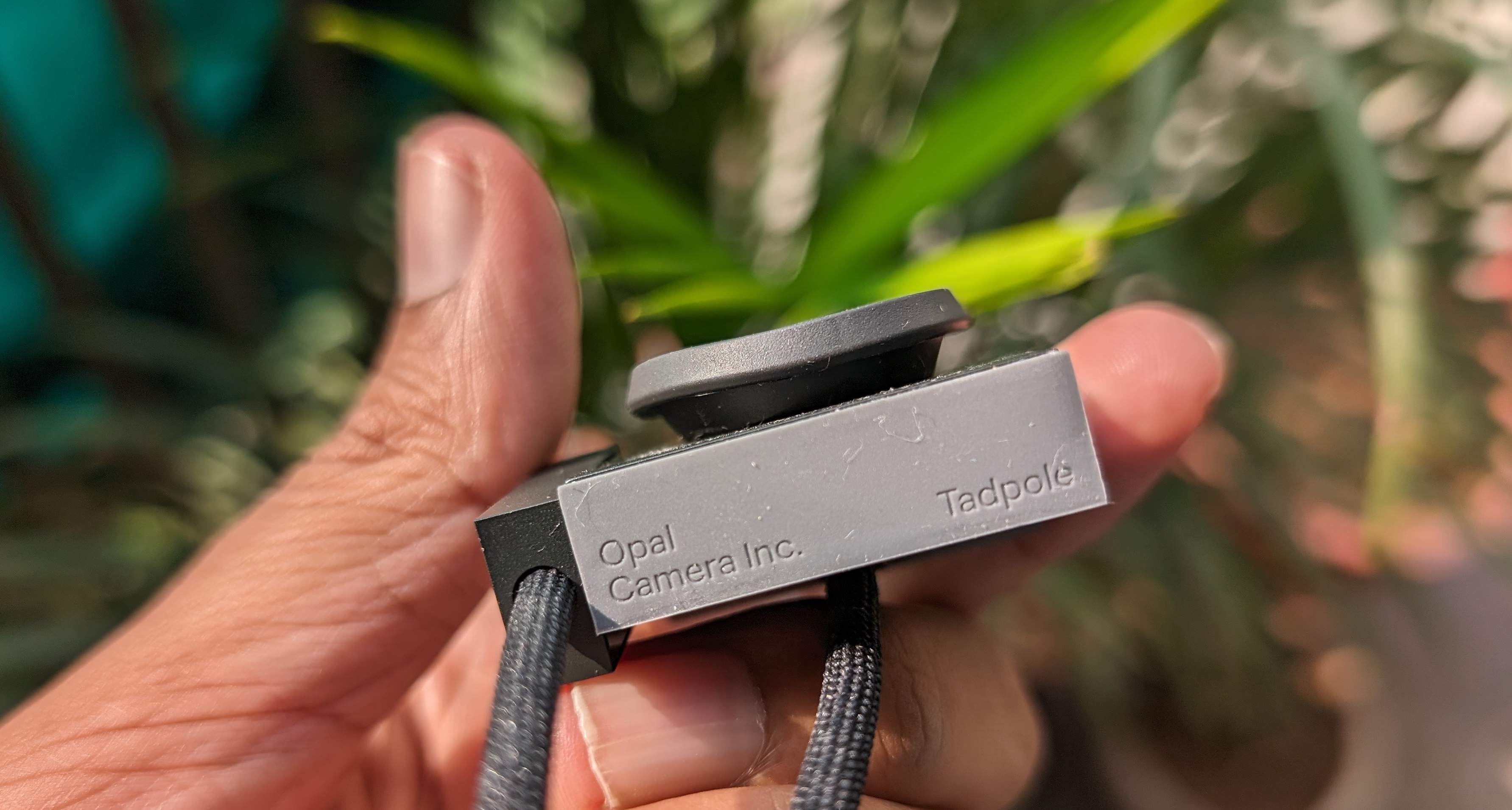
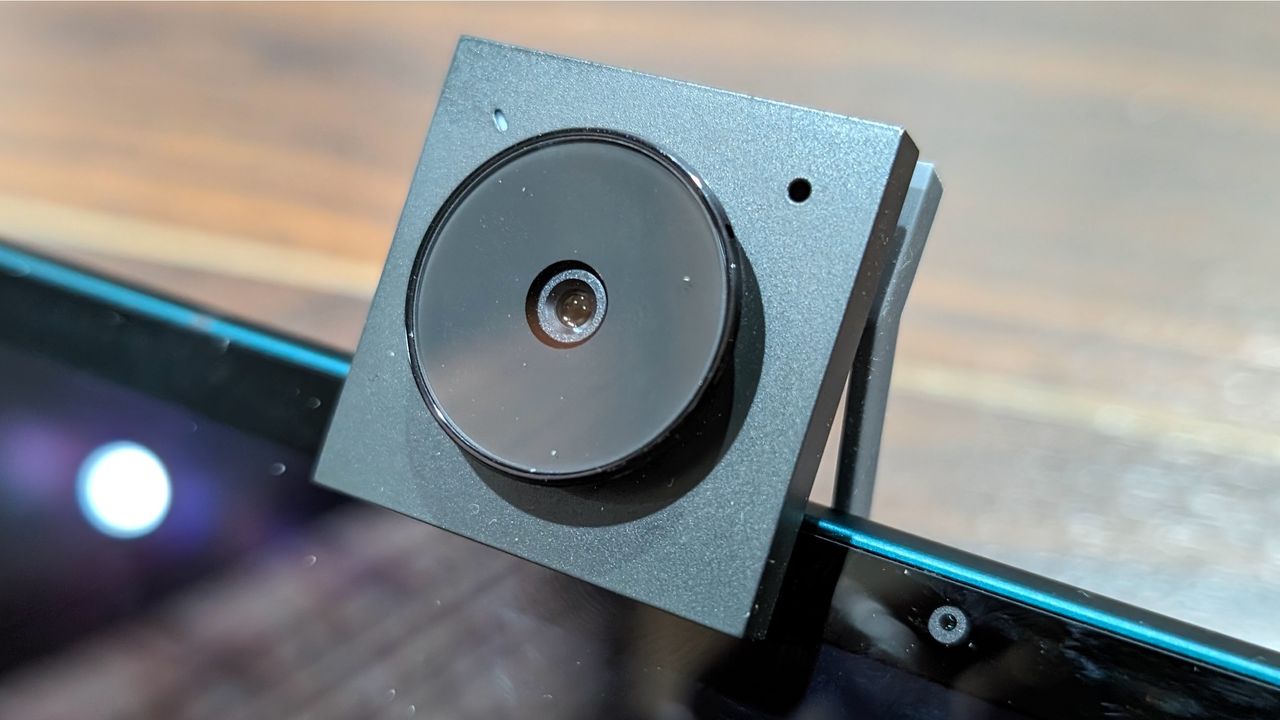
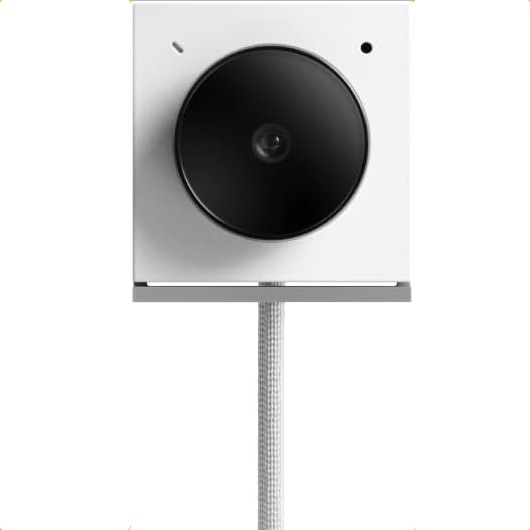
The Opal Tadpole is a diminutive webcam that provides stellar video quality when traveling. As we've noted before, laptop webcams are terrible, but most external webcams are too big to fit easily in your laptop bag. Enter the 4K clip-on Opal Tadpole.
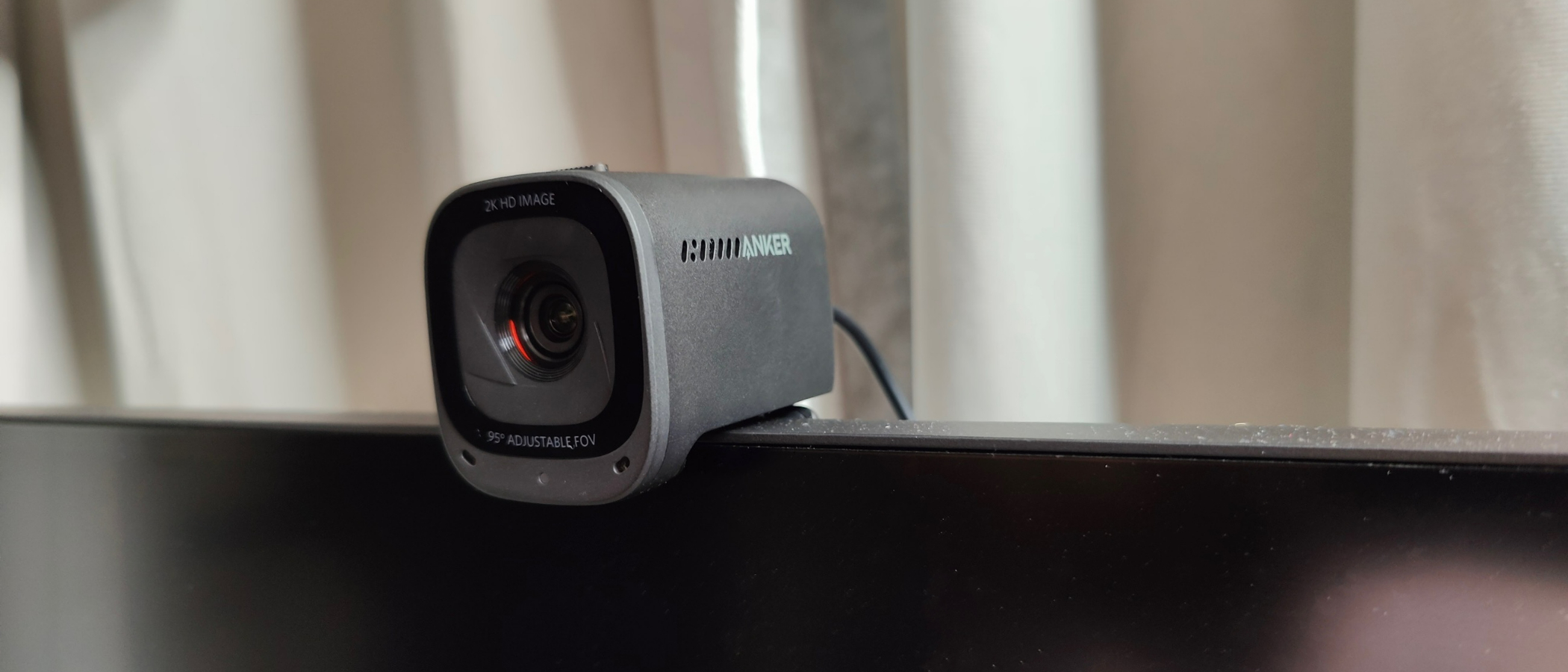
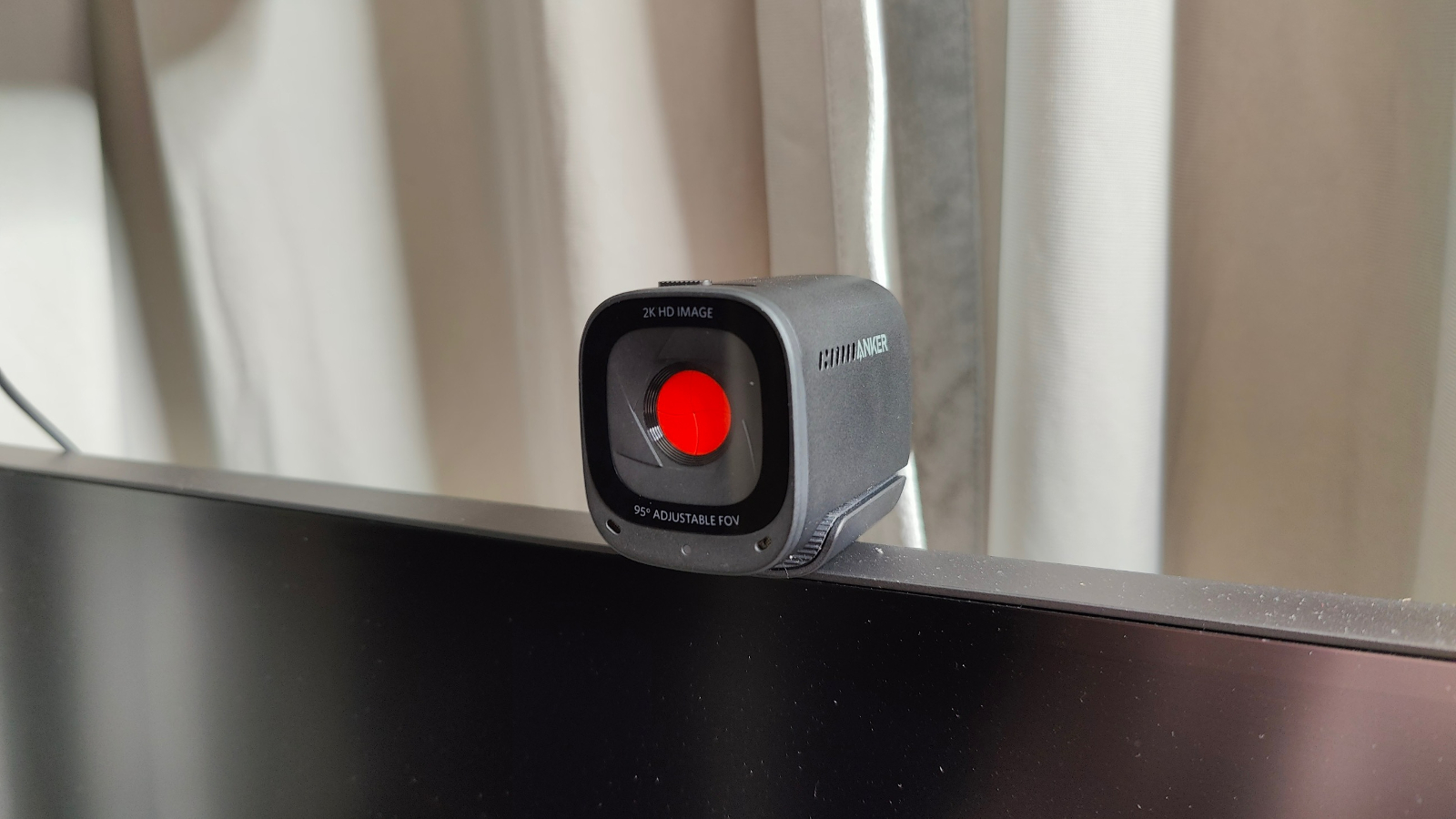
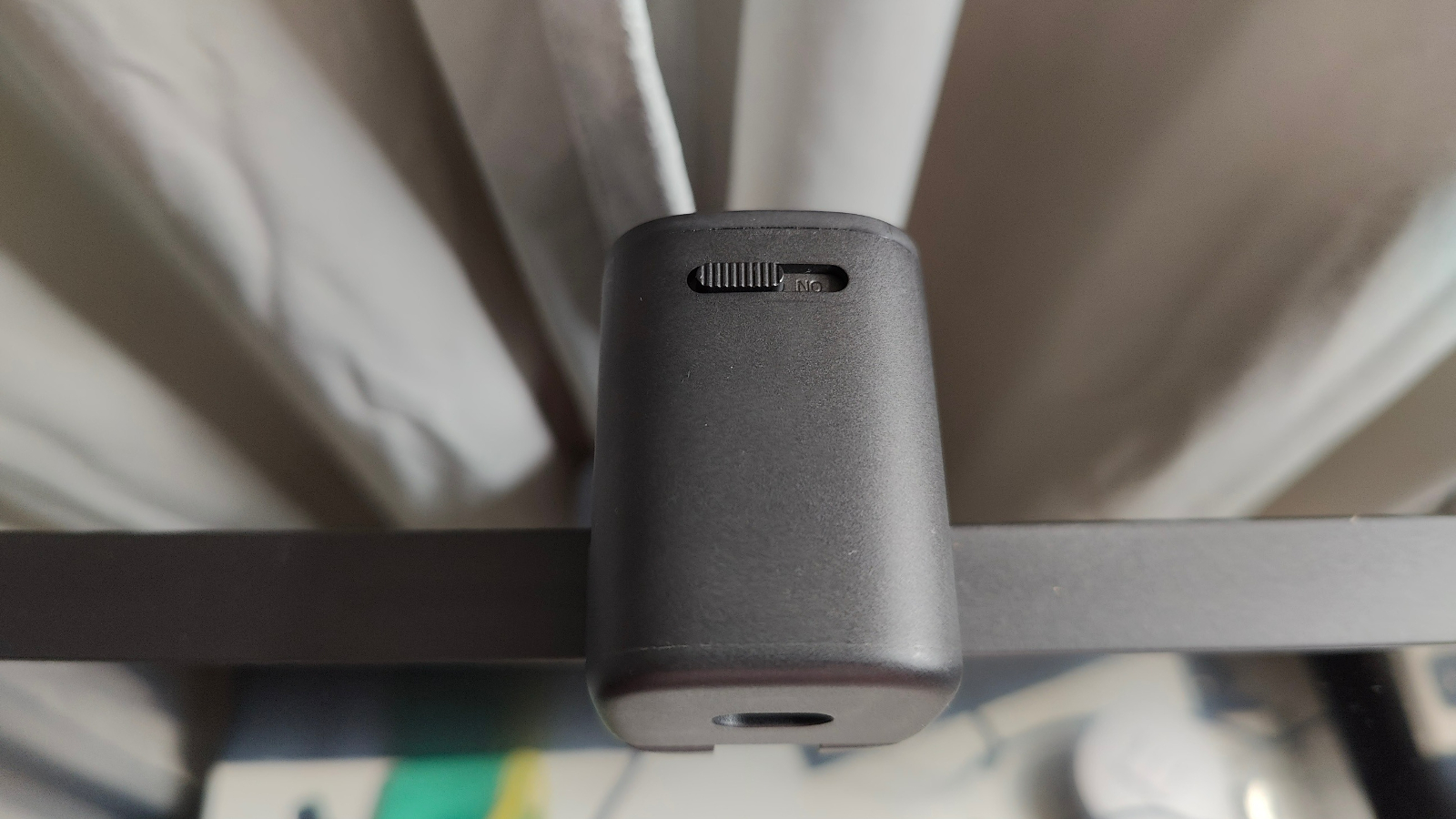
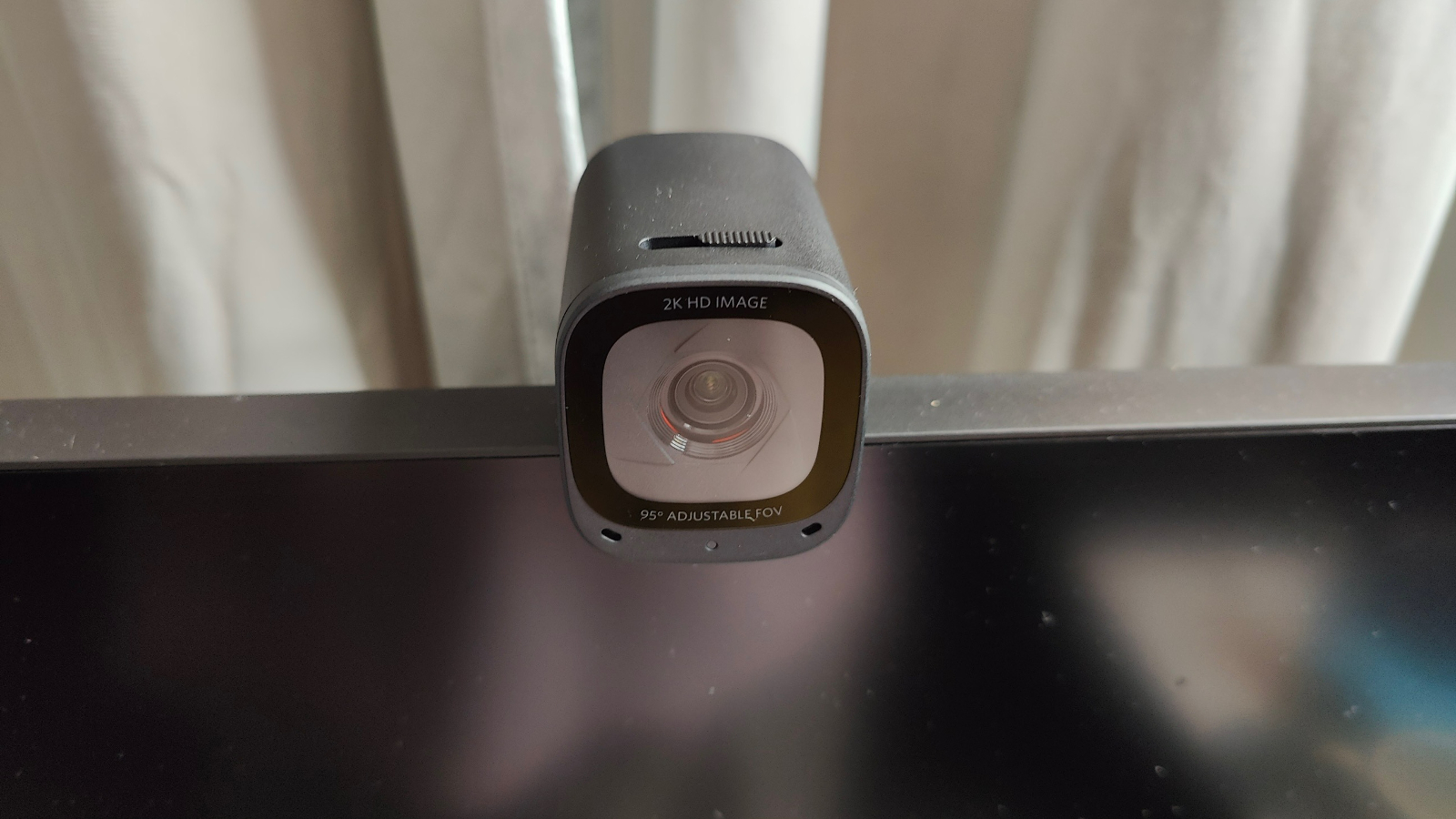
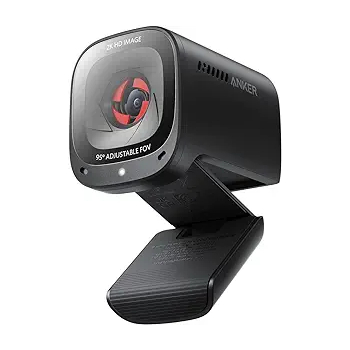
The Anker PowerConf C200 is a good value. It delivers high-quality imagery for a fraction of the cost of many other webcams and conference cams. Bonus: It comes with a physical shutter to keep the creeps out, which is great for home office users.
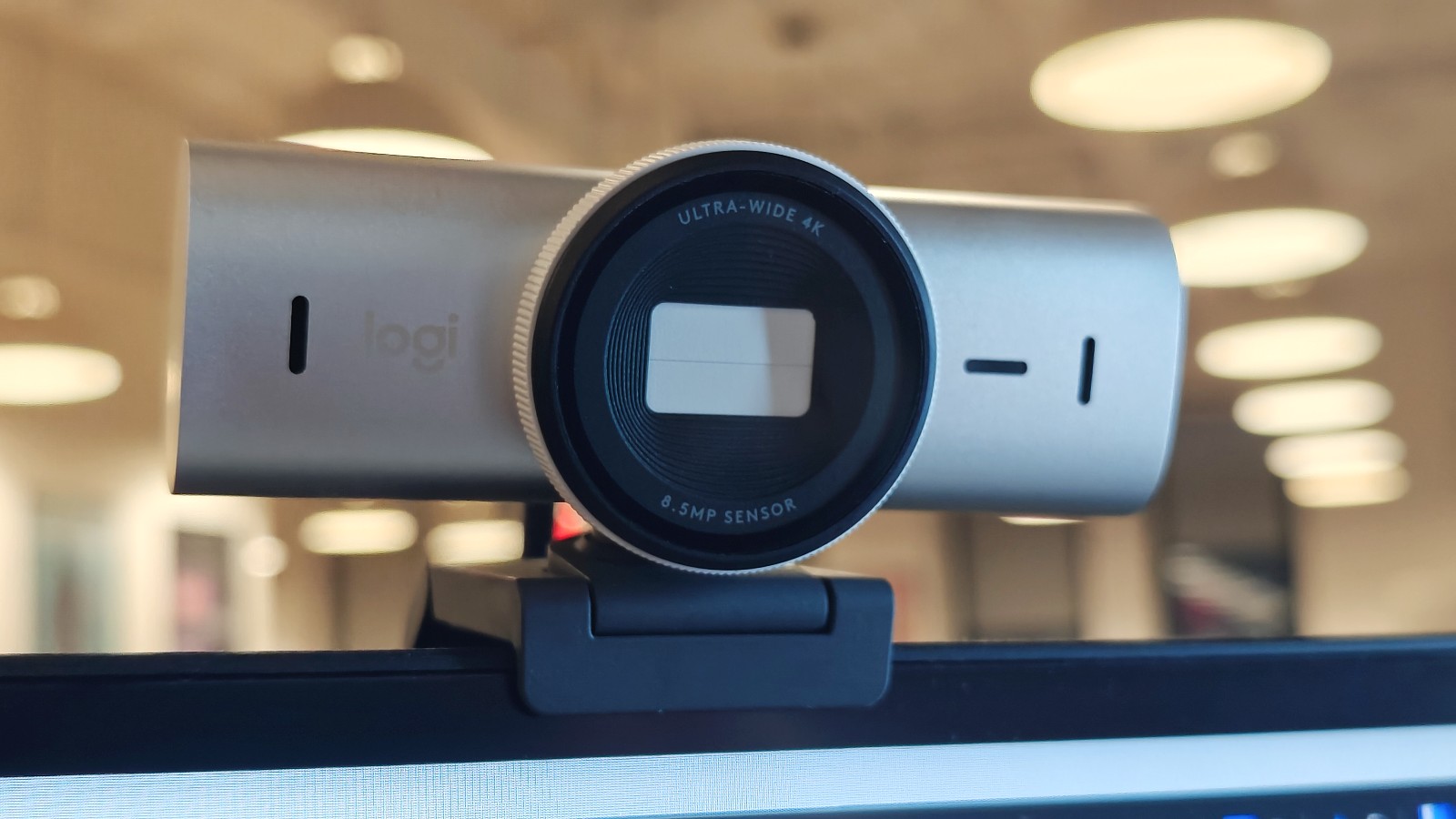
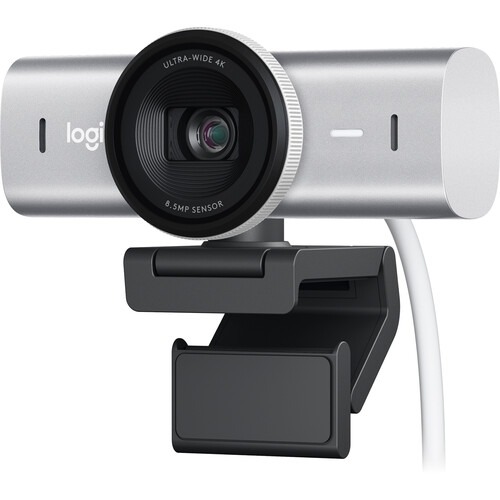
The Logitech MX Brio 4K webcam delivers sharp video and stills with vivid colors. Its large 8.5MP Sony STARVIS CMOS sensor ensures excellent image quality in any setting.
Resolution: 1920 x 1080 | Size: 1.14 x 3.70 x .94 | FPS: 30fps
Great video quality
Affordable
Wide angle lens
Underwhelming software
The $60 Logitech HD Webcam C920 was an easy favorite. Images we took with the 1080p camera were sharp, color-accurate, and crystal clear. The C920's 78-degree field of view could comfortably fit two people in the frame for a teleconference. The software with the C920 lets you implement filters, adjust the angle, use the webcam as a security camera, and take photos to save to your hard drive.
This is by far the best webcam out there, and there’s no way any reasonable person could return to the terrible webcams attached to a standard laptop. The Logitech HD Webcam C920 smashes the competition, and once you try it, you’ll unlikely regret it. Additionally, it’s excellent value. $60 for a webcam isn’t a steep price for a future of crisp and clear images.
DSLR-like image quality meets AI tracking for a production-worthy 4K webcam that oozes quality
Resolution: 3840 x 2160 | Size: 2.8 x 2.3 x 1.5 inches | FPS: 30fps at 4K, 60fps at 1080p
DSLR-like image and video quality
Excellent picture customization
Responsive and accurate AI tracking
Versatile design
Great low-light performance
Middling audio quality
While the webcam that tops our list is a great option suitable for everyday use, the Insta360 Link 2 goes above and beyond, cramming an impressive amount of features and configurability into its typical $199 price tag.
The most stand-out feature is the Link 2's unique dual-axis gimbal design, which allows the 4K webcam to turn and tilt, ensuring you're framed and in focus at all times with its AI tracking, even while moving.
It's ideal for content creation and presenting at a high standard, with the camera also able to snap focus and crop the image to capture whiteboards, or spin down to DeskView for more technical or hands-on demonstrations.
Thanks to an improved 1/2-inch sensor, the Link 2 works excellently in low-light conditions, but when paired with the right lighting setup, you'll capture richly detailed and crisp images that are comparable to DSLR alternatives.
Ultimate portability with excellent 4K image quality
Resolution: 3840 x 2160 | Size: 1.4 x 1.8 x 0.8 inches | FPS: 30fps at 4K
Tiny clip-on design
Sharp vivid image
Outstanding low-light and HDR quality
Plug-and-play on macOS or Windows
Full companion app is macOS only
Directional mic can be finicky
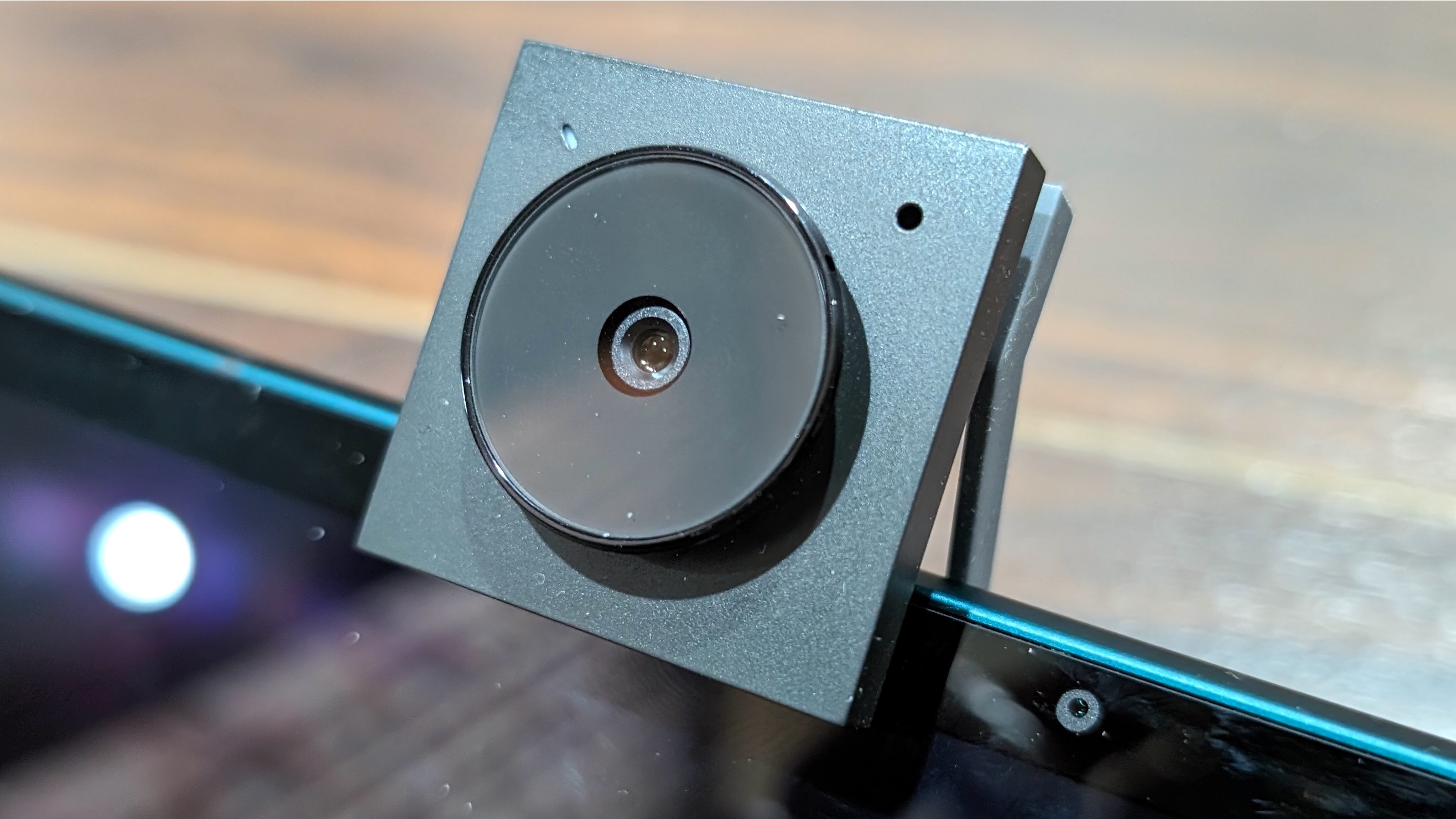
Sure, your laptop's webcam is probably terrible, most are, but are you going to bring a big external webcam with you everywhere? As a remote worker, I've faced this decision many times, and I virtually never take one with me and make do with subpar image quality. The Opal Tadpole webcam is finally the solution to this issue that so frequent travelers have been waiting for.
The Opal Tadpole will remind you of the old clip-on iPod Shuffle, and it is as dead simple to use as the Shuffle, too, with plug-and-play using the built-in USB-C cable. Opal Camera sells a $25 "yoyo" travel case that can fully secure the Tadpole, but its cable can also be used to loop it on your bag. It's so tiny you will never notice it in your bag, but you'll be thrilled you have it when you see the crisp, clear image on your video call instead of the noisy, garbled mess of your built-in webcam.
If you don't ever travel, then by all means, go with another option on this list, like the Insta360 Link webcam above. Thanks to a larger sensor, you'll get more features and a better overall image, but when it comes to a travel-friendly go-anywhere webcam with quality that will blow your laptop webcam away, the Opal Tadpole is it.
Resolution: 2560 x 1440 | Size : 2 x 1.6 x 2.2 | FPS: 60fps @ 2K
Good build quality
Outstanding 2K image quality
Fast autofocus
Excellent low-light performance
Noise-canceling can cause choppy digitized audio
Anker’s PowerConf C200 2k webcam is stylish, sturdy, and affordable ($69.99). It also has a physical shutter to keep the creeps out. What’s wonderfully disturbing about this Anker webcam is that it is on par with or superior to many of the far pricier webcams I have reviewed in the past two years.
The Anker PowerConf C200 is a bargain that delivers high-quality images and video for a fraction of the cost of many other webcams and conference cams. For $69.99, you get a webcam that provides crisp, color-accurate images in normal and low-light conditions with super-fast autofocus.
If image quality is your top priority then look no further
Resolution: 3840 x 2160 | Size: 1.7 x 3.9 x 1.4 inches | FPS: 30fps at 4K, 60fps at 1080p
Sharp video and stills with bright and vivid image quality
Privacy shutter on lens
Sturdy build quality
Excellent low-light performance with Smooth autofocus
Show Mode is a win
Solid mic, but could be better
If you're looking to prioritize a quality 4K image, the Logitech MX Brio 4K is the way to go. It'll cost you $200, but if you're willing to dish out the extra money, it's a level up from the more affordable options thanks to its 8.5MP Sony STARVIS CMOS sensor.
Not only will this yield a better image in good lighting, but if you don't always have perfect control of your lighting, it will hold up better than the competition in less-than-ideal lighting conditions.
While Logitech's AI tracking is not bad, we would still recommend something like the Insta360 Link 2 if tracking movement or more dynamic content is a high priority for you. The built-in mic could also be better, but it's a definite improvement over your laptop mic, and its 4K resolution offers incredibly sharp images that can track your face, body, whiteboards, and even your desk.
Not every webcam we review makes it to this list, but that's not to say they aren't worth looking into. While some of the following webcams may not be the best in their category, that's not to say they aren't fantastic options.
Regardless of the specs, the most important focus (pardon the pun) for a webcam is the crispness of its image and video quality. Combine this with the product's price, and you have an essential checklist of webcam priorities. However, there are a few other things to consider.
Perhaps you want your webcam to be as portable as possible. The Opal Tadpole would be a perfect choice for that purpose. If you need something high-end with excellent features like a noise-canceling microphone and AI Tracking, the Insta360 Link is a great pick.
Alternatively, you might desire cheap and high-quality, so the Logitech HD Webcam C920 (~$60) could be worth it for those needing a solid camera on a budget. Don't mind spending up? You can invest in a Logitech Brio 4K Pro Webcam for around $200. Although expensive, its incredible image quality could more than compensate for it if you're interested in professional streaming.
FAQs
What webcam features do you need to look for?
If you're using your webcam for video calls, virtual presentations, or live streams, the key features will be resolution and frame rate. The higher the resolution, the better the image quality. Regarding frame rate, while 60 fps is ideal at max resolution, a 30 fps 4K webcam is more than adequate for most video calls and streams.
If you use your webcam in dimly lit spaces or while moving around, you may want to look for advanced features like HDR and AI face tracking.
What webcams are best for streaming?
While many of the top Twitch and YouTube content creators use mirrorless cameras for their streams, any of our top Webcams will work fine for casual streams. Unless you plan to make your reaction feed the highlight of your stream, you just need a decent FHD (1920 x 1080p) webcam for most streaming purposes.
How to set up a webcam?
Every webcam is different, but generally speaking, you'll connect it to your laptop or desktop and then make sure your operating system recognizes it. You may need to update or download drivers or specialized software to get the most out of your webcam's range of features.
Why trust Laptop Mag?
Laptop Mag reviews over one hundred different laptops every year, from paperweight ultralights to everyday workhorses to lumbering gaming notebooks that scorch the frame rates of even the hottest AAA games. We're not just experts in the laptop field, as we go one step further by meticulously testing smartphones, tablets, headphones, webcams, PC accessories, software, and even the latest in gaming. And yes, webcams, too!
We are 100% independent and have decades of experience to help you buy with confidence. In fact, Laptop Mag has been testing and reviewing products for three decades, and we continue to deliver trustworthy reviews you can rely on.
Our experienced team of writers and editors scour the available information about the laptop and put it through its paces to determine which is best for you. But before they start, the testing team subjects each system to a rigorous regimen of synthetic and real-world tests to see how a system handles the type of work and games you’re most likely to throw at it.
Our editorial trustworthiness is enforced by one of the world's largest technology publishers, Future Publishing. As a company, we have unrivaled experience across every tech sector — and we're the group's specialist for all things mobile tech.
Your laptop or desktop might be holding your setup back — but you don't necessarily need a new machine. If you're drowning in cables, running out of ports, or feeling cramped on a 13-inch screen, one of the best docking stations could transform your setup overnight.
Before you start upgrading to one of the best laptops for more ports or screen space, there’s another option. If your setup is bogged down by too many cables and not enough ports, or your laptop’s humble 13-inch display isn't enough to contain your workload, you might not need a new machine — you might just need a docking station.
One of the best docking stations will give you access to more ports (with greater variety), solid passthrough charging for your device, and support for multiple external monitors.
Pairing a laptop with the right dock lets you expand your setup in ways that rival even the best desktops. You get to keep the portability and go-anywhere potential of your laptop, while still enjoying the full workstation experience at home or at the office.
If you recently invested in a powerful gaming laptop with Thunderbolt 5 or a high-end content creation machine like the MacBook Pro 16 M4, 2025 will be an exciting year. The latest Thunderbolt 5 docking stations are rolling out with faster charging, higher data rates, and better support for external monitors.
In the meantime, our roundup of the best Thunderbolt 4 and USB-C docking stations already offers fantastic options. These products can radically improve your setup, big or small, and unlock the full potential of your device. The real question is, which dock should you buy?
I've personally reviewed over 20 laptop docking stations for Laptop Mag in the last two years — and tested many more — making sure they deliver on manufacturer promises and real-world performance.
This buying guide highlights the best docking stations I've tested so far, across a range of categories, from speedy Thunderbolt 4 docks to affordable picks that don't skimp on features or performance. We also include a ranking of the best USB-C cables and accessories.
Do you need help or further information before you decide which dock is right for you? Our handy FAQs section answers many common questions buyers have when making a purchasing decision.
With that in mind, let's dive into our selection of the best laptop docking stations in 2025.
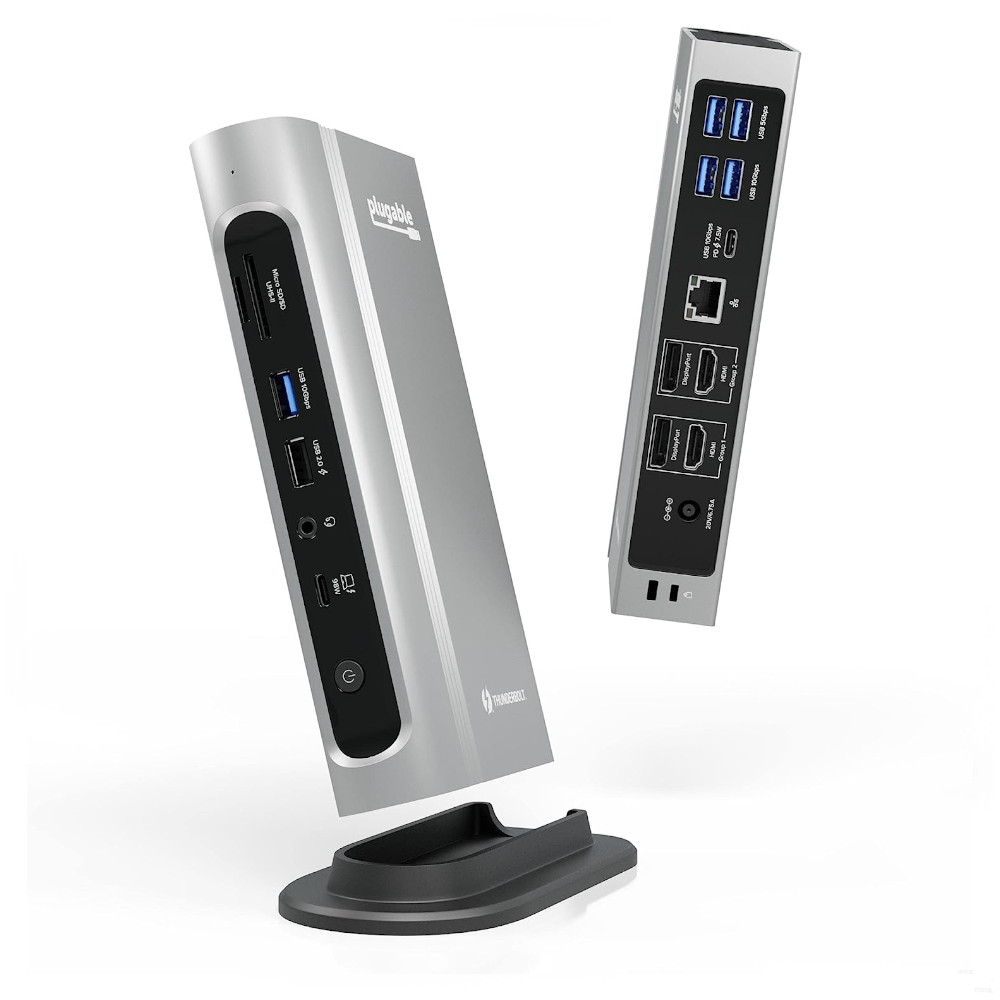
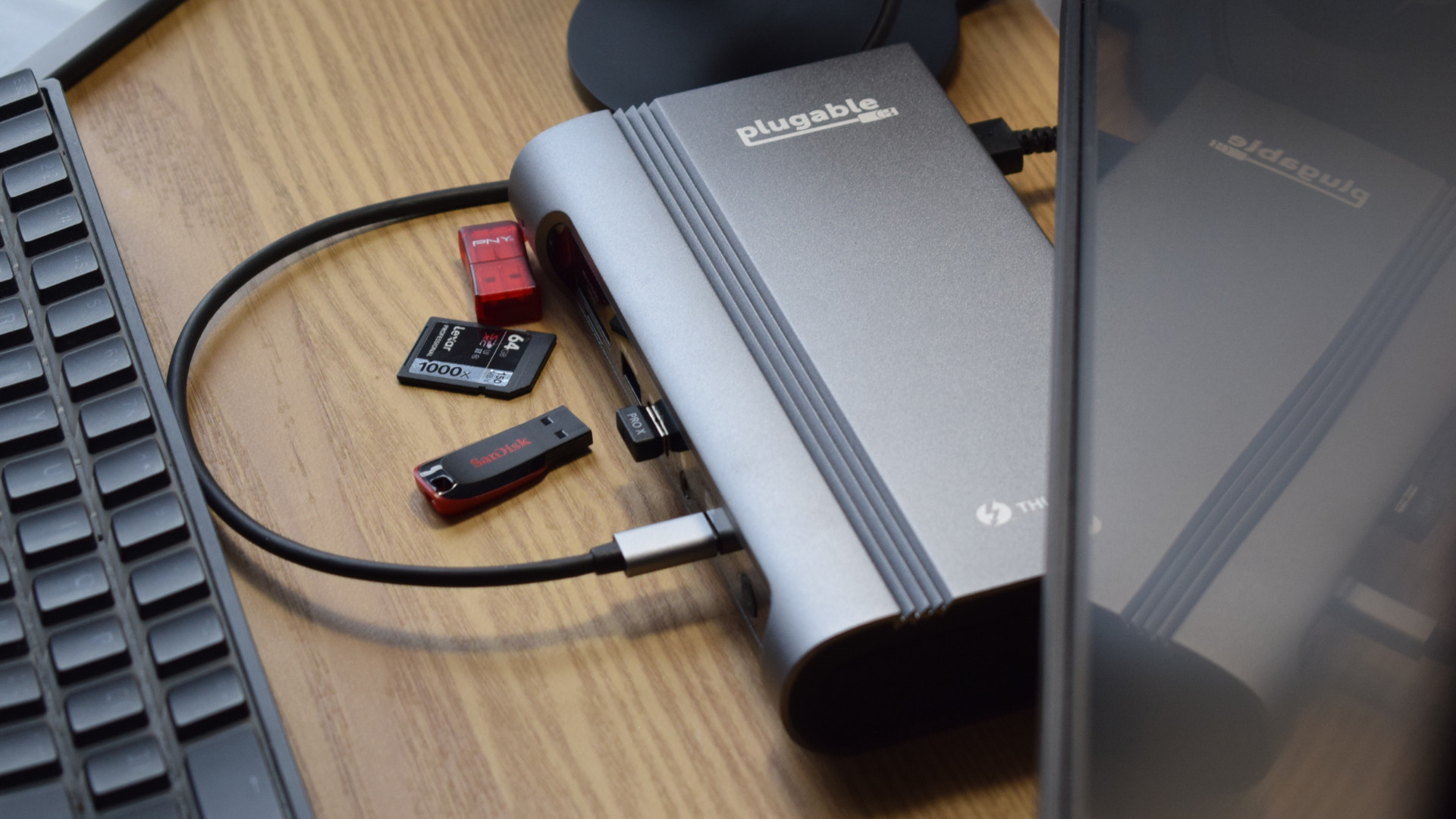
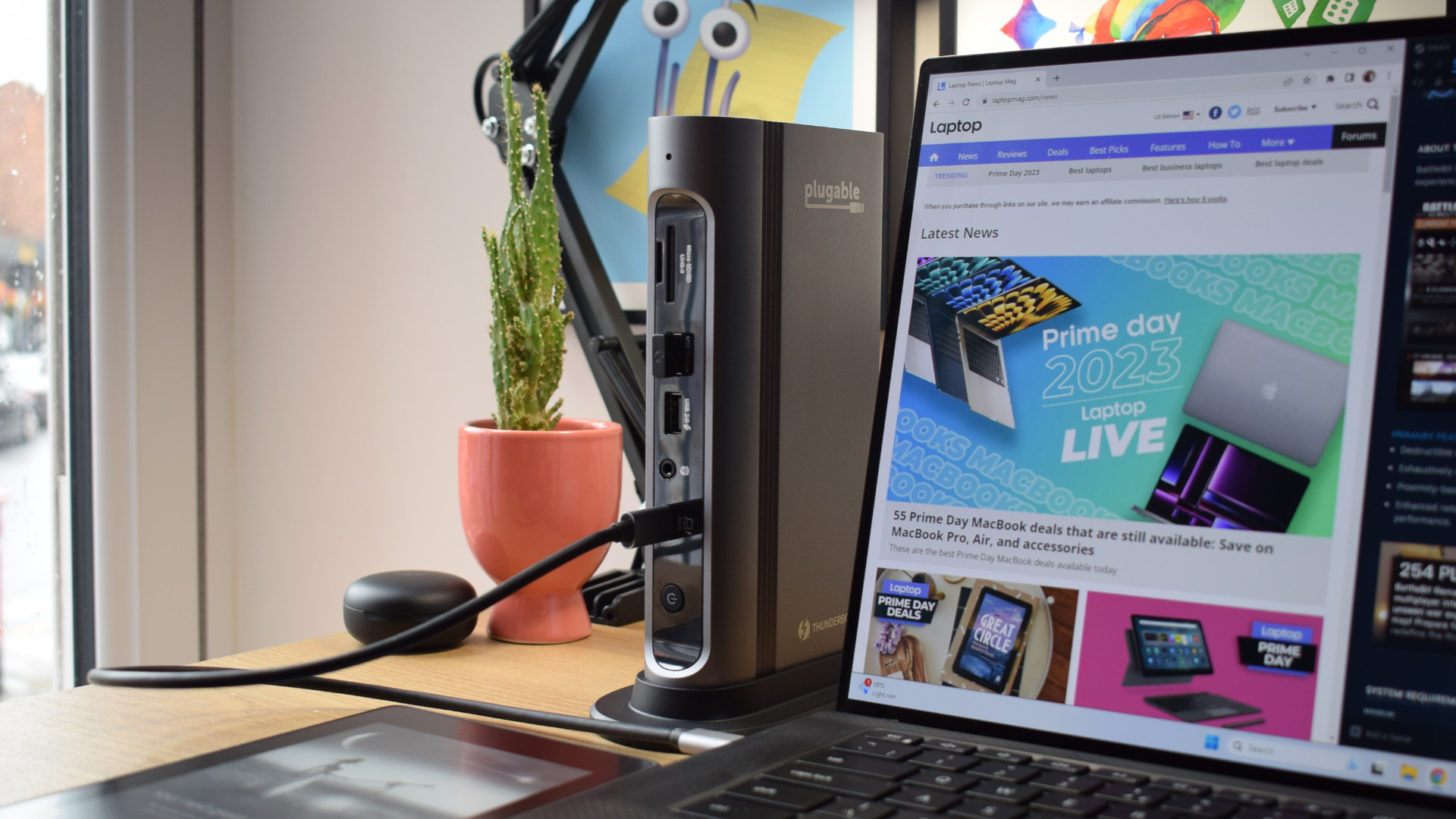
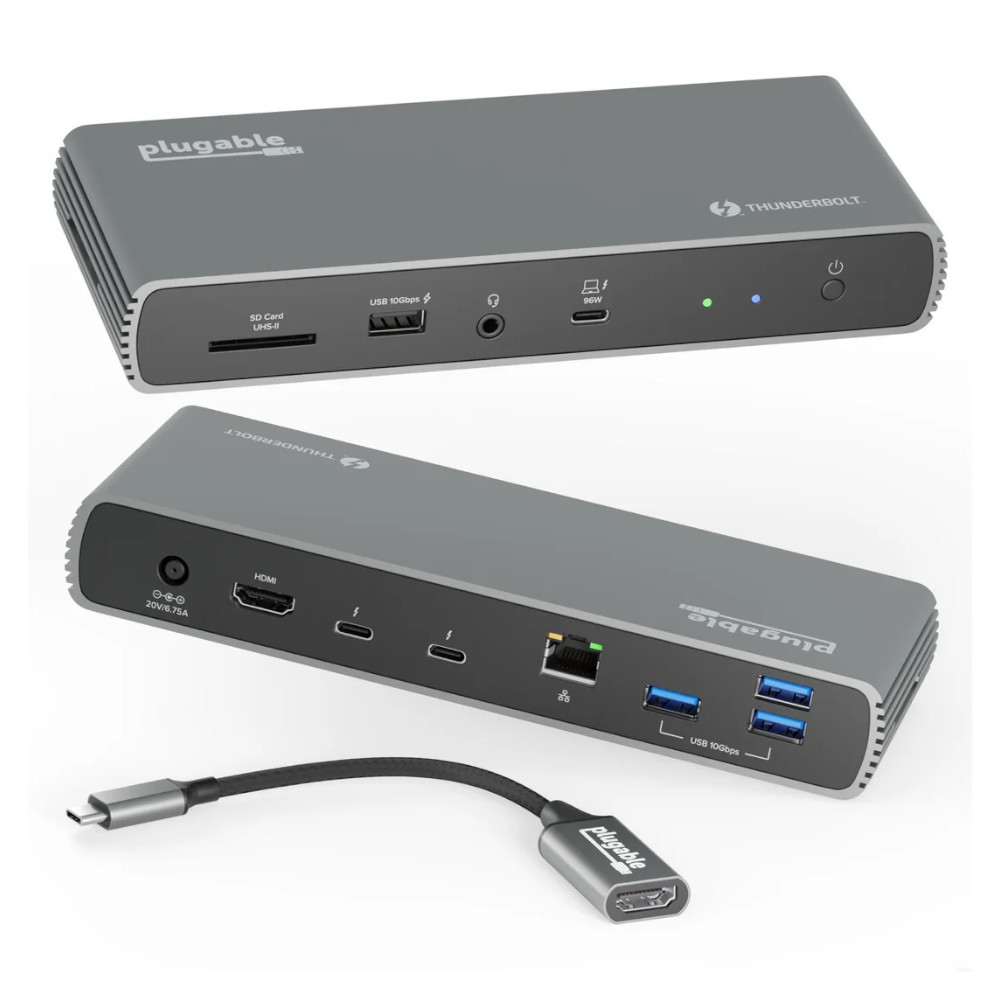
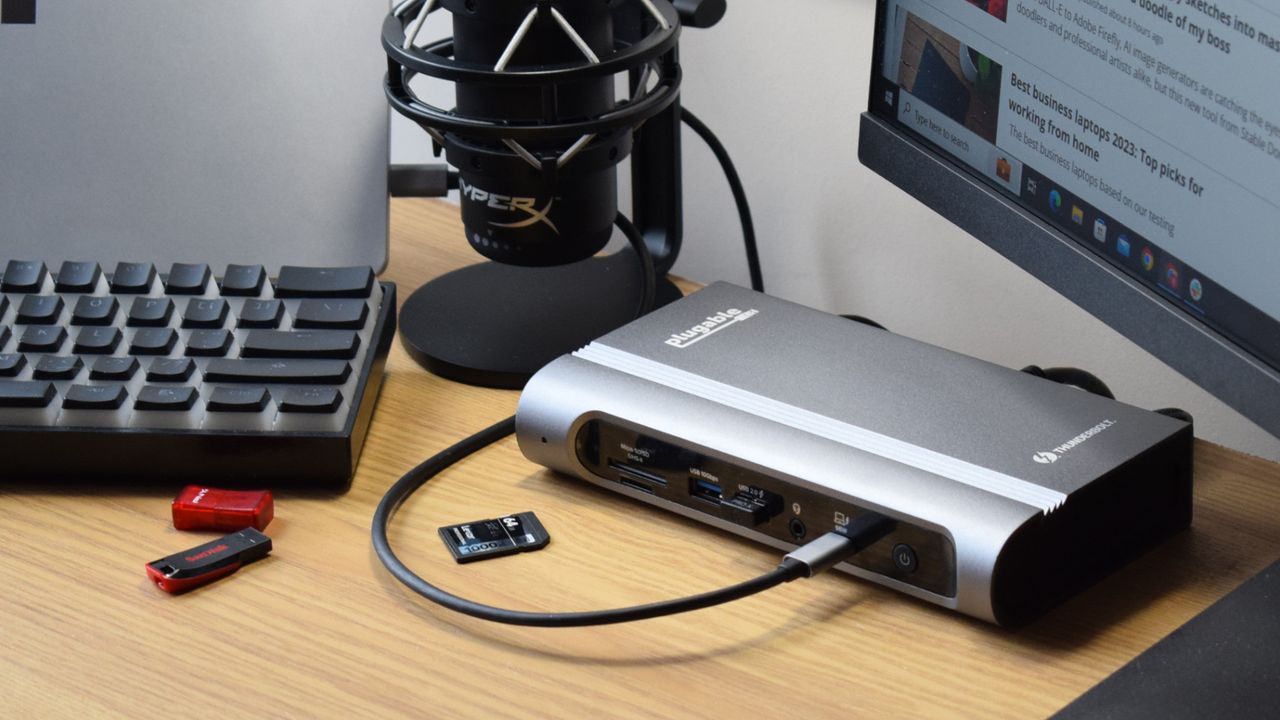
1. Plugable Thunderbolt 4 & USB4 Quad Display Docking Station
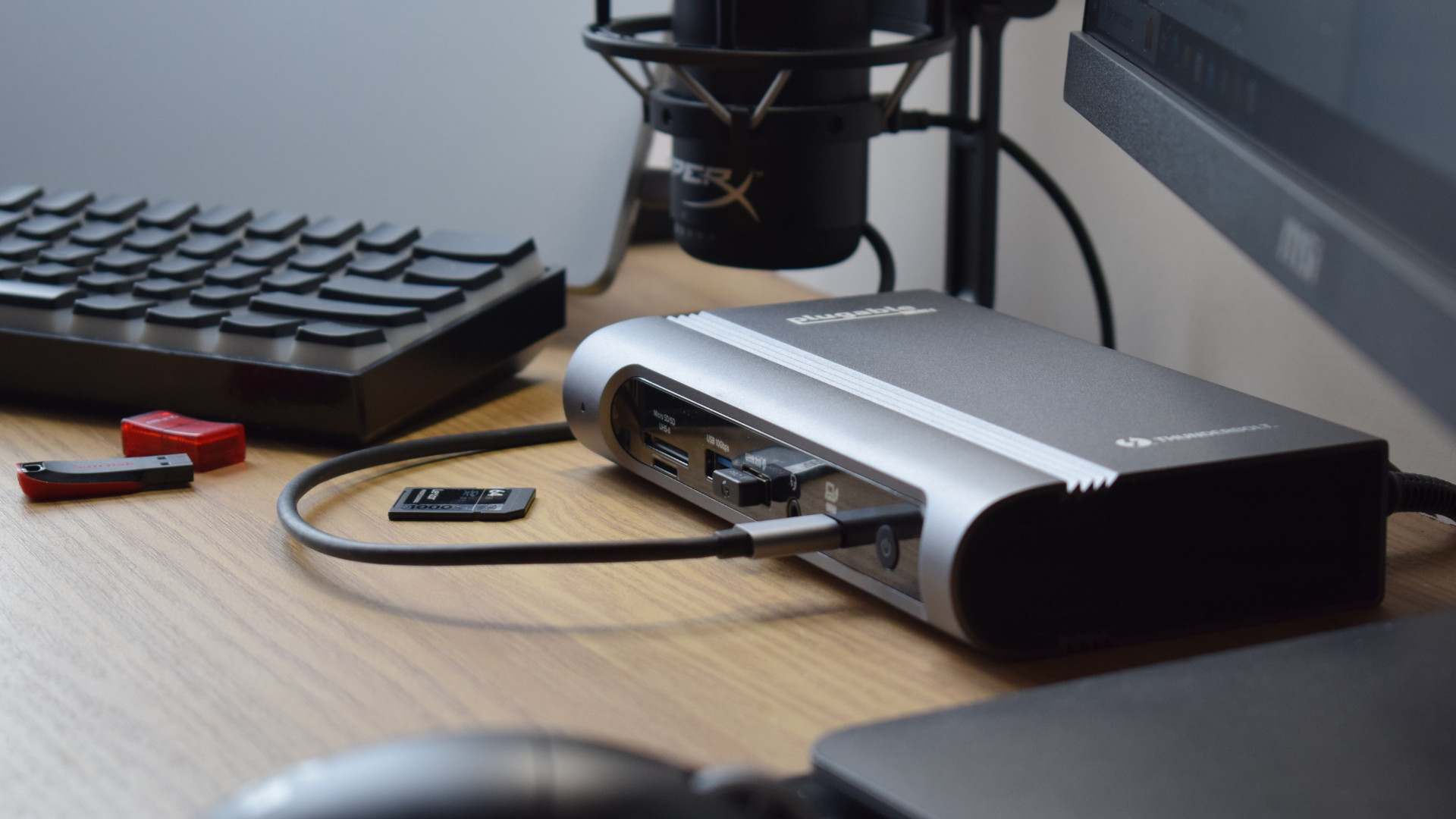
Plugable's Thunderbolt 4 and USB4 docking station is the top pick for our best docking stations list, featuring a bevy of ports, power, and top-flight performance right across the board for the most complete experience around.
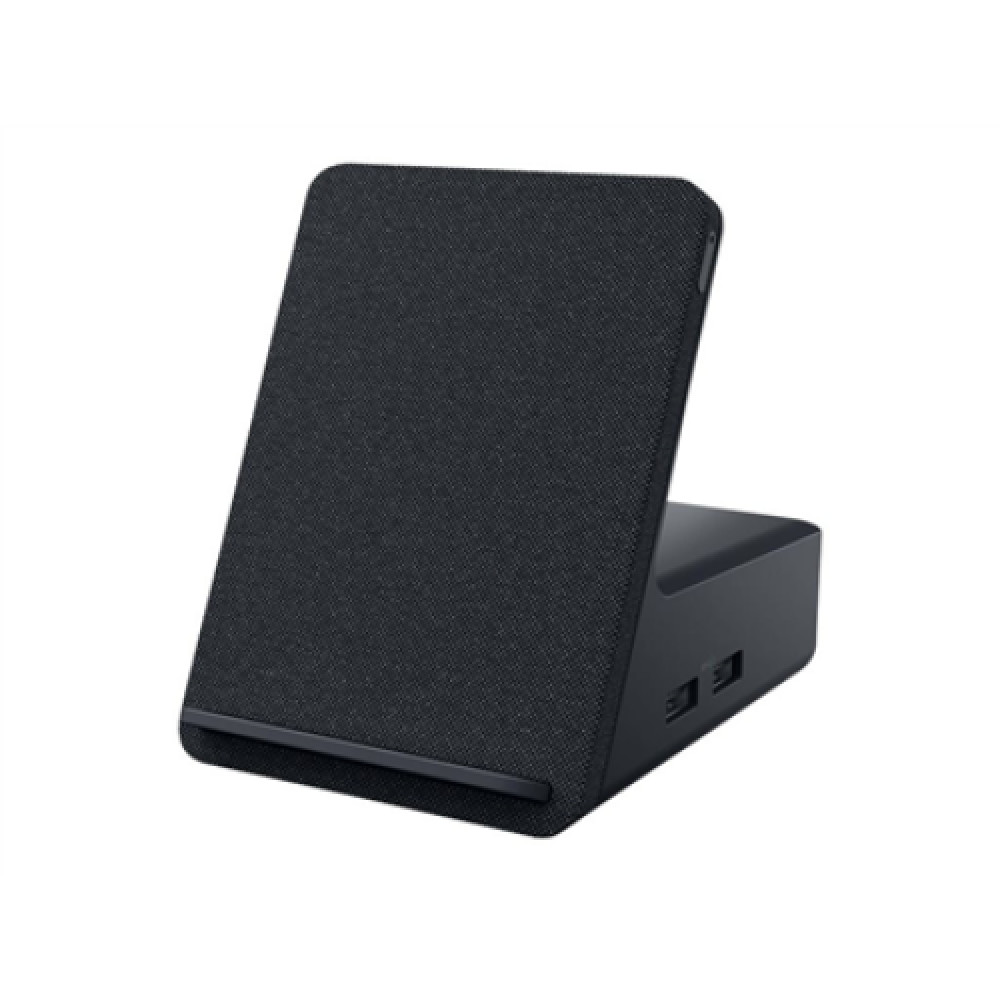
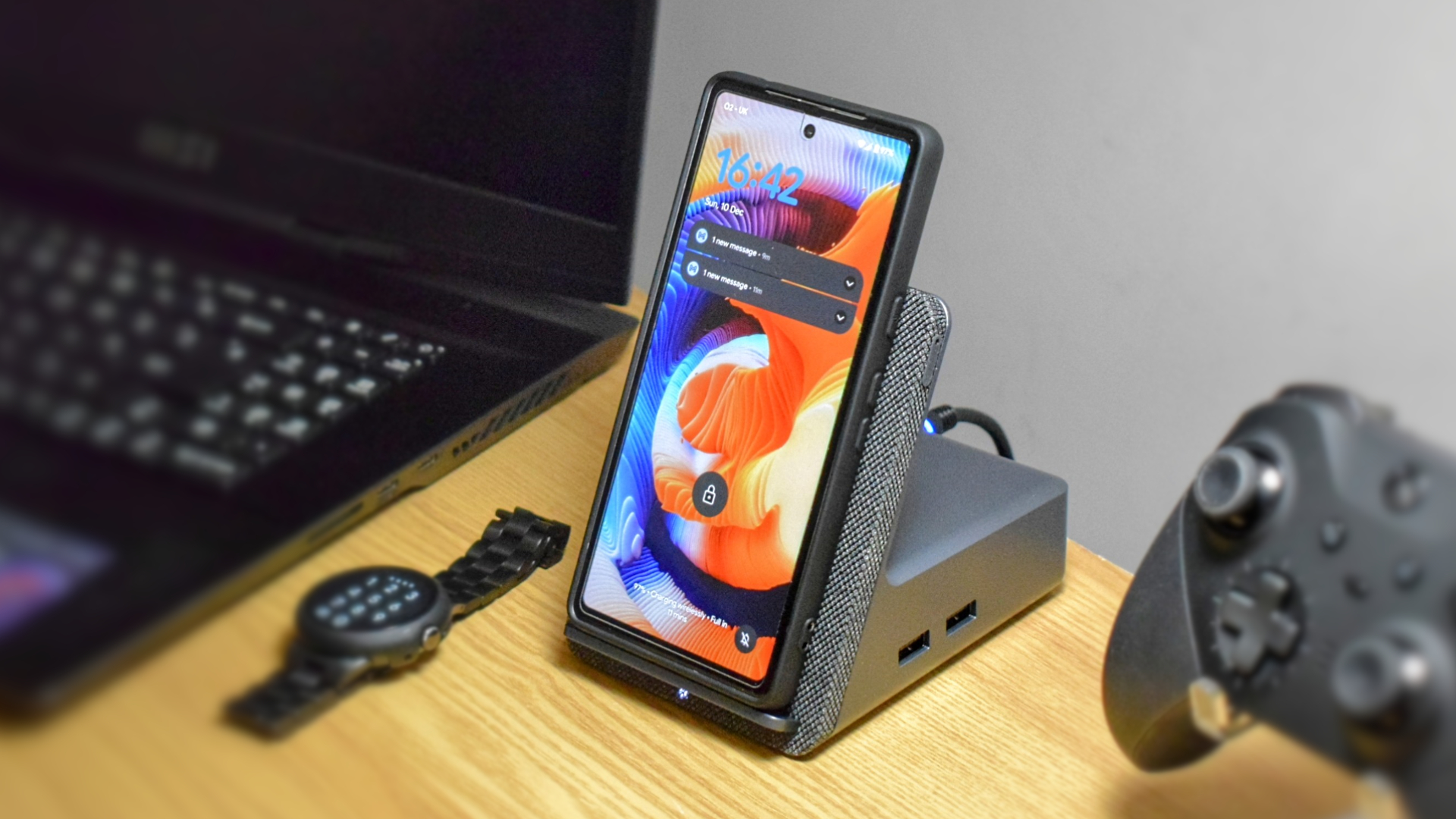
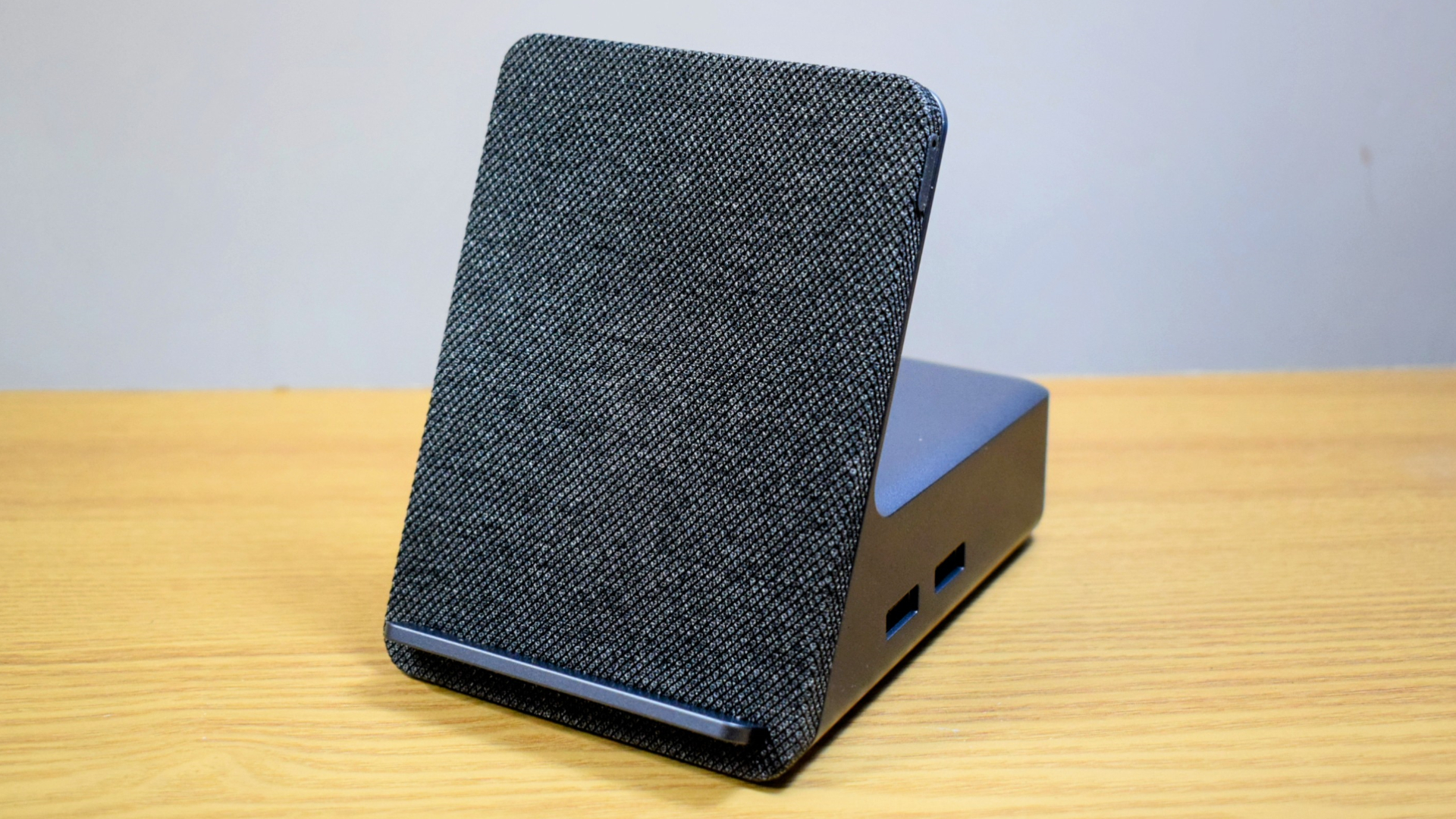
90W of Power Delivery, a variety of ports, excellent cable management, and a 12W Qi wireless charging cradle for your smartphone. Dell's Dual Charge Dock is an impressive port expansion solution that offers so much more for less.
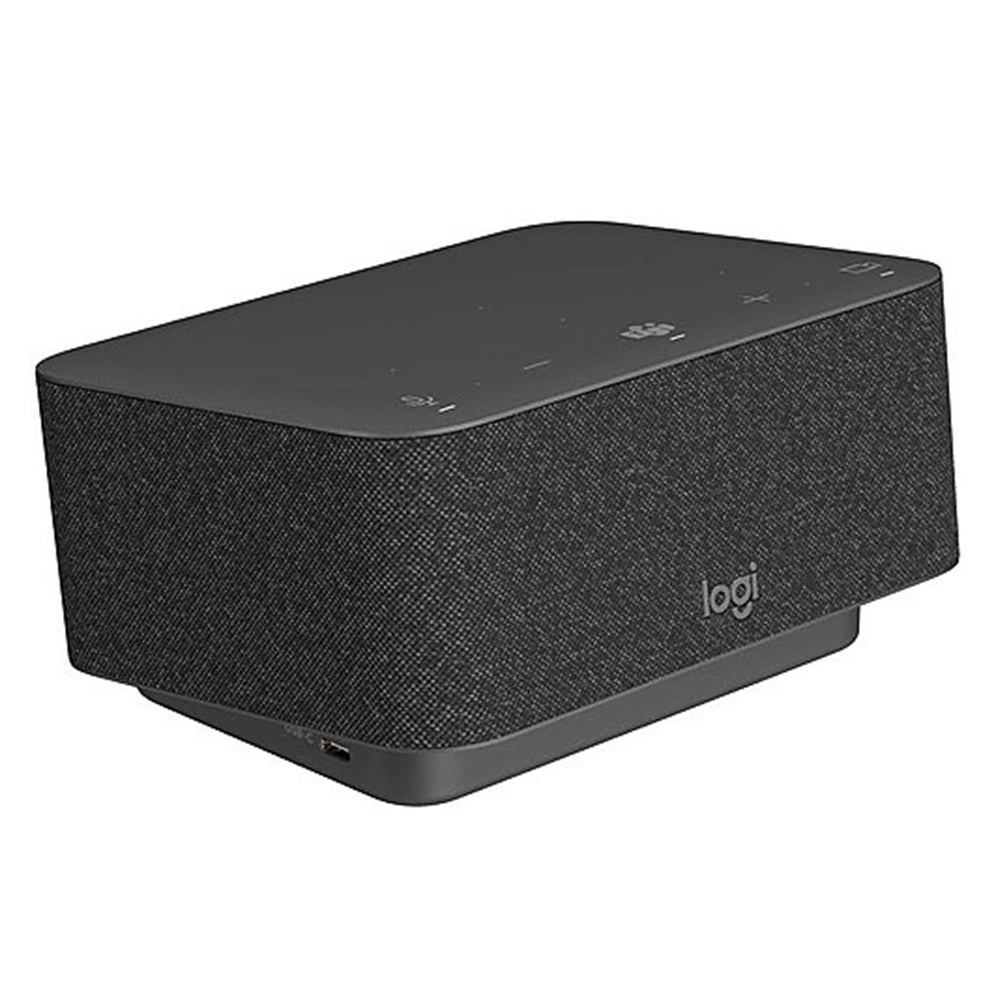
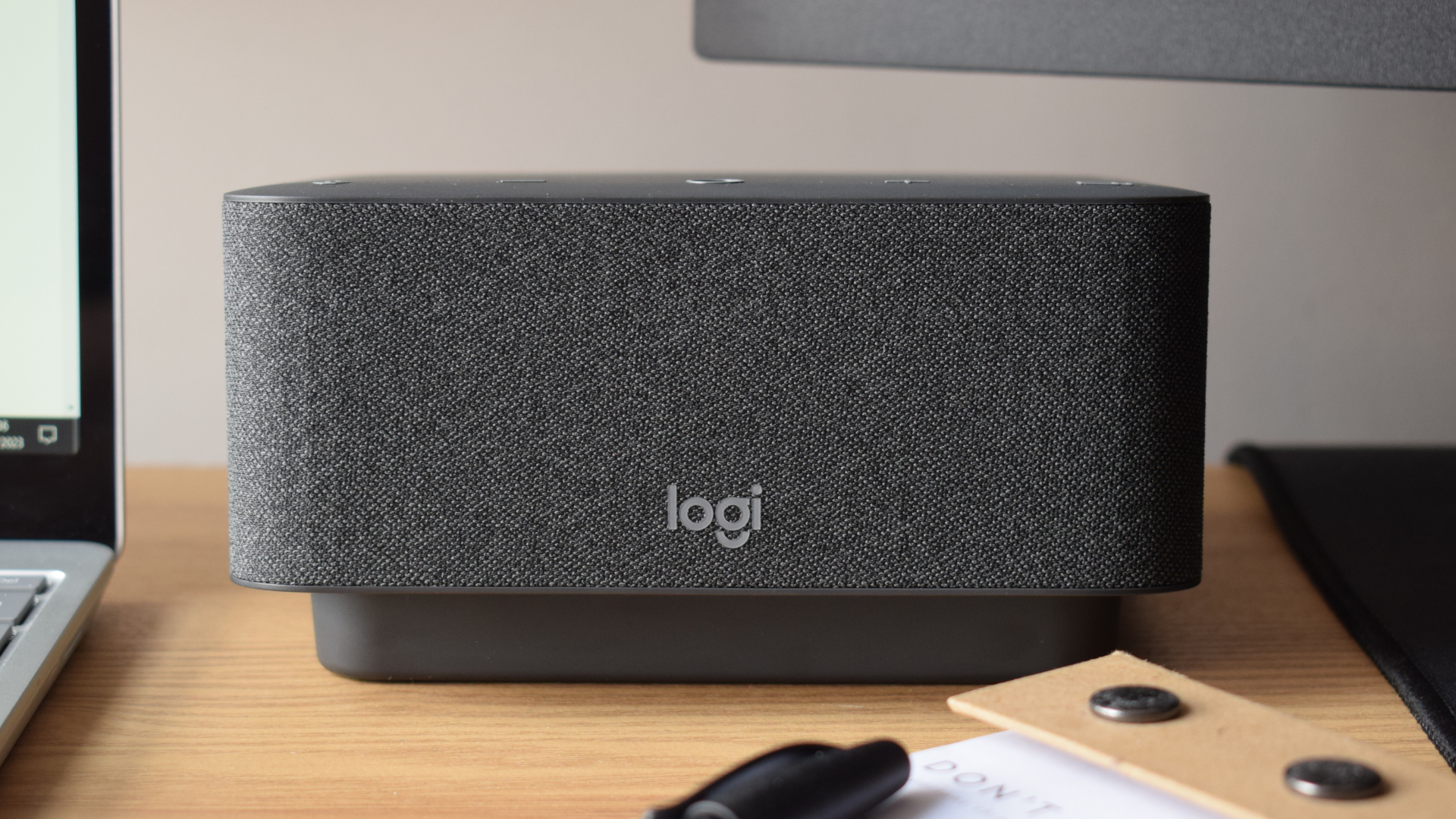
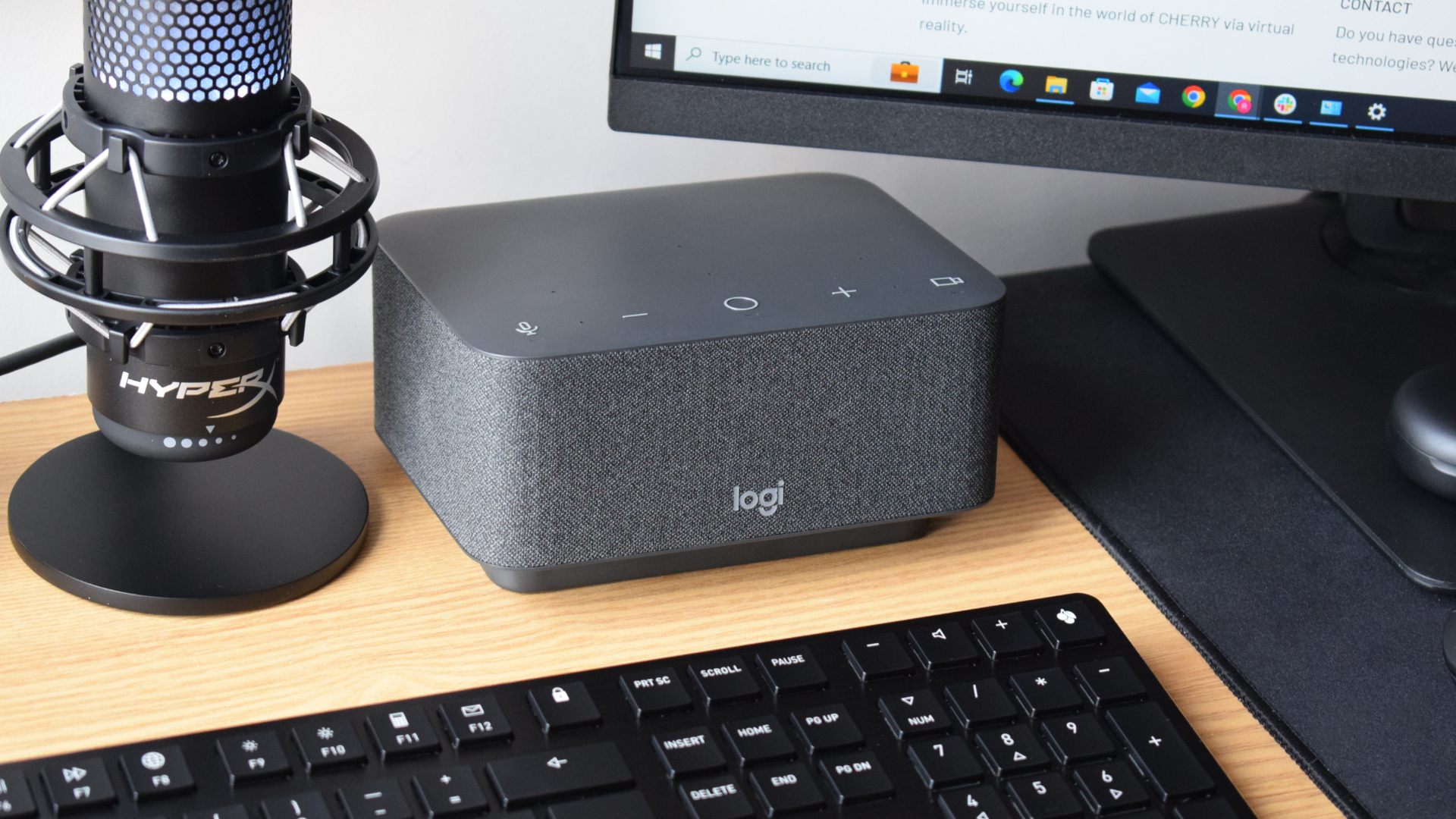
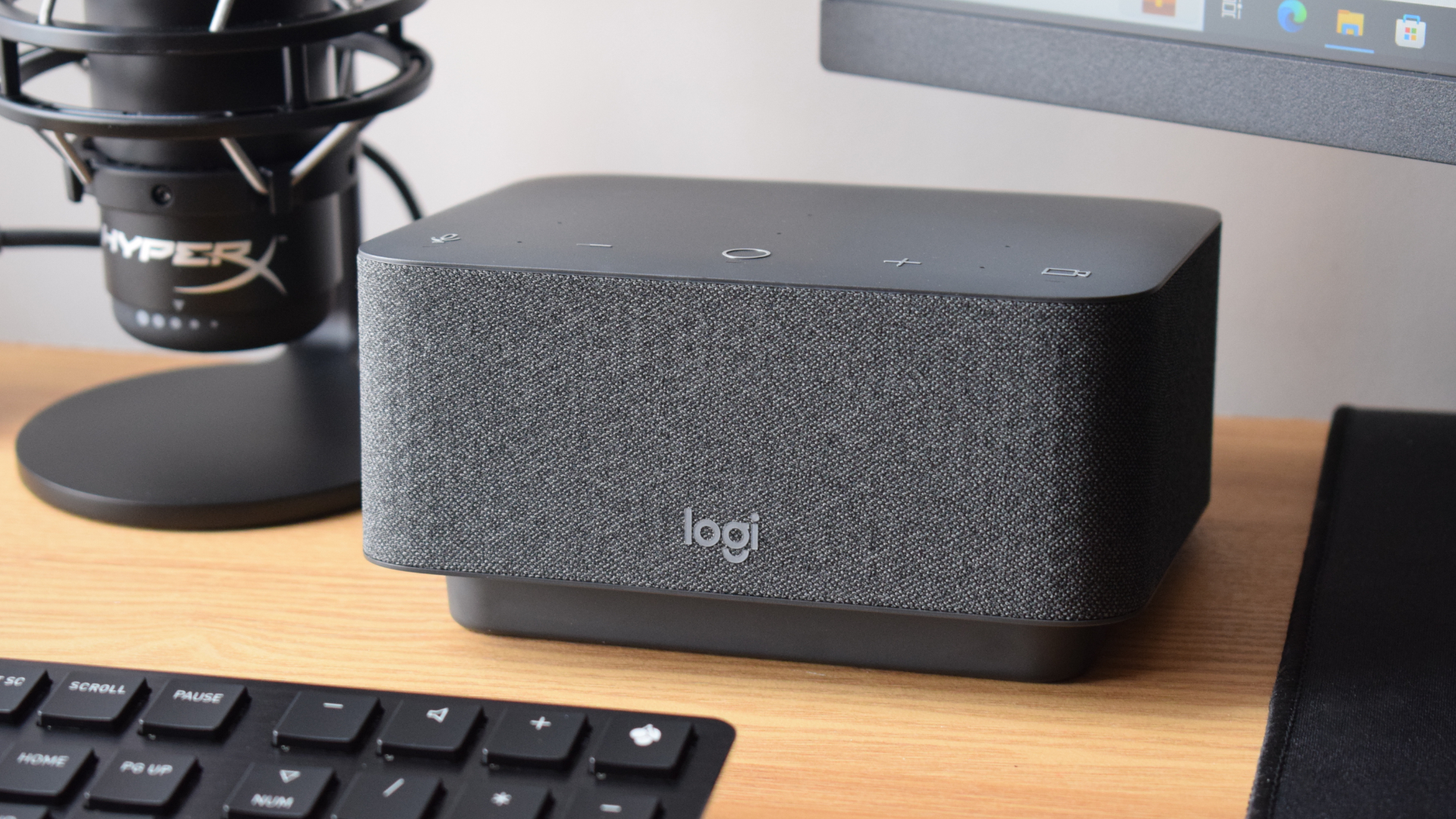
The Logi Dock, Logitech's all-in-one audio, conferencing, and port expansion solution, is one of a kind. It blends a docking station with a sound bar to make for one of—if not the—best USB-C docking stations around.
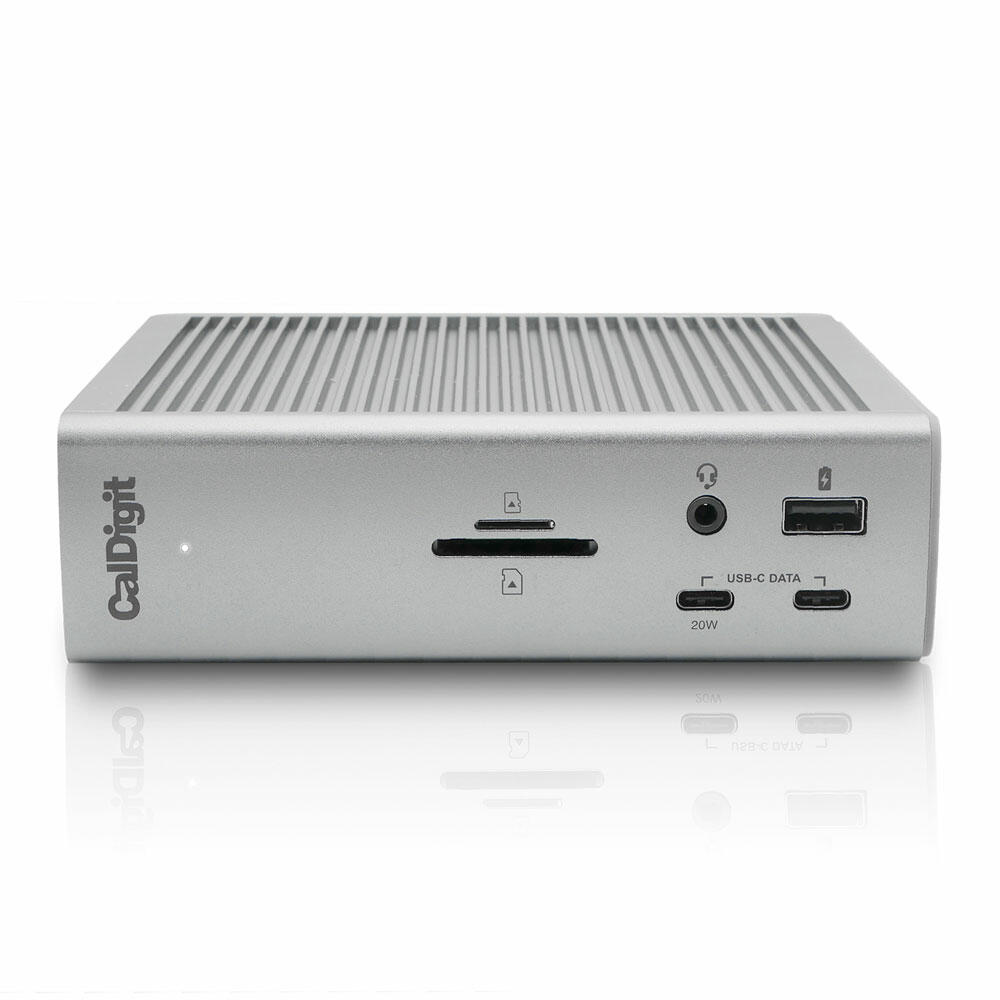
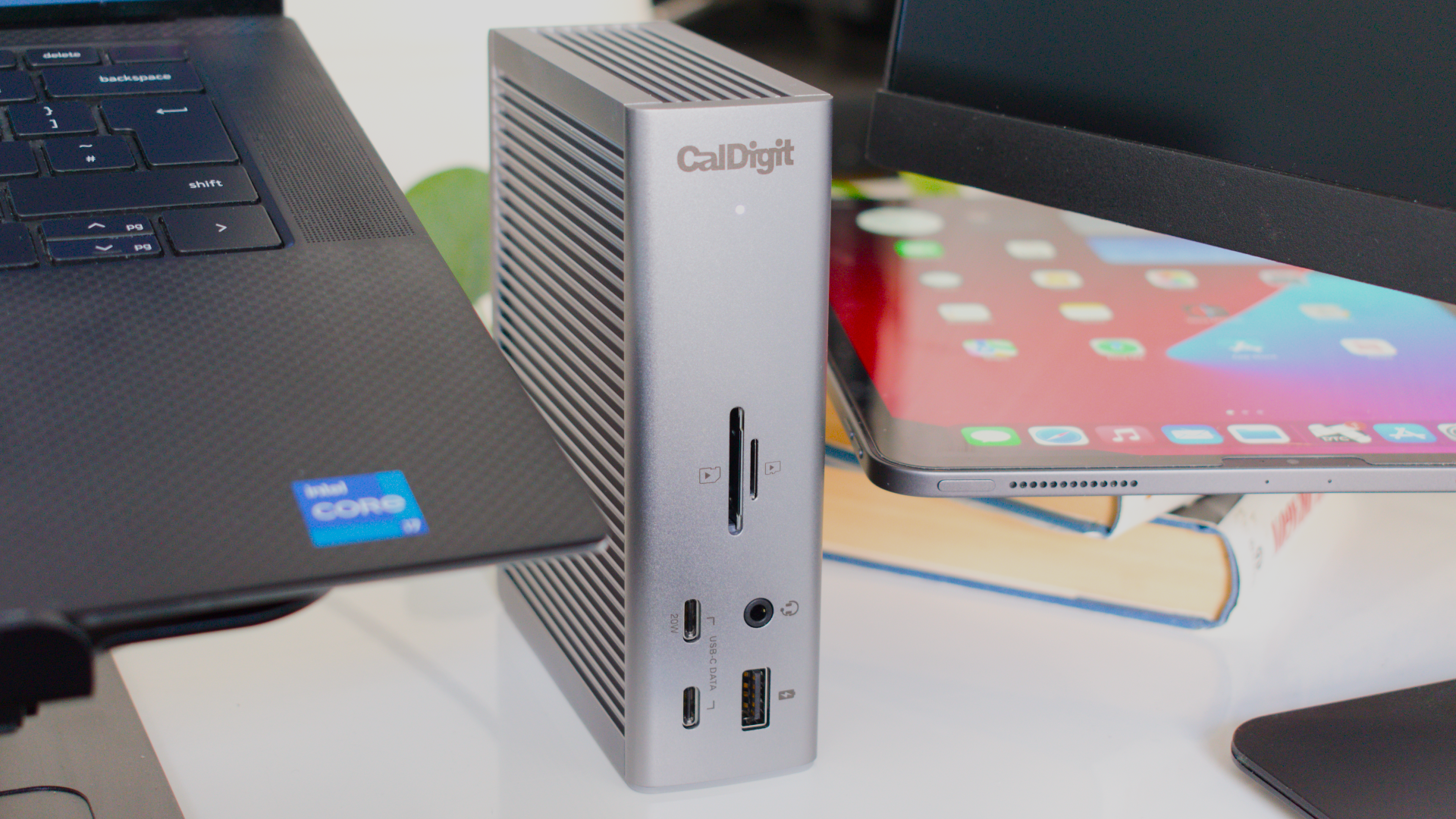
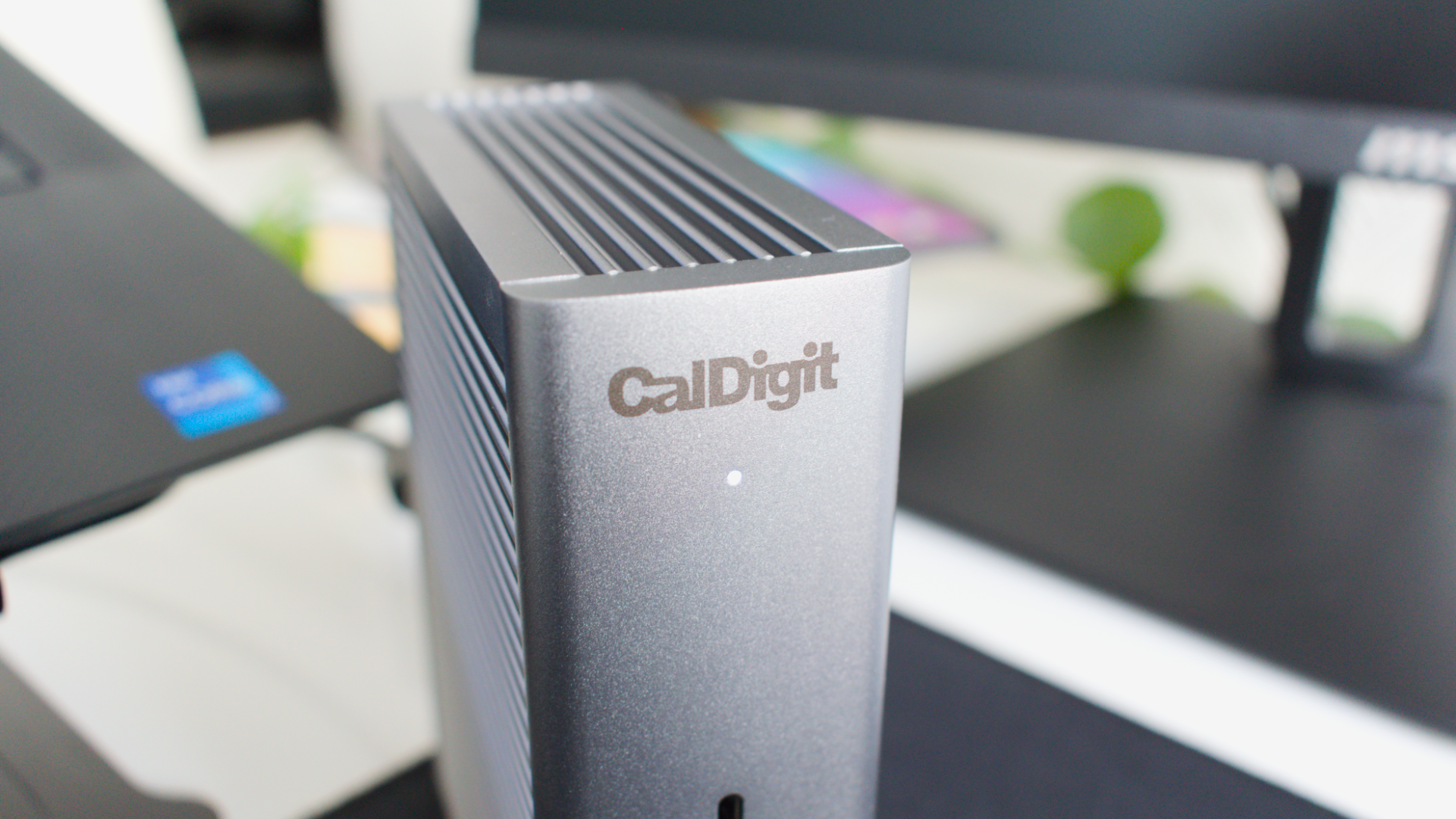
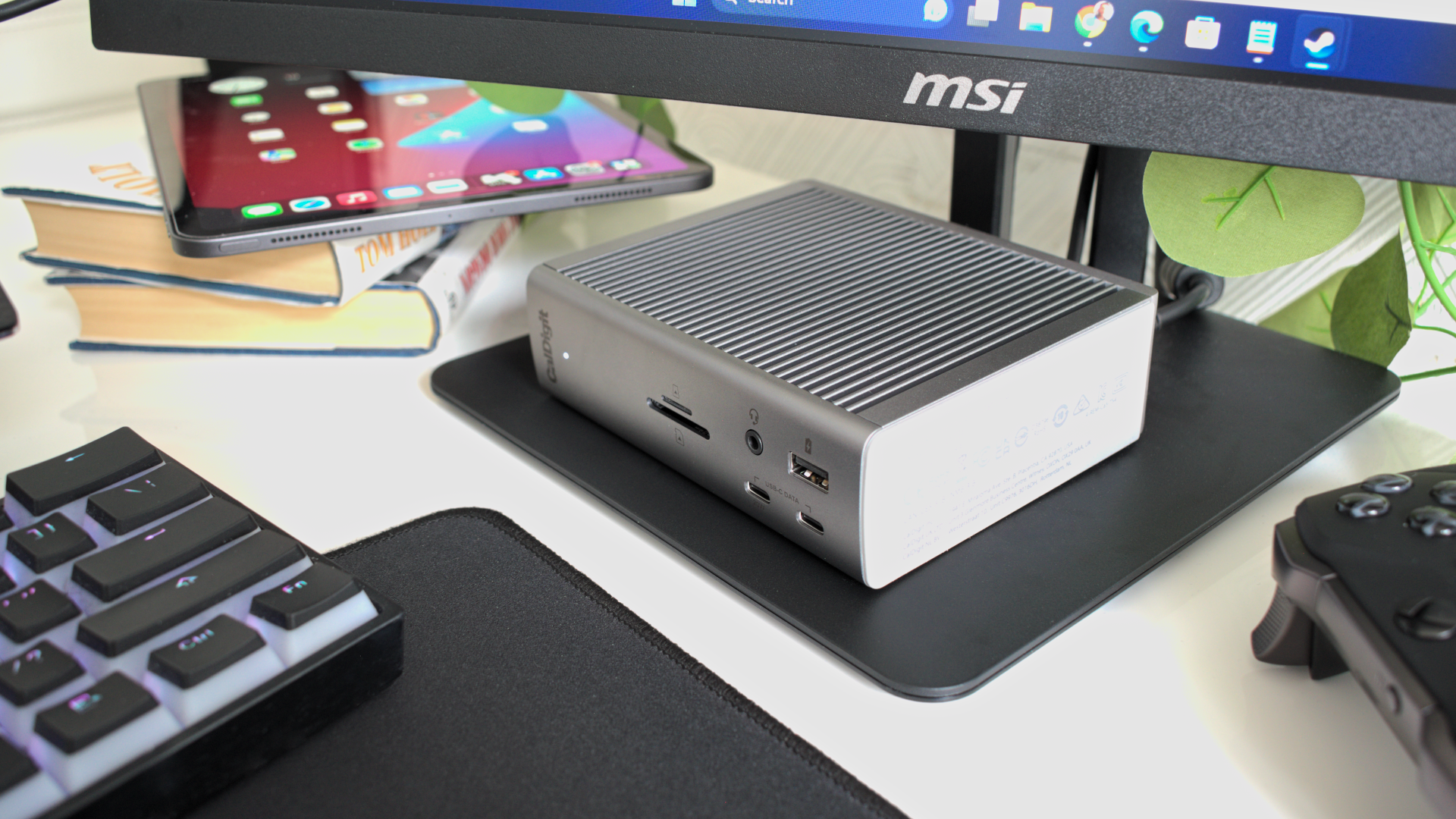
The CalDigit Thunderbolt Station 4 is amazing for Thunderbolt PCs and Apple Silicon MacBooks alike. It offers incredible charging options and 18 additional ports to bolster your setup's effectiveness and potential.
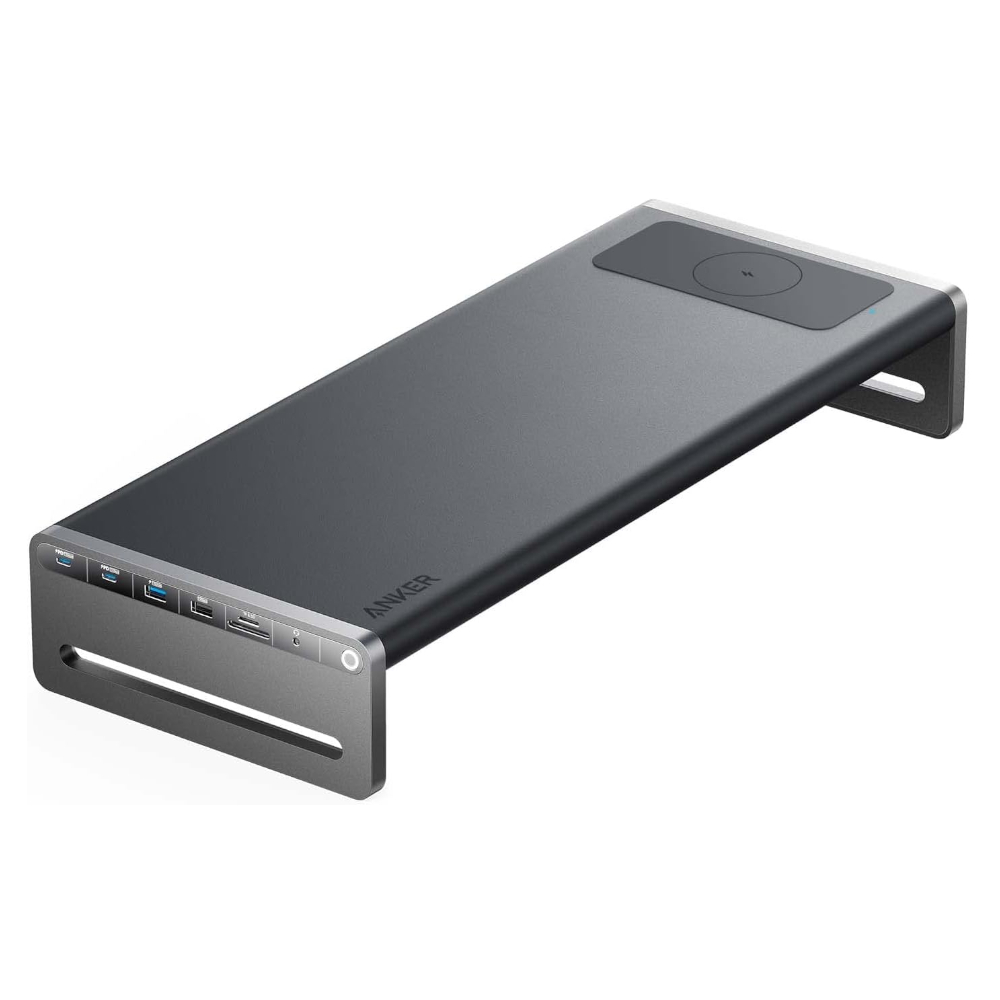
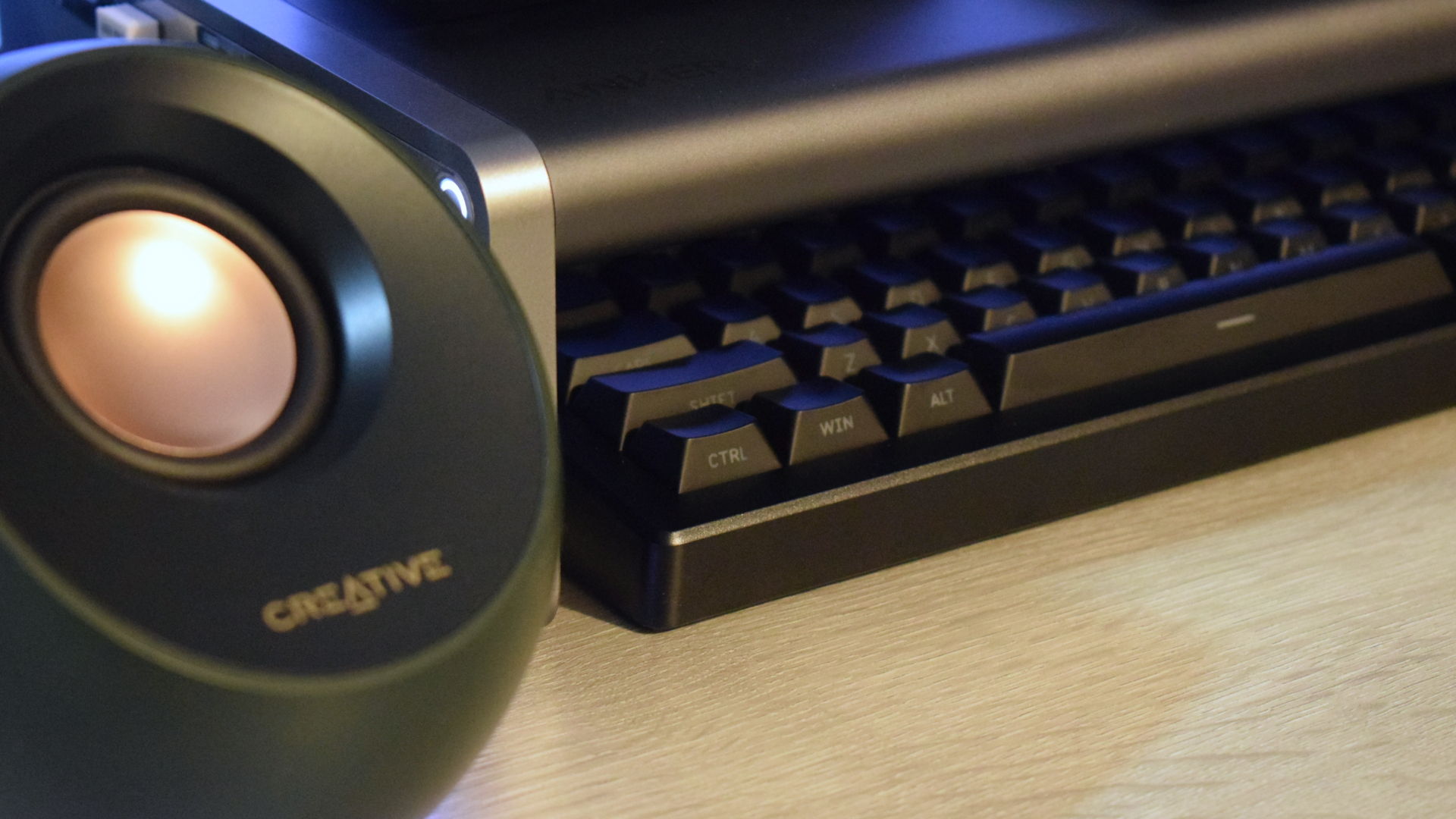
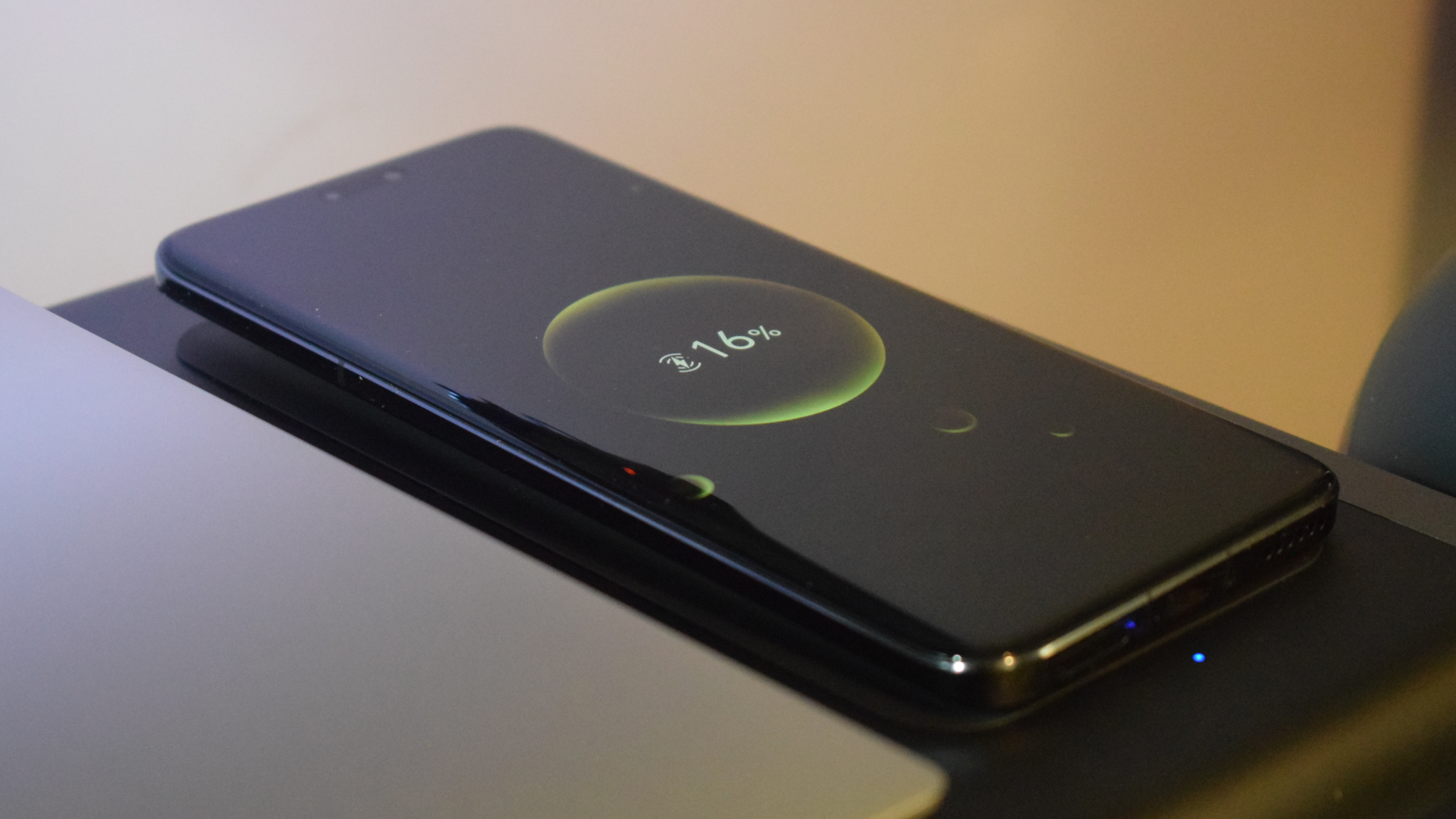
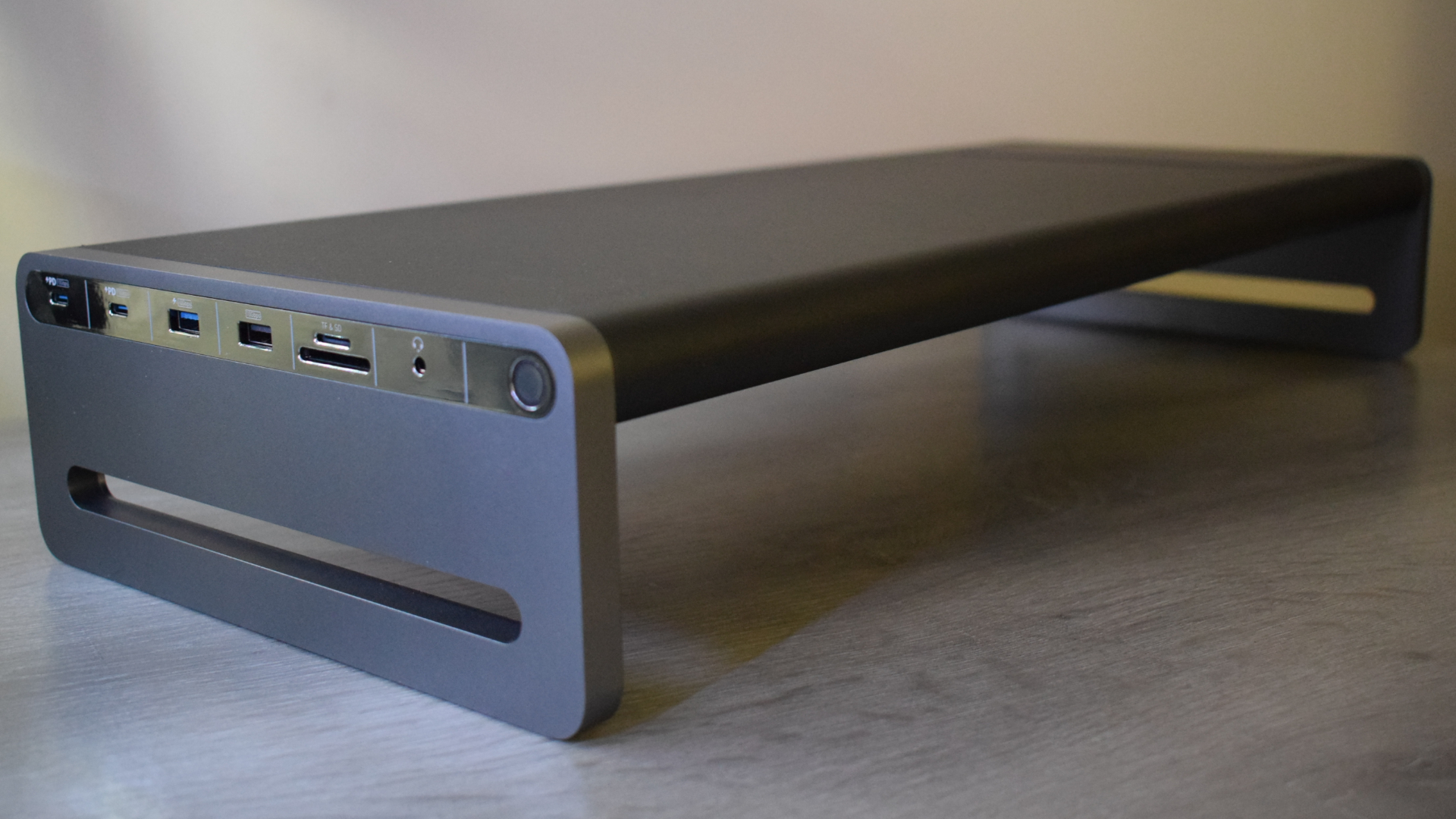
Anker's all-in-one docking station acts as a discrete, single-monitor ergonomic stand while supplying a decent selection of speedy ports and plenty of power — including a wireless charging station for your phone.
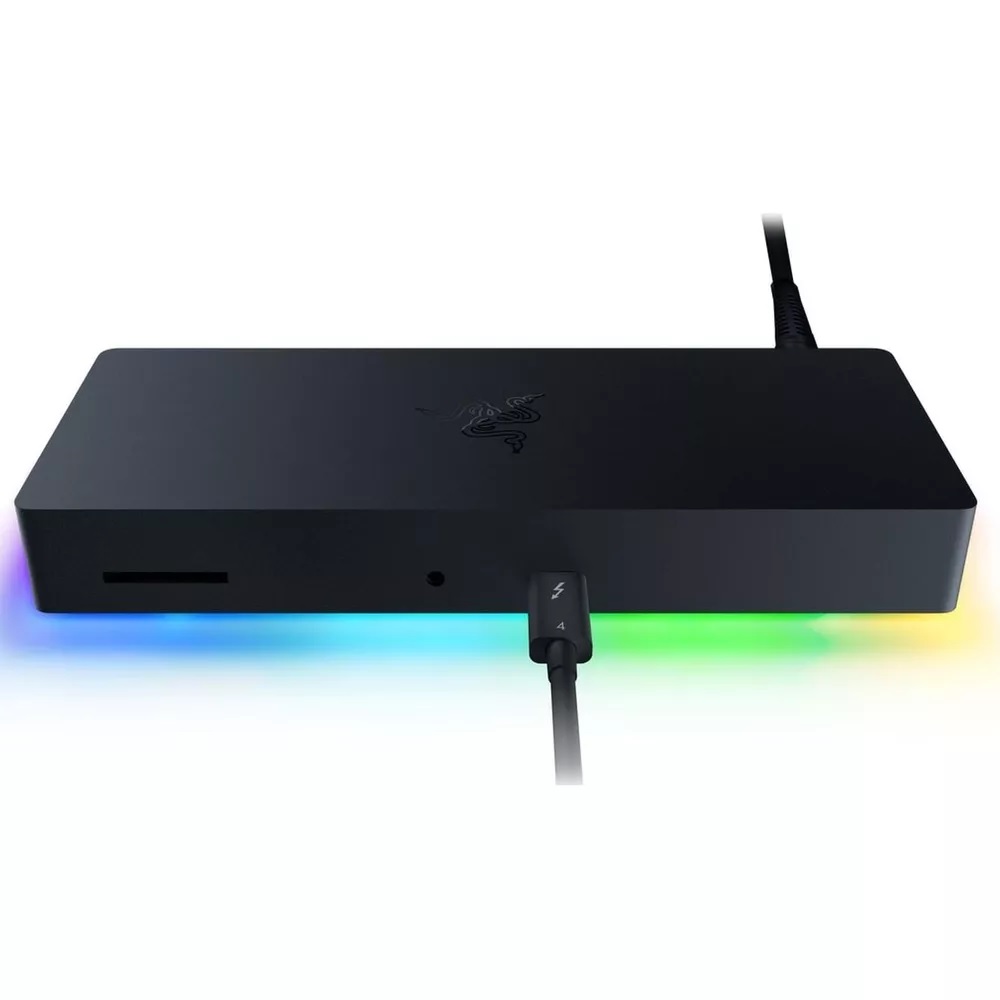
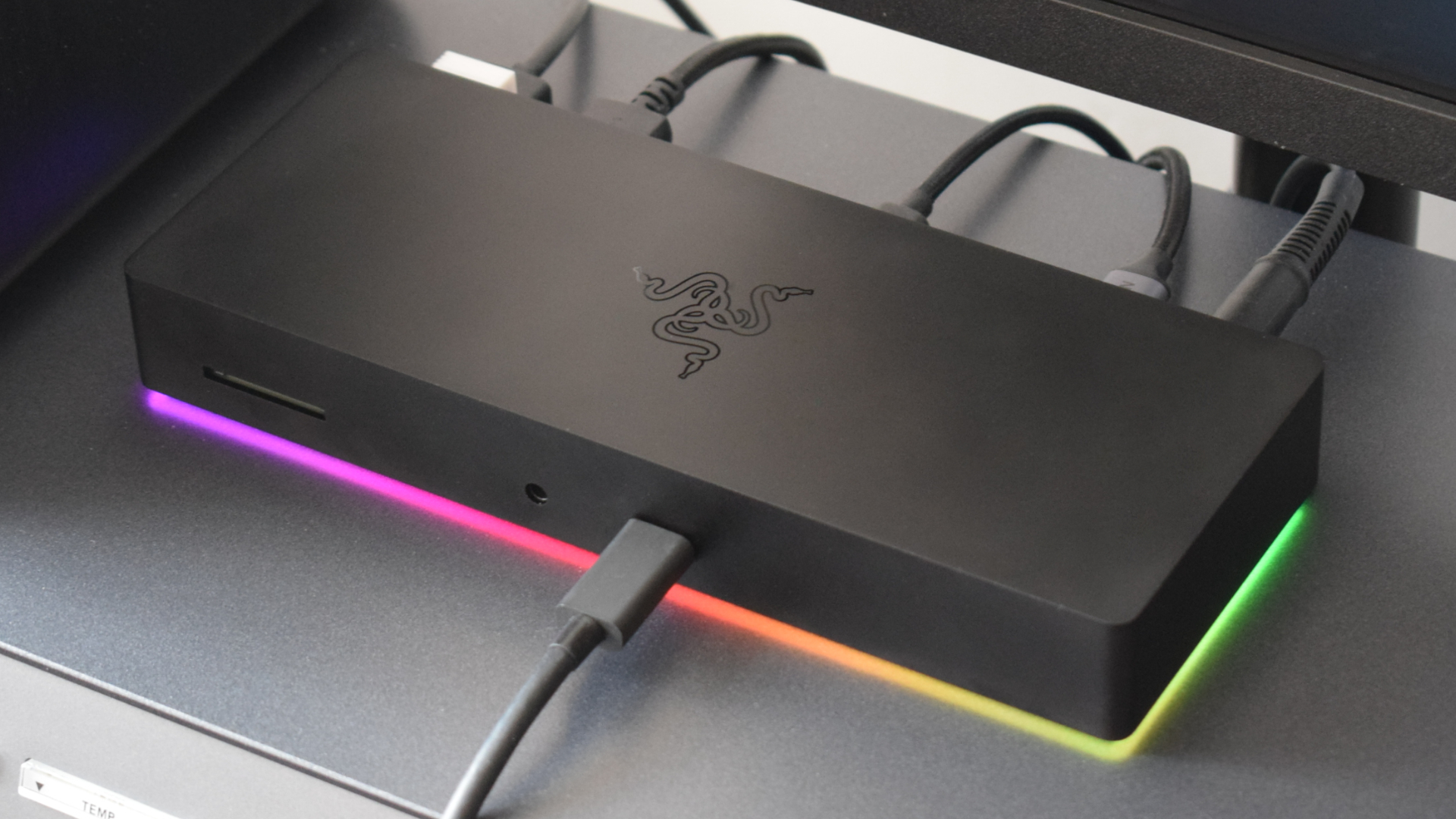
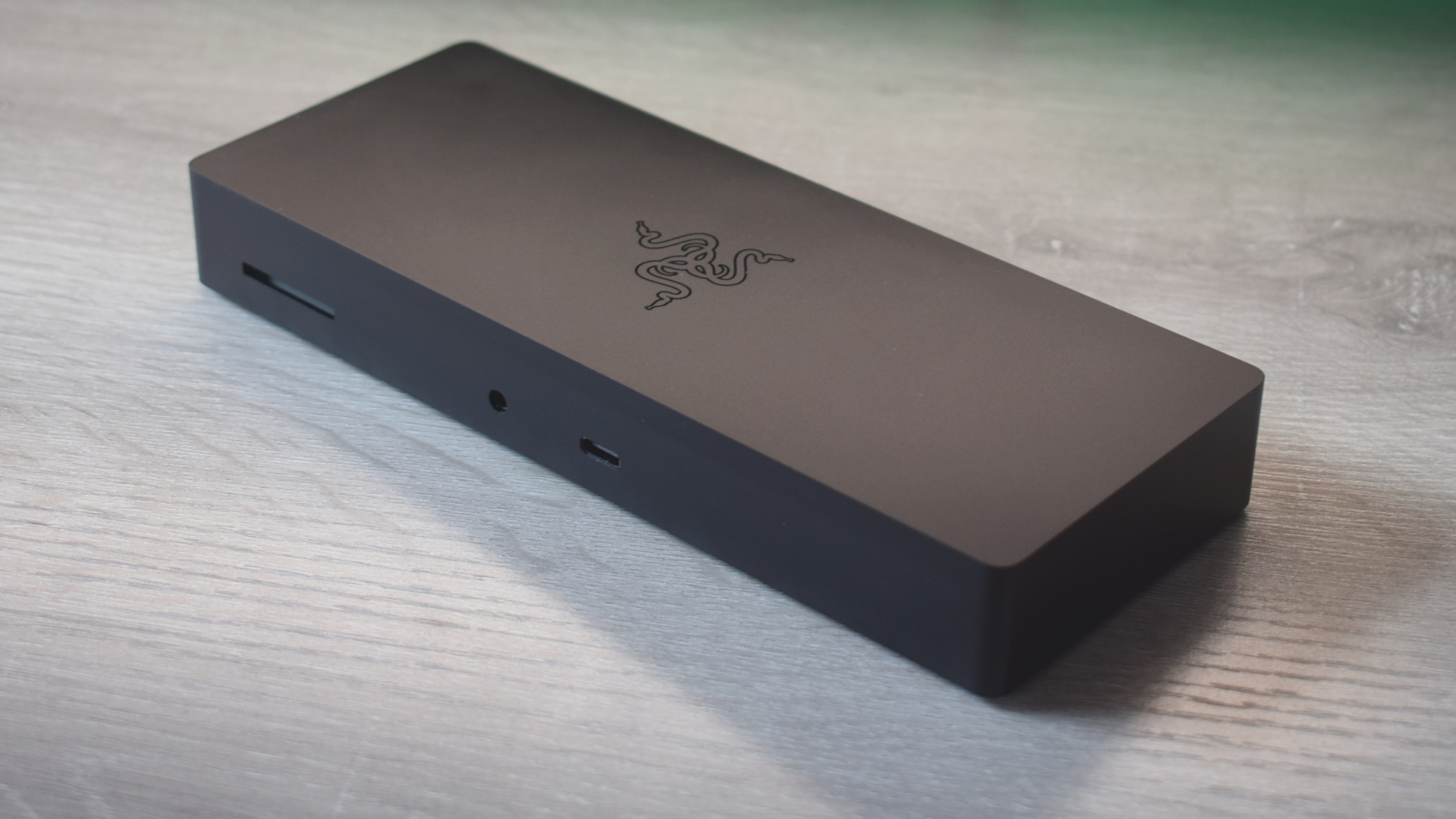
A powerful Thunderbolt 4 port with RGB lighting that nails the gamer aesthetic while providing excellent video output with speedy 144Hz and 240Hz refresh rates for FHD and QHD external displays.
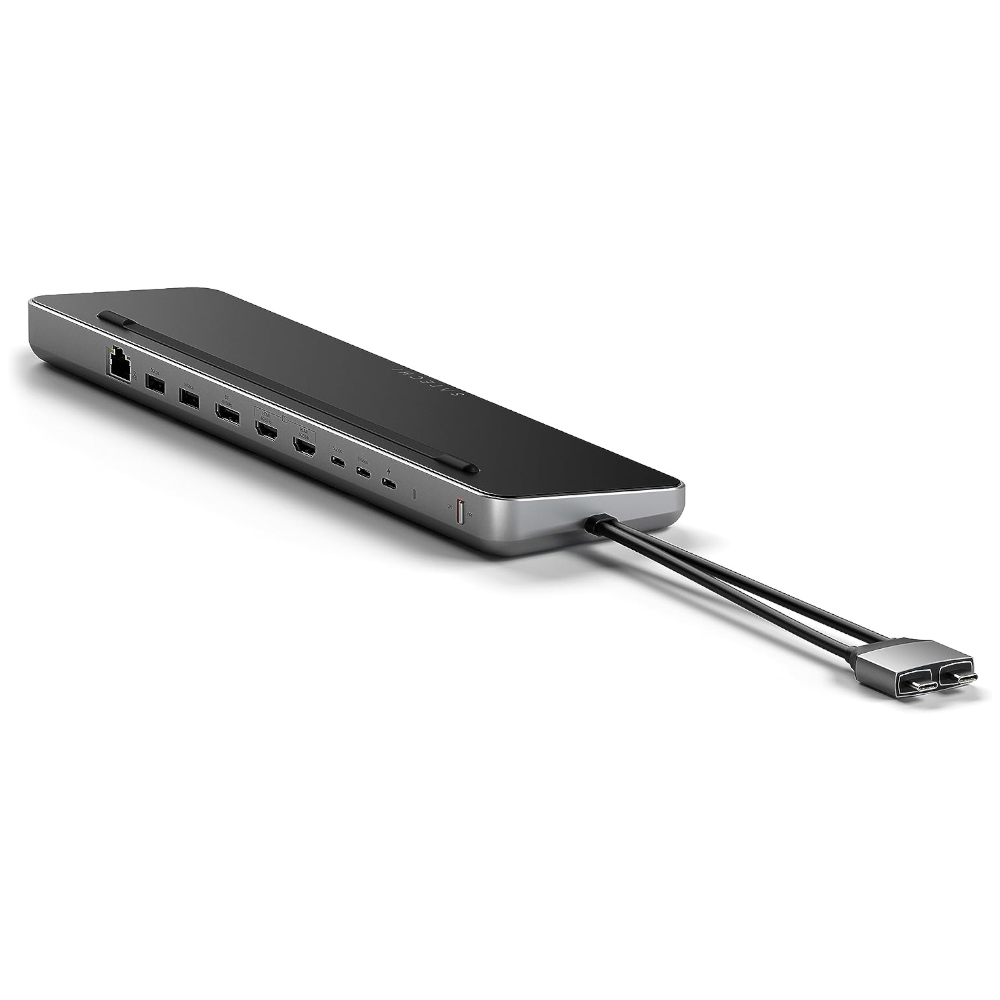
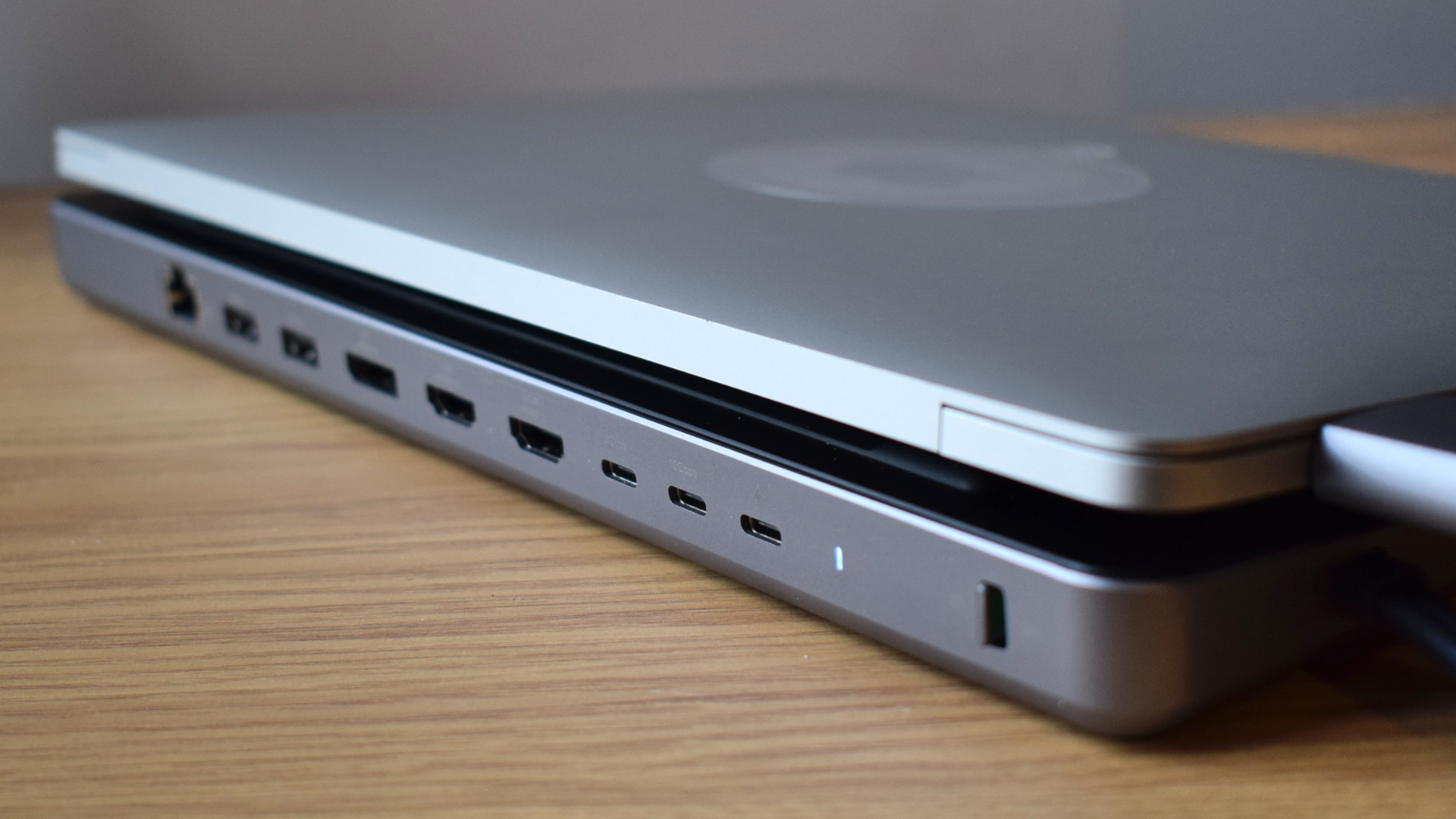
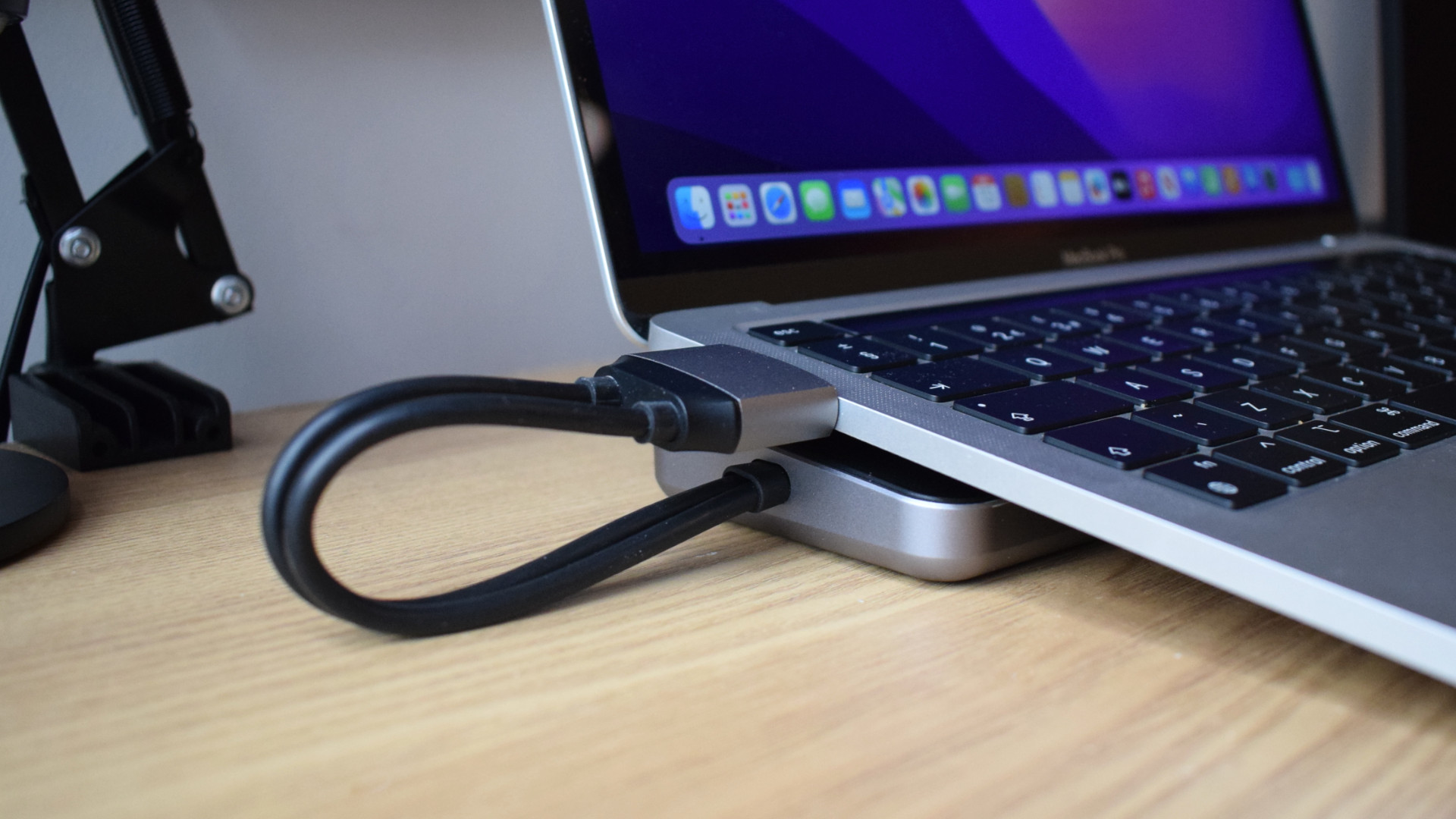
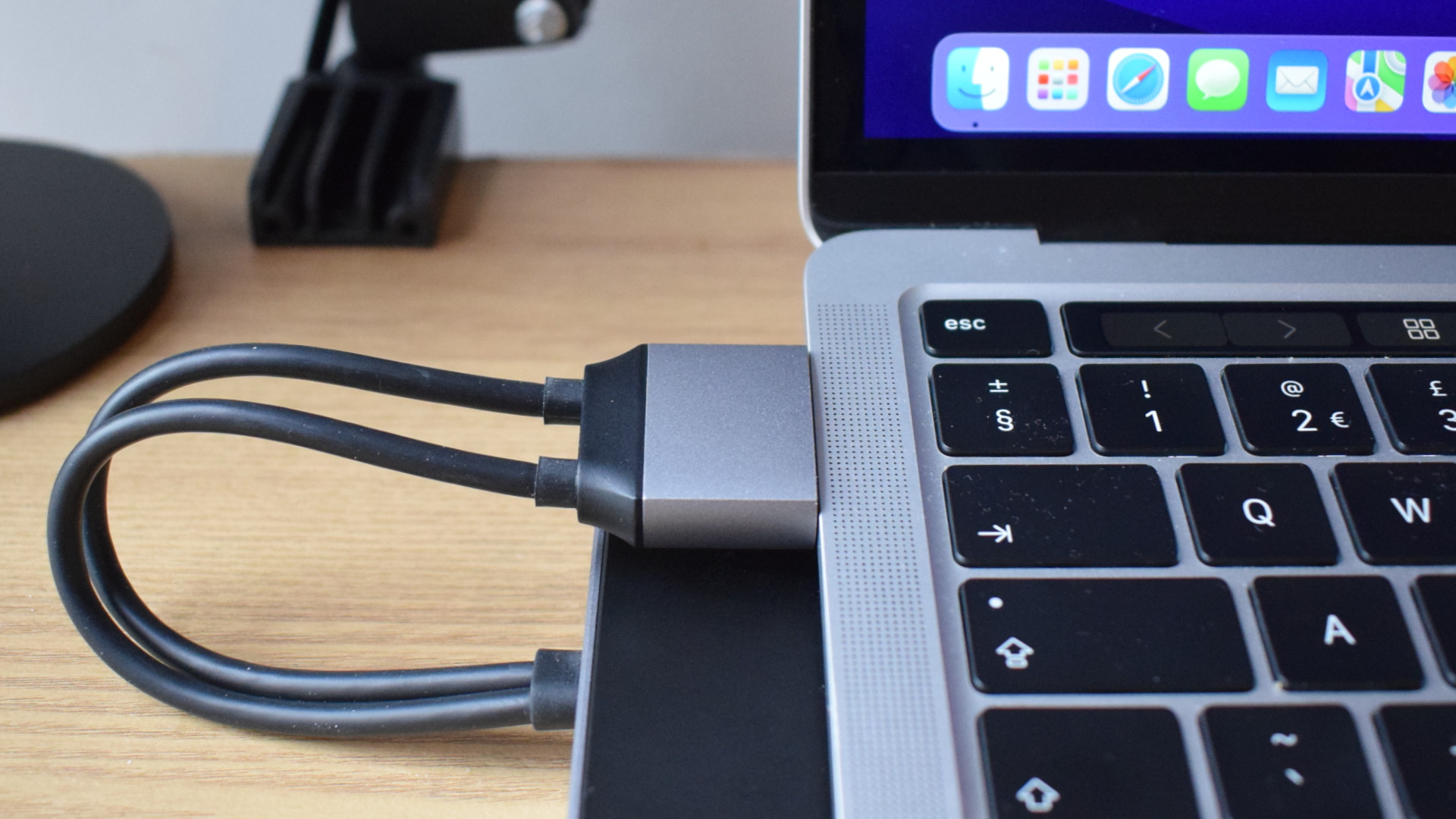
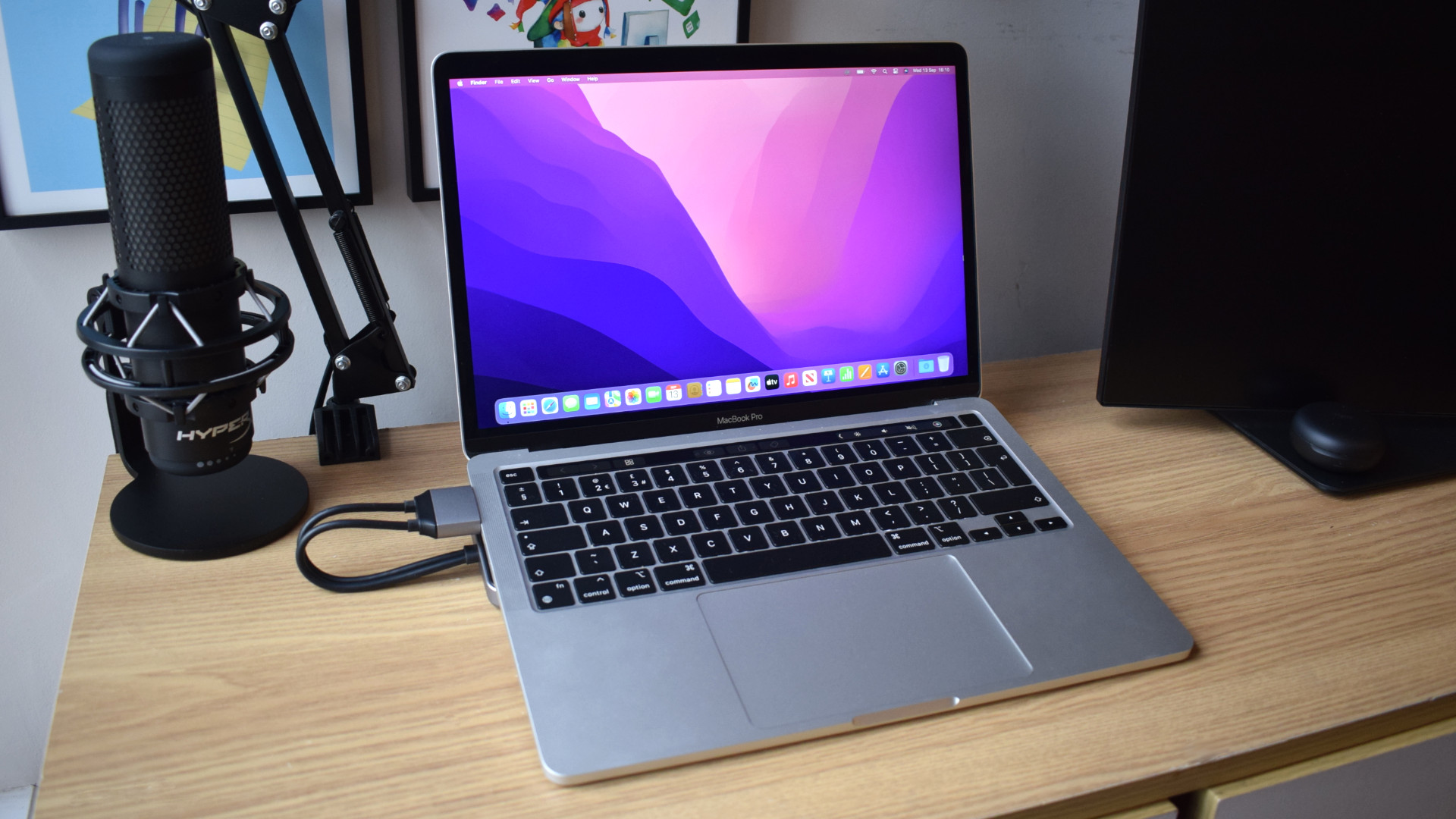
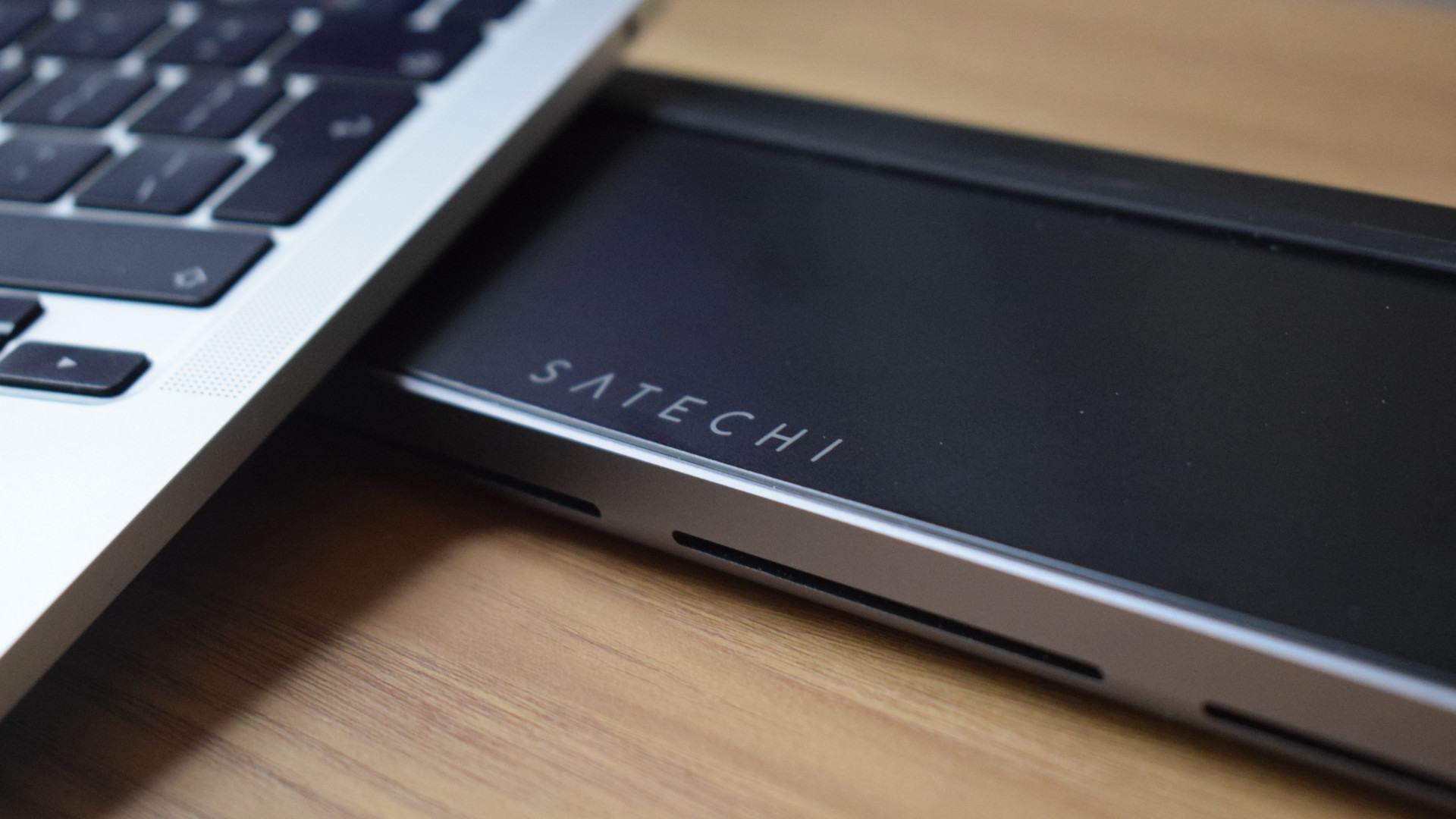
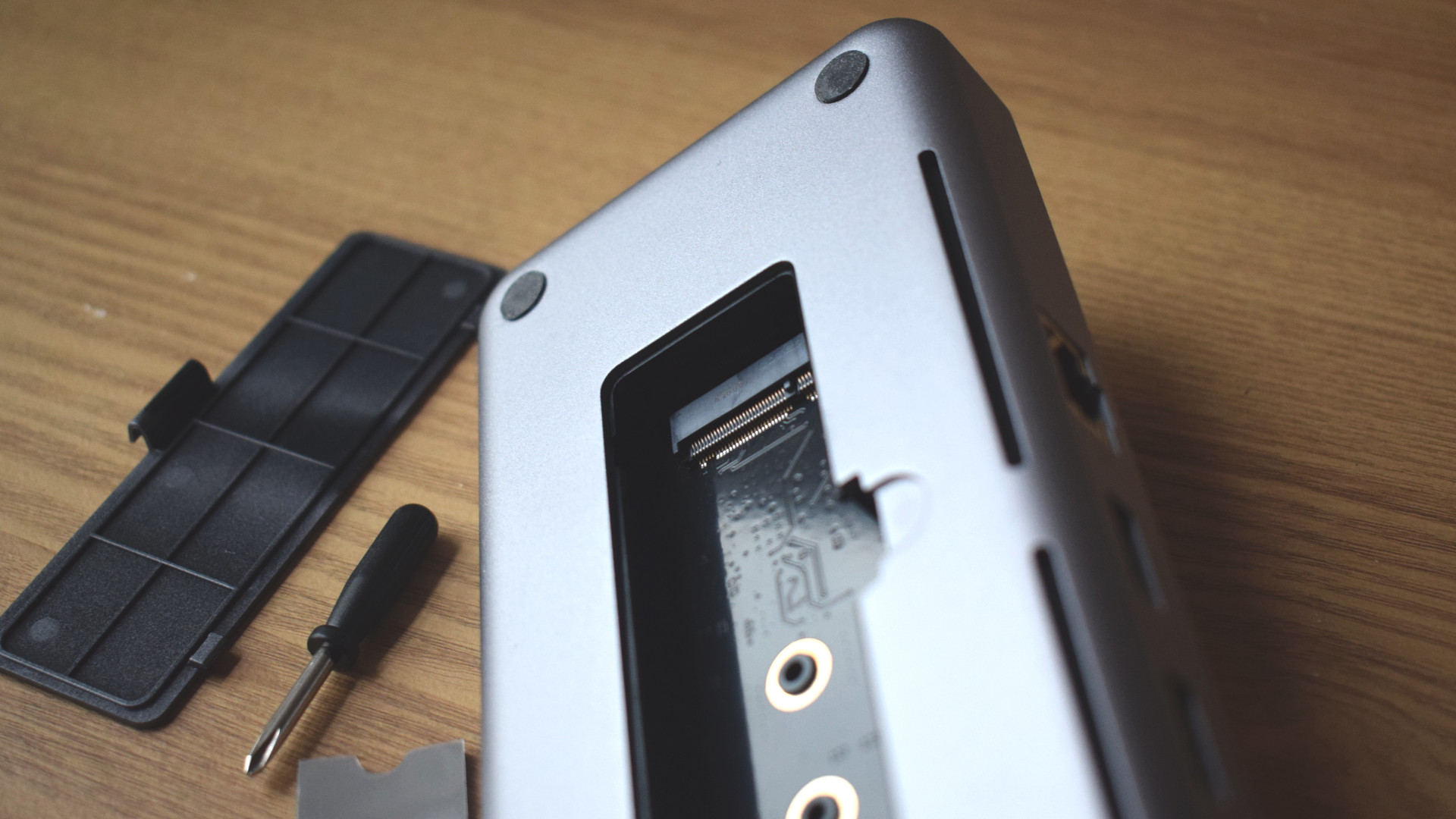
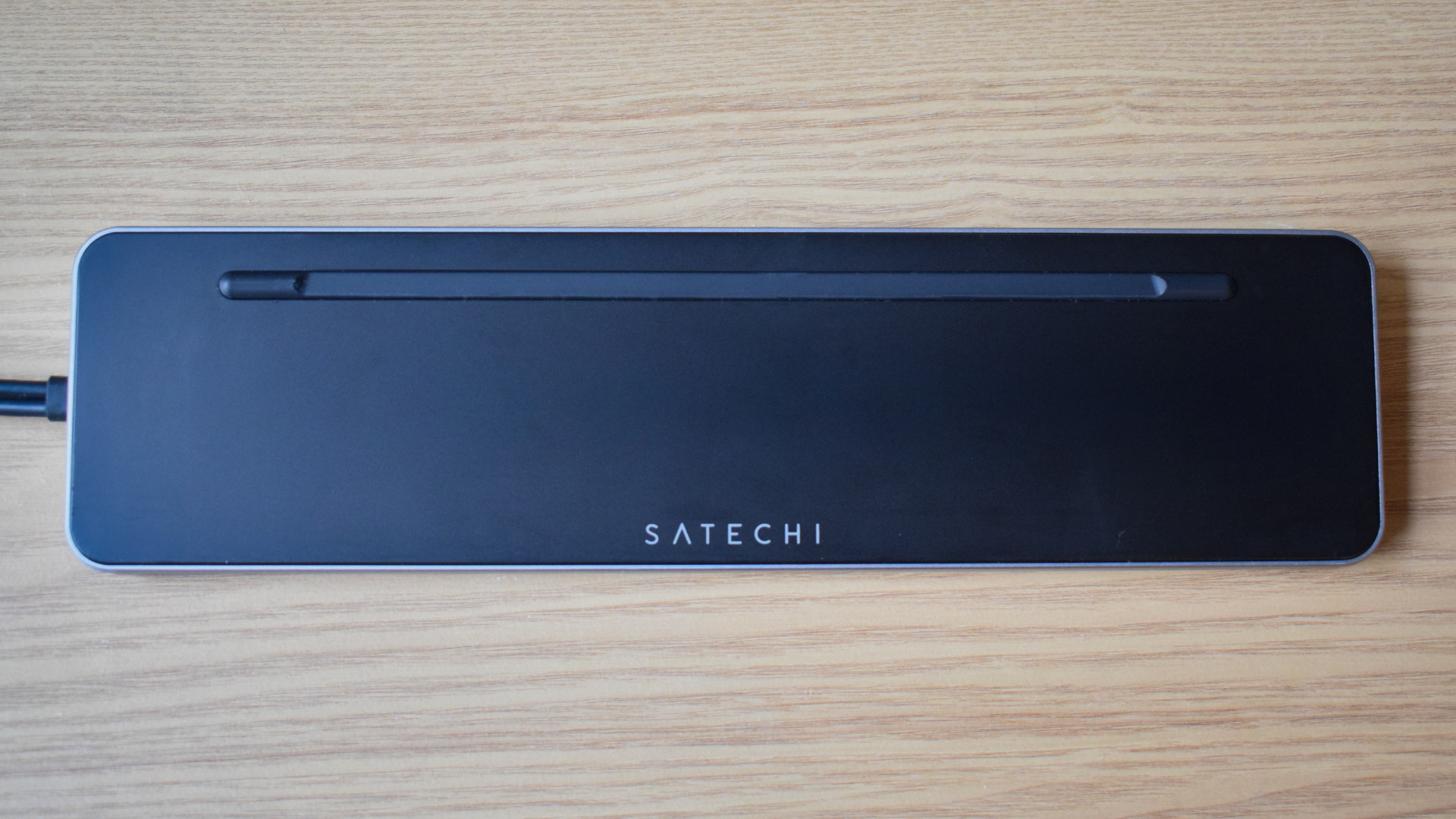
The Satechi Dual Dock Stand is part docking station, part ergonomic laptop riser, and part external SSD enclosure. It is an incredible docking station and MacBook companion.
Covers all the bases on ports, hits a homerun on power and performance.
Quad display support (4K @ 60Hz)
Thunderbolt 4 (40Gbps) speeds
Up to 98W Power Delivery
Fantastic port variety, supply, and charge
Premium, sturdy build
Travels when laid flat
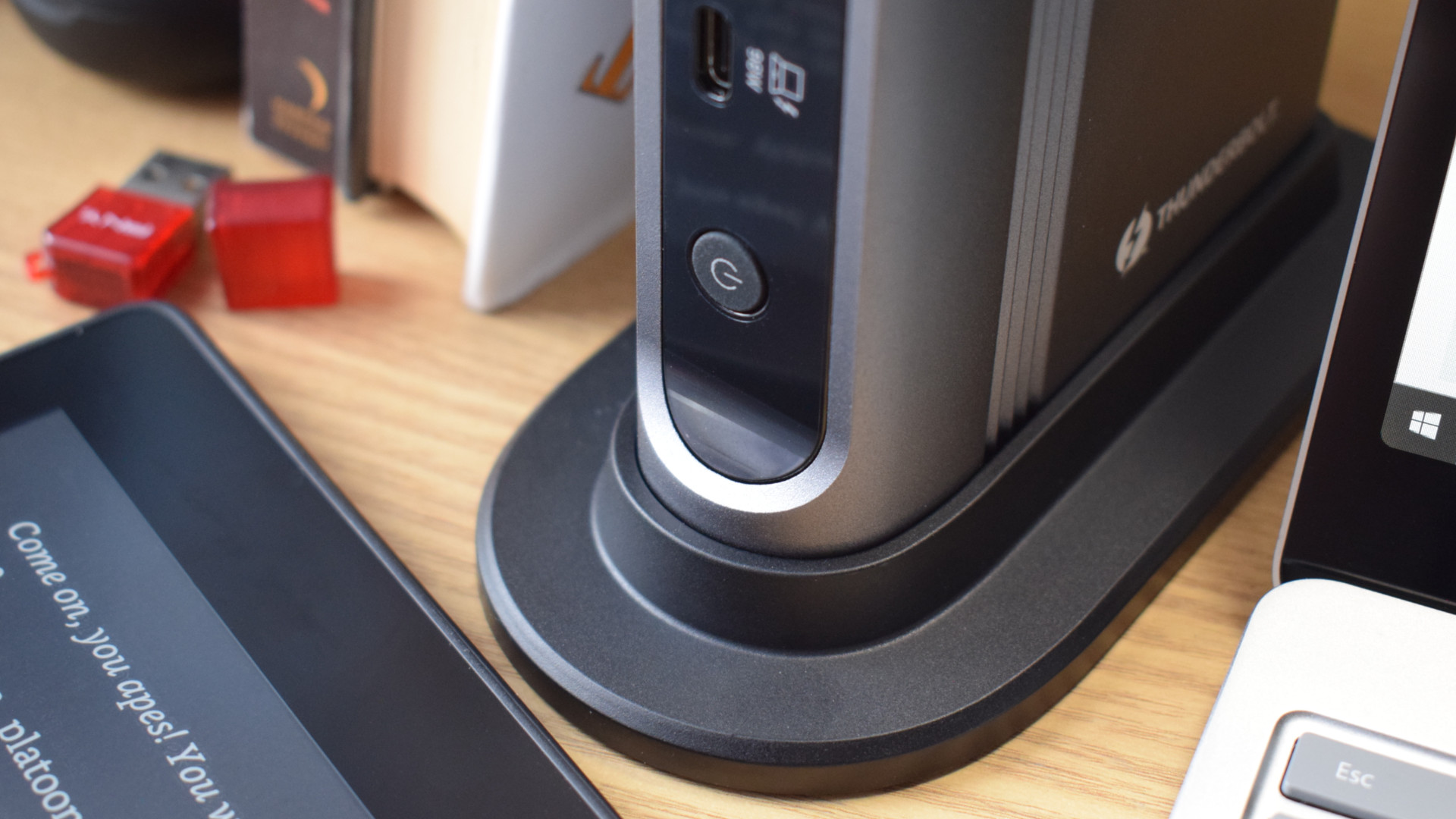
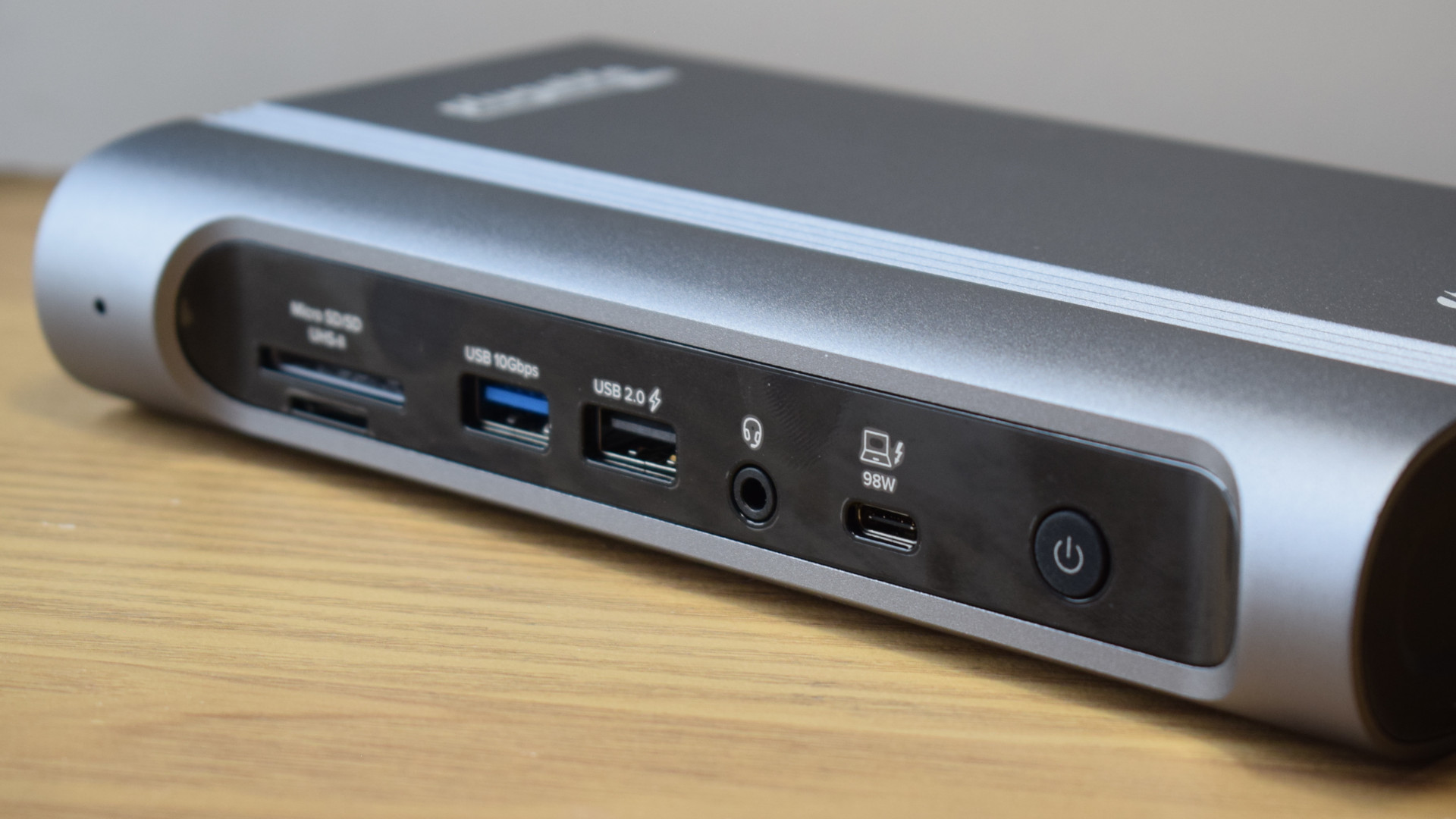
Front-facing host port
Demonic MicroSD card reader
Why is it our top pick?
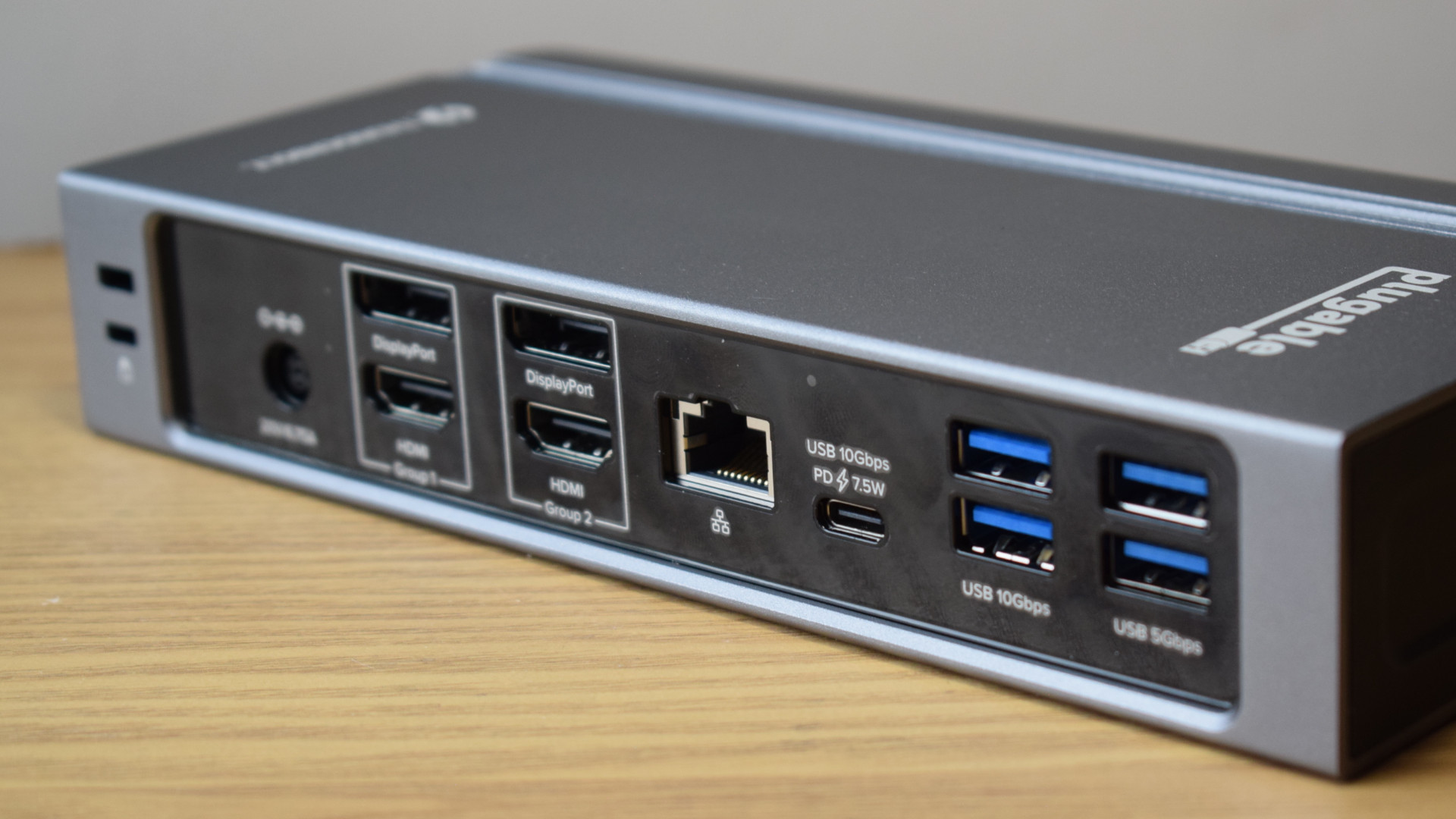
Plugable's TBT4-UDZ docking station can be universally applied to practically any computing setup with only positive results to follow. As port expansions go, this dock offers a wealth of variety with its additional ports and cutting-edge speeds that result in super-fast data streams, crisp and smooth 4K pictures across up to four external displays, a reliable source of power with up to 98W of charge on tap, and excellent cable management (as long as you don't mind front-facing host ports).
Buy it if
✔️ You're looking to maximize your productivity with multiple displays: With four display ports available to users, the TBT4-UDZ offers up the potential for you to immerse yourself in up to four additional external displays beyond that of your laptop's screen.
✔️ You need access to more legacy ports: Most modern laptops limit your port selection to a handful of USB-C ports. This is great for keeping these devices slim and trim, but awful for those requiring access to legacy ports like USB Type-A for their peripherals and accessories, the TBT4-UDZ offers six of these legacy ports in total.
Don't buy it if
✖️ You're looking for multiple Thunderbolt 4 ports: While the TBT4-UDZ offers many ports, only the host port (the port you'll connect your laptop or PC to) is Thunderbolt 4 compliant. If you want to go all in on Thunderbolt 4 ports, check out the CalDigit Thunderbolt Station 4 or Razer Thunderbolt 4 Dock Chroma, also featured in this list.
✖️ You want a portable dock: You can toss Plugable's dock into a backpack and be on your way, but it's doubtful that you'll want to. If you're looking for something more travel-friendly, you'll have a much better time with the Monoprice 13-in-1 Dual-HDMI + DP MST Dock mentioned later on this page or one of the picks from our best USB Type-C hubs roundup.
There are very few things I could fault Plugable's TBT4-UDZ docking station on, but, in contrast, the list of platitudes I could give it is almost as long as this product's official name: the Plugable Thunderbolt 4 & USB4 Quad Display Docking Station—a name that leaves very little to the imagination yet proudly displays its stronger features from the get-go.
I loved using Plugable's Thunderbolt 4 and USB4 docking station, and I was particularly impressed by its overall versatility. Its awesome array of 16 ports sports variety in spades, with a mix of display options and a welcoming blend of modern and legacy ports. Where the TBT4-UDZ lacks variety is in the performance of each one of those ports, with top-tier speeds pouring out of every input.
As the dock's name implies, the TBT4-UDZ packs super-fast Thunderbolt 4 and USB4 ports, allowing data transfer rates of up to 40Gbps to and from compatible machines. Speeds like this are the death knell of sluggish progress bars as you transfer large files back and forth, making it an excellent option for those who deal in video or creative content or for those who use external storage.
Plugable's dock also incorporates a 2.5Gbps Ethernet port for ultra-fast and solidly reliable data speeds over an RJ45 connection. This stand-out feature is otherwise rare in most of the docks on this list, which are limited to 1Gbps. This ensures your host machine will be given the maximum opportunity to make the most of your internet connection or LAN.
Whether stood or laid flat, I effortlessly incorporated this dock into a number of different setups, which provided me with plenty of room for expansion. With dozens of ports at my mercy, I could manage a plethora of peripherals and a genuine arsenal of accessories.
I was also greatly impressed by the dock's support for external monitors. It offers connections to handle up to four external displays (2 x HDMI and 2 x DisplayPort) at resolutions up to 4K and refresh rates of 60Hz.
While my typical day-to-day setup doesn't require anywhere near that amount of displays to hand, there are absolutely folks out there who need every last inch of screen space possible when it comes to juggling huge amounts of information spread across multiple spreadsheets or multitasking across several apps without needing to switch between open windows to do so. The experience was flawless, and a genuine eye-opener into the productivity boosts available as you expand your virtual workspace.
Plugable's docking station is a 15-port masterpiece: a premium product that delivers a premium experience without cranking the price up to eye-watering levels. Alongside the CalDigit Thunderbolt Station 4 mentioned elsewhere in this list, it's one of my favorite docking stations of our selection, and it often finds its way back into my setup when I'm not making space for whichever dock is next up for review.
An affordable port solution with plenty of charge for laptops and smartphones
Small footprint
Varied port selection
12W Qi wireless charging
90W of Power Delivery
Great cable management
Tethered USB-C host cable
No SD/microSD card reader
Why is it our top budget pick?
When it comes to what's on offer for the price you pay, Dell's Dual Charge Dock is a stand-out product that offers excellent host charging paired with a wireless charging dock alongside a solid selection of ports.
Buy it if
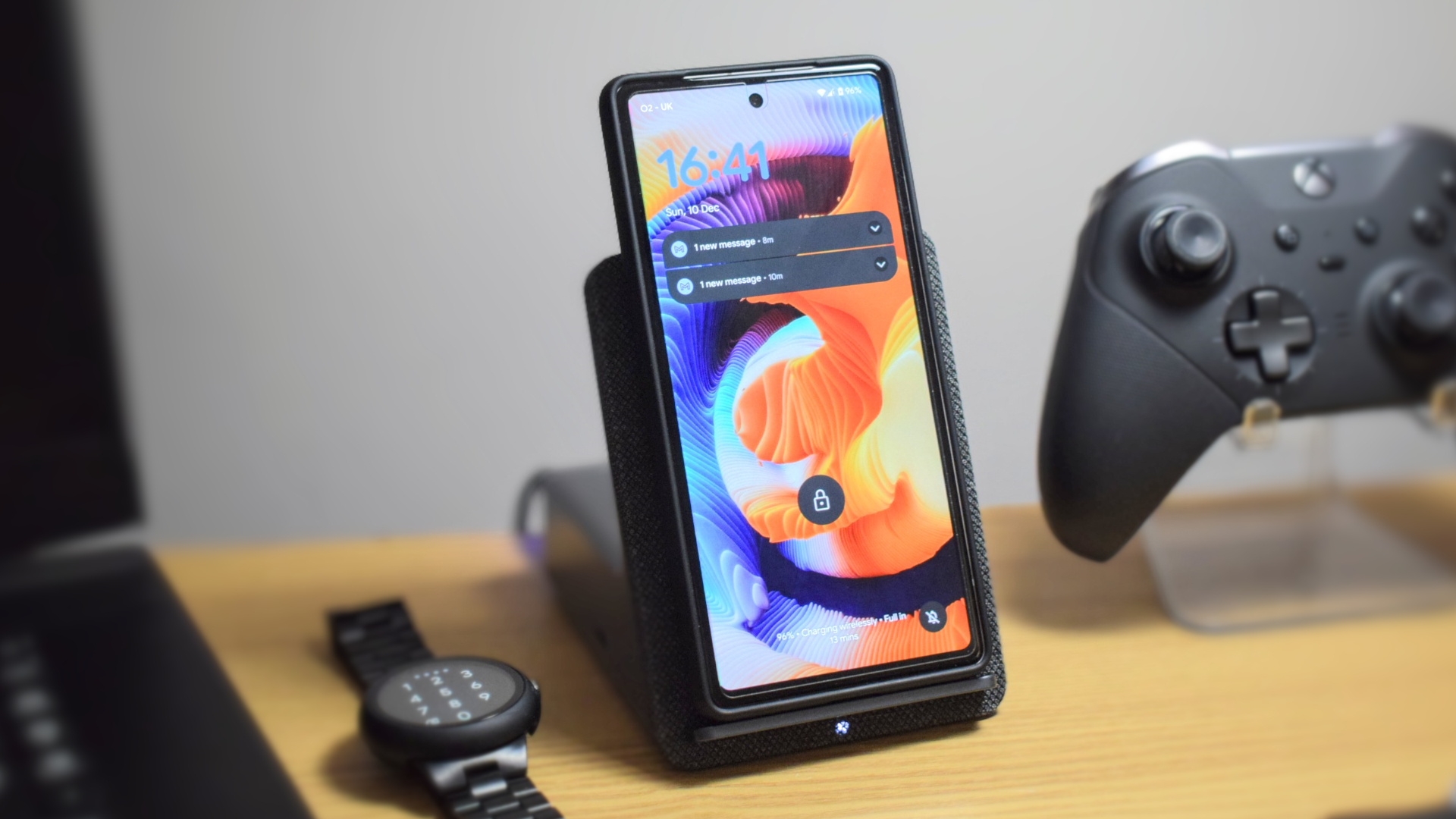
✔️ You want a dock that charges your laptop and smartphone: The Dell Dual Charge Dock's unique selling point is its 12W Qi wireless charging cradle which is excellent for keeping your smartphone, earbuds, or other compatible devices topped up throughout the day alongside your laptop.
✔️ You're want a reliable, dependable budget buy: Dell's docking stations are some of the best around, from performance to build quality. The Dual Charge Dock is no exception, offering solid speeds, port selection, and features at a price south of $100.
Don't buy it if
✖️ You need a lot of ports: The size of Dell's Dual Charge Dock is its undoing when it comes to its number of ports. While Dell does a great job of fitting as many in as possible, this dock won't run a larger setup without some congestion issues.
✖️ SD / micro SD cards are essential to you: Continuing on from our last point, the size of the Dual Charge Dock also means that it doesn't feature an SD or even a micro SD card reader.
It's hard to deny the impact that a docking station can make on your setup, but it's easy to talk yourself out of it if you're buying on a budget that can't stretch to some of the more expensive models out there.
However, not everybody needs to buy big in order to get the most bang for their buck. If you're looking for a dock to manage a more modest setup, then the Dell Dual Charge Dock will not only serve you well, but also provide an excellent 12W Qi wireless charging cradle in the process.
When I reviewed the Dell Dual Charge Dock at the end of 2023, I was amazed at how effortlessly it found a home on my desk and at how quickly it because a vital piece of equipment for keeping my smartphone topped up throughout the day at the same time as my laptop with its 90W of Power Delivery.
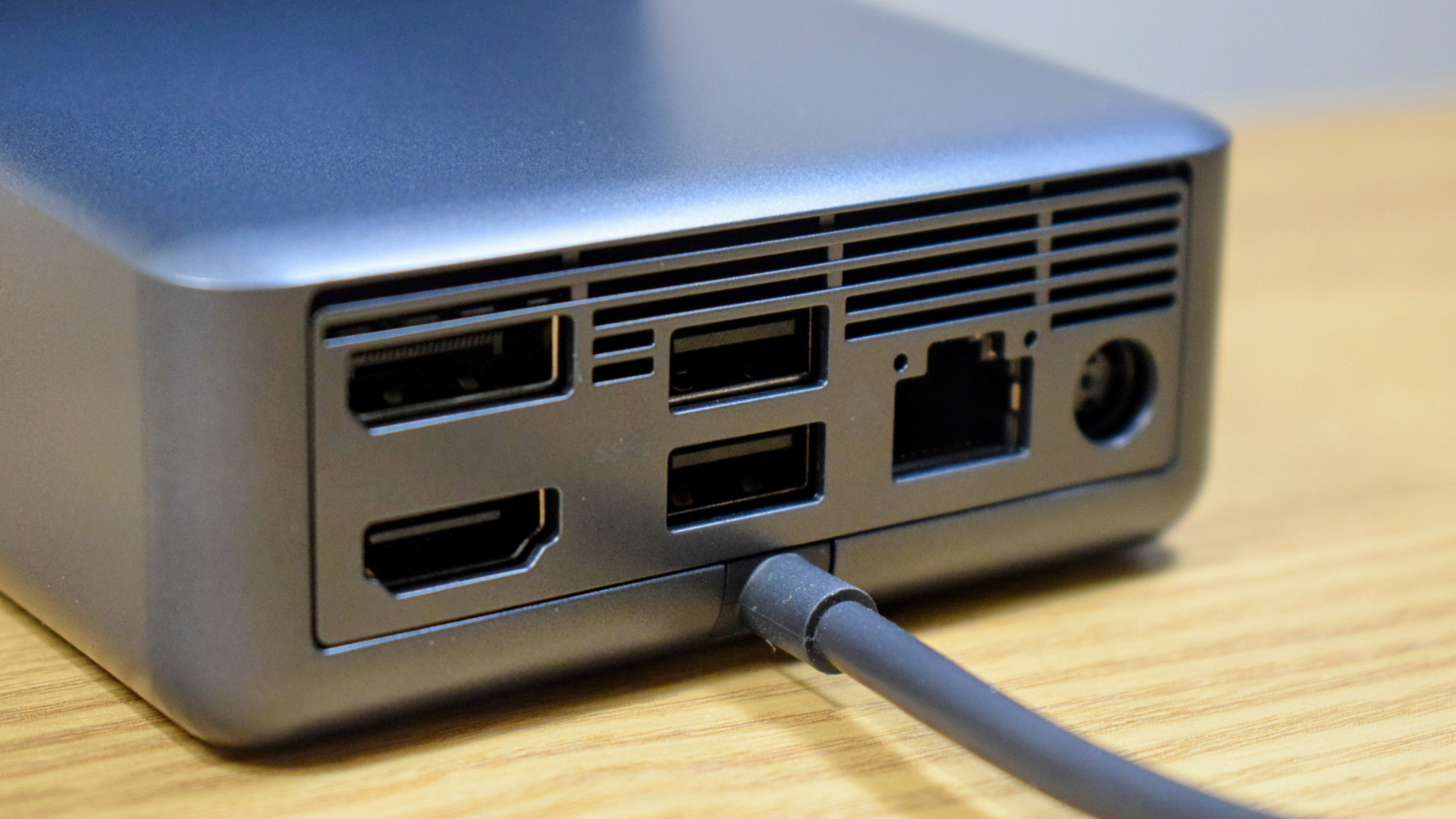
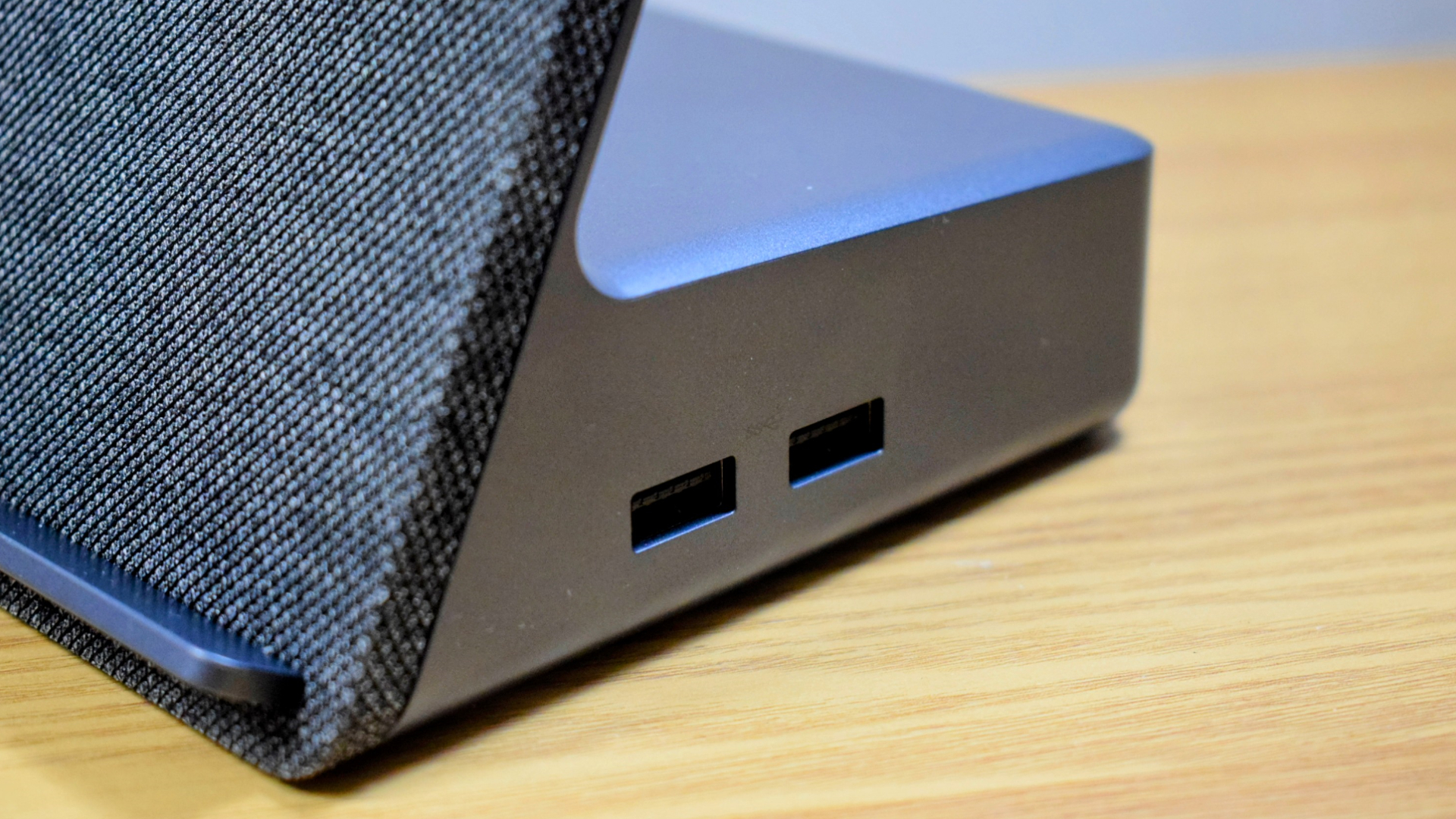
While Dell's docking station might be small, its potential for managing your setup and keeping a host of devices powered is anything but. This 8 port expansion offers mostly legacy USB Type-A ports (though video outputs, ethernet, and a USB Type-C port also feature), which are ideal for managing wired/wireless mice or keyboards an a host of other common peripherals. It can also manage up to two external displays with its HDMI 2.1 and DisplayPort 1.4 video outputs.
Even though it's small, the Dell Dual Charge Dock offers some impressive cable management to boot, ensuring that you can have a busy workspace that remains clear and clutter free.
It's sub-$100 price is a rarity for docking stations with this level of function and quality behind them, and while it's by no means a perfect product, it does so much right that it becomes difficult to hold its lack of an SD/micro SD card reader against it, or even that it features a tethered host cable.
The Dell Dual Charge Dock is impressive value for money, refusing to leave you feeling short changed for picking up an affordable option. It's not just a dock, its the point of power for your setup, and it can also double up as a handy display stand for other devices while on charge, too.
If the Dell Dual Charge Dock's asking price is still too rich for your blood, don't fret! I'd recommend checking out our selection of the best USB Type-C hubs instead for a look at some smaller and more affordable options.
50% docking station, 50% sound bar, 100% worthy of a place on your desk.
Impressive 55mm neodymium speakers
DisplayPort and HDMI support (4K HDR @ 60Hz)
100W of Power Delivery to host
Bluetooth 5.1 support
Incredible look and design
Beamforming mic array can sound tinny
No Thunderbolt support
Why is it our top premium pick?
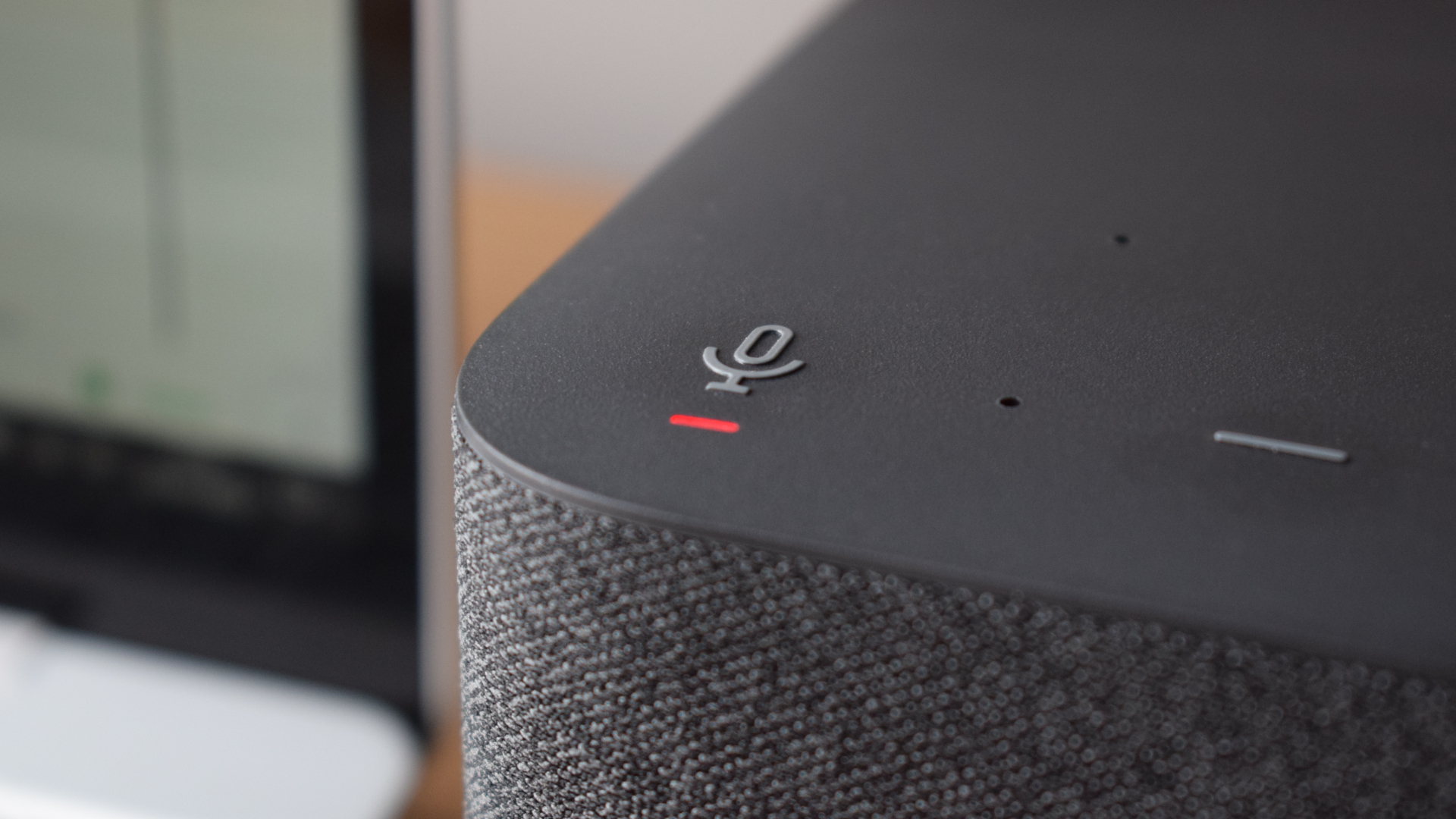
The Logitech Logi Dock isn't just a fantastic docking station; it's also a quality conferencing tool with a built-in beam-forming mic array and a fantastic small-scale soundbar that can elevate everything from the audio of video calls to your favorite tracks on Spotify. Its small footprint is appreciated once you realize this one device does the job of three, bringing solid value to its premium price.
Buy it if
✔️ You want a dock that does it all: The Logi Dock's aspirations stretch far beyond providing you with more ports. It pulls triple duty as a micro soundbar and conferencing tool. It's fantastic for work or entertainment and can quickly cement itself as an essential element of your setup.
✔️ You don't have a lot of space to work with: One of the key benefits of the Logi Dock is how much it can do with such a small footprint. If you're working at a smaller desk, the Logi Dock's many uses can cut the fat on your setup and leave you with one device to take over much of your computing needs simultaneously.
Don't buy it if
✖️ You need to control more than two external displays: Logitech's dock seems to have been designed to handle small to mid-sized setups primarily. As such, if you're looking to manage a larger setup then you could run into issues while being hampered by its port selection, particularly if you need to host more than two external displays at any one time.
✖️ You need a lot of legacy ports: The Logi Dock comes with three USB Type-C ports you can make use of, but only two legacy USB Type-A ports. If you're a heavy peripheral user and these ports are in high demand, Logitech's dock may leave you high and dry.
Logitech's Logi Dock is the docking station so good that they almost named it twice. It's no easy task for a docking station to generate excitement. Hardware like this is designed to be functional, and its design and additional features are often seen as an aftersight.
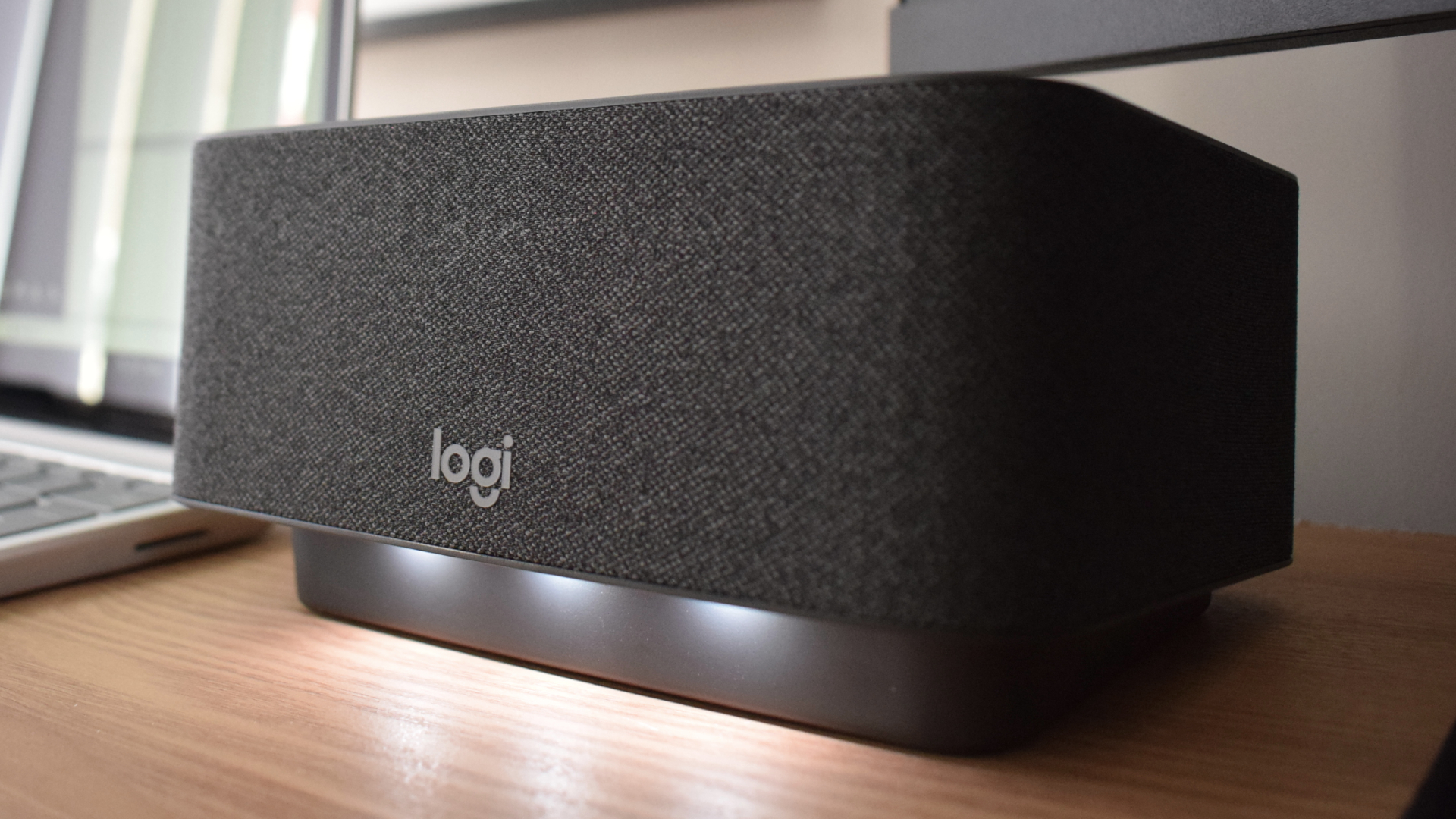
However, Logitech has seemingly pulled off the impossible with the Logi Dock, creating a device that is stunning to have featured in your setup and serves many purposes along the way.
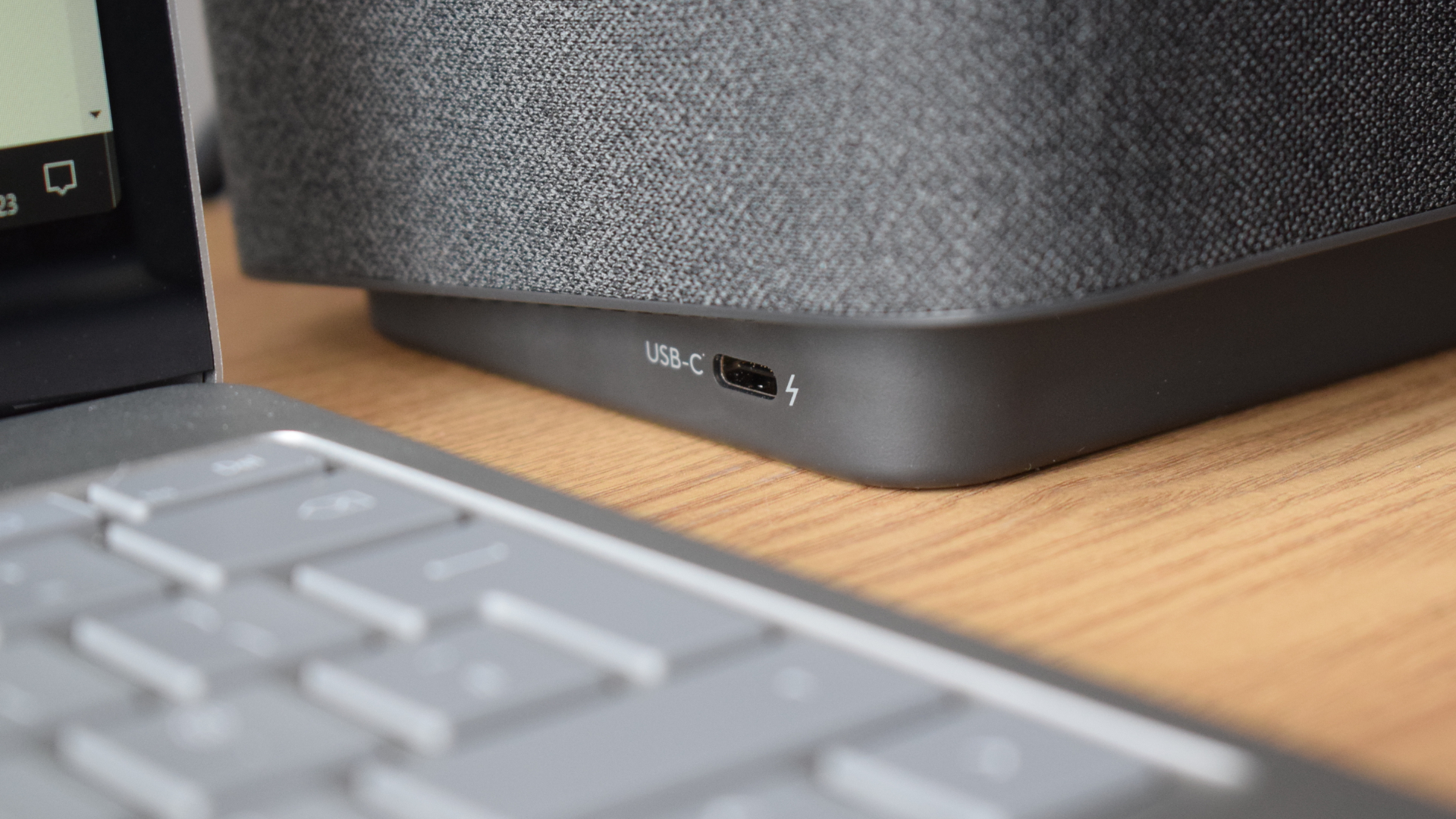
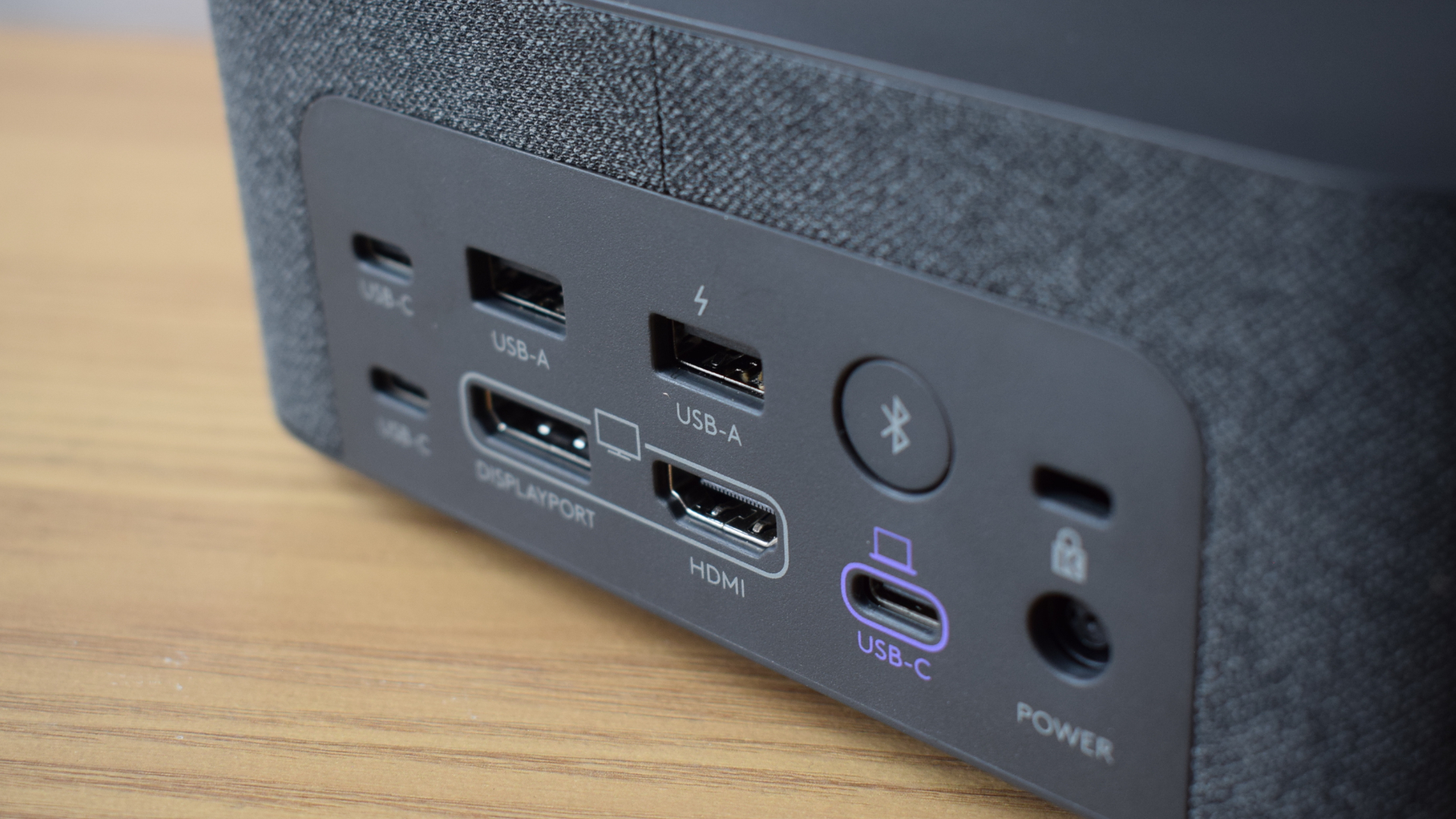
Not only is Logitech's offering a fantastic premium product, but it excels in connectivity: It uniquely offers Bluetooth 5.1 pairing of up to 7 additional devices beyond its eight-port expansion. Of those ports, three are USB Type-C, two are USB Type-A, and the remaining two are HDMI and DisplayPort outputs that support resolutions up to 4K with HDR and a 60Hz refresh rate.
You may notice that none of the ports mentioned were Thunderbolt 4 or USB4 compatible, which, I can't lie, would have really pushed the Logi Dock to all-new heights. However, it would likely have pushed its cost in a similar direction, and the Logi Dock already has a premium price tag.
Far be it from me to turn my nose up to a solid USB Type-C dock, though. Especially when there's so much more on offer here than a simple case of port expansion. This dock is also outfitted with custom 55mm neodymium drivers, making it a stereo soundbar with no right sounding as impressive as it does for being part of a docking station setup.
But that's the trick Logitech has pulled here. The Logi Dock isn't just a docking station; it's also a fully-fledged conferencing tool with a built-in noise and echo-canceling beam-forming mic array, simplifying your setup for both work and entertainment. It's a little bit of everything, and it does it all impressively well, but it does come with a challenging price tag.
This kind of multi-functionality is hard to come by regarding docking stations, but it's one of the things I enjoy coming across most. Docking stations can get a little dry and bland sometimes, and there's nothing wrong with that. They are, after all, meant to blend into the background and quietly manage your setup from the shadows. However, when manufacturers think outside the box and combine their docks with other accessories or peripherals, they address one of a dock's primary tasks, which is often overlooked: Cable management.
Cable management isn't exactly at the top of the list of things reviewers take a docking station to task for, but I'm not like most reviewers. I believe that the hardware responsible for managing your connections should do a decent job of keeping things neat and tidy as it does so. It reflects the thought that went into the dock itself, after all.
I'm also a firm believer that there's no better cable management than being able to replace the need for specific cables to be there in the first place. The Logitech Logi Dock is a docking station first and a mic and speaker bar second, eliminating the need for separate devices cluttering your setup.
Earns each of its platitudes with ample ports and speedy performance.
18-in-1 hub
Fast Thunderbolt 4 ports
98W of host charging
2.5 Gigabit Ethernet
Performance comes at a premium
No HDMI
What is a Thunderbolt 4 dock?
Thunderbolt 4 docks offer all of USB-C docking stations' connectivity and power capabilities, with all the added benefits of the Thunderbolt standard, like faster data transfer speeds of 40Gbps. Thunderbolt docks are the more powerful devices and, in turn, more expensive. However, they experience fewer bottlenecking issues due to the increased bandwidth available, making them the ideal option when performance is paramount.
Buy it if
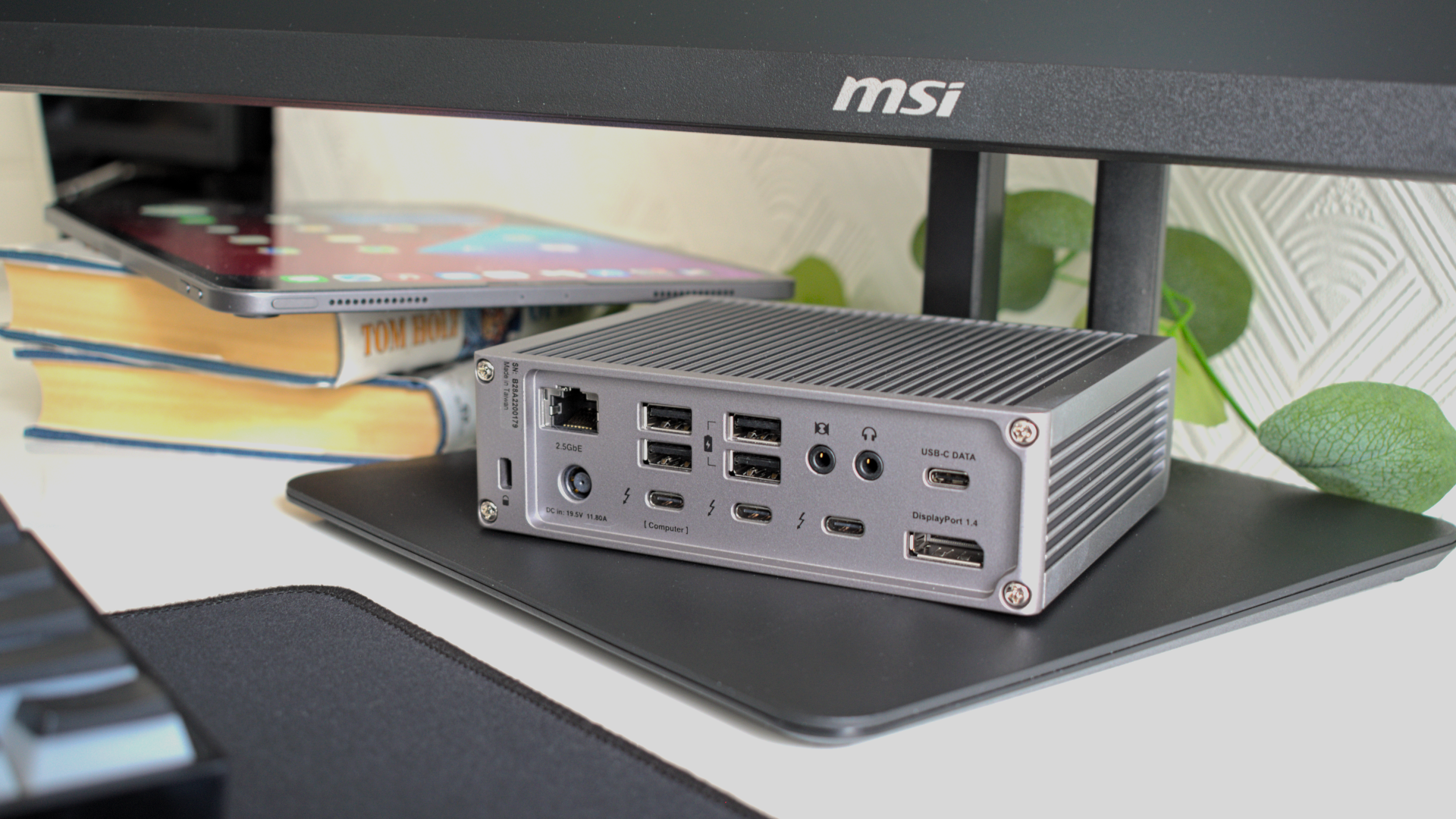
✔️ You want a high-performance dock: When you need a docking station capable of ultimate performance, the CalDigit TS4 is absolutely deserving of a spot on your shortlist. Its 18 ports include two 40Gbps Thunderbolt 4 ports, a 2.5Gbps Ethernet port, and a myriad of high-spec USB ports to boot.
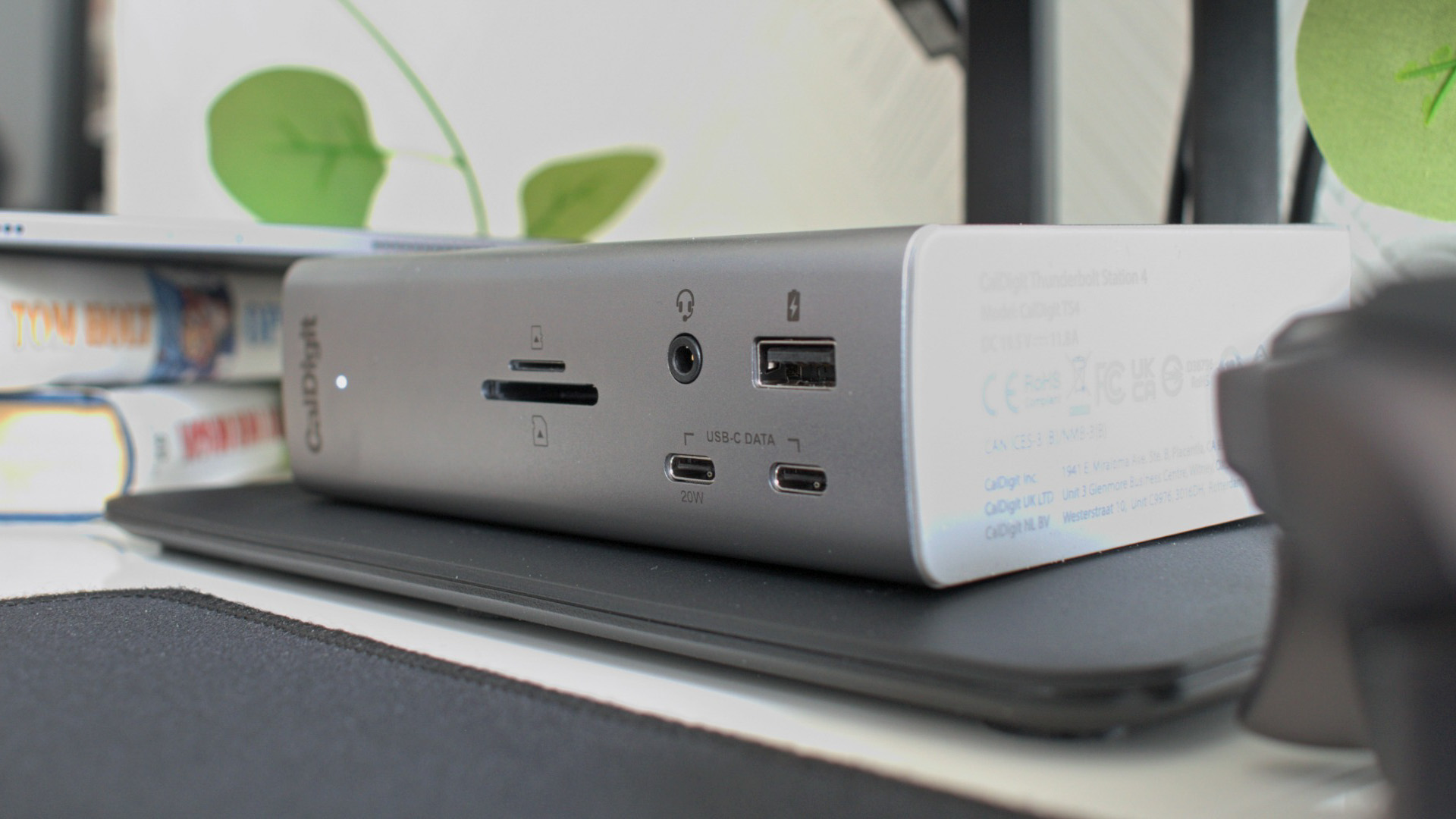
✔️ You want to charge your phone or tablet, too: Thanks to a front-facing 20W USB Type-C port, the TS4 can also charge your phone or tablet or connect to a charger to power your smartwatch or any other device of your choosing.
Don't buy it if
✖️ You don't want to spend much money: There's no other way to cut it; the CalDigit Thunderbolt Station 4 is expensive. Suppose you're working within a budget, even if that budget is considerable. In that case, the TS4 is a grand investment — especially when more basic Thunderbolt 4 docks are available for less, like the Plugable Thunderbolt 4 and USB4 HDMI Docking Station (TBT4-UDX1).
✖️ You don't require many Thunderbolt connections: If you're a video editor, software developer, or other creative professional, having access to a full suite of accessories and peripherals working at top speed is a fantastic boon. However, for most people, this dock's performance is akin to getting behind the wheel of a Bugatti and never needing to move beyond first gear.
Whether you own a Thunderbolt 4 computer, USB4 Chromebook, or Apple Silicon MacBook, the CalDigit Thunderbolt Station 4 is a fantastic solution for your workstation needs—especially if those needs require you to have access to some of the fastest data transfer rates until Thunderbolt 5 docks begin making an appearance.
However, its power does lead to a considerable drawback: its price. The TS4 is one of the more expensive options on this list, and considering the already high price of docking stations, that's saying something. Performance is what you're paying for here, and you'll get it in spades, along with plenty of ports and a considerable power supply.
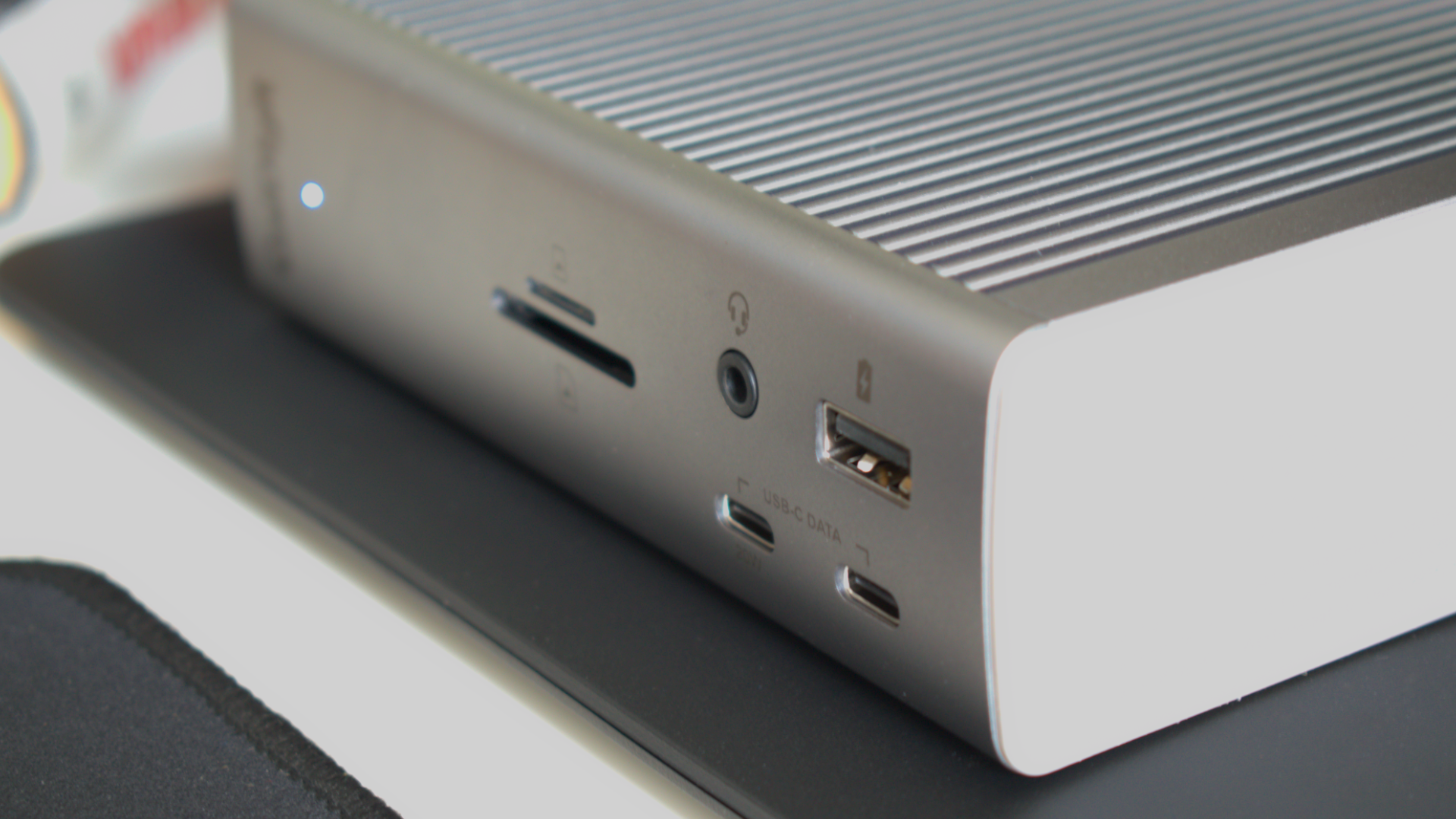
The TS4 offers an incredible 18 additional ports (17 after the host port is connected), including an SD and microSD card reader, two Thunderbolt 4 ports, and a myriad of audio and USB Type-A/Type-C ports.
It's port expansion heaven, which sounds so dull it could make trainspotting look like Monday Night Football, though I promise you that's far more exciting than I made it sound.
Throw a dart at this dock, and you're likely to hit a port offering impressively fast speeds. This makes it the perfect option for professional power users who need a full array of accessories to maximize their productivity and performance.
That productivity can be further enhanced with support for up to two external displays. A DisplayPort 1.4 connection will allow for an external display with up to 8K resolution, or it can work in tandem with a USB-C DP port to power two displays with 4K resolutions at a refresh rate of 60Hz. You can even drive an external display for your Chromebook if it has a USB4 connection.
Better still, the TS4 is a veritable desktop power station, offering 98W of host charge and a number of powered ports to keep your peripherals and sidekick devices juiced up throughout the day. Included among that number is a USB Type-C port that offers 20W of Power Delivery alone, ideal for keeping your smartphone or tablet topped up throughout the day.
The CalDigit Thunderbolt Station 4 isn't the latest Thunderbolt dock to release, but no matter how many more I've come across, I always return to the TS4 as my favorite.
Based on performance alone, it's one of the best options. Still, factor in its tiny footprint, vertical/horizontal positioning, excellent cable management, and wealth of power for your host machine and other devices, and you have a brilliant docking station — one well worth its place on this list.
An all-in-one dock that's out-standing for smaller setups.
Ergonomic monitor stand
Speedy USB ports
Incredible cable management
Sleek, modern design
Built-in wireless charging
More ports would be nice
Only one video out
What is a USB-C dock?
USB-C docks are the base-level standard for most modern docking stations, having since replaced the previous USB-A format. While not as fast as Thunderbolt 3/4 or USB4 docks, USB-C docks still offer decent speeds and are fully compatible with Thunderbolt and USB4 ports (though limited to a maximum transfer rate of 20Gbps).
Buy it if
✔️ You want to make the most of a smaller desk: The Anker 675 USB-C Docking Station is an all-in-one solution for smaller desks. It offers an ergonomic stand ideal for monitors up to 24 inches in size, speedy ports with excellent cable management options, and a storage nook for your most used tech.
✔️ You want to charge your phone or tablet, too: The shelf features a wireless charging pad that allows you to charge any compatible smartphone or tablet with ease.
Don't buy it if
✖️ You use more than one monitor: Anker's docking station offers a single video output designed to manage a monitor sat on its aircraft-grade aluminum shelf. If you plan to use more than one monitor, this dock may leave your additional displays high and dry.
✖️ You need a lot of ports: The Anker 675 has a solid variety of ports on tap, but the number of each isn't all that high. If you're a peripheral power user or have a fairly expansive desk setup, you might find docks like the CalDigit Thunderbolt Station 4 more accommodating.
The Anker 675 USB-C Docking Station is a sleek and deceptively crafty device that effortlessly blends into your setup by posing as a modern monitor stand. However, it's also an exceptional docking station, pulling double duties as an excellent port expansion and charging solution that offers top-tier cable management.
Anker's dock has been one of my favorites to review this year, as I'm always impressed when a docking station goes the extra mile to cover as much ground as possible. Multipurpose docking stations like the Anker 675 allow you to make the most of smaller desks or more confined work areas by taking on multiple roles within your setup.
With this dock in place, not only did I not need a separate monitor stand to ensure my screen was positioned correctly, but I also didn't need to worry about finding a place to charge my smartphone either, thanks to a built-in Qi-certified 10W wireless charging panel embedded into the aircraft-grade aluminum shelf.
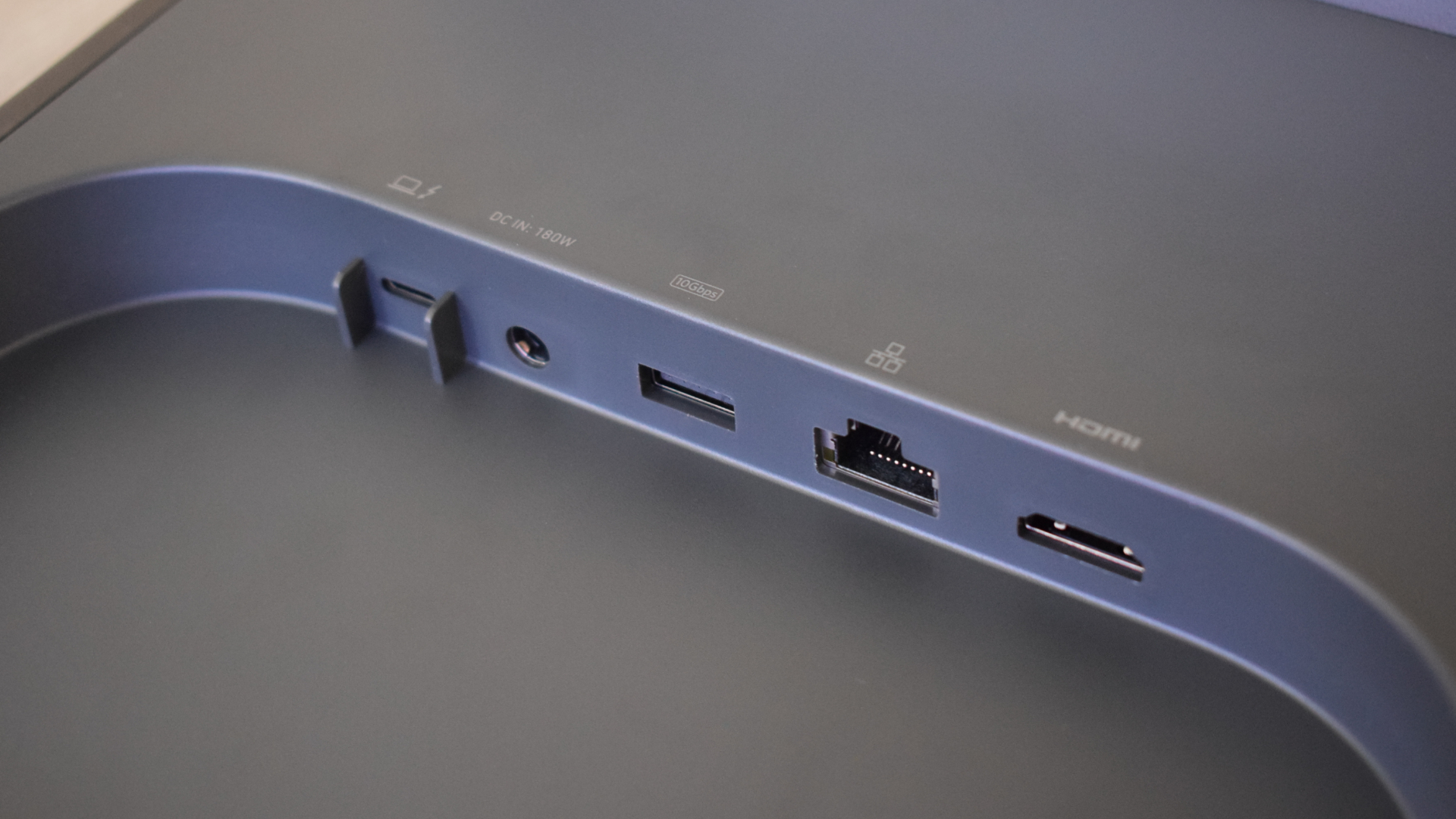
However, while I personally use a monitor arm for my display, I still found great use for the Anker 675 to neatly house my most used accessories and peripherals—keeping my desk and work area looking immaculate in the process. Aiding that further is the Anker 675's incredible cable management system, which includes an underside cable caddy to keep wires tucked neatly out of sight.
If you're a power user and want multiple displays simultaneously, then Anker's dock might not be everything you're hoping for. This dock only supports one external display, but it does so at 4K resolutions and 60Hz. The Anker 675's sturdy frame is great for monitors up to 24 inches, but it can support whichever size display you prefer as long as it doesn't exceed the aluminum frame's 22-pound weight limit.
While each of the Anker 675's available ports is speedy (with plenty of them also offering decent charging options beyond the 100W of Power Delivery to the host machine), they are limited in number. This is another reason this dock would be excellent for smaller setups.
However, there's still plenty of space to connect a mouse and keyboard, with ports left over for additional peripherals. There's even a built-in SD/microSD card reader so you can quickly access flash memory if your laptop doesn't offer a reader of its own.
It might not be the most powerful dock available, with no Thunderbolt 4 support. But Anker's dock is definitely among the most useful, going above and beyond to manage your setup and ensure that every bit of space you have is made good use of.
Gaming docks aren't actually a docking station category, but some docks—which offer plenty of ports for peripherals or accessories and excellent monitor support for speedier refresh rates—will lend themselves pretty well to managing a gaming setup. Check out our article "Do you need a docking station for gaming?" for more information.
Buy it if
✔️ You're looking for speedy refresh rates in external displays: At 4K resolutions, Razer's dock will deliver refresh rates to two external monitors at 60Hz. However, the lower the resolution of your monitors the faster that refresh rate climbs, capping out at 240Hz for FHD (1080p) monitors.
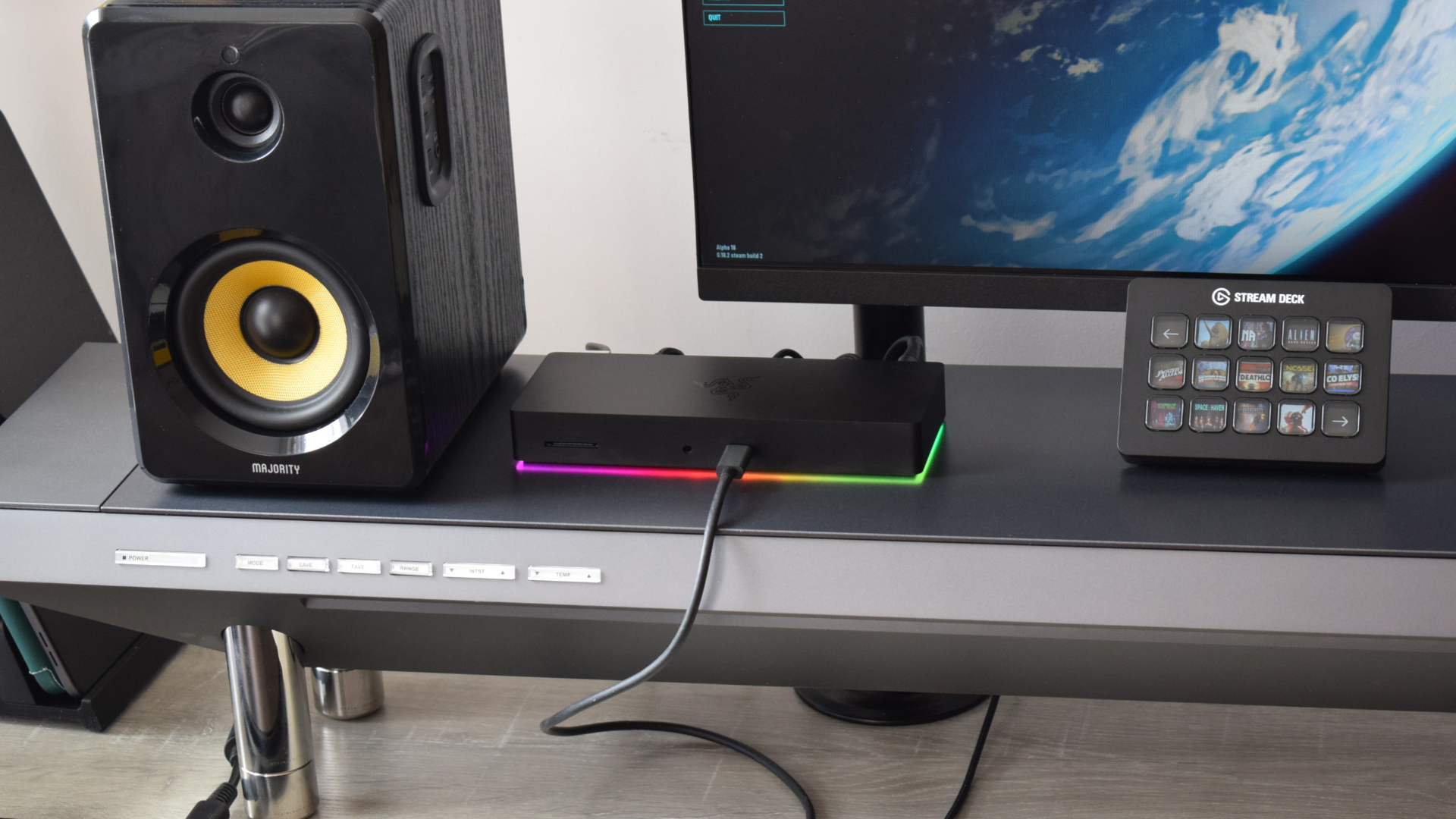
✔️ You love the gamer aesthetic: With its RGB underglow, the Razer Thunderbolt 4 Dock Chroma is an ideal piece of hardware to find a home in any aspiring battlestation.
Don't buy it if
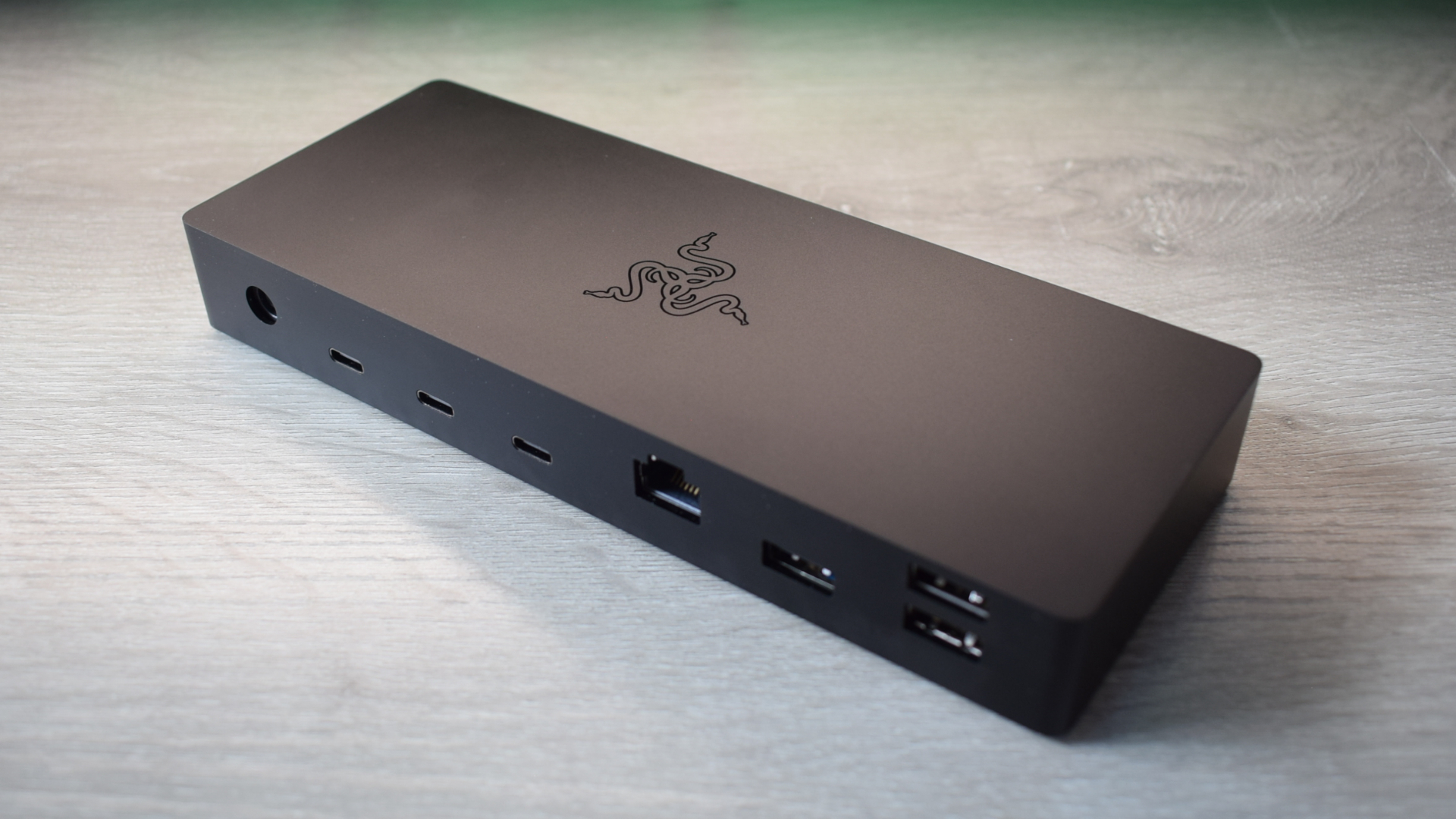
✖️ You run a larger setup/battlestation: Razer's dock turns the flair up to 11, but its port count can't quite make it that far. With three speedy Thunderbolt 4 ports and a trio of legacy USB, this dock will struggle with larger setups, but suit those with a small to mid-sized setup perfectly.
✖️ You want an all-in-one charging solution: The Chroma has plenty to offer, but its 90W of Power Delivery will struggle to keep even the least demanding gaming laptops charged under load. This isn't Razer's fault, it's more a limitation of the technology behind current Thunderbolt connections, but it will mean you'll need to rely on your laptop's proprietary charger to keep things topped up still.
Despite the Razer branding, this Thunderbolt 4 dock isn't marketed as a gaming docking station, but its gamer aesthetic and high-performance ports and video output make it an ideal option for those looking to level-up their setup or battlestation.
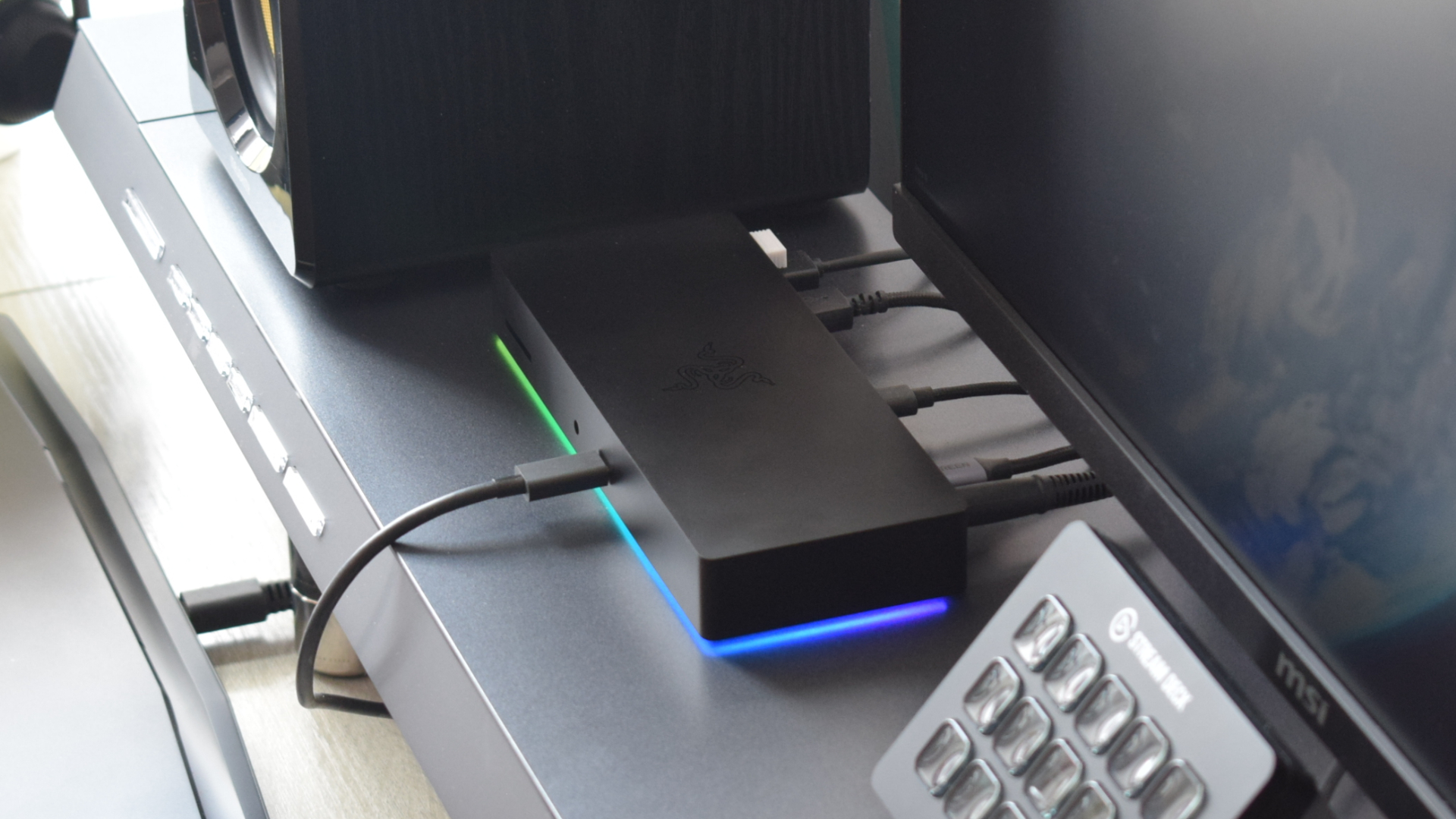
The Thunderbolt 4 Dock Chroma oozes Razer's modern gamer chic with its monolithic aluminum chassis. However, while strikingly modern and sleek, this is a Razer product, and no Razer product is quite complete without a peppering of RGB lighting. For the Chroma, this means rich underglow lighting from a 12-zone RGB strip that traces the base of the dock along the sides and front.
This striking feature makes the Razer Thunderbolt 4 Dock Chroma look absolutely stunning against the typically hum-drum appearance of its contemporaries, and can be customized to show various colors in a range of patterns—the Razer Synapse app even allows for advanced customization that can color match to certain areas of your screen, adding a small but noticeable level of ambient lighting to your setup.
It's not all about this dock's looks. Razer's Thunderbolt 4 Dock Chroma is also an incredibly speedy Thunderbolt docking station that offers three additional downstream Thunderbolt 4 ports that provide power, fantastic data transfer rates of up to 40Gbps, and excellent video output options.
There's no HDMI or DisplayPort outputs on Razer's dock, meaning if you're not using a USB Type-C or Thunderbolt monitor then you'll need to pick up an adapter to link up an external display. However, the dock's speedy Thunderbolt 4 ports also offer impressive bandwidth that can provide high resolution support and super fast refresh rates to up to two monitors at once.
If you're running at 4K resolutions, then Razer's dock will provide refresh rates of up to 60Hz. Razer's dock can also deliver refresh rates of up to 144Hz or 240Hz for monitors with QHD or FHD resolutions, respectively. This makes it a fantastic option for gamers who want all the benefits of an excellent Thunderbolt 4 dock, without sacrificing on buttery smooth game-friendly performance.
The major downside of Razer's Thunderbolt 4 dock is its 90W of Power Delivery. It falls far short of keeping even a modest gaming laptop fully charged under load, and will force you to keep using your proprietary charger if you want to avoid cutting your play time short.
While this likely isn't too much of a hassle, as most gaming laptops will take up semi-permanent positions at a desk for most, it can be frustrating to know that this dock's charging potential, which is a big factor in its $299 (at the time of reviewing) price tag, is something you won't be able to make regular use of.
A zero footprint dock that excellently doubles as an ergonomic laptop stand and SSD enclosure.
Built-in SSD enclosure
Decent selection of ports
Much-needed heat vents
75W Power Delivery to host
Improves laptop ergonomics
Strictly MacBook-first design
No card readers
Requires two left-side USB-C ports
Do all docks work with MacBooks?
While all of the docks on this list will work with MacBooks, the Satechi Dual Dock Stand is a docking station specifically designed for MacBooks. As such, we've listed this MacBook dock individually to highlight its MacBook-first design and focus.
Buy it if
✔️ You want a minimal setup: The Satechi Dual Dock Stand is a zero-footprint device that takes its place underneath your MacBook, mostly out of sight. If you're looking for a neat and minimal look for your setup or are working at a smaller desk, then this dock's footprint will be ideal for you.
✔️ You want an all-in-one docking station: This dock does it all. Not only does it offer valuable port expansion, but it also elevates your MacBook to improve ergonomics and the overall typing experience, and it includes an SSD compartment to bolster your storage.
Don't buy it if
✖️ You have other uses for your Thunderbolt ports: Satechi's dock requires the use of two USB Type-C ports on the left hand side of your device. This will consume your Thunderbolt ports entirely, and it won't return a Thunderbolt port to you in its port selection.
✖️ You make frequent use of SD/Micro SD cards: While the Dual Dock Stand offers a solid selection of ports, it's notably lacking any SD or Micro SD slots. If you're a content creator, video editor, or photographer and make use of these mediums often, you'll need to make use of an adapter to access your media.
Let me tell you about Satechi's Dual Dock Stand—a device that performs triple duty as a docking station, ergonomic laptop stand, and external SSD enclosure. As mentioned earlier, I'm a big proponent of multi-purpose devices like this. I firmly believe that an excellent all-in-one solution is far easier to manage than three separate devices.
Decked out in Space Metal Grey, Satechi's dock is the ideal MacBook companion visually and a vital accessory for functionality. It offers everything you'd need from a workstation set up with a zero-footprint design that fits snugly under your MacBook, greatly expanding your device's potential and comfort without becoming a distraction.
The Dual Dock Stand's built-in SSD enclosure isn't just ideal for augmenting the storage of your MacBook. Thanks to this dock's lightweight build, tethered host cables, and portability, it can also act as an external SSD, helping to transfer data between devices quickly.
The charge offered by Satechi's dock isn't as high as that of other entrants to this list, offering just 75W of charge to the host machine. However, with Apple's latest MacBooks taking advantage of the impressively efficient Apple Silicon chipsets (M1 > M3), this is enough power to keep most MacBooks topped up easily across your standard working day.
However, there are trade-offs to be made. Satechi's dock is a bit of a port hog for one. It'll require both of your left-hand Thunderbolt ports to run at its fullest potential. This means that if you want to take full advantage of the speeds offered by that standard, you won't be able to do so while the dock is connected.
Of the nine ports it offers in return, none allow you to take full advantage of the host machine's Thunderbolt-capable speeds. You'll be limited to speeds you'd find with any other USB Type-C hub or dock, which could be a deal breaker for power users looking to maximize their productivity and take full advantage of the bandwidth available on their host machine.
If that's a deal breaker for you, I would advise seeking a dedicated Thunderbolt 4 dock like the CalDigit Thunderbolt Station 4 mentioned earlier in this list.
Many docking stations will work with a MacBook, and if you're interested in seeing which are the best for the Apple ecosystem specifically, check out our selection of the best docking stations for MacBooks. All the previously mentioned docks on this list also work with MacBooks. It's just that this dock is specifically designed to work primarily with Apple's laptops.
Not every docking station we review makes it to this list, but that's not to say they aren't worth an honorable mention at the very least. While some of the following docking stations may not be the best laptop docking stations in their category, that's not to say they aren't some fantastic options regardless.
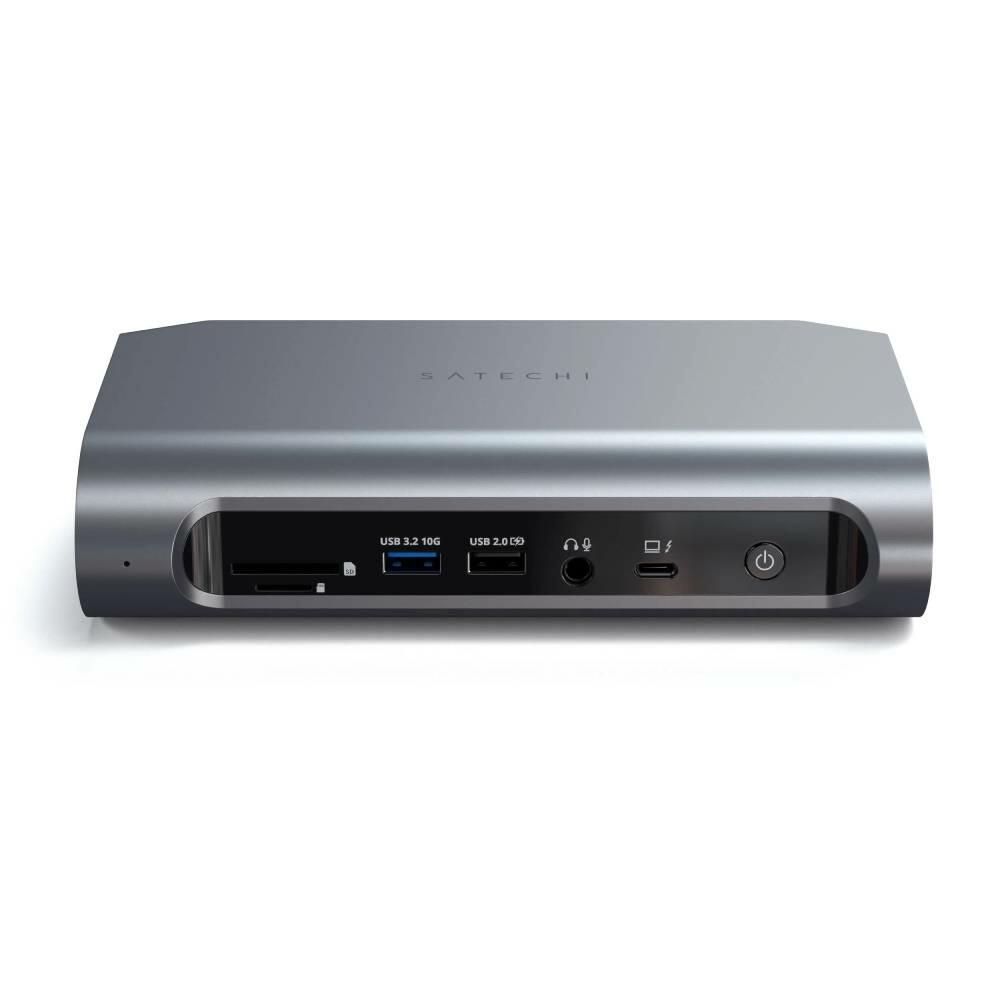
Why isn't it on this list? The Satechi Thunderbolt 4 Multimedia Pro Dock is incredibly similar to our top docking station pick in terms of performance, ports, and power. It also adds several minor tweaks that just make the experience a little smoother, but they come at the expense of a higher price tag.
Pros: Great speeds; Quad-display support; 96W of Power Delivery; Vertical or horizontal placement; 15-in-1 port solution
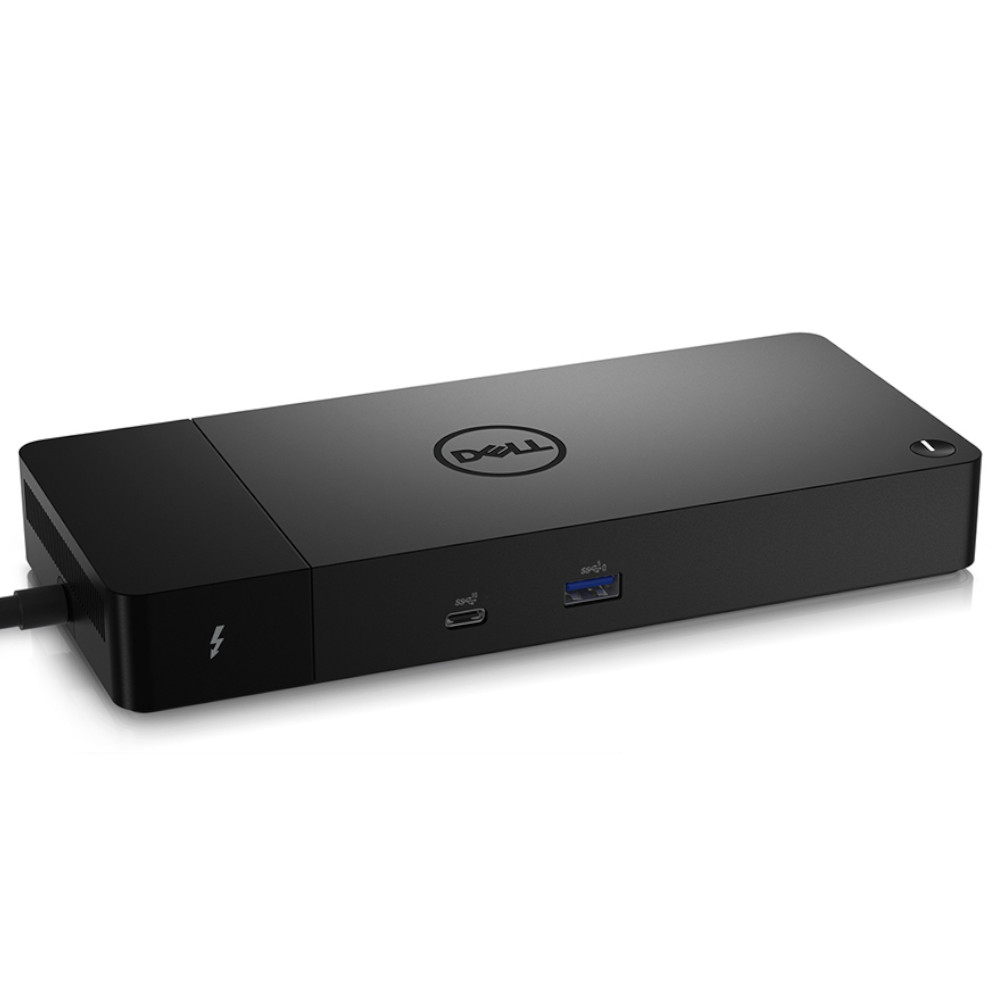
Why isn't it on this list? Dell's Thunderbolt Dock is a very impressive option when it comes to port expansion, but it'll only work at its best when paired with a Dell laptop — which is why it tops our best docking stations for Dell XPS laptops list, instead.
Pros: Great power delivery; varied and fast ports; solid selection of video outputs; modular design for easy upgrades
Cons: 130W charge limited to Dell devices; No SD/micro SD card reader; tethered host cable
Why isn't it on this list? Plugable's TBT4 & USB4 HDMI Docking Station is worthy of a place on most best docking station lists. However, with stiff competition in the Thunderbolt 4 category, it falls ever so slightly short of our featured CalDigit TS4 Station pick — that said, it's cheaper than CalDigit's dock and remains a fantastic option.
Pros: Versatile display outputs; 100W Power Delivery; 20W USB-C charging; Sleek and chic design; Good port selection
Why isn't it on this list? Plugable's UD-4VPD is a fantastic docking station for those who want large resolutions and fast frames rates with top notch port speeds, but its limited port selection holds it back from other USB4/Thunderbolt 4 options like the CalDigit TS4 on this list.
Pros: Dual 4K/120Hz monitor support; 100W of Power Delivery; 2.5Ghz Ethernet; USB4 (40Gbps) speeds; Premium, high-quality build
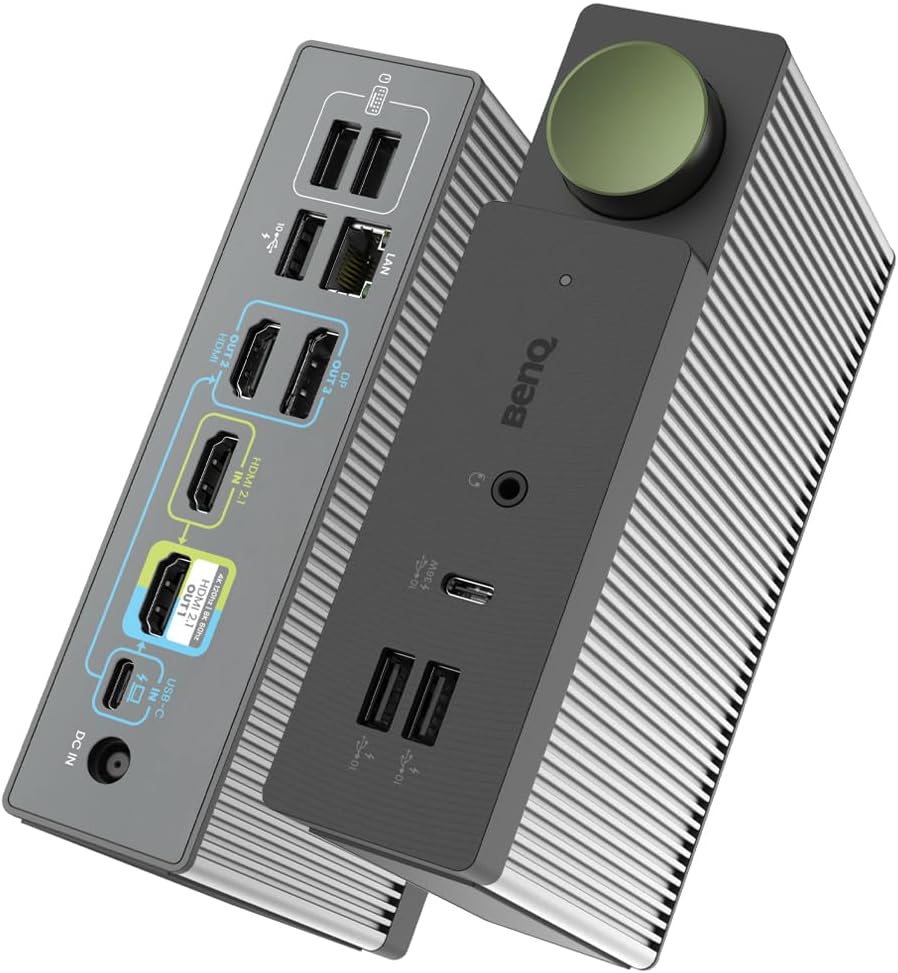
Why isn't it on this list? If you're looking for a docking station that can do something other docks can't by linking up to modern consoles or other HDMI devices to make the most of a limited amount of displays, then the BenQ beCreatus Hybrid Docking Station should be your go-to dock.
Q: What is a laptop docking station? A: Docking stations are primarily hardware port extensions for your PC or laptop. Their core feature is to grant access to more ports with a wider port type selection. This gives you more options for maximizing your machine's productivity, efficiency, and potential by making more peripherals and accessories available at any one time.
In addition to this, most modern docking stations allow you to manage a number of external displays to expand your screen space with ease. They can also supply your laptop (and often accessories, too) with a steady stream of power. This means you can sidestep the use of your laptop's proprietary charger and, highlighting a dock's impressive cable management potential, cut down on the amount of wires in use.
However, some docks offer additional features like doubling as an ergonomic laptop stand, improving audio potential with built-in speakers, or subtly taking its place on your desk while acting as a monitor stand.
Q: Do I need a docking station? A: We can't say for certain that you "need" a docking station, but we can say that most people looking to build a computing setup around a laptop probably should have a docking station.
Considering the number of available ports on modern laptops and their lack of legacy USB I/O, it's likely that you will eventually come unstuck when relying solely on your laptop to manage a host of peripherals, accessories, and external displays.
A docking station manages all of that for you, greatly increasing the number of ports you can use and the variety of ports you have to hand. Not only this, they can help you manage external monitors to great effect, catering to additional screen real estate for productivity, and higher refresh rates for gaming.
Q: Why are docking stations so expensive? A: While a docking station might not look deserving of its price tag from the outside, the inside can house as many chips as the laptop it's connecting to.
Docking stations are incredibly complex hardware that needs to manage several streams of traffic simultaneously, including data, video, and often audio, while supplying a steady stream of power to the host machine and any connected peripherals.
As such, higher-quality docking stations can quickly increase prices. However, that increased asking price will often translate into expanded performance, more ports, and better support for faster, higher-resolution external displays.
Q: Can I use a docking station with my MacBook? A: Absolutely! We looked specifically at the best MacBook docking stations, but each dock listed on this page should work fine with Apple devices. However, it's worth noting that due to limitations with earlier Apple M-Series chipsets, the number of external displays you can use will vary. This shifted with the Apple M4 laptops, so the current best MacBooks all support at least two external displays.
Q: Can I use a docking station with my gaming laptop? A: You can use a docking station with your gaming laptop. However, while you'll still be able to use the expanded port options for peripherals or external hard drives, you'll likely encounter an issue with power delivery.
Most current docking stations charge the host machine with up to 100W. While this is fine for most mainstream laptop models, your gaming laptop is likely to require a little more juice to power itself as it performs more strenuous gaming-related tasks.
Future devices that use Thunderbolt 5 or USB4 2.0 as a standard will be much more accommodating to gaming laptops thanks to an expanded Power Delivery range of up to 240W.
Until then, you're likely to get the best experience by using your gaming laptop's proprietary charger for power needs and using a docking station for its expanded port selection.
Q: Which types of docking stations are the fastest? A: Presently, Thunderbolt 3/4 and USB4 (40Gbps) docking stations are the best pick if you want the fastest data transfer speeds and best overall performance.
In the future, these docks will likely be overtaken by Thunderbolt 5 and USB4 2.0 docking stations, which may offer speeds of 80Gbps and improved power delivery of up to 240W.
Q: What are the differences between a Thunderbolt/USB4 docking station and a USB-C docking station? A: One of the key differences between these types of docking stations is data transfer speed. Thunderbolt 4 docking stations have access to transfer speeds of 40Gbps, double that of the fastest standard USB-C port speeds. USB4 docks can achieve similar speed levels but can be capped at 20Gbps, so check its specifications before buying.
These expanded speeds are great for faster, snappier, and more responsive connections and reduce the risk of a performance bottleneck. While USB-C docks can offer a similar number of high-spec ports to a Thunderbolt dock, the increased bandwidth of a Thunderbolt connection allows for more of those ports to work near their maximum potential simultaneously.
Q: How many external monitors can I connect to a docking station? A: Currently, docking stations typically support up to four external displays.
Q: Do all laptops support external displays through docking stations? A: No, not every laptop can support external displays. If you own a laptop with a Thunderbolt port, connecting a docking station to that port will allow you to extend your screen without issues.
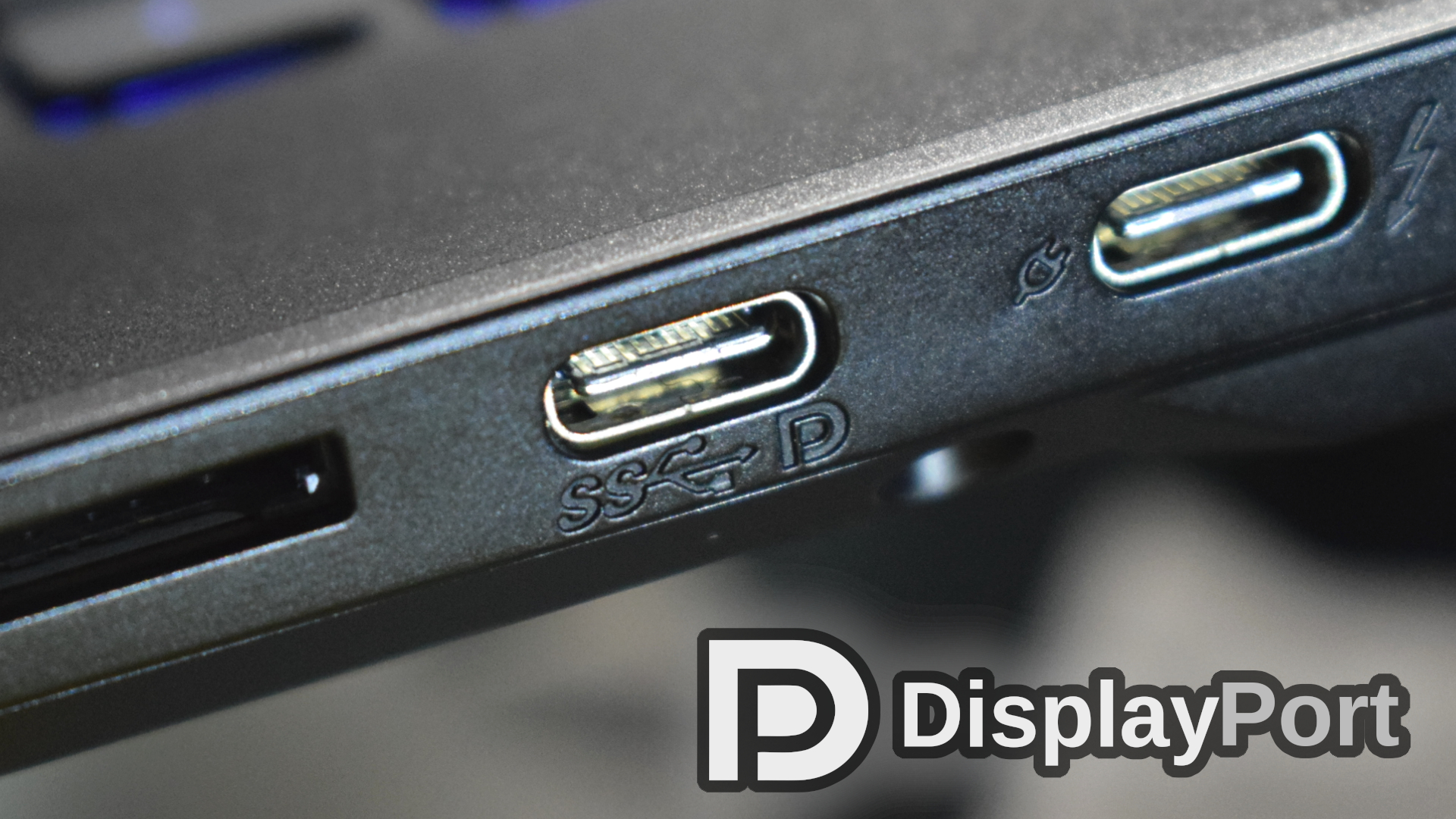
However, if your laptop doesn't use a Thunderbolt connection, you must ensure that your USB-C port supports DisplayPort over USB-C (DisplayPort Alt Mode).
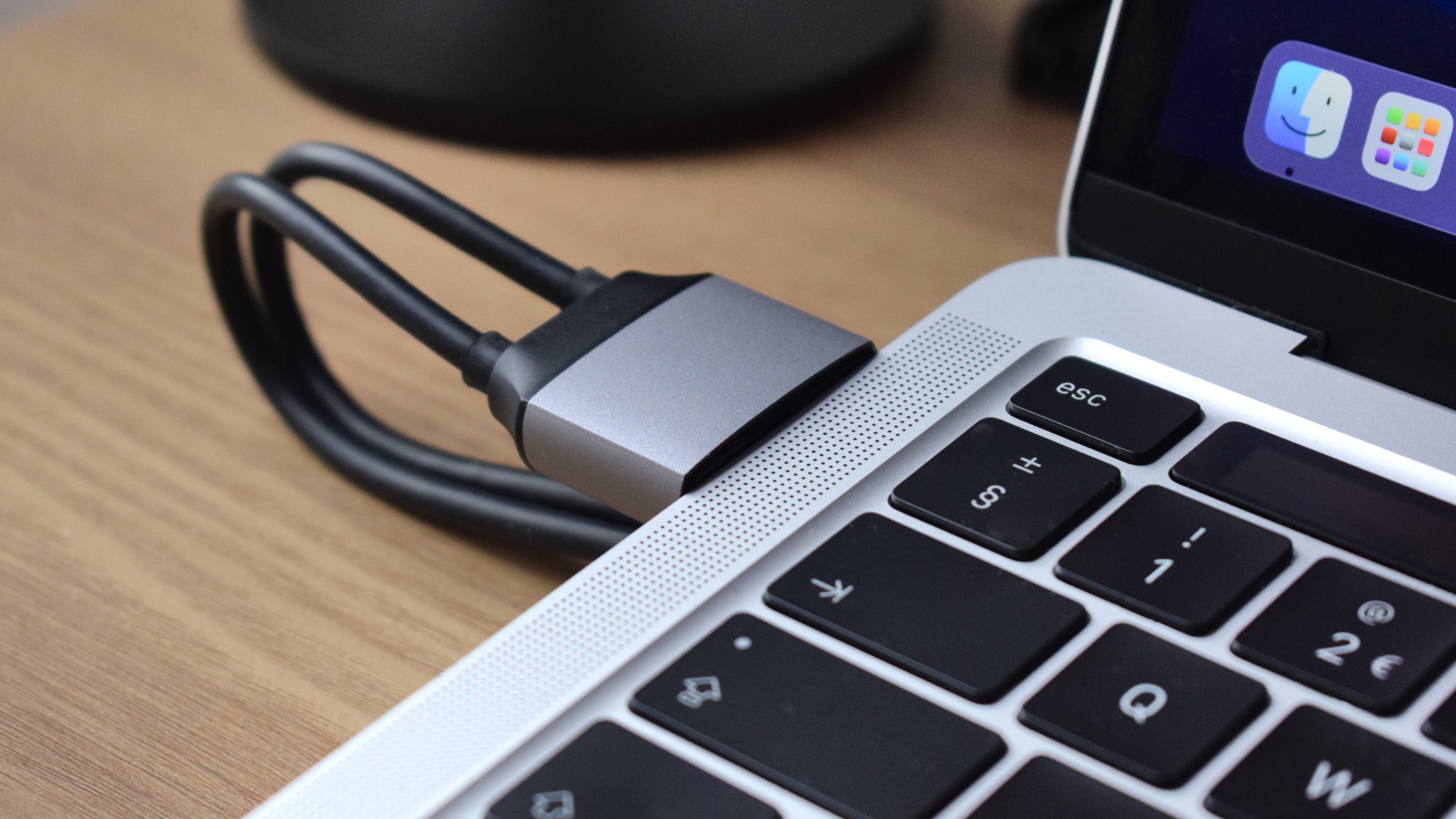
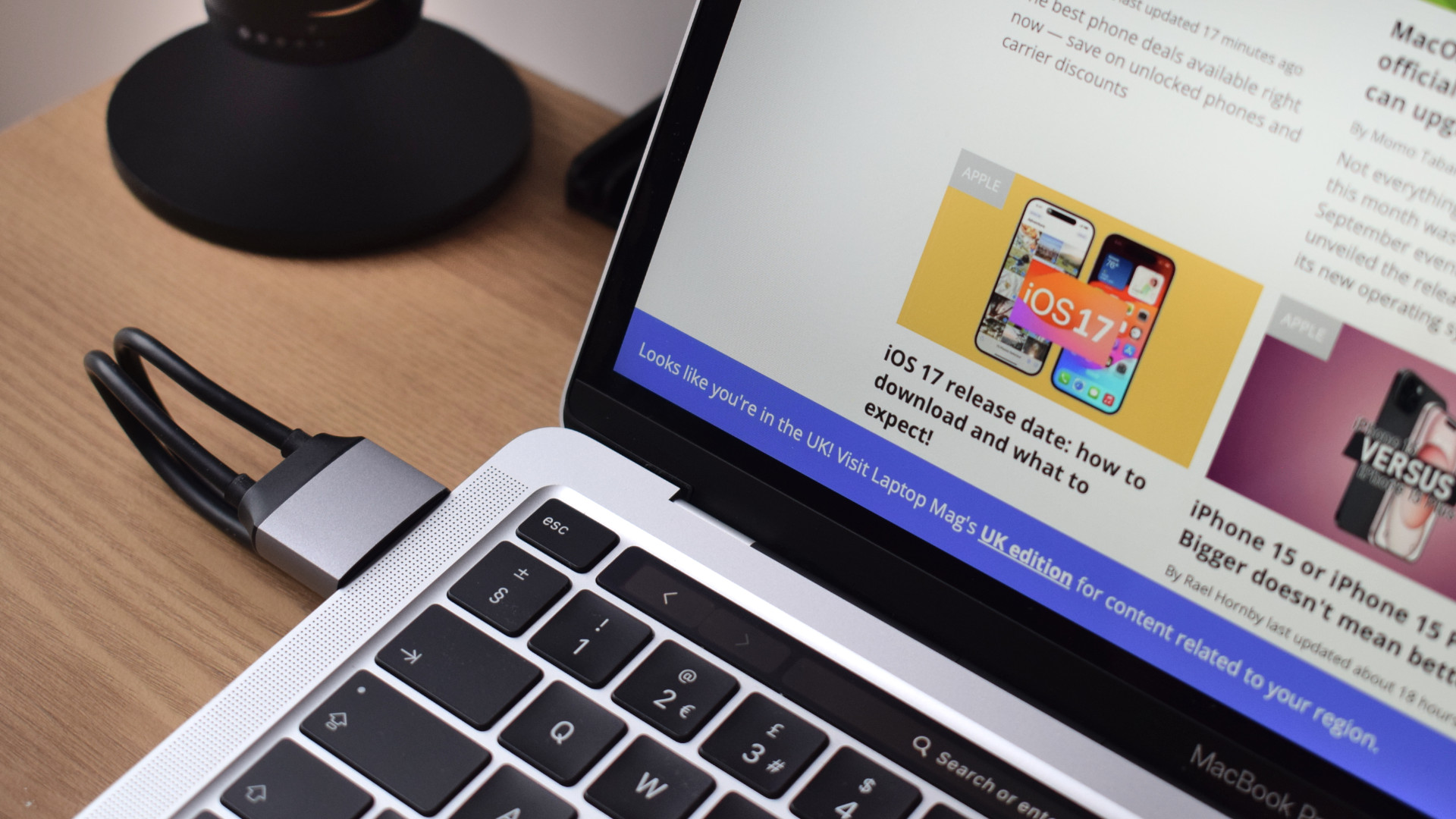
Q: How do I know if my laptop supports DisplayPort over USB-C (DisplayPort Alt Mode)? A: Typically, you can tell if your laptop supports DisplayPort over USB-C by looking at the symbol next to the port. If you spot the DisplayPort logo (a letter ‘D’ overlaid with the letter ‘P’), you should have no issues extending your display.
(Image credit: Laptop Mag / Rael Hornby)
If you don't see the DisplayPort logo next to your USB-C port but notice a lightning bolt symbol instead, this means that this is a Thunderbolt port. Once again, Thunderbolt ports like this should have no issues supporting external displays.
If you can't see any symbols or logos next to your laptop's ports, check the manual or documentation that came with it for information on port specifications.
Every item we review at Laptop Mag is subject to a variety of synthetic and real-life tests to ensure the product operates as claimed and meets the needs and wants of our readers. Docking stations are not different, though there's more involved in our testing process than simply running through a checklist of a manufacturer's claims.
When it comes to docks, we judge a product's performance based on five metrics: power, ports, performance, presentation, and price.
Firstly, we ensure that a docking station delivers the expected charge by connecting it to various laptops (with increasing power demands) and observing how well they maintain their charge throughout a working day. We also use USB power meters to measure the wattage of the charge heading to the host machine.
Secondly, we use the dock's ports to accommodate peripherals, monitors, and accessories across various setups to test how the number of available ports fares depending on the use case. This helps us to determine a dock's ideal use case, with port number and variety all playing a role in determining how it can best be used.
We then test each of these ports, ensuring they perform to the standards claimed by the manufacturer. This can involve transferring files back and forth to and from an external SSD onto the host machine and connecting multiple monitors to the dock's video outputs to ensure there is no noticeable lag or visual hiccups.
Then, we consider how well the dock handles cable management, a key but often overlooked feature. This also takes into account port placement and the dock's overall design and layout.
Finally, we use these metrics to judge the value of each dock against its MSRP to ensure it's a worthy investment. Docking stations are notoriously expensive pieces of hardware to invest in, so we want to ensure that every docking station we recommend delivers the quality that its price tag might suggest.
With this in mind, we score each dock using a 5-star rating, and we select the best docks within certain categories to appear on this page.
Laptop Mag reviews over one hundred different laptops every year, from paperweight ultralights to everyday workhorses to lumbering gaming notebooks that scorch the frame rates of even the hottest AAA games. We're not just experts in the laptop field, as we go one step further by meticulously testing smartphones, tablets, headphones, PC accessories, software, and even the latest peripherals and titles in gaming.
We are 100% independent and have decades of experience to help you buy with confidence. In fact, Laptop Mag has been testing and reviewing products for three decades and continues to deliver trustworthy reviews you can rely on.
Our experienced writers and editors scour information about the laptop and put it through its paces to determine which is best for you. But before they start, the testing team subjects each system to a rigorous regimen of synthetic and real-world tests to see how a system handles the type of work and games you’re most likely to throw at it.
One of the world's largest technology publishers, Future Publishing, enforces our editorial trustworthiness. As a company, we have unrivaled experience across every tech sector — and we're the group's specialist for all things mobile tech.
The best external DVD/Blu-ray drives thumb their noses at streaming platforms, granting you an internet-free gateway to some of your favorite games and movies and all of that digital rights nonsense that claims you don't get to own the things you buy through online services.
Whether you're disappointed by the increasing "streaming purges" on Disney Plus, Max, and other subscription services, or you're tired of paying for numerous streaming services monthly, a DVD drive is becoming a must-have piece of tech once again.
Sadly, not all physical media is made available digitally, and there's plenty of personal footage and data out there that you might only be able to watch via DVD.
My favorite example is 2010’s Transformers: War for Cybertron, an outstanding game practically scrubbed from existence on digital storefronts. You'll have to cough up an arm, a leg, and half an ear to get a legitimate game key from a gray market site, but if you already have the physical game, an optical drive can save you hundreds of dollars to play this hard-to-get gem.
Speaking of hard-to-get, one of the more obvious choices would be to invest in a laptop with a CD-DVD drive, but given the lack of any modern options, you'd be putting yourself at a great disadvantage in doing so.
If you’re looking to invest in an external DVD drive but don’t know where to start, you've come to the right place. We’ve scoured the market and compiled our shortlist of the best external DVD and Blu-ray drives. Let's dive in.
Best external DVD drives in 2025: The list in brief
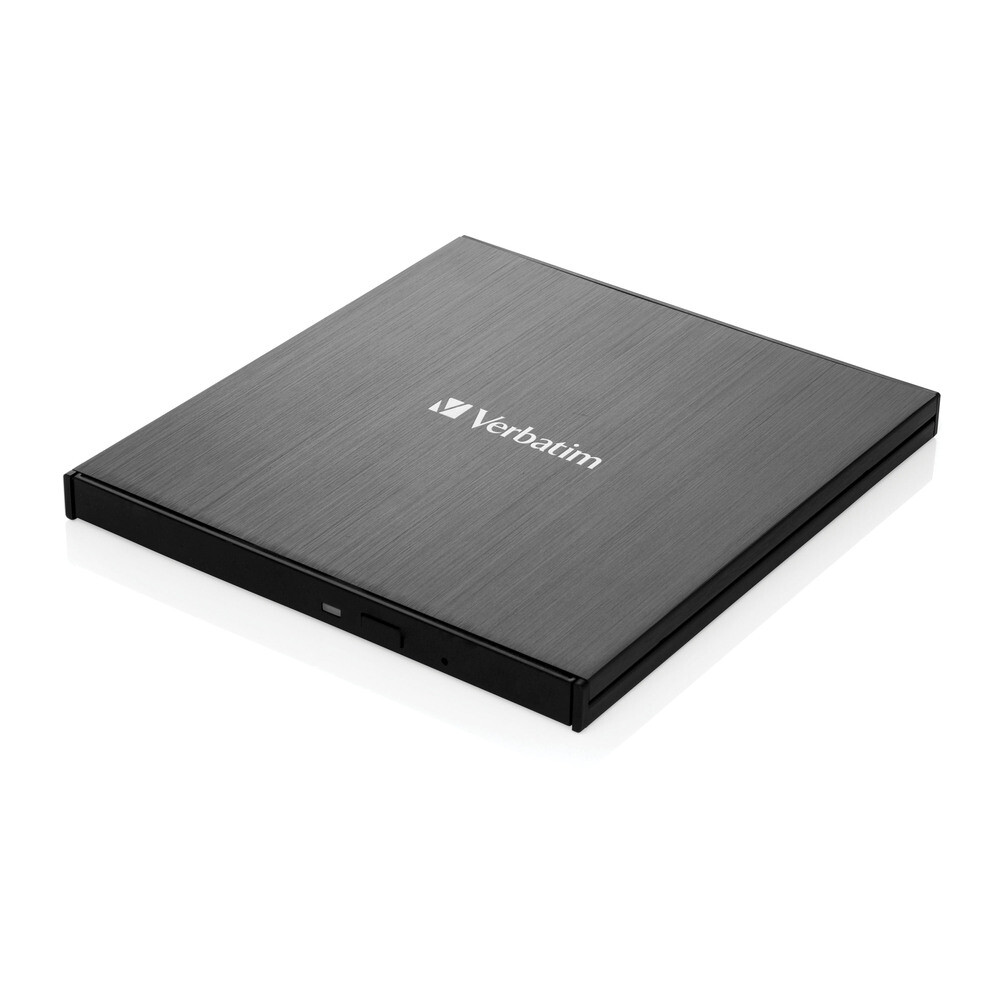
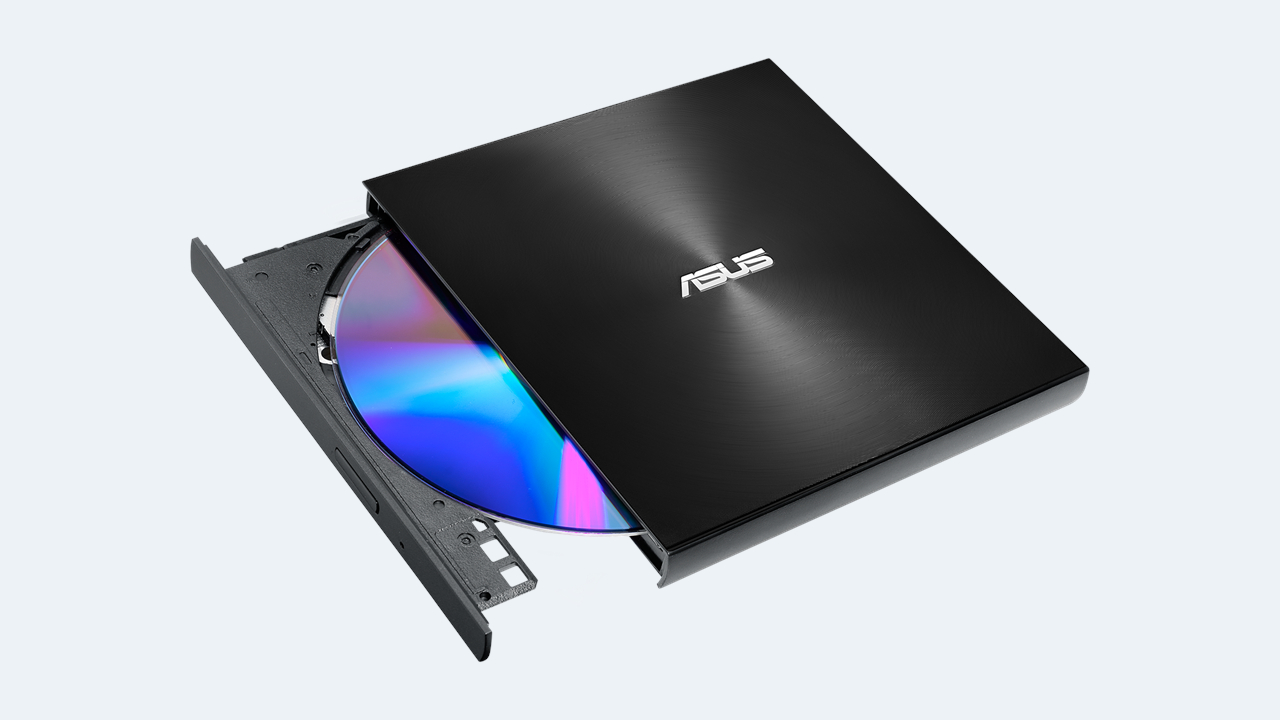
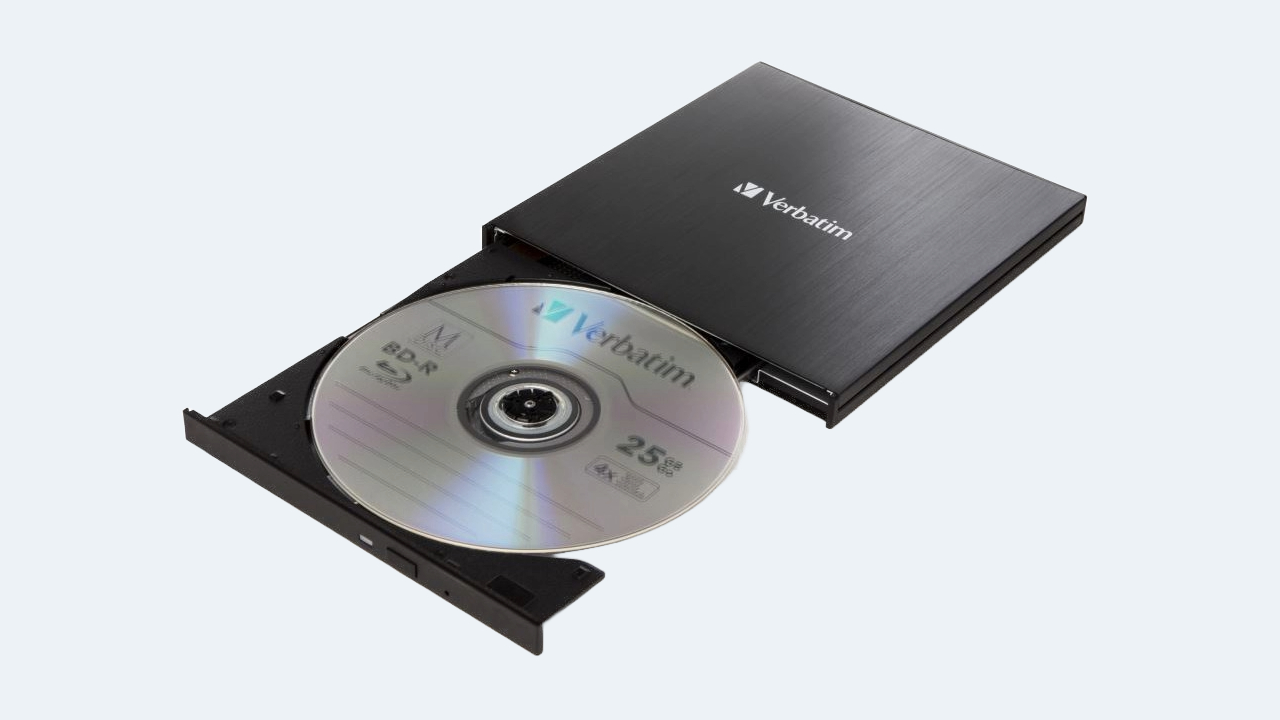
Verbatim's UHD 4K Blu-ray writer offers up to 100GB for digital archiving, thanks to its BDXL support, and works with CD and DVD formats also for maximum compatibility.
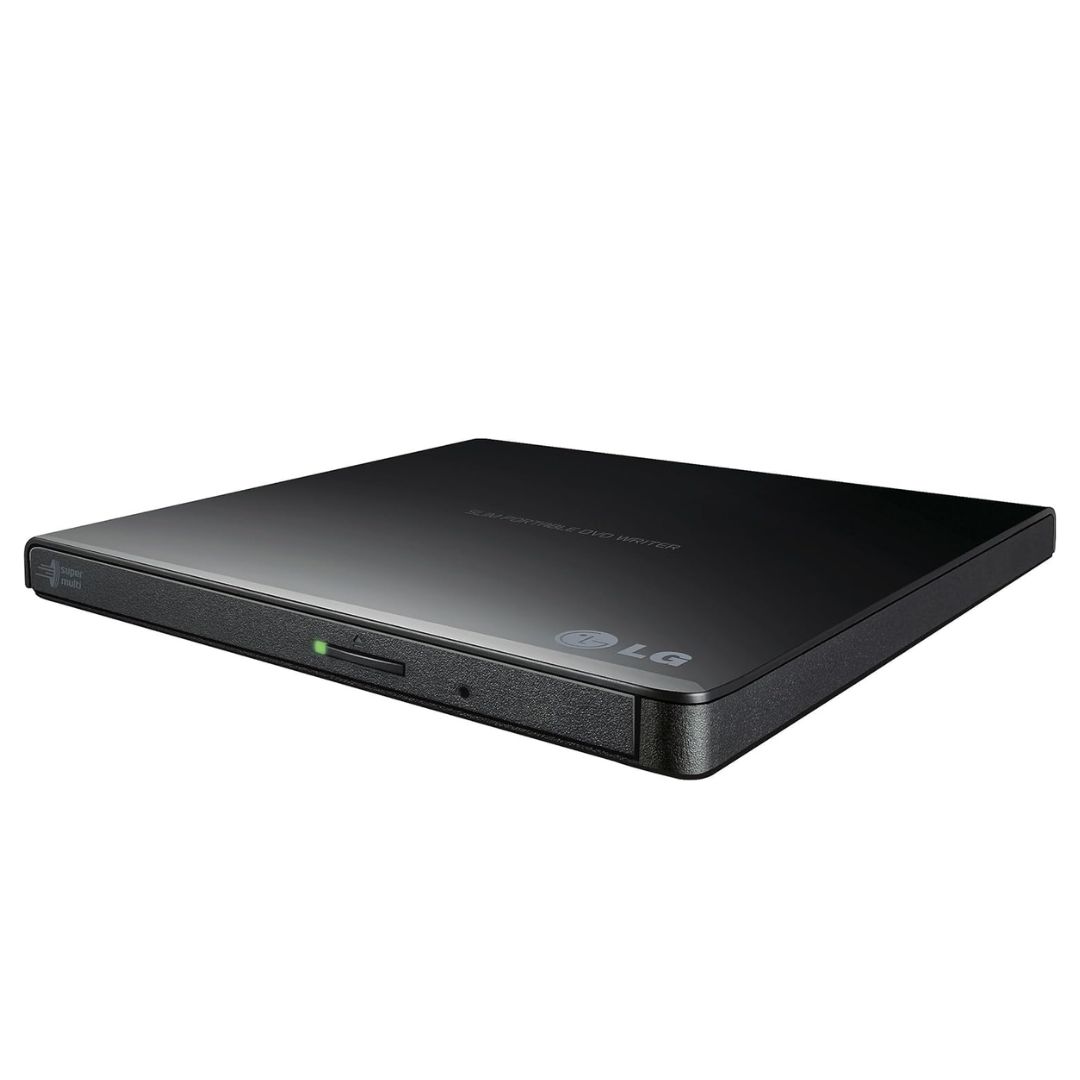
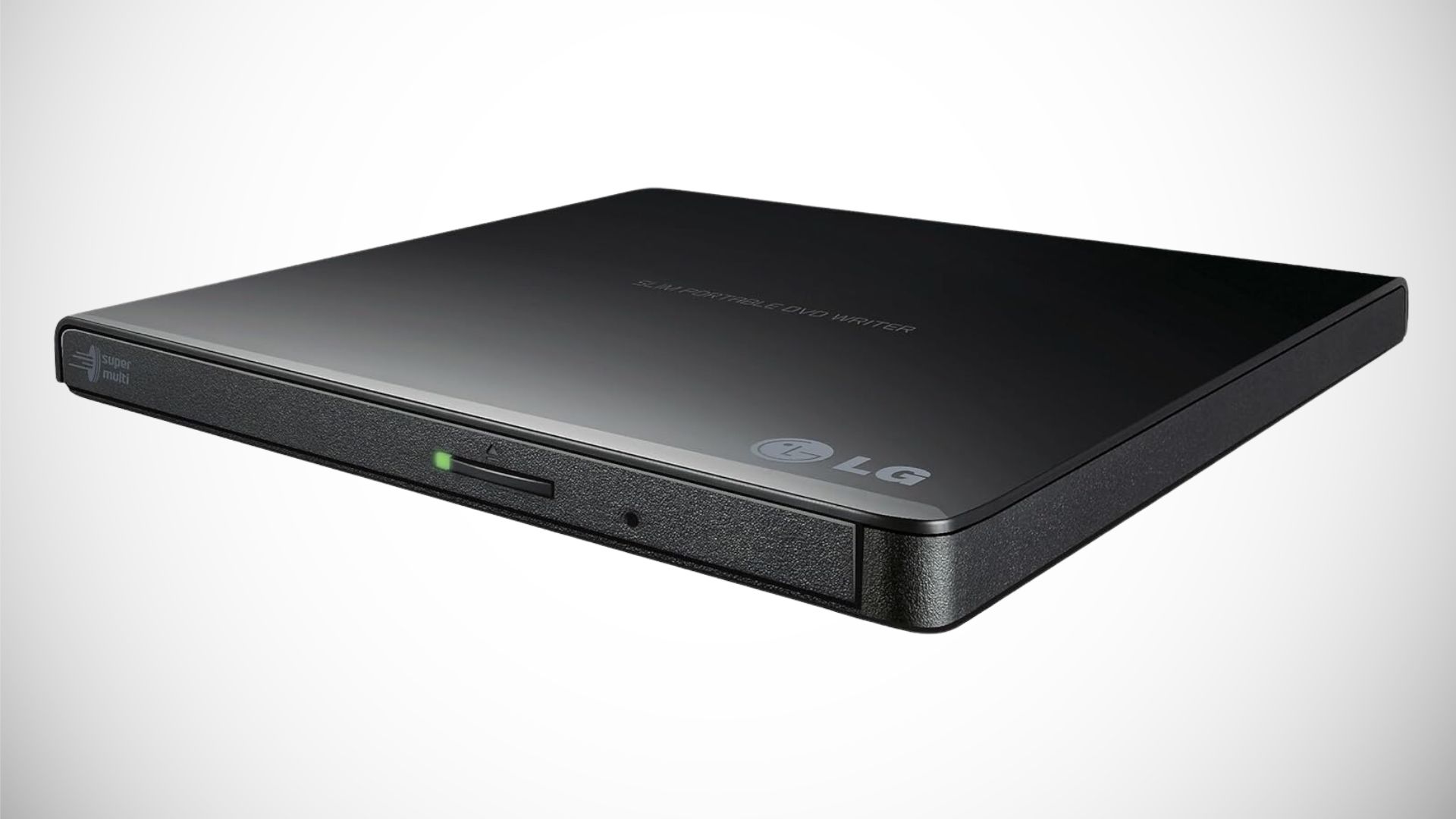
The LG GP65 Slim delivers all the basics you need from a disk drive for a price that's easy on your wallet. Plus, it's ultra-portable so you can take it with you to work or school.
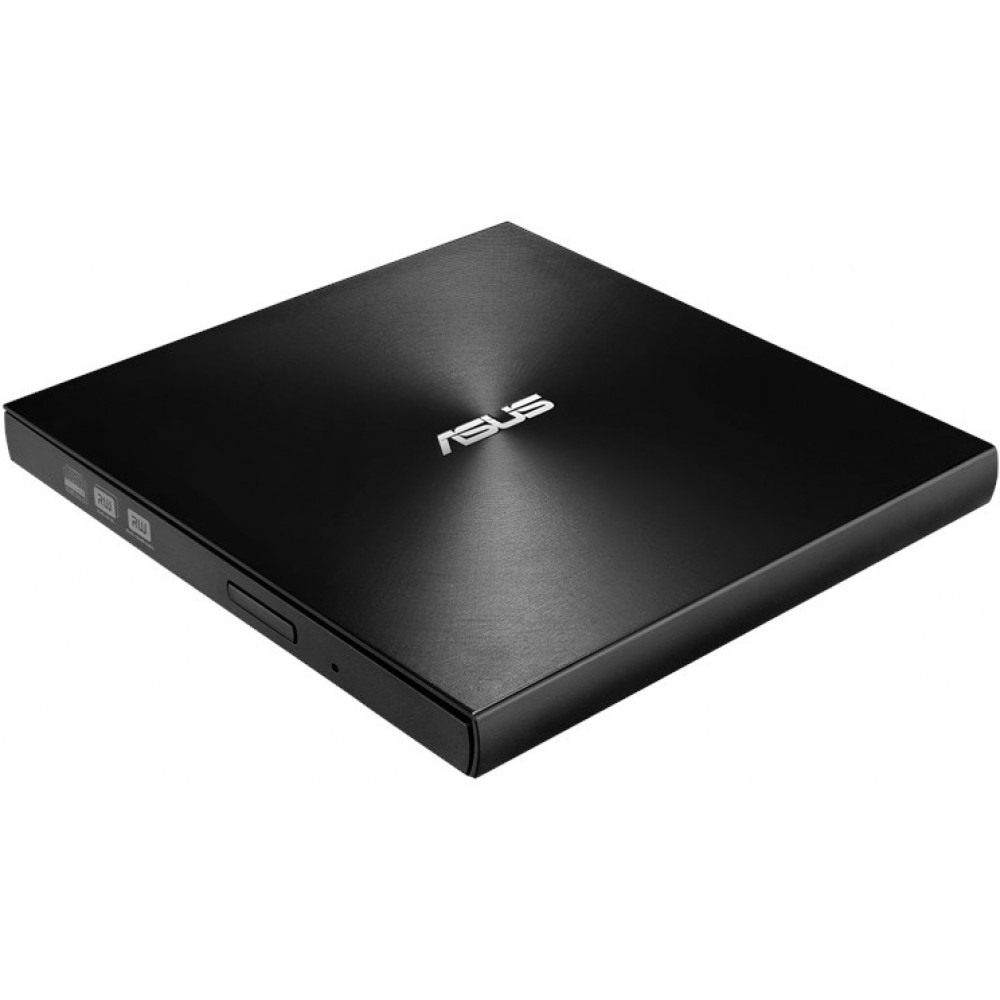
A cross-platform physical media writer with style and speed on its side
DVD read speed: 8x | DVD write speed: 8x | M-Disc Ready: Yes | Interface: USB 2.0, Type-A + Type-C | Supported OS: macOS, Windows, Linux | Dimensions: 0.55 x 5.33 x 5.61 inches | Weight: 0.54 pounds
M-Disc support
Stylish, slim form
Bundled CyberLink software
Plug and play
Slightly noisy
The ASUS ZenDrive U9M is a solid choice for anybody looking to add an optical drive to their setup. Not only is its stylish, Zen garden-esque hairline finish striking, but the ZenDrive U9M also boasts decent performance with read and write speeds of up to 8x for DVDs and 24x for CDs.
Desktop compatibility is one of ZenDrive’s biggest strengths. The optical drive supports most major operating systems, such as macOS (10.6 and above), Windows (8 / 8.1 and above), and Linux.
The ZenDrive also comes with two cable options, allowing either a USB 2.0 Type-A or Type-C connection, depending on your available ports. It also completely supports the entire range of CD and DVD disc types for playback and writing and M-Disc support for unparalleled archiving of all your digital data.
The ASUS ZenDrive U9M is available for just $34.99, which is a fair price for what's on offer. Better still, the ZenDrive comes bundled with handy software like CyberLink’s Power2Go and PowerBackup.
Also included is Nero BackItUp and a 12-month subscription to the ASUS Webstorage Cloud Service. ASUS’s external DVD drive is a fantastic all-rounder that doesn’t just grant access to physical media but makes for an impressive tool for backing up and archiving your most important data.
Blu-Ray read speed: 4x | Blu-Ray write speed: 6x | M-Disc Ready: Yes | Interface: USB 3.2 Gen 1, Type-C | Supported OS: Windows | Dimensions: 0.43 x 5.71 x 5.24 inches | Weight: 0.47 pounds
Blazing read/write speeds
M-Disc support
Quiet, fanless operation
Requires external power
Verbatim's UHD 4K Blu-ray writer does it all, allowing you to play and digitize CD, DVD, and Blu-ray content on Windows and Mac devices with ease (at least with the former).
While the external drive will work with Mac, you'll need to make use of third-party software to do much of the heavy lifting, as the bundled Nero Brun and Archive software isn't compatible with macOS.
Blu-ray playback is also something that requires third-party software for both Windows and Mac, which is standard for all Blu-ray drives.
Verbatim's drive particularly stands out due to its UHD 4K support, which is rarer to find in external drives of this kind, and reflected in its slightly higher $100+ price tag.
The 43888 Blu-Ray Writer is great for digital archiving, capable of storing up to 100GB of data on BDXL discs at speeds of around 27MB/s.
If you're looking for a one-stop solution to your physical media needs, then Verbatim's Blu-ray drive checks all of the boxes: wide compatibility, decent performance, and impressively portable.
DVD read speed: 8x | DVD write speed: 8x | M-Disc ready: Yes | Interface: USB 2.0/3.0, Type-A | Supported OS: macOS, Windows | Dimensions: 5.67 x 5.41 x 0.55 inches | Weight: 0.4 pounds
Looking for a reliable disc drive that won't break the bank? The LG GP65 Slim is the way to go. This no-frills portable disc drive gives you all the basics you need for less than $30. It's even available in four different colors: black, silver, gold, and white.
The LG GP65 Slim is a great option for anyone who just needs a basic drive for things like watching movies, where ultra-fast read/write speed isn't a huge concern.
Maybe you're getting back into physical media or found some old movies you want to revisit but don't have a DVD player around anymore. This portable drive is a good alternative that costs less than most DVD players.
The LG GP65 Slim is also a good pick for those who need to bring a disc drive back and forth to work. It's the most lightweight drive on this list and the low price means it won't be a big deal to replace it if you accidentally lose or damage this drive during your commute.
Do I need an external CD/DVD/Blu-Ray optical drive? This one is entirely a question of preference. You'll notice that most modern laptops have completely omitted the optical drive for several years now, with media, games, and more now primarily available in digital or streaming formats. However, if you have a catalog of physical media you'd like to enjoy, then an external optical drive is a great way to make use of them on newer hardware.
Do I need a special external drive for Mac? Possibly. If you're looking to use Blu-Ray disk for data storage, then as long as the drive you have in mind is compatible with macOS, you should be good to go. Blu-Ray media playback is not natively supported on Mac, so you'll need to make use of third-party software if you want to watch movies or TV shows from the disc.
Can I burn CDs/DVDs/Blu-Rays with an external drive? Yes, as long as the drive is a "writer" that supports RE, RW, or R format. Just make sure the disks you're using are burnable and use your preferred format.
Can I watch 4K UHD Blu-Rays using an external drive? Yes, but only through 4K UHD-compatible external drives. These are typically more expensive and harder to come by, and you'll need to use officially licensed software for playback.
Can I use external optical drives to digitize my DVDs/Blu-Rays? Yes, but you'll need to make use of third-party "ripping" software to do so. Depending on where you live, making a digital archive of your physical media may fall into legally gray realms.
Drive speed The speed of the drive you pick determines how fast you’ll be able to read and write data within the drive. Speeds range from 1x (slowest) to 24x (quickest), with 1x speeds equating to a data rate of 1.385 MB/s. At this speed, it will take roughly an hour to write a single-layer DVD to capacity and 103 minutes for dual-layer DVDs.
Higher drive speeds indicate how much faster your drive will perform. This means if a drive states its speed as x20, it is twenty times as fast as the base x1 speed (1.385 MB/s * 20 = 27.7 MB/s). The most common read/write speed for an external DVD drive is x8, which results in a data rate of around 11.08 MB/s. The time it takes to write a single-layer DVD to capacity at this rate is just seven minutes, with a dual-layer DVD taking only thirteen minutes.
Connectivity An important factor to consider when selecting an external DVD drive is the type of connection it uses. As laptops continue to follow the thin-and-light trend, legacy ports like USB Type-A are being phased out in favor of the smaller and faster USB Type-C port.
However, most external DVD drives continue to use Type-A connections because the data rate of even the fastest DVD drives (24x) is only 33.2 MB/s or 266 Mbps, which is well within the 60 MB/s or 480 Mbps bandwidth of a typical USB 2.0 Type-A connection.
While some modern external DVD drives do offer Type-C connections, most remain unchanged. If there are no legacy ports available, you may need a USB-A to USB-C adapter to connect the drive to your chosen device (especially a tablet or smartphone).
Compatibility Commonly, most external DVD drives will work well with Windows and macOS right out of the box (as long as the Mac in question is a post-2008 model with no internal drive originally fitted). However, other operating systems like Linux, Android and Fire OS aren’t offered the same level of support.
If you are wanting to combine an external DVD player with a Linux or Android based device, make sure the manufacturer lists it as a compatible operating system before you make a purchase.
M-Disc support Regular recordable DVDs are great for storing data as you move it from one device to the next, but if you want to store information long-term, you should use M-Disc DVDs.
All regular recordable DVDs have their data burnt into an organic dye layer that begins to degrade from the moment it is written to. This gives most standard recordable DVDs a limited lifespan that some estimate to be between two and five years. While it’s not too much hassle to make a new copy of your data within that window, the process can be time-consuming and tedious.
Enter the M-Disc DVD, a write-once optical disc that doesn’t use organic dyes to store data but instead uses a more powerful laser found in M-Disc compatible DVD drives to engrave data onto its glassy carbon surface.
Unlike the short lifespan of regular recordable DVDs, the material used in M-Disc DVDs offers a theoretical lifespan of 1,000 years. This makes drives with M-Disc support fantastic options for those seeking to create long-term backups of sensitive information or sentimental media without worrying about their data becoming lost or corrupted.
Laptop reviews over one hundred different laptops every year, from paperweight ultralights to everyday workhorses to lumbering gaming notebooks that scorch the frame rates of even the hottest AAA games. We're not just experts in the laptop field, as we go one step further by meticulously testing smartphones, tablets, headphones, PC accessories, software, and even the latest peripherals and titles in gaming.
We are 100 percent independent and have decades of experience to help you buy with confidence. In fact, Laptop has been testFuture Publishing, oneg and reviewing products for three decades and continues to deliver trustworthy reviews you can rely on.
Our experienced writers and editors scour information about the laptop and put it through its paces to determine which is best for you. But before they start, the testing team subjects each system to a rigorous regimen of synthetic and real-world tests to see how a system handles the type of work and games you’re most likely to throw at it.
One of the world's largest technology publishers, Future Publishing, enforces our editorial trustworthiness. As a company, we have unrivaled experience across every tech sector — and we're the group's specialist for all things mobile tech.

 Login
Login
 Best overall
 Best premium webcam
 Best travel webcam
 Best midrange webcam
 Best 4K webcam