❌

Reading view

"Players using CryoTherm Palm felt 60% cooler, held 2.45% higher speeds and preserved sprint velocity 4.7% better" β€” I asked Therabody's Chief Science Officer how England's World Cup squad is using a new cooling device to combat heat and boost performance

One of the biggest talking points around this year's World Cup has been the heat. Players from countries with very temperate, cool climates, like Norway and England, have had to play back-to-back games in hot and humid conditions, placing enormous stress on their bodies as they struggle to keep their core temperature down.

When core temperatures rise, fatigue isn't far behind. Research has shown that elevated internal body temperatures cause fatigue during prolonged exercise in hot environments, even for trained athletes. Staving off exhaustion by staying cool is therefore crucial.

Enter Therabody, maker of some of the best massage guns, which has supplied Thomas Tuchel's England squad with a novel new device: the Therabody CryoTherm Palm. It looks a little like a dumbbell, but it's not for lifting; instead, you simply place your hands on the nodes, and the CryoTherm Palm, Therabody says, uses these contact points to cool down your whole body using the company's 'Cryothermal technology'.

It sounds too good to be true β€” but the England players are reportedly making the most of it. We asked Therabody's Chief Science Officer, Tim Roberts, exactly how the technology works.

Harry Kane of England celebrates after scoring his team's third goal during the FIFA World Cup 2026 Round Of 16 match against Mexico at Mexico City Stadium on July 5, 2026 in Mexico City, Mexico

England captain Harry Kane (Image credit: Getty Images)

"Your palms are natural radiators β€” hairless skin packed with special vessels that bring a lot of blood right to the surface," says Roberts. "It’s why gloves keep your whole body warm in winter.

"CryoTherm Palm cools that surface, pulls heat out of the blood passing through, and that cooled blood circulates back to lower your core temperature faster than cooling almost anywhere else."

So, in theory, the cold blood passing through your hands works to regulate the rest of your body's internal temperature. Clever. According to Roberts, there's a psychological effect too, as "it also dampens the thermal signals your brain uses to judge effort", so exercising feels easier.
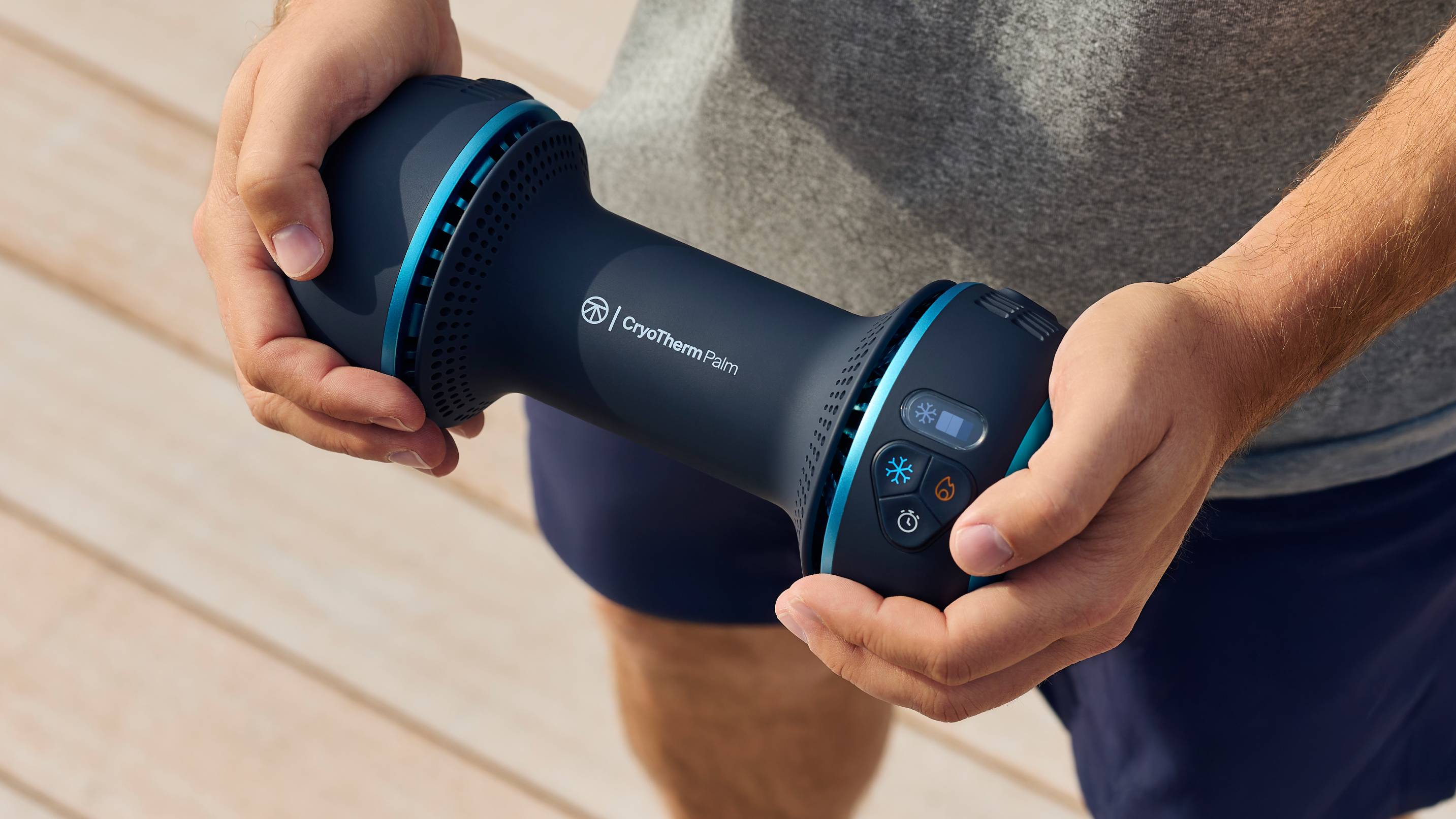
Therabody CryoTherm Palm in use

(Image credit: Therabody)

Roberts points to a study conducted at the IMG Academy in Florida, in which footballers using the device between sprints saw positive results.

"In our IMG Academy soccer study, players using CryoTherm Palm between sprints felt 60% cooler, held 2.45% higher top speed and preserved sprint velocity 4.7% better across repeated efforts," says Roberts. While he does concede that "none of this replaces basic heat sense β€” hydrate, respect genuinely dangerous conditions, and back off when you need to," those numbers suggest it can make a difference.

I wouldn't be doing my due diligence if I didn't point out that in a Therabody press release, the IMG Academy was referred to as a Therabody partner. However, the science seems sound, and the CryoTherm Palm might just be your secret weapon to keep cool during your next workout, especially in very hot weather.

The device is available now, priced at $399.99 / Β£349 / around AU$600. I'm looking forward to testing, especially if the heatwaves we're experiencing here in the UK continue.

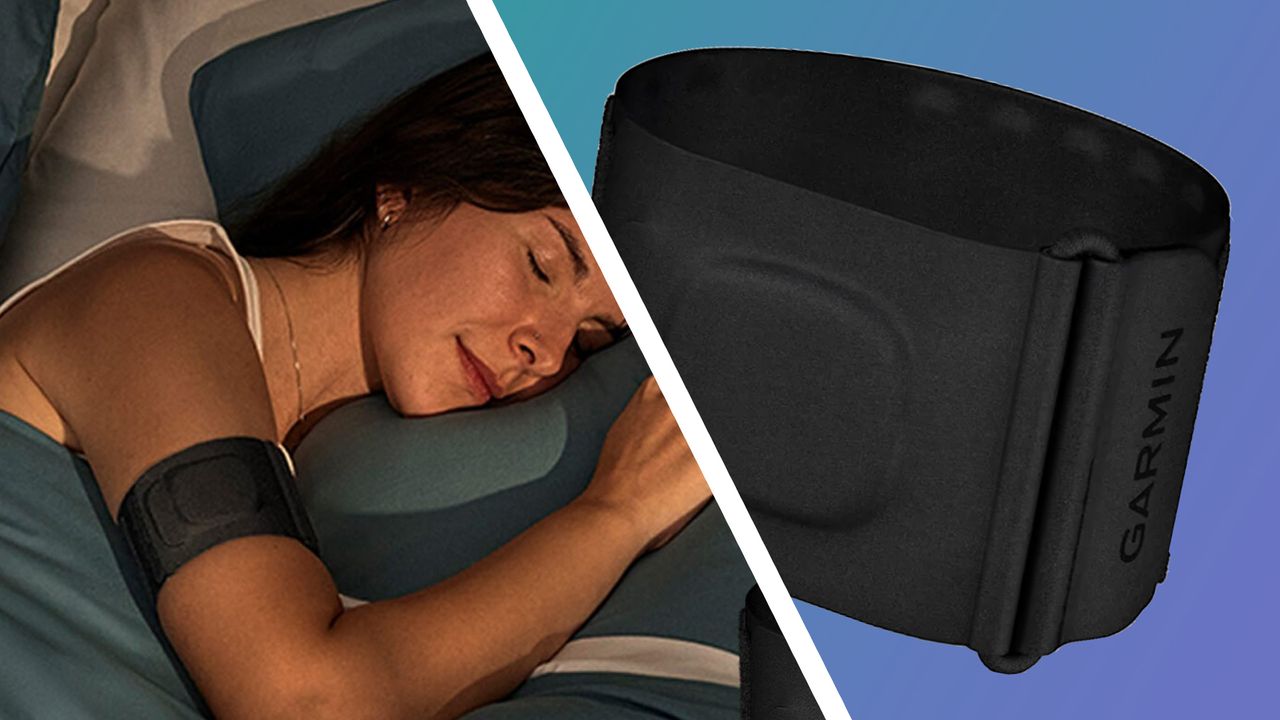
It looks like Garmin is finally preparing its Google Fitbit Air-style screenless band, the Cirqa, for launch β€” but I hope it doesn't copy Google's approach to revamping its fitness app

  • The Garmin Cirqa, Garmin's long-rumored screenless smart band, is breaking cover
  • Trademark filings have been spotted with governing bodies for the US, Canada, and EU, suggesting an imminent launch
  • Google launched its screenless band with a redesigned, AI-powered app β€” but I hope Garmin doesn't follow suit

Garmin's long-rumored screenless smart band, designed to compete with the rising trend of 'focus wearables' such as the Google Fitbit Air and Whoop bands, is on the way. We initially thought it was the Garmin Index Sleep Monitor (pictured above), but that turned out to be a different product entirely.

The screenless fitness band is instead likely to be named the Garmin Cirqa, according to leaks; it's going to be a cool new deviation from Garmin's existing fitness watches list, and we now have more evidence that it's going to be launching soon.

Garmin has been filing trademarks for the name 'CIRQA' (styled in all caps, but we'll refer to it as Cirqa in text the same way we do Whoop, which is styled on its official branding as 'WHOOP'), with an entry to the US Patent and Trademark Office database spotted earlier this year.

However, Gadgets & Wearables have also found trademark filings for relevant governing bodies in Canada and the EU, adding fuel to the rumors that a launch may be imminent.

Garmin Cirqa Trademark listing from USTPO database

(Image credit: Future)

All the filings connote a body-worn sensor rather than a communication device, suggesting the Cirqa isn't just a new smartwatch: it's exclusively for health and fitness.

This is quite exciting: at the moment, people looking for screenless, discreet wearables have no shortage of options, from the Oura Ring 5 to the Fitbit Air to last year's Polar Loop strap. Clearly, the category and people's interest are growing, and a top-quality device from Garmin would sell like hot cakes.

However, I hope Garmin doesn't repeat one aspect of Google's Fitbit Air launch. At the same time as the Fitbit Air came out, Google transformed the Fitbit app into Google Health, eliminating the last of its community features like shareable badges and challenges, controversially redesigning the app, and turning the Premium tier into an AI 'Health Coach' chatbot.

Garmin's user base would revolt if such dramatic changes came to the Garmin Connect app. There was widespread outrage last year when Garmin introduced a Premium tier with AI-powered features β€” the community is a passionate and outspoken one that loves its technology, and any hint that features are being scrapped or the app transforming to better conform to the AI-first nature of most screenless trackers would be met with an enormous outcry.

Garmin will have to make its Cirqa band work within its existing watch-focused ecosystem, unless it wants to launch a separate app or risk losing some frustrated customers.

❌