Login
Login
Hot Springs Joins Gateway Arch, Virgin Islands, Indiana Dunes and Pinnacles National Parks in the list of Smallest Among All to Reveal What’s Really Hiding in America’s Secret Spots!
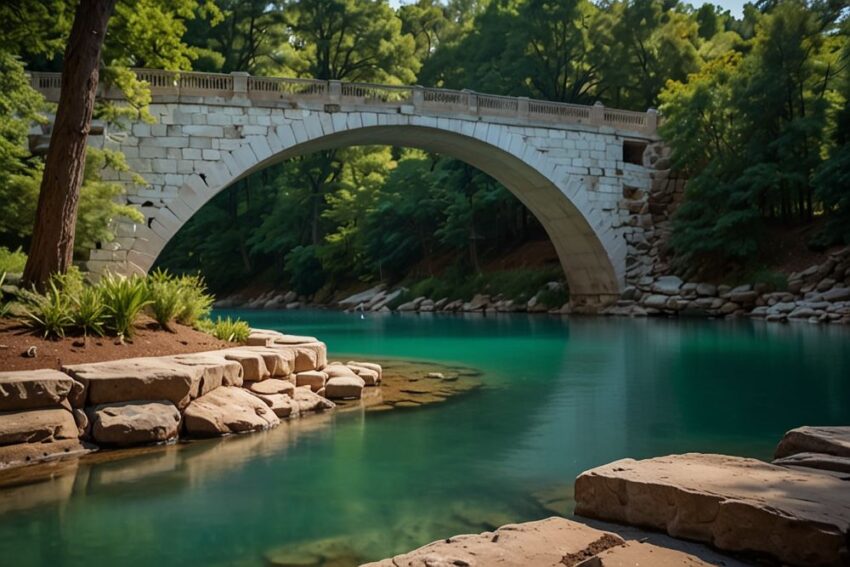
When we think of national parks, towering mountains, vast forests, and expansive wilderness often come to mind. However, there’s an incredible world of small national parks hiding in plain sight, and Hot Springs has now joined the ranks of Gateway Arch, Virgin Islands, Indiana Dunes, and Pinnacles National Parks as one of the smallest treasures on the U.S. landscape. Despite their modest size, these parks pack a powerful punch, offering stunning natural beauty, rich history, and hidden gems that many overlook. Whether it’s the soothing hot springs of Arkansas, the iconic arch in St. Louis, or the tropical paradise of the Virgin Islands, these parks reveal the secrets of America’s lesser-known wonders. It’s time to explore what these smallest national parks have to offer and see why they’re worth the visit.
The Gateway Arch National Park: St. Louis’ Iconic Urban Landmark
Located in the heart of St. Louis, Missouri, the Gateway Arch National Park holds the title of the smallest U.S. national park. Covering just 192 acres (0.78 km²), this urban park is a symbol of America’s westward expansion. The park is home to the towering Gateway Arch, standing at 630 feet tall, which commemorates the spirit of pioneers moving westward across the country.
This park is one of a kind because it isn’t filled with wilderness or wildlife like many other parks. Instead, it celebrates history and human achievement. The park’s museum, located under the Arch, tells the story of westward expansion, including exhibits on Lewis and Clark’s expedition, Native American history, and the settlers who shaped the U.S. into what it is today.
Gateway Arch National Park may be small, but it holds a special place in American culture and serves as a reminder of the nation’s early pioneering days. It’s a place where history comes alive, making it a must-visit for history enthusiasts and anyone fascinated by America’s past.
Hot Springs National Park: Arkansas’ Healing Waters
In Hot Springs, Arkansas, you’ll find a national park that has been cherished for centuries. Hot Springs National Park covers 5,550 acres (22.5 km²) and is known for its natural hot springs, which have attracted people for thousands of years. These waters, believed to have healing properties, have been a source of relaxation and rejuvenation for both Native Americans and later, European settlers.
The park is home to Bathhouse Row, a collection of historic bathhouses built in the 19th and early 20th centuries. These grand buildings once served as luxury resorts for people seeking the therapeutic benefits of the hot springs. Today, visitors can tour these beautiful bathhouses, enjoy the springs, and hike along scenic trails that lead to amazing views of the surrounding Ouachita Mountains.
Despite being relatively small, Hot Springs National Park offers a unique blend of natural beauty, history, and relaxation. Whether you’re interested in learning about the cultural history of the area or just looking to unwind in the healing waters, this park offers something for everyone.
National Park of American Samoa: Tropical Paradise in the Pacific
The National Park of American Samoa is located in the U.S. territory of American Samoa, in the heart of the South Pacific. Covering 8,257 acres (33.4 km²), this park is unique for its tropical landscape and cultural significance. It’s the only national park in the U.S. south of the equator and protects rainforests, coral reefs, and Samoan cultural sites.
This park is a true hidden gem for nature lovers and those interested in experiencing a different side of American culture. It includes three islands — Tutuila, Taʻū, and Ofu — and showcases an incredible array of wildlife, including endangered species like the Samoan fruit bat. The crystal-clear waters around the islands are perfect for snorkelling and diving, while the forested areas offer scenic hikes and views.
National Park of American Samoa is not only a sanctuary for rare species and beautiful landscapes but also an essential place for preserving Samoan culture. Visitors can experience the warmth and tradition of the Samoan people while exploring the park’s natural wonders.
Virgin Islands National Park: Paradise on the Caribbean Sea
Located on the island of St. John in the U.S. Virgin Islands, the Virgin Islands National Park covers 14,689 acres (59.4 km²) and is one of the smallest national parks in the U.S. But don’t let its size fool you – this park offers some of the most stunning views in the Caribbean. It’s a paradise for beach lovers, nature enthusiasts, and those looking to relax in one of the most beautiful settings in the world.
With white sandy beaches, clear turquoise waters, and abundant coral reefs, the Virgin Islands National Park is a haven for those who love outdoor activities like snorkelling, scuba diving, and hiking. Visitors can explore Cinnamon Bay, Trunk Bay, and Salt Pond Bay, which are known for their picturesque scenery and excellent opportunities for underwater exploration.
In addition to its natural beauty, the park also preserves historical sites, including the Annaberg Sugar Plantation, which tells the story of the island’s colonial past and the enslaved people who worked on the plantations. Virgin Islands National Park offers a perfect blend of beach activities, historical insights, and nature exploration, making it a dream destination for many.
Indiana Dunes National Park: A Stunning Lakeside Escape
Indiana Dunes National Park is located along the Lake Michigan shoreline in northwest Indiana. With 15,349 acres (62 km²) of protected land, it is a small park that offers visitors a diverse range of activities. The park is famous for its sand dunes, some of which rise up to 200 feet high, as well as its beaches, wetlands, and woodlands.
This park is a sanctuary for birdwatchers, with over 350 species of birds observed in the area. The Dune Ridge Trail offers hikers a chance to explore the park’s unique habitats, while the Indiana Dunes Beach is perfect for sunbathing, swimming, and picnicking by the lake.
In addition to its natural beauty, Indiana Dunes holds historical significance, with important Native American and early settler sites. It’s also a great destination for those looking to enjoy a day of relaxation on the beach or a peaceful hike through nature.
Pinnacles National Park: California’s Majestic Rock Formations
Pinnacles National Park, located in California, is another one of the smallest national parks in the U.S., covering 26,600 acres (108 km²). Famous for its stunning rock formations, Pinnacles was formed by ancient volcanic activity millions of years ago. The park’s spires and gorges create a dramatic landscape that’s both visually striking and perfect for outdoor activities.
One of the most notable features of Pinnacles National Park is its California condor recovery program. The park plays a crucial role in the conservation of this endangered species, and visitors may even have the opportunity to see these majestic birds soaring overhead. The park also offers fantastic hiking, rock climbing, and caving opportunities for adventurers.
Pinnacles may be small, but its rugged beauty and commitment to conservation make it an exciting destination for nature lovers and those looking to explore California’s unique geology.
Congaree National Park: South Carolina’s Natural Wonder
Congaree National Park, located in South Carolina, spans 26,275 acres (106 km²) and is one of the smallest parks in the U.S., yet it’s rich in natural beauty. The park preserves one of the largest remaining tracts of bottomland hardwood forest in the United States, offering a glimpse into the ecological diversity of the southeastern U.S.
Congaree is a haven for wildlife, with deer, bobcats, wild boars, and over 200 species of birds calling it home. The park offers visitors the chance to walk through its swampy forest via boardwalks or canoe through its slow-moving waters. It’s also a great spot for birdwatching, with rare species like the red-shouldered hawk and pileated woodpecker.
With its peaceful atmosphere and lush landscapes, Congaree National Park offers a quiet escape from the bustle of everyday life.
Why Are These Parks So Special?
Despite their small size, these parks offer much more than their size suggests. Many are home to unique ecosystems, rare species, and important historical landmarks that make them critical to America’s natural and cultural heritage. Whether it’s the healing waters of Hot Springs, the iconic Gateway Arch, or the tropical beauty of the National Park of American Samoa, each park has a special story to tell.
These parks may not cover vast expanses of land like Yellowstone or Grand Canyon, but they prove that sometimes, the smallest parks can offer some of the biggest experiences. From history buffs to nature lovers, everyone can find something to love in these hidden gems.
Embrace the Hidden Beauty of the Smallest U.S. National Parks
The smallest U.S. National Parks offer a chance to discover something unique, often overshadowed by larger and more famous parks. These parks hold rich histories, stunning landscapes, and special experiences that make them worth exploring. Whether you’re relaxing in the hot springs of Arkansas, hiking through the sand dunes in Indiana, or exploring the beaches of the Virgin Islands, these parks offer something for everyone.
Next time you’re planning a trip to a national park, consider stepping off the beaten path and visiting one of these small, yet mighty, parks. You might just discover your new favourite national treasure.
The post Hot Springs Joins Gateway Arch, Virgin Islands, Indiana Dunes and Pinnacles National Parks in the list of Smallest Among All to Reveal What’s Really Hiding in America’s Secret Spots! appeared first on Travel And Tour World.