
Reading view

The Warehouse Joins The Fullerton Bay, Naumi, Lloyd’s Inn, The Sultan, and More as Singapore’s Top Ten Boutique Hotels – Discover Unique, Stylish Stays with Personalized Service and Cultural Charm!
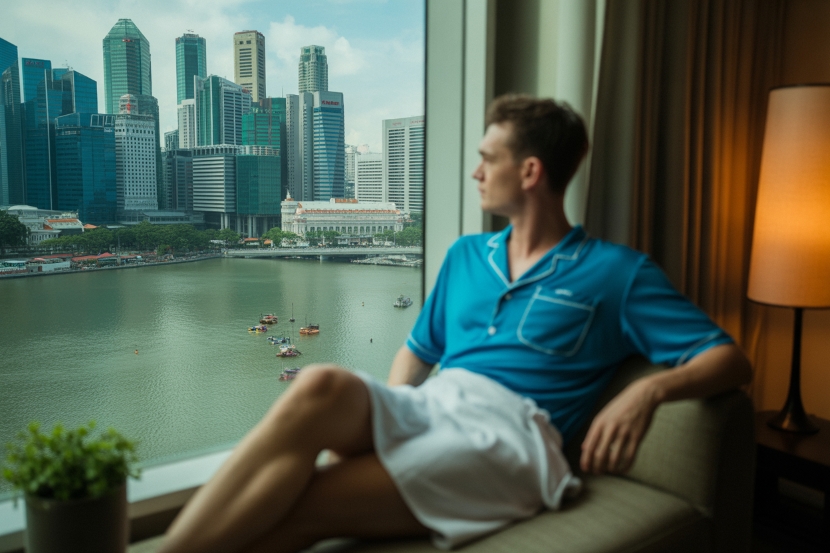
The Warehouse Joins The Fullerton Bay, Naumi, Lloyd’s Inn, The Sultan, and More as Singapore’s Top Ten Boutique Hotels – Discover Unique, Stylish Stays with Personalized Service and Cultural Charm!

Singapore, a melting pot of cultures, is not just a city of futuristic skyscrapers and urban marvels but also a place where history and tradition live on. For travelers who seek more than just shopping malls and modern attractions, Singapore’s boutique hotels offer a window into the soul of the city. From the rich cultural streets of Arab Street to the charming heritage districts of Chinatown, Little India, and Kampong Glam, boutique hotels in these iconic neighborhoods offer unique experiences that blend luxury, culture, and personalized service.

As you explore the heart of Singapore, staying in one of these top boutique hotels allows you to enjoy authentic cultural immersion with a touch of modern comfort. Singapore not only offer stylish accommodations but also immerses you in the city’s rich cultural fabric. Whether you’re a history lover, a foodie, or a traveller looking for comfort and style, these hotels provide the perfect balance of convenience, charm, and local flavour.

1. The Warehouse Hotel – A Stylish Industrial Escape

Why It’s Special:
Nestled along the Singapore River, The Warehouse Hotel is a restored 19th-century warehouse that merges industrial chic with modern luxury. It’s an iconic boutique hotel that maintains the spirit of the city’s industrial past while offering guests a comfortable, stylish, and intimate experience.

What’s Unique About It:

  • The hotel’s raw industrial style—think exposed brick walls, high ceilings, and large windows—provides a unique blend of heritage and luxury.
  • Rooftop Bar: Enjoy drinks with a panoramic view of the Singapore River and the city skyline.
  • Personalized Service: The hotel’s team provides bespoke experiences and recommendations for a personalized stay.

What to Know:

  • Perfect for couples or solo travelers who want to enjoy the mix of Singapore’s history and modern luxury.
  • Located in the Robertson Quay area, offering easy access to restaurants, riverside walks, and the city’s nightlife.

2. The Fullerton Bay Hotel – Waterfront Luxury

Why It’s Special:
Set on the waters of Marina Bay, The Fullerton Bay Hotel is renowned for its breathtaking views and sophisticated charm. With its luxurious ambiance, the hotel provides an unforgettable experience in one of Singapore’s most prestigious neighborhoods.

What’s Unique About It:

  • The hotel offers stunning waterfront views of the Marina Bay Sands and the skyline.
  • Modern Luxury Meets Heritage: Located in a restored 1920s warehouse, the hotel exudes both classic elegance and modern luxury.
  • SkyBar: Enjoy a rooftop bar with views over Marina Bay, perfect for sunset cocktails.

What to Know:

  • Ideal for travelers seeking a luxurious, waterfront stay.
  • Close to attractions like Gardens by the Bay and The Esplanade.

3. Naumi Hotel – Contemporary Elegance Meets Comfort

Why It’s Special:
Naumi Hotel offers an ultra-modern experience with an emphasis on personalized service. The boutique hotel’s chic design and artistic touch make it a standout in the Tanjong Pagar neighborhood.

What’s Unique About It:

  • Infinity Pool: The rooftop infinity pool offers stunning views of Singapore’s skyline.
  • Artistic Rooms: Each room is designed with sleek, contemporary furniture and bright, colorful accents.
  • Exclusive Concierge Service: Tailored recommendations and services to make your stay memorable.

What to Know:

  • Great for business travelers and those who want to be close to the city’s business district.
  • Tanjong Pagar is a vibrant area with a mix of eateries, cafes, and bars.

4. Lloyd’s Inn – A Tranquil, Nature-Inspired Retreat

Why It’s Special:
Nestled in River Valley, Lloyd’s Inn is known for its minimalist design and nature-inspired interiors, offering a peaceful and rejuvenating escape right in the heart of Singapore.

What’s Unique About It:

  • Minimalist Design: The hotel’s sleek, modern design incorporates natural elements like wood and stone, creating a serene environment.
  • Outdoor Patios: Enjoy private patios or pools that give guests a quiet space to unwind.
  • Private Rooms: Spacious rooms with floor-to-ceiling windows allowing natural light to flood in.

What to Know:

  • Ideal for those seeking a quiet retreat but still wanting to be close to the city center.
  • Perfect for couples or solo travelers looking for peaceful, stylish surroundings.

5. The Quincy Hotel – All-Inclusive, Modern Comfort

Why It’s Special:
Located near Orchard Road, The Quincy Hotel is a boutique offering all-inclusive service, including meals, cocktails, and snacks, ensuring guests have a hassle-free stay.

What’s Unique About It:

  • All-Inclusive Service: Guests enjoy free meals, evening cocktails, and access to the mini bar in every room.
  • Infinity Pool: A rooftop pool with views of Orchard Road.
  • Chic, Minimalist Rooms: Each room is designed with modern amenities and a clean, contemporary aesthetic.

What to Know:

  • Perfect for travelers who want to stay near Orchard Road but also enjoy a more private, boutique experience.
  • Great for short-term stays with inclusive perks.

6. Hotel Clover 5 Hongkong Street – A Stylish Urban Stay

Why It’s Special:
Hotel Clover 5 Hongkong Street offers a cozy and modern boutique experience located near Clarke Quay, perfect for those wanting a comfortable stay with easy access to nightlife and entertainment.

What’s Unique About It:

  • Modern Chic Rooms: The rooms are decorated with sleek, contemporary furnishings and vibrant colors, giving the hotel a fresh, lively vibe.
  • Rooftop Terrace: Relax on the rooftop while enjoying the views of Singapore’s skyline.
  • Affordable Luxury: An affordable boutique option that still offers quality service and amenities.

What to Know:

  • Ideal for younger travelers who want to be close to Clarke Quay’s nightlife.
  • A great choice for short stays or those on a budget who don’t want to compromise on style.

7. Amoy Hotel – Heritage and Luxury in Chinatown

Why It’s Special:
Located in the heart of Chinatown, Amoy Hotel is a boutique that offers a blend of heritage charm and modern luxury. The hotel is housed in a beautifully restored shophouse and offers an authentic experience.

What’s Unique About It:

  • Heritage Architecture: The hotel is located in a conserved heritage shophouse, blending traditional Chinese architecture with modern comforts.
  • Personalized Service: Amoy Hotel offers exceptional service, including free use of a mobile phone with internet data for guests during their stay.

What to Know:

  • Perfect for travelers wanting to explore Chinatown and its rich history.
  • Close to some of Singapore’s best temples, markets, and street food.
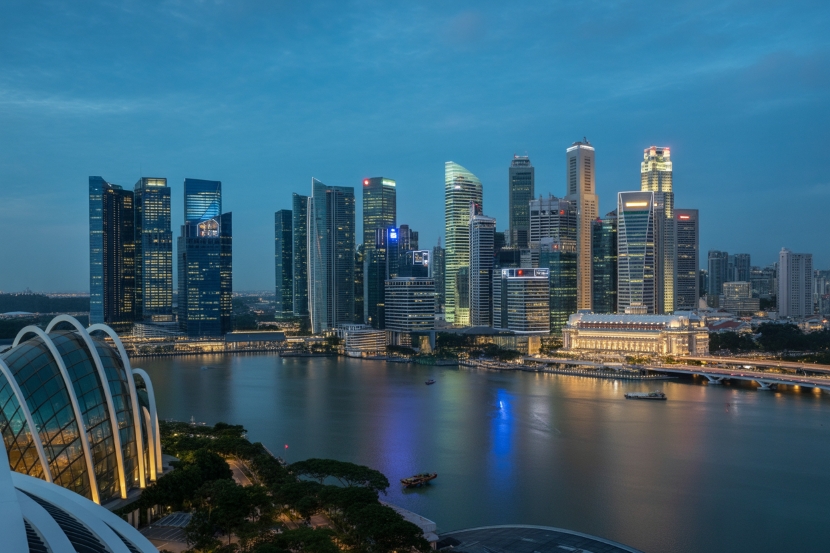
8. Hotel Indigo Singapore Katong – A Colorful and Cultural Stay

Why It’s Special:
Located in the historic Katong district, Hotel Indigo offers a vibrant and culturally rich experience, inspired by the Peranakan culture of the area.

What’s Unique About It:

  • Peranakan-inspired Design: The hotel’s decor celebrates the vibrant, intricate patterns of Peranakan culture, giving it a distinct charm.
  • Rooftop Bar: Enjoy breathtaking views of the Katong area and beyond while sipping on cocktails at the hotel’s rooftop bar.

What to Know:

  • Ideal for travelers looking for a cultural stay in one of Singapore’s most colorful neighborhoods.
  • Close to the famous Katong eateries and traditional Peranakan shops.

9. The Sultan Hotel – Historic Stay in Kampong Glam

Why It’s Special:
The Sultan Hotel is located in the Kampong Glam district, a cultural area with rich Malay and Muslim heritage. The hotel offers a unique stay with its heritage charm and modern comfort.

What’s Unique About It:

  • Restored Shophouses: The hotel is housed in restored shophouses, offering a beautiful mix of old-world charm and modern luxury.
  • Close to Sultan Mosque: Located just steps away from the iconic Sultan Mosque, the hotel is perfect for history buffs and culture enthusiasts.

What to Know:

  • Ideal for travelers who want to be close to heritage sites and local markets.
  • The hotel offers easy access to Arab Street, Haji Lane, and other vibrant areas.

10. The Scarlet Singapore – A Stylish, Dramatic Boutique Hotel

Why It’s Special:
The Scarlet Singapore is a luxury boutique hotel located in the heart of Chinatown. Known for its dramatic decor and bold design, it is perfect for those seeking a hotel that combines luxury with a distinctive flair.

What’s Unique About It:

  • Vibrant and Dramatic Design: The hotel boasts an eclectic mix of bold colors, luxurious textures, and romantic lighting.
  • Personalized Luxury: The hotel’s boutique atmosphere ensures each guest receives personalized attention and exclusive service.

What to Know:

  • Perfect for couples looking for a romantic getaway or anyone seeking a luxurious yet unique hotel experience.
  • Close to Chinatown’s vibrant streets, where you can enjoy food, shopping, and heritage sites.
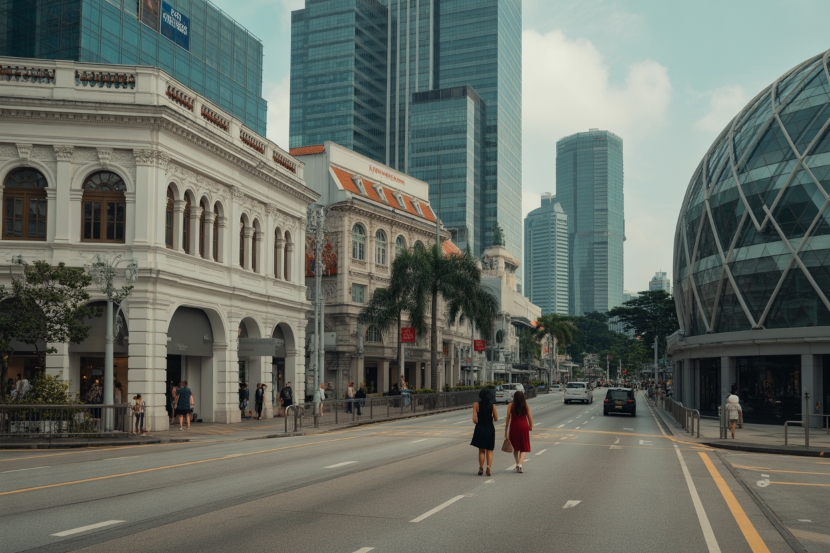
Boutique Hotels in Singapore Offer More Than Just a Stay

From the industrial chic charm of The Warehouse Hotel to the luxurious elegance of The Fullerton Bay, Singapore’s boutique hotels provide guests with unforgettable stays that are as unique as the neighborhoods they’re located in. Whether you’re exploring heritage districts, indulging in local food, or relaxing in stylish rooms, these boutique gems offer an experience that goes beyond simple accommodations.

For your next visit to Singapore, make sure to check out these top boutique hotels that perfectly capture the spirit of the city—each one offering personalised service, exceptional designs, and a deep connection to Singapore’s cultural heart.

The post The Warehouse Joins The Fullerton Bay, Naumi, Lloyd’s Inn, The Sultan, and More as Singapore’s Top Ten Boutique Hotels – Discover Unique, Stylish Stays with Personalized Service and Cultural Charm! appeared first on Travel And Tour World.

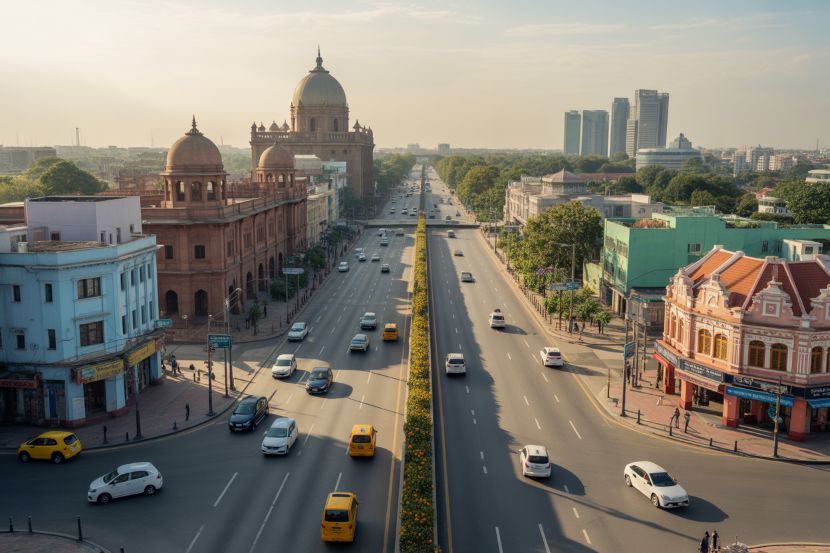

Kuala Lumpur, Hong Kong and Singapore Inspire Bali to Emerge as a Global Center for Business, Travel and International Connectivity

Kuala Lumpur, Hong Kong and Singapore Inspire Bali to Emerge as a Global Center for Business, Travel and International Connectivity

Kuala Lumpur, Hong Kong, and Singapore have long set the standard for global business, travel, and connectivity in Asia. Inspired by their success, Bali is now charting an ambitious path to position itself as a major international hub. Moving beyond its reputation as a world-renowned tourist destination, the island is embracing modern infrastructure, enhanced transport networks, and strategic partnerships to attract both business travelers and global tourists. By blending its rich cultural heritage with forward-looking development, Bali aims to become a dynamic center where commerce, tourism, and international connectivity seamlessly converge.

The island’s vision goes beyond tourism, aiming to create a dynamic ecosystem where business and travel intersect. By integrating modern infrastructure with its unique cultural heritage, Bali hopes to attract international investors, business travelers, and high-value tourism, positioning itself as both a destination and a gateway in Southeast Asia.

In a recent initiative, tourism and economic leaders hosted international delegates to explore partnerships, new travel links, and collaborative opportunities. The discussions highlighted Bali’s potential to enhance connectivity, boost trade activity, and serve as a strategic stopover for travelers moving across the region. Emphasis was placed on strengthening air and sea routes, modernizing transport systems, and improving logistical efficiency to ensure that the island remains highly accessible to global travelers and businesses alike.

Upgrading infrastructure is central to Bali’s ambitions. Plans are underway to expand airport capacity, modernize seaports, and streamline transport networks, enabling smoother movement of both passengers and commercial goods. By creating world-class facilities, the island aims to attract international trade and transit operations, while simultaneously enhancing its tourism offerings. The combination of commerce and travel infrastructure is expected to elevate Bali’s global profile, making it a destination that seamlessly accommodates both leisure and business needs.

Sustainability and cultural preservation remain at the heart of Bali’s strategy. Development efforts are designed to protect the island’s natural landscapes, historic landmarks, and vibrant traditions. Authorities are prioritizing eco-friendly solutions, responsible urban planning, and community-centric initiatives to ensure that economic growth does not come at the expense of Bali’s distinctive identity. This approach allows the island to pursue modernization while safeguarding the environmental and cultural assets that make it world-renowned.

Bali’s unique attractions—its temples, rice terraces, beaches, and arts scene—are being leveraged as part of its growth strategy. Unlike many regional hubs that rely purely on commerce, Bali offers a holistic experience that blends business with culture and leisure. Visitors can conduct business during the day and explore world-class attractions in their downtime, creating a multi-dimensional destination that appeals to both travelers and investors.

International collaborations are key to the island’s transformation. Authorities are engaging with global investors, trade organizations, and transportation networks to accelerate development. These partnerships are expected to introduce advanced infrastructure, attract foreign investment, and promote knowledge exchange. By collaborating with global stakeholders, Bali aims to position itself as a hub of innovation, commerce, and sustainable tourism.

The economic implications of this shift are significant. By diversifying beyond seasonal tourism, Bali can create new employment opportunities, generate higher revenue streams, and improve infrastructure and public services. The strategy is designed to strengthen the local economy while making Bali more competitive on the international stage.

Strategically located along major Southeast Asian trade and travel routes, Bali has a natural advantage as a gateway for travelers and businesses. Its geographic position allows the island to serve as a key link between Asia, Europe, and other global markets. By combining its location with modern infrastructure and strong international partnerships, Bali is set to emerge as a critical hub for commerce, transit, and tourism.

Through thoughtful planning, strategic investment, and sustainable development practices, Bali is redefining its global role. The island is evolving into a destination where tourism, business, and transit converge, creating a connected and culturally rich environment for visitors, professionals, and investors. Bali’s transformation demonstrates a forward-looking vision, balancing modernity with tradition, and establishing the island as both a world-class travel destination and a vital economic hub in Southeast Asia.

The post Kuala Lumpur, Hong Kong and Singapore Inspire Bali to Emerge as a Global Center for Business, Travel and International Connectivity appeared first on Travel And Tour World.

India’s Tourism Struggles: How Delhi, Surat, and Indore Are Falling Behind Singapore and Dubai – Here’s What You Need to Know

India’s Tourism Struggles: How Delhi, Surat, and Indore Are Falling Behind Singapore and Dubai – Here’s What You Need to Know
India's Tourism Struggles

India, with its rich cultural heritage and vast array of historical landmarks, holds immense potential to become a global tourism powerhouse. However, as Amitabh Kant, former CEO of NITI Aayog, pointed out, India’s aspirations are being hindered by persistent challenges in municipal governance. Drawing a comparison with Singapore, which attracts four times as many tourists despite being one-third the size of Delhi, Kant stressed that the country’s focus must shift toward improving cleanliness, infrastructure, and government efficiency. By addressing these foundational issues, India could pave the way for a sustained tourism boom, creating jobs and boosting the economy in the process.

Singapore’s Tourism Success: What Sets It Apart

Singapore has long been a leader in attracting global tourists, with its compact size and world-class infrastructure serving as key pillars of its success. Despite its limited landmass, Singapore has managed to create a safe, clean, and secure environment that appeals to tourists from all over the globe. In contrast, Delhi—with its sprawling streets and historical grandeur—struggles to match this level of appeal.

The cleanliness of roads and public spaces plays a significant role in attracting tourists. While Singapore’s streets are meticulously maintained, tourists visiting Delhi often encounter littered roads, especially near high-traffic areas like the airport. Such issues detract from the overall experience and can turn potential visitors away. The ability to maintain clean streets is not a monumental task; cities like Indore, Mysore, and Surat have successfully demonstrated that such improvements are not only possible but can be implemented on a larger scale.

The Need for Municipal Overhaul in India

For India to achieve its tourism potential, municipal governance needs a complete overhaul. Inefficiencies in urban planning, waste management, and infrastructure development continue to hold the country back from maximizing its tourism opportunities. Amitabh Kant emphasized that India’s tourism sector, despite its rich cultural offerings, has struggled to grow at the rate it could have due to slow approvals and inadequate civic-level administration. If Delhi, for instance, could improve its municipal governance, it could enhance the visitor experience and compete with global tourism destinations like Singapore.

Additionally, India’s complex bureaucracy, with numerous approvals required for setting up hotels or tourism-related infrastructure, makes it difficult for entrepreneurs to invest in tourism. Simplifying these processes and providing incentives for development would allow for expansion of hotels and resorts, creating more tourism-related employment opportunities, as well as boosting the economy.

High-Value Tourism: A Focus on Quality Over Quantity

While improving infrastructure is crucial, India’s approach should also focus on attracting high-value tourists rather than relying on mass tourism. Kant pointed out that one high-value tourist can generate the same economic benefits as 20 mass tourists. This emphasizes the importance of targeting affluent travelers who are likely to stay longer and spend more. By focusing on this niche, India can create a premium tourism market that offers a rich experience in line with its unique cultural and historical offerings.

Tourism can have a massive economic impact, with every direct job created in the sector generating 12 to 13 indirect jobs. It not only boosts local economies but also improves the livelihoods of people working in allied industries, such as hospitality, transport, and retail. Ensuring that India becomes a top choice for luxury and experience-based tourism could have transformative effects on the national economy.

The Role of Government and Policy in Shaping Tourism

The role of government policy in fostering tourism cannot be overstated. One of the key issues plaguing India‘s tourism growth is the complicated and often redundant approval process for building hotels and tourism infrastructure. It can take as many as 55 approvals from state governments to establish a single hotel. This red tape needs to be scrapped in favor of a more streamlined and efficient process that makes it easier to establish new tourism-related businesses.

Moreover, India must invest in marketing and creating memorable travel experiences. The success of campaigns like Incredible India, which brought global attention to the country’s rich heritage, shows the potential of a well-executed marketing strategy. However, the country needs more than just a few promotional campaigns—it needs a decade-long effort that focuses on branding India as a premier destination for global travelers.

What Travelers Should Know Before Visiting India

If you’re planning to visit India, here’s what you need to keep in mind:

  • Cleanliness and Infrastructure: While India offers a plethora of cultural experiences, some cities may still struggle with cleanliness and infrastructure. It is essential to plan your trip around well-maintained regions, especially if you’re visiting tourist hotspots.
  • Permit and Approval Processes: If you’re involved in tourism business development in India, be prepared for bureaucratic delays. It’s important to understand local regulations and approvals required for new establishments.
  • Focus on High-Value Experiences: If you’re looking for luxury tourism, India offers a range of high-end resorts, heritage hotels, and exclusive travel experiences. Invest time in researching destinations that cater to affluent travelers.

Moving Forward: India’s Road to Tourism Success

India has the potential to rival Singapore, Dubai, and other global tourism giants, but only if it addresses foundational issues like municipal governance, cleanliness, and infrastructure development. By simplifying the approval processes, promoting high-value tourism, and creating exceptional travel experiences, India can transform its tourism industry into a global powerhouse.

The post India’s Tourism Struggles: How Delhi, Surat, and Indore Are Falling Behind Singapore and Dubai – Here’s What You Need to Know appeared first on Travel And Tour World.

Flight Chaos Across Ireland, France, UK, UAE, and New Zealand: How Missed Connections Ruined Multi-Airline Journeys, Here’s What You Need to Know About Navigating Multi-City Delays

Flight Chaos Across Ireland, France, UK, UAE, and New Zealand: How Missed Connections Ruined Multi-Airline Journeys, Here’s What You Need to Know About Navigating Multi-City Delays
Flight Chaos Across Ireland, France, UK, UAE, and New Zealand

Booking a multi-airline journey often offers flexibility, but for some passengers, it can quickly turn into a nightmare. A recent incident involving a flight from Dublin to Auckland reveals the potential pitfalls of booking complex itineraries, especially when delays and miscommunications happen. In this case, a two-hour delay on an Aer Lingus flight to Paris caused a series of issues, with multiple reroutes through Qatar Airways, British Airways, and Emirates. The resulting chaos, involving missed connections, lack of cooperation between airlines, and inadequate customer service, stranded the passenger in Paris, London, and Dubai. Here’s a breakdown of the key issues that arose and why travelers need to be cautious when booking such multi-leg journeys.

A Cascade of Disruptions: Missed Connections and Inadequate Assistance

The itinerary, booked with Singapore Airlines, involved Aer Lingus from Dublin to Paris, followed by Singapore Airlines to Singapore, and then a codeshare flight with Air New Zealand to Auckland. The connection times in Paris and Singapore were tight, but manageable. However, a two-hour delay on the initial Aer Lingus flight from Dublin to Paris set off a chain of events that caused significant disruption.

Upon arrival in Paris, the passenger was informed that the delay would cause them to miss the connection with Singapore Airlines. Despite following the necessary procedures and requesting help from Aer Lingus staff, assistance was inadequate. The airline did not provide immediate support and instead rebooked the passenger via Qatar Airways, causing the traveler to stay overnight in Dublin.

Upon reaching Paris for the rebooked Qatar Airways flight, the passenger found they had been mistakenly removed from the booking. This was the first of many miscommunications that occurred, as Aer Lingus failed to effectively handle the rebooking process. The situation escalated further as the passenger was rerouted again, this time through London Heathrow (LHR) with British Airways, then onward to Dubai on a British Airways flight, and eventually to Auckland with Emirates.

Lack of Coordination: The Problems in London and Dubai

In London, further complications arose. After managing to board the British Airways flight to Dubai, the passenger encountered more issues at the airport. British Airways and Emirates, despite being major international carriers, could not coordinate the necessary details for the onward flight. The lack of cooperation between the airlines meant that the passenger was unable to collect the boarding pass for the next leg of the journey in London. This highlights the critical importance of interline agreements between airlines. When these agreements are lacking, passengers may face situations where airlines cannot even see each other’s bookings, leaving travelers in the dark.

Upon arrival in Dubai, the passenger faced yet another hurdle: a terminal transfer that took over an hour. The rushed transfer, which involved running through security and navigating complex airport terminals, added to the stress of an already chaotic journey. Despite having been rebooked, Aer Lingus had failed to properly check the passenger in for the final leg of the flight to Auckland. After a tense phone call with the airline, the passenger was finally checked in for the flight to Auckland—but only because they were carrying hand luggage.

Navigating the Risks of Multi-Airline Itineraries

This experience underscores the risks of booking complex multi-airline itineraries with tight layovers and airlines that are not part of joint ventures or interline agreements. While such tickets can offer competitive pricing, they also introduce the potential for major disruptions if things go wrong. Here are some important takeaways for travelers:

  • Be cautious with multi-airline bookings: When possible, choose airlines that work closely together or are part of the same alliance. This will make it easier for airlines to coordinate rebookings and handle delays.
  • Allow ample time between connections: Short layovers might look appealing, but they leave little room for delays, especially when the flight involved is already running late.
  • Ensure proper booking confirmation: Always confirm your booking status and ensure the airlines have all the correct details, particularly when changes occur at the last minute.
  • Consider travel insurance: Comprehensive travel insurance can help cover unexpected rebooking costs and provide support when things go wrong.

Steps Airlines Can Take to Improve Service

In this case, the failure of Aer Lingus and Singapore Airlines to adequately manage the disruption left the passenger to navigate a complicated web of rebookings, terminal transfers, and missed connections. For airlines, this serves as a cautionary tale on the importance of clear communication and proactive customer service. Airlines should strive to improve their coordination when disruptions occur, especially for passengers on complex itineraries involving multiple carriers.

Passengers who are booked on long-haul flights involving multiple airlines should take proactive steps to ensure a smoother journey. When delays or cancellations occur, it is essential that airlines work together to offer seamless rebooking and ensure that passengers are not left to fend for themselves in unfamiliar airports.

The post Flight Chaos Across Ireland, France, UK, UAE, and New Zealand: How Missed Connections Ruined Multi-Airline Journeys, Here’s What You Need to Know About Navigating Multi-City Delays appeared first on Travel And Tour World.
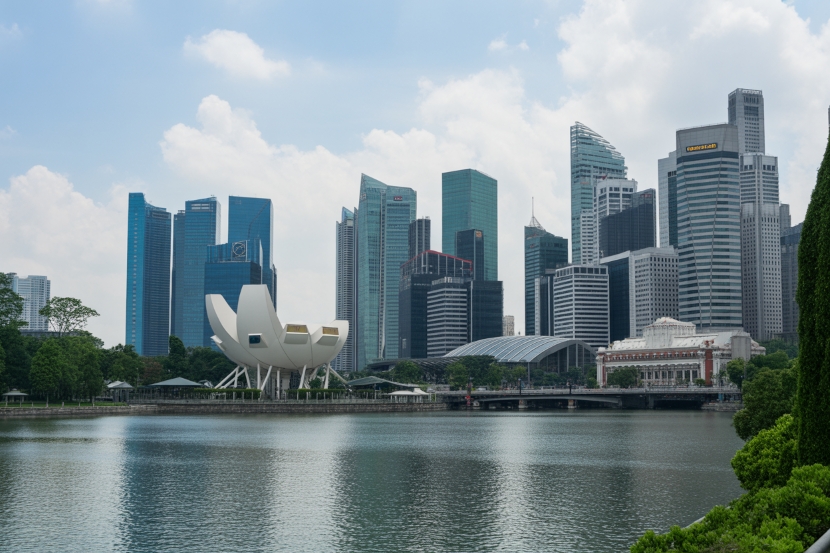
New Aviation Rules Hit Global Airports: Singapore Demands Stricter Pre-Flight Document Checks in 2026 – Everything You Need to Know About the New Boarding Restrictions

New Aviation Rules Hit Global Airports: Singapore Demands Stricter Pre-Flight Document Checks in 2026 – Everything You Need to Know About the New Boarding Restrictions
New Aviation Rules Hit Global Airports

In an unprecedented move, Singapore is set to tighten its travel regulations beginning 30th January 2026. The country will implement a no-boarding policy aimed at preventing non-compliant travelers from boarding flights bound for Singapore. The Immigration and Checkpoints Authority (ICA) will require airlines to ensure passengers possess the correct travel documents before boarding, ensuring smoother transitions at airports and better control of who enters the nation. This new directive is set to increase the responsibility of airlines, who will be financially liable for any violations. As Singapore takes these strict measures to bolster security and preparedness, all travelers will need to be especially cautious about ensuring they have the required documents.

New Travel Rules to Take Effect in January 2026

From 30th January 2026, Singapore will implement a stricter boarding directive that will significantly impact both travelers and airlines. Under the new regulations, airlines will be required to check and verify that passengers are in compliance with Singapore’s entry requirements before boarding. This includes confirming that travelers have valid visas, passports with at least six months’ validity, or other essential travel documents. If a traveler does not meet these criteria, they will not be allowed to board their flight.

The Immigration and Checkpoints Authority (ICA) will provide airlines with detailed notices outlining which passengers are not eligible to board. This proactive approach aims to ensure that only those who meet Singapore’s strict entry rules make their way to the country’s airports. Airlines failing to comply with these new requirements could face hefty financial penalties up to SG$10,000.

The Role of Airlines in Singapore’s Stricter Aviation Controls

With this new directive, airlines will be placed at the forefront of Singapore’s pre-flight security system. It will be their responsibility to carefully check travelers’ documents before they are allowed to board. This decision signifies a shift in responsibility, requiring airlines to act as the first line of defense in controlling who enters Singapore.

In addition to the administrative responsibilities, airlines will also face serious repercussions if they fail to adhere to the new guidelines. Pilots and airline staff who knowingly permit travelers with incomplete or invalid documentation may themselves face fines of up to SG$10,000 or even imprisonment for up to six months.

This tougher stance underscores Singapore’s commitment to maintaining robust security measures and ensuring that all arriving passengers have met the stringent entry requirements. Travelers must now double-check their travel documents before their flight to avoid any disruptions.

The ICA’s Advanced Passenger Data System

One of the key components of the new regulations is the ICA’s advanced passenger data system. Under this system, airlines will be required to submit detailed passenger information to the ICA before flights are due to depart. This gives the ICA enough time to flag certain individuals for further scrutiny or additional checks before they board. By collecting and verifying this information in advance, Singapore aims to streamline the boarding process and reduce waiting times at immigration checkpoints upon arrival.

This early detection system will help the ICA ensure that passengers who do not meet the necessary criteria are flagged for further review, allowing them to address any issues before they reach Singapore’s borders. This process is designed to enhance security and prevent any potential disruptions caused by travelers arriving with incomplete or invalid documentation.

What Travelers Need to Know

For those planning a trip to Singapore after January 2026, here are a few important tips to keep in mind:

  • Check your documents early: Ensure that your passport has at least six months of validity before your flight, and make sure that you have the appropriate visa if required.
  • Verify entry requirements: Some travelers may need additional documentation, such as a special entry pass. If you are unsure about your eligibility, contact the Immigration and Checkpoints Authority (ICA) or your airline before your flight.
  • Consult the airline: Airlines are now responsible for verifying passengers’ documents before they board. Ensure that you communicate with your airline ahead of time to avoid any complications.
  • Expect stricter checks: With the new regulations in place, travelers can expect enhanced checks both by airlines and the ICA. Make sure to allow extra time before your flight to accommodate for potential delays at check-in.

By taking these precautions, travelers can help ensure a smoother journey to Singapore, without the added stress of last-minute document issues.

What This Means for Singapore’s Tourism and Aviation Sector

This new policy is also poised to have a significant impact on the broader tourism industry in Singapore. With stricter checks and more rigorous document verification, Singapore will likely see a more secure and controlled flow of international visitors. This can be beneficial for the tourism sector in the long run, as it will help ensure that only those who meet the necessary entry requirements are allowed into the country.

In the short term, however, the new regulations may cause some travel disruptions as both travelers and airlines adjust to the updated rules. Passengers may need to arrive at airports earlier to allow for the enhanced check-in process, and airlines may have to invest in additional training for their staff to ensure full compliance with the new requirements. This could add to the costs for airlines, particularly in the case of fines for non-compliance, but in the long term, it is expected to improve the overall security of Singapore’s aviation and tourism infrastructure.

Final Thoughts

As January 2026 approaches, travelers should ensure that they are fully prepared for Singapore’s new travel regulations. The no-boarding directive, backed by the Immigration and Checkpoints Authority (ICA), signifies a major shift in how airlines handle passenger compliance with entry requirements. With the potential for significant penalties for non-compliance, travelers must take extra steps to verify their travel documents well in advance of their flight.

This move strengthens Singapore’s commitment to border security and ensures that its tourism and aviation sectors continue to operate smoothly in an ever-changing global travel landscape.

The post New Aviation Rules Hit Global Airports: Singapore Demands Stricter Pre-Flight Document Checks in 2026 – Everything You Need to Know About the New Boarding Restrictions appeared first on Travel And Tour World.

Gardens by the Bay Joins Bukit Timah, HortPark, East Coast, MacRitchie Reservoir, and More as Singapore’s Ultimate Green Escapes – Explore Nature’s Hidden Gems and Unwind in the Heart of the City!

Gardens by the Bay Joins Bukit Timah, HortPark, East Coast, MacRitchie Reservoir, and More as Singapore’s Ultimate Green Escapes – Explore Nature’s Hidden Gems and Unwind in the Heart of the City!

Singapore is often celebrated for its modern skyline, bustling streets, and iconic landmarks, but beneath the city’s urban pulse lies a world of tranquillity and lush greenery. Singapore’s commitment to sustainability and the environment is reflected in the city’s vast array of green spaces, which provide a perfect escape from fast-paced city life. Whether you are a nature lover, a photographer, or simply looking for a peaceful spot to relax, Singapore’s green spaces offer something for everyone.

1. Gardens by the Bay: A Futuristic Oasis in the Heart of Singapore

Where it is:
Located in the heart of the city, just next to Marina Bay Sands, Gardens by the Bay is one of Singapore’s most iconic green spaces.

Why Visit:
Gardens by the Bay is an exceptional example of modern horticultural innovation. The sprawling garden spans 101 hectares and is home to futuristic structures like the Supertree Grove and the Flower Dome, which houses plants from around the world.

Top Attractions:

  • Supertree Grove: Towering, tree-like structures that light up beautifully at night, creating a futuristic landscape that’s perfect for photography.
  • Flower Dome: The world’s largest glass greenhouse, featuring a wide range of plants from Mediterranean climates.
  • Cloud Forest: A stunning indoor waterfall surrounded by lush vegetation that recreates the cool-moist climate of tropical mountain regions.

Things to Do:

  • Take a walk through the Flower Dome and the Cloud Forest for an immersive experience.
  • Don’t miss the OCBC Skyway – a suspended walkway that offers panoramic views of the gardens and the city skyline.
  • Visit the Supertree Grove during the Garden Rhapsody light show for a magical experience after sunset.

Where to Stay:
Stay at Marina Bay Sands for easy access to Gardens by the Bay or consider hotels in the Bayfront area for a more affordable, yet convenient, option.

2. Singapore Botanic Gardens: A UNESCO World Heritage Site

Where it is:
Located in Orchard Road, the Singapore Botanic Gardens is one of the world’s oldest tropical gardens and a UNESCO World Heritage Site.

Why Visit:
The Botanic Gardens is a peaceful haven and a must-see for plant enthusiasts. Home to more than 10,000 species of plants, it’s a place where visitors can immerse themselves in the beauty of nature while learning about conservation and biodiversity.

Top Attractions:

  • National Orchid Garden: Famous for its vast collection of orchids, this garden is a gem for nature lovers.
  • Swan Lake: A tranquil spot where visitors can relax by the water and enjoy the peaceful surroundings.
  • Jacob Ballas Children’s Garden: A special area for kids, offering hands-on nature experiences.

Things to Do:

  • Walk through the Orchid Garden and enjoy the magnificent variety of orchids in bloom.
  • Take a leisurely stroll around the Swan Lake and watch the resident swans glide across the water.
  • Enjoy the vibrant birdlife and quiet ambiance of the garden while having a picnic or relaxing on one of the benches.

Where to Stay:
Hotels near Orchard Road, such as The Orchard Hotel or Grand Park Orchard, provide easy access to the Botanic Gardens and the city’s shopping district.

3. East Coast Park: A Beachside Retreat for Outdoor Lovers

Where it is:
Located along the southeastern coast of Singapore, East Coast Park stretches for about 15 kilometers along the coastline.

Why Visit:
East Coast Park is a favorite spot for both locals and tourists, offering a mix of beach activities, cycling paths, and picnic areas. It’s the perfect place to escape the heat and enjoy some outdoor fun.

Top Attractions:

  • Cycling and Rollerblading: Rent a bike or rollerblades and ride along the scenic coastal path.
  • Beaches: The park has sandy beaches where you can relax or take part in water sports like kayaking or windsurfing.
  • East Coast Lagoon Food Village: Enjoy local hawker delights like satay, fried carrot cake, and chili crab while enjoying the view.

Things to Do:

  • Spend the day on the beach soaking up the sun or take a refreshing dip in the sea.
  • Ride or walk along the Park Connector Network, which links various parks and allows you to explore Singapore’s green spaces.
  • Enjoy a BBQ at one of the park’s designated grilling areas for a fun and local experience.

Where to Stay:
Stay at the Grand Mercure Singapore Roxy, a short distance from the park, or choose accommodation along the East Coast Road for easy access to the beach and local eateries.

4. MacRitchie Reservoir Park: Explore the Trails and Treetop Walk

Where it is:
Located in central Singapore, MacRitchie Reservoir Park is one of the oldest reservoirs in Singapore and is a haven for nature lovers.

Why Visit:
Known for its lush rainforest and wildlife, MacRitchie offers an excellent opportunity for hiking, bird watching, and exploring Singapore’s natural beauty. The Treetop Walk, a 250-meter suspension bridge that gives visitors panoramic views of the forest, is one of the main highlights.

Top Attractions:

  • Treetop Walk: The suspension bridge takes you above the forest canopy, offering a unique view of the wildlife and plant life below.
  • Hiking Trails: The park features a range of walking and hiking trails of various lengths, ideal for all levels of fitness.
  • Birdwatching: The park is home to a variety of bird species, making it a popular spot for bird enthusiasts.

Things to Do:

  • Hike along the South View Trail or the Nature Trail for a more immersive nature experience.
  • Enjoy a peaceful walk around the MacRitchie Reservoir.
  • Take a guided tour to learn about the local wildlife and flora.

Where to Stay:
Stay at the nearby Hotel Royal or York Hotel, both providing access to nature reserves while being close to Singapore’s main attractions.

5. Bukit Timah Nature Reserve: A Hidden Gem for Hiking Enthusiasts

Where it is:
Located in the central part of Singapore, Bukit Timah Nature Reserve is home to the highest natural point in Singapore, Bukit Timah Hill.

Why Visit:
A haven for nature lovers and outdoor enthusiasts, Bukit Timah is known for its rich biodiversity. The reserve offers lush rainforests and hiking trails that allow you to connect with nature while learning about Singapore’s wildlife.

Top Attractions:

  • Bukit Timah Hill: The highest peak in Singapore offers spectacular views of the surrounding forest and city.
  • Hiking Trails: There are multiple trails that lead you through diverse ecosystems, including primary forests and dense woodlands.
  • Wildlife: The reserve is home to various species of mammals, reptiles, and birds.

Things to Do:

  • Hike to the top of Bukit Timah Hill and enjoy panoramic views of the city.
  • Explore the various trails that range from easy walks to more challenging routes.
  • Take a guided tour to learn about the forest ecosystem and the reserve’s history.

Where to Stay:
Stay at hotels near Dover Road or Clementi, such as The Quay Hotel or The Residence at Singapore, which are close to the nature reserve.

6. HortPark: The Park Connector for Garden Lovers

Where it is:
Located near Telok Blangah, HortPark is a beautifully landscaped park that serves as the hub of Singapore’s Park Connector Network.

Why Visit:
HortPark is a park that celebrates Singapore’s commitment to greening and gardening. It offers various themed gardens, including a fragrance garden and a butterfly garden, providing a perfect spot for nature walks.

Top Attractions:

  • Gardens by the Bay East: The part of the park with themed gardens showcasing Singapore’s rich botanical diversity.
  • Horticulture Hub: An area dedicated to showcasing various gardening styles, from vertical gardens to water-efficient planting.
  • Butterfly Garden: Home to a variety of local butterflies, making it a serene spot to relax and enjoy nature.

Things to Do:

  • Wander through themed gardens and enjoy the diversity of plants and flowers.
  • Take a walk along the Park Connector Network to explore more of the city’s green spaces.
  • Join a gardening workshop or participate in community events focused on sustainability.

Where to Stay:
Consider staying at nearby hotels such as The Fullerton Hotel or Hotel Jen Orchardgateway for easy access to both HortPark and other attractions.

Embrace Singapore’s Green Side

Singapore’s green spaces are an integral part of the city’s identity, offering a peaceful escape from the bustling urban landscape. Whether you’re seeking hiking trails, scenic gardens, or a quiet spot by the water, these parks provide a refreshing contrast to the city’s towering skyscrapers. With nature reserves, gardens, and urban parks all around, Singapore is truly a green city at heart.

So, take time to explore these nature-filled havens, experience the calming vibes of Singapore’s outdoor spaces, and immerse yourself in the natural beauty that this urban oasis has to offer. Whether you’re a nature enthusiast or simply looking for a serene escape, Singapore’s green spaces promise an unforgettable experience.

The post Gardens by the Bay Joins Bukit Timah, HortPark, East Coast, MacRitchie Reservoir, and More as Singapore’s Ultimate Green Escapes – Explore Nature’s Hidden Gems and Unwind in the Heart of the City! appeared first on Travel And Tour World.
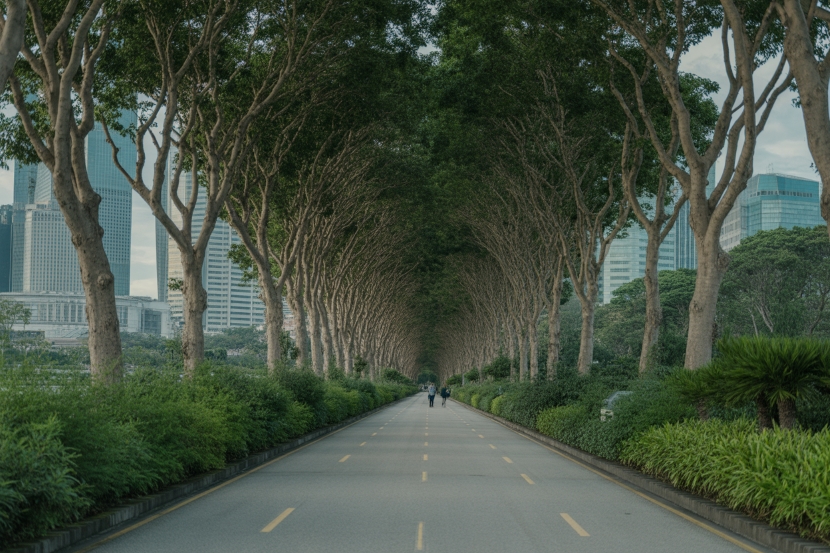
Family Travel Just Got Easier in Singapore, Vietnam & Thailand: Discover How Nannimoon’s AI Nannies Are Revolutionizing Vacations for Parents!

Family Travel Just Got Easier in Singapore, Vietnam & Thailand: Discover How Nannimoon’s AI Nannies Are Revolutionizing Vacations for Parents!
Family travel just got easier in Singapore, Vietnam, and Thailand: Discover how Nannimoon’s AI nannies are revolutionizing vacations for parents!

Family travel just got easier in Singapore, Vietnam, and Thailand: Discover how Nannimoon’s AI nannies are revolutionizing vacations for parents! As more families seek unforgettable experiences in Southeast Asia, destinations like Singapore, Vietnam, and Thailand have become top choices for their rich culture, beautiful landscapes, and family-friendly attractions. However, traveling with young children can sometimes be a daunting experience. Parents often want to explore, relax, and enjoy the sights and sounds of a new place, but childcare logistics can be a major concern. That’s where Nannimoon comes in. This innovative platform, powered by artificial intelligence, connects parents with verified, English-speaking local nannies who help create a more stress-free vacation experience. With fully vetted nannies and personalized AI matching, Nannimoon is offering parents the opportunity to enjoy their travels without sacrificing the care and safety of their children. As the demand for family travel grows, particularly in these vibrant Southeast Asian destinations, services like Nannimoon are reshaping the way families experience their vacations. Now, parents can confidently book their trips to Singapore, Vietnam, and Thailand, knowing that reliable, professional childcare support is just a click away.

Family Travel Just Got Easier in Singapore, Vietnam & Thailand: Discover How Nannimoon’s AI Nannies Are Revolutionizing Vacations for Parents!

Traveling with children is a dream for many families, but it can also come with its challenges. Parents often face the dilemma of wanting to explore a new destination while ensuring their children are well taken care of. In the past, finding trustworthy childcare while traveling could be a hassle. However, thanks to innovative platforms like Nannimoon, this experience is about to change for the better. Nannimoon, an AI-powered childcare marketplace, is revolutionizing family vacations across Southeast Asia, particularly in Singapore, Thailand, and Vietnam, by providing families with access to fully vetted, English-speaking nannies. With the rise of family-friendly travel and a growing focus on stress-free vacations, this new service is making it easier for parents to enjoy their trips without worrying about childcare.

Family Travel Just Got Easier in Singapore, Vietnam & Thailand

For families planning vacations in Southeast Asia, Singapore, Thailand, and Vietnam are at the top of the list for their rich culture, beautiful landscapes, and family-friendly attractions. Whether it’s the vibrant streets of Bangkok, the serene beaches of Phuket, or the bustling markets of Ho Chi Minh City, these countries offer something for every family member.

However, when traveling with children, especially young ones, the experience can often feel overwhelming. Parents want to enjoy the local culture, indulge in activities like sightseeing and dining, and relax, but it’s not always easy to find reliable childcare in a foreign country. That’s where Nannimoon steps in. With its AI-powered matchmaking system, Nannimoon connects families with fully vetted, English-speaking nannies who can support them throughout their travels, from hotel babysitting to excursion assistance. This service allows parents to reclaim their vacation time and immerse themselves in the local experience while ensuring their children are in safe, capable hands.

How Nannimoon’s AI-Powered Nanny Service Is Revolutionizing Vacations for Parents

Nannimoon’s platform stands out because it addresses the common concern of trust. Every nanny listed on the platform goes through a strict four-step vetting process, which includes identity verification, a professional interview, reference checks, and CPR and first-aid certification. This ensures that parents have peace of mind knowing that their chosen nanny meets the highest safety and professionalism standards. In addition, Nannimoon uses AI-assisted matching to pair families with nannies based on factors such as children’s ages, developmental needs, and even personality traits. This personalized approach helps families find the perfect match quickly, making their holiday planning smoother and stress-free.

As families continue to seek more adventurous vacations without sacrificing relaxation, Nannimoon is filling an essential gap in the family travel market. Families traveling to Thailand, Vietnam, or Singapore can now enjoy a mix of fun, relaxation, and cultural exploration, all while benefiting from the help of a trusted nanny. The platform’s 24/7 customer care team ensures that families have access to real-time support before, during, and after their bookings, making it a convenient option for parents seeking reliable care while traveling.

Singapore, Vietnam & Thailand Set to Lead the Way in Family Travel

Southeast Asia has long been a popular destination for tourists, but in recent years, family tourism has seen an exponential rise in Singapore, Vietnam, and Thailand. These countries offer a variety of attractions that are perfect for families, such as theme parks, beach resorts, and cultural sites. For instance, in Singapore, families can explore the Singapore Zoo, Gardens by the Bay, and Sentosa Island, which provide fun and educational experiences for all ages. In Thailand, families can visit Bangkok’s Safari World, Chiang Mai’s Elephant Nature Park, and the idyllic beaches of Koh Samui. Meanwhile, Vietnam’s UNESCO-listed Ha Long Bay and vibrant cities like Hanoi and Ho Chi Minh City offer families the chance to explore culture, history, and nature in one exciting package.

Despite the incredible family-friendly options available, one of the biggest hurdles parents face when traveling in these regions is finding trustworthy childcare. Nannimoon addresses this concern head-on by offering a convenient, vetted, and reliable nanny service that is easily accessible via an online platform. This solution allows families to enjoy their vacation while their children are cared for by experienced, local professionals. With this kind of service, parents can indulge in the rich experiences Southeast Asia offers without the stress of childcare logistics.

What Makes Nannimoon a Game-Changer for Airlines and Hotels?

As more families travel to Singapore, Thailand, and Vietnam, the airline and hospitality industries are seeing a shift in demand. Airlines are now focusing more on catering to family needs, offering features such as priority boarding for families, child-friendly entertainment, and extra baggage allowances for families with young children. Major airlines like Singapore Airlines, Thai Airways, and Vietnam Airlines have long been recognized for their premium services, and with the rising demand for family travel, these airlines are increasingly adapting their services to accommodate parents traveling with children.

For example, Singapore Airlines offers a range of family-friendly services, including family check-in counters, kids’ amenities kits, and bedding for infants, ensuring that the flight experience is comfortable for both children and parents. Similarly, Thai Airways and Vietnam Airlines offer special in-flight entertainment and child meals that cater to younger passengers. These services reflect a broader shift in the industry to make travel more accommodating for families, and the rise of services like Nannimoon further strengthens this trend.

Hotels in Southeast Asia are also adapting to the increasing demand for family-oriented services. Hotels like Marriott, Hilton, and Accor have developed family-friendly amenities such as kids’ clubs, family suites, and childcare services. However, with the introduction of platforms like Nannimoon, these hotels can now offer even more comprehensive family support, allowing parents to fully enjoy their stay without worrying about finding a babysitter. This shift in the industry signals the growing importance of family-centric travel services, which benefit both travelers and the hospitality sector.

The Benefits for Parents and Families

One of the biggest advantages of using Nannimoon’s AI-powered platform is the ease it brings to parents’ travel plans. Instead of spending time searching for local babysitters or relying on ad hoc recommendations, Nannimoon offers a streamlined, reliable service that connects families to qualified nannies in their destination. This AI-driven matching system helps parents find a nanny whose qualifications, experience, and personality align with their child’s needs, making it a far more reliable option than traditional childcare services.

Parents can rest easy knowing that the nannies on the platform are carefully vetted and trained to handle various childcare situations, including emergencies. The added benefit of having a native English-speaking nanny makes it easier for parents to communicate effectively, particularly if they are in a country where they do not speak the local language. Nannimoon’s 72-hour money-back guarantee also ensures that parents can switch nannies if they feel the match isn’t right, offering added peace of mind and flexibility.

Travel Tips for Parents Visiting Southeast Asia

When traveling with children in Southeast Asia, there are a few tips to keep in mind to ensure a smooth and enjoyable trip:

  1. Pack Light but Smart: Opt for lightweight travel gear such as compact strollers and travel-friendly car seats to make navigating airports and transportation easier. Many hotels in Southeast Asia also provide cribs and high chairs, so check with your accommodation in advance to avoid packing bulky items.
  2. Check for Family-Friendly Flights: Book flights with family-friendly airlines such as Singapore Airlines or Thai Airways that offer extra services for young passengers, including priority boarding and child meals. It’s always a good idea to confirm these services with the airline when booking.
  3. Plan for Hot Weather: Southeast Asia’s tropical climate can be intense, so make sure to bring light clothing and sunscreen for your children. Plan for indoor activities during the peak heat of the day, and always stay hydrated.
  4. Respect Local Customs: Each country in Southeast Asia has its own unique culture and traditions. Be sure to learn a few local customs before your trip to help you and your children enjoy a more immersive experience. In countries like Thailand and Vietnam, respect for elders and local traditions is highly valued.
  5. Use Trusted Childcare Services: Whether it’s for a few hours of sightseeing or a dinner out, consider booking a nanny through Nannimoon. It allows you to enjoy your time exploring new destinations while ensuring your children are well cared for in a safe, comfortable environment.

Family travel just got easier in Singapore, Vietnam, and Thailand! Discover how Nannimoon’s AI-powered nannies are changing the game for parents seeking stress-free vacations and unforgettable experiences!

Final Thoughts

Family travel in Southeast Asia is growing, and services like Nannimoon are helping to make these vacations even more enjoyable for parents. By providing reliable, English-speaking nannies for families traveling to Singapore, Thailand, and Vietnam, Nannimoon is redefining how parents approach travel with children. With airlines and hotels adapting to the needs of family travelers, these regions are becoming more accessible than ever before for families seeking a stress-free getaway. Whether you’re planning to explore the cultural wonders of Thailand, relax on the beaches of Vietnam, or visit the futuristic attractions in Singapore, Nannimoon’s AI nanny service offers the perfect solution to ensure that your family vacation is truly unforgettable.

The post Family Travel Just Got Easier in Singapore, Vietnam & Thailand: Discover How Nannimoon’s AI Nannies Are Revolutionizing Vacations for Parents! appeared first on Travel And Tour World.

❌