Login
Login
Antarctica Joins the Canary Islands, Mombasa, Mexico City, Glacier National Park, and More on the 2026 Travel Blacklist Due to Overtourism and Environmental Strain — Here’s What You Need to Know About Safer, Sustainable Alternatives
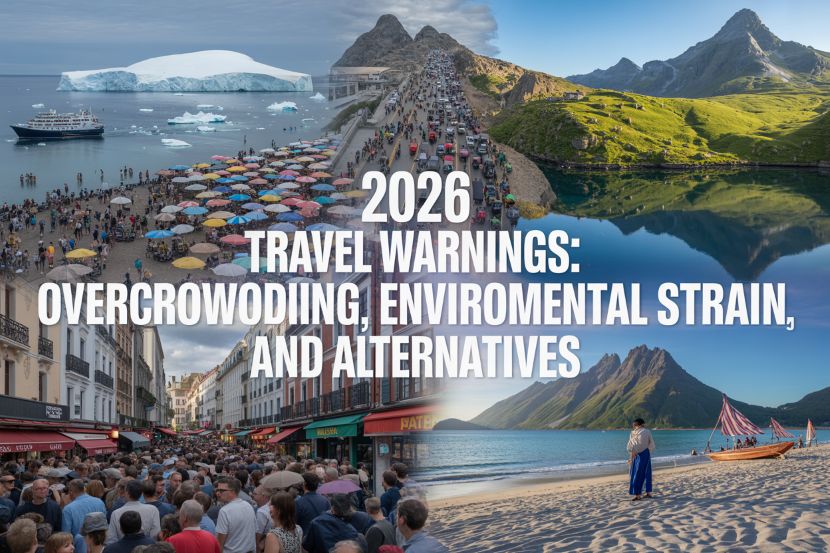
In 2026, Antarctica joins the Canary Islands, Mombasa, Mexico City, Glacier National Park, and other popular destinations on the travel blacklist due to the escalating effects of overtourism and environmental strain. These iconic locations are now facing the consequences of overcrowding, pollution, and ecological damage, making them less ideal for responsible travellers. As more visitors flock to these areas, the impact on local ecosystems, communities, and infrastructure has become undeniable. However, all hope is not lost. In this article, we will explore safer, sustainable alternatives to these tourist hotspots, offering you a chance to enjoy similar experiences without contributing to the environmental crisis. By choosing destinations that prioritize sustainability, you can make a positive difference while still enjoying the beauty of the world’s most remarkable places. Keep reading to find out where you can travel responsibly in 2026, and how to minimize your environmental impact.
Antarctica — Nature in Peril Under Tourist Pressure
Antarctica is no ordinary destination. This frozen continent faces record visitor growth. According to travel experts, Antarctica is on lists urging travellers to rethink visiting in 2026. Experts warn tourism adds stress to its fragile environment and delicate ecosystems. Tourism in Antarctica has surged sharply in the last decade, with figures showing tens of thousands of visitors in recent seasons. Scientists say increased cruise ship noise, carbon emissions, and human activity threaten wildlife like penguins, seals, and seabirds. Even small disturbances to nesting and feeding patterns can have huge impacts. Government travel advisories for Antarctica warn that emergency support and rescue services are limited or non‑existent. Visitors to such remote regions may have no access to rapid medical or evacuation support if something goes wrong. The sheer isolation makes rescue slow or impossible. This combination of environmental fragility and lack of safety infrastructure makes Antarctica one of the most critical places tourists are warned not to visit in 2026.
Glacier National Park — Crowds and Climate Combine to Threaten Wilderness
Glacier National Park in the United States has long been a bucket‑list destination. Yet in 2026, experts urge travellers to rethink visiting because of overtourism and climate change. Park data show that annual visitor numbers more than doubled over the last two decades, putting huge pressure on trails, roads, and natural areas. The famous glaciers — the park’s namesake — have shrunk dramatically, with only a fraction of the ice that existed a century ago. Scientists warn they may disappear entirely soon. Mass tourism accelerates damage by increasing vehicle emissions and trampling fragile soils and vegetation. The park has introduced timed entry systems to manage crowds because congestion was hurting both wildlife and visitor experience. With so many visitors scrambling for photo spots, ecosystems and wildlife are losing ground. When visitor demand causes ecological harm and disrupts natural recovery, experts cite Glacier National Park as one of the key places travellers should rethink for 2026 travel plans.
Canary Islands — Locals Say ‘Stop’ as Overtourism Squeezes Life
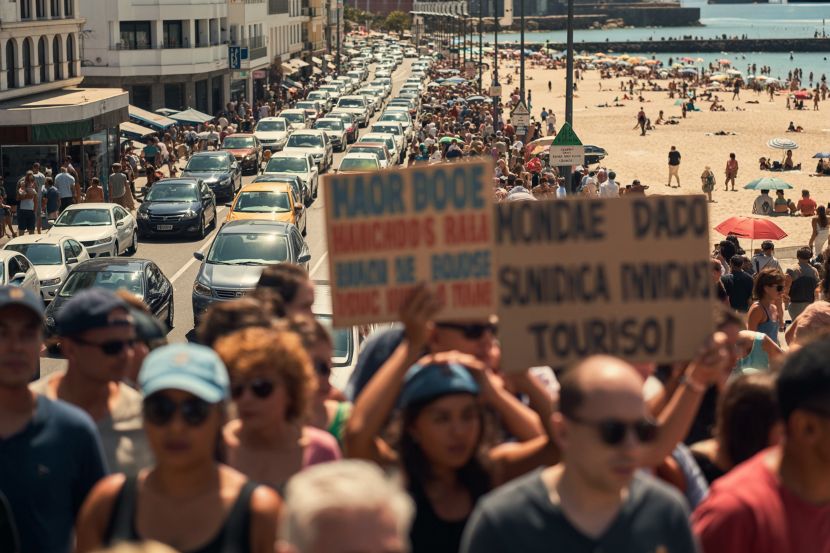
The Canary Islands in Spain have been flooded by tourists for years. Despite their beauty, local residents and authorities warn that the islands are suffering from overtourism. Streets, beaches, and towns are crowded beyond carrying capacity. Local protests have erupted because housing prices are rising and services are strained with too many visitors. At peak seasons, roads slow to gridlock and water supplies struggle to meet demand. This strain harms everyday life for residents and destroys what visitors come to see. UNESCO and environmental experts warn that fragile coastal ecosystems are stressed, risking long‑term damage to beaches, dunes, and marine life. Official travel advisories now highlight concerns over congestion and quality of life for residents. When local communities are pushing back, tourists are being told to pause visits — because the social and environmental balance is breaking down. In short, the Canary Islands have become one of the 8 destinations tourists are warned not to visit in 2026.
Mombasa — Coastal Crowd Chaos Harms Locals and Beaches
Kenya’s historic port city Mombasa is known for its warm waters, coral reefs, and rich culture. Yet the same allure is creating problems. Cruise ships pack in thousands of day‑tourists, overloading local beaches and services. Streets near ports become congested, sanitation systems are stressed, and noise levels rise. Local residents have voiced complaints about environmental damage to reefs from unregulated water sports and boat traffic. Trash accumulates on once‑pristine beaches because waste management services cannot keep up. Government reports indicate that tourism growth has outpaced infrastructure investment, leaving locals to bear the burden of tourism’s footprint. When locals publicly express frustration and warn visitors that the city is overwhelmed, it signals serious trouble. That’s why Mombasa is among the list of destinations travellers are urged to reconsider in 2026, as the balance between tourism and daily life collapses.
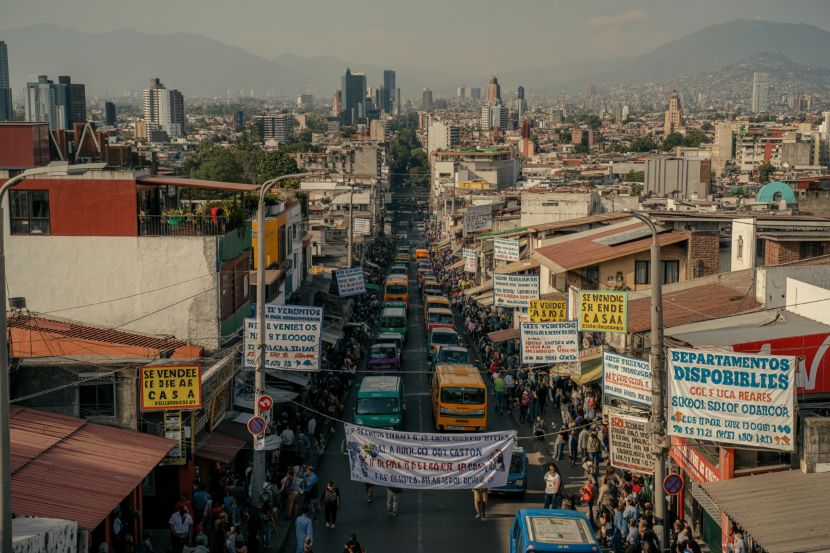
Mexico City — Urban Strain, Rising Prices, and Cultural Erosion
Mexico City, one of the world’s largest metropolises, is also on travel advisories urging caution. Fast‑growing tourism has pushed housing prices up, displaced local communities, and driven short‑term rental booms. Many residents now struggle with living costs as neighbourhoods once affordable become tourist‑oriented and expensive. Local governments warn that infrastructure like water, transport, and waste removal are overwhelmed during peak travel seasons. Traffic congestion tops worst‑in‑the‑world lists, turning simple journeys into hours‑long ordeals. Public safety advisory data highlight increased crime and petty theft in busy urban areas, especially where tourists congregate. Tourists unfamiliar with the city’s complex layout may find themselves targeted by criminals. Combined with rising rent, shrinking authentic culture, and overwhelmed services, Mexico City is now among the top 8 places travellers are warned not to visit in 2026 — unless they carefully plan and stay aware.
Isola Sacra — Cruise Ship Controversy and Local Backlash
Italy’s Isola Sacra near Rome has become a flashpoint because of plans to build a major cruise ship terminal. Environmental groups and residents say the project will harm delicate coastal wetlands and bird habitats. Wetlands are vital for migratory birds and act as natural buffers against erosion and flooding. Official environmental assessments warn that increased ship traffic, fuel emissions, and artificial construction could alter water quality and destroy habitats. Local citizens have staged protests to halt development plans. When a destination’s own residents oppose tourism‑related projects, it suggests serious local concerns about sustainability. Government zoning authorities and environmental ministries are now reviewing the project after public outcry. Until there is clarity and protection for this fragile ecosystem, travellers are being urged to avoid visiting. This makes Isola Sacra part of the controversial list of places warned against for 2026 travel.
Montmartre, Paris — Tourist Crush Drives Locals Out
Montmartre, the historic hilltop neighbourhood in Paris, is beloved for its art studios, cafes, and narrow streets. But even this iconic place now struggles with overtourism. Reports show millions of visitors every year, sometimes more tourists than local residents. This crowd pressure drives up rents and daily costs, forcing many long‑time residents to move away. Traffic congestion and crowds make walking difficult, and local businesses complain that tourist shops are replacing traditional stores. City councils are exploring crowd‑control measures and limits on tours. When residents publicly say they no longer want the same flood of visitors that once defined their economy, it signals a shift. Montmartre now often feels more like an amusement zone than a living village. That’s why travel advisories and expert guides suggest that tourists reconsider visiting Montmartre in 2026 to allow the neighbourhood to recover its unique character.
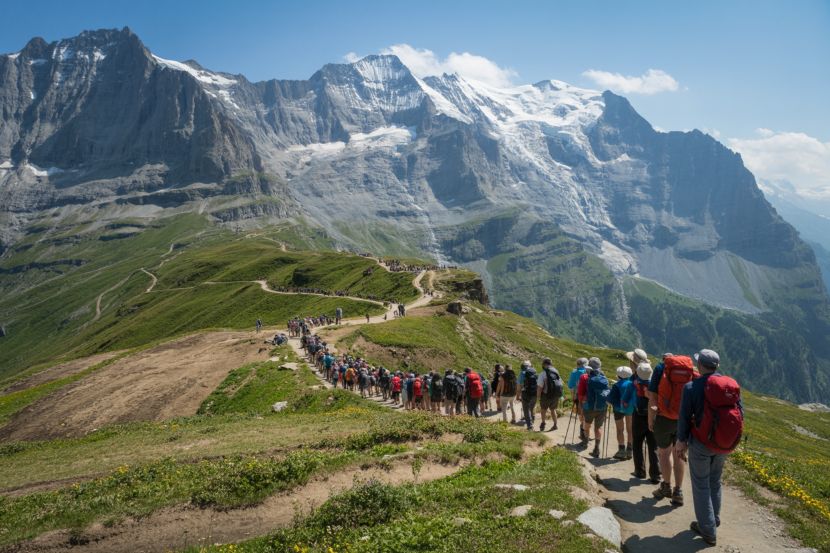
Jungfrau Region — Alpine Beauty Under Threat from Mass Visitation
Switzerland’s Jungfrau region is renowned for majestic mountains and alpine scenery. However, the surge of travellers has put intense pressure on local transport, trails, and nature reserves. Local councils report overcrowded hiking paths and mountain trains running at capacity daily. Alpine meadows are trampled, and delicate high‑altitude flora struggles to recover between peak seasons. Authorities have had to restrict access to sensitive areas to protect the landscape. Rising tourism also drives housing prices up, forcing seasonal workers to live far from their jobs. When visitors flood into small mountain communities, local services like healthcare, waste removal, and transport become strained. Officials are now debating whether to cap visitor numbers or implement tourist taxes to manage demand. Because the local economy and environment are at risk from unrestrained tourism, the Jungfrau region is included in advisory discussions as one of the destinations travellers might want to avoid in 2026.
Travel Alternatives and Solutions: Sustainable Travel Choices for 2026
As tourism continues to boom, some of the world’s most beloved destinations are facing severe environmental and social strains. However, there are many equally captivating yet less overrun destinations offering visitors the chance to explore without contributing to overcrowding, resource depletion, or environmental degradation. In this section, we’ll explore alternative destinations for each of the eight places warned against in 2026, alongside responsible travel tips to ensure that your travels benefit both you and the destination.
Alternative to the Canary Islands: The Balearic Islands or Basque Country
While the Canary Islands have become overwhelmed with tourists, Spain offers stunning alternatives that remain less impacted by mass tourism. The Balearic Islands, including Mallorca, Menorca, and Ibiza, are breathtakingly beautiful yet much more manageable in terms of tourism pressure. These islands boast crystal-clear waters, picturesque villages, and scenic landscapes, offering the perfect balance between beauty and tranquility.
Alternatively, the Basque Country in northern Spain provides a more culturally rich and authentic experience, featuring coastal beauty in cities like San Sebastián and the charming medieval town of Getaria. Known for its unique cuisine, traditional festivals, and stunning beaches, the Basque Country is a great choice for travelers seeking a more peaceful yet equally immersive destination.
Responsible Travel Tips:
- Choose less touristy spots: Instead of visiting the most popular beaches, opt for quieter, hidden gems like Cala Mondragó in Mallorca or Zumaia in the Basque Country.
- Support local businesses: Stay in locally-owned guesthouses and dine at family-run restaurants to keep the tourism dollars within the local economy and reduce the corporate footprint.
- Respect cultural practices: In the Basque Country, be mindful of local customs such as the siesta, and respect traditional ways of life to avoid overwhelming the community.
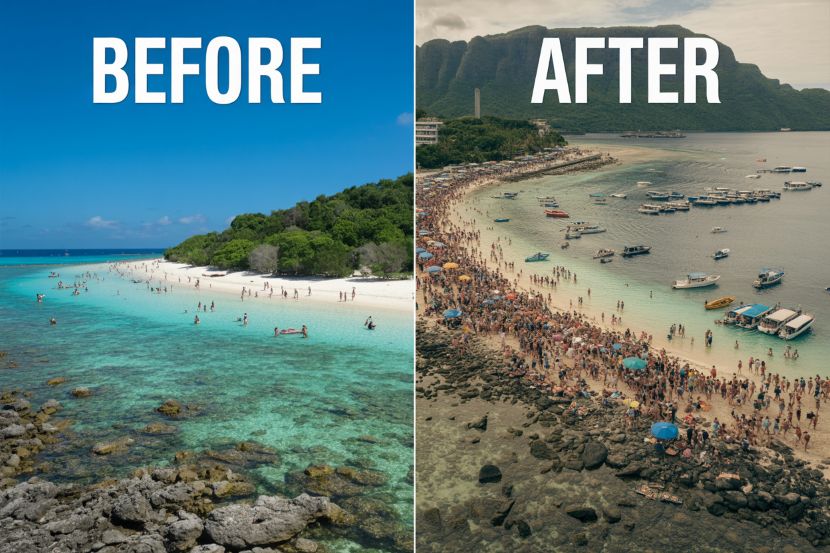
Alternative to Glacier National Park: Grand Teton National Park
The immense crowds at Glacier National Park in Montana have been putting the park’s fragile ecosystems under pressure. For those seeking stunning mountain scenery and hiking opportunities without the crowds, Grand Teton National Park in Wyoming offers similarly spectacular landscapes. The park is renowned for its rugged mountain terrain, pristine lakes, and abundant wildlife, including bison, elk, and grizzly bears, while still being less crowded compared to Glacier.
Responsible Travel Tips:
- Plan visits in the off-season: To minimize your environmental impact, avoid peak tourist seasons. Visiting during shoulder seasons (late spring or early fall) helps alleviate overcrowding.
- Stick to marked trails: Avoid wandering off established paths to prevent damage to sensitive vegetation and ecosystems. Always stay on designated routes to help preserve the landscape.
Alternative to Mexico City: Oaxaca City
Mexico City is facing significant overcrowding, rising costs, and increasing pollution levels, making it a challenging destination for responsible tourists. However, Oaxaca City in southern Mexico offers a less crowded alternative that still provides rich culture, incredible food, and vibrant traditions. Known for its colonial architecture, indigenous art, and world-renowned cuisine, Oaxaca also boasts fewer tourists, allowing for a more authentic experience.
Responsible Travel Tips:
- Use public transportation: Mexico City’s traffic congestion is notorious. To avoid contributing to pollution, opt for sustainable travel options like local buses, bikes, or subways in Oaxaca, where transportation is well-connected and eco-friendly.
- Visit cultural landmarks responsibly: Oaxaca’s artisans and cultural landmarks are central to local identity. Support traditional handicrafts by buying directly from local artisans, ensuring fair wages for their craft.
Alternative to Mombasa: Diani Beach or Lamu Island
While Mombasa is suffering from overcrowding and pollution, Kenya offers several alternatives with equally stunning beaches and cultural richness. Diani Beach, located further south along the Kenyan coast, is known for its white sandy beaches, crystal-clear waters, and peaceful atmosphere, making it a perfect alternative to Mombasa’s crowded shores. Alternatively, Lamu Island, a UNESCO World Heritage site, offers historical charm with a blend of Swahili culture, tranquil beaches, and laid-back vibes.
Responsible Travel Tips:
- Choose eco-conscious resorts: Stay at eco-friendly resorts that emphasize waste management and energy conservation, like those in Diani or Lamu.
- Respect local wildlife: Lamu Island is home to endangered species like the green turtle. Avoid activities like turtle-watching that disrupt their nesting, and always choose wildlife-friendly tours.
Alternative to Isola Sacra: Sardinia
Isola Sacra in Italy is facing significant opposition due to development plans that threaten local ecosystems. Instead of visiting this controversial destination, consider Sardinia, which offers a similar Mediterranean experience without the large-scale development. Sardinia is famous for its crystal-clear waters, rugged mountains, and ancient ruins, providing a rich experience steeped in culture, history, and natural beauty.
Responsible Travel Tips:
- Explore rural areas: Sardinia’s inland areas, such as Barbagia, are less affected by mass tourism and offer a more authentic Italian experience.
- Preserve the environment: The island’s beaches are natural treasures. Be sure to follow the Leave No Trace principles by avoiding plastic waste and respecting wildlife.
Alternative to the Jungfrau Region: Dolomites, Italy
The Jungfrau region in Switzerland, while stunning, suffers from over-tourism, especially in high-traffic areas like Zermatt and Grindelwald. For those seeking an alternative, the Dolomites in northern Italy offer equally breathtaking landscapes, with dramatic peaks, lush valleys, and a quieter, less crowded experience. The region is renowned for its skiing and hiking opportunities, offering magnificent views year-round, but with a more relaxed atmosphere compared to the Alps.
Responsible Travel Tips:
- Reduce your carbon footprint: Instead of using cars to navigate the Dolomites, take advantage of local transportation options like buses and trains, which reduce emissions.
- Stay in eco-friendly hotels: Many hotels in the Dolomites use renewable energy and practice sustainable tourism to help protect the environment. Opt for these accommodations to minimize your footprint.
Alternative to Montmartre: Lyon
Montmartre, a major tourist hub in Paris, has become overwhelmed by visitors, leading to concerns about overcrowding and the loss of local charm. A great alternative is Lyon, which offers the same charming ambiance with fewer tourists. Known as the food capital of France, Lyon boasts beautiful architecture, UNESCO-listed Old Town, and vibrant culture, making it a perfect alternative to the more commercialized Parisian districts.
Responsible Travel Tips:
- Embrace slow travel: Take time to explore the local neighborhoods of Lyon, supporting independent shops, cafes, and galleries. This will help sustain the city’s authentic cultural landscape.
- Respect local customs: Lyon is known for its traditional culture. Always be mindful of dining etiquette, especially when enjoying the city’s renowned culinary delights.
Alternative to Antarctica: New Zealand
Instead of contributing to the environmental strains in Antarctica, why not head to New Zealand, another destination with awe-inspiring landscapes, though with far fewer environmental concerns? Known for its pristine national parks, incredible wildlife, and dramatic fjords, New Zealand offers a similar sense of adventure and discovery without the environmental risks associated with increasing tourism in polar regions.
Responsible Travel Tips:
- Choose eco-tours: New Zealand is home to many eco-conscious tours that emphasize sustainability and education about local ecosystems.
- Minimize waste: Adopt a zero-waste approach by carrying reusable water bottles, avoiding single-use plastics, and recycling whenever possible.
Conclusion: Embrace Sustainable Travel Choices
By choosing alternative destinations and practicing responsible travel, you can explore the world while preserving its beauty and cultural integrity. Whether you’re heading to less crowded regions of Spain, venturing into New Zealand’s natural wonders, or embracing sustainable practices in destinations like the Dolomites, every choice matters. As travellers, it’s our responsibility to reduce our impact on the places we visit. By making informed, sustainable decisions, we can continue to enjoy the world’s treasures without contributing to their decline.
The post Antarctica Joins the Canary Islands, Mombasa, Mexico City, Glacier National Park, and More on the 2026 Travel Blacklist Due to Overtourism and Environmental Strain — Here’s What You Need to Know About Safer, Sustainable Alternatives appeared first on Travel And Tour World.