
Reading view

Hot Springs Joins Gateway Arch, Virgin Islands, Indiana Dunes and Pinnacles National Parks in the list of Smallest Among All to Reveal What’s Really Hiding in America’s Secret Spots!
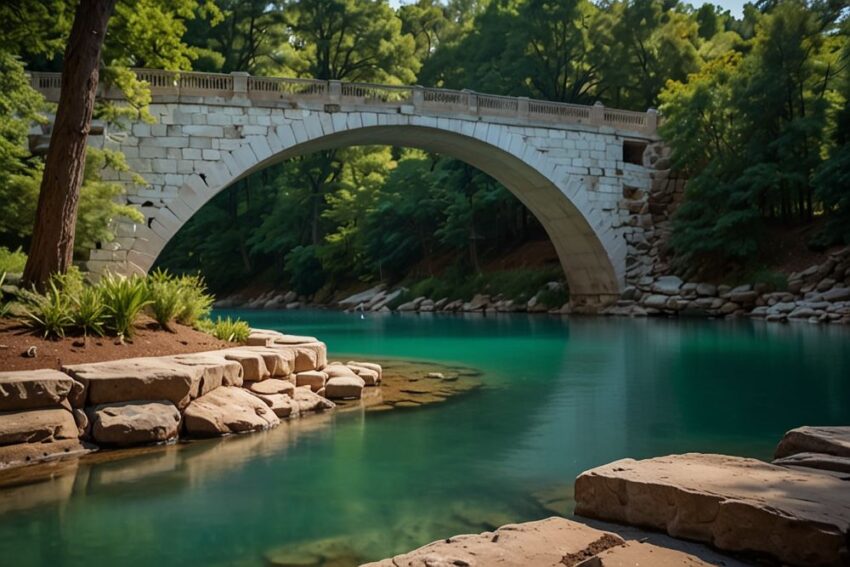
Hot Springs Joins Gateway Arch, Virgin Islands, Indiana Dunes and Pinnacles National Parks in the list of Smallest Among All to Reveal What’s Really Hiding in America’s Secret Spots!
national parks

When we think of national parks, towering mountains, vast forests, and expansive wilderness often come to mind. However, there’s an incredible world of small national parks hiding in plain sight, and Hot Springs has now joined the ranks of Gateway Arch, Virgin Islands, Indiana Dunes, and Pinnacles National Parks as one of the smallest treasures on the U.S. landscape. Despite their modest size, these parks pack a powerful punch, offering stunning natural beauty, rich history, and hidden gems that many overlook. Whether it’s the soothing hot springs of Arkansas, the iconic arch in St. Louis, or the tropical paradise of the Virgin Islands, these parks reveal the secrets of America’s lesser-known wonders. It’s time to explore what these smallest national parks have to offer and see why they’re worth the visit.

The Gateway Arch National Park: St. Louis’ Iconic Urban Landmark

Located in the heart of St. Louis, Missouri, the Gateway Arch National Park holds the title of the smallest U.S. national park. Covering just 192 acres (0.78 km²), this urban park is a symbol of America’s westward expansion. The park is home to the towering Gateway Arch, standing at 630 feet tall, which commemorates the spirit of pioneers moving westward across the country.

This park is one of a kind because it isn’t filled with wilderness or wildlife like many other parks. Instead, it celebrates history and human achievement. The park’s museum, located under the Arch, tells the story of westward expansion, including exhibits on Lewis and Clark’s expedition, Native American history, and the settlers who shaped the U.S. into what it is today.

Gateway Arch National Park may be small, but it holds a special place in American culture and serves as a reminder of the nation’s early pioneering days. It’s a place where history comes alive, making it a must-visit for history enthusiasts and anyone fascinated by America’s past.

Hot Springs National Park: Arkansas’ Healing Waters

In Hot Springs, Arkansas, you’ll find a national park that has been cherished for centuries. Hot Springs National Park covers 5,550 acres (22.5 km²) and is known for its natural hot springs, which have attracted people for thousands of years. These waters, believed to have healing properties, have been a source of relaxation and rejuvenation for both Native Americans and later, European settlers.

The park is home to Bathhouse Row, a collection of historic bathhouses built in the 19th and early 20th centuries. These grand buildings once served as luxury resorts for people seeking the therapeutic benefits of the hot springs. Today, visitors can tour these beautiful bathhouses, enjoy the springs, and hike along scenic trails that lead to amazing views of the surrounding Ouachita Mountains.

Despite being relatively small, Hot Springs National Park offers a unique blend of natural beauty, history, and relaxation. Whether you’re interested in learning about the cultural history of the area or just looking to unwind in the healing waters, this park offers something for everyone.

National Park of American Samoa: Tropical Paradise in the Pacific

The National Park of American Samoa is located in the U.S. territory of American Samoa, in the heart of the South Pacific. Covering 8,257 acres (33.4 km²), this park is unique for its tropical landscape and cultural significance. It’s the only national park in the U.S. south of the equator and protects rainforests, coral reefs, and Samoan cultural sites.

This park is a true hidden gem for nature lovers and those interested in experiencing a different side of American culture. It includes three islands — Tutuila, Taʻū, and Ofu — and showcases an incredible array of wildlife, including endangered species like the Samoan fruit bat. The crystal-clear waters around the islands are perfect for snorkelling and diving, while the forested areas offer scenic hikes and views.

National Park of American Samoa is not only a sanctuary for rare species and beautiful landscapes but also an essential place for preserving Samoan culture. Visitors can experience the warmth and tradition of the Samoan people while exploring the park’s natural wonders.

Virgin Islands National Park: Paradise on the Caribbean Sea

Located on the island of St. John in the U.S. Virgin Islands, the Virgin Islands National Park covers 14,689 acres (59.4 km²) and is one of the smallest national parks in the U.S. But don’t let its size fool you – this park offers some of the most stunning views in the Caribbean. It’s a paradise for beach lovers, nature enthusiasts, and those looking to relax in one of the most beautiful settings in the world.

With white sandy beaches, clear turquoise waters, and abundant coral reefs, the Virgin Islands National Park is a haven for those who love outdoor activities like snorkelling, scuba diving, and hiking. Visitors can explore Cinnamon Bay, Trunk Bay, and Salt Pond Bay, which are known for their picturesque scenery and excellent opportunities for underwater exploration.

In addition to its natural beauty, the park also preserves historical sites, including the Annaberg Sugar Plantation, which tells the story of the island’s colonial past and the enslaved people who worked on the plantations. Virgin Islands National Park offers a perfect blend of beach activities, historical insights, and nature exploration, making it a dream destination for many.

Indiana Dunes National Park: A Stunning Lakeside Escape

Indiana Dunes National Park is located along the Lake Michigan shoreline in northwest Indiana. With 15,349 acres (62 km²) of protected land, it is a small park that offers visitors a diverse range of activities. The park is famous for its sand dunes, some of which rise up to 200 feet high, as well as its beaches, wetlands, and woodlands.

This park is a sanctuary for birdwatchers, with over 350 species of birds observed in the area. The Dune Ridge Trail offers hikers a chance to explore the park’s unique habitats, while the Indiana Dunes Beach is perfect for sunbathing, swimming, and picnicking by the lake.

In addition to its natural beauty, Indiana Dunes holds historical significance, with important Native American and early settler sites. It’s also a great destination for those looking to enjoy a day of relaxation on the beach or a peaceful hike through nature.

Pinnacles National Park: California’s Majestic Rock Formations

Pinnacles National Park, located in California, is another one of the smallest national parks in the U.S., covering 26,600 acres (108 km²). Famous for its stunning rock formations, Pinnacles was formed by ancient volcanic activity millions of years ago. The park’s spires and gorges create a dramatic landscape that’s both visually striking and perfect for outdoor activities.

One of the most notable features of Pinnacles National Park is its California condor recovery program. The park plays a crucial role in the conservation of this endangered species, and visitors may even have the opportunity to see these majestic birds soaring overhead. The park also offers fantastic hiking, rock climbing, and caving opportunities for adventurers.

Pinnacles may be small, but its rugged beauty and commitment to conservation make it an exciting destination for nature lovers and those looking to explore California’s unique geology.

Congaree National Park: South Carolina’s Natural Wonder

Congaree National Park, located in South Carolina, spans 26,275 acres (106 km²) and is one of the smallest parks in the U.S., yet it’s rich in natural beauty. The park preserves one of the largest remaining tracts of bottomland hardwood forest in the United States, offering a glimpse into the ecological diversity of the southeastern U.S.

Congaree is a haven for wildlife, with deer, bobcats, wild boars, and over 200 species of birds calling it home. The park offers visitors the chance to walk through its swampy forest via boardwalks or canoe through its slow-moving waters. It’s also a great spot for birdwatching, with rare species like the red-shouldered hawk and pileated woodpecker.

With its peaceful atmosphere and lush landscapes, Congaree National Park offers a quiet escape from the bustle of everyday life.

Why Are These Parks So Special?

Despite their small size, these parks offer much more than their size suggests. Many are home to unique ecosystems, rare species, and important historical landmarks that make them critical to America’s natural and cultural heritage. Whether it’s the healing waters of Hot Springs, the iconic Gateway Arch, or the tropical beauty of the National Park of American Samoa, each park has a special story to tell.

These parks may not cover vast expanses of land like Yellowstone or Grand Canyon, but they prove that sometimes, the smallest parks can offer some of the biggest experiences. From history buffs to nature lovers, everyone can find something to love in these hidden gems.

Embrace the Hidden Beauty of the Smallest U.S. National Parks

The smallest U.S. National Parks offer a chance to discover something unique, often overshadowed by larger and more famous parks. These parks hold rich histories, stunning landscapes, and special experiences that make them worth exploring. Whether you’re relaxing in the hot springs of Arkansas, hiking through the sand dunes in Indiana, or exploring the beaches of the Virgin Islands, these parks offer something for everyone.

Next time you’re planning a trip to a national park, consider stepping off the beaten path and visiting one of these small, yet mighty, parks. You might just discover your new favourite national treasure.

The post Hot Springs Joins Gateway Arch, Virgin Islands, Indiana Dunes and Pinnacles National Parks in the list of Smallest Among All to Reveal What’s Really Hiding in America’s Secret Spots! appeared first on Travel And Tour World.
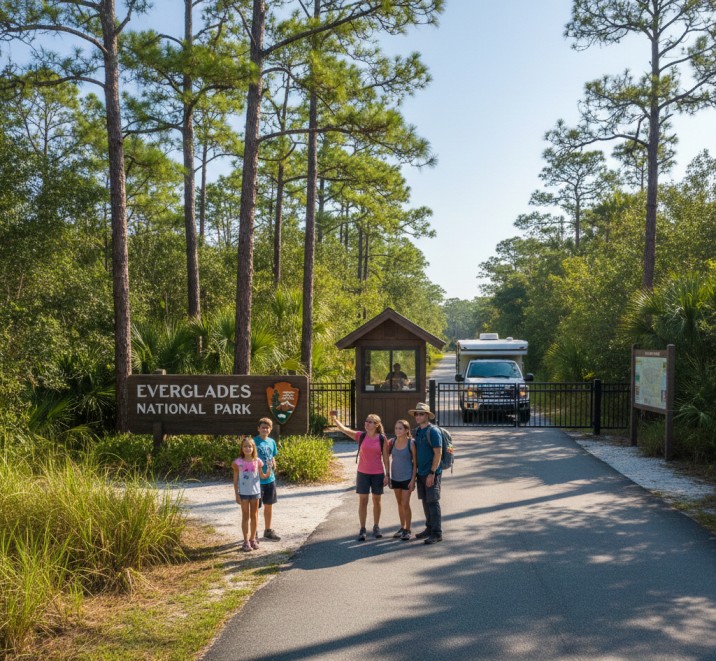
Everglades Joins Zion, Bryce Canyon, Yosemite, Glacier National Park and others in Offering Free Access to Iconic U.S. National Parks in 2026! with Fee-Free Days, Know More Now

Everglades Joins Zion, Bryce Canyon, Yosemite, Glacier National Park and others in Offering Free Access to Iconic U.S. National Parks in 2026! with Fee-Free Days, Know More Now

The beauty of America’s national parks is no secret. From towering mountains to endless canyons and from lush wetlands to ancient forests, U.S. national parks offer some of the most spectacular natural landscapes on Earth. In 2026, visitors will have even more reason to celebrate these breathtaking locations, as Everglades National Park joins Zion National Park, Bryce Canyon National Park, Yosemite National Park, Glacier National Park and others in offering fee-free days to the public. These fee-free days, introduced under the America First Policy, will allow U.S. residents to access these iconic parks without paying the usual entrance fees.

This new initiative promises to make America’s national parks more accessible than ever before, giving people across the country an affordable way to experience the wonders of nature. For many, it is the perfect opportunity to explore parks they may not have visited before or to return to their favourite spots without worrying about entrance costs. In this article, we’ll explore what fee-free days mean, which parks are included and why this initiative is such an exciting development for U.S. national parks.

What are Fee-Free Days?

Fee-free days are specific days throughout the year when visitors can enter U.S. national parks and monuments without paying the usual entrance fees. These special days are typically reserved for significant holidays or other important dates in U.S. history, but in 2026, the rules are changing. While historically these days were open to all visitors, the America First Policy now designates them exclusively for U.S. citizens and permanent residents. This shift prioritises those who contribute to the parks through tax funding, offering them the chance to visit the parks for free, while non-resident visitors will still need to pay regular fees or surcharges.

The policy aims to make U.S. National Parks more accessible to American families, while ensuring that international visitors contribute their fair share to the upkeep of these cherished spaces. The America First Policy, which drives these changes, seeks to promote the value of these parks to U.S. residents while balancing the costs of maintaining national landmarks. As a result, visitors can enjoy free access to some of the most iconic landscapes in the world, including the Everglades, Zion, Bryce Canyon, Yosemite and Glacier National Park, on select dates in 2026.

Which Parks Are Included in Fee-Free Days?

The list of national parks included in the fee-free days offer a rare chance to see these awe-inspiring places without worrying about entrance fees. Among the most visited and famous parks are:

  • Everglades National Park: Spanning 1.5 million acres of subtropical wilderness in Florida, Everglades National Park is home to rare species like the American alligator and the West Indian Manatee. Visitors can explore the park’s diverse wetlands, woodlands and coastal ecosystems through walking trails, boat tours and even ranger-led programs. The park’s unique landscape is crucial for the conservation of freshwater and wildlife, making it one of the most environmentally significant parks in the U.S.
  • Zion National Park: Zion, located in southern Utah, is famous for its towering red rock cliffs and narrow canyons. Among the park’s most popular hikes are Angels Landing, with its panoramic views from the top and The Narrows, a stunning river hike that takes visitors through the Virgin River. Zion is a hiker’s paradise, offering everything from easy walks to challenging climbs. It’s one of the most sought-after parks for outdoor adventurers and nature lovers alike.
  • Bryce Canyon National Park: Known for its unique hoodoos—tall, thin spires of rock—Bryce Canyon offers one of the most visually striking landscapes in the world. Visitors can enjoy hiking and scenic drives, as well as breathtaking views of the park’s rock formations, especially at sunrise and sunset. Bryce Canyon is a prime destination for stargazing, with some of the clearest night skies in the U.S.
  • Yosemite National Park: Yosemite is famous for its granite cliffs, waterfalls and ancient sequoia trees. Iconic landmarks such as El Capitan and Half Dome draw rock climbers and hikers from around the world. Yosemite’s diverse ecosystems offer opportunities for wildlife viewing and the park’s Yosemite Valley is a must-see for anyone visiting. Whether you’re hiking the Mist Trail to Vernal Fall or simply enjoying the view from Glacier Point, Yosemite offers a wealth of unforgettable experiences.
  • Glacier National Park: Known as the “Crown of the Continent”, Glacier National Park is located in northern Montana. The park’s snow-capped peaks, glacial lakes and wildlife-filled valleys make it one of the most scenic parks in the U.S. The famous Going-to-the-Sun Road offers a breathtaking drive through the park, while numerous hiking trails provide access to its hidden corners. Glacier is also home to incredible wildlife, including grizzly bears, mountain goats and bighorn sheep.

These parks are just the tip of the iceberg. The fee-free days apply to dozens of national parks across the U.S., from the lush rainforests of the Great Smoky Mountains to the rugged wilderness of Grand Teton. Each park offers its own unique experience, but they all share one thing in common: they represent the very best of America’s natural heritage.

Fee-Free Days Schedule for 2026

Under the new America First Policy, the 2026 Fee-Free Days are scheduled on key holidays and anniversaries, giving U.S. residents a chance to visit these parks without paying the usual entrance fees. The following dates will be the fee-free days for U.S. citizens and permanent residents:

  • February 16, 2026 – President’s Day
  • May 25, 2026 – Memorial Day
  • June 14, 2026 – Flag Day / President Trump’s Birthday
  • July 3–5, 2026 – Independence Day Weekend
  • August 25, 2026 – 110th Anniversary of the National Park Service
  • September 17, 2026 – Constitution Day
  • October 27, 2026 – Theodore Roosevelt’s Birthday
  • November 11, 2026 – Veterans Day

These dates are designed to coincide with national holidays and historic moments in U.S. history. They will give American families the opportunity to explore parks at no cost, making national parks more accessible and encouraging domestic tourism. These fee-free days will also serve as a reminder of the importance of preserving and celebrating the natural beauty that America has to offer.

The Impact of the America First Policy

The America First Policy, which is central to the fee-free initiative, prioritises U.S. citizens and residents when it comes to public lands access. This policy aims to ensure that American taxpayers, who fund the maintenance of these parks through federal taxes, get the benefit of reduced or waived fees. The new fee structure allows the National Park Service to continue providing high-quality experiences and conservation efforts, while non-resident visitors will still contribute through regular fees.

This shift reflects a larger trend of focusing on domestic tourism and ensuring that American families have easy access to the places that make the country unique. It also serves to highlight the national importance of these sites, which are home to crucial wildlife, diverse ecosystems and cultural heritage.

For those interested in exploring the US National Parks, the fee-free days offer a cost-effective way to experience some of the best natural landscapes in the world. Whether it’s the lush wetlands of the Everglades, the red rock formations of Zion, or the serene beauty of Glacier National Park, these parks have something for everyone. They are not only places to visit but also places to connect with nature, learn about environmental conservation and reflect on the cultural significance of preserving these wild places for future generations.

Why This Matters for Travelers

The 2026 fee-free days offer a fantastic opportunity for Americans to enjoy what many tourists around the world come to see: the grandeur of U.S. national parks. From Yosemite’s towering cliffs to the unique rock formations in Bryce Canyon, the country’s natural wonders are ready to be explored. For families and outdoor enthusiasts, these fee-free days mean that trips to iconic national parks are within reach without the burden of expensive entrance fees.

Moreover, these changes aim to strike a balance between accessibility and sustainability, allowing the National Park Service to continue preserving these sites while making them more accessible to those who fund them.

Conclusion

Everglades National Park, Zion National Park, Bryce Canyon, Yosemite, Glacier and many more U.S. parks are opening their doors wider in 2026 with the introduction of fee-free days under the America First Policy. These free access days not only make it easier for U.S. residents to explore the wonders of these parks but also reflect a commitment to preserving these iconic landscapes for future generations. Whether you are a seasoned hiker or a first-time visitor, 2026 promises to be an exciting year to discover the best of America’s natural beauty, with fee-free days offering the chance to connect with nature and experience the majesty of these protected spaces.

The post Everglades Joins Zion, Bryce Canyon, Yosemite, Glacier National Park and others in Offering Free Access to Iconic U.S. National Parks in 2026! with Fee-Free Days, Know More Now appeared first on Travel And Tour World.

Guadalupe Mountains Joins Yellowstone, Yosemite, Grand Canyon, Everglades and Zion in The Ultimate Dream Team of US National Parks That Will Leave You Speechless!

Guadalupe Mountains Joins Yellowstone, Yosemite, Grand Canyon, Everglades and Zion in The Ultimate Dream Team of US National Parks That Will Leave You Speechless!
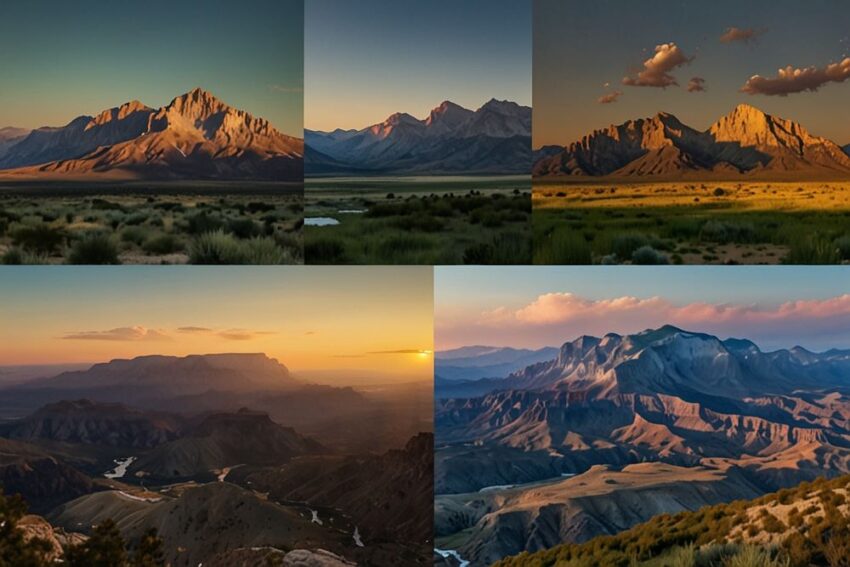
Guadalupe Mountains National Parks

Guadalupe Mountains joins Yellowstone, Yosemite, Grand Canyon, Everglades, and Zion National Park in the ultimate dream team of U.S. natural wonders. These parks are not just destinations; they represent the best of America’s landscapes. From the towering peaks of the Guadalupe Mountains to the geothermal marvels of Yellowstone, every park offers something truly unforgettable. Yosemite’s granite cliffs, Grand Canyon’s vast canyons, Everglades’ wetland ecosystems, and Zion’s sandstone cliffs unite to form the ultimate collection of natural beauty. Together, these parks create an adventure that will leave you speechless.

Whether you’re hiking, taking in breathtaking views, or exploring unique ecosystems like Guadalupe Mountains, the combination of these parks is an experience like no other. This dream team is not just about breathtaking landscapes; it’s about discovering the most awe-inspiring places on Earth, all in one journey.

Guadalupe Mountains National Park: Texas’ Hidden Gem

Nestled in the heart of West Texas, Guadalupe Mountains National Park is a place where desert landscapes meet towering peaks. This park is home to Guadalupe Peak, the highest point in Texas, standing at 8,751 feet (2,667 meters). It offers hikers the opportunity to stand at the very top of the Lone Star State and take in panoramic views that stretch for miles.

Guadalupe Mountains isn’t just about stunning vistas. It holds a hidden treasure of fossilized reefs, dating back to 260-270 million years ago. These fossils make it the largest exposed fossil reef on Earth, which is a testament to the area’s ancient geological history. Beyond the fossil beds, the park boasts diverse ecosystems, ranging from desert scrublands at lower elevations to alpine forests high in the mountains. Hiking here is a treat for nature lovers and adventure seekers, with over 80 miles of trails offering everything from easy walks to challenging backcountry routes.

Yellowstone National Park: The World’s First National Park

When you think of Yellowstone, one word comes to mind — iconic. As the first national park in the world, established in 1872, it has become a symbol of natural beauty and wildlife conservation. Located in Wyoming, Montana, and Idaho, Yellowstone is vast, covering over 2.2 million acres. What makes it truly unique are its geothermal wonders. Imagine standing next to the world-famous Old Faithful geyser, erupting in a spectacular display of hot water and steam, or exploring hot springs and bubbling mud pots that seem straight out of a science fiction movie.

But it’s not just the geothermal features that make Yellowstone special. The park is home to a diverse array of wildlife, including bison, elk, wolves, and grizzly bears. It’s a place where nature thrives in its purest form, with ecosystems that range from dense forests to open meadows, making it a paradise for photographers, adventurers, and nature enthusiasts.

Yosemite National Park: A Masterpiece of Granite and Waterfalls

Situated in California, Yosemite National Park is a true masterpiece of nature. Known for its granite cliffs, including the towering El Capitan and Half Dome, Yosemite is a place where rock and water combine to create some of the most beautiful landscapes on Earth. The park is also famous for its waterfalls, like Yosemite Falls, which is one of the tallest in North America.

Yosemite is not just a visual spectacle but also an ecological treasure. The park is home to giant sequoia trees, including the Grizzly Giant, one of the oldest and largest living trees on the planet. With over 750,000 acres of wilderness, Yosemite offers a wealth of hiking trails, from easy walks around glacial lakes to strenuous climbs up Half Dome for those brave enough to reach the summit.

Grand Canyon National Park: A Geological Wonder

Grand Canyon National Park is one of the most recognisable landmarks in the world. Carved by the Colorado River, the Grand Canyon is vast, stretching 277 miles long, 18 miles wide, and more than 1 mile deep in some places. The park’s stunning views, colourful rock layers, and dramatic cliffs reveal millions of years of geological history.

What makes the Grand Canyon so special is how it allows visitors to witness the incredible forces of nature that shaped this landscape over time. From the South Rim to the North Rim, there are countless opportunities for hiking, rafting, and photography. Whether you’re taking in the views from the edge of the canyon or descending into its depths on the Bright Angel Trail, the Grand Canyon is an experience you’ll never forget.

Acadia National Park: Maine’s Coastal Paradise

Located in Maine, Acadia National Park offers a unique blend of mountain peaks, coastal cliffs, and wooded trails. The park’s Cadillac Mountain is the highest point on the U.S. Atlantic coast, and it’s the first place in the U.S. to see the sunrise. Whether you’re hiking up Cadillac Mountain, exploring the park’s carriage roads, or walking along the Rockefeller’s original carriage paths, Acadia offers a diverse range of activities.

Acadia is not just about mountains and coastline; it’s also home to diverse wildlife. From moose to peregrine falcons, the park’s ecosystems support a variety of animal species, making it a haven for birdwatchers and wildlife enthusiasts. Whether you’re hiking, biking, or simply soaking in the view from the coast, Acadia provides a perfect blend of natural beauty and peaceful solitude.

Everglades National Park: Florida’s Wetland Wonder

Everglades National Park, located in Florida, is one of the most biodiverse and ecologically important national parks in the U.S. It is the largest subtropical wilderness in North America and is home to a variety of endangered species, including the Florida panther, American crocodile, and West Indian manatee. The Everglades is a massive wetland system that includes sawgrass marshes, mangrove forests, and cypress swamps.

The park’s ecosystem is supported by the slow-moving waters of the Everglades River, which stretches from Lake Okeechobee to the Florida Bay. Visitors can explore the park’s diverse landscapes via airboat rides, kayaking, or on foot along nature trails. Whether you’re exploring the wetlands, birdwatching, or taking a ranger-led tour, Everglades National Park offers a one-of-a-kind experience.

Zion National Park: Utah’s Desert Beauty

Zion National Park in Utah is a true desert paradise. Known for its towering sandstone cliffs, narrow slot canyons, and the winding Virgin River, Zion is a place where nature’s raw beauty is on full display. The park is famous for its scenic vistas and dramatic canyon walls, which rise more than 2,000 feet above the floor of the canyon.

Zion offers a range of hiking opportunities, including the famous Angels Landing and The Narrows. For those seeking a more leisurely experience, the park also offers scenic drives and shuttle tours, which provide stunning views of the park’s unique rock formations. Whether you’re a hiker, photographer, or simply someone looking to connect with nature, Zion’s beauty will leave you speechless.

Why U.S. National Parks Are a Must-Visit

The U.S. national parks are more than just beautiful destinations; they are living landscapes, each with a unique story to tell. From the geothermal wonders of Yellowstone to the towering peaks of the Guadalupe Mountains and the canyon views of the Grand Canyon, these parks provide visitors with the opportunity to experience the best of nature. Whether you’re hiking, wildlife watching, or simply taking in the scenery, U.S. national parks offer something for everyone.

These parks are not just places to visit but places to protect. They are national treasures that preserve the beauty, biodiversity, and history of the United States. As you explore these breathtaking landscapes, you’ll be reminded of the importance of preserving these natural wonders for future generations. So, whether you’re planning a weekend getaway or a month-long adventure, be sure to include a visit to one of the U.S. national parks on your travel list.

The post Guadalupe Mountains Joins Yellowstone, Yosemite, Grand Canyon, Everglades and Zion in The Ultimate Dream Team of US National Parks That Will Leave You Speechless! appeared first on Travel And Tour World.

Gates of the Arctic Joins Redwood, Mesa Verde, Mammoth Cave, Indiana Dunes and Congaree National Park in Fee-Free Days Redesign, the Best Dates to Visit for U.S. Tourists

Gates of the Arctic Joins Redwood, Mesa Verde, Mammoth Cave, Indiana Dunes and Congaree National Park in Fee-Free Days Redesign, the Best Dates to Visit for U.S. Tourists

The America First National Parks policy is shaking up the way U.S. tourists can experience some of the nation’s most iconic natural wonders. Starting in 2026, significant changes to the entry fees and access schedules will impact visitors at national parks across the country. Among these are six beloved destinations: Gates of the Arctic National Park & Preserve (Alaska), Redwood National and State Parks (California), Mesa Verde National Park (Colorado), Mammoth Cave National Park (Kentucky), Indiana Dunes National Park (Indiana) and Congaree National Park (South Carolina).

These parks will all participate in the redesign of fee-free days, giving U.S. visitors more opportunities to enjoy these unique natural havens for no cost. Let’s dive deeper into the implications of these changes and the best times to plan your trips to these parks.

What is the America First Policy?

The America First policy, announced by the U.S. Department of the Interior (DOI), marks a significant shift in how the U.S. government structures access to its national parks. The goal is to prioritize American families and ensure that U.S. residents benefit from affordable access to the country’s iconic national parks.

The major change introduced by this policy is the restructuring of fee-free days, which are now more selective and resident-oriented. This means that U.S. residents will enjoy more fee-free days, while non-U.S. residents will face higher entry fees to national parks starting in 2026. In addition, an annual pass will cost $80 for U.S. residents but will increase to $250 for non-U.S. residents, creating a notable price difference.

Importantly, the changes to fee-free days also affect how tourists plan their visits to U.S. national parks. In this article, we will explore the revised fee-free days for six important parks: Gates of the Arctic National Park & Preserve (Alaska), Redwood National and State Parks (California), Mesa Verde National Park (Colorado), Mammoth Cave National Park (Kentucky), Indiana Dunes National Park (Indiana) and Congaree National Park (South Carolina).

Gates of the Arctic National Park & Preserve (Alaska): A Remote Gem

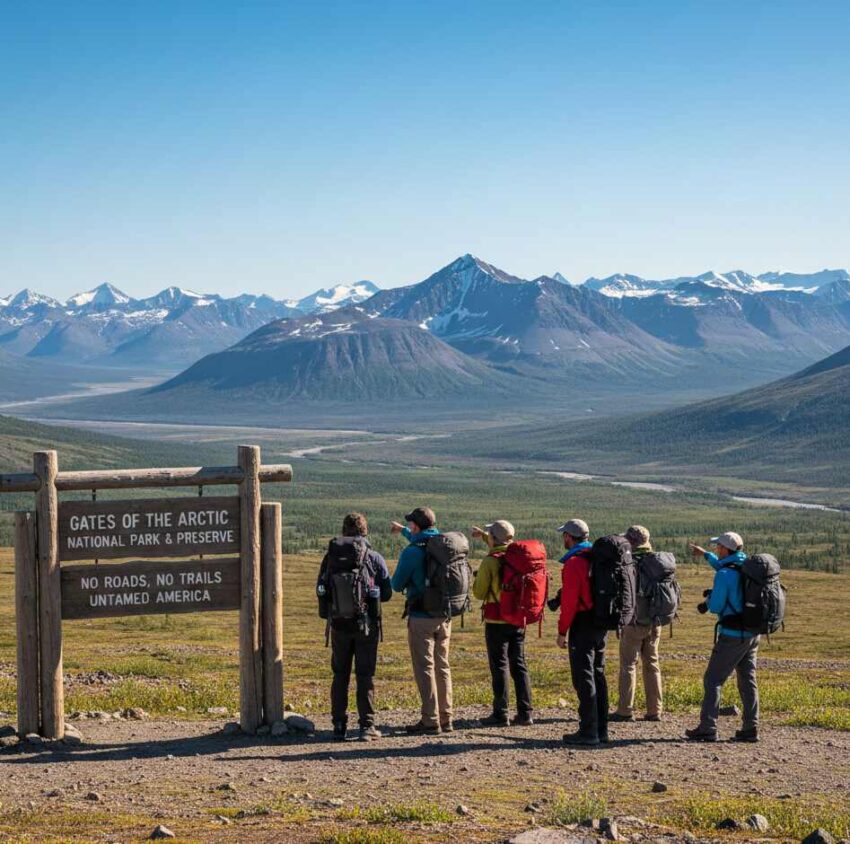
Gates of the Arctic National Park & Preserve is one of the most remote national parks in the United States and one of the few that has no entrance fee. Located deep within the Arctic Circle, this park offers an untouched wilderness, with no paved roads or visitor facilities. Instead, the park relies on hikers, adventurers and nature enthusiasts to explore its expansive lands.

How the “America First” Policy Affects Gates of the Arctic

Unlike many other national parks, Gates of the Arctic National Park & Preserve (Alaska) has remained free to all visitors. Under the new America First policy, no changes will be made to the park’s fee structure. U.S. residents and non-U.S. residents alike will still have free access to the park.

Visitors to Gates of the Arctic National Park can continue to explore the wild beauty of the park without paying for entry. This makes it an excellent choice for those looking for a cost-free experience in one of the most pristine environments in the country. However, visitors should be prepared for its remote location and difficult accessibility.

Best Dates to Visit Gates of the Arctic

While Gates of the Arctic remains fee-free, visitors should plan their trips between June and September to enjoy the park in its best weather. These months offer the best opportunities for hiking and wildlife viewing, with 24 hours of daylight in some areas during the summer months.

Redwood National and State Parks (California): Majestic Sequoias and Redwoods

Redwood National and State Parks in California are famous for their towering trees, which include some of the world’s tallest living organisms. Visitors come from all over the globe to stand in awe beneath the ancient redwoods, which can be over 300 feet tall.

How the “America First” Policy Affects Redwood National and State Parks

Redwood National and State Parks (California) is part of the National Park System and it is not among the 11 parks that will implement the $100 surcharge for non-U.S. residents. This means that Redwood National and State Parks will remain fee-free for U.S. residents on the new fee-free days, as part of the America First National Parks policy.

Best Dates to Visit Redwood National and State Parks

To see the best of the majestic redwoods, visitors should plan their trips during the spring and summer months, particularly between May and September. These months bring the best weather for hiking, with lush green landscapes and mild temperatures ideal for outdoor activities. Avoid winter as many roads may be closed due to heavy rain.

Mesa Verde National Park (Colorado): A Peek Into Ancient History

Mesa Verde National Park (Colorado) is home to ancient cliff dwellings built by the Ancestral Puebloans, who lived in the region from A.D. 600 to 1300. This UNESCO World Heritage site draws history buffs and adventure seekers alike.

How the “America First” Policy Affects Mesa Verde National Park

Mesa Verde National Park (Colorado) is part of the fee structure of the National Park System, but it is not included in the group of parks that will see the $100 surcharge for non-residents. As such, the entrance fees will remain unchanged and U.S. residents will still enjoy fee-free days at the park. Non-U.S. visitors will pay the usual fees for entrance.

Best Dates to Visit Mesa Verde

Mesa Verde is a year-round destination, but the best months to visit are May through October. These months offer the warmest weather and give visitors the opportunity to explore cliff dwellings and hiking trails without snow blocking the paths.

Mammoth Cave National Park (Kentucky): Underground Wonders

Mammoth Cave National Park (Kentucky) is famous for having the longest cave system in the world, with over 400 miles of underground passages. Visitors to the park can explore the labyrinth of tunnels, go on guided tours, or simply enjoy the hiking and camping options above ground.

How the “America First” Policy Affects Mammoth Cave National Park

Like Mesa Verde, Mammoth Cave National Park (Kentucky) also operates under a standard fee structure. However, the $100 surcharge for non-residents does not apply to this park, as it is not on the list of high-traffic parks under the new pricing rules.

Best Dates to Visit Mammoth Cave

Mammoth Cave National Park is open year-round, but for the best experience, visit in spring or fall when temperatures are mild and crowds are smaller. The park is particularly popular in summer when families and tourists explore the caves, but fall offers a quieter, more intimate experience.

Indiana Dunes National Park (Indiana): The Great Lakes Escape

Indiana Dunes National Park (Indiana) offers beautiful sand dunes, beaches and lakefront views along the shores of Lake Michigan. This urban oasis attracts visitors who want to explore both nature and history.

How the “America First” Policy Affects Indiana Dunes National Park

Indiana Dunes National Park (Indiana) will continue to charge standard entrance fees, but non-U.S. residents will not face an additional surcharge under the America First National Parks policy. U.S. residents can still take advantage of fee-free days to visit the park without paying the entrance fee.

Best Dates to Visit Indiana Dunes

The best time to visit Indiana Dunes is late spring and early summer, from May through June. During this time, visitors can explore the beach, hike and enjoy the water activities. The park is particularly stunning when the wildflowers bloom along the dunes.

Congaree National Park (South Carolina): A Swamp of Wonders

Congaree National Park (South Carolina) is known for its biodiversity and wetland habitats. This UNESCO Biosphere Reserve is home to rare species and offers visitors a chance to explore an ancient floodplain.

How the “America First” Policy Affects Congaree National Park

Like the other parks, Congaree National Park (South Carolina) will be fee-free for U.S. residents on select days, but non-residents will continue to pay the usual entrance fees, with no additional surcharge under the new policy.

Best Dates to Visit Congaree

Congaree National Park is best explored during spring and fall. These seasons offer cooler temperatures, making it easier to explore the park’s wetlands and hiking trails.

Conclusion: Why These Changes Matter for U.S. Tourists

The America First National Parks policy is designed to ensure U.S. residents get the most affordable access to national parks. For U.S. residents, these changes mean more fee-free days at iconic parks like Gates of the Arctic National Park & Preserve, Redwood National and State Parks, Mesa Verde National Park, Mammoth Cave National Park, Indiana Dunes National Park and Congaree National Park.

The Department of the Interior (DOI) and the National Park Service (NPS) are working to make sure that domestic visitors can experience the majesty of these parks without worrying about steep entrance fees. As a result, these fee-free days are the best times for U.S. tourists to visit and enjoy the natural beauty and history of these incredible locations.

As visitors plan their next trip, they should check with the NPS and DOI websites for the exact dates of the fee-free days and stay up to date on the new pricing policies set to take effect in 2026. With such diverse landscapes and rich cultural heritage, these parks remain the perfect escape for U.S. tourists looking to explore the best of America’s national treasures.

The post Gates of the Arctic Joins Redwood, Mesa Verde, Mammoth Cave, Indiana Dunes and Congaree National Park in Fee-Free Days Redesign, the Best Dates to Visit for U.S. Tourists appeared first on Travel And Tour World.
❌