
Reading view

Plan Your Dream Getaway to Belize: Tropical Beaches and Adventure Await
Plan Your Dream Getaway to Belize: Tropical Beaches and Adventure Await

Belize, one of Central America’s most sought-after tourist destinations, offers a diverse range of experiences for every type of traveler. Whether you’re planning a romantic honeymoon, an exciting diving adventure, or a peaceful beach getaway, Belize has something for everyone. Known for its stunning beaches, lush jungles, ancient Mayan ruins, and vibrant culture, this small but mighty country is quickly becoming a must-visit destination in the Caribbean region.

Visitors can explore Belize’s diverse landscapes, from the second-largest barrier reef in the world, perfect for diving enthusiasts, to the inland forests and ruins, rich in history and natural beauty. Getting around Belize is also a breeze, thanks to a variety of transportation options that make it easy for tourists to explore the country’s many highlights.

Diverse Travel Experiences in Belize

Belize has become increasingly popular among travelers for its mix of outdoor adventure, relaxation, and cultural experiences. With access to the world’s second-largest barrier reef, Belize is a diver’s paradise, offering world-renowned dive sites such as The Blue Hole and Hol Chan Marine Reserve. These underwater wonders are home to a diverse range of marine life, making them perfect for both novice and experienced divers.

For those interested in exploring inland, Belize is home to ancient Mayan ruins like Caracol and Xunantunich, offering visitors a fascinating glimpse into the country’s rich historical past. Belize’s rainforests and national parks also provide incredible opportunities for hiking, birdwatching, and wildlife spotting. Adventure enthusiasts can explore places like Cockscomb Basin Wildlife Sanctuary, a haven for jaguars, or experience zip-lining through the jungle canopy.

On the other hand, Belize’s pristine beaches, particularly along the Placencia Peninsula and Ambergris Caye, provide the perfect setting for a relaxing vacation. Whether you’re lounging on the sand, enjoying a spa treatment, or indulging in local seafood, Belize’s beach resorts offer a tranquil and luxurious escape.

Getting Around Belize: Transportation Options

Getting around Belize is relatively simple, thanks to the country’s well-established transportation infrastructure. Visitors can choose from various transportation options, including taxis, buses, and water taxis, to explore both the urban and rural areas.

Taxis in Belize

Taxis are one of the easiest and most accessible ways to travel within Belize, especially in major towns and cities like Belize City and San Pedro. The country’s licensed taxis are easily recognizable by their green license plates, ensuring that passengers have a safe and reliable mode of transport. When using a taxi, it’s recommended to confirm the fare with the driver before starting your journey, as most taxis don’t operate on meters.

Taxis are ideal for short trips around towns, airports, and popular tourist attractions. Whether you need a ride to your hotel or want to visit a nearby beach or cultural site, taxis in Belize are available at all times, offering convenience and ease for tourists.

Buses in Belize

Buses provide an affordable and efficient way to travel between cities and towns in Belize. The Belize Bus System operates express buses that connect major destinations like Belize City, Dangriga, Corozal, and San Ignacio. These buses run regularly and are an excellent option for budget-conscious travelers who want to explore the country’s main towns.

For those wishing to visit more rural areas or less-accessible destinations, planning ahead is important. Local buses in smaller towns operate less frequently, so travelers should check schedules and routes in advance. This is particularly important when visiting remote areas like the Maya Mountains or Mountain Pine Ridge Forest Reserve, where fewer transportation options are available.

Water Taxis and Ferries

As an island nation, Belize offers unique water-based transport options to explore its coastal regions and islands. Water taxis are the best way to get to places like Ambergris Caye and Caye Caulker, which are popular among tourists. The ferries operate regularly from Belize City to these islands, providing a scenic and efficient way to travel. Once on the islands, water taxis are also available to take visitors to other nearby cays and secluded beaches.

Water taxis are convenient for tourists who want to explore Belize’s beautiful islands and remote beaches, and they offer breathtaking views of the Caribbean Sea during the journey.

A Blend of Adventure and Relaxation

One of the things that makes Belize unique is the seamless blend of outdoor adventure and beach relaxation. Whether you’re diving in crystal-clear waters, exploring ancient Mayan ruins, hiking through lush jungles, or simply lounging on a quiet beach, Belize offers an ideal destination for a diverse range of travelers.

For adventure seekers, activities like cave tubing, river kayaking, and scuba diving await. The country’s national parks, including Actun Tunichil Muknal and Belize Zoo, also offer visitors a chance to experience Belize’s biodiversity in its most natural setting.

For those who prefer a more laid-back vacation, Belize’s beach resorts provide an escape with world-class accommodations, spa services, and a vibrant local culture. Visitors can enjoy fresh seafood, shop for handmade crafts, or attend a traditional cultural festival that celebrates Belize’s Afro-Caribbean and Mayan heritage.

Belize: A Year-Round Destination

While Belize offers peak-season advantages between December and April, the country’s tropical climate makes it a fantastic destination year-round. The dry season (December to April) is ideal for beach vacations and outdoor activities. However, the rainy season (May to November) brings fewer crowds, which allows for a more relaxed travel experience. Plus, the lush green landscapes and fewer tourists during the rainy season are perfect for those seeking a more peaceful holiday.

Conclusion

Belize is a diverse and captivating destination for all types of travelers. Whether you’re in search of adventure, relaxation, or cultural immersion, this Central American paradise delivers an unforgettable experience. With easy transport options, including taxis, buses, and water taxis, getting around Belize is simple, allowing you to explore everything this beautiful country has to offer. From its pristine beaches and jungles to its rich history, Belize promises to be an exceptional destination for your next vacation.

The post Plan Your Dream Getaway to Belize: Tropical Beaches and Adventure Await appeared first on Travel And Tour World.
Malé Joins Jorhat, Kochi, Jaffna, Colombo, Kathmandu and Thimphu as South Asia’s Must-Experience Cities in 2026, Blending Island Energy, Cultural Discovery and Transformative Travel Moments!

Malé Joins Jorhat, Kochi, Jaffna, Colombo, Kathmandu and Thimphu as South Asia’s Must-Experience Cities in 2026, Blending Island Energy, Cultural Discovery and Transformative Travel Moments!
Vietnam and Indonesia Lead Southeast Asia’s Tourism Boom in 2025: How New Policies are Driving Global Travel Recovery

South Asia is entering a decisive new chapter in global tourism. As travel patterns evolve in 2026, international travelers are moving away from overcrowded landmarks, rushed sightseeing, and predictable itineraries. Instead, they are choosing destinations that feel personal, layered, and meaningful. Cities that offer cultural depth, natural surroundings, and genuine human connection are now taking center stage.

Across South Asia, several urban destinations are stepping forward with renewed purpose. Improved infrastructure, stronger tourism planning, and a focus on responsible travel are reshaping how these cities present themselves to the world. Governments and local communities are investing in heritage preservation, sustainable tourism, and community-based experiences, creating destinations that feel welcoming rather than overwhelming.

These cities are no longer just stops on a map. They are living experiences shaped by history, geography, and everyday traditions. For global travelers in 2026, they offer something increasingly rare: time, authenticity, and connection.

This travel-focused news report highlights seven South Asian cities shaping travel trends for 2026. Each city offers a distinct reason to visit and a fresh way to explore the region.

Malé, Maldives – Understanding the Culture Behind Island Luxury

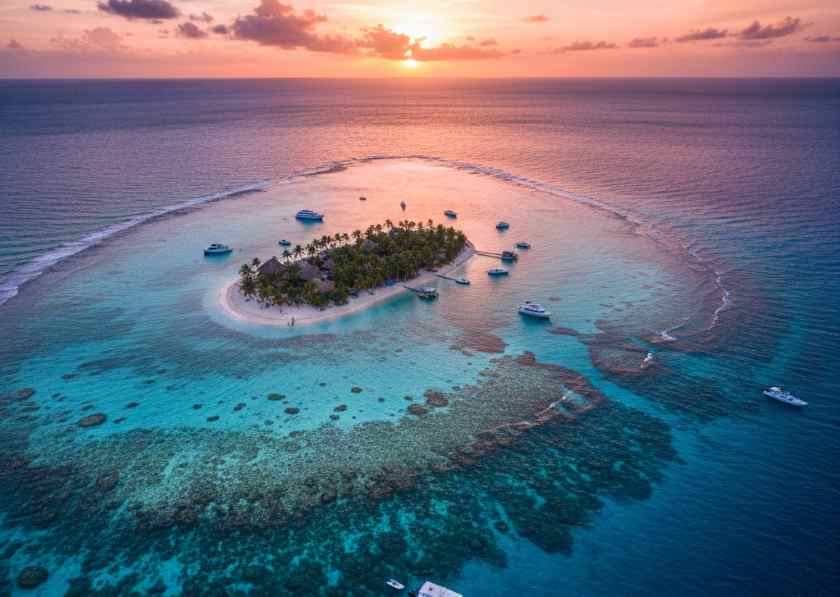
Malé, the capital of the Maldives, is gaining importance among travelers who want to look beyond resort experiences. While the Maldives is globally known for luxury islands, Malé reveals the everyday life behind the postcard images.

The city is compact, energetic, and deeply connected to the sea. Markets, harbors, mosques, and waterfront areas shape daily routines. Travelers explore local neighborhoods, observe fishing activities, and sample traditional food.

Many visitors now choose to spend time in Malé before traveling to resort islands. This approach adds cultural depth and context to a luxury trip, allowing travelers to understand the nation’s traditions and social fabric.

Malé connects visitors to the people behind the tourism industry. It offers insight into how island life functions beyond curated experiences.

Travel appeal in 2026:
Cultural immersion, local life, and a balanced travel perspective.

Jorhat, India – The Tea City Leading Northeast India’s Tourism Rise

Jorhat, located in the Indian state of Assam, has quietly emerged as one of South Asia’s most intriguing urban destinations. Once known primarily for its role in the tea trade, the city is now capturing global attention for its peaceful atmosphere, scenic surroundings, and cultural richness.

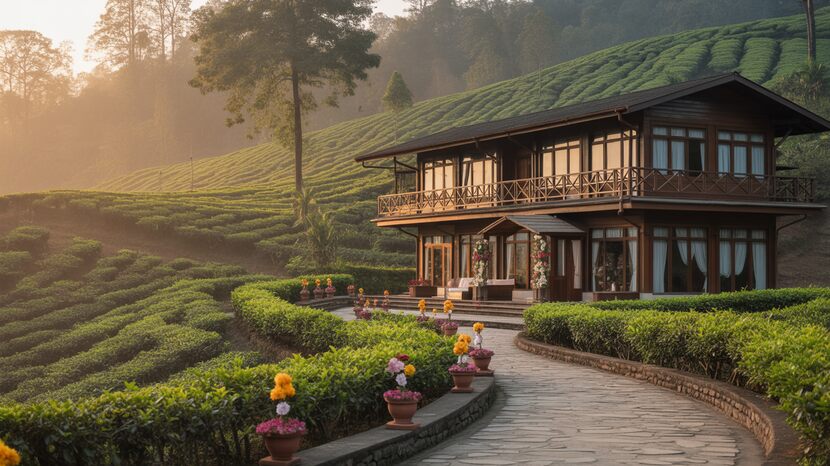
The identity of Jorhat is deeply tied to tea. Vast estates surround the city, stretching across rolling landscapes of green. These plantations shape daily life and define the rhythm of the region. Travelers can walk through tea gardens, observe harvesting and processing methods, and understand how generations of workers have lived in harmony with the land.

Beyond tea, Jorhat functions as a cultural center for Assam. Museums, performance spaces, and local festivals introduce visitors to regional traditions, music, and craftsmanship. Markets offer local produce, textiles, and handmade goods that reflect everyday life.

Nearby river islands and rural communities encourage slow travel. Visitors often spend time interacting with locals, learning about traditional farming, and experiencing a pace of life that feels increasingly rare in modern travel.

For travelers seeking authenticity without crowds, Jorhat feels refreshing. It offers space to breathe, landscapes to absorb, and moments to connect.

Travel appeal in 2026:
Nature-led exploration, cultural depth, and a slower, more mindful pace of life.

Kochi, India – A Coastal City Where History Meets Creativity

Kochi continues to rise as one of South Asia’s most dynamic coastal cities. Situated along the Arabian Sea, the city reflects centuries of global influence shaped by maritime trade, migration, and cultural exchange.

Historic neighborhoods reveal colonial-era architecture, old trading ports, and narrow heritage streets. Churches, synagogues, temples, and mosques exist within close proximity, highlighting Kochi’s long-standing multicultural identity. Walking through these areas feels like moving through layers of history.

In recent years, Kochi has also grown into a creative hub. Art festivals, contemporary galleries, and cultural performances attract international attention. The city encourages dialogue between traditional art forms and modern expression, appealing to travelers who value creativity and culture.

Food plays a central role in Kochi’s travel experience. Seafood, spices, and traditional coastal dishes define local cuisine. Cafés and markets add modern flavor while preserving regional identity.

Kochi also serves as a gateway to southern India’s natural beauty. Backwaters, beaches, and hill regions are easily accessible, allowing travelers to combine city exploration with nature-based experiences.

Travel appeal in 2026:
Cultural fusion, artistic energy, coastal charm, and access to diverse landscapes.

Jaffna, Sri Lanka – A City Rediscovering Its Voice Through Tourism

Jaffna, located in northern Sri Lanka, is becoming one of the region’s most meaningful travel destinations. The city offers travelers an opportunity to experience culture shaped by resilience, tradition, and community life.

Jaffna’s temples, libraries, and historic buildings reflect deep Tamil heritage. The city’s streets and markets buzz with daily activity, offering a close look at local routines and social life. Food is an essential part of the experience, with bold flavors and traditional recipes that differ from other parts of the island.

The coastline surrounding Jaffna remains largely untouched by mass tourism. Beaches are calm, open, and uncrowded. Many travelers describe the atmosphere as peaceful and reflective, making it ideal for those seeking quiet exploration.

Jaffna’s growing popularity reflects a broader shift toward respectful tourism. Visitors come not just to photograph landmarks, but to understand the region’s history, culture, and people.

Travel appeal in 2026:
Cultural authenticity, quiet coastal landscapes, and meaningful exploration.

Colombo, Sri Lanka – A Capital City Repositioning for Global Travelers

Colombo is no longer seen only as a transit point. In 2026, Sri Lanka’s capital is redefining itself as a destination for urban explorers and cultural travelers.

The city blends colonial heritage with modern development. Travelers can explore historic buildings, temples, and museums during the day, then enjoy oceanfront promenades, cafés, and dining spaces in the evening. This contrast gives Colombo a unique rhythm.

Public spaces and shopping districts are improving, creating areas where locals and visitors mix easily. Cultural centers and galleries reflect the city’s creative energy and evolving identity.

Colombo’s coastal setting adds to its appeal. Waterfront areas provide scenic walking routes and sunset views, balancing the energy of a busy capital with moments of calm.

The city offers a well-rounded experience. It introduces travelers to Sri Lanka’s past while reflecting its future ambitions.

Travel appeal in 2026:
Urban culture, ocean views, heritage contrast, and evolving city life.

Kathmandu, Nepal – A Living Cultural Capital of the Himalayas

Kathmandu remains one of South Asia’s most powerful urban travel experiences. In 2026, it continues to draw travelers seeking spirituality, heritage, and mountain culture.

Ancient temples, shrines, and courtyards fill the city. Religious rituals are part of everyday life. Travelers witness ceremonies, festivals, and practices that have continued for centuries, creating a sense of continuity and depth.

Kathmandu in Nepal is also the main gateway to the Himalayas. Treks and mountain journeys often begin here, but the city itself offers enough experiences to justify extended stays. Historic neighborhoods, artisan workshops, and traditional markets provide insight into local craftsmanship and culture.

Food streets and cafés add texture to the journey, blending traditional flavors with modern influences.

Travel appeal in 2026:
Spiritual depth, heritage architecture, cultural vibrancy, and Himalayan access.

Thimphu, Bhutan – A Capital City Guided by Values

Thimphu offers a different vision of urban life in South Asia. As Bhutan’s capital, it reflects a development philosophy centered on cultural preservation, environmental care, and mindful living.

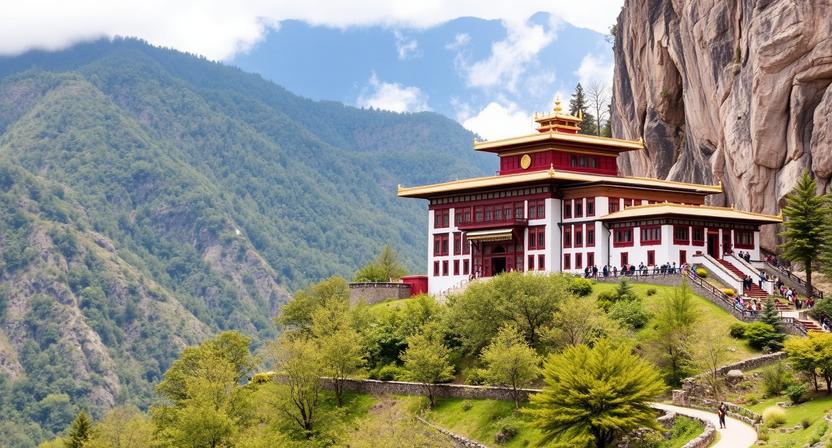
The city blends traditional architectural design with modern administration. Monasteries overlook government buildings. Festivals and rituals remain central to community life, reinforcing strong cultural identity.

Tourism in Thimphu is carefully managed. Visitors are encouraged to engage respectfully with local culture and nature. Museums, heritage sites, and spiritual centers help travelers understand Bhutan’s worldview and values.

Thimphu appeals to travelers who value reflection over spectacle and purpose over speed.

Travel appeal in 2026:
Cultural integrity, sustainability, and mindful urban living.

Why These Cities Define South Asia’s Travel Shift

These seven cities highlight a major change in tourism preferences. Modern travelers increasingly seek:

  • Authentic culture
  • Slower experiences
  • Responsible tourism
  • Meaningful interaction

Each city answers these needs in its own way. Together, they show how South Asia is evolving into a region focused on thoughtful, experience-driven travel rather than mass tourism.

Practical Travel Guidance for 2026

Plan longer stays
These cities reward time and patience.

Respect local customs
Cultural sensitivity enhances every experience.

Support local communities
Choose local services, guides, and accommodations.

Balance city and nature
Each city connects easily to surrounding landscapes.

Conclusion

In 2026, South Asia’s cities are no longer background destinations. They are central to the travel experience. From Jorhat’s tea gardens and Kochi’s coastal heritage to Kathmandu’s spiritual depth and Thimphu’s mindful living, these seven cities invite travelers to see the region differently.

They offer stories, not just sights. They offer connection, not crowds. For global travelers seeking purpose, culture, and authenticity, South Asia’s urban rise is only beginning.

The post Malé Joins Jorhat, Kochi, Jaffna, Colombo, Kathmandu and Thimphu as South Asia’s Must-Experience Cities in 2026, Blending Island Energy, Cultural Discovery and Transformative Travel Moments! appeared first on Travel And Tour World.
❌