Reading view

Lufthansa, Wizz Air, Air France, Virgin Atlantic, and More Cause Travel Chaos Across Europe as 1465 Delays and 73 Cancellations Impact France, Netherlands, UK, Finland, Belgium, and More, Affecting Geneva, Brussels, Amsterdam, Edinburgh, and Manchester

Lufthansa, Wizz Air, Air France, Virgin Atlantic, and More Cause Travel Chaos Across Europe as 1465 Delays and 73 Cancellations Impact France, Netherlands, UK, Finland, Belgium, and More, Affecting Geneva, Brussels, Amsterdam, Edinburgh, and Manchester
Lufthansa, Wizz Air, Air France, Virgin Atlantic, and More Cause Travel Chaos,
Europe,

Lufthansa, Wizz Air, Air France, Virgin Atlantic, and other major airlines have caused significant travel chaos across Europe, with 1,465 delays and 73 cancellations disrupting flights throughout France, the Netherlands, the UK, Finland, Belgium, and other countries. The widespread disruptions have severely impacted major airports such as Geneva, Brussels, Amsterdam, Edinburgh, and Manchester, leading to long waiting times, flight rebookings, and confusion for thousands of travelers. Weather conditions, staffing shortages, and operational challenges have contributed to the ongoing travel nightmare, leaving passengers stranded and uncertain about their travel plans.

Travel disruptions across Europe have reached new levels as thousands of passengers faced chaos on December 14th, 2025, due to massive delays and cancellations that affected major airports and airlines across the continent. With more than 1,400 flights delayed and dozens of others cancelled, travelers across France, the Netherlands, the UK, Finland, and Belgium faced an exhausting day of frustration and uncertainty. This extensive air travel nightmare, which also saw major airline disruptions, continues to spark concerns about the effectiveness of the current aviation network’s ability to handle peak travel periods.

Airport Chaos Across Europe

The ripple effect of flight delays and cancellations was felt throughout Europe’s busiest airports, which saw a significant number of flights cancelled and delayed. Below are the major airports impacted by the disruptions:

  • Manchester Airport (MAN):
    • Cancelled flights: 6 (2%)
    • Delayed flights: 106 (35%)
  • London Heathrow (LHR):
    • Cancelled flights: 5 (0%)
    • Delayed flights: 178 (25%)
  • London Gatwick (LGW):
    • Cancelled flights: 5 (1%)
    • Delayed flights: 78 (20%)
  • Edinburgh Airport (EDI):
    • Cancelled flights: 4 (2%)
    • Delayed flights: 37 (22%)
  • Amsterdam Schiphol (AMS):
    • Cancelled flights: 8 (1%)
    • Delayed flights: 143 (20%)
  • Charles de Gaulle/Roissy (CDG):
    • Cancelled flights: 6 (0%)
    • Delayed flights: 156 (23%)
  • Geneva Cointrin International (GVA):
    • Cancelled flights: 5 (1%)
    • Delayed flights: 37 (13%)
  • Brussels Airport (BRU):
    • Cancelled flights: 4 (1%)
    • Delayed flights: 65 (23%)

From major hubs like London Heathrow and Amsterdam Schiphol to smaller airports like Brussels and Geneva, the chaos spread like wildfire, creating significant delays and widespread inconvenience for travelers. Passengers at these airports struggled to cope with uncertainty, facing long lines at check-in counters, difficulty in finding available seats, and lack of clarity about their next steps.

Airlines Struggling to Keep Up

Airlines were also significantly impacted by the widespread travel disruptions, with some facing cancellations and delays across multiple routes. The following table shows the affected airlines, their flight cancellations, and delays:

AirlineCancelled (#)Cancelled (%)Delayed (#)Delayed (%)
easyJet331%39822%
British Airways81%16522%
Air France71%18928%
Brussels Airlines42%5729%
Braathens Regional Airways43%118%
KLM30%12018%
Emerald Airlines32%2318%
Aer Lingus UK233%233%
Finnair20%16247%
Virgin Atlantic22%1520%
German Airways25%822%
Lufthansa10%12614%
Wizz Air Malta10%6510%
Iberia10%4815%
Wizz Air10%478%

Contributing Factors

Several factors are believed to have contributed to the chaos faced by passengers across these airports:

  1. Weather Conditions: The harsh winter weather in parts of Europe made it difficult for airlines to maintain smooth operations. The sudden drop in temperature and snowstorms impacted ground handling and flight operations, especially at airports in northern Europe.
  2. Staff Shortages and Strikes: Many airports across Europe are still facing staff shortages, exacerbated by strikes or labor disputes. This created additional challenges in managing check-ins, baggage handling, and overall airport operations, contributing to longer waiting times and delays.
  3. Airline Scheduling Challenges: Several airlines, including easyJet and British Airways, faced significant delays due to congested air traffic management. With more flights being rescheduled or cancelled, managing available resources became increasingly difficult for the airline staff on the ground.
  4. Operational Overload: The holiday season is always a peak period for air travel in Europe, and airlines and airports were operating at maximum capacity, leading to overcrowding in terminals and difficulties in coordinating timely flight departures.
  5. Airline Coordination: The interconnected nature of the airline industry and the number of codeshare agreements between major carriers meant that disruptions in one airline’s schedule quickly affected others. For example, Wizz Air, British Airways, and Air France all experienced a ripple effect of delays due to shared flight routes and operational connections.

Implications for Passengers

For travelers affected by the disruptions, the consequences were both frustrating and costly. With 1,465 flights delayed across the continent and 73 cancellations, many passengers had to make last-minute arrangements for accommodations and rebooking, adding to their stress. Passengers stranded at airports had limited information regarding rescheduled flights, and those on delayed flights had to wait for hours before getting any updates.

Moreover, long queues at customer service desks, along with the general confusion about flight statuses, left many passengers feeling helpless. Some found themselves competing for the remaining available seats on flights to their destinations, while others were forced to cancel their trips altogether.

Several passengers reported issues with receiving compensation or assistance from airlines, highlighting a broader issue with customer service during large-scale disruptions.

What Travelers Can Do

For passengers affected by the disruptions, the following steps can help ease the situation:

  • Stay Informed: Check with airlines and airports for real-time updates on flight statuses. Many airlines offer apps that can push notifications to alert you about any changes to your flight.
  • Know Your Rights: Depending on the airline and country, travelers may be entitled to compensation for cancellations and long delays. Make sure to check the EU Regulation 261/2004 for applicable rules on compensation.
  • Explore Alternate Routes: In the case of cancelled flights, check if other airlines have available seats to your destination. Some airports may also assist in rebooking on other flights if your original carrier cannot accommodate you.
  • Prepare for Delays: If you know your flight is delayed, try to find a comfortable spot at the airport. Some lounges offer access for a fee, providing a more relaxing environment while you wait.
  • Stay Calm and Be Patient: While the delays and cancellations are frustrating, maintaining calm and keeping track of all relevant information will make it easier to handle the disruption.

Looking Ahead

As Europe heads into the peak holiday travel season, experts are urging airlines and airports to better prepare for the increasing demand, especially as weather conditions worsen and the number of travelers continues to grow. It is essential for airlines to streamline their operations, improve communication with passengers, and address staffing issues that could continue to affect flight reliability.

Moreover, as Europe’s aviation industry recovers from the impacts of the pandemic and strives to meet growing demand, it will need to invest in infrastructure and technology to prevent similar disruptions in the future. Better coordination between airlines and airports, more transparent communication with passengers, and investment in air traffic control systems are just a few of the steps that could reduce the likelihood of widespread disruptions.

The travel chaos of December 14th has underscored the vulnerabilities in Europe’s aviation infrastructure, which is under strain due to a combination of weather, staffing issues, and high demand. For those traveling in the coming weeks, it’s essential to be prepared for potential disruptions, stay informed, and remain patient as airports and airlines work to get travelers to their destinations. With the right planning and awareness, it’s possible to navigate through these challenges and make the most of your travels despite the setbacks.

Lufthansa, Wizz Air, Air France, Virgin Atlantic, and other major airlines have caused widespread travel chaos across Europe, with 1,465 delays and 73 cancellations impacting several countries. The disruptions, driven by weather issues, staffing shortages, and high travel demand, have severely affected airports like Geneva, Brussels, Amsterdam, Edinburgh, and Manchester.

By understanding the causes of disruptions and knowing what steps to take, passengers can reduce their frustration and continue their journeys with as little stress as possible.

The post Lufthansa, Wizz Air, Air France, Virgin Atlantic, and More Cause Travel Chaos Across Europe as 1465 Delays and 73 Cancellations Impact France, Netherlands, UK, Finland, Belgium, and More, Affecting Geneva, Brussels, Amsterdam, Edinburgh, and Manchester appeared first on Travel And Tour World.


Maastricht Airport Opens Direct Air Link to Bosnia and Herzegovina

Maastricht Airport Opens Direct Air Link to Bosnia and Herzegovina

Maastricht Aachen Airport has launched a new international air connection linking the Netherlands directly with Bosnia and Herzegovina. The route connects Maastricht with Tuzla and marks the first nonstop service between the two countries. Operations began on 12 December with flights operated by low-cost carrier Wizz Air. The service represents a new step in the airport’s network development while expanding travel options for passengers moving between Western Europe and the Balkans.

The new route is scheduled to operate twice each week, with flights departing on Mondays and Fridays. To accommodate increased seasonal travel demand, additional services have been scheduled on Wednesdays until 7 January. The launch flight was formally received with official representation present, highlighting the beginning of a working partnership between Maastricht Aachen Airport and the airline.

New Route Strengthens Maastricht’s Regional Connectivity

The Maastricht–Tuzla service has been introduced as part of the airport’s longer-term development objectives. Maastricht Aachen Airport has outlined a future-focused strategy that includes reaching 600,000 annual passengers and handling 200,000 tonnes of cargo by 2030. The addition of new international routes forms part of this broader plan to strengthen the airport’s position as a regional travel gateway.

The Tuzla connection is positioned to serve travel demand associated with visits between family members and communities with links across borders. The route also creates new access to destinations within the Balkan region, which remain less frequently served from regional airports in the Netherlands. By offering a direct option, the service reduces the need for indirect connections through larger hubs.

Operations on the route are conducted using the Airbus A321neo aircraft. This aircraft type has been selected in line with operational and environmental objectives at the airport. With seating for 239 passengers, the aircraft supports higher-capacity operations while maintaining efficiency standards aligned with airport planning goals.

Travel Patterns and Passenger Movement

Air connectivity plays a central role in shaping how passengers plan journeys across Europe. Direct services reduce travel time and simplify itinerary planning for travelers moving between regions. For passengers using Maastricht Aachen Airport, the Tuzla route introduces a new travel option within the existing network, supporting point-to-point travel.

The introduction of twice-weekly operations allows travelers to plan short or extended stays with predictable departure options. Seasonal schedule adjustments further align flight availability with periods of higher travel activity. This structure supports steady passenger movement without altering existing network capacity.

From a travel perspective, regional airports continue to play an important role in distributing passenger traffic. Routes such as Maastricht–Tuzla contribute to network diversity by linking secondary airports directly, rather than relying on major hubs for transfers.

Tourism and Regional Travel Demand

Tourism and travel demand often evolve in response to route availability. Direct air services can influence how travelers choose departure points and destinations. Regional airports benefit from such services by offering alternatives to larger, more congested hubs.

The Maastricht–Tuzla connection reflects this dynamic within European air travel. By linking two regions directly, the route fits into broader travel patterns focused on accessibility and convenience. Passengers traveling for personal or leisure-related reasons can access destinations with fewer connection points.

From a tourism perspective, scheduled services support consistent travel flows rather than sporadic or charter-based movement. This regularity allows travelers to plan visits around fixed schedules, reinforcing route stability during peak and non-peak periods.

Expansion Plans from Maastricht Airport

The Tuzla route also forms part of a wider expansion plan announced for future seasons. From the summer of 2026, Wizz Air is expected to introduce six additional destinations from Maastricht. These destinations are located across Eastern and Central Europe and include Katowice, Lublin, Bucharest, Chisinau, and Podgorica.

With the addition of these routes, the airline’s total operations from Maastricht are set to reach 16 weekly flights during the peak travel season. This expansion increases the number of direct travel options available to passengers while strengthening the airport’s scheduled network.

Aircraft deployment across these services will continue to rely on the Airbus A321neo. The use of a consistent aircraft type supports operational efficiency while aligning with the airport’s sustainability objectives. The aircraft’s quieter operation and improved fuel efficiency remain key factors in fleet selection.

Aircraft Deployment and Operational Capacity

The Airbus A321neo plays a central role in supporting both airline and airport growth plans. Its seating capacity enables the accommodation of increased passenger volumes without increasing flight frequency beyond planned levels. This approach balances capacity growth with operational stability.

For Maastricht Aachen Airport, the aircraft supports long-term objectives tied to passenger throughput and cargo handling ambitions. While the Tuzla route is focused on passenger travel, fleet consistency contributes to broader airport planning.

The alignment between aircraft capability and route strategy reflects coordinated planning between the airport and the airline. As additional routes are introduced, this model supports scalable growth while maintaining consistent service standards.

Image Source: AI

The post Maastricht Airport Opens Direct Air Link to Bosnia and Herzegovina appeared first on Travel And Tour World.

London Joins Paris, Lisse, Brussels, Vienna, and Palermo in Celebrating Europe’s Most Stunning, Historic, and Breathtaking Botanical Gardens of All Time – A Blooming Legacy Awaits!

London Joins Paris, Lisse, Brussels, Vienna, and Palermo in Celebrating Europe’s Most Stunning, Historic, and Breathtaking Botanical Gardens of All Time – A Blooming Legacy Awaits!
London

London now joins Paris, Lisse, Brussels, Vienna, and Palermo in celebrating Europe’s most stunning, historic, and breathtaking botanical gardens. These cities, each home to some of the world’s finest green spaces, offer visitors a chance to explore diverse collections of plants, lush landscapes, and rich histories. From the iconic Royal Botanic Gardens in London to the vibrant Keukenhof Gardens in Lisse, these gardens represent a blend of natural beauty and cultural heritage. Historic in their origins, they have become landmarks in the botanical world. Each garden plays a crucial role in conservation, education, and preserving plant species. Whether strolling through the manicured paths of Vienna’s University Botanic Garden or enjoying the seasonal blooms in Brussels’ Royal Greenhouses, these green oases are much more than beautiful. They are a blooming legacy, inviting all to connect with nature and learn about the vital role plants play in our lives.

London

Royal Botanic Gardens, Kew – London, England

The Royal Botanic Gardens, Kew, commonly known as Kew Gardens, is one of the most famous botanical institutions in the world. Located in southwest London, Kew Gardens spans 132 hectares and houses a collection of tens of thousands of plant species, making it a vital hub for plant conservation and scientific research.

History and Heritage of Kew Gardens

Kew Gardens was formally established in 1759, though plants have been cultivated there since the 1700s. Initially part of a royal pleasure garden, it was transformed into a scientific garden under the guidance of influential botanists and explorers. Over time, Kew became a major site for botanical research and education. In recognition of its significant contributions to science, Kew Gardens was designated a UNESCO World Heritage Site in 2003.

Iconic Glasshouses and Structures

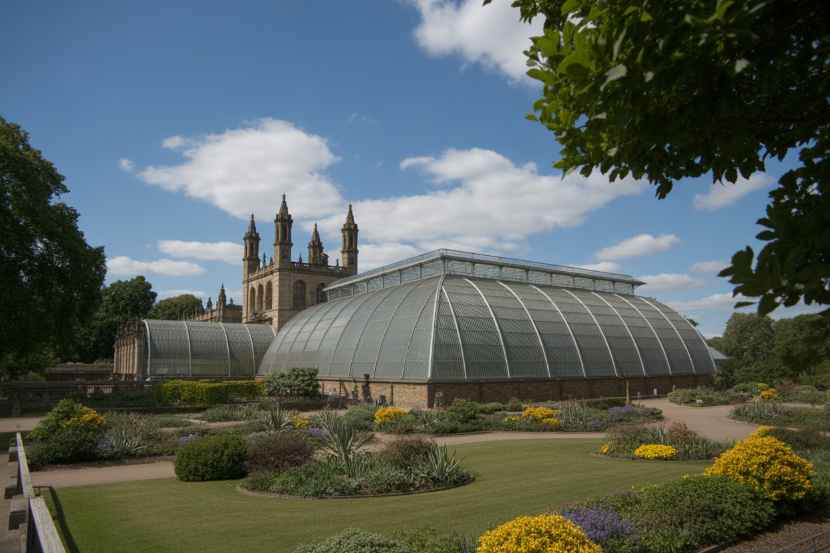
One of the most remarkable features of Kew Gardens is its collection of historic glasshouses. The Palm House, built in the mid-1800s, is a stunning example of Victorian engineering. It shelters an indoor rainforest filled with tropical plants from around the world. Another iconic structure is the Temperate House, the largest surviving Victorian glasshouse. It houses rare and endangered plants from temperate regions. Kew also boasts the beautiful Princess of Wales Conservatory, which displays plants from diverse climates, and the majestic Great Pagoda.

Science, Conservation, and Education

Kew Gardens is at the forefront of global plant research. Its Millennium Seed Bank at Wakehurst, Kew’s wild botanic garden in Sussex, houses billions of seeds from plants worldwide, ensuring the preservation of biodiversity. Kew scientists conduct critical research on plant genetics and study the threats that climate change poses to plant life. The herbarium at Kew contains millions of preserved plant and fungal specimens, contributing to scientific studies and conservation planning.

Visitor Experience

Kew Gardens attracts millions of visitors annually, who come to explore its glasshouses, themed gardens, educational exhibits, and seasonal events. It is not only a tourist destination but also an educational institution dedicated to plant conservation, offering guided tours and events throughout the year.

 Paris

Jardin des Plantes – Paris, France

Located in the heart of Paris, the Jardin des Plantes is one of the oldest botanical gardens in the world. Founded in 1626, it was initially created as a royal medicinal plant garden. Today, it serves as a major centre for botanical research and a peaceful escape in the bustling city.

History and Purpose of Jardin des Plantes

The garden was established to cultivate plants used in medicine and science. Over the years, it became affiliated with the Muséum national d’Histoire naturelle, France’s national natural history museum, and has evolved into one of the most important botanical gardens in the world.

Plant Collections and Layout

The garden covers 28 hectares and houses a vast collection of plants, including tropical plants, alpine flora, roses, and medicinal herbs. Its greenhouses display exotic species that thrive in warmer climates, and its formal beds showcase plants from around the world, creating a beautiful and educational landscape for visitors.

Scientific and Cultural Features

Jardin des Plantes is more than just a garden. It also includes several museums, such as those focused on natural history, evolution, and paleontology. Additionally, the Ménagerie du Jardin des Plantes, one of the oldest zoos in the world, adds to the garden’s appeal. Visitors can stroll through the well-maintained grounds, enjoy the unique plant collections, and explore the educational exhibits that highlight the importance of biodiversity.

Visitor Experience

Open year-round, Jardin des Plantes offers peaceful walking paths, vibrant floral displays, and an opportunity to learn about global plant diversity in the heart of Paris. It is the perfect destination for those interested in both botany and history.

Lisse

Keukenhof Gardens – Lisse, Netherlands

Keukenhof, located in Lisse, near Amsterdam, is often referred to as the most beautiful spring garden in the world. Known for its stunning floral displays, it attracts millions of visitors each year.

History and Setting of Keukenhof Gardens

Keukenhof was established in 1949 by Dutch flower bulb growers to showcase the Netherlands’ world-renowned tulip industry. It is set in the Dune and Bulb Region, a unique area known for its vast flower fields. The garden covers 32 hectares and is one of the largest flower gardens in the world.

Floral Displays and Colours

Each spring, Keukenhof’s 7 million bulbs are planted by hand, creating breathtaking displays of tulips, daffodils, hyacinths, lilies, and other spring flowers. The gardens are a riot of colour, with over 100 different varieties of tulips on display, making it a photographer’s paradise.

Seasonal Attraction

Keukenhof is open to the public only during the spring season, from March to May. The peak bloom time is usually in mid-April when the gardens are in full colour. This seasonal opening makes it a highly anticipated event for flower lovers from around the world.

Visitor Experience

Visitors to Keukenhof can explore its themed gardens, enjoy exhibitions, and take in the spectacular floral displays. The garden also hosts special events that celebrate Dutch horticulture, adding to the vibrant atmosphere.

Brussels

Royal Greenhouses of Laeken – Brussels, Belgium

The Royal Greenhouses of Laeken are part of the Belgian royal estate and offer a fascinating glimpse into the history of greenhouse design and plant collections. Located in Brussels, these greenhouses were designed by the architect Alphonse Balat in the late 19th century for King Leopold II.

Architecture and History of Laeken Greenhouses

The greenhouses are an impressive blend of glass and iron, designed to showcase rare and tropical plants. The complex includes several sections, such as the Palm Greenhouse, the Azalea Greenhouse, and the Mirror Greenhouse, each home to different plant species.

Plant Collections and Layout

The Royal Greenhouses house an extensive collection of tropical and subtropical plants that would not survive in Belgium’s climate. Visitors can explore these beautifully designed structures and enjoy the peaceful outdoor gardens surrounding the greenhouses.

Seasonal Public Access

The Royal Greenhouses are open to the public only for a few weeks each year, typically in the spring. During this time, visitors can marvel at the stunning plant displays and learn about the royal history of the gardens.

Vienna

Botanical Garden of the University of Vienna – Vienna, Austria

The Botanical Garden of the University of Vienna is one of the oldest and most significant botanical gardens in Europe. It serves as both a research facility and a public garden, showcasing a diverse collection of plants from around the world.

Plant Diversity and Study

The garden is home to a wide variety of plants, including critically endangered species. Many of these plants are studied by academic researchers and used for teaching purposes. The garden also serves as a habitat for wildlife, making it a place of beauty and educational value.

Research and Education

As part of the University of Vienna’s Faculty of Life Sciences, the botanical garden plays a key role in botanical studies and conservation efforts. It provides hands-on learning experiences for students and visitors, helping to promote the importance of plant conservation and biodiversity.

 Palermo

Orto Botanico di Palermo – Palermo, Italy

The Orto Botanico di Palermo is one of Italy’s most important and historic botanical gardens. Located in Sicily, it features over 12,000 plant species and offers a glimpse into the rich biodiversity of the region.

Collection and Layout

The garden is laid out according to classical botany principles and includes plants from Mediterranean, tropical, and subtropical climates. Visitors can explore themed sections, such as the Calidarium and Tepidarium, which house plants from warm climates.

Mediterranean and Exotic Flora

The Orto Botanico is a unique space that combines Mediterranean and exotic plants, providing a fascinating look at how different species thrive in varied environments. Its layout and plant collections make it a must-visit for those interested in botany and horticulture.

Europe’s botanical gardens are more than just beautiful spaces – they are vital centres for plant research, conservation, and education. From the towering glasshouses of Kew Gardens to the vibrant tulip displays in Keukenhof, these gardens offer visitors a chance to connect with nature, learn about plant diversity, and witness the beauty of the world’s flora. Whether you’re a botany enthusiast, a tourist, or simply someone looking to enjoy a peaceful day in nature, these gardens offer something for everyone. Each garden tells a unique story, blending history, culture, and science to create experiences that will leave visitors in awe.

The post London Joins Paris, Lisse, Brussels, Vienna, and Palermo in Celebrating Europe’s Most Stunning, Historic, and Breathtaking Botanical Gardens of All Time – A Blooming Legacy Awaits! appeared first on Travel And Tour World.

❌