
Reading view

Unlock Japan’s Hidden Gems: Discover the Untold Secrets of Kansai and Beyond for UAE Travelers!
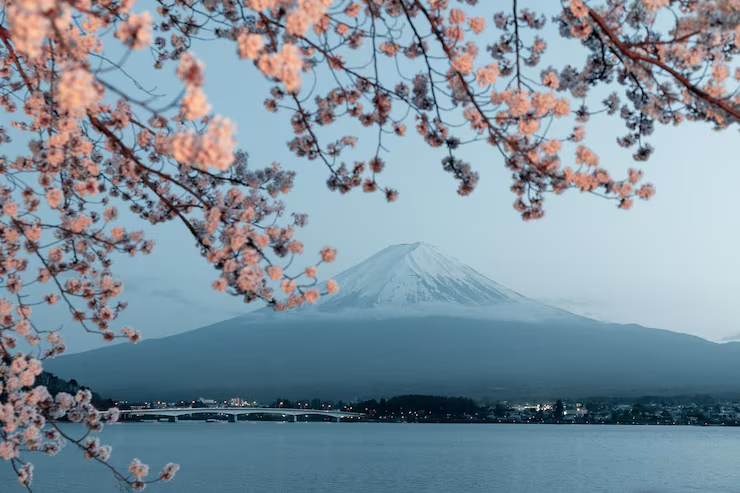
Unlock Japan’s Hidden Gems: Discover the Untold Secrets of Kansai and Beyond for UAE Travelers!

As Japan continues to position itself as a top travel destination for UAE residents, the country is expanding its tourism reach beyond the usual hotspots of Tokyo, Kyoto, and Osaka. Japan’s tourism has seen a significant boost, especially after the success of Expo 2025 Osaka in the Kansai region, which generated immense interest from the Middle East. The Japan National Tourism Organization (JNTO) has been playing a pivotal role in promoting the country’s diverse offerings, from traditional sites to lesser-known rural gems, ensuring that tourists from the UAE have a fresh and exciting view of Japan.

Daisuke Kobayashi, the Executive Director of the JNTO Dubai Office, has been at the helm of these efforts, overseeing strategies that cater specifically to the preferences of UAE travelers. With Japan’s cultural ties to the UAE, the efforts of JNTO have been focused on making Japan an accessible, exciting destination. In this article, we explore how Japan’s tourism strategies are shaping travel trends and attracting UAE tourists, as well as what’s next for the industry.

Kansai and Expo 2025: A Game Changer for Japan’s Tourism

The Expo 2025 Osaka has had a profound impact on Japan’s tourism sector, especially in the Kansai region. The Expo served as a key event that drew attention to Osaka and the surrounding areas, making the country’s attractions more appealing to the Middle East market. Kobayashi highlighted the importance of Expo 2025 in generating interest, noting that countries from the Gulf Cooperation Council (GCC), including the UAE, participated enthusiastically. This exposure has made Japan a highly attractive option for GCC travelers, with many agencies receiving multiple inquiries for Japan tours that include Expo 2025 visits.

The Expo 2025 had significant media coverage across the Middle East, further fueling interest in Japan. As a result, tourists from the UAE have been increasingly curious about not only Osaka but also other parts of Kansai, like Kyoto, Nara, and Kobe. Japan is leveraging the momentum created by the Expo to offer travelers new and exclusive regional experiences that go beyond the typical tourist circuits.

New Tourism Strategies: Catering to UAE Preferences

Since the opening of its Dubai office in November 2021, JNTO has worked tirelessly to engage both consumers and industry stakeholders in the UAE. The strategies have been twofold: on the one hand, there has been an emphasis on showcasing luxury travel experiences, while on the other hand, there is a clear push to introduce travelers to lesser-known destinations.

For UAE travelers, the JNTO Dubai office has launched an Arabic-language website, alongside campaigns on social media to promote Japan as a diverse, exciting destination. By focusing on both traditional and emerging tourism spots, Japan aims to appeal to a wide range of interests. These promotions include not only cultural heritage and historical landmarks but also a spotlight on Japan’s rural beauty—places less known in the Middle East, such as the Japanese countryside and mountain villages.

In addition, Japan is attracting a segment of travelers who seek luxury travel experiences. For example, travelers are encouraged to explore exclusive accommodations and private tours, often in more remote or tranquil settings. These tailored experiences ensure that Japan can cater to the growing demand for unique, high-end travel from the UAE and the broader GCC market.

Cultural Exchange: Strengthening Bonds Between Japan and the UAE

One of the key aspects of Japan’s tourism initiatives is its focus on fostering cultural understanding and exchange between Japan and the UAE. Both nations share strong cultural and spiritual ties, and Kobayashi emphasized the importance of nurturing these bonds through tourism.

The Japan National Tourism Organization aims to provide UAE travelers with a deeper understanding of Japanese culture, offering not just vacations but opportunities for cultural immersion. Through various tourism initiatives, travelers are encouraged to explore Japan’s history, art, and traditions, which are often shared in culturally enriching ways—whether through local crafts, festivals, or food tours. The belief is that the more UAE nationals experience Japanese culture firsthand, the more mutual understanding and appreciation will grow.

By focusing on cultural exchanges, Japan hopes to expand its tourism base beyond short-term visits and foster long-term, meaningful connections with travelers from the UAE.

Promoting Lesser-Known Destinations

Beyond the bustling streets of Tokyo or the serene temples of Kyoto, Japan has countless hidden gems that offer more intimate, authentic experiences. To keep the interest of repeat travelers, JNTO is working to showcase these lesser-known destinations, particularly in rural areas. By focusing on regions outside of the usual tourist hotspots, Japan hopes to spread the benefits of tourism more evenly across the country, easing pressure on popular destinations and creating new opportunities for local communities.

The concept of “Endless Discovery” is central to Japan’s tourism strategy. Japan’s four distinct seasons provide visitors with a variety of travel experiences year-round. Whether it’s hiking in the Japanese Alps, relaxing in a traditional onsen (hot spring), or participating in local festivals, Japan’s diversity allows for a rich array of activities that can appeal to anyone, from culture enthusiasts to outdoor adventurers.

For example, travelers may be encouraged to explore the Okinawa Islands for its tropical climate and beach resorts or visit Hokkaido during winter for world-class skiing and snow festivals. Promoting these regions not only helps to balance tourist traffic but also supports sustainable tourism, ensuring that the growth of tourism doesn’t come at the cost of Japan’s environmental conservation.

Looking Ahead to 2026: Future Trends and Expectations

As Japan prepares for continued growth in tourism, 2026 is poised to be another milestone year. In 2025, Japan set new records for visitor numbers, with a surge in arrivals, particularly from the Middle East. This upward trajectory is expected to continue, and JNTO is already preparing for the increasing demand by strengthening its partnerships with local airlines, travel companies, and media in the UAE. These collaborations will help Japan stay top-of-mind for travelers from the UAE.

Looking ahead, JNTO will maintain its focus on promoting Japan’s lesser-known destinations, ensuring that travelers from the UAE have access to a variety of options. With sustainable tourism and cultural exchange at the forefront of these initiatives, Japan will continue to attract tourists who seek both adventure and enrichment during their travels.

Conclusion: The Future of Japan-UAE Tourism

Japan’s tourism sector is in a strong position to continue thriving, particularly with the significant interest from the UAE market. Thanks to strategic efforts from the Japan National Tourism Organization, Japan is not only seen as a fascinating tourist destination but also as an accessible and culturally resonant choice for travelers from the UAE. As Japan continues to evolve its offerings and promotes the wonders beyond Tokyo and Kyoto, it is poised to remain a top destination for UAE travelers in the years to come. The introduction of hidden gems and the promotion of new regional attractions will ensure that both first-time visitors and repeat tourists continue to discover the magic of Japan.

The post Unlock Japan’s Hidden Gems: Discover the Untold Secrets of Kansai and Beyond for UAE Travelers! appeared first on Travel And Tour World.

K-POP Festival 2025 in Tokyo: A Monumental Celebration of Music and Global Influence, Attracting 120,000 Fans and Boosting Japan’s Tourism Industry

K-POP Festival 2025 in Tokyo: A Monumental Celebration of Music and Global Influence, Attracting 120,000 Fans and Boosting Japan’s Tourism Industry

The 2025 Music Bank Global Festival held at Tokyo’s National Stadium was a monumental event that attracted over 120,000 fans from around the world. For the first time, this iconic venue hosted a K-POP concert, marking a significant milestone for both the genre and Japan’s role as a cultural tourism destination. The two-day festival, held on December 13 and 14, featured some of the biggest names in K-POP, including IVE, Stray Kids, ATEEZ, and TOMORROW X TOGETHER, showcasing the genre’s vast global reach.

With the global popularity of K-POP continuing to rise, this festival was more than just a music event—it was an affirmation of K-POP’s influence on the global entertainment industry and its positive impact on tourism. The event also celebrated the close cultural ties between Korea and Japan, with a special guest performance by SIXTONES, a top Japanese boy band, commemorating the 60th anniversary of Korea-Japan diplomatic relations.

The Role of K-POP in Boosting Global Tourism

The 2025 Music Bank Global Festival in Japan provided a platform for tourism growth by highlighting the influence of K-POP as a significant driver of cultural tourism. As one of the most popular and influential musical genres worldwide, K-POP continues to attract visitors from all corners of the globe, keen on experiencing the energy and excitement of live performances. Tokyo, already a global cultural hub, gained even more attention as a tourism destination during this historic event.

The presence of 120,000 fans at the Tokyo National Stadium not only brought K-POP fans to Japan but also contributed to the local economy. Hotels, restaurants, transportation services, and other tourism-related businesses saw a surge in demand due to the influx of visitors for the festival. In fact, events like this one help fuel the Japanese tourism industry, showcasing the country’s ability to host large-scale international events that attract travelers with diverse interests.

The cultural exchange that occurs at such global festivals also has the potential to foster deeper understanding between different nations. The Music Bank Global Festival exemplified how K-POP can act as a bridge, not just for fans but also for tourists looking to immerse themselves in the unique blend of entertainment, cultural heritage, and creativity that Korea and Japan share.

A Festival of Lights, Music, and Cultural Connectivity

Held under the theme of “Golden Road,” the festival celebrated the golden era of K-POP, showcasing the genre’s expansion beyond South Korea to become a global phenomenon. The concert featured top-tier K-POP artists, with each performance demonstrating the vibrant energy and artistry that have made K-POP a household name across continents. IVE, Stray Kids, and other K-POP idols delivered dazzling performances, highlighting not only their vocal talents but also their ability to engage and connect with an international audience.

The festival’s format brought together fans from across the globe, eager to witness firsthand the incredible performances that have made K-POP a significant part of global music culture. This diverse crowd was part of a growing global movement that has turned K-POP into an integral part of pop culture. For many tourists, attending such a major cultural event in Tokyo was a chance to connect with the larger-than-life world of K-POP and experience the thrill of live performances in person.

In addition to the headliner acts, the Golden Stage segment was one of the most anticipated features of the festival. During this segment, junior artists reinterpreted legendary tracks by iconic K-POP groups such as TVXQ, Girls’ Generation, and BTS, paying homage to the artists who paved the way for the current wave of K-POP superstardom. This fusion of old and new not only captured the evolution of K-POP but also attracted tourists interested in the genre’s history and its contemporary significance.

K-POP: A Catalyst for Cross-Cultural Dialogue and Connection

What sets the 2025 Music Bank Global Festival in Japan apart from other concerts and festivals is its ability to foster cross-cultural dialogue. The collaborations between Korean and Japanese artists, alongside performances by global K-POP stars, offered a unique opportunity for fans from different cultural backgrounds to come together and celebrate shared experiences. This unity in diversity is one of the reasons why K-POP festivals like this one have become so popular among international audiences.

The festival also demonstrated the power of music as a universal language that transcends borders and brings people together. The energy of the performances, combined with the enthusiasm of the fans, showcased the ability of K-POP to unite diverse cultures under the banner of shared enjoyment and cultural appreciation. For tourists visiting Japan specifically for the festival, it offered a rare chance to engage in cultural exchange, not just through the performances but also through interactions with fellow fans from different countries.

This element of cultural diplomacy through K-POP strengthens the role of festivals like this in promoting cultural tourism. The convergence of international visitors at the Tokyo National Stadium highlighted the growing appeal of Japan as a destination for travelers seeking cultural immersion. The success of the event is indicative of the increasing influence of K-POP in attracting tourists who are eager to experience both the country’s artistic contributions and its vibrant pop culture.

K-POP and the Future of Cultural Tourism

Looking forward, events like the 2025 Music Bank Global Festival in Japan underscore the importance of K-POP as a driving force in the future of cultural tourism. As the genre continues to grow in popularity worldwide, it presents new opportunities for cities like Tokyo and countries like South Korea to harness the power of K-POP to attract tourists interested in more than just traditional sightseeing. Instead, they seek to engage in cultural experiences that are dynamic, modern, and globally relevant.

The integration of K-POP festivals into the tourism calendars of major cities will likely continue to expand. With its ability to attract millions of fans, both locally and internationally, the genre has become a central pillar in the development of cultural tourism strategies. For cities like Tokyo, which are eager to showcase their cultural diversity, hosting major events like the Music Bank Global Festival contributes significantly to their tourism appeal.

Moreover, the participation of international artists and the involvement of global audiences show how music festivals can transcend national borders and bring people together to celebrate shared passions. For tourists looking for an enriching travel experience, K-POP festivals offer a compelling opportunity to engage with a significant cultural movement that is shaping global entertainment.

Enhancing Tourism Through Strategic Cultural Events

The presence of 120,000 fans over the course of the two-day event speaks volumes about the economic impact of such large-scale cultural gatherings. Tourists, in addition to fans, filled the city’s hotels, restaurants, and local shops, creating a ripple effect that benefited the broader tourism sector. This is the hallmark of successful cultural tourism—events that provide both intellectual engagement and economic growth for the host city.

Tokyo, already a major international tourist destination, leveraged the 2025 Music Bank Global Festival to further cement its position as a cultural hub. The festival not only provided a platform for artists to showcase their work but also gave visitors the chance to engage with Japan’s rich cultural scene in new and innovative ways. By embracing K-POP as a tool for cultural diplomacy and tourism growth, Tokyo demonstrated how music and culture can come together to create an inclusive and exciting tourism experience.

Conclusion: The Future of K-POP Festivals in Global Tourism

The success of the 2025 Music Bank Global Festival in Tokyo marks a turning point for K-POP festivals and their growing role in global tourism. By attracting large audiences and offering a dynamic cultural experience, the event showcased how K-POP is shaping the future of tourism in Japan and beyond. As the global reach of K-POP continues to grow, cities and countries will increasingly look to music festivals to fuel both cultural exchange and economic growth.

The intersection of K-POP and cultural tourism offers new avenues for travelers seeking experiences that blend entertainment, culture, and global connections. As K-POP continues to influence the world’s cultural landscape, its integration into tourism strategies will undoubtedly play a key role in defining the future of global tourism. The 2025 Music Bank Global Festival in Tokyo is just one example of how K-POP is transforming the tourism industry, making it a truly global phenomenon that unites people through music, culture, and shared experiences.

The post K-POP Festival 2025 in Tokyo: A Monumental Celebration of Music and Global Influence, Attracting 120,000 Fans and Boosting Japan’s Tourism Industry appeared first on Travel And Tour World.

Japan Cumbia Festival in Tokyo, Japan Showcases Global Cumbia Heritage While Driving Music Tourism and Nightlife Travel Experiences: Check It Out Now

Japan Cumbia Festival in Tokyo, Japan Showcases Global Cumbia Heritage While Driving Music Tourism and Nightlife Travel Experiences: Check It Out Now

The Japan Cumbia Festival in Japan represents a compelling example of how global music cultures intersect with urban travel experiences. Hosted at the iconic Shinjuku MARZ venue in Tokyo, the festival reflects Japan’s long-standing openness to international musical movements while simultaneously shaping new patterns of cultural tourism. Scheduled as an extended daytime-to-evening event, the festival positions Tokyo not only as a consumer of global culture but as an active curator and innovator within transnational music networks.

Shinjuku MARZ holds a unique place in Tokyo’s cultural geography. Since the 1990s, the venue has been associated with the early introduction of South American cumbia to Japanese audiences, helping establish a niche that has since evolved into a sustained cultural exchange. The return of the Japan Cumbia Festival underscores the durability of this legacy, demonstrating how music venues can function as long-term cultural institutions that influence travel behavior and destination identity.

Music Festivals as Drivers of Urban Tourism

Music-led travel has emerged as a significant segment of contemporary tourism, particularly among younger and culturally curious travelers. Events like the Japan Cumbia Festival encourage short-term city breaks, nightlife-oriented itineraries, and repeat visits tied to seasonal programming. Tokyo’s reputation as a global city is reinforced by such festivals, which diversify its cultural calendar beyond mainstream pop and traditional arts.

For international travelers, the festival adds a distinctive layer to Tokyo’s appeal. Rather than positioning the city solely through iconic landmarks or culinary tourism, the event highlights Tokyo as a site of cultural hybridity. This framing resonates with travelers seeking immersive experiences that go beyond sightseeing, aligning with broader shifts toward experiential and interest-based travel.

Shinjuku as a Cultural Travel Hub

The choice of Shinjuku as the festival’s location is central to its tourism impact. As one of Tokyo’s most dynamic districts, Shinjuku already attracts visitors for its entertainment zones, late-night dining, and transport connectivity. Hosting the Japan Cumbia Festival within this area strengthens Shinjuku’s profile as a cultural hub where global music traditions find local expression.

Travelers attending the festival often integrate it into wider urban exploration, combining live music with visits to bars, record stores, and cultural venues. This pattern increases visitor dwell time and spending, benefiting the local nighttime economy. From a tourism planning perspective, festivals embedded in high-access districts maximize economic spillover while enhancing the visitor experience.

Cross-Cultural Exchange and Soft Power

The presence of cumbia—a genre rooted in South American history—within Japan’s music scene reflects broader dynamics of cultural globalization. The Japan Cumbia Festival operates as a site of cross-cultural exchange, where musical traditions are reinterpreted through Japanese audiences, performers, and urban contexts. Such exchanges contribute to Japan’s cultural soft power by presenting the country as open, adaptive, and globally engaged.

For travelers, this cross-cultural dimension adds narrative depth to the journey. Attending a cumbia festival in Tokyo challenges conventional expectations and creates memorable contrasts, a factor increasingly valued in cultural tourism. The festival thus becomes not only an entertainment event but also a symbolic marker of Tokyo’s role in global cultural circulation.

Festival Timing and Travel Planning

Scheduled as a full-day event extending into the evening, the Japan Cumbia Festival aligns well with contemporary travel rhythms. Visitors can plan daytime sightseeing followed by immersive nightlife experiences, creating a balanced urban itinerary. This structure is particularly attractive for weekend travelers and those on short stays, who seek high-impact cultural activities within limited timeframes.

The ticketed nature of the event further shapes travel decisions. Advance sales encourage pre-trip planning, while door availability supports spontaneous attendance by travelers already in the city. This dual approach broadens the festival’s reach across both intentional music tourists and incidental cultural explorers.

Nightlife Tourism and Economic Impact

Nightlife tourism has become a key growth area for global cities, and Tokyo is no exception. Events like the Japan Cumbia Festival contribute to this sector by offering curated, culturally specific nightlife experiences. Such events differentiate Tokyo’s after-dark offerings from those of other global cities, reinforcing its reputation for niche and high-quality cultural programming.

Economic benefits extend beyond the venue itself. Accommodation providers, late-night eateries, transport services, and retail outlets all experience increased demand during festival periods. This ecosystem illustrates how music events function as catalysts within the broader urban tourism economy.

Cultural Authenticity and Local Engagement

While rooted in a global genre, the festival’s longevity points to strong local engagement. Over decades, Tokyo-based audiences have cultivated familiarity with cumbia, transforming it from an imported sound into a localized cultural practice. The Japan Cumbia Festival reflects this process, balancing respect for the genre’s origins with contemporary reinterpretation.

For travelers, this authenticity is crucial. Rather than encountering a superficial or purely commercialized version of global culture, visitors experience a festival shaped by long-term local interest and expertise. This depth enhances the perceived value of the event as a travel experience.

Music Tourism and Repeat Visitation

One of the most significant tourism outcomes of recurring festivals is repeat visitation. Travelers who attend the Japan Cumbia Festival are likely to monitor future editions, aligning return trips to Tokyo with the festival calendar. This behavior supports sustained tourism flows and strengthens the city’s position within global music tourism circuits.

Moreover, the festival’s reputation attracts international artists and audiences, expanding Tokyo’s cultural reach. As word-of-mouth and digital sharing amplify the event’s profile, the festival contributes to Tokyo’s image as a city where global subcultures thrive.

A New Perspective on Travel Through Music

Viewed through a tourism lens, the Japan Cumbia Festival illustrates how music can reshape travel motivations. Rather than traveling to Tokyo solely for traditional attractions, visitors increasingly plan journeys around cultural events that reflect personal interests and identities. This shift underscores the growing importance of niche festivals in destination marketing strategies.

By hosting a genre with origins far from East Asia, Tokyo positions itself as a mediator of global culture rather than a passive consumer. This role enhances the city’s appeal to travelers seeking cosmopolitan environments where cultural boundaries are fluid and creatively reimagined.

Conclusion: Tokyo’s Global Soundscape and the Future of Cultural Travel

The Japan Cumbia Festival in Japan demonstrates how music heritage, urban nightlife, and cultural openness converge to shape contemporary travel experiences. Anchored in a venue with historical significance and sustained by local enthusiasm, the festival contributes meaningfully to Tokyo’s cultural tourism landscape.

As global travelers increasingly prioritize experiences that offer cultural depth and originality, festivals like this are likely to play an even greater role in shaping travel decisions. Tokyo’s ability to host and nurture such events confirms its status as a global city where music becomes a bridge between cultures and a powerful driver of tourism.

The post Japan Cumbia Festival in Tokyo, Japan Showcases Global Cumbia Heritage While Driving Music Tourism and Nightlife Travel Experiences: Check It Out Now appeared first on Travel And Tour World.
❌