
Reading view

US Joins Cuba, Bangladesh, Sri Lanka, China And Brazil in Implementing Major Travel Changes – TSA Real ID Fee for Domestic Flyers and CDC Health Warnings for International Destinations
US Joins Cuba, Bangladesh, Sri Lanka, China And Brazil in Implementing Major Travel Changes – TSA Real ID Fee for Domestic Flyers and CDC Health Warnings for International Destinations

Travelers planning domestic flights within the US or preparing for international journeys to destinations such as Cuba, Bangladesh, Sri Lanka, China, and Brazil are now facing an array of new regulatory and health advisories that could affect travel logistics, security screening, and health precautions.

Federal government agencies in the United States have introduced updated travel documentation fees for domestic flyers without compliant identification and heightened health travel notices for international destinations experiencing mosquito‑borne disease outbreaks. These updates require travelers to reassess documentation and health preparation for upcoming trips.

What Is Changing and Who Is Affected?

The new changes fall into two distinct categories impacting different groups of travelers:

  1. Domestic U.S. Travelers affected by changes to security screening verification and associated fees.
  2. International Travelers to destinations with active health advisory notices from the U.S. Centers for Disease Control and Prevention.

Who Is Affected by the TSA Real ID Fee?

Effective late 2025, the Transportation Security Administration (TSA) has implemented a new $45 fee option for adult travelers who do not present a federally compliant form of identity while flying within the United States. This measure applies to:

  • U.S. citizens and lawful residents flying domestically who lack a Real ID‑compliant state driver’s license or identification card. These IDs are marked with a star symbol denoting federal compliance.
  • Non‑U.S. citizens flying domestically who do not possess an acceptable compliance document such as a foreign passport or other DHS‑accepted ID types.
  • Travelers who have but forget or lose a compliant ID at the airport and must rely on the alternative TSA ConfirmID verification process.

The $45 fee is only required for U.S. domestic flights through TSA’s alternative ID verification system when standard compliant identification is not presented. Travelers with U.S. passports, Real ID‑compliant state IDs, or other approved documents will not incur this charge.

Which International Destinations Are Under CDC Health Advisories?

Meanwhile, the CDC continues to monitor global health trends and has issued a Level 2 Travel Health Notice for several countries due to active outbreaks of chikungunya virus, a mosquito‑borne illness that presents an elevated risk for travelers. Level 2 advisories encourage travelers to “practice enhanced precautions” due to ongoing disease transmission.

The current Level 2 travel health notices include:

  • Cuba – Active outbreak of chikungunya virus.
  • Bangladesh – Chikungunya transmission reported.
  • Sri Lanka – Chikungunya cases prompting enhanced precautions.
  • Guangdong Province, China – Notable chikungunya outbreak.

In addition, CDC monitoring identifies other destinations with elevated risk of transmission, including Brazil, Colombia, India, Mexico, Nigeria, Pakistan, the Philippines, and Thailand, where virus vectors remain active even if specific official outbreak notices are not currently posted.

When Do These Travel Impacts Take Effect?

  • The TSA Real ID fee option became available in early December 2025 and is applicable immediately for travelers passing through TSA checkpoints without compliant identification.
  • The CDC Level 2 health notices are ongoing and subject to update as disease patterns evolve. The current notices are active as of December 2025.

Why These Changes Matter for Travelers

These travel updates matter because they directly affect both the cost and preparation required for domestic travel and the health precautions necessary when going abroad.

  • Domestic travelers within the U.S. may be unexpectedly charged an additional fee if they lack compliant ID at airport security checkpoints, potentially disrupting travel budgets and causing delays at security screening.
  • International travelers heading to countries with CDC health notices need to prepare for enhanced protective measures against mosquito‑borne diseases, including vaccines where recommended, mosquito avoidance strategies, and health planning prior to departure.

How Travelers Should Respond

For domestic flights within the U.S., travelers are advised to verify that their state‑issued identification is Real ID‑compliant before departure or be prepared to use the TSA alternative verification and pay the corresponding fee.

For international travel, individuals planning trips to the affected destinations are encouraged to consult the CDC’s Travel Health Notices to understand the specific health risks at each location, including outbreaks of chikungunya virus and other emerging threats. Official CDC resources outline necessary precautions and health preparation for travelers amid these advisories.

What Travelers Should Know Before Departure

  • Confirm domestic travel documentation and purchase compliant ID if needed.
  • Review CDC travel notices for destination country health alerts and required precautions.
  • Plan for mosquito protection measures for affected regions.
  • Check official government advisories before travel to stay updated on changing travel health conditions.
The post US Joins Cuba, Bangladesh, Sri Lanka, China And Brazil in Implementing Major Travel Changes – TSA Real ID Fee for Domestic Flyers and CDC Health Warnings for International Destinations appeared first on Travel And Tour World.

Foreign Tourists Flock to Sripada Shrine in Sri Lanka for Sunrise Views, Boosting Nature-Based and Spiritual Tourism Growth

Foreign Tourists Flock to Sripada Shrine in Sri Lanka for Sunrise Views, Boosting Nature-Based and Spiritual Tourism Growth

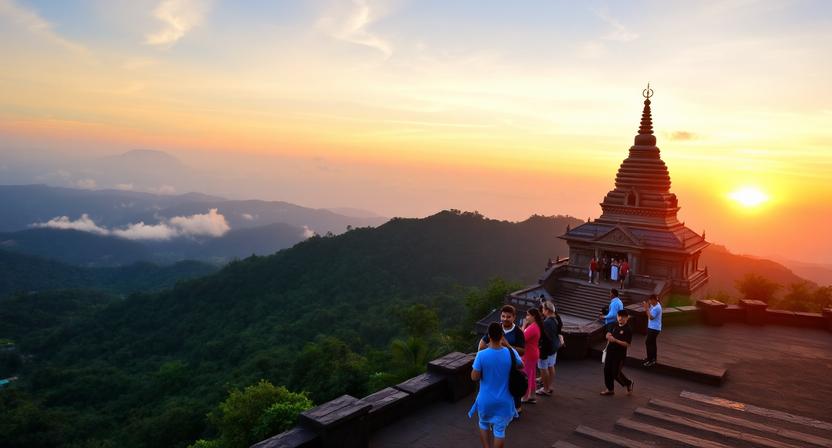
Sripada Shrine, or Adam’s Peak, as it is otherwise called, is a spiritual and cultural icon of Sri Lanka that is increasingly becoming a favorite among international tourists who are seeking to experience the breathtaking sunrise from the shrine’s courtyard. This shrine is recognized for its spiritual significance as a sacred spot for various religion groups, and it provides an unprecedented experience for tourists who are keen to enjoy the scenery of the Nallathanniya-Sripada road that surrounds it.

With favorable weather prevailing during the morning periods, many visitors have taken advantage of the shrine to witness the sunrise, given the spiritual tranquility of the shrine coupled with the natural wonders that surround it. It is, without a doubt, a great experience for tourists seeking both spiritual satisfaction and a connection with nature.

Sripada Shrine’s Growing Appeal for Nature and Spiritual Tourism

Sripada Shrine is renowned for its breathtaking views, but it is also a place of deep spiritual significance. The shrine is considered sacred by Buddhists, Hindus, Christians, and Muslims, who each regard the site as important to their religious traditions. The sunrise experience at Sripada has become a popular spiritual tourism activity, with visitors not only appreciating the stunning scenery but also participating in rituals and prayers associated with the site.

The growing number of tourists arriving at Sripada highlights the shift in Sri Lanka’s tourism offerings, with more travelers seeking spiritual journeys combined with nature exploration. The combination of cultural heritage, spiritual rituals, and natural beauty at Sripada makes it a unique destination in Sri Lanka, and this trend is expected to further boost the country’s tourism economy.

Economic Impact: Spiritual and Nature-Based Tourism Driving Regional Growth

The increasing interest in Sripada Shrine has a positive economic impact on the surrounding Nallathanniya area. As more tourists flock to experience the sunrise, local businesses, including hotels, restaurants, and tour operators, are benefiting from the growing demand for accommodation and tourism services.

This influx of tourists also contributes to job creation in the region, particularly in hospitality and tourism-related services. Local guides, transportation providers, and vendors are seeing a boost in demand, creating economic opportunities for local communities. The spiritual tourism associated with Sripada is helping to sustain local economies while promoting responsible tourism practices that preserve the area’s cultural and natural heritage.

Future Impact: Growth of Spiritual and Nature-Based Tourism in Sri Lanka

The increasing popularity of Sripada Shrine as a spiritual and nature-based tourism destination is expected to have a long-term impact on Sri Lanka’s tourism industry. As global tourism continues to trend toward eco-tourism and spiritual travel, Sri Lanka is well-positioned to capitalize on these growing interests. The sunrise experience at Sripada is likely to become a key feature of the country’s tourism offering, attracting more visitors from around the world who seek spiritual enrichment and nature exploration in one location.

Sri Lanka’s focus on promoting sustainable tourism in areas like Sripada will help ensure that the tourism sector grows in a balanced and responsible manner, preserving Sri Lanka’s rich natural and cultural heritage while providing economic benefits to local communities. The rise in tourism demand for nature-based and spiritual experiences will likely lead to more investment in eco-friendly infrastructure, sustainable accommodations, and local conservation efforts, ensuring long-term growth in these sectors.

Sripada’s Role in Sri Lanka’s Tourism Future

The emergence of Sripada Shrine as a destination for both religious tourism and eco-tourism is a positive aspect of the tourism industry in Sri Lanka, since it is an indication of the potential that the country possesses for such tourism. Sripada, with its rich spirituality, natural resources, and historical background, is becoming a more significant destination for those seeking to explore both their own souls as well as Mother Nature.

The development of spiritual tourism and eco-tourism in Sri Lanka promises a very bright future for the tourism industry in the country, with the growth of the region attributed to the current steep influx of tourists seeking distinctive tourist experiences. As tourists seek to explore more of what the destination offers other than the centres of converging tourists, the growth of tourism in Sri Lanka is set to be sustainable.

The post Foreign Tourists Flock to Sripada Shrine in Sri Lanka for Sunrise Views, Boosting Nature-Based and Spiritual Tourism Growth appeared first on Travel And Tour World.
❌