Login
Login
Delhi Battles Severe Winter Fog, Slowing Flights And Traffic To A Halt While Air Quality Reaches Hazardous Levels: New Update You Need To Know
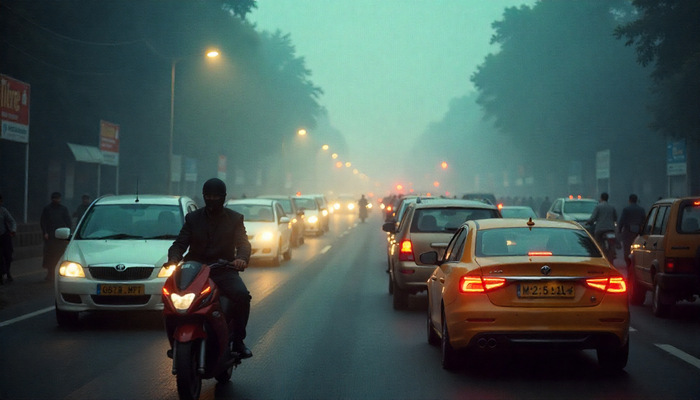
On the morning of December 15, 2025, Delhi was hit by its first major winter fog of the season, causing significant disruptions to both air travel and road traffic. Visibility dropped drastically across the capital, prompting flight delays and a yellow fog alert from the India Meteorological Department (IMD), which recorded a minimum temperature of 8.2°C. This thick fog, which blanketed the city during the early hours, led to a series of advisories from airlines and authorities, urging passengers to exercise caution and plan for additional travel time.
Indira Gandhi International Airport (IGI), one of the busiest airports in the country, continued operations despite the adverse conditions. However, airport authorities issued warnings that flights lacking advanced landing technology for low visibility, such as the CAT III system, could face delays or cancellations. This system allows aircraft to land safely in minimal visibility, but not all planes are equipped with it. Delhi International Airport Limited (DIAL), the operator of IGI, acknowledged the potential for disruptions and assured passengers that they were working closely with all stakeholders to minimize delays.
Airlines including IndiGo, Air India, and SpiceJet quickly issued statements regarding the fog’s impact on their flight schedules. IndiGo informed passengers that the reduced visibility around IGI was causing delays in flight departures, with some flights taking longer than scheduled to take off. Air India also acknowledged the dense fog and its effect on both departures and arrivals, particularly in Delhi and northern India, advising travelers to check their flight status before heading to the airport. SpiceJet echoed these warnings, cautioning passengers that both incoming and outgoing flights could face delays due to the foggy conditions, and advised travelers to stay updated through the airline’s website for the latest information.
The fog did not only affect air travel; it also worsened Delhi’s already poor air quality. The air quality index (AQI) skyrocketed, crossing the 450 mark and even reaching 500 in some areas, such as Ashok Vihar. These figures placed the capital in the “Severe Plus” category, which poses serious health risks, especially for people with respiratory conditions. The high pollution levels compounded the effects of the fog, making visibility even worse and further slowing down traffic across the city. Commuters and passengers traveling to the airport were advised to allow for extra travel time as the poor visibility affected road conditions and slowed down vehicles.
The combination of thick fog, hazardous air quality, and disrupted flight schedules led to a stressful start to the day for many passengers. With the fog expected to persist, authorities continued to monitor conditions and urged travelers to stay informed about the weather and flight updates. While Delhi airport’s operations continued, passengers were reminded to check with their airlines regularly and be prepared for potential delays or schedule changes.
The fog also served as a reminder of the challenges posed by the changing weather patterns in northern India. Winter fog in Delhi, a frequent occurrence during the colder months, can create significant problems for air travel, particularly as the city grapples with rising pollution levels. The IMD’s yellow alert for fog, which advised the public to take precautions, highlighted the ongoing issues of low visibility, particularly during the early morning hours when the fog tends to be densest. Travelers were urged to be cautious, not only due to the fog but also due to the declining air quality, which could pose additional health risks.
As the city continued to face these challenges, the need for improved air quality management and infrastructure to handle such weather events became more apparent. Delhi’s residents, travelers, and authorities are accustomed to the harsh realities of winter fog, but as this event showed, it remains a persistent issue that can cause widespread disruption, particularly in a city as densely populated and travel-intensive as Delhi.
The post Delhi Battles Severe Winter Fog, Slowing Flights And Traffic To A Halt While Air Quality Reaches Hazardous Levels: New Update You Need To Know appeared first on Travel And Tour World.