
Reading view

Maldives Tourism Resilience: Climate Change Adaptation, Sustainable Policy, and Future-Proofing the Industry

Maldives Tourism Resilience: Climate Change Adaptation, Sustainable Policy, and Future-Proofing the Industry

The Maldives is universally known as a paradigm of tropical paradise—a destination defined by its impossibly white sands, crystalline turquoise waters, and overwater bungalows. However, its immense beauty masks an existential vulnerability. As the world’s lowest-lying nation, with 80% of its land sitting less than one meter above mean sea level, the Maldives is on the front lines of the global climate crisis. The twin threats of sea-level rise and ocean warming (leading to coral bleaching) pose an immediate, critical danger to the very foundation of the nation: its land and its tourism heart.

This reality has forced the Maldivian government and the private tourism sector into an accelerated, urgent campaign of climate adaptation. This is not merely an environmental policy; it is an economic imperative and a fight for national survival. The strategies being deployed are ambitious, innovative, and designed to future-proof the industry that accounts for nearly two-thirds of the country’s GDP.

Pillars of Adaptation: The Three-Fold Strategy

The nation’s response is multifaceted, blending hard engineering with ecological restoration and soft policy changes:

Coastal Protection and Land Reclamation: This involves large-scale engineering projects to protect existing islands and create new, higher ground. Techniques include building robust sea walls, breakwaters, and deploying innovative land reclamation methods that ensure new islands are built with long-term climate resilience in mind. The focus is on strategically protecting critical infrastructure, especially international airports and major resort islands.

Ecological Restoration: The Coral Lifeline: The vibrant coral reefs are the Maldives’ first defence against the sea and its primary tourism asset. Ocean warming causes mass bleaching events, destroying this natural barrier. The nation is heavily investing in coral restoration efforts, including coral gardening, genetic research into heat-resistant species, and implementing strict marine protected areas to allow reefs time to recover. Protecting the reef is literally protecting the country.

Policy and Planning for Sustainability: Government policies are shifting toward high-value, low-impact tourism. New developments are mandated to incorporate renewable energy (solar is a key focus), implement advanced waste and sewage treatment systems on-site, and minimize their overall carbon footprint. The goal is to ensure that the industry, while vital, does not exacerbate the very crisis it faces.

    Humanizing the Crisis: The Resilience of the Island Community

    The climate crisis is deeply personal for every Maldivian. Their way of life, traditional fishing livelihoods, and cultural heritage are all under direct threat. The adaptation strategy, therefore, must be human-centered:

    • Training and Education: Significant resources are dedicated to training local communities and tourism employees in climate resilience skills—from coral gardening techniques to emergency preparedness and sustainable waste management. This empowers citizens to be active stewards of their environment.
    • Shifting Local Lifestyles: The transition to sustainable practices—reducing plastic use, adopting solar energy, and implementing strict waste segregation—is being driven at the local island level, instilling a culture of environmental accountability.
    • The Voice of Vulnerability: Maldivian leaders and citizens are globally recognized as powerful advocates for climate action, sharing their existential crisis with the world. This emotional commitment is central to the nation’s plea for global cooperation.

    For the Maldivian worker, safeguarding the environment is synonymous with safeguarding their job and their home.

    The Responsible Traveler: A New Partnership

    The visitor is now an integral part of the Maldives’ adaptation strategy. The high-value, sustainable tourism model relies on the responsible traveler:

    • Choosing Consciously: Tourists are encouraged to select resorts that can demonstrate genuine commitment to sustainability, renewable energy use, and local employment. Their booking decisions become a vote for climate action.
    • Low-Impact Practices: Visitors are educated on minimizing their environmental footprint, such as avoiding single-use plastics, respecting marine life, and supporting local communities outside the resort bubble.
    • Supporting Research: Many resorts now fund or participate in marine research programs, allowing tourists to contribute directly to coral and manta ray conservation, turning a vacation into a meaningful contribution.

    This new form of tourism creates a vital partnership where the traveler’s dollars directly fund the nation’s fight for survival, making the vacation experience profoundly meaningful.

    A Testament to Resilience

    The Maldivian effort to adapt to climate change is one of the most compelling stories of resilience on the planet. By implementing bold coastal defenses, investing heavily in the fragile coral ecosystems, and integrating sustainability into its core tourism policies, the nation is actively shaping its destiny. The future of the Maldives remains tenuous, dependent on global emissions reductions, but its urgent, innovative adaptation strategies are a testament to the human will to thrive, ensuring that the jewel of the Indian Ocean can continue to welcome the world for generations to come.

    The post Maldives Tourism Resilience: Climate Change Adaptation, Sustainable Policy, and Future-Proofing the Industry appeared first on Travel And Tour World.



    Northeast Snowstorm Chaos: Delays, Cancellations, and Power Outages Cause Major Holiday Travel Disruption

    Northeast Snowstorm Chaos: Delays, Cancellations, and Power Outages Cause Major Holiday Travel Disruption

    The Northeast region of the United States is no stranger to winter. Yet, even seasoned residents were caught off guard by the ferocity and timing of the recent snowstorm. Arriving during a peak travel period—likely the start of the holiday season—the storm quickly transformed into a “travel nightmare,” blanketing major metropolitan areas and transport corridors with heavy snow, freezing rain, and high winds. The outcome was a cascading failure: flight delays spiraled into cancellations, roads became impassable, and the weight of ice and snow brought down power lines, plunging hundreds of thousands into darkness.

    The storm served as a brutal reminder of nature’s power and the fragile dependency of modern life on consistent infrastructure. For travelers, it meant shattered plans, missed family gatherings, and the stark, isolating experience of being stranded far from home.

    Chaos in the Hubs: The Transportation Breakdown

    The most immediate and dramatic impact was felt across the Northeast’s dense transportation network. The region’s major airports—hubs for global and domestic travel—became centers of chaos.

    • Air Travel: As snow rapidly accumulated and visibility plummeted, airlines were forced to enact ground stops. Delays quickly turned into mass cancellations, stranding thousands of passengers. The human toll was evident in the queues stretching through terminals, as travelers desperately sought new bookings, often facing multiple days of delays. The nightmare was compounded by full flights and lack of available alternative seats, turning holiday anticipation into deep frustration.
    • Roads and Rails: Major interstate highways, arteries of the region’s commerce and personal travel, were choked by accidents and closure warnings. State transportation departments struggled to keep up with the rate of snowfall and subsequent icing. For commuters and long-distance drivers, hours were spent immobile, transforming simple journeys into exhausting ordeals. Even rail services, often touted as the reliable alternative, faced slow orders and power-related disruptions due to track and overhead wire icing.

    The entire transport ecosystem ground to a halt, trapping travelers in a logistical deadlock.

    The Cold and the Dark: The Power Outage Crisis

    Equally severe was the impact on essential services. The combination of heavy, wet snow and strong winds proved too much for the utility infrastructure. Thousands of tree limbs, weighed down by ice, snapped and brought down power lines, leading to widespread power outages across the Northeast.

    The power loss was not just an inconvenience; in the bitter cold of a winter storm, it quickly became a safety concern. Homes went cold, losing heat and light, forcing families to rely on generators, fireplaces, or temporary shelters. For the elderly and those dependent on medical equipment, the loss of power posed a serious threat. Utility crews, working around the clock in treacherous, often hazardous conditions, became the unsung heroes, battling deep snow and falling branches to restore essential services. The struggle highlighted the vulnerability of aging infrastructure to extreme weather events.

    The Human Element: Resilience and Frustration

    The story of the snowstorm is ultimately a story about people.

    • Frustration and Loss: For many, the travel nightmare meant the irreplaceable loss of family time. Missed weddings, funerals, and, most poignantly, holiday gatherings became the enduring emotional scars of the storm. The frustration of being powerless against both nature and bureaucratic gridlock tested the patience of even the most resilient traveler.
    • Acts of Kindness: Yet, amidst the chaos, the human spirit often shone through. Stories emerged of strangers helping to clear snow, neighbors sharing generators, and airport staff going above and beyond to provide comfort and blankets to stranded travelers. The crisis forced communities and strangers to rely on one another, fostering temporary bonds of solidarity.

    The storm was a shared, arduous experience that revealed both the weaknesses of the system and the enduring strength of community response.

    Looking Forward: A Call for Preparedness

    The magnitude of the disruption serves as a critical call for enhanced preparedness, particularly as climate change suggests more frequent and intense weather events. For airports, it demands more robust de-icing capabilities and better communication systems. For utility companies, it necessitates the hardening of power grids through underground lines or stronger, more resilient poles.

    For the individual traveller, the lesson is one of contingency: always pack essentials, always prepare for delays, and always prioritise safety over schedule. The recent storm may have caused immense disruption, but it will inevitably lead to clearer strategies and a stronger resolve the next time winter decides to strike the heavily populated and complex network of the Northeast.

    The post Northeast Snowstorm Chaos: Delays, Cancellations, and Power Outages Cause Major Holiday Travel Disruption appeared first on Travel And Tour World.
    Galápagos Drug Trafficking Crisis: Threats to Conservation, Tourism, and the Islands’ Unique Biodiversity

    Galápagos Drug Trafficking Crisis: Threats to Conservation, Tourism, and the Islands’ Unique Biodiversity

    The Galápagos Islands, a remote volcanic archipelago 600 miles off the coast of Ecuador, represent one of the world’s most precious and irreplaceable natural laboratories. Its unique biodiversity, which famously inspired Charles Darwin’s theory of evolution, is typically protected by its isolation and rigorous environmental controls. Yet, a menace born of global illicit trade—drug trafficking—is increasingly breaching these natural defenses, casting a dark shadow over paradise.

    The islands’ strategic location in the Pacific, coupled with the regional crisis of organized crime, is turning this protected area into an unwilling transit point for narcotics. The threat is insidious, posing an existential danger that strains the islands’ limited resources, compromises enforcement, and, most critically, jeopardizes the delicate, unique ecosystem that conservationists have fought decades to protect.

    Contamination: The Silent Enemy

    The most alarming consequence of drug trafficking in the Galápagos is the risk of environmental contamination and ecosystem damage. Drug smugglers, often operating under extreme pressure, are known to jettison cargo overboard when pursued by authorities. These discarded packages, containing narcotics and wrapped in plastic or other materials, pose multiple direct threats:

    Plastic Pollution: The packaging adds significantly to the plastic pollution choking the marine environment, directly endangering marine iguanas, sea lions, turtles, and the unique seabirds that inhabit the area.

    Chemical Spillage: Should the packages break open, the narcotics themselves, and the cutting agents used to process them, introduce toxic chemicals into the pristine waters and coastal areas, potentially poisoning food chains and harming sensitive marine life.

    Invasive Species: The vessels used by smugglers—often small, fast boats—may unintentionally carry invasive species, such as new seeds, insects, or pests, that could devastate the islands’ highly vulnerable endemic species, which evolved without natural predators or competitors.

      For an environment defined by its fragility and uniqueness, this silent, chemical, and biological contamination is an unacceptable cost.

      The Strain on Human and Financial Resources

      The rise of drug trafficking has also placed an unsustainable strain on the human and financial resources dedicated to conservation. The Galápagos National Park rangers and the local police force were primarily equipped and trained for wildlife protection and regulated tourism, not for high-stakes maritime law enforcement against sophisticated criminal organizations.

      The need to divert patrol boats, personnel, and surveillance equipment to drug interdiction efforts means less time and fewer resources are available for anti-poaching patrols, monitoring endangered species, and managing invasive flora and fauna. The costs associated with upgrading patrol capabilities—requiring faster boats, better radar, and specialized training—are immense, forcing the Ecuadorian government and international conservation partners to find new, urgent funding streams simply to secure the area.

      The Ripple Effect on Tourism and Local Life

      Tourism is the undisputed economic pillar of the Galápagos Islands, providing the bulk of employment and funding for local services. The growing association of the islands with drug trafficking and heightened security risks can have a catastrophic ripple effect on the tourism industry.

      If the security situation deteriorates or if the islands gain an undesirable reputation, tourists will inevitably choose less-risky destinations. This would directly impact the livelihoods of the islanders, from hotel owners and tour guides to fishermen and restaurant staff, threatening the very stability that allows conservation efforts to thrive. The human element of this crisis is the worry in the eyes of the tour boat captain, the uncertainty felt by the hotel owner, and the fear that their unique, protected home is slowly being drawn into a wider, brutal conflict.

      A Call for International Partnership and Action

      The challenge of drug trafficking in the Galápagos cannot be solved by Ecuador alone. It is a symptom of a global network of organized crime, requiring a coordinated international response. The solution outlined in the article likely points toward several key areas of immediate action:

      Enhanced International Cooperation: Greater intelligence sharing, joint maritime patrols, and financial support from the United States, Europe, and other partners are critical to disrupting smuggling routes.

      Technological Upgrades: Investment in better radar, drone surveillance, and modern communication equipment to effectively monitor the vast marine reserve.

      Strengthening Local Institutions: Providing specialized training and resources to local law enforcement and park rangers to effectively manage maritime security while maintaining their commitment to conservation.

        The Galápagos Islands are a heritage site for all of humanity. Their unique species and pristine environment must not become collateral damage in the war on drugs. Protecting the islands requires recognizing the shadow of trafficking as the most potent, modern threat to their existence and responding with the urgency and global solidarity that this priceless natural laboratory demands.

        The post Galápagos Drug Trafficking Crisis: Threats to Conservation, Tourism, and the Islands’ Unique Biodiversity appeared first on Travel And Tour World.

        MÁV’s New Travel Passes: Simplifying Hungarian Public Transport, Boosting Affordability and National Travel

        MÁV’s New Travel Passes: Simplifying Hungarian Public Transport, Boosting Affordability and National Travel

        For too long, navigating the public transport systems of many nations has been a source of frustration, characterized by complicated fare zones, multiple tickets for different operators, and confusing price structures. Recognizing this barrier to easy travel, the Hungarian State Railways (MÁV) has embarked on a strategic initiative to simplify and unify travel across the country. The launch of the New Travel Passes is not merely an update to the price list; it represents a fundamental philosophical shift toward prioritizing commuter convenience, affordability, and national connectivity. This move is poised to transform how Hungarians perceive and utilize their public transport network, making spontaneous and affordable travel a practical reality.

        Introducing the Passes: Flexibility Meets Affordability

        The core of this revolution lies in the structure of the new passes, which are likely designed to replace the fragmented system of regional and local tickets with a streamlined, two-tiered approach:

        The County Pass (Vármegye-bérlet): This pass focuses on regional mobility. By allowing unlimited travel within a single county for a low, fixed monthly price, it specifically targets daily commuters, students, and local residents. It simplifies the routine journey to work or school, encouraging residents to rely on trains and buses without the daily stress of buying individual tickets or calculating complex fare zones.

        The National Pass (Ország-bérlet): The flagship product, this pass offers truly unlimited travel on virtually all state-operated rail and bus lines across the entire country for a modest monthly fee. This is a game-changer for tourists, business travelers, and families. It transforms Hungary into a single, accessible entity, encouraging domestic travel, weekend trips, and exploration of regions previously considered too costly or complicated to reach.

          The pricing strategy behind these passes is equally important. By setting the cost at a highly affordable level—particularly for students and seniors—the government is making a direct investment in the financial well-being of its citizens and actively encouraging a shift away from private car use.

          The Environmental and Economic Dividend

          The positive impact of the new passes extends far beyond individual wallets. This initiative is a clear win for the environment. By offering a compelling, affordable, and easy-to-use alternative to private vehicles, MÁV is directly contributing to a reduction in road traffic, carbon emissions, and urban congestion. For a nation committed to sustainable development goals, this policy is a tangible step toward a greener transport future.

          Economically, the passes are expected to revitalize regional economies. By making inter-city travel inexpensive, the National Pass encourages citizens to spend their disposable income exploring domestic destinations, supporting local restaurants, guesthouses, and regional cultural sites. Small towns and less-visited areas suddenly become viable weekend destinations, contributing to a more balanced, decentralized economic development model across Hungary.

          The Human Element: Freedom and Spontaneity

          For the individual traveler, the new passes offer something profoundly valuable: freedom and spontaneity. The knowledge that one has already paid for unlimited travel removes the psychological barrier of calculating costs for every single journey. Imagine a student in Budapest deciding spur-of-the-moment to visit friends in Debrecen, or a family taking a spontaneous weekend trip to the shores of Lake Balaton without worrying about the cost of train tickets.

          This freedom is particularly empowering for those on fixed or low incomes, such as retirees and students, for whom the cost of transport was previously a restrictive factor. The passes transform travel from a budget luxury back into a fundamental right, fostering a stronger sense of national unity and access for all citizens, regardless of their location or economic status.

          A Model for European Transit Innovation

          The initiative by Hungarian State Railways positions the country as a progressive leader in European transit innovation, following in the footsteps of countries that have implemented similar national travel schemes. The success of these passes will likely be watched closely by other European Union members struggling with complex, localized ticketing systems. It demonstrates a clear political willingness to integrate national transport and prioritize public good over fragmented commercial interests.

          The new MÁV passes are more than just ticketing products; they are social tools designed to connect people, foster environmental responsibility, and stimulate economic activity. By making the Hungarian landscape accessible to everyone, MÁV is not just moving trains; it is moving the nation forward, building a more connected, affordable, and sustainable future for all who live and visit Hungary.

          The post MÁV’s New Travel Passes: Simplifying Hungarian Public Transport, Boosting Affordability and National Travel appeared first on Travel And Tour World.

          Kashmir Tourism Barometer: CM Omar Criticizes Prolonged Closures as a Sign of Continued Instability

          Kashmir Tourism Barometer: CM Omar Criticizes Prolonged Closures as a Sign of Continued Instability

          The narrative emanating from the highest levels of governance regarding Jammu and Kashmir has, for some time, centered on the return of “normalcy,” peace, and stability. Yet, this official narrative is being challenged by a stark, physical reality: the prolonged closure of major tourist destinations. Former Chief Minister Omar Abdullah recently delivered a sharp critique, arguing that the continuing inability to fully open and operate the region’s economic lifeblood—its world-renowned travel spots—fatally undermines the very claims of normalcy. The contradiction is profound: how can life be considered “normal” when the engines of the local economy remain deliberately silent?

          The closure of places like Gulmarg, Pahalgam, or specific historic sites, even intermittently or partially, sends a clear, negative signal to the world. It suggests that security concerns still outweigh the need for economic activity and public freedom. For the political opposition, this silence is the most honest barometer of the situation on the ground, exposing the gap between political rhetoric and the lived reality of the Kashmiri people.

          Tourism: The Unofficial Barometer of Peace

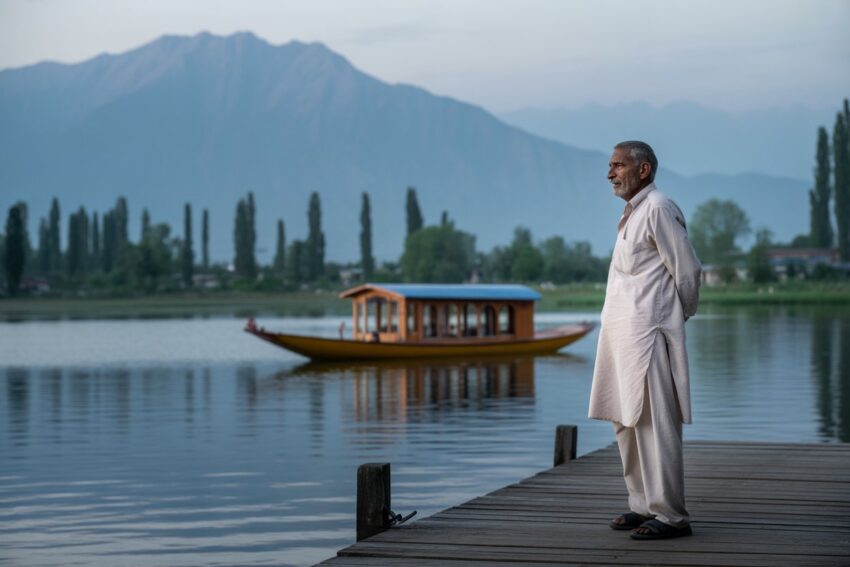
          In a region as strategically and emotionally charged as Kashmir, tourism is far more than an economic sector; it is a crucial indicator of peace and stability. When hotels are full, Shikara boats glide freely on Dal Lake, and cable cars are packed with happy visitors, the world receives tangible evidence of stability. Conversely, when these destinations are closed, restricted, or operate under heavy security, the message is one of ongoing tension and instability.

          Omar Abdullah’s statement directly addresses this symbolism. He argues that if the situation were genuinely normal, the need for closures would vanish. Tourists are risk-averse; they only travel to places where their safety is guaranteed and their movement is unrestricted. By keeping these sites shut, authorities are implicitly confirming that they cannot guarantee that level of safety, effectively sabotaging their own political claims. This creates a vicious cycle: closures signal instability, which deters tourists, which then deepens economic hardship, further fueling public frustration.

          The Human Cost: Livelihoods in Limbo

          The most devastating impact of the prolonged closures is the human cost. Tourism in Jammu and Kashmir sustains tens of thousands of livelihoods directly, from hotel staff and taxi drivers to local artisans, shawl sellers, and guides. The sector is characterized by its high multiplier effect, supporting everyone from apple growers supplying hotels to weavers creating traditional crafts.

          When major destinations remain shuttered, these small entrepreneurs and daily wage earners are left without income, plunging families into economic distress. CM Omar’s argument is fundamentally humanitarian: the claims of political success and stability ring hollow when they are achieved at the expense of the economic well-being of the majority of the population. The local populace sees the contrast between the government’s celebration of peace and the persistent absence of prosperity in their own lives.

          Economic Erosion: Loss of Faith and Investment

          The prolonged closure of key sites not only causes immediate financial loss but also leads to long-term economic erosion. When a business (like a hotel or a tour company) cannot operate for extended periods, it often defaults on loans, leading to bankruptcies and widespread job losses that are difficult to reverse.

          Furthermore, international travel agents and investors are hesitant to commit funds to a market that is fundamentally unreliable. The signal sent by the closures suggests that government policy, rather than market demand, dictates operational viability. This instability deters future investment needed for infrastructure development and modernization, trapping the industry in a cycle of stagnation despite its massive natural appeal.

          A Call for Transparency and Reassessment

          The former Chief Minister’s statement is a call for greater transparency and a strategic reassessment of the region’s policies. If normalcy is the goal, the government must demonstrate it through the opening of public spaces and the free flow of economic activity. This requires trust-building measures and a focus on community policing and safety that does not rely on blanket restrictions.

          For the people of Kashmir, the restoration of tourism is synonymous with the restoration of dignity and economic self-sufficiency. They are eager to share the breathtaking beauty of their land. The challenge is for the political class to create an environment where the claims of peace are genuinely reflected in the bustling marketplaces, the thriving hotels, and the smiling faces of the visitors arriving to experience one of the world’s most beautiful, and economically fragile, regions.

          The post Kashmir Tourism Barometer: CM Omar Criticizes Prolonged Closures as a Sign of Continued Instability appeared first on Travel And Tour World.

          Agrotourism Roadmap: Charting a New Era for Sustainable, Experiential Rural Tourism and Local Economic Growth

          Agrotourism Roadmap: Charting a New Era for Sustainable, Experiential Rural Tourism and Local Economic Growth

          For too long, rural areas in many parts of the world have been viewed merely as agricultural hubs—essential for food production but overlooked as destinations for leisure and travel. However, a quiet but profound shift is underway, recognizing that the authentic landscapes, traditional farming practices, and close-knit communities of the countryside are, in fact, powerful tourist assets. This shift is codified in a new Agrotourism Brochure and Roadmap, which charts a strategic, sustainable path for rural tourism development. This is not simply about visiting a farm; it’s about creating an immersive, educational, and deeply human travel experience that benefits everyone involved, from the farmer to the traveler.

          The Roadmap’s Core Philosophy: Authenticity and Experience

          The new roadmap is built on a core philosophy that prioritizes authenticity and experiential travel. It moves beyond basic sightseeing, encouraging visitors to participate actively in the agricultural lifecycle. Key components of this strategy likely include:

          Farm-to-Table Immersion: Developing opportunities for visitors to harvest their own produce, participate in cooking classes using local ingredients, and dine directly on the farm. This closes the gap between the food source and the consumer, creating a memorable, educational experience.

          Cultural Fusion: Integrating local indigenous culture and traditional agricultural practices. Agrotourism sites become venues for showcasing unique festivals, craft-making techniques, and local folklore tied to the land, ensuring cultural preservation goes hand-in-hand with economic growth.

          Educational Focus: Positioning farms as living classrooms. Tours focus on sustainable farming techniques, organic practices, and the ecological importance of local biodiversity, appealing to the growing market of eco-conscious and intellectually curious travelers.

            By offering this depth of engagement, agrotourism appeals to a higher-value, discerning traveler who seeks meaningful interaction over superficial luxury, ensuring the sustainability of the business model.

            Empowering the Grassroots: Economic Diversification

            The most significant impact of this agrotourism roadmap is its power to fuel local economic diversification and community empowerment. Rural economies are often vulnerable to fluctuating commodity prices and external market forces. Tourism provides a crucial buffer, offering farmers and their families a supplementary, stable income stream that is not dependent on crop yields alone.

            The roadmap strategically encourages rural communities to become micro-entrepreneurs. Farmers are incentivized to build small, traditional homestays, offer guided tours, and sell value-added products (like jams, honey, or artisanal soaps) directly to visitors. This keeps the tourism revenue within the local community, fostering local pride and discouraging the mass migration of youth to urban centers. Agrotourism provides a compelling reason for the next generation to return to the land, viewing their agricultural heritage not as a burden, but as a source of modern, sustainable income.

            Strategic Pillars: Quality and Connectivity

            To ensure the success of this roadmap, two strategic pillars must be addressed: Quality Standards and Connectivity.

            • Quality and Safety: The brochure likely outlines a system for classifying and certifying agrotourism sites to ensure they meet basic standards for visitor safety, hygiene, and service quality. Maintaining quality ensures positive word-of-mouth marketing and justifies higher price points.
            • Infrastructure and Digital Connectivity: Rural sites often suffer from poor road access and limited internet. The roadmap must prioritize investment in basic infrastructure upgrades and digital connectivity. Good connectivity is essential not just for visitor comfort, but for operators to manage bookings, market their services globally, and manage online payments efficiently.

            These necessary investments turn a collection of isolated farms into a coherent, marketable tourism network capable of competing with established destinations.

            The Human Story: Reconnecting with the Land

            For the traveler, the magic of agrotourism lies in its ability to reconnect them with the fundamental source of life: the land. It offers a genuine respite from the digital world, allowing them to participate in the rhythms of nature. The humanized element of this travel is found in the simple, yet profound, interactions with the local host families—sharing a meal, learning a language, or simply listening to stories passed down over generations.

            The new agrotourism roadmap is a celebration of rural identity. It gives value and visibility to the hardworking people who feed the nation. It transforms the farmer from a hidden producer into a proud cultural ambassador. As this roadmap is rolled out, it promises to redefine the landscape of rural travel, making it not just a viable economic option, but a cherished, authentic destination for travelers seeking depth, sustainability, and a real taste of local life.

            The post Agrotourism Roadmap: Charting a New Era for Sustainable, Experiential Rural Tourism and Local Economic Growth appeared first on Travel And Tour World.

            Calvià and Magaluf Shine: Mallorca Destination Named Top Global Hit for 2026 by Leading Travel Experts

            Calvià and Magaluf Shine: Mallorca Destination Named Top Global Hit for 2026 by Leading Travel Experts

            For decades, the name Magaluf—the vibrant, often tempestuous heart of the Calvià municipality in Mallorca—evoked a specific, sometimes controversial, brand of tourism. Yet, in a spectacular reversal of fortune that speaks volumes about the power of strategic vision and sustained investment, the entire region is now being celebrated on the world stage. A Top Global Travel Magazine has named Calvià a “massive hit” for 2026, singling out Magaluf as a shining example of transformation for all of Mallorca. This is more than just a flattering review; it is an official global endorsement that crowns years of dedicated effort to move away from low-cost volume tourism toward a sustainable, quality-focused model. The news is a triumphant moment for the Balearic Islands, confirming that their pivot toward upscale, conscious travel is working, and that the future of Mediterranean tourism is being forged right here on the shores of Calvià.

            From Strategy to Stardom: The Calvià Blueprint

            The recognition for 2026 is no accident; it is the calculated result of a multi-year blueprint meticulously executed by local authorities and private investors. The strategy centered on three non-negotiable pillars: Quality, Sustainability, and Diversification. Gone are the days when the region measured success purely by occupancy rates. The new metric is value—the quality of the guest experience, the environmental footprint of the operations, and the positive impact on the local community.

            Massive private investment, reportedly totaling hundreds of millions of euros, has been poured into renovating existing infrastructure. Older, less sustainable hotels have been either completely overhauled or replaced by sleek, modern resorts offering four and five-star accommodations. This physical transformation was matched by a regulatory shift, designed to curb disruptive behavior and promote a more respectful environment. The resulting environment is calmer, cleaner, and caters to a more mature and discerning traveler—a fundamental, successful repositioning that is now paying off with global media applause.

            The Magaluf Metamorphosis: Shifting the Narrative

            The most striking part of the recognition is the shining focus on Magaluf. The town, once synonymous with a boisterous, often trouble-plagued nightlife, has undergone a metamorphosis. This wasn’t just aesthetic renovation; it was a deep cultural rebranding. Developers focused on elevating the entertainment and hospitality offerings. Iconic areas have been transformed into sophisticated hubs featuring high-end beach clubs, internationally renowned fine dining experiences, and boutique shopping.

            The essence of this change is about choice. While Magaluf has maintained some elements of its vibrant energy, it has successfully overlaid that with sophistication. A visitor can now spend the morning at a high-end spa, the afternoon exploring a nearby protected nature reserve, and the evening dining at a restaurant run by a Michelin-trained chef, all within walking distance of where the old, raucous reputation was born. The fact that a globally respected magazine has chosen to highlight this area for 2026 sends an unmistakable signal to the world: Magaluf has changed, and it is ready to be taken seriously.

            Beyond the Beach: Culture and Heritage

            What makes Calvià a truly massive hit is its ability to offer an experience that extends beyond sun and sea. The municipality is rich in cultural heritage, from its ancient ruins to its traditional Mallorcan villages that sit just a few kilometers inland. The revitalization efforts smartly tied the tourism experience to these cultural assets. New initiatives have been launched to promote local arts, gastronomy (celebrating local Mallorcan produce), and the stunning hiking and cycling routes that weave through the Sierra de Tramuntana mountains—a UNESCO World Heritage Site itself.

            This focus on diversification means that Calvià is now a year-round destination, less reliant on the peak summer months. It attracts culture lovers in the spring and autumn, professional cyclists in the winter, and families seeking quality experiences year-round. By offering authentic, multi-layered experiences, the destination delivers the depth and richness that modern luxury travelers now demand.

            The Human Element: Pride in the Renaissance

            For the local residents and workers of Calvià, the recognition is a source of immense, deeply felt pride. The transformation was not always easy; it required sacrifices and adaptations from businesses and employees alike. But the success validates the painful, necessary shift. Local workers are now employed in higher-quality jobs, with better conditions and a greater sense of professionalism, serving an appreciative clientele rather than merely managing chaos.

            As the community looks ahead to the 2026 season, the sentiment is one of cautious optimism and shared victory. They have fought hard to reclaim their beautiful corner of Mallorca, and the global magazine’s endorsement confirms that they have won. The true “massive hit” is not the tourist numbers, but the renewed self-respect and confidence of the people who call Calvià home, knowing they have built a more resilient, beautiful, and sustainable future for their island.

            A Testament to Vision: Looking Ahead to 2026

            The news that Calvià has been designated a top global travel spot for 2026 marks a historic high point for Mallorca’s tourism industry. It proves that aggressive, visionary investment in quality and sustainability is the key to enduring relevance in the global market. Calvià and the reborn Magaluf stand as a powerful testament to the idea that a place can reinvent itself, shed its past reputation, and attract a completely new wave of admirers. The glow-up is complete, and the world is now ready to discover the refined magic of this corner of the Balearics.

            The post Calvià and Magaluf Shine: Mallorca Destination Named Top Global Hit for 2026 by Leading Travel Experts appeared first on Travel And Tour World.

            Cebu Tourism Revival: New “Sky Tours” Offer Unique Perspectives and Drive Post-Pandemic Growth

            Cebu Tourism Revival: New “Sky Tours” Offer Unique Perspectives and Drive Post-Pandemic Growth

            Cebu, with its famous blend of bustling city life, historical landmarks, and pristine island getaways, has long been a cornerstone of Philippine tourism. Like destinations worldwide, its travel sector faced unprecedented challenges, prompting a critical need for innovative strategies to not just recover, but to fundamentally reinvent the visitor experience. The answer, surprisingly, lies not on the beaches or in the mountains, but high above them.

            The introduction of “Sky Tours”—leisure and sightseeing experiences conducted via light aircraft or helicopters—represents a bold, high-altitude strategy designed to attract a discerning market, create unique offerings, and inject crucial momentum into Cebu’s tourism recovery efforts. This initiative signals a strategic shift, recognizing that in the modern competitive landscape, offering novel, high-impact experiences is essential for sustainable growth.

            The Appeal of the Aerial View: Redefining Exploration

            The core appeal of the Sky Tours lies in offering a perspective impossible to achieve from the ground. Traditional tours rely on ferries, cars, and hiking trails, but the Sky Tours allow visitors to appreciate the sheer geographic diversity of Cebu province in a single, breathtaking journey. Imagine soaring over the azure waters that surround Mactan, tracing the sharp spine of Cebu’s mountainous interior, or witnessing the panoramic scale of the metropolis itself, where city meets sea.

            These tours appeal particularly to a high-value market segment—those willing to pay a premium for exclusive, time-saving, and unforgettable experiences. For the busy traveler, Sky Tours compress the time needed to see multiple attractions, transforming a multi-day itinerary into a spectacular, efficient flight path. By successfully tapping into this market, Cebu is not just increasing visitor numbers; it is increasing the average tourist spend, ensuring that the revenue generated has a maximum impact on the local economy and provides a high return on investment for the operational partners.

            Economic Uplift: Diversifying the Tourism Value Chain

            The Sky Tours initiative is about much more than just the flights themselves; it’s a strategy for economic diversification that touches multiple local industries.

            Aviation Sector Growth: The program directly stimulates the local aviation industry, creating demand for highly specialized jobs—pilots, ground crew, mechanics, and administrative staff. This leads to the creation of high-skill employment opportunities and technology transfer.

            Infrastructure Investment: To support the increased air traffic, smaller, regional airstrips, hangars, and refueling stations may require upgrading, driving investment into regional infrastructure that benefits more than just the tourism sector, improving inter-island connectivity for residents as well.

            High-Value Partnerships: The flights will necessitate seamless partnerships with luxury hotels, exclusive resorts, and high-end dining establishments. This encourages the development of a premium tourism ecosystem, raising the overall quality of services and allowing local businesses to charge competitive, higher prices.

            Global Marketing Tool: The visually stunning nature of aerial footage provides an invaluable, low-cost marketing tool. Breathtaking bird’s-eye views of famous landmarks like Osmeña Peak, Bantayan Island, or Malapascua are powerful drivers for social media engagement and global promotion, effectively rebranding Cebu for the discerning post-pandemic traveler.

              Navigating Regulatory and Safety Hurdles

              While the concept is exhilarating, the successful implementation of Sky Tours relies heavily on maintaining rigorous standards of safety and regulation. The Civil Aviation Authority of the Philippines (CAAP) plays a critical role in ensuring that all aircraft, pilots, and operational procedures adhere to the highest national and international safety standards. The operators must commit to complete transparency in maintenance schedules, clear communication of flight paths, and robust emergency protocols to build and maintain public trust.

              Furthermore, environmental and social consideration is paramount. Flights must adhere to strict altitude and noise regulations, particularly over sensitive wildlife areas, national parks, and quiet residential communities. The goal is to ensure that the economic benefit does not come at the cost of environmental disruption or local quality of life. The commitment to responsible, sustainable integration is key to the long-term viability and social acceptance of this high-impact activity.

              The Human Story: Connecting Islands and Communities

              From a human perspective, Sky Tours offer a compelling narrative of connection and convenience. Cebu Province is an archipelago; its various islands and mountain ranges are often separated by challenging ferry rides or long, winding road trips. The ability to dramatically reduce the transit time between, say, the popular dive sites of Moalboal and the cultural or business sites of Cebu City, makes a multi-faceted itinerary logistically feasible for the short-term visitor, enriching their experience without exhausting their time.

              The initiative offers hope to tourism stakeholders who have endured difficult times. It signifies a bold step forward—a refusal to simply wait for the old normal to return, and instead, a commitment to creating a vibrant, new normal. For the small-business owner whose local restaurant is now a short, easy-to-reach trip from a luxury resort, or the young pilot finding new, specialized employment opportunities, Sky Tours represent genuine economic mobility and a renewed sense of purpose. It is a shared journey toward recovery, where innovation literally elevates the entire community’s outlook.

              Cebu’s Blueprint for Asian Tourism

              The successful execution of the Sky Tours program could establish Cebu as a blueprint for tourism innovation across Southeast Asia. Many regional destinations face similar challenges in recovery and possess diverse geographies that would benefit from aerial sightseeing. By demonstrating that high-value, niche aviation tourism can be implemented safely, sustainably, and profitably, Cebu positions itself not just as a destination, but as a leader in post-pandemic tourism strategy. The sky, once a limit, has now become the newest, most promising frontier for Cebu’s economic and cultural revival.

              The post Cebu Tourism Revival: New “Sky Tours” Offer Unique Perspectives and Drive Post-Pandemic Growth appeared first on Travel And Tour World.

              Beneath the Glitter: Tourist Stabbed Multiple Times While Changing Baby at NYC’s Macy’s, Raising Safety Fears

              Beneath the Glitter: Tourist Stabbed Multiple Times While Changing Baby at NYC’s Macy’s, Raising Safety Fears

              For millions of people worldwide, the ritual of holiday shopping in New York City, particularly a visit to the iconic Macy’s Herald Square, represents the pinnacle of festive joy. It is a place of dazzling lights, elaborate window displays, and the comforting chaos of consumerism. Yet, in a shocking moment that ripped the veneer off the city’s glittering facade, this dreamlike setting became the scene of a brutal and deeply troubling crime. Amidst the throngs of excited holiday shoppers, a 39-year-old tourist was stabbed multiple times in an unprovoked attack.

              The incident, which occurred on the busy seventh floor of the flagship store on Thursday, December 11, serves as a harsh reminder that beneath the seasonal cheer and billion-dollar retail economy, serious public safety concerns continue to simmer. This particular crime, characterized by its vulnerability and unexpected violence, has created a sense of collective trauma, threatening to tarnish the very appeal that draws global visitors to the city during its most lucrative season.

              Details of the Attack: A Vulnerable Moment

              The details of the assault, confirmed by the New York Police Department (NYPD), are especially alarming due to the circumstances and location. The victim, a woman visiting from California, was reportedly inside a restroom stall on the seventh floor, attending to her 10-month-old baby’s diaper change, when the attack occurred. Police sources allege that Kerri Aherne, 43, of Massachusetts, entered the restroom and began stabbing the tourist in what was described as an entirely unprovoked act.

              The victim suffered multiple stab wounds to her back and a laceration to her left arm before emergency services rushed her to a local hospital, where she was listed in stable condition. Fortunately, reports indicated the infant was unharmed, though the charge of child endangerment filed against the suspect underscores the potential peril. Aherne was arrested and subsequently charged with attempted murder, assault, criminal possession of a weapon, and child endangerment. The brazenness of the attack, occurring at approximately 3:15 p.m. in the middle of a massive retail operation, shocked both shoppers and law enforcement.

              The Tourism Crisis: Security vs. Commerce

              This high-profile, violent act targeting a visitor in a seemingly safe public area immediately ignites a fierce debate about tourist safety in New York City. The city’s economy relies heavily on international and domestic tourism, especially during the holiday season. Incidents of random, unprovoked violence, particularly those victimizing a vulnerable mother, seriously undermine the public confidence that the city needs to maintain its status as a premier global destination. For potential tourists planning their trips, such an attack introduces a chilling element of doubt, raising questions about whether the risk of visiting crowded public spaces outweighs the festive reward.

              Macy’s released a statement expressing deep sadness over the incident and emphasizing that the “safety of our customers and colleagues is our top priority,” deferring further questions to local authorities. City officials and business leaders now face immense pressure to offer a robust and highly visible response, assuring the public that this was an isolated event, while simultaneously implementing tangible security upgrades in their busiest retail hubs.

              The Wider Context: A Pattern of Unprovoked Crime

              While the stabbing at Macy’s is uniquely shocking due to its circumstances, it is not an isolated incident in the general trend of safety concerns. Law enforcement sources noted that this was the second assault inside the iconic department store in the past month. Just weeks prior, an unprovoked attack on a 71-year-old shopper also occurred within the store. The recurrence of such violence within the supposedly controlled environment of a high-end retailer, amid a reported uptick in felony and misdemeanor assaults in the Midtown South Precinct, taps into the broader anxieties regarding crime rates and public safety measures.

              The focus for investigators extends beyond the immediate apprehension to the larger context: what are the underlying systemic issues—whether related to mental health crises or homelessness, which was reportedly a factor in the suspect’s life—that lead to such violent, random acts in public spaces? The incident forces a difficult conversation on how major commercial hubs should adapt their security posture to address unprovoked attacks that defy traditional crime prevention tactics.

              Humanizing the Incident: The Scars of an Unexpected Terror

              Beyond the crime statistics and the attempted murder charges, the true tragedy lies with the victim—a mother whose holiday visit to an iconic store was violently interrupted. Her recovery, both physical from the stab wounds and psychological from the profound terror of the event, will be a long process. The incident also leaves a lasting scar on the hundreds of shoppers and employees who witnessed the chaos, replacing their sense of holiday wonder with a palpable fear.

              As shoppers like Oscar DeCastro told reporters, “It’s very scary, for sure,” adding that people want “more security.” The incident forces people to confront the vulnerability that exists even in the most well-known, brightly lit public spaces. New York City must now work not only to stabilize its safety infrastructure but also to heal the breach of trust that such a shocking, targeted act against a family inevitably creates within its visiting community.

              The post Beneath the Glitter: Tourist Stabbed Multiple Times While Changing Baby at NYC’s Macy’s, Raising Safety Fears appeared first on Travel And Tour World.
              The Kaktus Hotel: Sustainable Design and Lifestyle Focus Redefine Conscious Travel Experience

              The Kaktus Hotel: Sustainable Design and Lifestyle Focus Redefine Conscious Travel Experience

              The modern traveler is undergoing a profound transformation. The days of simply booking a room for a night are fading; today’s guest seeks an experience that aligns with their personal values, lifestyle, and global consciousness. They demand more than luxury; they require purpose. Recognizing this seismic shift, The Kaktus Hotel emerges as a direct answer, positioning itself not merely as accommodation, but as a holistic hub for conscious travel, lifestyle, and genuine connection. It is a revolutionary hospitality concept that understands that true sophistication in the 21st century lies not in extravagance, but in ethical and intentional design. The Kaktus Hotel promises a stay that is both deeply restorative and globally responsible.

              Conscious Design: Where Sustainability Meets Style

              The foundational principle of The Kaktus Hotel lies in its commitment to conscious design and sustainability. Every aspect of the property—from its construction materials to its daily operations—is likely infused with an ethical ethos. This involves prioritizing locally sourced, renewable, or recycled materials, minimizing the hotel’s carbon footprint, and implementing energy-efficient systems.

              The use of the name “Kaktus” itself suggests resilience, low environmental impact, and an aesthetic inspired by arid, natural beauty. This translates into design elements that are minimalist yet warm, featuring natural textures, earthen tones, and abundant natural light. The aesthetic choice is deliberate: it’s intended to foster a sense of calm and connection to the environment, demonstrating that luxury and ecological responsibility are not mutually exclusive, but rather enhance one another. The architecture and interiors are designed to tell a story of respectful integration with the local ecosystem.

              The Hub for Lifestyle and Connection

              Beyond the physical space, The Kaktus Hotel is built around the philosophy of fostering human connection and an integrated lifestyle. It actively rejects the isolating nature of traditional hotels. Instead, it features communal spaces—co-working areas, shared kitchens, vibrant lounges, and carefully curated workshop venues—that encourage guests to interact, exchange ideas, and build temporary communities. The hotel programs are not just amenities; they are catalysts for connection. Think morning yoga sessions, local artisan workshops, sustainability lectures, or communal dining experiences that bring solo travelers and families together around shared interests and values.

              The hotel aims to seamlessly integrate the guest’s personal lifestyle into their travel experience. This means providing high-quality, healthy dining options that cater to diverse dietary needs, offering bespoke wellness services, and curating local experiences that go beyond the typical tourist traps. By championing authentic, localized activities, The Kaktus Hotel ensures that the guest’s stay enriches the local community as much as it enriches the traveler.

              The Economic and Social Pillars of Ethical Travel

              The concept of conscious travel at The Kaktus Hotel extends deep into its economic and social practices. The hotel is likely committed to supporting local economies through fair hiring practices, procurement of goods and services from small, local vendors, and promoting cultural preservation. This ethical framework ensures that a significant portion of the tourism revenue stays within the host community, thereby ensuring that the hotel’s presence is a source of regional growth, not merely external exploitation.

              Furthermore, the hotel is likely transparent about its sustainability metrics and social impact, giving guests the power to make informed choices. This transparency is a key differentiator in the conscious travel market, appealing to guests who want their travel dollars to have a positive influence. Guests feel good knowing that their choice of accommodation actively contributes to a better standard of living for the hotel staff and local suppliers.

              A Model for the Future of Hospitality

              The Kaktus Hotel represents a blueprint for the future of hospitality. It recognizes that the most powerful drivers for the next generation of travelers are authenticity, purpose, and community. It moves the focus away from superficial extravagance toward experiential richness and ethical integrity. By successfully marrying sleek, desirable design with a deeply embedded environmental and social ethos, The Kaktus Hotel is pioneering a new standard. It demonstrates that the most successful hotel brands of tomorrow will be those that prioritize the planet and people alongside profit, effectively turning a necessary utility into a platform for positive global change. It is an oasis where one can truly relax, reconnect, and travel with a clear conscience.

              The post The Kaktus Hotel: Sustainable Design and Lifestyle Focus Redefine Conscious Travel Experience appeared first on Travel And Tour World.

              Orlando Tourism Forecast 2025: New Attractions, Convention Boom, and Sustained Visitor Growth

              Orlando Tourism Forecast 2025: New Attractions, Convention Boom, and Sustained Visitor Growth

              Orlando, Florida, has long held the title of the world’s theme park capital, a reputation built on continuous innovation and a relentless pursuit of family fun. As 2025 unfolds, the city’s tourism sector isn’t just recovering; it’s accelerating, cementing its status as a vital engine for the Central Florida economy. The momentum is undeniable, powered by a dual thrust of leisure travelers seeking cutting-edge experiences and a strong resurgence of high-volume, high-value business tourism. This year, Orlando is proving that its model—the perfect blend of fantasy and commerce—is more resilient and appealing than ever, setting new benchmarks for visitor numbers and economic impact.

              The Leisure Fuel: Blockbuster Theme Park Innovations

              The cornerstone of Orlando’s success remains its iconic theme park ecosystem, and 2025 is a year defined by blockbuster innovations designed to pull in global audiences. Major players are strategically launching long-anticipated attractions that offer completely new immersive experiences. These additions are critical because they provide a fresh incentive for repeat visitors and act as powerful magnets for new international travelers. Beyond rollercoasters, the parks are investing heavily in immersive environments, leveraging next-generation storytelling technology that blurs the lines between ride, exhibit, and theatrical performance. This continuous investment ensures that Orlando remains at the forefront of global entertainment, guaranteeing that families seeking the pinnacle of theme park thrills have only one destination in mind.

              However, the parks’ influence extends far beyond the queues. Their presence drives massive downstream spending on hotels, dining, retail, and local transportation. The promise of new, headline-grabbing attractions is the fuel that keeps the entire Central Florida tourism machine running at full speed, ensuring high occupancy rates and robust tax revenues that benefit the entire region.

              The Business Boom: Conventions and Meetings Lead the Way

              Equally important to the 2025 tourism surge is the powerful recovery and subsequent growth of Orlando’s convention and meetings industry. The Orange County Convention Center (OCCC), one of the largest in the country, is seeing a return to and often an exceedance of pre-pandemic booking levels. This is a crucial factor because convention attendees are high-value visitors—they typically stay longer, spend more on premium dining and lodging, and often tack on leisure time before or after their event. The OCCC’s packed schedule for 2025 is bringing hundreds of thousands of specialized attendees and exhibitors to the region, creating a stable, lucrative segment of the tourism economy that balances the seasonal fluctuations of family leisure travel.

              The success of the convention sector is intrinsically tied to Orlando’s superior infrastructure—the abundance of world-class hotels, excellent transportation links, and, yes, the leisure attractions themselves. Event planners know that Orlando offers a unique package: state-of-the-art meeting facilities paired with the ability to offer attendees unparalleled entertainment and networking opportunities, making the city an easy sell for major global organizations.

              International Visitors: The Return of a Crucial Market

              While domestic tourism provided a necessary cushion in previous years, 2025 is marked by the powerful return of the international visitor. Travelers from Europe, Latin America, and other key global markets are once again choosing Orlando, lured by the new attractions and benefiting from easier air travel and stabilizing economic conditions. International guests are vital because they typically have the longest stays and the highest average daily spend, making them critical for maximizing tourism’s economic impact. The recovery of international feeder routes is not accidental; it is the result of continuous promotion by Visit Orlando and strategic partnerships with airlines, ensuring that global access to the city remains seamless and affordable.

              Addressing the Future: Challenges of Success

              This unprecedented growth, while celebrated, presents the perennial challenges of success. Managing the volume of visitors—the infrastructure demands, traffic congestion, and strain on local resources—requires continuous strategic investment. Orlando must balance its drive for growth with an equal commitment to sustainability and quality of life for its residents. Maintaining the high standard of the visitor experience requires continuous training of the large workforce, ensuring competitive wages, and investing in advanced transportation solutions to keep the city moving smoothly. The challenge for 2026 and beyond will be to sustain this momentum while maturing into a destination that manages its success responsibly, ensuring that the magic doesn’t wear thin under the weight of its own popularity.

              The post Orlando Tourism Forecast 2025: New Attractions, Convention Boom, and Sustained Visitor Growth appeared first on Travel And Tour World.

              Gatwick Airport Drop-Off Charge: New Fee Stirs Controversy and Impacts Traveler Routines

              Gatwick Airport Drop-Off Charge: New Fee Stirs Controversy and Impacts Traveler Routines

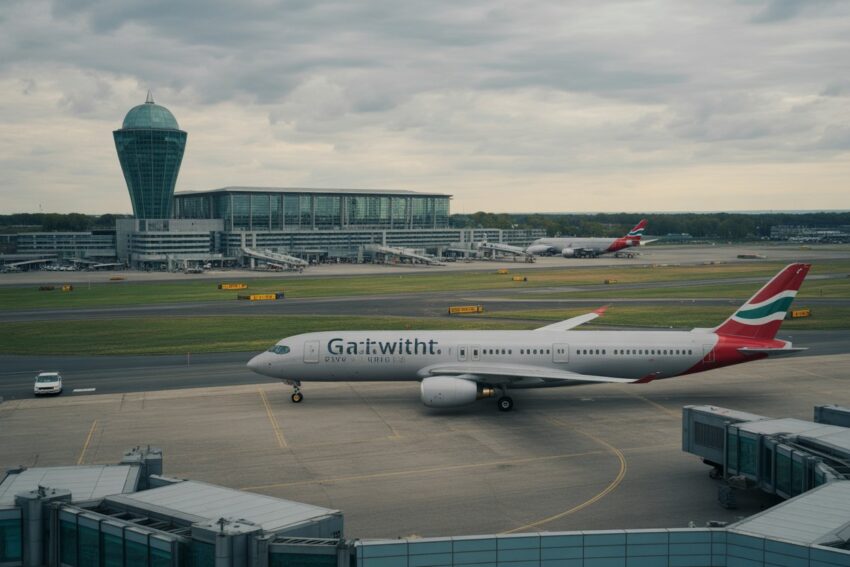
              The journey to the airport is often a delicate balance of logistics, time, and stress. For millions of UK travelers, being dropped off directly outside the terminal by a friend or family member is the preferred, most convenient solution. However, this simple convenience is becoming increasingly monetized. Gatwick Airport has introduced—or substantially increased—its direct terminal drop-off charge, establishing a new financial barrier for travelers and sparking immediate public outcry. While airports often frame such fees as necessary measures for managing congestion or promoting sustainable transport, for the average traveler, it feels like another unwelcome tax on an already expensive journey. This policy shift forces a frustrating “cost of convenience” calculus onto every passenger.

              The Airport’s Rationale: Congestion, Safety, and the Environment

              Airport authorities typically justify drop-off charges using a trifecta of reasons, all aimed at improving operational flow and corporate responsibility. Firstly, there is the issue of traffic congestion. The terminals’ forecourts are high-traffic zones; charges are intended to deter “looping” drivers, reduce idling, and encourage quick pickups and drop-offs, thereby minimizing bottlenecks that impact overall airport efficiency. Secondly, the charge is often linked to security and safety, arguing that a high turnover of vehicles reduces the security risk associated with static cars.

              Most recently, the rationale has expanded to include environmental sustainability. By charging for the closest drop-off, the airport attempts to subtly push travelers toward using longer-stay car parks, public transport (trains, buses), or the free, remote drop-off zones, thus reducing the number of vehicles traveling directly to the terminal curb. While these reasons are plausible in theory, the public often views them cynically, seeing the fee primarily as a new revenue generation stream for the airport operator.

              The Traveler’s Burden: Practical and Financial Stress

              The public reaction to the Gatwick charge has been swift and overwhelmingly negative, largely because it disproportionately affects certain groups. For families traveling with young children, elderly passengers with mobility issues, or individuals carrying multiple heavy bags, the close proximity drop-off is not a luxury, but a practical necessity. Forcing these travelers to use a remote drop-off zone—which often requires a subsequent bus or long walk—adds significant physical and temporal stress just before a flight.

              Financially, while the individual fee might seem small, travelers note that these charges aggregate quickly, adding to parking, luggage, and airfare costs. In a context where many are already dealing with a higher cost of living, these new, mandatory airport fees feel punitive. The anger is compounded by the perception that travelers are being charged for basic, essential access to a facility they are already paying to use.

              The Alternatives: Free, But Inconvenient

              In response to public dissatisfaction, airports invariably offer a “free” alternative, usually a remote long-stay car park from which a shuttle bus runs to the terminal. While the cost is zero, the cost in time and hassle is high. Travelers must account for the bus schedule, the transfer time, and the physical effort of loading and unloading luggage twice. This option, while functionally free, is a poor substitute for the convenience of being dropped directly at the terminal door, especially for those in a hurry or those with physical limitations. For many, the remote drop-off is simply too inconvenient to be a viable choice, forcing them to pay the terminal fee.

              The Industry Trend: A Global Pattern of Monetization

              Gatwick is not operating in a vacuum. The implementation or increase of drop-off charges is part of a wider, global industry trend where airports are aggressively seeking to maximize non-aeronautical revenue. From fees for trolleys to premium security lane access, every point of interaction with the passenger is being monetized. This trend is symptomatic of the pressure on airports to fund infrastructure upgrades and maintenance, especially in the wake of challenging years for the travel industry. However, by chipping away at passenger convenience, airports risk eroding the goodwill of their customer base and positioning themselves as financially exploitative rather than service-oriented hubs.

              The Human Element: The Farewell Dilemma

              Beyond the economics, the drop-off charge touches on a significant human element of travel: the farewell. The terminal curb is the traditional point for heartfelt goodbyes between travelers and their loved ones. By imposing a quick time limit and a financial penalty, the airport effectively rushes this final moment, making the act of saying goodbye stressful and transactional. The charge subtly discourages the very act of a loved one driving a passenger to the door, pushing them toward impersonal public transport or expensive taxis. This policy, more than any other, feels like it is penalizing affection and support in favor of corporate efficiency. The public debate around the Gatwick charge is, therefore, less about the small fee itself, and more about the ongoing privatization of convenience in the modern travel experience.

              The post Gatwick Airport Drop-Off Charge: New Fee Stirs Controversy and Impacts Traveler Routines appeared first on Travel And Tour World.

              TravelMorph AI Japan Guide: Personalized Itineraries and Seamless Experience for Korean Travelers

              TravelMorph AI Japan Guide: Personalized Itineraries and Seamless Experience for Korean Travelers

              The travel landscape between South Korea and Japan has always been one of high traffic and high demand. Japan consistently ranks as the number one international destination for Korean travelers, drawn by proximity, culture, and cuisine. Yet, despite the closeness, planning a truly seamless trip can often be complicated by language barriers, intricate public transport systems, and the sheer volume of choices.

              Enter TravelMorph, a new player in the travel tech space that is leveraging artificial intelligence to eliminate these friction points. TravelMorph has officially launched its AI-powered Japan travel guide platform, a bespoke tool designed specifically to cater to the unique needs and preferences of the Korean traveler. This launch is more than just a new app; it’s a digital bridge built to ensure every Korean tourist’s experience in Japan is as personalized, efficient, and enjoyable as possible.

              The Power of Personalization: AI as a Digital Concierge

              The core value of the TravelMorph platform lies in its sophisticated application of artificial intelligence, which moves beyond simple search results to function as a truly personalized digital concierge.

              • Custom Itinerary Generation: At the heart of the platform is its ability to instantly generate highly customized itineraries. Instead of offering generic suggestions, the AI learns from the user’s input—including preferred budget, travel style (e.g., foodie, history buff, shopper), pace, and interests—to craft a day-by-day plan. This ensures that a traveler interested in niche Japanese pottery gets suggestions far different from one focused on theme parks.
              • Real-Time Dynamic Updates: The platform doesn’t stop once the itinerary is built. It offers real-time updates and recommendations while the traveler is on the ground. If a user is near a highly-rated, lesser-known ramen shop, the AI can suggest a detour based on their stated interest in authentic local food. This dynamic capability prevents travelers from missing out on hidden gems and helps them navigate unexpected changes like weather or transport disruptions.
              • Overcoming the Language Barrier: The Japanese language can be a significant hurdle for independent Korean travelers. TravelMorph’s AI likely incorporates robust translation and localization features, offering contextual information, translating signs or menus, and providing culturally appropriate phrases, all delivered seamlessly in Korean.

              Tailored for the Korean Market

              TravelMorph’s platform success is predicated on its deep understanding of its target audience. The Korean travel market has specific demands that the platform is designed to meet:

              • Efficient and Detailed Logistics: Korean travelers often demand highly efficient, detail-oriented logistics. The platform excels at integrating Japan’s complex train and subway schedules, offering precise route planning, fare estimates, and guidance for navigating major stations—a crucial feature given the overwhelming size of Japanese transport hubs like Shinjuku or Tokyo Station.
              • Preference for Authenticity: While popular sites are necessary, Korean travelers often seek out authentic, locally recommended experiences. The AI likely leverages a wealth of user-generated data and local partnerships to flag genuine, non-touristy restaurants, shops, and neighborhood experiences that resonate with Korean tastes.
              • Familiarity and Trust: By operating exclusively in the Korean language and utilizing design and user experience principles that appeal to a Korean audience, TravelMorph builds a layer of trust and familiarity that general international travel platforms often lack.

              The Future of Inter-Asian Tourism

              The launch of TravelMorph highlights a significant trend in the Asian travel market: the rise of highly specialized, localized travel technology. As travel within Asia continues to grow in volume and complexity, generic global platforms are often insufficient.

              TravelMorph is proving that a targeted approach—combining advanced technology with deep cultural insight—is the key to unlocking the full potential of inter-Asian tourism. By making travel easier and more efficient, the platform encourages greater frequency of visits, longer stays, and more economic activity across various Japanese regions, not just the capital.

              The platform is not just changing how Korean travelers go to Japan; it’s setting a new standard for how technology should serve the modern international traveler—by prioritizing seamlessness, personalization, and cultural nuance above all else.

              The post TravelMorph AI Japan Guide: Personalized Itineraries and Seamless Experience for Korean Travelers appeared first on Travel And Tour World.

              Mexico Tourism Record October 2025: 8.3 Million International Visitors, Driven by New Markets and Appeal

              Mexico Tourism Record October 2025: 8.3 Million International Visitors, Driven by New Markets and Appeal

              Mexico has long been a global favorite, a vibrant tapestry of ancient ruins, stunning coastlines, and rich cultural traditions. But 2025 is proving to be a watershed moment for the nation’s tourism sector. The country is officially “in vogue,” setting historic benchmarks that solidify its position as one of the world’s most sought-after destinations.

              The crown jewel of this success is the astonishing performance in October 2025, during which Mexico welcomed a record-breaking 8.3 million international visitors. This monumental figure underscores the resilience, diversity, and strategic appeal of Mexico’s tourism industry, moving beyond simple recovery to sustained, exponential growth. This massive influx of visitors transforms an already popular destination into a global travel powerhouse.

              The Magnetism of Mexico: Why the Surge?

              The unprecedented surge of 8.3 million visitors in a single month is the result of several deliberate strategies and natural advantages:

              Strategic Connectivity and Accessibility: Mexico’s geography makes it uniquely accessible, particularly to the vast North American market. The country has consistently invested in and maintained high levels of air connectivity, ensuring that major hubs like Cancún, Mexico City, and Puerto Vallarta are easily reached by direct flights from key global cities. This ease of access is critical for high-volume travel.

              Diverse and Authentic Offerings: Mexico has successfully marketed itself as more than just a beach destination. The growth is fueled by travelers seeking its multifaceted appeal:

              • Culture and History: From the ancient Maya pyramids in the Yucatán Peninsula to the colonial architecture and museums of Oaxaca and Mexico City, Mexico offers deep cultural immersion.
              • Gastronomy: Designated a UNESCO Intangible Cultural Heritage, Mexican cuisine is a major draw for food tourism, appealing to a global audience eager for authentic flavors.
              • Wellness and Nature: Eco-tourism, diving, and wellness retreats in locations like Baja California and the cenotes of the Yucatán add layers of appeal beyond the traditional resort experience.

              Global Resilience: In a global travel landscape still navigating geopolitical and economic uncertainties, Mexico has maintained a perception of stability and value. For many international travelers, it remains a reliable, high-quality destination that offers exceptional experiences without the extreme cost fluctuations seen elsewhere.

                The Economic Pulse: Beyond the Beaches

                The impact of 8.3 million visitors in a month is transformative. The tourism sector’s success serves as a powerful engine for the broader Mexican economy:

                • Foreign Currency Generation: The vast majority of international visitors inject crucial foreign currency directly into the economy, bolstering national reserves and supporting economic stability.
                • Employment Boom: The massive visitor volume necessitates increased employment across the entire service sector—hotels, restaurants, tour guiding, transportation, and retail. This creates thousands of jobs, empowering local communities and fostering growth in regions far from the traditional coastal resorts.
                • Investment Confidence: Record-breaking visitor numbers boost investor confidence, leading to further capital being poured into new hotels, infrastructure improvements, and tourism development projects. This virtuous cycle ensures the long-term sustainability and modernization of the sector.

                Handling the Vogue: Challenges of Success

                While the record is cause for celebration, such exponential growth brings inevitable challenges that Mexico must address to ensure sustainable tourism:

                • Infrastructure Strain: Managing 8.3 million visitors requires robust infrastructure. Key tourist corridors, airports, and local transportation networks must be continuously upgraded to prevent congestion and maintain the quality of the visitor experience.
                • Environmental Protection: The ecological treasures—the reefs, jungles, and cenotes—are fragile. Sustainable practices and strict environmental regulations are crucial to protecting these natural assets from the inevitable pressure of high-volume tourism.
                • Cultural Preservation: Balancing the demands of mass tourism with the need to respect and preserve local cultures and historical sites is an ongoing imperative. The focus must be on encouraging respectful, immersive travel that benefits, rather than exploits, local communities.

                Mexico’s achievement of 8.3 million international visitors in October 2025 is a resounding testament to its rich offerings and strategic vision. The country is not just recovering; it is redefining its role on the global travel stage, proving that a blend of culture, history, and strategic development is the formula for sustained success.

                The post Mexico Tourism Record October 2025: 8.3 Million International Visitors, Driven by New Markets and Appeal appeared first on Travel And Tour World.

                Legendary Hotel’s Palm Royale Vibe & Major Airline First-Class Upgrades: Top Travel News

                Legendary Hotel’s Palm Royale Vibe & Major Airline First-Class Upgrades: Top Travel News

                In the world of elite travel, the mood has shifted decisively from subtle luxury to uninhibited, theatrical glamour. Nowhere is this more apparent than in the resurgence of one legendary hotel, which, after a spectacular renovation, has uncannily captured the high-society, sun-drenched, and unapologetically chic aesthetic of the hit series, ‘Palm Royale.’

                This transformation is more than just a fresh coat of paint; it signals a full-throttle return to Old Hollywood opulence, setting the tone for luxury hospitality in 2026. This hotel’s dazzling rebirth is just one piece of major travel news, which also includes groundbreaking announcements from major carriers who are busy redefining the meaning of first-class airline upgrades and premium experiences.

                The Hotel: A Real-Life ‘Palm Royale’ Rebirth

                The specific hotel, often a historic landmark associated with a particular golden age, has undergone a metamorphosis that perfectly encapsulates the flamboyant, mid-century maximalism of the ‘Palm Royale’ setting.

                • Aesthetic and Vibe: The renovation likely emphasized vibrant colors, bold patterns, lush tropical foliage, and sumptuous, perhaps slightly over-the-top, interior design—all hallmarks of the wealthy 1960s resort aesthetic. The goal was to create a space that feels instantly nostalgic, glamorous, and exclusive, attracting a clientele eager to immerse themselves in an environment built for pure escapism and social spectacle.
                • Elevated Experience: The hotel’s appeal goes beyond looks. The upgrades are almost certainly paired with an elevation of service to match the high-society theme. Expect highly personalized, almost butler-like services, exclusive dining concepts, and wellness facilities that cater to the most discerning (and demanding) guests.
                • The Draw of Nostalgia: The hotel successfully taps into the current trend of nostalgic escapism. In a complex world, travelers are drawn to the perceived simplicity and assured luxury of a bygone era. By becoming a real-life set piece, the hotel transforms a stay into a curated performance of high-society leisure.

                This hotel’s aggressive pivot toward theatrical luxury confirms that the subtle, minimalist aesthetic that dominated boutique hotels for years is giving way to a new era of overt, expressive opulence.

                High-Flying News: Redefining First-Class

                Mirroring the move toward unapologetic luxury on the ground, the skies are also being reimagined. The major travel news highlights significant announcements from leading international airlines regarding first-class upgrades that are pushing the boundaries of what is possible at 35,000 feet.

                • Supersizing Privacy: The new first-class offerings focus heavily on privacy and personal space. This likely includes the unveiling of fully enclosed suites with floor-to-ceiling doors, offering travelers a true ‘room in the sky.’ Some designs may even incorporate double beds for couples traveling together.
                • Residential Comforts: These upgrades are designed to mimic a luxury apartment. Amenities likely include personalized minibars, full-size closets, vanity mirrors, and advanced mood lighting systems. The airlines are not just selling a seat; they are selling a tailored, private residential experience designed to make the long-haul journey feel utterly seamless.
                • Gourmet and Wellness: The soft-product enhancements are just as impressive. We are seeing continued investment in Michelin-star quality dining programs and on-demand services. Furthermore, airlines are integrating wellness and sleep technology into their cabins—from specialized mattresses and bedding to custom-blended aromatherapy products—to help elite travelers arrive feeling refreshed.

                These airline announcements signal a direct response to the resurgence of high-net-worth travelers who are willing to pay a premium for exceptional comfort and privacy. As ground experiences become more extravagant, the journey to get there must follow suit, creating a continuous loop of escalating luxury travel standards.

                The Broader Travel Landscape: What It Means

                The rebirth of the legendary hotel and the new first-class products are micro-trends that reflect a massive macro-shift in the travel industry:

                • The Premiumization of Travel: The industry is doubling down on premiumization. While budget travel remains popular, the biggest profit margins and loudest media attention are firmly focused on the high-end sector. Companies are investing heavily to cater to travelers who are spending more on unique, personalized, and visually stunning experiences.
                • The Blurring of Lines: The high-flying news and the ground-based hospitality story both show a blurring of lines between travel and lifestyle. The hotel is selling a fantasy lifestyle; the airline is selling a private, residential escape. Travel is now about the experience as much as the destination.

                The key takeaway from this travel news is clear: the age of quiet, understated luxury is taking a pause. In 2026, the elite travel experience is destined to be dramatic, dazzling, and determined to make a statement.

                The post Legendary Hotel’s Palm Royale Vibe & Major Airline First-Class Upgrades: Top Travel News appeared first on Travel And Tour World.
                ❌