
 Login
Login
Northeast Snowstorm Chaos: Delays, Cancellations, and Power Outages Cause Major Holiday Travel Disruption
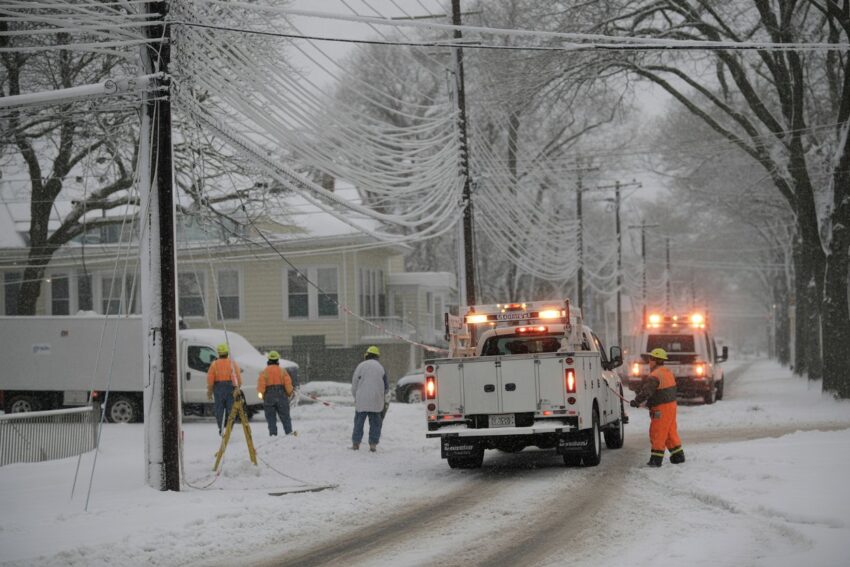
The Northeast region of the United States is no stranger to winter. Yet, even seasoned residents were caught off guard by the ferocity and timing of the recent snowstorm. Arriving during a peak travel period—likely the start of the holiday season—the storm quickly transformed into a “travel nightmare,” blanketing major metropolitan areas and transport corridors with heavy snow, freezing rain, and high winds. The outcome was a cascading failure: flight delays spiraled into cancellations, roads became impassable, and the weight of ice and snow brought down power lines, plunging hundreds of thousands into darkness.
The storm served as a brutal reminder of nature’s power and the fragile dependency of modern life on consistent infrastructure. For travelers, it meant shattered plans, missed family gatherings, and the stark, isolating experience of being stranded far from home.
Chaos in the Hubs: The Transportation Breakdown
The most immediate and dramatic impact was felt across the Northeast’s dense transportation network. The region’s major airports—hubs for global and domestic travel—became centers of chaos.
- Air Travel: As snow rapidly accumulated and visibility plummeted, airlines were forced to enact ground stops. Delays quickly turned into mass cancellations, stranding thousands of passengers. The human toll was evident in the queues stretching through terminals, as travelers desperately sought new bookings, often facing multiple days of delays. The nightmare was compounded by full flights and lack of available alternative seats, turning holiday anticipation into deep frustration.
- Roads and Rails: Major interstate highways, arteries of the region’s commerce and personal travel, were choked by accidents and closure warnings. State transportation departments struggled to keep up with the rate of snowfall and subsequent icing. For commuters and long-distance drivers, hours were spent immobile, transforming simple journeys into exhausting ordeals. Even rail services, often touted as the reliable alternative, faced slow orders and power-related disruptions due to track and overhead wire icing.
The entire transport ecosystem ground to a halt, trapping travelers in a logistical deadlock.
The Cold and the Dark: The Power Outage Crisis
Equally severe was the impact on essential services. The combination of heavy, wet snow and strong winds proved too much for the utility infrastructure. Thousands of tree limbs, weighed down by ice, snapped and brought down power lines, leading to widespread power outages across the Northeast.
The power loss was not just an inconvenience; in the bitter cold of a winter storm, it quickly became a safety concern. Homes went cold, losing heat and light, forcing families to rely on generators, fireplaces, or temporary shelters. For the elderly and those dependent on medical equipment, the loss of power posed a serious threat. Utility crews, working around the clock in treacherous, often hazardous conditions, became the unsung heroes, battling deep snow and falling branches to restore essential services. The struggle highlighted the vulnerability of aging infrastructure to extreme weather events.
The Human Element: Resilience and Frustration
The story of the snowstorm is ultimately a story about people.
- Frustration and Loss: For many, the travel nightmare meant the irreplaceable loss of family time. Missed weddings, funerals, and, most poignantly, holiday gatherings became the enduring emotional scars of the storm. The frustration of being powerless against both nature and bureaucratic gridlock tested the patience of even the most resilient traveler.
- Acts of Kindness: Yet, amidst the chaos, the human spirit often shone through. Stories emerged of strangers helping to clear snow, neighbors sharing generators, and airport staff going above and beyond to provide comfort and blankets to stranded travelers. The crisis forced communities and strangers to rely on one another, fostering temporary bonds of solidarity.
The storm was a shared, arduous experience that revealed both the weaknesses of the system and the enduring strength of community response.
Looking Forward: A Call for Preparedness
The magnitude of the disruption serves as a critical call for enhanced preparedness, particularly as climate change suggests more frequent and intense weather events. For airports, it demands more robust de-icing capabilities and better communication systems. For utility companies, it necessitates the hardening of power grids through underground lines or stronger, more resilient poles.
For the individual traveller, the lesson is one of contingency: always pack essentials, always prepare for delays, and always prioritise safety over schedule. The recent storm may have caused immense disruption, but it will inevitably lead to clearer strategies and a stronger resolve the next time winter decides to strike the heavily populated and complex network of the Northeast.
The post Northeast Snowstorm Chaos: Delays, Cancellations, and Power Outages Cause Major Holiday Travel Disruption appeared first on Travel And Tour World.