
Reading view

Kyoto Sees Strong Tourism Growth with Huge Hotel Occupancy in October
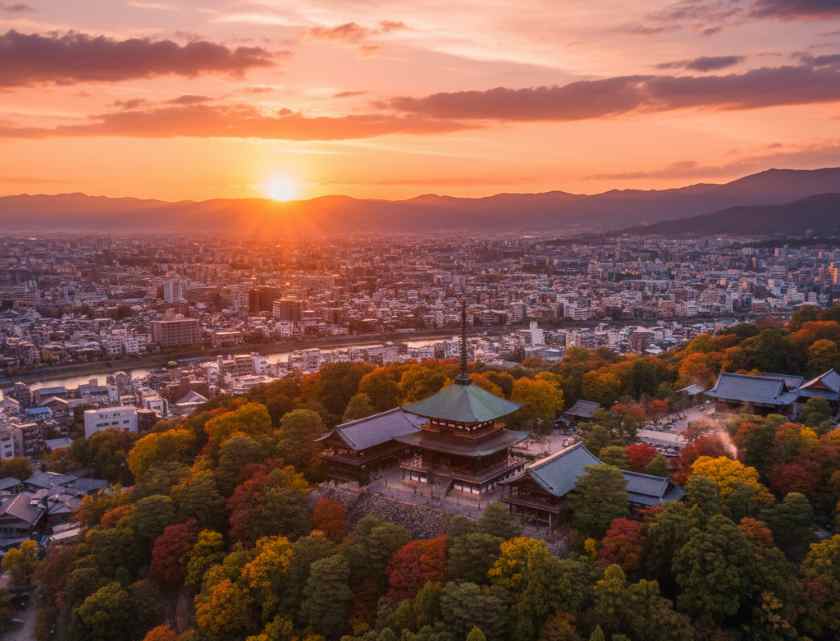
Kyoto Sees Strong Tourism Growth with Huge Hotel Occupancy in October

For the first time in about seven years, major hotels in Kyoto reported a significant 90% occupancy rate in October, indicating a strong recovery in the tourism sector. According to the Kyoto City Tourism Association, this high occupancy rate is a clear sign of increasing demand, particularly from international visitors. The October figure represents an increase of 1.3 percentage points from October 2024, further signaling the return of tourism to the ancient capital.

Kyoto, renowned for its rich cultural heritage, historic temples, and stunning gardens, has always been a popular destination for both domestic and international travelers. The city’s continued popularity among foreign tourists is evident in the increased demand for hotel accommodations, making it a key player in Japan’s broader tourism recovery.

A Strong Demand for Hotel Rooms in Kyoto

The high occupancy rate in October reflects the ongoing rebound of Kyoto’s tourism industry, driven in large part by the resurgence of foreign visitors. As Japan continues to recover from the impacts of the global pandemic, international travel has been steadily increasing, and Kyoto has been a top destination for travellers seeking cultural experiences, historical sites, and traditional Japanese aesthetics.

In addition to the 90% occupancy rate, the average nightly hotel fee in Kyoto for October was 24,859 yen (approximately $160), marking an increase of 15.2% compared to October 2024. The rise in hotel fees reflects the increased demand for accommodations, as well as efforts by hotels to improve services and amenities to attract higher-spending tourists.

This uptick in hotel rates also indicates that the recovery of the tourism sector is benefiting local businesses, with many hotels in the city seeing higher revenue as a result of the increased demand.

Foreign Visitors Boost Kyoto’s Hotel Industry

Kyoto’s hotel industry saw a notable increase in the number of nights spent by foreign tourists in October. Foreign visitors accounted for a total of 721,362 nights spent in Kyoto during the month, which represents a 12.5% year-on-year increase. This growth is a promising sign of the return of international tourism to Japan, as foreign travelers flock to Kyoto to experience its unique blend of ancient traditions and modern amenities.

The rise in foreign visitor numbers can be attributed to Kyoto’s cultural offerings, including iconic landmarks such as the Kinkaku-ji (Golden Pavilion), the Fushimi Inari Shrine, and the Arashiyama Bamboo Grove. These attractions, along with Kyoto’s annual festivals, such as Gion Matsuri, continue to draw visitors from around the world, eager to experience the city’s timeless beauty.

The increase in foreign tourists is also reflective of broader trends in Japan’s tourism industry, as the country reopens its borders to international travelers and promotes destinations outside of major urban centers like Tokyo and Osaka. Kyoto’s appeal as a historical and cultural hub, combined with its proximity to other tourist destinations in the Kansai region, makes it a must-visit location for travelers seeking to immerse themselves in Japan’s rich heritage.

Domestic Tourism Faces a Decline

While the foreign tourism sector has shown impressive growth, the domestic market has seen a slight decline. Japanese guests spent a total of 278,570 nights in Kyoto in October, which is a 13% decrease from the previous year. This decrease in domestic travel could be due to several factors, including the economic impact of the pandemic, changing travel habits, and the competition for travelers’ attention from other popular destinations within Japan.

However, despite the drop in domestic tourism, the overall hotel industry in Kyoto has benefited from the strong performance of international visitors, allowing the city to maintain high occupancy rates and a positive outlook for the coming months.

Kyoto’s Role in Japan’s Tourism Recovery

Kyoto’s hotel industry plays an important role in Japan’s national tourism recovery, especially as the country strives to rebuild its international visitor numbers. The city’s appeal as a cultural and spiritual hub, combined with the ongoing demand for its historic sites and natural beauty, makes it an essential part of the country’s tourism infrastructure.

In addition to the rich historical and cultural experiences, Kyoto’s continued popularity is also linked to Japan’s strong tourism promotion efforts, which have helped raise awareness of the country’s less-explored regions. As Kyoto embraces a new era of tourism, it is likely to continue playing a central role in Japan’s post-pandemic recovery efforts.

Looking Forward: Kyoto’s Tourism Outlook

As Kyoto continues to attract both international and domestic visitors, the outlook for the city’s tourism sector remains strong. The city’s tourism authorities are focusing on maintaining sustainable tourism practices, ensuring that the influx of visitors does not overwhelm the local community or its cultural landmarks.

In the coming years, the tourism sector in Kyoto is expected to continue growing, driven by international tourists eager to explore the city’s rich history and natural wonders. The continued success of the city’s hotels and accommodations is also expected to provide a boost to local businesses, supporting the economic recovery of the region.

Conclusion

Kyoto’s remarkable 90% hotel occupancy rate in October is a strong indicator of the city’s thriving tourism industry, driven primarily by the increasing number of foreign visitors. The rise in hotel rates, alongside the growth in international overnight stays, highlights the city’s continued appeal as a top travel destination. As Kyoto welcomes more tourists and continues to develop its tourism offerings, the city is set to remain a key player in Japan’s tourism sector, providing travelers with an authentic and enriching experience that blends tradition with modernity.

The post Kyoto Sees Strong Tourism Growth with Huge Hotel Occupancy in October appeared first on Travel And Tour World.
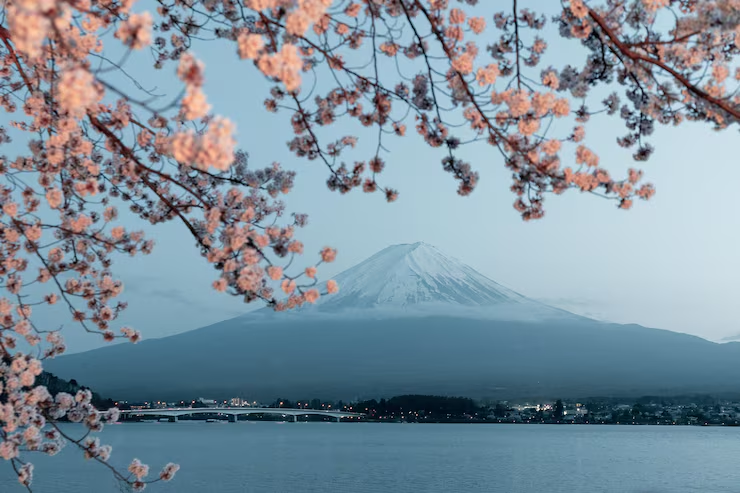
Unlock Japan’s Hidden Gems: Discover the Untold Secrets of Kansai and Beyond for UAE Travelers!

Unlock Japan’s Hidden Gems: Discover the Untold Secrets of Kansai and Beyond for UAE Travelers!

As Japan continues to position itself as a top travel destination for UAE residents, the country is expanding its tourism reach beyond the usual hotspots of Tokyo, Kyoto, and Osaka. Japan’s tourism has seen a significant boost, especially after the success of Expo 2025 Osaka in the Kansai region, which generated immense interest from the Middle East. The Japan National Tourism Organization (JNTO) has been playing a pivotal role in promoting the country’s diverse offerings, from traditional sites to lesser-known rural gems, ensuring that tourists from the UAE have a fresh and exciting view of Japan.

Daisuke Kobayashi, the Executive Director of the JNTO Dubai Office, has been at the helm of these efforts, overseeing strategies that cater specifically to the preferences of UAE travelers. With Japan’s cultural ties to the UAE, the efforts of JNTO have been focused on making Japan an accessible, exciting destination. In this article, we explore how Japan’s tourism strategies are shaping travel trends and attracting UAE tourists, as well as what’s next for the industry.

Kansai and Expo 2025: A Game Changer for Japan’s Tourism

The Expo 2025 Osaka has had a profound impact on Japan’s tourism sector, especially in the Kansai region. The Expo served as a key event that drew attention to Osaka and the surrounding areas, making the country’s attractions more appealing to the Middle East market. Kobayashi highlighted the importance of Expo 2025 in generating interest, noting that countries from the Gulf Cooperation Council (GCC), including the UAE, participated enthusiastically. This exposure has made Japan a highly attractive option for GCC travelers, with many agencies receiving multiple inquiries for Japan tours that include Expo 2025 visits.

The Expo 2025 had significant media coverage across the Middle East, further fueling interest in Japan. As a result, tourists from the UAE have been increasingly curious about not only Osaka but also other parts of Kansai, like Kyoto, Nara, and Kobe. Japan is leveraging the momentum created by the Expo to offer travelers new and exclusive regional experiences that go beyond the typical tourist circuits.

New Tourism Strategies: Catering to UAE Preferences

Since the opening of its Dubai office in November 2021, JNTO has worked tirelessly to engage both consumers and industry stakeholders in the UAE. The strategies have been twofold: on the one hand, there has been an emphasis on showcasing luxury travel experiences, while on the other hand, there is a clear push to introduce travelers to lesser-known destinations.

For UAE travelers, the JNTO Dubai office has launched an Arabic-language website, alongside campaigns on social media to promote Japan as a diverse, exciting destination. By focusing on both traditional and emerging tourism spots, Japan aims to appeal to a wide range of interests. These promotions include not only cultural heritage and historical landmarks but also a spotlight on Japan’s rural beauty—places less known in the Middle East, such as the Japanese countryside and mountain villages.

In addition, Japan is attracting a segment of travelers who seek luxury travel experiences. For example, travelers are encouraged to explore exclusive accommodations and private tours, often in more remote or tranquil settings. These tailored experiences ensure that Japan can cater to the growing demand for unique, high-end travel from the UAE and the broader GCC market.

Cultural Exchange: Strengthening Bonds Between Japan and the UAE

One of the key aspects of Japan’s tourism initiatives is its focus on fostering cultural understanding and exchange between Japan and the UAE. Both nations share strong cultural and spiritual ties, and Kobayashi emphasized the importance of nurturing these bonds through tourism.

The Japan National Tourism Organization aims to provide UAE travelers with a deeper understanding of Japanese culture, offering not just vacations but opportunities for cultural immersion. Through various tourism initiatives, travelers are encouraged to explore Japan’s history, art, and traditions, which are often shared in culturally enriching ways—whether through local crafts, festivals, or food tours. The belief is that the more UAE nationals experience Japanese culture firsthand, the more mutual understanding and appreciation will grow.

By focusing on cultural exchanges, Japan hopes to expand its tourism base beyond short-term visits and foster long-term, meaningful connections with travelers from the UAE.

Promoting Lesser-Known Destinations

Beyond the bustling streets of Tokyo or the serene temples of Kyoto, Japan has countless hidden gems that offer more intimate, authentic experiences. To keep the interest of repeat travelers, JNTO is working to showcase these lesser-known destinations, particularly in rural areas. By focusing on regions outside of the usual tourist hotspots, Japan hopes to spread the benefits of tourism more evenly across the country, easing pressure on popular destinations and creating new opportunities for local communities.

The concept of “Endless Discovery” is central to Japan’s tourism strategy. Japan’s four distinct seasons provide visitors with a variety of travel experiences year-round. Whether it’s hiking in the Japanese Alps, relaxing in a traditional onsen (hot spring), or participating in local festivals, Japan’s diversity allows for a rich array of activities that can appeal to anyone, from culture enthusiasts to outdoor adventurers.

For example, travelers may be encouraged to explore the Okinawa Islands for its tropical climate and beach resorts or visit Hokkaido during winter for world-class skiing and snow festivals. Promoting these regions not only helps to balance tourist traffic but also supports sustainable tourism, ensuring that the growth of tourism doesn’t come at the cost of Japan’s environmental conservation.

Looking Ahead to 2026: Future Trends and Expectations

As Japan prepares for continued growth in tourism, 2026 is poised to be another milestone year. In 2025, Japan set new records for visitor numbers, with a surge in arrivals, particularly from the Middle East. This upward trajectory is expected to continue, and JNTO is already preparing for the increasing demand by strengthening its partnerships with local airlines, travel companies, and media in the UAE. These collaborations will help Japan stay top-of-mind for travelers from the UAE.

Looking ahead, JNTO will maintain its focus on promoting Japan’s lesser-known destinations, ensuring that travelers from the UAE have access to a variety of options. With sustainable tourism and cultural exchange at the forefront of these initiatives, Japan will continue to attract tourists who seek both adventure and enrichment during their travels.

Conclusion: The Future of Japan-UAE Tourism

Japan’s tourism sector is in a strong position to continue thriving, particularly with the significant interest from the UAE market. Thanks to strategic efforts from the Japan National Tourism Organization, Japan is not only seen as a fascinating tourist destination but also as an accessible and culturally resonant choice for travelers from the UAE. As Japan continues to evolve its offerings and promotes the wonders beyond Tokyo and Kyoto, it is poised to remain a top destination for UAE travelers in the years to come. The introduction of hidden gems and the promotion of new regional attractions will ensure that both first-time visitors and repeat tourists continue to discover the magic of Japan.

The post Unlock Japan’s Hidden Gems: Discover the Untold Secrets of Kansai and Beyond for UAE Travelers! appeared first on Travel And Tour World.
❌