
Reading view

Al Malikiyah Fishing Village Bahrain: Discovering Traditional Coastal Life and Picturesque Beaches
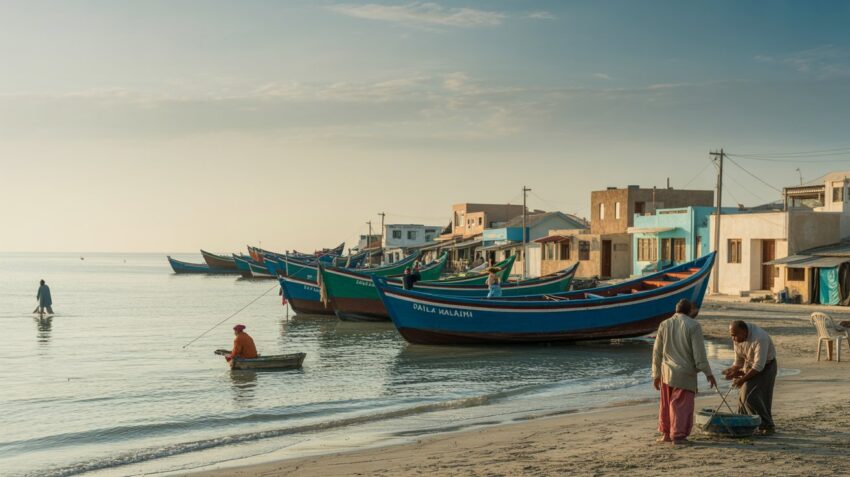
Al Malikiyah Fishing Village Bahrain: Discovering Traditional Coastal Life and Picturesque Beaches
Al Malikiyah

Al Malikiyah Fishing Village, Bahrain: Where the Sea Shapes Everyday Life

Special Introduction: A Village Written by the Tide

On Bahrain’s western coast lies Al Malikiyah, a traditional fishing village where daily life still follows the rhythm of the sea. Fishing boats rest along the shoreline, nets are mended by practiced hands, and quiet beaches stretch toward open horizons. This is not a destination designed for crowds, but a living community shaped by generations of maritime tradition.

For travelers seeking authentic coastal tourism, Al Malikiyah Fishing Village offers a rare opportunity to experience Bahrain’s seaside heritage in its natural setting—unpolished, peaceful, and deeply human.

What Is Al Malikiyah Fishing Village?

A Traditional Coastal Community

Al Malikiyah Fishing Village, Bahrain, is a long-established seaside settlement known for its strong connection to fishing and marine life. The village reflects a way of life that predates modern development, where the sea remains central to livelihood, identity, and community structure.

Its simplicity and authenticity make it a compelling destination for travelers interested in cultural and experiential tourism.

Why Al Malikiyah Matters for Tourism

Living Maritime Heritage

Unlike purpose-built heritage attractions, Al Malikiyah offers a living maritime culture. Fishing is not demonstrated for visitors—it is practiced daily by residents whose knowledge has been passed down through generations.

For tourism, this creates an experience rooted in observation and respect rather than performance.

Where Is Al Malikiyah Located?

Bahrain’s Western Coastline

Al Malikiyah is situated along Bahrain’s western shore, facing open waters and expansive skies. Its coastal location shapes both the village’s economy and its atmosphere.

The drive to Al Malikiyah gradually leaves behind urban environments, preparing visitors for a slower, more grounded experience.

Who Lives and Works in Al Malikiyah?

Fishermen, Families, and Coastal Communities

The village is home to fishing families whose livelihoods depend on the sea. Boats, equipment, and shoreline activity form part of everyday life rather than tourist scenery.

For visitors, this continuity offers insight into Bahrain’s traditional coastal communities and their resilience in a changing world.

When Did Al Malikiyah Develop Its Fishing Identity?

A Heritage Rooted in the Sea

Fishing has defined Al Malikiyah for centuries, reflecting Bahrain’s broader maritime history. Before oil and modern infrastructure, coastal villages like Al Malikiyah were vital sources of food and trade.

This heritage remains visible today in daily routines and shoreline activity.

How Fishing Shapes Daily Life in Al Malikiyah

The Sea as Schedule

Fishing activity in Al Malikiyah follows tides, weather, and seasons. Boats depart early, catches return by mid-morning, and afternoons bring repair work and preparation.

For travelers, witnessing this rhythm offers a deeper understanding of coastal life beyond recreational beach use.

Traditional Fishing Practices

Skills Passed Through Generations

Fishing in Al Malikiyah relies on knowledge developed over time—reading the sea, understanding currents, and maintaining equipment. These practices reflect intimate familiarity with the marine environment.

Observing these methods highlights the craftsmanship behind traditional fishing.

Picturesque Beaches of Al Malikiyah

Quiet Shores with Local Character

Al Malikiyah’s beaches are calm and understated. There are no major facilities or loud attractions—only sand, sea, and fishing boats.

For travelers, these beaches offer peaceful spaces ideal for walking, reflection, and photography rather than recreation-heavy tourism.

Experiencing the Beach as a Visitor

Observation Over Activity

Visitors can walk along the shoreline, watch boats come and go, or sit quietly and enjoy the coastal breeze. The experience is defined by atmosphere rather than amenities.

This simplicity appeals to travelers seeking meaningful, low-impact coastal experiences.

Al Malikiyah and Coastal Food Culture

From Sea to Community

Fishing directly influences local food traditions. While Al Malikiyah is not a commercial dining hub, its fishing activity adds context to Bahrain’s seafood culture.

For culinary travelers, this understanding enriches dining experiences elsewhere on the island.

Travel Experiences in Al Malikiyah Fishing Village

Cultural Observation Tourism

Al Malikiyah is ideal for travelers interested in anthropology, maritime heritage, and everyday life. Simply observing daily routines offers valuable cultural insight.

Photography and Visual Storytelling

The combination of fishing boats, shoreline textures, and open skies makes Al Malikiyah visually compelling. The village appeals to photographers drawn to authenticity and simplicity.

Slow Coastal Walks

Walking through the village and along the coast encourages unhurried exploration, aligning well with slow travel philosophies.

Best Time to Visit Al Malikiyah Fishing Village Bahrain

Comfort and Coastal Atmosphere

Cooler months are best for extended outdoor exploration. Early mornings offer insight into fishing activity, while late afternoons provide softer light and calm conditions.

Sunsets over the western coast add emotional depth to the visit.

Responsible Tourism in Al Malikiyah

Being a Respectful Guest

As a working village, Al Malikiyah requires mindful visitation. Travelers should avoid interfering with fishing activities and respect private spaces.

Responsible tourism helps preserve the village’s character.

Al Malikiyah and Sustainable Coastal Tourism

Preservation Through Simplicity

Al Malikiyah demonstrates how coastal tourism can exist without heavy infrastructure. Its value lies in preservation, not development.

Visitors who appreciate this balance help reinforce sustainable tourism principles.

Why Al Malikiyah Appeals to International Travelers

Authenticity Without Crowds

International travelers increasingly seek destinations that feel real rather than curated. Al Malikiyah offers exactly that—a place where culture continues regardless of who is watching.

This authenticity leaves lasting impressions.

Practical Travel Tips for Visiting Al Malikiyah

Preparing for a Natural Experience

  • Bring sun protection and water
  • Wear comfortable footwear for sandy paths
  • Ask permission before photographing people
  • Avoid visiting during intense midday heat

Facilities are limited, reinforcing the village’s natural character.

Al Malikiyah in Bahrain’s Coastal Heritage Story

Beyond Resorts and Waterfronts

Al Malikiyah reminds visitors that Bahrain’s coastal identity is not defined solely by resorts and promenades. It includes working villages, fishing traditions, and quiet shores shaped by time.

This perspective deepens understanding of the island nation.

Challenges Facing Traditional Fishing Villages

Change and Continuity

Like many fishing communities, Al Malikiyah faces challenges from modernization and environmental pressures. Preserving traditional practices requires cultural recognition and community support.

Tourism that values authenticity can contribute positively.

The Future of Al Malikiyah Fishing Village

Keeping the Coast Human

Al Malikiyah’s future lies in maintaining its role as a living fishing village rather than transforming into a commercial destination. Thoughtful planning and respectful visitation help protect this balance.

Its strength lies in remaining true to itself.

Al Malikiyah as Part of a Slow Travel Itinerary

Pairing Sea, Culture, and Calm

Al Malikiyah fits naturally into slow travel itineraries focused on coastal heritage, village life, and quiet reflection. It complements urban and historical destinations by offering contrast and calm.

This balance enhances the overall travel experience.

A Village Where the Sea Still Leads

The Al Malikiyah Fishing Village in Bahrain offers travelers a rare glimpse into a coastal life shaped by tides rather than timelines. Its picturesque beaches, working shoreline, and close-knit community create an experience defined by authenticity and restraint.

For those seeking meaningful coastal tourism, Al Malikiyah is not a place to rush or consume. It is a place to observe, respect, and remember—where Bahrain’s maritime soul continues to live, quietly guided by the sea.

The post Al Malikiyah Fishing Village Bahrain: Discovering Traditional Coastal Life and Picturesque Beaches appeared first on Travel And Tour World.
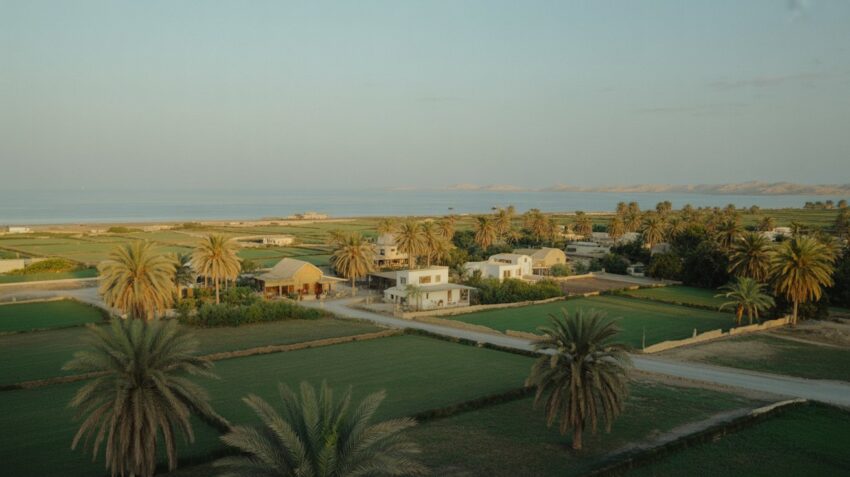
Karzakan Village and Farms Bahrain: Exploring the “Forest Village” of Greenery and Quiet Seaside Life

Karzakan Village and Farms Bahrain: Exploring the “Forest Village” of Greenery and Quiet Seaside Life
Karzakan Village

Karzakan Village and Farms, Bahrain: Where Green Landscapes Meet the Sea

Special Introduction: A Different Shade of Bahrain

When travelers think of Bahrain, images of desert landscapes, urban skylines, and historic forts often come to mind. Yet tucked away from major tourist routes lies Karzakan Village, a place locals affectionately describe as a “forest village.” Here, greenery softens the land, farms shape daily life, and the nearby sea adds calm to the rhythm of the village.

For travelers seeking rural, nature-based tourism, Karzakan Village and Farms offer a rare perspective on Bahrain—one rooted in agriculture, community, and quiet coastal living rather than spectacle or speed.

What Is Karzakan Village and Farms?

A Green Rural Community with Coastal Roots

Karzakan Village and Farms, Bahrain, refer to a traditional village area known for its agricultural lands, tree-lined spaces, and proximity to the sea. Unlike arid regions elsewhere on the island, Karzakan stands out for its relative greenery, supported historically by natural water sources and farming practices.

The village represents a way of life closely tied to land cultivation and coastal resources, creating a balanced rural environment.

Why Karzakan Is Called the “Forest Village”

Greenery as Local Identity

Karzakan’s nickname, the “forest village,” reflects its unusually lush appearance compared to the surrounding areas. Palm trees, cultivated plots, and shaded paths give the village a verdant character rarely associated with Bahrain’s landscape.

For visitors, this greenery creates a refreshing contrast and challenges common perceptions of the island’s natural environment.

Where Is Karzakan Village Located?

Western Bahrain’s Quiet Side

Karzakan is located along Bahrain’s western side, near the coastline. Its position between agricultural land and the sea shapes both its economy and lifestyle.

The village’s relative distance from major commercial hubs has helped preserve its calm, community-oriented atmosphere.

Who Lives and Works in Karzakan?

Farmers, Fishermen, and Families

Karzakan’s community traditionally includes farmers cultivating small plots and residents connected to fishing and coastal activities. Family ties and long-term residency strengthen the village’s social fabric.

For travelers, this continuity offers insight into multi-generational rural life that still functions largely outside tourism-driven change.

When Did Karzakan Develop Its Agricultural Identity?

Farming Traditions Passed Through Time

Karzakan’s agricultural roots stretch back centuries, shaped by Bahrain’s historic reliance on farming and date cultivation. Access to groundwater and fertile soil supported sustained agriculture even as other areas urbanized.

This continuity allows visitors to see farming traditions still influencing daily routines.

How Farming Shapes Life in Karzakan Village

Land as Daily Companion

Farming in Karzakan is small-scale and community-oriented. Fields are worked steadily rather than intensively, and agricultural knowledge is passed through observation and practice.

For visitors, watching this rhythm offers a slower, more grounded understanding of Bahraini rural life.

Crops and Green Spaces in Karzakan Farms

Cultivation Rooted in Climate and Tradition

Karzakan farms traditionally produce crops suited to local conditions, including palms and seasonal vegetables. Trees and greenery also serve practical purposes, offering shade and cooling in warmer months.

These cultivated landscapes shape the village’s tranquil visual identity.

Karzakan’s Quiet Seaside Spots

Where Farms Meet the Coast

One of Karzakan’s defining features is its quiet seaside access. Unlike busy beaches elsewhere, the shoreline near Karzakan remains modest and community-oriented.

The coast functions as both a working area and a place for reflection, offering visitors peaceful sea views without crowds or commercial activity.

Experiencing the Karzakan Coast as a Traveler

Calm, Observation, and Connection

Visitors can walk along the shore, observe fishing activity, or simply sit and take in the open horizon. The absence of heavy infrastructure encourages mindfulness and appreciation of natural surroundings.

This understated experience appeals to travelers seeking calm rather than entertainment.

Karzakan Village as a Travel Experience

Slow Travel in a Green Setting

Karzakan is best experienced slowly—through walking, observing, and engaging respectfully with the environment. There are no major attractions or formal tours, making discovery personal rather than guided.

This approach aligns well with slow travel and eco-conscious tourism.

Rural and Eco Tourism in Karzakan

Nature Without Overdevelopment

Karzakan offers a model of rural tourism that does not rely on construction or commercialization. Its value lies in the preservation of greenery, farming practices, and community life.

For eco-minded travelers, this makes Karzakan a meaningful destination.

Photography and Visual Tourism in Karzakan

Green Textures and Quiet Horizons

The contrast between green farmland, village structures, and the open sea makes Karzakan visually compelling. Photographers find interest in subtle details rather than dramatic landmarks.

Morning and late afternoon light highlight the village’s calm beauty.

Best Time to Visit Karzakan Village and Farms

Comfort and Seasonal Rhythm

Cooler months provide the most comfortable conditions for exploring outdoor spaces and farmland. Early mornings offer fresh air and quiet activity, while evenings bring cooling breezes from the sea.

Visits during these times enhance the village’s peaceful atmosphere.

How to Explore Karzakan Respectfully

Being a Guest in a Living Village

Karzakan is a residential and working village, not a theme park. Visitors should approach with respect, observing without intrusion.

Simple gestures—polite greetings, modest dress, and mindful photography—go a long way in maintaining harmony.

Karzakan and Sustainable Tourism

Supporting Preservation Through Awareness

Responsible tourism in Karzakan focuses on awareness rather than consumption. By valuing the village’s greenery and quiet character, visitors help reinforce the importance of preserving rural spaces.

This approach aligns tourism with environmental and cultural sustainability.

Why Karzakan Appeals to International Travelers

Discovering the Unexpected Bahrain

International travelers often seek destinations that challenge expectations. Karzakan surprises visitors with its greenery, rural calm, and coastal simplicity.

This contrast makes the experience memorable and enriching.

Educational Value of Karzakan Village

Learning Through Observation

For students and culturally curious travelers, Karzakan offers lessons in land use, rural resilience, and community adaptation in a modern island nation.

These lessons emerge naturally through observation rather than instruction.

Challenges Facing Rural Villages Like Karzakan

Urban Pressure and Environmental Change

As Bahrain continues to develop, rural villages face challenges from urban expansion and changing lifestyles. Preserving agricultural land and green spaces requires careful planning and community support.

Tourism that respects local priorities can help highlight the value of such villages.

The Future of Karzakan Village and Farms

Preserving Green Identity

Karzakan’s future lies in maintaining its identity as a green, community-centered village. Continued appreciation for its farms and coastline helps ensure that development does not erase what makes it unique.

Thoughtful engagement by visitors contributes to this balance.

Karzakan in a Nature-Focused Travel Itinerary

Pairing Farms, Coast, and Culture

Karzakan fits well into itineraries focused on nature, rural heritage, and quiet exploration. It complements historic and urban destinations by offering rest and reflection.

This balance enriches a traveler’s overall understanding of Bahrain.

Karzakan Village and Bahrain’s Environmental Story

Green Spaces as Cultural Assets

Karzakan highlights how greenery and agriculture form part of Bahrain’s cultural identity. These landscapes tell stories of adaptation, resilience, and harmony with nature.

For travelers, this adds depth to the island’s narrative.

A Village Where Bahrain Breathes Green

Karzakan Village and Farms, Bahrain, offer a rare travel experience—one shaped by trees instead of towers, fields instead of freeways, and calm seas instead of crowds. Known as the “forest village,” Karzakan shows a quieter, greener side of the island that many visitors never expect.

For travelers seeking authenticity, nature, and slow discovery, Karzakan is not a place to rush through. It is a place to pause, breathe, and understand how land, sea, and community continue to coexist—quietly, patiently, and beautifully.

The post Karzakan Village and Farms Bahrain: Exploring the “Forest Village” of Greenery and Quiet Seaside Life appeared first on Travel And Tour World.

Bait Al-Jasra Bahrain: Exploring the Traditional House and Birthplace of a Former Emir

Bait Al-Jasra Bahrain: Exploring the Traditional House and Birthplace of a Former Emir
Bait Al-Jasra

Bait Al-Jasra, Bahrain: Where Royal History Meets Traditional Living

Special Introduction: A Home That Shaped a Nation’s Leadership

In the quiet village of Jasra, far from the bustle of Bahrain’s modern skyline, stands Bait Al-Jasra, also known as Al Jasra House—a traditional Bahraini home of exceptional historical importance. More than a fine example of vernacular architecture, this house is known as the birthplace of a former Emir of Bahrain, giving it a unique place in the country’s national narrative.

For travelers interested in cultural tourism, Bait Al-Jasra offers a rare combination of royal history and everyday life. It allows visitors to explore how leadership in Bahrain emerged not from palaces alone, but from modest homes shaped by community values, climate awareness, and tradition.

What Is Bait Al-Jasra?

A Traditional Bahraini House with National Significance

Bait Al-Jasra, Bahrain, is a preserved traditional residence located in Jasra village. Built in the early 20th century, the house represents the domestic architecture of its time while holding special importance as the birthplace of a former Emir.

Today, the house functions as a heritage site and cultural attraction, offering visitors insight into both traditional Bahraini life and the personal origins of one of the country’s leaders.

Why Bait Al-Jasra Matters to Cultural Tourism

Royal History at Human Scale

Unlike grand royal complexes, Bait Al-Jasra presents leadership history through a domestic lens. For travelers, this creates a powerful connection—revealing how rulers were shaped by the same environments, customs, and social structures as their communities.

From a tourism perspective, the site enriches Bahrain’s cultural offerings by blending political history with architectural and social heritage.

Where Is Bait Al-Jasra Located?

Jasra Village: A Cultural Corner of Bahrain

Bait Al-Jasra is located in Jasra village, an area historically known for craftsmanship and traditional life. The village setting adds depth to the visitor experience, allowing travelers to understand the rural and communal context in which the house was built.

Its location makes it a valuable stop for travelers exploring Bahrain’s heritage beyond urban centers.

Who Lived in Bait Al-Jasra?

A Family Linked to Bahrain’s Leadership

The house was home to the family of a former Emir of Bahrain, placing it at the intersection of private life and national history. Despite this royal connection, the house itself reflects the modest, functional architecture typical of Bahraini homes of the era.

This contrast highlights how leadership in Bahrain was closely tied to community roots rather than isolation from everyday society.

When Was Bait Al-Jasra Built?

Early 20th-Century Domestic Architecture

Bait Al-Jasra was constructed in the early 1900s, during a period when Bahrain was still largely shaped by pearling, agriculture, and trade. The architecture reflects a time before oil transformed the island’s economy and urban form.

Preserving the house allows travelers to glimpse Bahrain just before it transitioned into the modern era.

How Bait Al-Jasra Was Designed for Daily Life

Climate-Responsive and Community-Focused Design

Like many traditional Bahraini houses, Bait Al-Jasra was designed with a deep understanding of climate and culture. Common features include:

  • Thick walls for thermal insulation
  • Courtyard spaces for airflow and privacy
  • Shaded rooms for daytime living
  • Minimal exterior openings

These elements demonstrate how architecture supported comfort, family life, and social norms.

Architectural Features of Bait Al-Jasra

Simplicity, Function, and Craft

The house was built using traditional materials such as stone, gypsum, and palm-based components. Its design emphasizes functionality over decoration, reflecting values of modesty and practicality.

For architecture-focused travelers, Bait Al-Jasra provides a clear example of Bahraini vernacular building traditions before modern materials were introduced.

Bait Al-Jasra as a Heritage Experience

From Family Home to Cultural Landmark

Today, Bait Al-Jasra has been preserved as a heritage site, allowing visitors to walk through its rooms and imagine the rhythms of daily life that once filled them.

Interpretive elements help explain the house’s historical significance, both as a traditional home and as the birthplace of a national leader.

What Visitors Learn at Bait Al-Jasra

Leadership, Culture, and Everyday Life

A visit to Bait Al-Jasra reveals:

  • How traditional homes were organized
  • The social environment that shaped Bahrain’s leadership
  • The relationship between family life and public responsibility
  • Rural and village life in early 20th-century Bahrain

This layered storytelling appeals strongly to culturally curious travelers.

Experiencing Bait Al-Jasra as a Visitor

Quiet Reflection and Cultural Connection

The site offers a calm, uncrowded experience, ideal for travelers seeking thoughtful exploration. Walking through the house encourages reflection on how personal environments influence national history.

Its village setting adds authenticity, and visitors feel grounded and genuine.

Travel and Tourism Experiences Around Bait Al-Jasra

Village Heritage Exploration

Visitors often combine Bait Al-Jasra with exploration of Jasra village, gaining insight into traditional crafts, settlement patterns, and rural heritage.

Educational and Cultural Tourism

The house is frequently included in educational itineraries, helping students and visitors understand Bahrain’s political history through architectural and social context.

Photography and Cultural Atmosphere

The simplicity of the structure, combined with natural light and village surroundings, makes Bait Al-Jasra appealing for heritage photography.

Best Time to Visit Bait Al-Jasra, Bahrain

Climate and Comfort

Cooler months are best for visiting Jasra village and exploring outdoor heritage sites. Morning visits allow for a quieter, more reflective experience.

Because the site is compact, it can easily be included in a half-day cultural itinerary.

Bait Al-Jasra and Sustainable Cultural Tourism

Preserving Meaningful Places

By conserving Bait Al-Jasra as a heritage site, Bahrain demonstrates a commitment to values-based tourism—preserving places for their cultural meaning rather than commercial appeal.

This approach supports long-term sustainability and respectful visitor engagement.

Why Bait Al-Jasra Appeals to International Travelers

Royal History Without Grandeur

For international visitors, Bait Al-Jasra offers a refreshing perspective on leadership history. It shows that influential figures can emerge from simple surroundings shaped by tradition and community.

This humanized narrative resonates strongly with travelers seeking depth and authenticity.

Practical Travel Tips for Visiting Bait Al-Jasra

Planning a Meaningful Visit

  • Combine with other heritage sites in western Bahrain
  • Visit with background knowledge of Bahrain’s leadership history
  • Respect the quiet village environment
  • Allow time for reflection rather than rushed sightseeing

Bait Al-Jasra and Bahrain’s Cultural Identity

A Home at the Roots of Leadership

Bait Al-Jasra symbolizes how Bahrain’s national story is grounded in family, tradition, and place. Preserving such homes reinforces cultural continuity and national pride.

For tourism, this strengthens Bahrain’s image as a destination where history is lived, not staged.

The Future of Bait Al-Jasra as a Tourism Site

Education and Heritage Awareness

Future initiatives may enhance interpretation and educational outreach while preserving the house’s calm character. The goal is to deepen understanding without altering authenticity.

Such efforts ensure that Bait Al-Jasra remains meaningful for future generations.

Where Leadership Began at Home

Bait Al-Jasra, Bahrain, is more than a traditional house—it is a place where personal history intersects with national destiny. Within its modest walls, visitors encounter the origins of leadership shaped by culture, family, and community.

For travelers seeking insight into Bahrain’s heritage beyond monuments and museums, Bait Al-Jasra offers a rare and powerful experience: a reminder that history often begins at home.

The post Bait Al-Jasra Bahrain: Exploring the Traditional House and Birthplace of a Former Emir appeared first on Travel And Tour World.
❌