
Reading view

Iran Sees Increase in Tourist Arrivals, Reflecting New Growing Interest
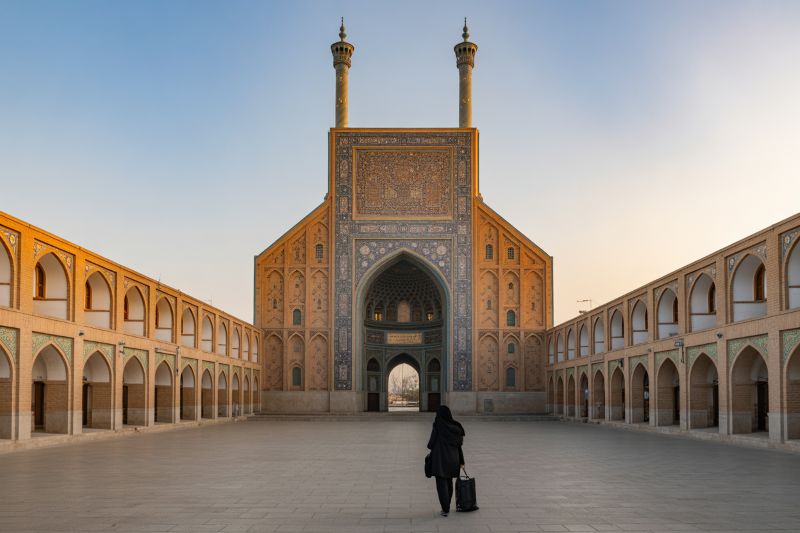
Iran Sees Increase in Tourist Arrivals, Reflecting New Growing Interest

International tourism, according to the latest data released by the United Nations World Tourism Organization, still shows remarkable resilience and grows 5% in the first nine months of 2025. It has not only surpassed the levels witnessed in 2024 but also exceeded the pre-pandemic numbers of 2019, a strong recovery of the sector at large. A total number of over 1.1 billion international visitors traveled between January and September 2025, up substantially compared to the previous year.

Strong Growth in International Travel Despite Economic and Geopolitical Challenges

The World Tourism Barometer report highlights that international arrivals in 2025 reached more than 1.1 billion, about 50 million more than the same period in 2024, and 3% higher than in 2019, before the global COVID-19 pandemic disrupted travel. Despite challenges such as inflation in tourism services and ongoing geopolitical tensions, international tourism has continued to grow steadily. This growth is particularly significant as it reflects both an increase in the number of travelers and a rebound in tourism receipts, indicating that tourists are not only returning to global destinations but are also spending more during their travels.

Zurab Pololikashvili, UNWTO Secretary-General, emphasized that the tourism sector’s growth is noteworthy, particularly in light of the economic pressures and global uncertainties. “International tourism has continued to experience sustained growth so far in 2025 in terms of international arrivals and most importantly in receipts,” Pololikashvili said. “This growth demonstrates the enduring appeal of travel, even in the face of high inflation and geopolitical challenges.”

Regional Tourism Performance: Africa and Europe Lead the Way

While global tourism has experienced broad growth, certain regions have stood out in terms of performance. Africa and Europe, in particular, have reported strong results for the year, with both regions seeing notable increases in tourist arrivals. Europe, which has long been a popular destination for international travelers, continues to see robust demand, driven by its diverse cultural offerings, historical landmarks, and well-established tourism infrastructure.

Africa has also seen impressive growth, fueled by a resurgence in both leisure and business travel to the continent. The rise of new travel destinations, enhanced regional connectivity, and increasing global interest in African culture, wildlife, and heritage have contributed to the region’s strong tourism performance in 2025.

The Recovery of Key Travel Markets

The continued rise in international tourist arrivals reflects a broader recovery in global travel markets. Many key regions, including Asia and the Americas, have also experienced positive growth, further underscoring the resilience of the global tourism industry. The ease of travel restrictions, the return of international flights, and improved vaccination rates worldwide have all played a role in helping restore consumer confidence and increasing the demand for international travel.

In addition to the recovery of leisure travel, the business tourism segment is also regaining momentum, with international conferences, trade shows, and corporate events returning to destinations around the world. This resurgence has helped drive the recovery of MICE (Meetings, Incentives, Conventions, and Exhibitions) tourism, which contributes significantly to the overall tourism industry, particularly in major cities.

Iran’s Strong Growth in Tourist Arrivals

One country that has experienced notable success in attracting foreign tourists is Iran. According to national data, Iran saw a 30% increase in tourist arrivals during the first two months of the Iranian calendar year, which began on March 20, 2025. During this period, 3.5 million foreign tourists visited the country, reflecting the growing appeal of Iran as a destination for both cultural tourism and adventure travel.

Iran has long been known for its rich cultural heritage, historical sites, and stunning natural landscapes, but in recent years, it has increasingly become a sought-after destination for international tourists. The country’s tourism infrastructure has been steadily improving, with new hotels, transport options, and services designed to meet the needs of foreign visitors. This uptick in tourism also reflects Iran’s successful efforts to market its attractions to global travelers and improve the visitor experience.

Iran’s cultural tourism, in particular, has benefited from increased interest in its ancient sites, such as Persepolis, Esfahan’s historic mosques, and the ancient city of Yazd. Additionally, the country’s burgeoning ecotourism sector, which showcases Iran’s diverse landscapes—from the lush forests in the north to the deserts in the east—has drawn adventure travelers looking for unique experiences.

The Impact on Local Economies and Global Travel Trends

The growth in international tourism has had a significant positive impact on local economies, particularly in regions and countries that rely heavily on tourism revenue. Increased tourist arrivals have generated vital economic benefits, supporting local businesses, creating jobs, and boosting government revenues through tourism taxes and spending.

In destinations like Iran, the influx of foreign visitors has provided a much-needed economic boost, creating employment opportunities in the hospitality, transport, and entertainment sectors. This growth in tourism also encourages further investment in infrastructure, helping to improve the overall travel experience and ensuring that these destinations remain competitive in the global market.

The broader trend toward sustainable tourism is also shaping travel patterns, with increasing numbers of tourists opting for destinations that prioritize environmental sustainability, responsible tourism practices, and local community engagement. This shift is influencing travel preferences, as more visitors seek experiences that support both the local economy and the preservation of natural resources.

A Strong Outlook for Global Tourism in 2025 and Beyond

The 5% increase in international tourist numbers in the first nine months of 2025 shows a major positive trend in reviving the tourist industry globally. As travel in different parts of the world continues to experience a revival, with regions such as Africa, Europe, and Asia being affected, travel can confidently be stated to be a major factor in boosting economies. With major tourist numbers returning to a country such as Iran, where cultural holidays are witnessing a revival, a bright future can be expected for this sector in the next decade.

The post Iran Sees Increase in Tourist Arrivals, Reflecting New Growing Interest appeared first on Travel And Tour World.
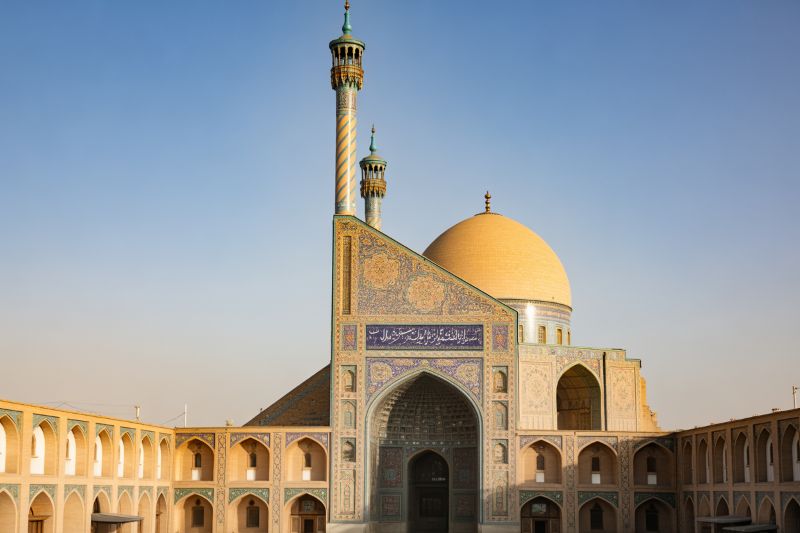
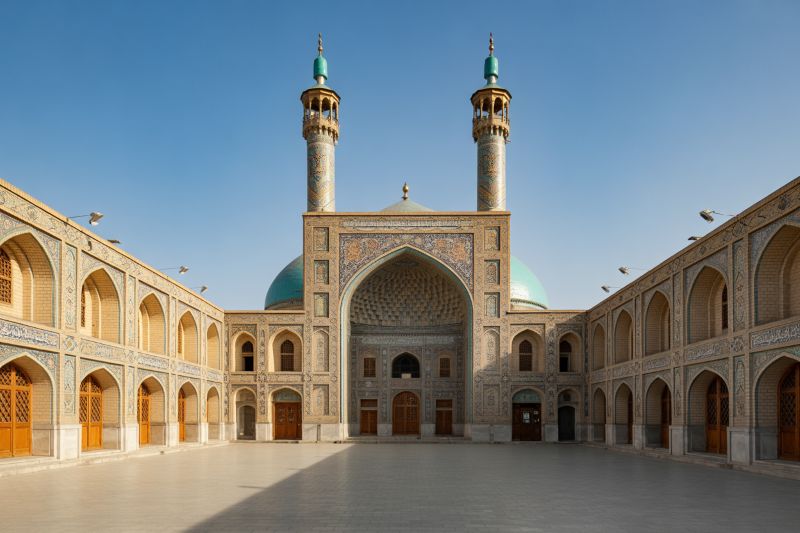
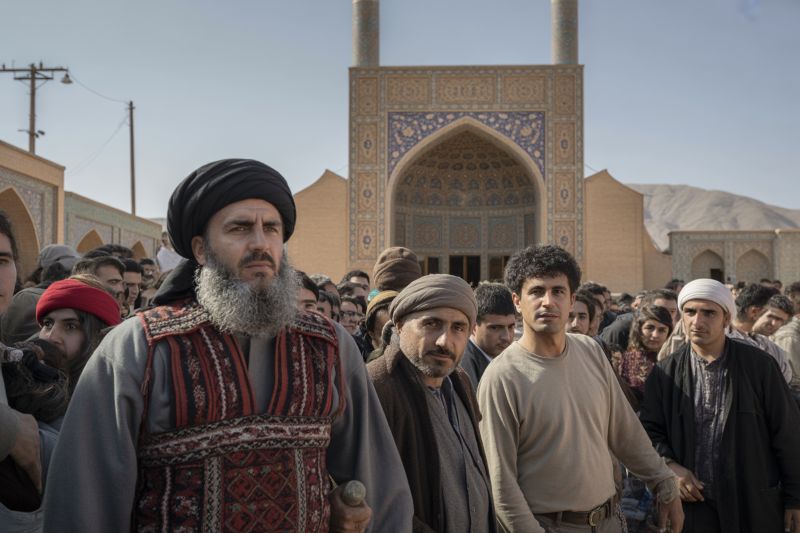
Iran’s Khoy and Turkey’s Konya Now Sign Sister-City Pact to Strengthen Tourism Ties, Get the Details Here

Iran’s Khoy and Turkey’s Konya Now Sign Sister-City Pact to Strengthen Tourism Ties, Get the Details Here

This sister-city agreement ushers in a serious beginning of strengthening cooperation and cultural relationships between the Iranian city of Khoy and the Turkish city of Konya. Both cities are bound by spiritual heritage and pledge the extension of their cooperation in spiritual tourism, cultural exchanges, urban management, and the development of green infrastructure. The deal will further strengthen people-to-people relationships between Iran and Turkey and will also endorse the common spiritual heritage of two of the most revered personalities of the Islamic world: Shams Tabrizi and Jalal al-Din Rumi.

Strengthening Spiritual Tourism and Cultural Exchange

The sister-city agreement was signed in Konya by Bahman Rezanejad, the deputy mayor of Khoy, and Mustafa Ozbas, the deputy mayor of Konya. The signing ceremony was attended by municipal officials from both cities and representatives of the Asian Mayors Forum (AMF). This agreement highlights the mutual desire to foster cultural exchanges, promote spiritual tourism, and improve urban infrastructure through joint efforts.

Khoy is home to the mausoleum of Shams Tabrizi, a significant spiritual site for those following Islamic mysticism. Konya, on the other hand, houses the tomb of the renowned Sufi poet and philosopher Jalal al-Din Rumi. Both cities are considered key destinations for spiritual tourism in the Islamic world, drawing visitors who seek to explore the life and teachings of these influential mystics. The new agreement is set to promote these spiritual sites and attract more visitors from around the world.

Both Khoy and Konya are recognized for their rich spiritual heritage, which has been pivotal in shaping the mystical traditions of Islamic culture. By linking the two cities under a shared framework of cooperation, the agreement aims to create a more integrated and globally recognized spiritual tourism route. The collaboration will provide both cities with the opportunity to enhance the visitor experience, with a focus on showcasing their shared cultural and spiritual history.

Joint Cultural Activities and Sustainable Infrastructure Development

One of the primary goals of the agreement is to facilitate joint cultural activities between Khoy and Konya. This will include organizing events, exhibitions, and festivals that highlight the cities’ spiritual and cultural connections. The cities plan to develop programs that celebrate the shared history of Shams Tabrizi and Rumi, allowing visitors to experience both the tangible and intangible cultural heritage associated with these two mystics.

In addition to cultural initiatives, the sister-city agreement emphasizes the exchange of expertise in urban management. Both cities will collaborate on best practices for sustainable urban development and infrastructure projects, with a focus on creating tourism-friendly environments that benefit local residents and visitors alike. Sustainable tourism is a key priority for both Khoy and Konya, and the partnership aims to create a framework that supports long-term, environmentally responsible tourism development.

The agreement also outlines plans for the development of tourism-related infrastructure, including the improvement of transportation links, visitor centers, and signage that enhances the experience for tourists traveling between the two cities. The implementation of these projects is expected to not only improve the tourism experience but also promote local economies by increasing visitor numbers and encouraging longer stays.

Strengthening Ties Between Iran and Turkey

The signing of this sister-city agreement follows a joint meeting of the heads of the Iran-Turkey parliamentary friendship groups, which was held in Khoy. This meeting, organized with the support of the Asian Mayors Forum, further strengthened diplomatic relations between the two neighboring countries. The collaboration between Khoy and Konya symbolizes the growing partnership between Iran and Turkey, particularly in the cultural and tourism sectors.

Sajjad Chehre’ara, the chairman of Khoy’s city council, and Mohammadreza Piri, the head of the city council’s cultural and tourism commission, led a delegation from Khoy to Konya for preparatory meetings before the agreement was signed. During these meetings, both cities agreed to establish joint working groups focused on their shared spiritual legacy, including the life and teachings of Shams Tabrizi and Rumi. These groups will play a pivotal role in drafting a four-year cooperation program that will begin its implementation following the official agreement.

The Spiritual Legacy of Shams Tabrizi and Rumi

Shams Tabrizi (1185–1248), whose teachings had a profound influence on Rumi, is widely regarded as a central figure in Persian mystical literature. He is the namesake of Rumi’s Divan-e Shams-e Tabrizi, a collection of Rumi’s poetry. Shams Tabrizi’s time in Konya, where he spent 40 days in seclusion with Rumi before departing for Damascus, has become a cornerstone of Islamic mysticism, and his influence on Rumi’s poetic and spiritual work is legendary.

For centuries, pilgrims and spiritual seekers have traveled to Khoy and Konya to visit the mausoleums of these two figures, who continue to inspire millions worldwide. By strengthening their ties through the sister-city agreement, Khoy and Konya aim to not only preserve the legacy of Shams Tabrizi and Rumi but also make it more accessible to international tourists, fostering a deeper understanding of their teachings and spiritual significance.

The new partnership will likely see a boost in spiritual tourism, particularly for travelers who are interested in Sufism, Islamic mysticism, and the rich cultural history of the region. With the growing global interest in spiritual journeys, this collaboration is expected to attract pilgrims, scholars, and tourists seeking to engage with the profound spiritual heritage of Shams Tabrizi and Rumi.

The Future of Spiritual Tourism and Cultural Collaboration

The sister-city agreement between Khoy and Konya is a promising step toward promoting spiritual tourism in the region. As the cities work together to build stronger cultural and tourism connections, they will likely see a rise in international visitors seeking to explore the shared spiritual legacy of two of Islam’s most revered mystics.

For both cities, this partnership represents an opportunity to not only preserve their cultural heritage but also build a sustainable tourism model that benefits local communities. The cooperation between Khoy and Konya is a prime example of how tourism can be integrated with cultural and spiritual values to create meaningful experiences for visitors while fostering mutual respect and understanding between neighboring countries.

A New Chapter in Spiritual Tourism

The sister city connection established between Khoy and Konya is a major milestone in the progress of spiritual tourism in the Islamic world. Through this collective effort to promote their spiritual heritage and establish tourist infrastructure, these cities are setting a stage for a whole new level of cultural interaction. This will not only bring these two countries, Iran and Turkey, closer but will establish the significance of their spiritual heritages being shared with the whole world.

The post Iran’s Khoy and Turkey’s Konya Now Sign Sister-City Pact to Strengthen Tourism Ties, Get the Details Here appeared first on Travel And Tour World.

Explore Iran’s Shah Cheragh Shrine: A Blend of Spiritual Heritage and Cultural Beauty in Shiraz

Explore Iran’s Shah Cheragh Shrine: A Blend of Spiritual Heritage and Cultural Beauty in Shiraz

Situated in the ancient southern Iranian city of Shiraz, Shah Cheragh Shrine is a site of real significance, culturally and religiously. For a very long time, this shrine has housed the tomb of Seyyed Mir Ahmad, a brother of Imam Reza AS, the eighth Shia Imam, and has been a center of pilgrimage by Shia Muslims around the world. But now, as Iran is seriously working toward boosting its tourism sector, the shrine is emerging as one of the key attractions of religious tourism and attracts visitors not only for its spiritual significance but also for its remarkable architectural beauty and cultural depth.

While primarily a religious destination, the Shah Cheragh Shrine has great potential for igniting cultural tourism in Shiraz and Fars Province. The breathtakingly beautiful architecture, detailed ornamentation, and elaborate history make the shrine something that no tourist interested in spiritual contemplation and the development of Iran’s artistic traditions would want to miss. With tourism finally starting to take off in the land of Persia, Shah Cheragh provides a blend of sacred history, cultural diplomacy, and an alive and dynamic space where art and faith, together with a sense of community, all come together.

Shah Cheragh: A Pillar of Spirituality and Cultural Identity

The significance of the Shah Cheragh Shrine extends far beyond its role as a pilgrimage site. It is a living testament to the long-standing devotion of the Iranian people and a symbol of Shiraz’s identity. For centuries, the shrine has been a central fixture in the city’s cultural and religious life, intertwining with the daily activities of locals and providing a place for both worship and cultural expression. As Mehdi Parsaei, the deputy governor-general of Fars province, stated, the shrine’s connection with the local people is unique in Iran. “No other place in the country is similar to this shrine; it is deeply intertwined with the daily lives of the people of Shiraz and the south of the country,” he remarked.

The shrine’s influence is woven into the fabric of the city itself, acting as a kind of cultural compass for Shiraz. Visitors to the shrine can see this interconnection in the architecture, calligraphy, tilework, and even the poems displayed within the shrine, which all speak to the shared history and spiritual devotion of the region’s people. The festival-like atmosphere around the shrine during religious observances further emphasizes its role as a dynamic space where culture and faith coexist harmoniously.

Architectural Wonders: A Living Canvas of Art and Faith

The Shah Cheragh Shrine is renowned for its breathtaking architectural design, which combines Iranian artistry, engineering ingenuity, and religious symbolism. The shrine’s blue-tiled dome, adorned with intricate floral motifs, is one of its most striking features. This type of tilework is common in several shrines in Shiraz, but the way it has been integrated into the design of Shah Cheragh, particularly in the context of Shiraz’s earthquake-prone geography, is a testament to the creativity of the region’s architects and engineers.

Inside the shrine, the beauty continues. Visitors are greeted with shimmering mirrored walls that reflect thousands of small glass shards, creating a mesmerizing effect. The giant chandeliers that hang from the ceiling, the stained-glass windows, and the gold-tipped minarets all contribute to the shrine’s sense of grandeur and spiritual significance. Each element of the shrine, from the carved marble pulpit to the wooden structures on the porch, tells a story of devotion and artistic achievement.

The presence of handmade tiles, including the knotted tilework created by Master Fathollah Adlasa, gives the shrine a unique visual identity that has become synonymous with Shiraz. This craftsmanship, along with the calligraphic poems of famous Shirazi poets from the Zand and Qajar periods, highlights the deep cultural and artistic traditions of the region. The shrine is not only a place of worship but a living museum that continually evolves, blending the old with the new.

A Destination for Cultural and Religious Tourism

Shah Cheragh’s growing role as a destination for religious tourism is complemented by its increasing popularity among cultural tourists. The shrine and its surrounding complex are home to numerous historical manuscripts, exquisite Qurans, and other relics, making it a treasure trove for those interested in Iran’s religious heritage. Additionally, the museum located within the shrine complex showcases artifacts related to the shrine’s history and offers visitors a deeper understanding of its significance.

For international visitors, especially those who may not be familiar with Shia Islam, a visit to the Shah Cheragh Shrine provides a fascinating window into the spiritual practices, traditions, and beliefs of one of the world’s largest religious communities. The shrine is a place where cultural diplomacy takes place naturally, as visitors from around the globe come to witness the beauty and depth of Iranian religious and artistic expression.

Tourism Infrastructure and Visitor Experience

As tourism continues to grow in Shiraz, local officials are working to enhance the visitor experience at Shah Cheragh. Non-Muslim visitors are welcomed at the shrine, with English-speaking guides available to provide context and explain the significance of the shrine’s various elements. Additionally, the shrine is sensitive to the cultural and religious requirements of its visitors. For female tourists, chadors (open cloaks) are provided at the entrance, ensuring that all visitors feel comfortable and respectful during their visit.

The shrine’s location in Shiraz, a city known for its historical significance and beauty, further enhances its appeal. Tourists visiting the shrine can explore the surrounding city, with its rich Persian heritage, ancient ruins, and beautiful gardens, creating a comprehensive travel experience that combines spirituality, history, and culture.

Shah Cheragh’s Growing Global Appeal

Shah Cheragh’s role as a center for religious tourism is becoming increasingly recognized on the global stage. As part of Iran’s broader efforts to promote tourism, the shrine is increasingly featured in international publications, attracting travelers who are interested in religious history, architecture, and cultural heritage. The ongoing restoration efforts at the shrine ensure that it remains a living testament to Iran’s artistic and spiritual heritage, while its growing international recognition continues to draw visitors from across the globe.

Shah Cheragh Shrine as a Spiritual and Cultural Beacon

The Shah Cheragh Shrine is a symbol of the junction of culture, faith, and tourism in Iran. It caters to a unique experience for both religious pilgrims and cultural tourists as a spiritual landmark and cultural treasure. Its remarkable architecture, stunning artistry, and deep connection with the community call for it to be an example of Iran’s commitment to preserving its heritage and welcoming people from all over the world. This shrine will no doubt remain a focus of cultural and spiritual interest as Shiraz continues to develop as a tourism destination, drawing visitors from around the world in wonder at the profound beauty and history of this sacred site.

The post Explore Iran’s Shah Cheragh Shrine: A Blend of Spiritual Heritage and Cultural Beauty in Shiraz appeared first on Travel And Tour World.

Gorgan’s Tribal Culture Festival: A Key Event for Tourism and Heritage in Iran’s Golestan, Here’s All You Need to Know

Gorgan’s Tribal Culture Festival: A Key Event for Tourism and Heritage in Iran’s Golestan, Here’s All You Need to Know

Gorgan, the capital of Golestan Province, northern Iran, will host the 17th International Festival of Tribal Culture from December 16 to 19, 2025. This much-awaited festival brings together artists, performers, and craftspeople from all over Iran and even abroad. But far beyond the cultural value, the event is an important tool for tourism development, economic growth, and even forms of cultural diplomacy, while it gives an authentic and immersive experience very different from what has been projected stereotypically about the ethnic diversity of Iran.

Every year, Gorgan becomes a bustling crossroads of cultures, where artists, ritual performers, and handicraft makers come together from different parts of the country and neighboring regions. It is not only a show of traditions but also a very special showcase of the various ethnic groups of Iran. The festival offers an exceptionally powerful chance to come into contact with the living traditions of the tribes of Iran, allowing visitors the opportunity for a direct encounter with music, rituals, and customs deeply inlaid in the cultural fabric of the country.

The Cultural Significance of Gorgan’s Tribal Festival

While the festival is often marketed as a celebration, it holds much deeper significance for the nation. In a country with a rich and complex ethnic composition, the Tribal Culture Festival stands as a testament to Iran’s dedication to recognizing and honoring its ethnic diversity. The festival works to combat simplified or distorted portrayals of Iran’s people, especially in an era where media representations often reduce the rich diversity of cultures to a series of clichés.

Unlike many other cultural events, this festival does not simply display artifacts or hold static exhibitions. Instead, it provides live performances, where music is performed in real-time, rituals are enacted before audiences, and customs are practiced in their original, unaltered forms. These living traditions offer visitors a profound and immediate experience of Iran’s cultural depth, encouraging a more nuanced understanding of the country’s ethnic mosaic.

The festival’s authenticity lies in its ability to turn cultural memories into something tangible. Visitors, especially younger Iranians, are introduced to “intangible heritage” in a way that makes these customs feel immediate and relevant. For many young people, this is a rare opportunity to engage with their own heritage in an immersive and dynamic setting, not just as a passive observer but as an active participant in the living tradition.

Tourism Development and Economic Impact

One of the most important aspects of the Tribal Culture Festival is its role in tourism development. According to Fereydoun Fa’ali, the Tourism Chief of Golestan, the festival will feature more than 80 handicraft booths representing artisans from across the country, alongside nearly 50 booths showcasing local artisans. These booths are not just a cultural showcase—they represent critical economic opportunities for the artisans themselves.

For many small-scale artisans, the festival is one of the few opportunities to reach new buyers, expand their market, and test their products in a competitive but supportive environment. The sales generated during the festival provide essential financial support to these makers, helping sustain their livelihoods throughout the year. In this way, the festival acts as an economic lifeline for these small businesses, allowing them to thrive in an otherwise seasonal tourism market.

Additionally, the festival attracts visitors from across Iran, contributing significantly to the local economy. With tourism as a major sector in Golestan, events like this help to fill hotels, restaurants, and transport services, ensuring that local businesses benefit from the inflow of domestic tourists. Many visitors also extend their stays in the region, taking the opportunity to explore the natural beauty and historical landmarks that Golestan offers, from its wetlands to its stunning landscapes.

Cultural Diplomacy: A Platform for Regional Engagement

Beyond tourism and economic impact, the Tribal Culture Festival serves as a soft power tool for Iran, enhancing its cultural diplomacy across the region. The festival’s international reach extends to neighboring countries, with participants and cultural representatives from Turkey, Pakistan, Afghanistan, and Central Asia.

Special evenings dedicated to Central Asian cultures reflect the shared heritage and cultural ties between Iran and its neighbors. In a time when political relations between countries can be fraught, the festival’s ability to build cultural connections and foster cross-border dialogue is invaluable. By celebrating shared heritage, the festival helps bridge divides and create understanding between diverse peoples, positioning Golestan as a cultural hub in the region.

This cultural exchange is a powerful example of how tourism and cultural events can transcend borders, offering opportunities for dialogue and mutual respect. Through the festival, Gorgan becomes a meeting point for different ethnicities and cultures, facilitating international cooperation through shared cultural experiences.

The Role of Tourism in Preserving Cultural Heritage

In addition to its cultural and diplomatic significance, the Tribal Culture Festival plays a key role in preserving Iran’s cultural heritage. The festival is not only about showcasing traditions, but it also functions as a tool for cultural preservation. Many of the performances, rituals, and crafts presented during the event are at risk of being forgotten or overshadowed by modernization. By offering these practices a stage, the festival ensures that traditional knowledge is passed on to the next generation, ensuring that cultural continuity remains intact.

Moreover, the festival helps highlight the importance of sustainable tourism practices, encouraging travelers to engage with the local culture in a respectful and responsible manner. The festival’s focus on local artisans and community-based tourism emphasizes the value of ethically driven tourism, where the economic benefits of tourism flow directly into the hands of local communities.

The Future of Gorgan’s Tribal Festival

Looking ahead, Gorgan’s Tribal Culture Festival is poised to grow into an even more significant event on the international tourism calendar. As tourism to Iran continues to rise, the festival offers a compelling opportunity for the country to position itself as a diverse, cultural destination that appeals to those seeking authentic, immersive experiences. The continued success of the festival will likely lead to further investment in the region’s tourism infrastructure and create more opportunities for local businesses to thrive.

Through tourism development, cultural diplomacy, and economic empowerment, the Tribal Culture Festival represents the future of tourism in Iran—a model where culture and heritage are not just celebrated but also sustained and shared with the world.

Gorgan’s Festival as a Model for Sustainable Cultural Tourism

Gorgan’s Tribal Culture Festival is a great example of what cultural tourism can do for economic development, cultural diplomacy, or preserving cultural heritage. This festival is important for highlighting the cultural diversity of Iran as a country with not one or two, but multiple cultures, which positively impacts both the economy of the nation as well as the economy of the small town that the festival is held in, ensuring that tourism does only good.

The post Gorgan’s Tribal Culture Festival: A Key Event for Tourism and Heritage in Iran’s Golestan, Here’s All You Need to Know appeared first on Travel And Tour World.
❌