
Reading view

Pearl Merchant Houses Muharraq Bahrain: Historic Homes That Tell the Story of Pearling Wealth
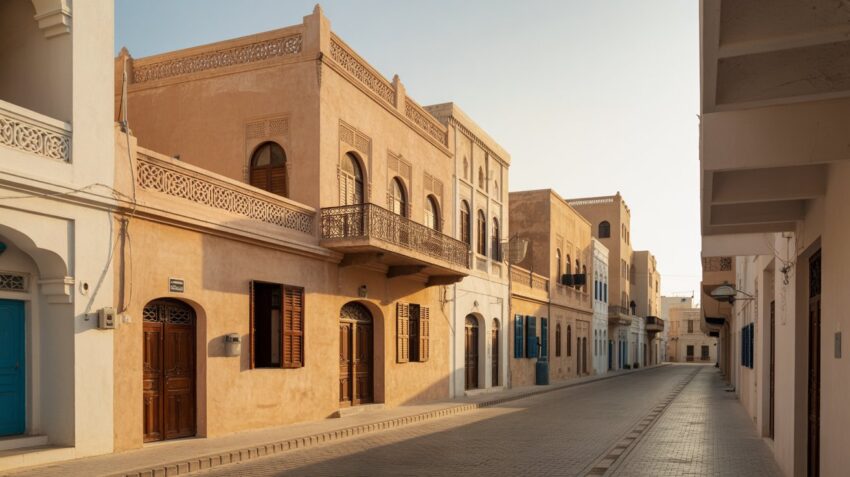
Pearl Merchant Houses Muharraq Bahrain: Historic Homes That Tell the Story of Pearling Wealth
Pearl Merchant Houses

Pearl Merchant Houses, Muharraq, Bahrain: Homes Built on the Wealth of the Sea

When Pearls Shaped Architecture and Lives

Before oil transformed Bahrain’s economy, pearls shaped its destiny. The wealth generated by the pearling trade not only funded ships and trade routes—it built homes, neighborhoods, and a distinctive architectural identity. Among the most powerful reminders of this era are the Pearl Merchant Houses scattered across Muharraq.

These historic homes once belonged to successful pearl traders whose livelihoods depended entirely on the sea. Today, the houses stand as elegant witnesses to a time when Bahrain was the heart of the global pearl trade. Walking past or through these residences offers travelers a rare, intimate view of how maritime wealth influenced daily life, social status, and urban design.

What Are Pearl Merchant Houses?

Residences of Bahrain’s Pearling Elite

Pearl merchant houses were the private homes of traders who financed pearling fleets, managed trade networks, and negotiated pearl sales with buyers from across the world. Unlike fishermen’s homes, these residences reflected prosperity, influence, and refined taste.

They were designed to accommodate family life, business dealings, and social gatherings—all under one roof.

Why Pearl Merchant Houses Matter for Tourism

Living Evidence of Bahrain’s Pearling Economy

For travel and cultural tourism, pearl merchant houses provide something rare: economic history told through domestic space. Visitors do not just learn about pearling as an industry—they see how it shaped living standards, architecture, and social hierarchies.

These houses deepen understanding beyond museums and textbooks.

Where Are Pearl Merchant Houses Located?

Historic Neighborhoods of Muharraq

Most pearl merchant houses are found in Muharraq, Bahrain’s former capital and the center of pearling activity. The city’s narrow lanes and clustered homes reflect its maritime past.

Exploring these neighborhoods feels like walking through the backbone of Bahrain’s pre-oil economy.

Who Built These Houses?

Merchants, Craftsmen, and Global Influence

The houses were commissioned by wealthy pearl merchants and built by skilled local craftsmen. While construction techniques were traditional, design elements reflected international influence due to global trade connections.

Materials and layouts often revealed both local identity and outward-looking ambition.

When Were Pearl Merchant Houses Built?

Architecture of the 19th and Early 20th Centuries

Most surviving pearl merchant houses date back to the 1800s and early 1900s, when Bahrain’s pearling industry reached its peak. This period marked economic confidence and architectural experimentation.

The homes remain some of the finest examples of pre-oil urban architecture in Bahrain.

How Pearling Wealth Shaped Architecture

Space, Scale, and Status

Pearl merchant houses were larger and more complex than ordinary homes. Multiple courtyards, reception rooms, and upper floors allowed merchants to separate business from family life.

Architecture became a silent language of success.

Key Architectural Features

Elegance Through Function

Typical features include:

  • Spacious courtyards for ventilation
  • Wind towers for cooling
  • Ornate wooden doors
  • Decorative plasterwork
  • Coral stone walls

These elements balanced comfort, prestige, and climate adaptation.

The Role of the Courtyard

A Center for Family and Business

Courtyards were central to pearl merchant houses. They provided light, airflow, and private outdoor space, while also serving as gathering areas for family and guests.

This design supported both domestic life and commerce.

Wind Towers and Climate Intelligence

Cooling Wealthy Homes Naturally

Many pearl merchant houses incorporated wind towers, reflecting both practicality and refinement. These towers ensured comfort during Bahrain’s intense summers.

Their presence highlights how wealth enhanced, but did not replace, climate wisdom.

Daily Life Inside a Pearl Merchant House

Beyond Trade and Wealth

Life inside these houses revolved around family routines, hospitality, and seasonal rhythms of the pearling cycle. During pearling season, households waited anxiously for ships to return.

The architecture absorbed both prosperity and uncertainty.

Pearl Merchant Houses and Social Life

Centers of Influence

These homes often hosted meetings, negotiations, and social gatherings. Merchants entertained captains, buyers, and visiting traders within their walls.

In this way, private homes shaped public economic life.

Experiencing Pearl Merchant Houses Today

Preserved Heritage Spaces

Some pearl merchant houses have been restored and opened to the public, while others remain part of historic streetscapes. Even exterior views reveal a layered history through doors, windows, and walls.

Visitors gain insight simply by observing details.

Cultural Tourism Value

Connecting Trade, Home, and Identity

Pearl merchant houses are essential to cultural tourism because they humanize history. They show how global trade affected family life, architecture, and urban development.

This connection resonates strongly with travelers seeking authenticity.

Photography and Visual Storytelling

Textures of Prosperity

Photographers are drawn to the contrast between light courtyards and shaded rooms, decorative elements, and weathered coral stone.

These houses tell stories visually, even without explanation.

Pearl Merchant Houses and the Pearling Path

Part of a Larger Heritage Network

Pearl merchant houses complement Muharraq’s wider pearling heritage sites, forming a continuous narrative of trade, labor, and wealth.

Together, they create a cohesive travel experience.

Educational Importance

Learning Through Space

These houses teach about:

  • Economic history
  • Social structure
  • Climate adaptation
  • Urban development

Education happens organically through movement and observation.

Responsible Tourism in Historic Neighborhoods

Respecting Living Heritage

Visitors should:

  • Respect privacy in residential areas
  • Avoid touching fragile features
  • Keep noise levels low
  • Follow posted guidelines

Preservation depends on mindful tourism.

Comparing Pearl Merchant Houses to Fishermen’s Homes

Wealth Expressed in Architecture

While fishermen’s homes were modest, pearl merchant houses reflected accumulated wealth and influence. This contrast illustrates economic stratification within the pearling society.

Together, both types complete the historical picture.

Seasonal Atmosphere in Muharraq

Light, Heat, and History

Seasonal changes affect how these houses are experienced. Cooler months allow deeper exploration, while summer highlights the brilliance of passive cooling design.

Each season reveals different strengths.

Challenges in Preserving Pearl Merchant Houses

Time, Climate, and Urban Pressure

Humidity, salt air, and development threaten these historic structures. Restoration requires expertise and continued public interest.

Tourism plays a role in sustaining preservation efforts.

Pearl Merchant Houses in Bahrain’s National Story

Symbols of a Maritime Golden Age

These homes symbolize a time when Bahrain’s prosperity flowed from the sea. They stand as reminders of resilience, entrepreneurship, and global connection.

Their survival strengthens national identity.

Why International Travelers Find Them Fascinating

Global Trade Through Local Homes

Visitors from around the world recognize familiar trade dynamics reflected in unfamiliar settings. The houses feel both local and global.

This duality makes them compelling.

Practical Tips for Visiting Pearl Merchant Houses

Making the Most of the Experience

  • Walk slowly and observe details
  • Visit during cooler hours
  • Pair visits with nearby heritage sites
  • Bring a camera for architectural details

Time and patience enhance understanding.

The Future of Pearl Merchant Houses

Preserving Stories in Stone and Wood

The future depends on continued restoration, education, and respectful visitation. These houses must remain places of learning, not just monuments.

Their stories deserve longevity.

Homes That Rose with the Tides

Pearl Merchant Houses, Muharraq, Bahrain, are more than historic residences—they are architectural records of ambition shaped by the sea. Built on pearl wealth, they sheltered families, hosted negotiations, and anchored communities during Bahrain’s maritime golden age.

For travelers exploring Muharraq, these houses offer a powerful reminder that history lives not only in forts and museums, but in homes where everyday life unfolded. To walk among them is to understand how the tides once determined fortunes—and how those fortunes still shape Bahrain’s cultural landscape today.

The post Pearl Merchant Houses Muharraq Bahrain: Historic Homes That Tell the Story of Pearling Wealth appeared first on Travel And Tour World.
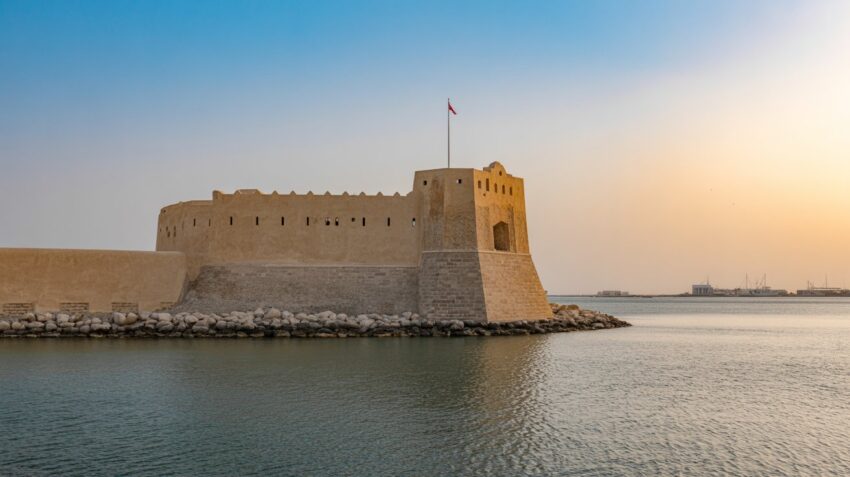
Arad Fort Muharraq Bahrain: A fifteenth-Century Seaside Fortress Framing History and Travel

Arad Fort Muharraq Bahrain: A fifteenth-Century Seaside Fortress Framing History and Travel
Arad Fort

Arad Fort, Muharraq of Bahrain: Where the Sea Guards’ History

A Fortress Shaped by Water and Time

Standing quietly beside the sea, Arad Fort is one of Bahrain’s most evocative heritage landmarks. Built in the 15th century, the fort reflects a time when coastal defense, trade routes, and maritime life were inseparable from the island’s survival.

Unlike larger or more commercialized heritage sites, Arad Fort feels intimate and atmospheric. Its seaside setting, simple geometry, and open surroundings make it especially appealing to travelers interested in cultural tourism, slow exploration, and historical landscapes shaped by the sea.

What Is Arad Fort?

A 15th-Century Coastal Defense Structure

Arad Fort is a traditional Islamic-style fort constructed to protect Bahrain’s northern approaches. Built primarily from coral stone and local materials, it represents defensive architecture adapted to island geography.

Its compact form and thick walls reveal function over grandeur.

Why Arad Fort Matters for Tourism

History in a Walkable, Human Scale

Arad Fort plays an important role in Bahrain’s tourism by offering accessible heritage—a site that can be explored without crowds, guides, or long time commitments.

For travelers, it provides a concentrated encounter with Bahrain’s past, framed by the sea rather than the city.

Where Is Arad Fort Located?

On the Edge of Muharraq Island

Located on Muharraq Island, close to the coastline, Arad Fort occupies a strategic position overlooking the surrounding waters. Its placement highlights how geography influenced defense and settlement patterns.

The proximity to the sea enhances both historical understanding and visual appeal.

Who Built and Used Arad Fort?

Protecting Trade and Territory

The fort was constructed during a period when Bahrain faced regional competition and maritime threats. Its role was to guard access routes and support broader defensive networks across the island.

Understanding this context deepens appreciation of Bahrain’s strategic maritime history.

When Was Arad Fort Built?

A Structure Rooted in the Fourteenth Century

Dating back to the fifteenth century, Arad Fort has witnessed centuries of political change, trade movement, and coastal life. Despite its age, the structure remains remarkably intact.

This longevity adds to its authenticity.

How Arad Fort Reflects Coastal Heritage

Defense Designed for the Sea

Unlike inland forts, Arad Fort was shaped by its proximity to water. Sightlines, wall placement, and orientation reflect the need to monitor maritime activity.

For travelers, this makes the fort a lens through which to understand Bahrain’s historical relationship with the sea.

Visiting Arad Fort Today

Calm Exploration Without Distraction

Modern visitors experience Arad Fort as an open, contemplative space. Restoration work has preserved its form without overwhelming it with modern additions.

This restraint allows history to speak quietly.

The Seaside Views from Arad Fort

Where Architecture Meets Horizon

One of Arad Fort’s most distinctive features is its open relationship with the sea. Views from the fort reveal water, sky, and coastline rather than dense urban development.

These views make it especially appealing for reflective travel and photography.

Arad Fort and Cultural Tourism

A Gateway to Muharraq’s Heritage

Arad Fort complements other heritage sites in Muharraq by offering a military and maritime perspective. Together, these sites tell a fuller story of island life.

For cultural tourists, it adds depth and balance.

Photography at Arad Fort

Geometry, Light, and Sea

Photographers are drawn to Arad Fort for its clean lines, textured stone, and changing coastal light. Sunrise and sunset create dramatic contrasts between walls and water.

The lack of clutter allows timeless compositions.

Educational Value of Arad Fort

Learning Through Architecture

Arad Fort offers insight into traditional building methods, defensive design, and historical land use. These lessons emerge naturally through observation rather than exhibits.

For students and curious travelers, this makes learning intuitive.

Best Time to Visit Arad Fort Muharraq

Comfort and Atmosphere

Cooler months provide the most comfortable conditions for exploring the fort. Late afternoon visits are especially popular, as the soft light enhances the seaside setting.

Even short visits feel rewarding.

Arad Fort as a Slow Travel Destination

History Without Hurry

The fort does not demand much time, yet it encourages lingering. Visitors often walk slowly, pause at openings, and absorb the surroundings.

This rhythm aligns perfectly with slow travel values.

Comparing Arad Fort to Other Bahrain Forts

Intimate Rather Than Monumental

Compared to larger forts, Arad Fort feels modest and approachable. Its strength lies in atmosphere rather than scale.

Travelers seeking quiet heritage often prefer it.

Responsible Tourism at Arad Fort

Respecting a Historic Site

Visitors are encouraged to:

  • Avoid climbing on walls
  • Refrain from littering
  • Respect signage and boundaries
  • Keep noise levels low

Such care ensures long-term preservation.

Arad Fort and Bahrain’s Maritime Identity

Defense, Trade, and Survival

The fort symbolizes Bahrain’s historical dependence on the sea—not only for trade and pearling, but also for security.

This maritime identity remains central to the nation’s story.

Pairing Arad Fort with Other Travel Experiences

Building a Meaningful Itinerary

Arad Fort pairs well with:

  • Muharraq heritage walks
  • Coastal strolls
  • Museums and old houses
  • Quiet cafés nearby

Together, they create a layered travel experience.

Seasonal Atmosphere at Arad Fort

Subtle Changes, Lasting Calm

Seasonal changes influence light and temperature, but the fort’s atmosphere remains calm year-round. Wind and sea conditions subtly shape each visit.

Repeat visits always feel slightly different.

Challenges in Preserving Coastal Forts

Sea, Time, and Conservation

Like many coastal heritage sites, Arad Fort faces environmental challenges from humidity and salt air. Ongoing preservation is essential.

Tourism awareness helps justify conservation efforts.

Arad Fort in Bahrain’s Tourism Vision

Heritage Beyond Icons

Arad Fort represents Bahrain’s commitment to preserving lesser-known but deeply meaningful heritage sites. It enriches tourism by offering authenticity over spectacle.

This diversity strengthens cultural tourism.

Why International Travelers Appreciate Arad Fort

Quiet History with Context

For international visitors, Arad Fort provides history without crowds and context without complexity. It is easy to understand, easy to access, and emotionally resonant.

These qualities leave a strong impression.

Practical Tips for Visiting Arad Fort

Simple Planning

  • Visit during cooler hours
  • Wear comfortable walking shoes
  • Bring water
  • Allow time to enjoy the views

Facilities are minimal, enhancing the fort’s historic feel.

The Future of Arad Fort

Preserving Space for Reflection

The future of Arad Fort lies in maintaining its open, quiet character while ensuring structural preservation. Thoughtful management will keep it meaningful rather than commercial.

Silence is part of its value.

Where Bahrain’s Past Meets the Sea

Arad Fort, Muharraq of Bahrain, stands as a reminder that history does not always announce itself loudly. Sometimes, it waits quietly by the water, shaped by wind, stone, and centuries of change.

For travelers interested in cultural depth, seaside landscapes, and unhurried exploration, Arad Fort offers more than a photo stop—it offers perspective. Here, Bahrain’s past and present meet at the edge of the sea, inviting visitors to pause and listen.

The post Arad Fort Muharraq Bahrain: A fifteenth-Century Seaside Fortress Framing History and Travel appeared first on Travel And Tour World.
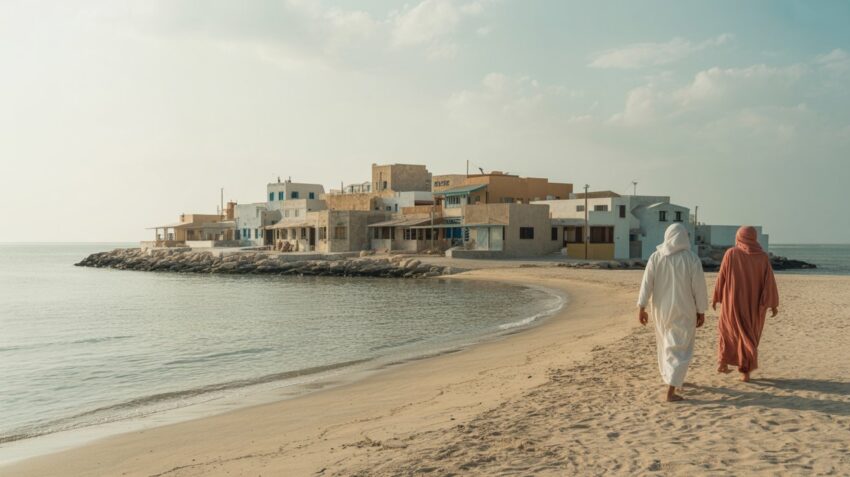
Buhair Valley Bahrain: A Lush Farmland Escape Amid the Kingdom’s Desert Landscape

Buhair Valley Bahrain: A Lush Farmland Escape Amid the Kingdom’s Desert Landscape
Buhair Valley

Buhair Valley in Bahrain: Where Green Fields Break the Desert Horizon

Special Introduction: A Landscape That Defies Expectations

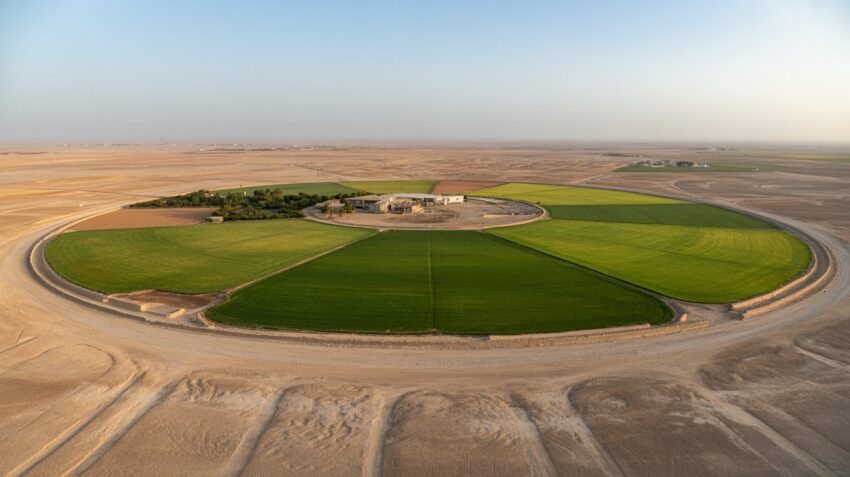
When most travelers imagine Bahrain, vast deserts, coastlines, and urban skylines come to mind. Hidden quietly away from these familiar scenes lies Buhair Valley, a rare pocket of greenery where cultivated land stretches across the landscape.

Buhair Valley stands as a visual and cultural contrast to Bahrain’s arid environment. It is not a tourist complex or curated attraction, but a living agricultural landscape that reveals how farming traditions continue to shape the country’s relationship with land, water, and food.

What Is Buhair Valley?

A Natural Agricultural Depression

Buhair Valley is a low-lying agricultural area where fertile soil and groundwater have supported farming for generations. Unlike manicured parks, the valley is shaped by seasonal cycles, irrigation channels, and cultivation patterns.

Its identity is rooted in productivity rather than presentation.

Why Buhair Valley Matters for Tourism

A Different Side of Bahrain Travel

For travelers interested in rural and agricultural tourism, Buhair Valley offers insight into everyday landscapes that rarely appear in guidebooks. It expands Bahrain’s tourism narrative beyond heritage sites and urban attractions.

The valley invites visitors to slow down and observe local life connected to the land.

Where Is Buhair Valley Located?

Inland and Away from Coastal Routes

Situated away from Bahrain’s coastal focus, Buhair Valley lies inland, surrounded by quieter roads and open terrain. This location contributes to its peaceful atmosphere and low visitor numbers.

Reaching the valley often feels like stepping into a parallel landscape.

Who Works the Land in Buhair Valley?

Farming Communities and Agricultural Traditions

Local farmers cultivate crops suited to Bahrain’s climate using traditional knowledge combined with modern methods. The valley reflects resilience and adaptation in an environment where agriculture is never easy.

Visitors witness a working landscape rather than a staged experience.

When Does Buhair Valley Look Its Greenest?

Seasonal Shifts in Color and Texture

The valley’s appearance changes throughout the year depending on rainfall, irrigation, and planting cycles. During cooler months, fields appear greener and more active.

These seasonal shifts give the valley a dynamic character.

How Buhair Valley Challenges Desert Stereotypes

Green Against the Sand

Buhair Valley disrupts the common perception of Bahrain as uniformly dry. Its cultivated land demonstrates how natural depressions and water access can transform the environment.

For travelers, this contrast is visually striking and intellectually engaging.

Agricultural Tourism in Buhair Valley

Learning from the Land

Agricultural tourism in Buhair Valley is informal and observational. Visitors gain understanding by watching farming practices, irrigation systems, and crop management rather than participating in organized tours.

This authenticity enhances the travel experience.

Crops and Cultivation in the Valley

Sustaining Local Food Systems

The valley supports a variety of crops adapted to local conditions. Farming here contributes to food security and preserves agricultural knowledge passed down through generations.

For visitors, this highlights Bahrain’s lesser-known rural economy.

Buhair Valley as a Quiet Nature Escape

Silence, Space, and Simplicity

Unlike beaches or forts, Buhair Valley offers quiet immersion. The sounds of wind, birds, and distant farming activity replace traffic and crowds.

This makes the valley appealing to travelers seeking calm environments.

Photography Opportunities in Buhair Valley

Natural Patterns and Rural Aesthetics

Photographers are drawn to the valley’s textures—furrowed fields, irrigation lines, and open skies. The contrast between cultivated land and surrounding aridity creates compelling compositions.

Early mornings provide soft light and atmospheric conditions.

Best Time to Visit Buhair Valley, Bahrain

Comfort and Visual Appeal

Cooler months offer the most comfortable conditions for exploration. Morning or late afternoon visits reduce heat and enhance visual contrast.

Seasonal timing influences the valley’s color palette.

Buhair Valley and Sustainable Tourism

Respecting Working Landscapes

Because Buhair Valley is an active agricultural area, respectful travel is essential. Visitors should avoid disturbing crops or infrastructure and remain mindful of private land.

Sustainable tourism here means observation without interference.

Educational Value of Buhair Valley

Understanding Human–Environment Interaction

The valley provides a real-world example of how communities adapt to environmental constraints. This makes it valuable for educational travel focused on sustainability and land use.

Learning happens organically through observation.

Buhair Valley Compared to Other Nature Spots in Bahrain

Cultivation Versus Wilderness

Unlike coastal reserves or islands, Buhair Valley represents managed nature. Its value lies not in wild ecosystems but in the cultivated balance between humans and land.

This distinction enriches Bahrain’s tourism diversity.

Why Buhair Valley Appeals to Slow Travelers

Travel Without Agenda

The valley does not demand activities or schedules. Visitors are free to walk, observe, and reflect at their own pace.

This aligns well with slow and mindful travel philosophies.

Challenges Facing Buhair Valley

Environmental and Development Pressures

Like many agricultural areas, Buhair Valley faces challenges from water scarcity, urban expansion, and changing economic priorities. Preserving its agricultural character requires thoughtful planning.

Tourism awareness can help highlight its value.

Buhair Valley’s Role in Bahrain’s Cultural Landscape

More Than Just Green Fields

The valley represents continuity—proof that agriculture remains part of Bahrain’s identity despite modernization.

For travelers, it offers cultural depth beyond monuments and museums.

Pairing Buhair Valley with Other Travel Experiences

Building a Balanced Itinerary

Buhair Valley fits well alongside heritage sites, markets, and coastal areas. Its calm atmosphere balances busier tourist stops.

This creates a more complete understanding of Bahrain.

Practical Tips for Visiting Buhair Valley

Simple Preparation

  • Wear comfortable walking shoes
  • Bring water and sun protection
  • Visit during cooler hours
  • Respect private farmland

Facilities are minimal, reinforcing the valley’s authenticity.

The Future of Buhair Valley

Preserving Green Spaces in a Changing Landscape

The future of Buhair Valley depends on maintaining its agricultural function while recognizing its cultural and environmental value.

Awareness is key to long-term preservation.

A Green Reminder of Bahrain’s Roots

Buhair Valley, Bahrain, offers something rare—a glimpse into the country’s agricultural soul. Its green fields, quiet rhythms, and working landscapes stand in gentle contrast to desert sands and cityscapes.

For travelers willing to look beyond iconic attractions, Buhair Valley provides perspective, calm, and a deeper appreciation of how life thrives even in the most unexpected places.

The post Buhair Valley Bahrain: A Lush Farmland Escape Amid the Kingdom’s Desert Landscape appeared first on Travel And Tour World.

Jarada Islands Bahrain: Disappearing Sandbanks and Unique Marine Life Experiences

Jarada Islands Bahrain: Disappearing Sandbanks and Unique Marine Life Experiences

Jarada Islands in Bahrain: Where the Sea Creates and Erases the Land

An Island That Comes and Goes

Off the coast of Bahrain lies one of the country’s most unusual natural phenomena—the Jarada Islands. These small, low-lying sandbanks appear and disappear with the tides, sometimes visible as pristine islands surrounded by turquoise water, and at other times completely reclaimed by the sea.

For travelers seeking rare marine and nature-based tourism experiences, the Jarada Islands offer something truly extraordinary: a destination defined not by permanence, but by movement, rhythm, and the living dynamics of the ocean.

What Are the Jarada Islands?

Naturally Formed, Tide-Dependent Sandbanks

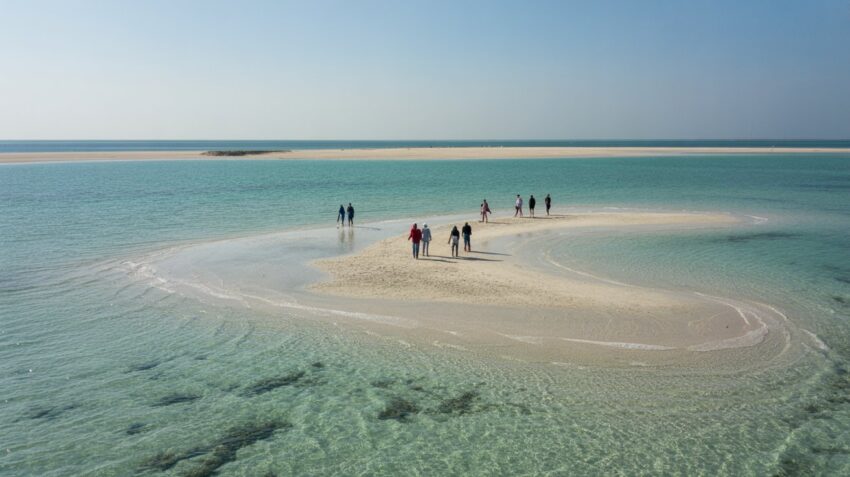
The Jarada Islands are not traditional islands with fixed landmass or infrastructure. Instead, they are shallow sandbanks formed by sediment and tidal patterns. During low tide, parts of the islands emerge, creating walkable stretches of white sand surrounded by crystal-clear water.

At high tide, these same islands may vanish entirely beneath the surface, reinforcing their reputation as “disappearing islands.”

Why the Jarada Islands Matter for Tourism

A Rare Natural Experience in the Gulf

The Jarada Islands represent a form of tourism driven entirely by natural cycles. There are no buildings, no permanent facilities, and no crowds—only sand, sea, and sky.

For Bahrain’s tourism landscape, Jarada adds a powerful nature-focused dimension that contrasts with urban, cultural, and historical attractions.

Where Are the Jarada Islands Located?

Offshore from Bahrain’s Main Island

The Jarada Islands are located offshore and are accessible only by boat. Their exact visibility and size depend on tides and weather conditions, making each visit unique.

This offshore location enhances the sense of escape and exclusivity.

Who Visits the Jarada Islands?

Nature Seekers and Curious Travelers

The islands attract:

  • Boat tour travelers
  • Snorkeling and swimming enthusiasts
  • Nature photographers
  • Eco-conscious travelers
  • Visitors looking for unusual, short island escapes

They are especially appealing to travelers who value experience over amenities.

When Do the Jarada Islands Appear?

Timing Defined by the Tides

The visibility of the Jarada Islands depends on tidal conditions. During low tide, sandy areas emerge clearly, allowing visitors to step onto the island. During high tide, the islands may be partially or fully submerged.

This tidal dependency makes timing essential and adds excitement to the journey.

How to Reach the Jarada Islands

Boat-Based Adventure

Access to the Jarada Islands requires a boat, often arranged through local operators. The short journey across shallow waters is an integral part of the experience, offering expansive sea views and a sense of exploration.

The boat ride reinforces the feeling of reaching a place that exists outside everyday geography.

Marine Life Around the Jarada Islands

Shallow Waters, Rich Ecosystems

The shallow waters surrounding the Jarada Islands support a variety of marine life. Clear visibility makes it possible to observe fish and other sea creatures even without diving equipment.

For travelers, this creates a natural marine viewing experience accessible to all skill levels.

Snorkeling and Swimming Experiences

Calm, Clear, and Inviting Waters

The waters around Jarada are generally calm and shallow, making them suitable for casual swimming and snorkeling. The sandy seabed and gentle conditions enhance safety while preserving a sense of wildness.

This makes the islands ideal for relaxed marine exploration rather than high-adrenaline activities.

Walking on a Temporary Island

A Rare Sensory Experience

One of the most memorable aspects of visiting Jarada is walking on land that may not exist hours later. The awareness of impermanence heightens sensory engagement—every footprint feels temporary, every view fleeting.

For travelers, this creates a powerful emotional connection to the environment.

Photography and Visual Tourism at Jarada

Minimalist Beauty

Jarada’s appeal to photographers lies in its simplicity: white sand, shallow turquoise water, and open skies. With no structures or crowds, images capture pure natural geometry and color.

The islands are especially striking under bright daylight.

Best Time to Visit the Jarada Islands, Bahrain

Comfort and Visibility

Cooler months offer the most comfortable conditions for boat travel and water activities. Calm weather enhances water clarity and overall safety.

Checking tidal schedules is essential to experience the islands at their most visible.

Responsible Tourism at the Jarada Islands

Protecting a Fragile Environment

The Jarada Islands are extremely fragile. Visitors should:

  • Avoid disturbing marine life
  • Take all waste back
  • Refrain from collecting sand or shells
  • Follow guidance from boat operators

Responsible behavior ensures the islands remain pristine.

Jarada Islands and Eco Tourism

Nature Without Infrastructure

Jarada exemplifies pure eco tourism—a destination with no development, relying entirely on natural conditions. Its value lies in remaining untouched.

This model emphasizes appreciation over consumption.

Why the Jarada Islands Appeal to International Travelers

Experiencing the Unusual

Many travelers have visited beaches and islands, but few have walked on land that disappears with the tide. Jarada offers this rare experience, making it memorable regardless of trip length.

Its uniqueness leaves a lasting impression.

Educational Value of the Jarada Islands

Learning from Natural Processes

Jarada provides a real-world lesson in coastal dynamics, tides, and sediment movement. These processes are visible and tangible, making the visit both recreational and educational.

For students and curious travelers, this adds intellectual depth.

Challenges Facing the Jarada Islands

Environmental Sensitivity

Because the islands are temporary and shallow, they are vulnerable to pollution, climate change, and careless visitation. Preserving them requires awareness and restraint.

Tourism must remain controlled and respectful.

The Role of Jarada Islands in Bahrain’s Nature Tourism

Expanding the Tourism Narrative

Jarada broadens Bahrain’s tourism story by highlighting marine and coastal environments alongside culture and history. It shows that the island nation’s heritage includes living seascapes, not just land-based sites.

This diversity strengthens Bahrain’s appeal.

Jarada Islands as a Short Nature Escape

Big Experience, Small Footprint

A visit to Jarada often lasts only a few hours, yet the experience feels expansive. The combination of sea travel, marine life, and ephemeral land creates lasting memories.

It is an ideal addition to short itineraries.

Jarada Islands and the Philosophy of Impermanence

Travel That Exists in the Moment

Jarada reminds visitors that not all destinations are meant to last. Its beauty lies in presence, timing, and awareness.

This philosophy resonates deeply with mindful and slow travelers.

Practical Travel Tips for Visiting Jarada Islands

Preparing for the Sea

  • Confirm tidal schedules in advance
  • Bring sun protection and water
  • Wear reef-safe sunscreen
  • Follow the boat operator’s instructions

There are no facilities on the islands.

The Future of the Jarada Islands

Preserving a Fleeting Wonder

The future of Jarada depends on continued respect for its fragile nature. Awareness, education, and responsible tourism can ensure that these disappearing islands continue to appear—if only temporarily.

Their mystery is worth protecting.

An Island That Teaches You to Be Present

The Jarada Islands, Bahrain, are not defined by what they have, but by what they are—temporary, delicate, and alive to the rhythm of the sea. Walking on a sandbank that may soon vanish is a humbling reminder of nature’s power and grace.

For travelers seeking something truly different, Jarada offers an experience that cannot be replicated, scheduled, or controlled. It exists only in the moment—and those who visit carry its memory long after the tide has washed it away.

The post Jarada Islands Bahrain: Disappearing Sandbanks and Unique Marine Life Experiences appeared first on Travel And Tour World.

Nabih Saleh Island Bahrain: A Small Island of Quiet Beaches and Living Community Culture

Nabih Saleh Island Bahrain: A Small Island of Quiet Beaches and Living Community Culture
Nabih Saleh Island

Nabih Saleh Island, Bahrain: Where Island Life Feels Personal

Special Introduction: A Place That Feels Like Home, Not a Resort

Just a short drive from Bahrain’s main urban areas lies Nabih Saleh Island, a small island that quietly resists the rush of modern tourism. Connected by a simple causeway, the island opens into a world of calm beaches, modest streets, and a strong sense of community that shapes everyday life.

For travelers seeking authentic island tourism, Nabih Saleh is not about luxury or landmarks. It is about atmosphere—an island where people still greet each other by name, where the sea frames daily routines, and where visitors are guests in a living community rather than spectators at an attraction.

What Is Nabih Saleh Island?

A Local Island with a Human Scale

Nabih Saleh Island, Bahrain, is a small inhabited island known for its residential character and traditional coastal lifestyle. Unlike tourist-focused islands, Nabih Saleh remains shaped by homes, community spaces, and shoreline areas used primarily by locals.

Its compact size makes the island easy to explore while reinforcing its close-knit social structure.

Why Nabih Saleh Island Is Important for Tourism

Community-Based Island Travel

Nabih Saleh represents a growing interest in slow and community-based tourism, where travelers value real-life experiences over curated entertainment. The island allows visitors to observe how island communities function daily.

This approach creates meaningful travel memories rooted in connection rather than consumption.

Where Is Nabih Saleh Island Located?

Just Off Bahrain’s Northern Coast

Nabih Saleh Island sits off Bahrain’s northern coastline and is easily accessible by road. Despite this accessibility, the island maintains a distinct identity separate from nearby urban centers.

Crossing onto the island feels less like entering a destination and more like stepping into a neighborhood.

Who Lives on Nabih Saleh Island?

Families with Deep Island Roots

The island is home to families whose history on Nabih Saleh spans generations. Social relationships, shared spaces, and collective traditions form the foundation of community life.

For travelers, this continuity offers insight into how identity is preserved within small island societies.

When Did Nabih Saleh Develop as a Community?

Island Life Shaped by the Sea

Like many small islands in Bahrain, Nabih Saleh developed around coastal livelihoods, especially fishing and shoreline-based activities. The sea influenced settlement patterns, food traditions, and daily schedules.

These maritime roots remain visible in the island’s layout and routines.

How Daily Life Works on Nabih Saleh Island

Simplicity and Connection

Life on Nabih Saleh moves at a gentle pace. Residents rely on nearby services, shared spaces, and strong social bonds rather than large commercial centers.

For visitors, this reveals how island life prioritizes cooperation, familiarity, and balance.

Quiet Beaches of Nabih Saleh Island

Natural Shores for Reflection

The beaches on Nabih Saleh Island are quiet, modest, and largely undeveloped. Used mainly by residents, they offer open views of the sea without crowds or commercial activity.

For travelers, these beaches are ideal for walking, sitting, and observing island life rather than active recreation.

Experiencing the Beach as a Visitor

Calm Over Activity

There are no organized beach attractions or facilities. Instead, visitors experience the natural rhythm of waves, wind, and distant island sounds.

This simplicity makes the visit deeply calming and reflective.

Community Life as the Island’s Main Attraction

Everyday Culture in Motion

On Nabih Saleh, culture is visible in everyday moments—neighbors chatting, children playing, and shared routines unfolding naturally. These interactions form the island’s true character.

For cultural travelers, witnessing these moments offers insight unavailable in formal heritage sites.

Cultural Observation and Respectful Tourism

Visiting Without Disruption

Nabih Saleh is first and foremost a residential island. Visitors are welcomed when they move respectfully, observe quietly, and understand local boundaries.

This mindful approach enhances both the visitor experience and community harmony.

Travel Experiences on Nabih Saleh Island

Walking and Slow Exploration

The island’s small size makes walking the best way to explore. Moving slowly allows travelers to notice details—architecture, shoreline changes, and daily rhythms.

Photography Focused on Everyday Life

Nabih Saleh appeals to photographers interested in subtle storytelling: quiet streets, island light, and human-scale scenes rather than dramatic landmarks.

Reflective and Mindful Travel

The calm environment makes Nabih Saleh suitable for travelers seeking reflection, writing, or simple presence without distraction.

Best Time to Visit Nabih Saleh Island, Bahrain

Comfort and Atmosphere

Cooler months are ideal for walking and outdoor exploration. Early mornings offer tranquility, while late afternoons bring cooling breezes and warm coastal light.

Evenings often feel especially peaceful as the island settles into its nightly rhythm.

Nabih Saleh Island and Sustainable Tourism

Low Impact, High Cultural Value

Tourism on Nabih Saleh works best when it remains low-impact. The island’s appeal depends on preserving community life rather than introducing development.

Visitors contribute by leaving a minimal footprint and maximum respect.

Why Nabih Saleh Appeals to International Travelers

An Unexpected Island Experience

Many international travelers associate island tourism with resorts. Nabih Saleh challenges this idea by offering insight into local island living, making the experience educational and emotionally resonant.

This authenticity often leaves a stronger impression than luxury settings.

Practical Travel Tips for Visiting Nabih Saleh Island

Being a Thoughtful Guest

  • Dress modestly
  • Avoid intrusive photography
  • Respect private spaces
  • Visit during daylight hours

Facilities are limited, reinforcing the island’s residential nature.

Nabih Saleh in Bahrain’s Cultural Landscape

Small Islands, Big Meaning

Though small in size, Nabih Saleh plays an important role in Bahrain’s cultural diversity. It represents how island identity can exist at multiple scales—national, regional, and local.

For travelers, this perspective deepens cultural understanding.

Educational Value of Visiting Nabih Saleh Island

Learning Through Presence

Nabih Saleh teaches lessons about community resilience, shared space, and coastal living simply through observation. These lessons are subtle but powerful.

They remind visitors that culture often reveals itself quietly.

Challenges Facing Small Island Communities

Preservation in a Changing World

Like many small islands, Nabih Saleh faces pressures from modernization and environmental change. Protecting community life while adapting to new realities requires careful balance.

Tourism that values authenticity supports this goal.

The Future of Nabih Saleh Island

Staying Small, Staying Real

The future of Nabih Saleh lies in maintaining its identity as a local island first, where tourism remains secondary and respectful. Awareness of its cultural value helps protect what makes it special.

Its strength lies in its simplicity.

Nabih Saleh Island in a Slow Travel Journey

Pairing Community and Coast

Nabih Saleh fits naturally into slow travel itineraries focused on cultural observation, quiet beaches, and human connection. It complements historic and urban destinations by offering calm and reflection.

This balance enriches the overall travel experience.

An Island That Invites You to Slow Down

Nabih Saleh Island, Bahrain, is not a place to rush through or photograph quickly. It is an island to feel through quiet beaches, shared spaces, and the steady rhythm of community life.

For travelers seeking authenticity, respect, and stillness, Nabih Saleh offers a rare gift: an island that welcomes without performing, and a reminder that some of the most meaningful journeys happen in the smallest places.

The post Nabih Saleh Island Bahrain: A Small Island of Quiet Beaches and Living Community Culture appeared first on Travel And Tour World.
❌