Login
Login
Sarasota’s Strong Tourism Performance: Beaches, Water Activities, and Nature Lead the Way
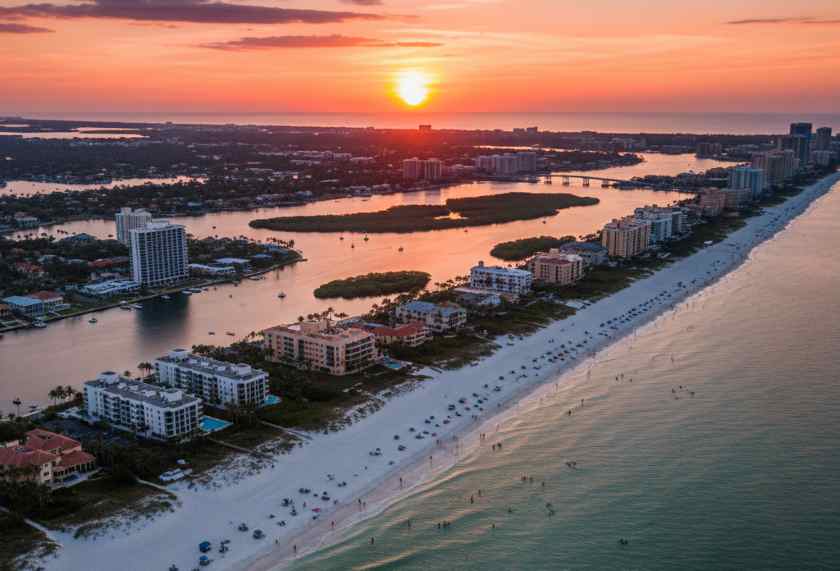
Sarasota County is seeing a resurgence in tourism, with visitors flocking to the area’s famous beaches, enjoying outdoor activities, and experiencing the natural beauty that the region has to offer. Recent findings from Downs & St. Germain Research highlight that tourism is rebounding, with key attractions such as the beach, nature excursions, and water-based activities driving the resurgence.
According to the research, conducted through more than 3,000 interviews with visitors to Sarasota County, the majority of tourists are drawn to the area’s pristine beaches. The findings show that 86% of those interviewed said they visited the beach during their stay, underscoring Sarasota’s reputation as a top coastal destination. Other popular activities include kayaking, canoeing, boating, and exploring the region’s diverse wildlife and nature, which have contributed to the area’s appeal as a prime outdoor destination.
Outdoor and Nature-Based Tourism Dominates
Sarasota’s tourism industry continues to thrive due to the popularity of outdoor and nature-based activities. Visitors are increasingly seeking authentic experiences that allow them to connect with the environment, and Sarasota’s offerings provide just that. Nature lovers and outdoor enthusiasts find a wealth of activities, from exploring the region’s abundant wildlife to boating and kayaking in Sarasota Bay and other scenic waterways.
The area’s diverse natural landscapes are also a major draw, with a variety of nature preserves, parks, and wildlife reserves offering opportunities for hiking, birdwatching, and wildlife viewing. For example, Myakka River State Park, one of Florida’s largest and most famous state parks, is a popular destination for those wanting to experience Florida’s natural beauty up close. Visitors can explore its extensive trail system, spot alligators, or take an airboat ride along the river to see the local wildlife.
Additionally, 16% of respondents to the research mentioned experiencing the environment and nature as a key part of their Sarasota visit, while 17% of visitors participated in water activities such as kayaking, canoeing, or boating. The Sarasota area’s beautiful waterways, including Sarasota Bay, are ideal for water sports, with many tourists opting for boat rentals, guided tours, or self-guided excursions to explore the coastline and nearby islands.
Sarasota Beaches Continue to Lead in Popularity
Sarasota County’s beaches remain the top attraction for visitors. Known for their powdery white sand and clear, calm waters, beaches like Siesta Key Beach, Lido Key Beach, and Longboat Key attract both domestic and international visitors. These beaches consistently rank among the top in the United States, and their appeal is reflected in the high percentage of tourists visiting them during their stay.
Siesta Key Beach, in particular, is renowned for its soft, quartz-crystal sand, which stays cool underfoot even on the hottest days. The beach offers a range of amenities, including picnic areas, volleyball courts, and easy access to local restaurants and shops. The combination of natural beauty and convenient amenities makes Sarasota’s beaches an ideal destination for families, couples, and solo travelers alike.
Fishing and Other Water-Based Activities
In addition to kayaking, canoeing, and boating, 5% of visitors to Sarasota participated in fishing or hunting activities, contributing to the area’s reputation as an excellent destination for anglers. Sarasota’s fishing opportunities range from saltwater fishing in the Gulf of Mexico to freshwater fishing in nearby lakes and rivers. Tourists can take guided fishing trips, rent equipment, or fish from the many piers and bridges that dot the area’s coastline.
For those interested in experiencing Sarasota’s vibrant culinary scene, many local restaurants offer fresh seafood, often sourced directly from the waters off Sarasota’s coast. This connection between tourism and local fishing practices not only supports the local economy but also enhances the overall visitor experience.
Boosting the Local Economy and Infrastructure
The increase in tourism is also having a positive effect on Sarasota’s local economy. The influx of visitors has provided a significant boost to the hospitality industry, with hotels, resorts, restaurants, and local attractions benefitting from higher visitor numbers. Local businesses are also seeing increased sales in areas such as retail, dining, and entertainment, as tourists spend money on services and experiences during their stay.
In response to the growing number of tourists, Sarasota has made investments in enhancing infrastructure, including expanding public transportation options, improving roads and signage, and enhancing waterfront facilities. These upgrades aim to make it easier for visitors to access key attractions, ensuring that they can enjoy their stay to the fullest while contributing to sustainable tourism growth in the region.
Sustainability Efforts in Sarasota’s Tourism Industry
With the growing interest in nature-based tourism, Sarasota is committed to promoting sustainable travel practices. Efforts are underway to preserve the region’s natural beauty while supporting responsible tourism. Local organizations and businesses are actively promoting eco-friendly practices, including waste reduction, wildlife conservation, and sustainable resource use.
In addition, Sarasota’s commitment to sustainability extends to its tourism marketing efforts, which emphasize the importance of preserving the environment for future generations. Eco-tourism initiatives, such as guided nature tours, sustainable fishing practices, and wildlife protection programs, offer visitors the opportunity to enjoy the area’s beauty while minimizing their impact on the environment.
Conclusion
Sarasota’s tourism industry is experiencing a strong rebound, driven by the growing demand for nature-rich, experience-led destinations. With an impressive 86% of visitors heading to the region’s beaches, and many more participating in water activities and exploring the local wildlife, Sarasota continues to be a top destination for outdoor enthusiasts. The tourism sector’s growth is providing significant economic benefits to the area, and continued investments in infrastructure and sustainability efforts are ensuring that the region remains a premier travel destination for years to come.
The post Sarasota’s Strong Tourism Performance: Beaches, Water Activities, and Nature Lead the Way appeared first on Travel And Tour World.