
 Login
Login
Peru Introduces Automated Immigration System at the Jorge Chávez Airport of Lima, Enhancing Travel, Strengthening Security and Supporting Tourism Growth
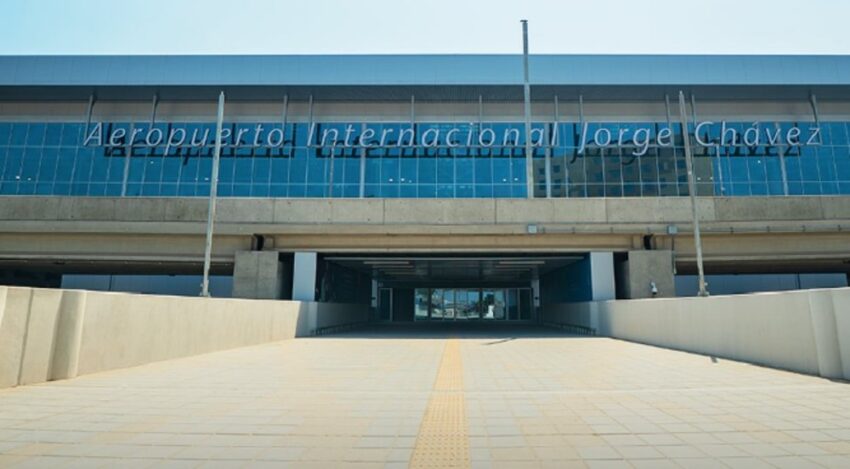
Peru is establishing a new benchmark in border protection and convenience for passengers with the launch of the newest, completely automated immigration solution at Lima’s Jorge Chávez International Airport. This state-of-the-art solution has been designed in collaboration with SITA. With the final launch and implementation projections pegged by 2026, Peru is on its way to becoming a front-runner in innovative tourist solutions in Latin America.
The new system will consist of 19 Automatic Border Control (ABC) e-gates, 21 Self-Service Kiosks, as well as a sophisticated mobile app for pre-travel declaration, in a bid to cut wait times associated with border control processes, hence improving the passenger experience. The system will also consist of the supervision and control system for the real-time control of border control points, ensuring that the system is the most advanced in the region.
Improving Tourist Travel and Operational Efficiency
One of the major advantages of this automated immigration system is its potential to streamline the passenger experience at Lima Airport, which sees millions of international travelers each year. By allowing passengers to complete immigration procedures quickly through automated gates and kiosks, the system will significantly reduce waiting times, making it easier for tourists to transition from arrival to their destinations across the country.
In addition, the mobile app will allow travelers to complete necessary declarations ahead of time, which is expected to cut airport wait times by up to 50%. This efficiency boost will be particularly beneficial for tourists arriving for short stays, as it will allow them to spend less time navigating airport procedures and more time exploring Peru’s tourist destinations, thereby enhancing tourist satisfaction.
Strengthening National Security and Aligning with Global Standards
While the system will offer a more seamless travel experience, it will also enhance national security. By automating immigration controls, Peru will be able to apply consistent immigration policies, improving border security and risk detection. The system’s integration with biometric identification ensures that only authorized passengers are allowed to enter, reducing the risk of fraud or illegal immigration.
Furthermore, the system aligns with ICAO standards and strengthens Peru’s position as a trusted regional hub, enhancing the country’s reputation as a safe and reliable tourism destination. These improvements will attract more international tourists and business travelers, who increasingly prioritize fast, secure, and efficient border crossings when choosing destinations.
Future Tourism Growth and Revenue Impact
Looking ahead, this automated immigration system is poised to have a long-term positive impact on Peru’s tourism industry. By enhancing the efficiency and security of the airport’s operations, the system will make Peru a more attractive destination for international travelers seeking a smooth travel experience. The increased efficiency in processing passengers will likely encourage more frequent visits, especially from short-haul markets in Latin America and long-haul markets in Asia and Europe.
In addition to making the travel experience more enjoyable, the automated system will also have a direct economic impact. With reduced processing times, travelers will have more time to explore Peru’s cultural and natural attractions, leading to increased spending in the tourism sector. This could have a significant boost on tourism revenue, as tourists tend to spend more time and money in destinations where travel processes are efficient and hassle-free.
Catalyzing Future Innovation in Peru’s Tourism Infrastructure
The introduction of the automated immigration system is just one part of a broader strategy to modernize and innovate Peru’s tourism infrastructure. In the future, this system will lay the groundwork for further advancements, such as the integration of Digital Travel Credentials (DTCs) and the use of AI-driven solutions to improve personalized travel experiences. These innovations will not only make travel more convenient for tourists but also allow Peru to position itself as a leader in digital tourism.
Additionally, this technology-first approach is expected to have spillover effects across other sectors of the tourism industry, such as transportation, hospitality, and tourism services. As more tourism stakeholders adopt digital solutions, the entire tourism ecosystem will become more connected, efficient, and sustainable.
Cross-Border Rail Connectivity and Regional Impact
Beyond airport improvements, Peru’s broader transportation infrastructure is also evolving. The new cross-border rail corridor linking Greece with Bulgaria and Romania will enhance regional connectivity, further boosting tourism across Latin America. As rail links become increasingly important in global tourism, Peru’s investments in these areas will help enhance the regional tourism experience and allow tourists to explore multiple countries seamlessly.
A New Era for Peru’s Tourism Infrastructure
The inauguration of the automated Peruvian immigration system marks the dawn of a new era for the country’s tourism sector, within which the Peruvian government is aiming to increase the efficiency and functionality of the nation’s borders and set the stage for technological advancements within the tourism sector. The development of this initiative is predicted to promote significant growth within the tourism sector and boost revenue for the Peruvian economy.
As the automated Peruvian immigration system is implemented and the Peruvian government becomes increasingly accustomed to utilizing technology within the tourism sector, the country will have the potential to witness significant growth within the tourism sector and promote profitability within the tourism sector for years to come.
Image Source: Jorge Chávez Airport
The post Peru Introduces Automated Immigration System at the Jorge Chávez Airport of Lima, Enhancing Travel, Strengthening Security and Supporting Tourism Growth appeared first on Travel And Tour World.