
Reading view

Hidden Street Art and Cafés in Muharraq Bahrain: Off-Main-Street Creativity and Local Life

Hidden Street Art and Cafés in Muharraq Bahrain: Off-Main-Street Creativity and Local Life
 Muharraq

Hidden Street Art and Cafés in Muharraq of Bahrain: Creativity Between the Alleys

Special Introduction: Where Art Whispers Instead of Shouts

While Muharraq is celebrated for its pearling heritage and historic houses, another, quieter layer of the city reveals itself away from main roads. In narrow alleys and modest side streets, murals appear unexpectedly, and small cafés hum softly with local conversation.

Exploring hidden street art and cafés in Muharraq is not about ticking off attractions. It is about wandering without urgency, noticing details, and allowing creativity to emerge naturally. This offbeat experience adds a contemporary, human dimension to Muharraq’s historic character.

What Are Muharraq’s Hidden Street Art and Café Spots?

Small-Scale Creativity in Everyday Spaces

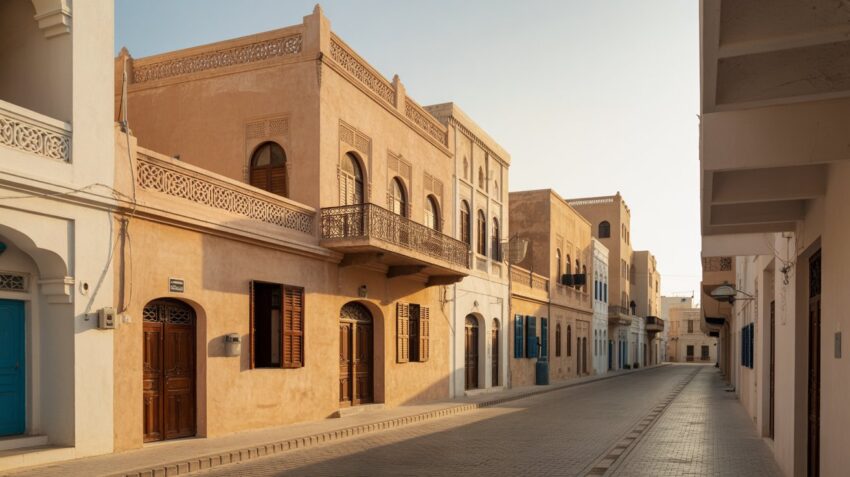
Muharraq’s hidden street art consists of murals, painted doors, calligraphy, and subtle installations tucked into residential streets. Nearby, small cafés—often family-run or independently operated—serve coffee and light food without fanfare.

Together, they form informal cultural pockets rather than formal art districts.

Why This Experience Matters for Tourism

Everyday Culture as a Travel Asset

For travel and tourism, these hidden spots offer authentic cultural engagement. Visitors encounter creativity as part of daily life rather than a staged presentation.

This approach aligns strongly with slow travel and experiential tourism trends.

Where Are These Hidden Spots Found?

Off the Main Streets of Old Muharraq

Most street art and cafés are found away from major heritage routes, often just a turn or two into residential alleys. These quieter streets reward curiosity and patience.

Exploration here feels personal and unfiltered.

Who Creates the Street Art?

Local Artists and Community Initiatives

Much of the street art comes from local artists, youth initiatives, and community-led projects. Themes often include heritage, identity, pearling, poetry, and everyday Bahraini life.

The art reflects pride rather than promotion.

When Is the Best Time to Explore?

Light, Quiet, and Atmosphere

Late afternoons and early evenings are ideal. The light softens, cafés begin to fill gently, and streets remain calm.

This timing enhances both visual and social experiences.

How Street Art Blends with Heritage

Modern Expression on Historic Walls

Murals in Muharraq often interact respectfully with historic architecture. Instead of covering heritage, they highlight textures, stories, and forgotten corners.

This balance preserves authenticity while encouraging renewal.

The Role of Small Cafés

Social Anchors in Quiet Streets

Hidden cafés act as informal gathering spaces. They are places where artists, residents, and visitors sit side by side, often without realizing they are part of a “tourism” experience.

Conversation flows naturally.

Café Culture Without Commercial Noise

Simple, Calm, and Personal

These cafés prioritize atmosphere over trendiness. Menus are modest, seating is limited, and service is personal.

For travelers, this simplicity feels refreshing.

Experiencing Muharraq Through Wandering

Letting the City Reveal Itself

There are no fixed routes for discovering hidden art and cafés. Wandering, turning corners, and following instinct are part of the experience.

This openness makes each visit unique.

Photography in Hidden Streets

Details Over Landmarks

Photographers find interest in:

  • Painted walls and doors
  • Calligraphy details
  • Narrow alleys and shadows
  • Café interiors and street scenes

Respectful, discreet photography works best.

Street Art as Storytelling

Visual Narratives of Place

Murals often tell stories—of pearling, migration, memory, or hope. These stories are not explained; they invite interpretation.

Travelers become participants rather than spectators.

Muharraq’s Creative Side and Cultural Tourism

Expanding the City’s Identity

Street art and cafés add a contemporary layer to Muharraq’s heritage image. They show a city that honors its past while allowing space for present-day expression.

This balance enriches cultural tourism.

Hidden Cafés and Slow Travel

Time as the Main Ingredient

Sitting quietly in a small café, watching the street, and listening to ambient sounds embodies slow travel.

There is no rush—only presence.

Comparing Hidden Spots to Main Attractions

Intimacy Versus Recognition

Unlike major heritage sites, hidden art and cafés do not announce themselves. Their value lies in intimacy rather than recognition.

Travelers seeking depth often find these moments most memorable.

Responsible Exploration in Residential Areas

Being a Respectful Visitor

Visitors should:

  • Keep noise low
  • Avoid blocking doorways
  • Ask before photographing people
  • Respect private homes

Mindful behavior preserves trust.

Seasonal Feel of Muharraq’s Hidden Streets

Subtle Shifts, Familiar Calm

Seasonal changes affect light and comfort, but the streets remain calm year-round. Even repeat visits feel slightly different.

The city reveals itself gradually.

Challenges Facing Small Creative Spaces

Visibility Without Overexposure

While increased attention can help small cafés and artists, too much exposure risks changing their character. Balance is essential.

Sustainable tourism respects limits.

Why International Travelers Appreciate These Hidden Spots

Discovery Without Performance

International visitors often value the lack of staging. These spaces feel genuine, lived-in, and uncurated.

The experience feels earned, not delivered.

Pairing Hidden Art Walks with Other Muharraq Experiences

Creating a Layered Itinerary

Hidden street art and cafés pair well with:

  • Heritage house visits
  • Pearling-related sites
  • Quiet neighborhood walks

Together, they tell a complete urban story.

Practical Tips for Exploring Hidden Muharraq

Making the Most of the Experience

  • Walk slowly and observe details
  • Avoid peak midday heat
  • Be open to conversation
  • Support small cafés when possible

Curiosity enhances discovery.

The Future of Street Art and Cafés in Muharraq

Creativity Rooted in Community

The future of these hidden spots depends on community involvement and respectful tourism. When creativity remains local, it stays meaningful.

Growth should never erase intimacy.

Where Muharraq Speaks Softly

Hidden street art and cafés in Muharraq, Bahrain, reveal a city that does not need to perform to be interesting. In quiet alleys and modest spaces, creativity unfolds gently—through paint on walls and conversations over coffee.

For travelers willing to wander off the main streets, Muharraq offers something rare: cultural connection without crowds, art without labels, and cafés where time feels unimportant. In these understated moments, the city feels most alive.

The post Hidden Street Art and Cafés in Muharraq Bahrain: Off-Main-Street Creativity and Local Life appeared first on Travel And Tour World.
Pearl Merchant Houses Muharraq Bahrain: Historic Homes That Tell the Story of Pearling Wealth

Pearl Merchant Houses Muharraq Bahrain: Historic Homes That Tell the Story of Pearling Wealth
Pearl Merchant Houses

Pearl Merchant Houses, Muharraq, Bahrain: Homes Built on the Wealth of the Sea

When Pearls Shaped Architecture and Lives

Before oil transformed Bahrain’s economy, pearls shaped its destiny. The wealth generated by the pearling trade not only funded ships and trade routes—it built homes, neighborhoods, and a distinctive architectural identity. Among the most powerful reminders of this era are the Pearl Merchant Houses scattered across Muharraq.

These historic homes once belonged to successful pearl traders whose livelihoods depended entirely on the sea. Today, the houses stand as elegant witnesses to a time when Bahrain was the heart of the global pearl trade. Walking past or through these residences offers travelers a rare, intimate view of how maritime wealth influenced daily life, social status, and urban design.

What Are Pearl Merchant Houses?

Residences of Bahrain’s Pearling Elite

Pearl merchant houses were the private homes of traders who financed pearling fleets, managed trade networks, and negotiated pearl sales with buyers from across the world. Unlike fishermen’s homes, these residences reflected prosperity, influence, and refined taste.

They were designed to accommodate family life, business dealings, and social gatherings—all under one roof.

Why Pearl Merchant Houses Matter for Tourism

Living Evidence of Bahrain’s Pearling Economy

For travel and cultural tourism, pearl merchant houses provide something rare: economic history told through domestic space. Visitors do not just learn about pearling as an industry—they see how it shaped living standards, architecture, and social hierarchies.

These houses deepen understanding beyond museums and textbooks.

Where Are Pearl Merchant Houses Located?

Historic Neighborhoods of Muharraq

Most pearl merchant houses are found in Muharraq, Bahrain’s former capital and the center of pearling activity. The city’s narrow lanes and clustered homes reflect its maritime past.

Exploring these neighborhoods feels like walking through the backbone of Bahrain’s pre-oil economy.

Who Built These Houses?

Merchants, Craftsmen, and Global Influence

The houses were commissioned by wealthy pearl merchants and built by skilled local craftsmen. While construction techniques were traditional, design elements reflected international influence due to global trade connections.

Materials and layouts often revealed both local identity and outward-looking ambition.

When Were Pearl Merchant Houses Built?

Architecture of the 19th and Early 20th Centuries

Most surviving pearl merchant houses date back to the 1800s and early 1900s, when Bahrain’s pearling industry reached its peak. This period marked economic confidence and architectural experimentation.

The homes remain some of the finest examples of pre-oil urban architecture in Bahrain.

How Pearling Wealth Shaped Architecture

Space, Scale, and Status

Pearl merchant houses were larger and more complex than ordinary homes. Multiple courtyards, reception rooms, and upper floors allowed merchants to separate business from family life.

Architecture became a silent language of success.

Key Architectural Features

Elegance Through Function

Typical features include:

  • Spacious courtyards for ventilation
  • Wind towers for cooling
  • Ornate wooden doors
  • Decorative plasterwork
  • Coral stone walls

These elements balanced comfort, prestige, and climate adaptation.

The Role of the Courtyard

A Center for Family and Business

Courtyards were central to pearl merchant houses. They provided light, airflow, and private outdoor space, while also serving as gathering areas for family and guests.

This design supported both domestic life and commerce.

Wind Towers and Climate Intelligence

Cooling Wealthy Homes Naturally

Many pearl merchant houses incorporated wind towers, reflecting both practicality and refinement. These towers ensured comfort during Bahrain’s intense summers.

Their presence highlights how wealth enhanced, but did not replace, climate wisdom.

Daily Life Inside a Pearl Merchant House

Beyond Trade and Wealth

Life inside these houses revolved around family routines, hospitality, and seasonal rhythms of the pearling cycle. During pearling season, households waited anxiously for ships to return.

The architecture absorbed both prosperity and uncertainty.

Pearl Merchant Houses and Social Life

Centers of Influence

These homes often hosted meetings, negotiations, and social gatherings. Merchants entertained captains, buyers, and visiting traders within their walls.

In this way, private homes shaped public economic life.

Experiencing Pearl Merchant Houses Today

Preserved Heritage Spaces

Some pearl merchant houses have been restored and opened to the public, while others remain part of historic streetscapes. Even exterior views reveal a layered history through doors, windows, and walls.

Visitors gain insight simply by observing details.

Cultural Tourism Value

Connecting Trade, Home, and Identity

Pearl merchant houses are essential to cultural tourism because they humanize history. They show how global trade affected family life, architecture, and urban development.

This connection resonates strongly with travelers seeking authenticity.

Photography and Visual Storytelling

Textures of Prosperity

Photographers are drawn to the contrast between light courtyards and shaded rooms, decorative elements, and weathered coral stone.

These houses tell stories visually, even without explanation.

Pearl Merchant Houses and the Pearling Path

Part of a Larger Heritage Network

Pearl merchant houses complement Muharraq’s wider pearling heritage sites, forming a continuous narrative of trade, labor, and wealth.

Together, they create a cohesive travel experience.

Educational Importance

Learning Through Space

These houses teach about:

  • Economic history
  • Social structure
  • Climate adaptation
  • Urban development

Education happens organically through movement and observation.

Responsible Tourism in Historic Neighborhoods

Respecting Living Heritage

Visitors should:

  • Respect privacy in residential areas
  • Avoid touching fragile features
  • Keep noise levels low
  • Follow posted guidelines

Preservation depends on mindful tourism.

Comparing Pearl Merchant Houses to Fishermen’s Homes

Wealth Expressed in Architecture

While fishermen’s homes were modest, pearl merchant houses reflected accumulated wealth and influence. This contrast illustrates economic stratification within the pearling society.

Together, both types complete the historical picture.

Seasonal Atmosphere in Muharraq

Light, Heat, and History

Seasonal changes affect how these houses are experienced. Cooler months allow deeper exploration, while summer highlights the brilliance of passive cooling design.

Each season reveals different strengths.

Challenges in Preserving Pearl Merchant Houses

Time, Climate, and Urban Pressure

Humidity, salt air, and development threaten these historic structures. Restoration requires expertise and continued public interest.

Tourism plays a role in sustaining preservation efforts.

Pearl Merchant Houses in Bahrain’s National Story

Symbols of a Maritime Golden Age

These homes symbolize a time when Bahrain’s prosperity flowed from the sea. They stand as reminders of resilience, entrepreneurship, and global connection.

Their survival strengthens national identity.

Why International Travelers Find Them Fascinating

Global Trade Through Local Homes

Visitors from around the world recognize familiar trade dynamics reflected in unfamiliar settings. The houses feel both local and global.

This duality makes them compelling.

Practical Tips for Visiting Pearl Merchant Houses

Making the Most of the Experience

  • Walk slowly and observe details
  • Visit during cooler hours
  • Pair visits with nearby heritage sites
  • Bring a camera for architectural details

Time and patience enhance understanding.

The Future of Pearl Merchant Houses

Preserving Stories in Stone and Wood

The future depends on continued restoration, education, and respectful visitation. These houses must remain places of learning, not just monuments.

Their stories deserve longevity.

Homes That Rose with the Tides

Pearl Merchant Houses, Muharraq, Bahrain, are more than historic residences—they are architectural records of ambition shaped by the sea. Built on pearl wealth, they sheltered families, hosted negotiations, and anchored communities during Bahrain’s maritime golden age.

For travelers exploring Muharraq, these houses offer a powerful reminder that history lives not only in forts and museums, but in homes where everyday life unfolded. To walk among them is to understand how the tides once determined fortunes—and how those fortunes still shape Bahrain’s cultural landscape today.

The post Pearl Merchant Houses Muharraq Bahrain: Historic Homes That Tell the Story of Pearling Wealth appeared first on Travel And Tour World.

Arad Fort Muharraq Bahrain: A fifteenth-Century Seaside Fortress Framing History and Travel

Arad Fort Muharraq Bahrain: A fifteenth-Century Seaside Fortress Framing History and Travel
Arad Fort

Arad Fort, Muharraq of Bahrain: Where the Sea Guards’ History

A Fortress Shaped by Water and Time

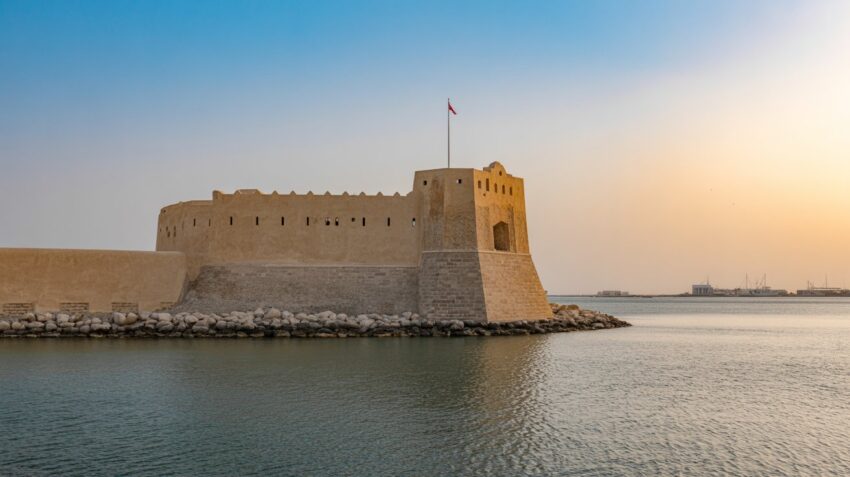
Standing quietly beside the sea, Arad Fort is one of Bahrain’s most evocative heritage landmarks. Built in the 15th century, the fort reflects a time when coastal defense, trade routes, and maritime life were inseparable from the island’s survival.

Unlike larger or more commercialized heritage sites, Arad Fort feels intimate and atmospheric. Its seaside setting, simple geometry, and open surroundings make it especially appealing to travelers interested in cultural tourism, slow exploration, and historical landscapes shaped by the sea.

What Is Arad Fort?

A 15th-Century Coastal Defense Structure

Arad Fort is a traditional Islamic-style fort constructed to protect Bahrain’s northern approaches. Built primarily from coral stone and local materials, it represents defensive architecture adapted to island geography.

Its compact form and thick walls reveal function over grandeur.

Why Arad Fort Matters for Tourism

History in a Walkable, Human Scale

Arad Fort plays an important role in Bahrain’s tourism by offering accessible heritage—a site that can be explored without crowds, guides, or long time commitments.

For travelers, it provides a concentrated encounter with Bahrain’s past, framed by the sea rather than the city.

Where Is Arad Fort Located?

On the Edge of Muharraq Island

Located on Muharraq Island, close to the coastline, Arad Fort occupies a strategic position overlooking the surrounding waters. Its placement highlights how geography influenced defense and settlement patterns.

The proximity to the sea enhances both historical understanding and visual appeal.

Who Built and Used Arad Fort?

Protecting Trade and Territory

The fort was constructed during a period when Bahrain faced regional competition and maritime threats. Its role was to guard access routes and support broader defensive networks across the island.

Understanding this context deepens appreciation of Bahrain’s strategic maritime history.

When Was Arad Fort Built?

A Structure Rooted in the Fourteenth Century

Dating back to the fifteenth century, Arad Fort has witnessed centuries of political change, trade movement, and coastal life. Despite its age, the structure remains remarkably intact.

This longevity adds to its authenticity.

How Arad Fort Reflects Coastal Heritage

Defense Designed for the Sea

Unlike inland forts, Arad Fort was shaped by its proximity to water. Sightlines, wall placement, and orientation reflect the need to monitor maritime activity.

For travelers, this makes the fort a lens through which to understand Bahrain’s historical relationship with the sea.

Visiting Arad Fort Today

Calm Exploration Without Distraction

Modern visitors experience Arad Fort as an open, contemplative space. Restoration work has preserved its form without overwhelming it with modern additions.

This restraint allows history to speak quietly.

The Seaside Views from Arad Fort

Where Architecture Meets Horizon

One of Arad Fort’s most distinctive features is its open relationship with the sea. Views from the fort reveal water, sky, and coastline rather than dense urban development.

These views make it especially appealing for reflective travel and photography.

Arad Fort and Cultural Tourism

A Gateway to Muharraq’s Heritage

Arad Fort complements other heritage sites in Muharraq by offering a military and maritime perspective. Together, these sites tell a fuller story of island life.

For cultural tourists, it adds depth and balance.

Photography at Arad Fort

Geometry, Light, and Sea

Photographers are drawn to Arad Fort for its clean lines, textured stone, and changing coastal light. Sunrise and sunset create dramatic contrasts between walls and water.

The lack of clutter allows timeless compositions.

Educational Value of Arad Fort

Learning Through Architecture

Arad Fort offers insight into traditional building methods, defensive design, and historical land use. These lessons emerge naturally through observation rather than exhibits.

For students and curious travelers, this makes learning intuitive.

Best Time to Visit Arad Fort Muharraq

Comfort and Atmosphere

Cooler months provide the most comfortable conditions for exploring the fort. Late afternoon visits are especially popular, as the soft light enhances the seaside setting.

Even short visits feel rewarding.

Arad Fort as a Slow Travel Destination

History Without Hurry

The fort does not demand much time, yet it encourages lingering. Visitors often walk slowly, pause at openings, and absorb the surroundings.

This rhythm aligns perfectly with slow travel values.

Comparing Arad Fort to Other Bahrain Forts

Intimate Rather Than Monumental

Compared to larger forts, Arad Fort feels modest and approachable. Its strength lies in atmosphere rather than scale.

Travelers seeking quiet heritage often prefer it.

Responsible Tourism at Arad Fort

Respecting a Historic Site

Visitors are encouraged to:

  • Avoid climbing on walls
  • Refrain from littering
  • Respect signage and boundaries
  • Keep noise levels low

Such care ensures long-term preservation.

Arad Fort and Bahrain’s Maritime Identity

Defense, Trade, and Survival

The fort symbolizes Bahrain’s historical dependence on the sea—not only for trade and pearling, but also for security.

This maritime identity remains central to the nation’s story.

Pairing Arad Fort with Other Travel Experiences

Building a Meaningful Itinerary

Arad Fort pairs well with:

  • Muharraq heritage walks
  • Coastal strolls
  • Museums and old houses
  • Quiet cafés nearby

Together, they create a layered travel experience.

Seasonal Atmosphere at Arad Fort

Subtle Changes, Lasting Calm

Seasonal changes influence light and temperature, but the fort’s atmosphere remains calm year-round. Wind and sea conditions subtly shape each visit.

Repeat visits always feel slightly different.

Challenges in Preserving Coastal Forts

Sea, Time, and Conservation

Like many coastal heritage sites, Arad Fort faces environmental challenges from humidity and salt air. Ongoing preservation is essential.

Tourism awareness helps justify conservation efforts.

Arad Fort in Bahrain’s Tourism Vision

Heritage Beyond Icons

Arad Fort represents Bahrain’s commitment to preserving lesser-known but deeply meaningful heritage sites. It enriches tourism by offering authenticity over spectacle.

This diversity strengthens cultural tourism.

Why International Travelers Appreciate Arad Fort

Quiet History with Context

For international visitors, Arad Fort provides history without crowds and context without complexity. It is easy to understand, easy to access, and emotionally resonant.

These qualities leave a strong impression.

Practical Tips for Visiting Arad Fort

Simple Planning

  • Visit during cooler hours
  • Wear comfortable walking shoes
  • Bring water
  • Allow time to enjoy the views

Facilities are minimal, enhancing the fort’s historic feel.

The Future of Arad Fort

Preserving Space for Reflection

The future of Arad Fort lies in maintaining its open, quiet character while ensuring structural preservation. Thoughtful management will keep it meaningful rather than commercial.

Silence is part of its value.

Where Bahrain’s Past Meets the Sea

Arad Fort, Muharraq of Bahrain, stands as a reminder that history does not always announce itself loudly. Sometimes, it waits quietly by the water, shaped by wind, stone, and centuries of change.

For travelers interested in cultural depth, seaside landscapes, and unhurried exploration, Arad Fort offers more than a photo stop—it offers perspective. Here, Bahrain’s past and present meet at the edge of the sea, inviting visitors to pause and listen.

The post Arad Fort Muharraq Bahrain: A fifteenth-Century Seaside Fortress Framing History and Travel appeared first on Travel And Tour World.
❌