
 Login
Login
Palace of Versailles Tourism Alert: France Raises Ticket Prices for Non‑EU Visitors from 2026
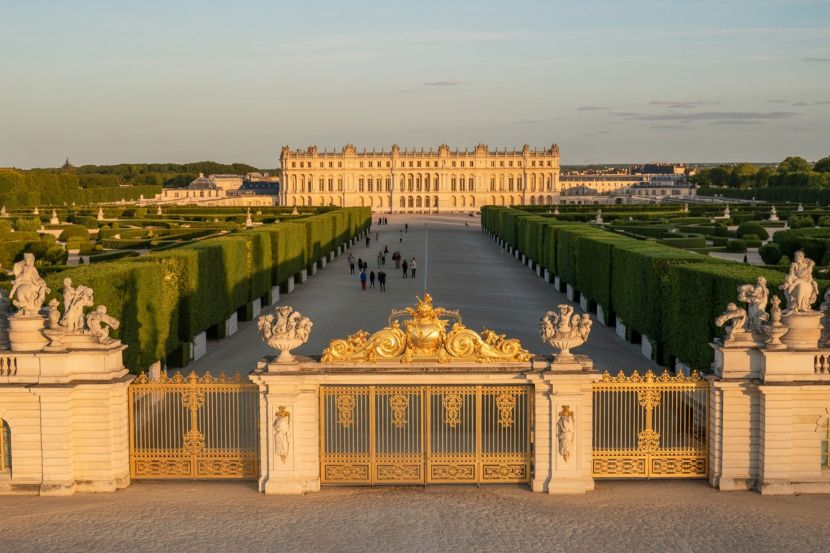
The Palace of Versailles, one of France’s most iconic landmarks, has announced that starting January 2026, ticket prices will increase for visitors from outside the European Union (EU) and European Economic Area (EEA). The new pricing policy, which aims to help fund the palace’s maintenance and restoration efforts, will apply to individual tickets, while EU and EEA residents will still pay the current rates. This move marks a significant shift in tourism pricing at one of the world’s most visited cultural sites.
The decision to raise prices follows a broader trend in the French tourism sector, as museums and historic sites across the country adapt to rising operational costs. With ongoing efforts to preserve France’s cultural heritage, the French government has been looking for new ways to supplement funding for these projects, as traditional state financing faces limitations. By targeting non‑EU tourists, who make up a substantial portion of Versailles’ visitor base, the Palace hopes to generate additional revenue to sustain its grand restoration plans.
The new ticket structure will see the cost of admission rise to €35 for non‑EU visitors during peak seasons, an increase of €5 from current rates. In contrast, EU and EEA visitors will continue to benefit from the same ticket prices, which reflect France’s commitment to making cultural heritage accessible to its residents. The fee structure also includes special discounts for various groups, such as EU residents under 26, who will be eligible for free entry with valid proof of identity.
Officials from the Palace of Versailles have stated that this pricing model is essential to maintain the palace’s upkeep. The site is not only a symbol of France’s royal history but also one of the most visited destinations in the world. In 2024, more than 8.4 million people visited the palace and its grounds, with a significant percentage coming from outside the EU. With such high visitation numbers, maintaining the palace and its gardens, as well as managing the associated operational costs, has become an increasingly complex challenge.
The increased prices are part of a broader initiative within France’s cultural sector to introduce tiered pricing. This strategy has already been implemented at the Louvre Museum and other high-profile heritage sites across the country. The Louvre has also raised its entry fees for non‑EU visitors, with the cost expected to rise by 45 percent for tourists outside the EU. These changes reflect the mounting pressures on heritage sites, which require substantial funding for conservation and modernization efforts.
Tourism experts believe the price hikes at Versailles and other cultural sites are necessary steps to ensure the preservation of France’s historical assets. The fees will help fund much-needed renovations, including the restoration of the palace’s interior rooms, furniture, and gardens, which have suffered the effects of age and millions of visitors. With the additional revenue, the palace can continue to offer world-class experiences for visitors while safeguarding its heritage for future generations.
While this decision has been met with support from some quarters, there has been pushback from others who view the price increase as a form of exclusion. Critics argue that the rise in ticket prices could deter international tourists, especially from regions where travel costs are already high. However, supporters argue that these fees are a necessary investment to maintain the integrity of one of the world’s most significant cultural landmarks.
For non-EU visitors, especially those traveling from far-flung destinations like North America and Asia, the price increase may affect their overall travel budgets. Travel agencies and tour operators are advising clients to plan ahead and factor in these costs when considering their trips to France. Despite the increase, France remains a leading global tourism destination, and the Palace of Versailles will continue to be a must-see for cultural enthusiasts worldwide.
In addition to boosting revenue for preservation efforts, the price hike is expected to have a broader positive impact on the local tourism economy. The influx of tourists to Versailles supports local hotels, restaurants, and transport services. The increased revenue generated by non-EU visitors will help maintain the quality of services at the palace and ensure that it remains an accessible and well-preserved treasure for all who wish to experience its grandeur.
The French Ministry of Culture has emphasized that the new pricing structure will ensure equitable treatment for EU and non‑EU residents, as the funds generated will be used specifically for the enhancement of visitor experiences and the palace’s upkeep. With the success of similar pricing structures at other French museums, there is hope that the Palace of Versailles will continue to thrive as a cultural hub and attract visitors from all over the globe.
As we approach 2026, travelers planning a visit to Versailles should prepare for the adjusted ticket prices, which are set to take effect on January 14th, 2026. The Palace of Versailles remains a jewel of French heritage, and with the increased funding, it is poised to maintain its status as one of the world’s most prestigious and historically significant tourist attractions.
The post Palace of Versailles Tourism Alert: France Raises Ticket Prices for Non‑EU Visitors from 2026 appeared first on Travel And Tour World.