
 Login
Login
Iceland Joins Finland, Sweden, Denmark, and Switzerland Dominate Europe’s Cleanest Countries in 2025: Why These Green Paradises Are a Must-Visit for Every Eco-Conscious Traveller!
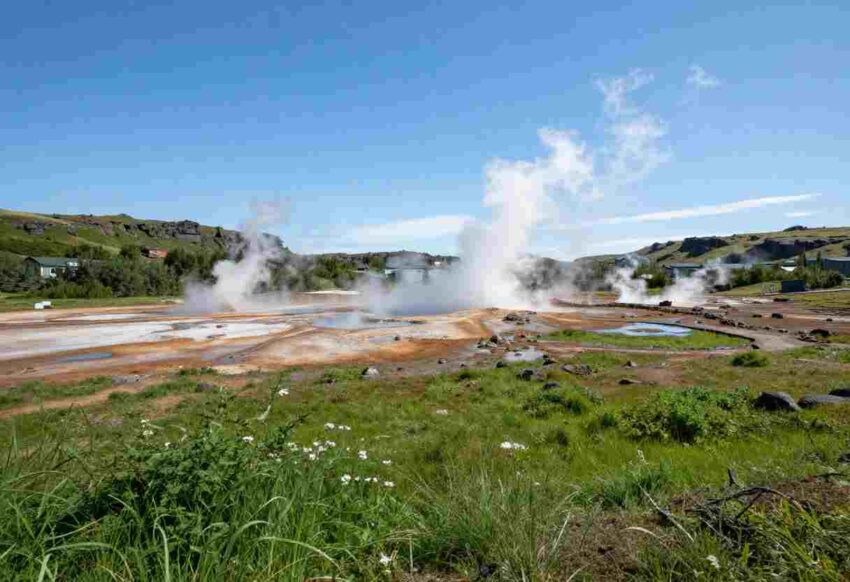
Iceland joins Finland, Sweden, Denmark, and Switzerland as the top cleanest countries in Europe in 2025. These green paradises have made significant strides in environmental sustainability, offering travellers eco-conscious destinations that prioritise clean air, pure water, and responsible tourism. With their commitment to reducing pollution, promoting recycling, and conserving nature, these countries are setting a global example. From Iceland’s geothermal energy to Sweden’s ambitious recycling programmes, these nations offer both beauty and sustainability. Finland’s pristine lakes, Denmark’s eco-friendly infrastructure, and Switzerland’s lush landscapes make these countries a must-visit for those looking to travel responsibly. In this article, we’ll explore why Iceland, Finland, Sweden, Denmark, and Switzerland dominate Europe’s cleanest countries in 2025 and why these eco-friendly destinations should be on every traveller’s bucket list. Let’s dive into the environmental policies and sustainable practices that make these countries stand out.
Iceland: A Paradise of Clean Air and Pure Water
Iceland, often referred to as the “Land of Fire and Ice”, is one of the cleanest countries in Europe. Its vast natural landscapes, volcanic activity, and abundant geothermal energy are not only visually spectacular but also a testament to the country’s commitment to environmental protection. Let’s take a closer look at Iceland’s environmental initiatives in 2025.
Air Quality in Iceland
Iceland has some of the cleanest air in the world. The country’s low population density and reliance on renewable energy sources, such as geothermal and hydroelectric power, contribute to its excellent air quality. According to the Environment Agency of Iceland, while volcanic eruptions occasionally lead to temporary air quality issues, these are short-lived. Iceland also experiences some dust and pollutants from southern Iceland’s desert soils, which can be blown northward by winds. However, this is a rare occurrence. The monitoring efforts in place ensure that the air quality is regularly checked and maintained at healthy levels. Iceland’s renewable energy sources help keep ambient pollutant concentrations low, allowing both residents and tourists to enjoy crisp, clean air year-round.
Water Quality in Iceland
Iceland’s abundant freshwater resources make it one of the countries with the cleanest water in Europe. The Environment and Energy Agency reports that Iceland’s rivers, aquifers, and glaciers provide clean drinking water to its residents. Geothermal water is used to heat homes, while rivers and steam contribute to electricity generation. This sustainable use of water resources is protected under the updated 2025 Act on Water Management, which promotes the sustainable use of water and the protection of Iceland’s natural resources. Iceland’s government is working diligently to ensure that rivers, lakes, and groundwater are protected for future generations, maintaining an almost pristine state of water across the nation.
Waste Management in Iceland
Iceland’s waste treatment strategy is focused on waste prevention, re-use, and recycling. The country introduced a nationwide recycling fee for beverage containers, offering a refund to consumers when they return bottles to collection sites. Despite its small size, Iceland is leading the charge in construction and demolition waste recovery, which stands at an impressive 97%. However, municipal solid-waste recycling rates remain at 23%, and the country is working toward improving these rates. Iceland’s citizens are generally very engaged in recycling and minimizing waste, but the focus remains on further reducing waste generation.
Human Behaviour and Hygiene in Iceland
Icelanders are well known for their strong culture of environmental stewardship. Icelandic society places a high value on preserving nature and respecting the environment. The government has taken significant steps to ensure that the natural beauty of the country is protected, including building trails, fences, service centres, and signs at sensitive natural sites. Tourists are encouraged to stay on marked paths, avoid disturbing fragile moss, and respect the privacy of remote communities. Icelanders are generally highly responsible about waste minimisation, and this attitude is encouraged across the board, making Iceland an ideal destination for environmentally conscious travellers.
Tourism in Iceland
Tourism in Iceland is booming, but the country is careful to ensure that it does not overwhelm its infrastructure or natural sites. The government has developed national plans to coordinate infrastructure development and maintenance for natural and cultural heritage sites, ensuring that high visitor numbers don’t negatively impact the environment. Many tour operators are certified by Vakinn, an environmental certification system, which promotes responsible tourism. Visitors are encouraged to support rural communities, use local transport, and return all waste, ensuring that their travel has a minimal environmental footprint.
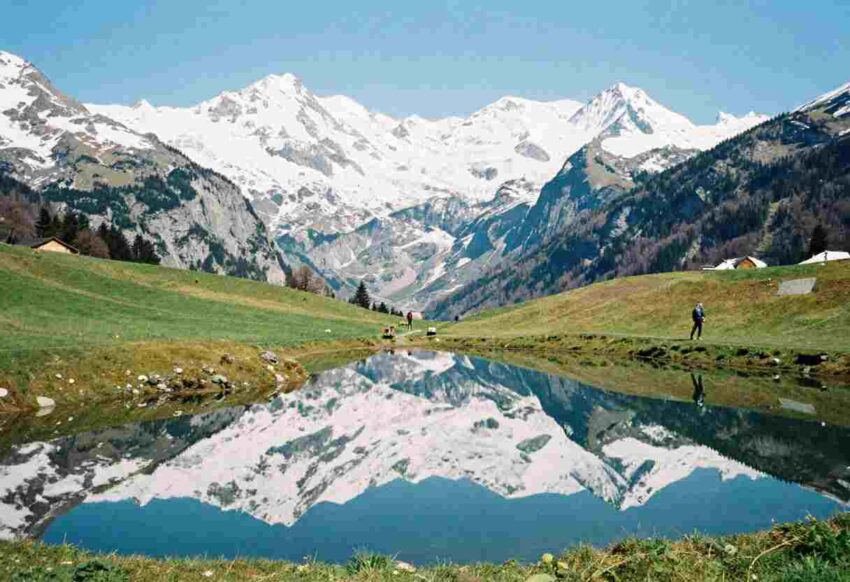
Finland: Clean Air and Water for a Healthier Future
Finland is another exemplary country that leads in environmental sustainability. With its vast forests, numerous lakes, and eco-friendly initiatives, Finland has become a beacon of environmental consciousness in Europe. Let’s explore the environmental policies and sustainable tourism practices that make Finland stand out.
Air Quality in Finland
Finland enjoys some of the cleanest air in Europe, with fine particulate matter (PM2.5) levels averaging around 5 μg/m³. According to the European Environment Agency (EEA), Finland has significantly reduced premature deaths from air pollution to below the EU average. However, the burning of wood for heating does contribute to occasional pollution peaks during the winter months. Despite this, Finland is actively working to reduce emissions by upgrading heating systems and encouraging changes in behaviour. The Finnish government has implemented regulations and technological upgrades to reduce emissions from wood heating, which remains one of the largest sources of fine particulates.
Water Quality in Finland
Finland’s water quality is excellent, with 97% of its monitored bathing waters meeting the minimum quality standards. The EEA’s 2024 Bathing Water Fact Sheet reports that 85.5% of Finland’s bathing waters are rated as excellent. Finland is committed to protecting its lakes, rivers, and groundwater, ensuring that residents and tourists alike can enjoy safe and clean water. Finland’s water resources are managed responsibly, and sustainability is a core principle of water management across the country.
Waste Management in Finland
Finland is on track to meet its 2025 municipal waste recycling targets. In 2022, the municipal waste recycling rate stood at 43%, with incineration accounting for the majority of waste treatment. The country’s highly effective deposit-refund system for beverage containers has helped to encourage recycling and reduce litter. However, Finland faces challenges in meeting packaging waste targets. The government is investing in recycling infrastructure and introducing new policies to reduce waste generation, especially plastic packaging, and increase recycling rates.
Human Behaviour and Hygiene in Finland
Finnish citizens are widely known for their environmental consciousness. High levels of public support for recycling, energy conservation, and public transport usage contribute to a high level of environmental responsibility. The deposit-refund system for beverage containers plays a significant role in reducing litter and encouraging recycling. Finnish citizens take pride in their environmental awareness, and the government actively promotes eco-friendly behaviours through various campaigns and incentives.
Tourism in Finland
Finland’s tourism industry is built around sustainable travel experiences. Visitors can explore Finland’s national parks, lakes, and forests while practising responsible tourism. Sustainable Travel Finland guidelines encourage tourists to support local businesses, use public transport, and engage in eco-friendly activities such as cycling and hiking. Finland is the ideal destination for nature lovers who want to minimise their environmental impact.
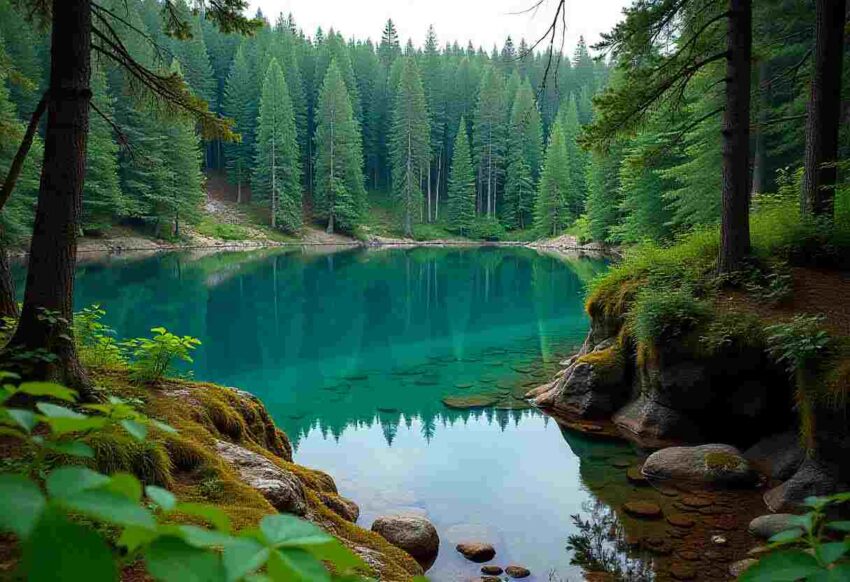
Sweden: A Leader in Sustainable Travel and Environmental Quality
Sweden is another country that consistently ranks among the cleanest in Europe. With its focus on sustainability, clean air, and high-quality water, Sweden is a leader in environmental management and responsible tourism.
Air Quality in Sweden
Sweden has made significant progress in improving air quality. The Swedish Environmental Protection Agency reports that the country is close to meeting its clean-air and non-toxic environment objectives by 2030. Although air quality has improved, urban areas still exceed the WHO guidelines for nitrogen dioxide and particulate matter. Sweden is continuing to reduce emissions from transport, residential heating, and industry, with the aim of meeting its clean-air goals by 2030.
Water Quality in Sweden
Sweden is home to some of Europe’s cleanest waters. The country’s numerous lakes and rivers are closely monitored to ensure that bathing waters meet the highest standards. The Baltic Sea, however, is still a concern due to eutrophication and pollution from shipping and agriculture. Sweden is taking action to reduce nutrient pollution and protect its water resources, ensuring that its waters remain clean and safe for recreational use.
Waste Management in Sweden
Sweden is a leader in waste management, with about 50% of municipal waste being recycled and the remainder incinerated for energy recovery. The country has set ambitious targets to reduce food waste and improve textile recycling. While Sweden’s waste management system is among the best in Europe, the country continues to invest in new technologies and approaches to improve recycling rates and reduce waste generation.
Human Behaviour and Hygiene in Sweden
Swedes are known for their commitment to recycling and maintaining high standards of hygiene. The country has a strong recycling culture, with citizens separating waste carefully and ensuring that waste is disposed of responsibly. The Swedish Right of Public Access (Allemansrätten) allows people to enjoy outdoor activities on private land, but it also requires them to respect nature, avoid littering, and protect wildlife.
Tourism in Sweden
Sweden markets itself as a sustainable destination, encouraging visitors to explore nature reserves, use rail and electric buses, and choose eco-certified accommodations. The Nature’s Best programme certifies tour operators who minimise environmental impact and support local communities. Sweden’s tourism industry is focused on reducing carbon emissions and promoting eco-friendly travel options.
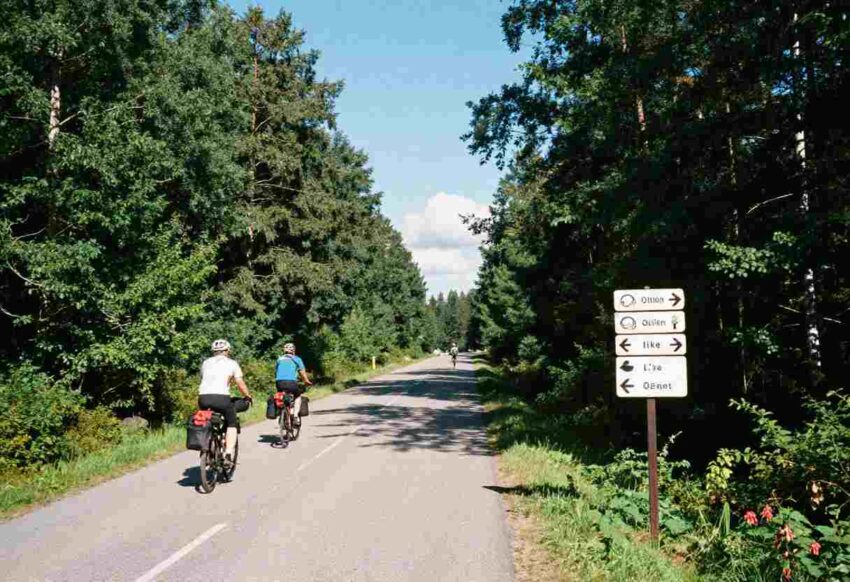
Denmark: A Model of Sustainability and Cleanliness
Denmark is another country that excels in sustainability and environmental quality. The country has made great strides in reducing emissions, improving water quality, and promoting eco-friendly tourism. Denmark is a shining example of how a small nation can make a big impact on environmental sustainability.
Air Quality in Denmark
Denmark has made significant progress in reducing premature deaths from air pollution. The country achieved a 60% reduction in PM2.5 exposure between 2005 and 2020, thanks to a shift from fossil fuels to renewable energy sources. Despite these improvements, wood-burning stoves remain a significant source of pollution, and Denmark is working to replace older stoves with cleaner models. The government continues to prioritise air quality through emission regulations and incentives for clean technologies.
Water Quality in Denmark
Denmark is known for its excellent water quality, with 98.1% of its bathing waters meeting minimum quality standards. In 2024, 92.9% of these waters were rated excellent. Denmark has stringent monitoring and regulation of bathing areas, ensuring that visitors can enjoy clean, safe water. The country’s commitment to protecting its water resources is evident in its consistent efforts to maintain high water quality across its beaches, lakes, and rivers.
Waste Management in Denmark
Denmark is on track to meet its 2025 recycling targets for municipal and packaging waste. The country’s municipal waste recycling rate stood at 50% in 2022, with packaging waste recycling reaching 64.9%. Denmark is also focusing on improving its food waste reduction efforts and enhancing its recycling infrastructure. The government is investing in sustainable waste management practices to ensure that Denmark continues to lead by example in waste reduction and recycling.
Human Behaviour and Hygiene in Denmark
Denmark has a culture of high participation in recycling and sustainable practices. The country is known for its widespread use of bicycles, with extensive cycling paths in cities like Copenhagen. Denmark’s deposit-return system for bottles has also contributed to reducing litter and increasing recycling rates. Danish citizens take pride in their environmental responsibility, and this culture of cleanliness is deeply embedded in their daily lives.
Tourism in Denmark
Denmark’s tourism industry focuses on sustainability and eco-friendly travel options. The government encourages visitors to use public transport, cycle through cities, and choose eco-friendly accommodations. Denmark’s national parks, beaches, and historic towns offer travellers the chance to experience nature and culture while respecting the environment and local communities.
Conclusion: Europe’s Cleanest Countries in 2025
In 2025, the cleanest European countries are those that have prioritised environmental policies, waste management, human behaviour, and sustainable tourism. Iceland, Finland, Sweden, Denmark, and Switzerland lead the way in reducing air pollution, maintaining high water quality, and implementing effective waste management systems. These countries are not only environmental leaders but also offer travellers pristine environments and experiences that are worth protecting. From Iceland’s geothermal energy to Sweden’s ambitious recycling programmes, these countries prove that environmental responsibility can coexist with vibrant tourism industries, offering a cleaner, greener future for all.
The post Iceland Joins Finland, Sweden, Denmark, and Switzerland Dominate Europe’s Cleanest Countries in 2025: Why These Green Paradises Are a Must-Visit for Every Eco-Conscious Traveller! appeared first on Travel And Tour World.