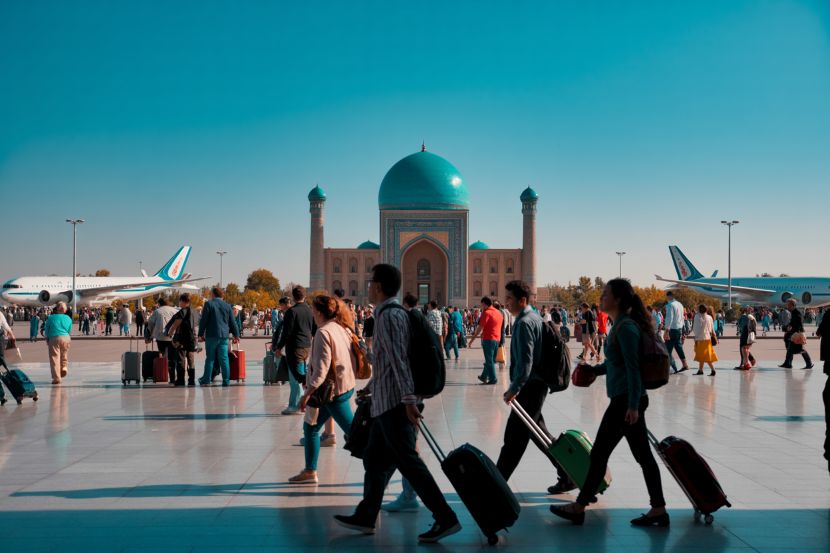
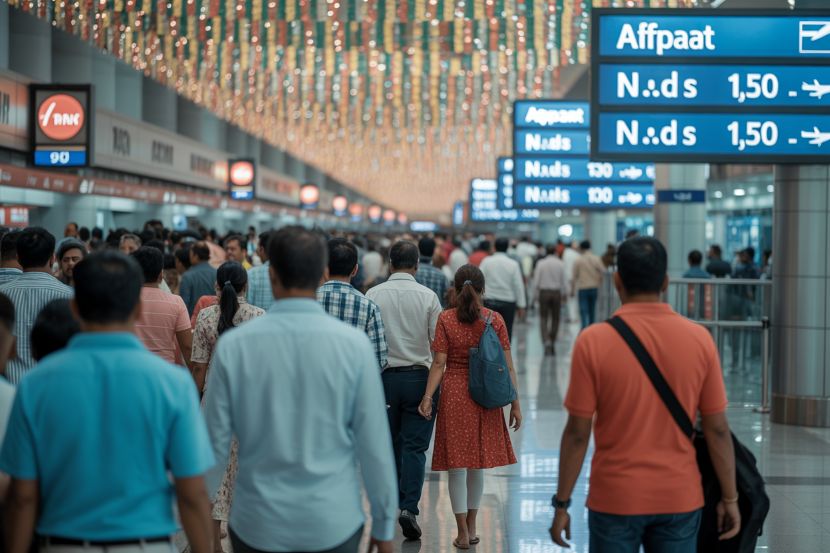
London Gatwick is making a significant move to boost connections between the UK and Central Asia with a new direct flight to Tashkent, the capital of Uzbekistan. Operated by Qanot Sharq, the twice-weekly service began on December 15, 2025, responding to the increasing demand for travel to Central Asia. The new route aims to improve connectivity for passengers traveling from London and the surrounding South East region, providing an easy and direct link to one of the region’s most sought-after destinations.
Rising Popularity of Uzbekistan Among UK Travelers
Tourism to Uzbekistan has surged in recent years, with the country’s tourist numbers rising from just over 2 million in 2017 to more than 10 million in 2024. This growth in visitation aligns with an increasing interest in Central Asia as an emerging travel destination. The new flight service from London Gatwick reflects the wider trend of increased tourism in Uzbekistan, driven by its rich cultural heritage, historical landmarks like the Tamerlane Mausoleum in Samarkand, and a burgeoning local hospitality scene.
For travelers seeking to explore the stunning landscapes, ancient cities, and unique history of Central Asia, this flight marks a fantastic opportunity to reach Tashkent with ease. London Gatwick is already a hub for several Central Asian airlines, and the addition of Qanot Sharq further strengthens the airport’s role in connecting the UK to this exciting and diverse region.
A Competitive Edge for Travelers
With the introduction of this route, Qanot Sharq becomes the fourth airline from Central Asia to operate services from London Gatwick since March 2024. This expansion in air traffic options benefits passengers by offering more choices and competitive airfares to Uzbekistan. Travelers can now expect reliable and frequent services, with two direct flights per week between Gatwick and Tashkent.
The increased competition in the region’s air travel market is likely to create more attractive travel options for tourists. With growing interest in Uzbekistan’s cultural treasures, including the historic Silk Road cities of Bukhara and Khiva, the direct flights to Tashkent provide a vital connection that supports both tourism and business opportunities between the UK and Central Asia.
Why Uzbekistan? A Destination on the Rise
Uzbekistan, home to ancient monuments and vibrant traditions, has seen a steady rise in tourism thanks to its well-preserved cultural sites. The country’s ancient cities, like Samarkand, Bukhara, and Khiva, attract travelers with their stunning architectural heritage, reflecting centuries of history along the famous Silk Road. Known for its remarkable Islamic architecture, Uzbekistan is also gaining attention for its unique cuisine, rich arts scene, and warm hospitality.
Furthermore, Uzbekistan’s growing reputation as an adventurous and culturally rich destination is being bolstered by increased infrastructure investments, including upgraded airports, more hotel options, and a focus on sustainable tourism. For travelers seeking to discover a country with a fascinating history and diverse landscapes, Uzbekistan is becoming a must-visit spot in Central Asia.
Travel Tips for Visiting Uzbekistan
Currency Exchange: Make sure to exchange your currency before arrival as not all places accept credit cards, especially outside major cities.
Cultural Sensitivity: Respect local customs, particularly regarding dress code in religious sites, such as covering shoulders and knees.
Best Time to Visit: Spring (April-June) and Autumn (September-November) are the best seasons for a visit, offering pleasant weather and avoiding the intense summer heat.
Explore Beyond Tashkent: While the capital is a vibrant starting point, make time to explore the historical cities of Samarkand, Bukhara, and Khiva.
How This New Route Boosts Tourism in Uzbekistan
The new flight service from London Gatwick to Tashkent is expected to play a significant role in boosting tourism in Uzbekistan. By improving air connectivity, travelers from the UK can now explore Uzbekistan more conveniently, encouraging increased visitation to the country. As Qanot Sharq strengthens its international network, the increased accessibility of Uzbekistan will likely lead to a rise in tourist arrivals, benefitting local businesses, hotels, and other service sectors in the region.
In addition to tourism, the growing travel links between the UK and Uzbekistan may open up new avenues for business partnerships, trade, and cultural exchanges. As the world continues to recover from the pandemic, Central Asia is positioning itself as a key region for future travel growth, with Uzbekistan leading the charge.
Looking Ahead: A Bright Future for Uzbekistan’s Tourism
The introduction of direct flights from London Gatwick to Tashkent marks just the beginning of what could be a sustained period of growth for the Uzbekistan tourism industry. With continued investment in infrastructure, increased flight services, and a growing reputation as a top travel destination, Uzbekistan’s tourism prospects look promising. The addition of Qanot Sharq to London Gatwick’s flight network is a clear indication that Uzbekistan is on the map for international travelers seeking new and exciting destinations.
The UAE has launched the sixth edition of its popular World’s Coolest Winter campaign, this time under the theme, “Our Winter is Entrepreneurial.” This campaign, which kicked off on December 16, is designed to spotlight the country’s tourism industry, highlighting its unique winter offerings and celebrating local entrepreneurship and innovation. For six weeks, the UAE will be showcasing a range of eco-friendly destinations, green spaces, and experiences created by local startups and entrepreneurs, integrating their services into the broader tourism landscape.
Running until the end of January 2026, the initiative seeks to combine the nation’s rich cultural heritage with modern entrepreneurial innovations, providing tourists with unique and sustainable travel experiences. The campaign is a key part of the UAE Strategy for Domestic Tourism, launched by His Highness Sheikh Mohammed bin Rashid Al Maktoum, and supports the UAE Tourism Strategy 2031.
This major initiative is expected to boost the UAE’s tourism sector and create new investment opportunities, aligning with the country’s vision of becoming a global tourism leader. With its emphasis on sustainability and innovation, the campaign aims to reach new international audiences while enriching the domestic tourism market.
Promoting Local Entrepreneurs and Eco-Tourism Ventures
The World’s Coolest Winter campaign not only focuses on celebrating winter tourism but also highlights the importance of local entrepreneurship in the UAE’s tourism development. This year’s edition underscores the entrepreneurial spirit of UAE-based startups that are making waves in the tourism sector by offering sustainable and eco-conscious travel experiences. Through these initiatives, visitors can explore green spaces, visit eco-tourism destinations, and take part in experiences that promote environmental sustainability.
A significant feature of the campaign is its collaboration with local businesses that have been instrumental in offering unique experiences to tourists. From innovative eco-tourism ventures to locally-run winter festivals, these efforts align perfectly with the country’s goals to create a more diversified and sustainable tourism economy.
Moreover, the UAE’s well-maintained green spaces and innovative eco-friendly projects are featured prominently, offering travelers an alternative way to experience the UAE beyond its bustling urban landscapes. These initiatives reflect the UAE’s commitment to responsible tourism, making it a top destination for those seeking both adventure and sustainability.
The UAE’s Ambitious Tourism Strategy for 2031
The UAE Strategy 2031, a vision for the country’s future growth, is set to be a driving force behind the tourism sector’s development. The strategy aims to generate over AED 100 billion in new tourism investments and attract 40 million hotel guests by 2031. The UAE is also set to significantly boost its tourism GDP contribution to AED 450 billion, increasing its average annual growth by AED 27 billion. This forward-thinking strategy is backed by a wide array of hospitality investments that align with the goals of the World’s Coolest Winter campaign.
As part of these long-term goals, the UAE government is also prioritizing the development of new attractions, investments in smart tourism technology, and building an advanced tourism infrastructure that caters to a diverse range of international visitors. The continued success of initiatives like the World’s Coolest Winter campaign plays a key role in meeting these ambitious targets, showcasing the UAE as both a luxury destination and an innovative hub for sustainable tourism.
Tourism Growth in 2025 and Beyond
In 2025, the UAE tourism sector is already seeing remarkable growth. The first ten months of the year alone saw over 26.1 million guests staying at UAE hotels, which is a 5% increase over the previous year. This surge in tourism resulted in 89 million room nights, with hotel revenues reaching more than AED 40 billion. The country’s hotel occupancy rates have been impressive, rising to 79%, supported by a growing number of international visitors as well as a thriving domestic tourism market.
The ongoing success of the World’s Coolest Winter campaign is expected to further boost these numbers, drawing attention to the unique winter experiences and new entrepreneurial ventures available across the Emirates. As more travelers discover the UAE’s unique blend of culture, innovation, and sustainability, the country is well-positioned to become a leading global tourism destination.
Travel Tips for Visitors
For those planning to visit the UAE during the World’s Coolest Winter campaign, there are several tips to enhance your travel experience:
Explore the Eco-Tourism Destinations: Make sure to visit green spaces and eco-friendly resorts that are part of the campaign.
Support Local Entrepreneurs: Seek out unique experiences and products created by UAE-based startups to support local businesses.
Plan for Winter Adventures: Take advantage of the mild winter weather by participating in outdoor activities like hiking, desert safaris, and visiting the country’s scenic nature spots.
Book Early: Due to high demand during the campaign period, it’s a good idea to book accommodations and tours early to ensure availability.
A Winter of Innovation and Sustainability
As the World’s Coolest Winter campaign celebrates UAE’s innovation, entrepreneurial ventures, and sustainable tourism, it’s clear that the country is making significant strides toward becoming a global tourism leader. With a focus on eco-tourism, green spaces, and the rise of local entrepreneurs, the UAE is crafting a future where travel experiences are not only memorable but also sustainable. Whether you’re visiting for the adventure or to support local businesses, this campaign offers something for everyone.
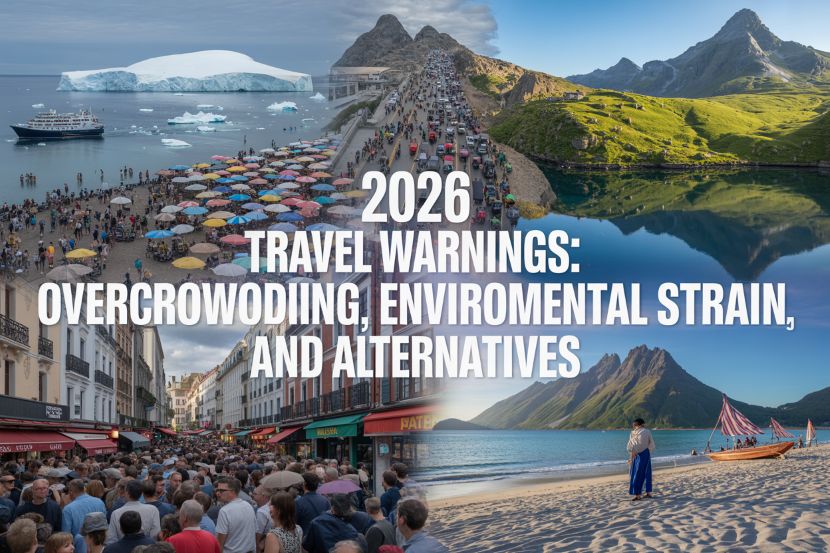
In 2026, Antarctica joins the Canary Islands, Mombasa, Mexico City, Glacier National Park, and other popular destinations on the travel blacklist due to the escalating effects of overtourism and environmental strain. These iconic locations are now facing the consequences of overcrowding, pollution, and ecological damage, making them less ideal for responsible travellers. As more visitors flock to these areas, the impact on local ecosystems, communities, and infrastructure has become undeniable. However, all hope is not lost. In this article, we will explore safer, sustainable alternatives to these tourist hotspots, offering you a chance to enjoy similar experiences without contributing to the environmental crisis. By choosing destinations that prioritize sustainability, you can make a positive difference while still enjoying the beauty of the world’s most remarkable places. Keep reading to find out where you can travel responsibly in 2026, and how to minimize your environmental impact.
Antarctica — Nature in Peril Under Tourist Pressure
Antarctica is no ordinary destination. This frozen continent faces record visitor growth. According to travel experts, Antarctica is on lists urging travellers to rethink visiting in 2026. Experts warn tourism adds stress to its fragile environment and delicate ecosystems. Tourism in Antarctica has surged sharply in the last decade, with figures showing tens of thousands of visitors in recent seasons. Scientists say increased cruise ship noise, carbon emissions, and human activity threaten wildlife like penguins, seals, and seabirds. Even small disturbances to nesting and feeding patterns can have huge impacts. Government travel advisories for Antarctica warn that emergency support and rescue services are limited or non‑existent. Visitors to such remote regions may have no access to rapid medical or evacuation support if something goes wrong. The sheer isolation makes rescue slow or impossible. This combination of environmental fragility and lack of safety infrastructure makes Antarctica one of the most critical places tourists are warned not to visit in 2026.
Glacier National Park — Crowds and Climate Combine to Threaten Wilderness
Glacier National Park in the United States has long been a bucket‑list destination. Yet in 2026, experts urge travellers to rethink visiting because of overtourism and climate change. Park data show that annual visitor numbers more than doubled over the last two decades, putting huge pressure on trails, roads, and natural areas. The famous glaciers — the park’s namesake — have shrunk dramatically, with only a fraction of the ice that existed a century ago. Scientists warn they may disappear entirely soon. Mass tourism accelerates damage by increasing vehicle emissions and trampling fragile soils and vegetation. The park has introduced timed entry systems to manage crowds because congestion was hurting both wildlife and visitor experience. With so many visitors scrambling for photo spots, ecosystems and wildlife are losing ground. When visitor demand causes ecological harm and disrupts natural recovery, experts cite Glacier National Park as one of the key places travellers should rethink for 2026 travel plans.
Canary Islands — Locals Say ‘Stop’ as Overtourism Squeezes Life
The Canary Islands in Spain have been flooded by tourists for years. Despite their beauty, local residents and authorities warn that the islands are suffering from overtourism. Streets, beaches, and towns are crowded beyond carrying capacity. Local protests have erupted because housing prices are rising and services are strained with too many visitors. At peak seasons, roads slow to gridlock and water supplies struggle to meet demand. This strain harms everyday life for residents and destroys what visitors come to see. UNESCO and environmental experts warn that fragile coastal ecosystems are stressed, risking long‑term damage to beaches, dunes, and marine life. Official travel advisories now highlight concerns over congestion and quality of life for residents. When local communities are pushing back, tourists are being told to pause visits — because the social and environmental balance is breaking down. In short, the Canary Islands have become one of the 8 destinations tourists are warned not to visit in 2026.
Mombasa — Coastal Crowd Chaos Harms Locals and Beaches
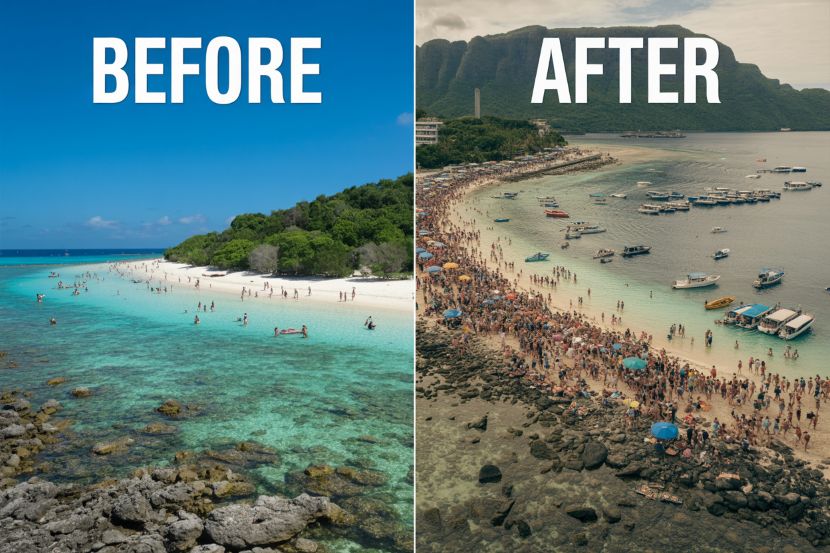
Kenya’s historic port city Mombasa is known for its warm waters, coral reefs, and rich culture. Yet the same allure is creating problems. Cruise ships pack in thousands of day‑tourists, overloading local beaches and services. Streets near ports become congested, sanitation systems are stressed, and noise levels rise. Local residents have voiced complaints about environmental damage to reefs from unregulated water sports and boat traffic. Trash accumulates on once‑pristine beaches because waste management services cannot keep up. Government reports indicate that tourism growth has outpaced infrastructure investment, leaving locals to bear the burden of tourism’s footprint. When locals publicly express frustration and warn visitors that the city is overwhelmed, it signals serious trouble. That’s why Mombasa is among the list of destinations travellers are urged to reconsider in 2026, as the balance between tourism and daily life collapses.
Mexico City — Urban Strain, Rising Prices, and Cultural Erosion
Mexico City, one of the world’s largest metropolises, is also on travel advisories urging caution. Fast‑growing tourism has pushed housing prices up, displaced local communities, and driven short‑term rental booms. Many residents now struggle with living costs as neighbourhoods once affordable become tourist‑oriented and expensive. Local governments warn that infrastructure like water, transport, and waste removal are overwhelmed during peak travel seasons. Traffic congestion tops worst‑in‑the‑world lists, turning simple journeys into hours‑long ordeals. Public safety advisory data highlight increased crime and petty theft in busy urban areas, especially where tourists congregate. Tourists unfamiliar with the city’s complex layout may find themselves targeted by criminals. Combined with rising rent, shrinking authentic culture, and overwhelmed services, Mexico City is now among the top 8 places travellers are warned not to visit in 2026 — unless they carefully plan and stay aware.
Isola Sacra — Cruise Ship Controversy and Local Backlash
Italy’s Isola Sacra near Rome has become a flashpoint because of plans to build a major cruise ship terminal. Environmental groups and residents say the project will harm delicate coastal wetlands and bird habitats. Wetlands are vital for migratory birds and act as natural buffers against erosion and flooding. Official environmental assessments warn that increased ship traffic, fuel emissions, and artificial construction could alter water quality and destroy habitats. Local citizens have staged protests to halt development plans. When a destination’s own residents oppose tourism‑related projects, it suggests serious local concerns about sustainability. Government zoning authorities and environmental ministries are now reviewing the project after public outcry. Until there is clarity and protection for this fragile ecosystem, travellers are being urged to avoid visiting. This makes Isola Sacra part of the controversial list of places warned against for 2026 travel.
Montmartre, Paris — Tourist Crush Drives Locals Out
Montmartre, the historic hilltop neighbourhood in Paris, is beloved for its art studios, cafes, and narrow streets. But even this iconic place now struggles with overtourism. Reports show millions of visitors every year, sometimes more tourists than local residents. This crowd pressure drives up rents and daily costs, forcing many long‑time residents to move away. Traffic congestion and crowds make walking difficult, and local businesses complain that tourist shops are replacing traditional stores. City councils are exploring crowd‑control measures and limits on tours. When residents publicly say they no longer want the same flood of visitors that once defined their economy, it signals a shift. Montmartre now often feels more like an amusement zone than a living village. That’s why travel advisories and expert guides suggest that tourists reconsider visiting Montmartre in 2026 to allow the neighbourhood to recover its unique character.
Jungfrau Region — Alpine Beauty Under Threat from Mass Visitation
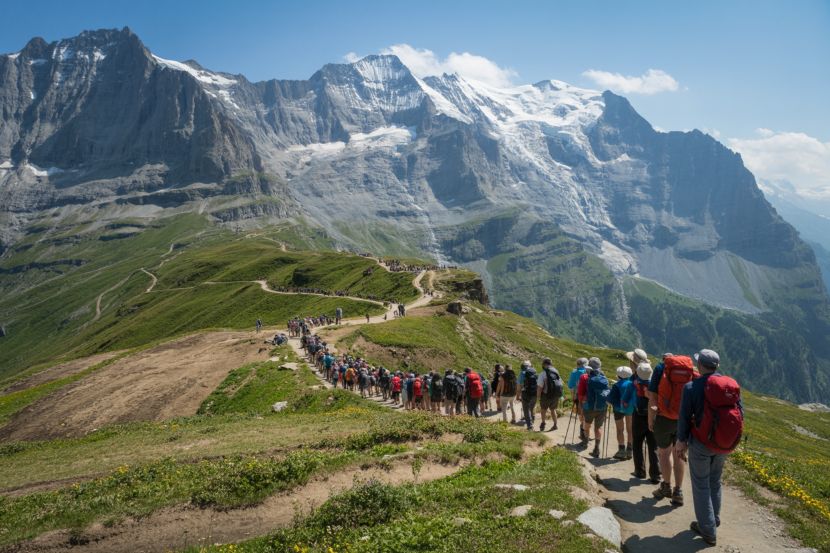
Switzerland’s Jungfrau region is renowned for majestic mountains and alpine scenery. However, the surge of travellers has put intense pressure on local transport, trails, and nature reserves. Local councils report overcrowded hiking paths and mountain trains running at capacity daily. Alpine meadows are trampled, and delicate high‑altitude flora struggles to recover between peak seasons. Authorities have had to restrict access to sensitive areas to protect the landscape. Rising tourism also drives housing prices up, forcing seasonal workers to live far from their jobs. When visitors flood into small mountain communities, local services like healthcare, waste removal, and transport become strained. Officials are now debating whether to cap visitor numbers or implement tourist taxes to manage demand. Because the local economy and environment are at risk from unrestrained tourism, the Jungfrau region is included in advisory discussions as one of the destinations travellers might want to avoid in 2026.
Travel Alternatives and Solutions: Sustainable Travel Choices for 2026
As tourism continues to boom, some of the world’s most beloved destinations are facing severe environmental and social strains. However, there are many equally captivating yet less overrun destinations offering visitors the chance to explore without contributing to overcrowding, resource depletion, or environmental degradation. In this section, we’ll explore alternative destinations for each of the eight places warned against in 2026, alongside responsible travel tips to ensure that your travels benefit both you and the destination.
Alternative to the Canary Islands: The Balearic Islands or Basque Country
While the Canary Islands have become overwhelmed with tourists, Spain offers stunning alternatives that remain less impacted by mass tourism. The Balearic Islands, including Mallorca, Menorca, and Ibiza, are breathtakingly beautiful yet much more manageable in terms of tourism pressure. These islands boast crystal-clear waters, picturesque villages, and scenic landscapes, offering the perfect balance between beauty and tranquility.
Alternatively, the Basque Country in northern Spain provides a more culturally rich and authentic experience, featuring coastal beauty in cities like San Sebastián and the charming medieval town of Getaria. Known for its unique cuisine, traditional festivals, and stunning beaches, the Basque Country is a great choice for travelers seeking a more peaceful yet equally immersive destination.
Responsible Travel Tips:
Choose less touristy spots: Instead of visiting the most popular beaches, opt for quieter, hidden gems like Cala Mondragó in Mallorca or Zumaia in the Basque Country.
Support local businesses: Stay in locally-owned guesthouses and dine at family-run restaurants to keep the tourism dollars within the local economy and reduce the corporate footprint.
Respect cultural practices: In the Basque Country, be mindful of local customs such as the siesta, and respect traditional ways of life to avoid overwhelming the community.
Alternative to Glacier National Park: Grand Teton National Park
The immense crowds at Glacier National Park in Montana have been putting the park’s fragile ecosystems under pressure. For those seeking stunning mountain scenery and hiking opportunities without the crowds, Grand Teton National Park in Wyoming offers similarly spectacular landscapes. The park is renowned for its rugged mountain terrain, pristine lakes, and abundant wildlife, including bison, elk, and grizzly bears, while still being less crowded compared to Glacier.
Responsible Travel Tips:
Plan visits in the off-season: To minimize your environmental impact, avoid peak tourist seasons. Visiting during shoulder seasons (late spring or early fall) helps alleviate overcrowding.
Stick to marked trails: Avoid wandering off established paths to prevent damage to sensitive vegetation and ecosystems. Always stay on designated routes to help preserve the landscape.
Alternative to Mexico City: Oaxaca City
Mexico City is facing significant overcrowding, rising costs, and increasing pollution levels, making it a challenging destination for responsible tourists. However, Oaxaca City in southern Mexico offers a less crowded alternative that still provides rich culture, incredible food, and vibrant traditions. Known for its colonial architecture, indigenous art, and world-renowned cuisine, Oaxaca also boasts fewer tourists, allowing for a more authentic experience.
Responsible Travel Tips:
Use public transportation: Mexico City’s traffic congestion is notorious. To avoid contributing to pollution, opt for sustainable travel options like local buses, bikes, or subways in Oaxaca, where transportation is well-connected and eco-friendly.
Visit cultural landmarks responsibly: Oaxaca’s artisans and cultural landmarks are central to local identity. Support traditional handicrafts by buying directly from local artisans, ensuring fair wages for their craft.
Alternative to Mombasa: Diani Beach or Lamu Island
While Mombasa is suffering from overcrowding and pollution, Kenya offers several alternatives with equally stunning beaches and cultural richness. Diani Beach, located further south along the Kenyan coast, is known for its white sandy beaches, crystal-clear waters, and peaceful atmosphere, making it a perfect alternative to Mombasa’s crowded shores. Alternatively, Lamu Island, a UNESCO World Heritage site, offers historical charm with a blend of Swahili culture, tranquil beaches, and laid-back vibes.
Responsible Travel Tips:
Choose eco-conscious resorts: Stay at eco-friendly resorts that emphasize waste management and energy conservation, like those in Diani or Lamu.
Respect local wildlife: Lamu Island is home to endangered species like the green turtle. Avoid activities like turtle-watching that disrupt their nesting, and always choose wildlife-friendly tours.
Alternative to Isola Sacra: Sardinia
Isola Sacra in Italy is facing significant opposition due to development plans that threaten local ecosystems. Instead of visiting this controversial destination, consider Sardinia, which offers a similar Mediterranean experience without the large-scale development. Sardinia is famous for its crystal-clear waters, rugged mountains, and ancient ruins, providing a rich experience steeped in culture, history, and natural beauty.
Responsible Travel Tips:
Explore rural areas: Sardinia’s inland areas, such as Barbagia, are less affected by mass tourism and offer a more authentic Italian experience.
Preserve the environment: The island’s beaches are natural treasures. Be sure to follow the Leave No Trace principles by avoiding plastic waste and respecting wildlife.
Alternative to the Jungfrau Region: Dolomites, Italy
The Jungfrau region in Switzerland, while stunning, suffers from over-tourism, especially in high-traffic areas like Zermatt and Grindelwald. For those seeking an alternative, the Dolomites in northern Italy offer equally breathtaking landscapes, with dramatic peaks, lush valleys, and a quieter, less crowded experience. The region is renowned for its skiing and hiking opportunities, offering magnificent views year-round, but with a more relaxed atmosphere compared to the Alps.
Responsible Travel Tips:
Reduce your carbon footprint: Instead of using cars to navigate the Dolomites, take advantage of local transportation options like buses and trains, which reduce emissions.
Stay in eco-friendly hotels: Many hotels in the Dolomites use renewable energy and practice sustainable tourism to help protect the environment. Opt for these accommodations to minimize your footprint.
Alternative to Montmartre: Lyon
Montmartre, a major tourist hub in Paris, has become overwhelmed by visitors, leading to concerns about overcrowding and the loss of local charm. A great alternative is Lyon, which offers the same charming ambiance with fewer tourists. Known as the food capital of France, Lyon boasts beautiful architecture, UNESCO-listed Old Town, and vibrant culture, making it a perfect alternative to the more commercialized Parisian districts.
Responsible Travel Tips:
Embrace slow travel: Take time to explore the local neighborhoods of Lyon, supporting independent shops, cafes, and galleries. This will help sustain the city’s authentic cultural landscape.
Respect local customs: Lyon is known for its traditional culture. Always be mindful of dining etiquette, especially when enjoying the city’s renowned culinary delights.
Alternative to Antarctica: New Zealand
Instead of contributing to the environmental strains in Antarctica, why not head to New Zealand, another destination with awe-inspiring landscapes, though with far fewer environmental concerns? Known for its pristine national parks, incredible wildlife, and dramatic fjords, New Zealand offers a similar sense of adventure and discovery without the environmental risks associated with increasing tourism in polar regions.
Responsible Travel Tips:
Choose eco-tours: New Zealand is home to many eco-conscious tours that emphasize sustainability and education about local ecosystems.
Minimize waste: Adopt a zero-waste approach by carrying reusable water bottles, avoiding single-use plastics, and recycling whenever possible.
Conclusion: Embrace Sustainable Travel Choices
By choosing alternative destinations and practicing responsible travel, you can explore the world while preserving its beauty and cultural integrity. Whether you’re heading to less crowded regions of Spain, venturing into New Zealand’s natural wonders, or embracing sustainable practices in destinations like the Dolomites, every choice matters. As travellers, it’s our responsibility to reduce our impact on the places we visit. By making informed, sustainable decisions, we can continue to enjoy the world’s treasures without contributing to their decline.
As the holiday season draws closer, travelers are always on the lookout for budget-friendly options that allow them to celebrate without breaking the bank. According to the latest data from Agoda, India’s most affordable domestic flight route for the 2025 festive season is the Guwahati-Agartala route, priced as low as INR 1,300. For those planning international getaways, the Ahmedabad–Bangkok route offers incredibly competitive fares, starting from just INR 6,500. These routes are not only cost-effective but also provide an excellent opportunity for travelers to explore new destinations, all while saving money during the peak holiday travel period.
Guwahati–Agartala stands out as the third most affordable domestic flight route in Asia. This is part of a broader trend that highlights some of Asia’s most budget-friendly routes for holiday travelers. Other low-cost options in Asia include Thailand’s Udon Thani-Bangkok route at INR 536, and South Korea’s Jeju-Seoul and Malaysia’s Bario-Miri routes, both priced at INR 805.
For international travelers, the Ahmedabad–Bangkok route offers fantastic savings, especially for those looking to experience Bangkok’s vibrant holiday atmosphere. This is a prime example of how travelers can take advantage of discounts and still enjoy some of the world’s most popular destinations without spending a fortune.
Budget-Friendly Domestic Flights for the Festive Season
The Guwahati-Agartala route has captured attention not only within India but across Asia for its affordability. At just INR 1,300, it offers one of the lowest fares, making it a prime choice for those looking to explore more of India without overpaying. Other affordable domestic routes in Asia include those in Indonesia, Vietnam, Japan, and Taiwan.
These low-cost routes provide travelers with the perfect opportunity to explore nearby regions during the bustling holiday season. India, known for its diverse culture and rich history, has seen a surge in travel to various cities, and these affordable routes help ease the financial burden of traveling during peak periods.
Affordable International Flight Options for Indian Travelers
When it comes to international travel, the Ahmedabad–Bangkok route is a standout. With prices starting as low as INR 6,500, this flight offers travelers the chance to visit Bangkok’s stunning cultural celebrations, markets, and festive lights. As one of the most affordable international routes from India, it allows visitors to experience the charm of one of Asia’s most dynamic cities during one of its most magical times of the year.
Other highly affordable international options from India include flights to Malaysia, Indonesia, and South Korea. With routes like Johor Bahru–Phuket and Pontianak–Kuching available at INR 2,200, travelers have access to scenic island escapes and beautiful beaches. These affordable flights make it possible for holiday-goers to enjoy the festive season in sunnier climes, all without breaking their budget.
How to Find the Best Flight Deals for Your Holiday Travel
Planning ahead is crucial when it comes to securing affordable holiday flights. While last-minute bookings can sometimes yield deals, Agoda’s data suggests that travelers who booked flights from September 2025 onwards for December 20-31 departures found significant savings.
For domestic routes, it’s worth looking at flights within India, such as Guwahati-Agartala and Bangalore-Hyderabad, as they offer remarkable value compared to international options. On the international front, Ahmedabad–Bangkok stands out for its affordability and the festive spirit that the city offers.
Travel tips for booking affordable flights:
Book early: Booking in advance can often unlock better deals, especially for peak season travel.
Be flexible with dates: Sometimes shifting your travel dates by just a few days can lead to substantial savings.
Use trusted travel platforms: Platforms like Agoda can help identify the most affordable options for domestic and international flights.
Consider nearby airports: If you’re flying internationally, consider routes that fly into nearby airports, as they can sometimes offer better deals than major city airports.
The Benefits of Choosing Budget Travel Routes
Choosing budget travel routes doesn’t mean compromising on the experience. Whether you are heading to Agartala for a quiet escape or to Bangkok for vibrant celebrations, there’s much to enjoy on a budget. The affordability of these routes allows travelers to put more money towards activities, sightseeing, and local experiences.
India’s affordable flight routes to both domestic and international destinations open up exciting opportunities for those wanting to explore new regions, cultural festivals, or just enjoy a relaxing break.
Wrapping Up the Best Deals for the Year-End Holiday Season
As the holiday season approaches, Agoda’s flight route insights offer excellent opportunities for Indian travelers looking to make the most of their year-end vacations. With budget-friendly options like Guwahati-Agartala and Ahmedabad–Bangkok, this festive season can be more affordable than ever.
By selecting these affordable routes, travelers can enjoy the best of India’s domestic attractions or experience Asia’s festive culture without overspending. With careful planning and an eye for budget-friendly options, you can ensure your year-end holiday remains both memorable and economical.
In recent years, domestic tourism in Malaysia has been on a remarkable growth trajectory. The country has seen a 28% year-on-year increase in local travel, a trend that continues to fuel the national tourism industry as the Visit Malaysia 2026 campaign gears up to attract 47 million international visitors. The rise in domestic tourism is also partially attributed to various discounts, special offers, and value-added experiences available across the country. As Malaysians increasingly turn to local destinations for their holidays, places like Kuala Lumpur, Sabah, Penang, Johor, and Sarawak are emerging as the nation’s preferred travel spots.
The Popularity of Local Getaways in 2025
For many Malaysians, exploring their own country has become just as appealing as venturing abroad. According to data from Trip.Best, the curated travel platform powered by a combination of AI and human expertise, local hotspots like Kuala Lumpur and Sabah have seen a surge in visits this year. These destinations have gained significant popularity due to their rich culture, scenic beauty, and family-friendly accommodations, further boosting the tourism sector.
Despite the growing interest in international travel, especially within Southeast Asia, domestic tourism remains strong. Sabah and Sarawak, both known for their rich biodiversity and unique experiences, have seen remarkable growth in visitor numbers. Furthermore, many of the tourists exploring these destinations are looking for immersive, experiential travel—a shift from traditional sightseeing to more engaging and authentic experiences.
Kuala Lumpur Continues to Attract International Tourists
While Kuala Lumpur remains a top destination for international visitors, local tourism trends indicate a significant shift towards exploring other regions of the country. Cities like Penang, with its vibrant food culture, and Johor, offering a mix of urban and nature experiences, are proving to be growing favourites among Malaysians looking for weekend getaways. These cities are particularly popular among families, with hotels offering child-friendly activities and entertainment.
Interestingly, the focus is not solely on urban centres. Regions such as Sabah and Sarawak are fast becoming go-to places for nature lovers and adventure enthusiasts. Visitors are increasingly seeking places where they can enjoy outdoor adventures, including trekking, wildlife spotting, and exploring lush rainforests and remote islands.
International Tourism Trends and Regional Travel Growth
As international travel rebounds across Southeast Asia, Malaysia remains a strong contender for regional travellers, with significant numbers of arrivals from China, Singapore, Indonesia, and Thailand. According to the Trip.Best South-East Asia travel trends report, China tops the list of inbound markets, with Chongqing, in particular, seeing a significant rise in interest from Malaysian tourists.
The global shift towards experiential travel is evident as Southeast Asian travellers opt for destinations offering unique cultural and natural experiences. Malaysia’s diverse offerings, ranging from its bustling cities to tranquil islands and rainforests, have positioned it as a highly attractive destination for both local and international visitors.
Tourism Insights and What Travelers Should Know
For those planning their travels in 2026, there are several key trends that are shaping the future of tourism in Malaysia. Family-focused holidays are on the rise, with searches for family-friendly accommodations and activities seeing a sharp increase. Kuala Lumpur, Sabah, and Penang are the top cities that feature on most domestic travel itineraries. If you’re planning a trip in 2026, don’t miss out on the special offers and promotions that will likely accompany the Visit Malaysia 2026 campaign, making it an ideal time to explore the hidden gems of this vibrant country.
Tips for Tourists Visiting Malaysia
Explore Beyond the Big Cities: While Kuala Lumpur is a must-see, regions like Sabah, Sarawak, and Penang offer rich cultural experiences and beautiful landscapes.
Book in Advance: Malaysia’s tourism scene is booming. To get the best rates, especially for family-friendly hotels and activities, booking ahead can help secure great deals.
Immerse in Local Culture: Whether it’s trying local delicacies, participating in cultural festivals, or visiting natural reserves, Malaysia offers a wide array of authentic experiences.
Travel Tips for 2026
Check for Special Deals: As part of the Visit Malaysia 2026 campaign, many attractions and hotels are expected to offer discounts and complimentary perks.
Family-Friendly Activities: Malaysia is increasingly catering to families. Look for hotels and destinations that offer engaging activities for children.
Intra-Asean Travel: The trend towards Southeast Asian travellers visiting other ASEAN nations is expected to continue, making it a great time to visit Malaysia for a regional vacation.
What’s Next for Malaysia’s Tourism Industry?
Looking ahead, Malaysia’s tourism industry is on track for continued growth, with domestic tourism playing a pivotal role. The rise of local tourism is providing significant benefits to both well-established and emerging destinations. As more people opt for shorter, more affordable holidays within Malaysia, the country’s tourism sector is set to see long-term growth, thanks to its rich cultural offerings, diverse landscapes, and increasing accessibility.
With the support of initiatives like Visit Malaysia 2026, local and international visitors alike can look forward to a diverse range of new experiences, discounts, and an ever-expanding list of destinations to explore.
Singapore has seen a significant uptick in luxury spending, with Indian tourists at the forefront. In the first half of 2025, visitors from India contributed a staggering SGD 812 million to the city-state’s luxury goods market. This marks a 4.4% increase from the same period last year, as Indian travellers continue to play a pivotal role in shaping the demand for high-end products. Despite global declines in luxury spending, Singapore’s retail market remains buoyant, with Indian tourists emerging as one of the biggest contributors to the country’s luxury retail landscape.
Indian Tourists’ Impact on Singapore’s Retail Scene
Indian nationals have been frequenting Singapore for not only its cultural landmarks but also its bustling retail hubs. In particular, the famous Orchard Road area, known for its upscale malls and designer boutiques, has seen an influx of Indian shoppers. These tourists, often on high-end shopping sprees, have helped to bolster the city’s luxury spending, which stands in contrast to the global downturn in premium product purchases.
Indian shoppers have long been key players in Singapore’s luxury goods market. Whether it’s fashion, jewellery, or electronics, they continue to support the high-end retail sector in a major way. The recent tourism statistics reflect this sustained demand, signaling that the Indian market remains a top priority for retailers seeking to tap into a lucrative consumer base.
The Role of Singapore’s Tourism and Retail Associations
The rise in luxury spending by Indian tourists has been backed by Singapore’s robust tourism and retail infrastructure. The Singapore Tourism Board and the Orchard Road Business Association have been key facilitators, ensuring that the city remains an attractive shopping destination for international tourists. Through strategic promotions and exclusive offers, they have capitalized on the increasing interest from Indian travellers, particularly those visiting for leisure and business combined.
This surge in luxury spending also reflects broader trends in global tourism, where Indian tourists are becoming more discerning in their travel choices, prioritizing experiences that offer exclusive access to premium brands and services. Singapore, with its reputation for luxury, has become a natural extension of these evolving preferences.
Travel Tips for Luxury Shoppers in Singapore
For Indian tourists visiting Singapore and looking to indulge in luxury goods, here are some tips to maximize the experience:
Plan ahead for major shopping events: Singapore hosts various shopping festivals and sales events, like the Great Singapore Sale and special Orchard Road promotions. These events often offer discounts on luxury items, so keep an eye on the dates and promotions.
Explore diverse shopping destinations: While Orchard Road is the hub of luxury shopping, don’t overlook other high-end destinations like The Shoppes at Marina Bay Sands and ION Orchard for a more exclusive selection of goods.
Take advantage of tax refunds: Singapore offers tax refunds for tourists on certain purchases. Be sure to check for eligibility at participating stores to enjoy this benefit.
Experience the retail ambiance: Luxury shopping in Singapore is not just about purchasing items—it’s also about enjoying the experience. Take the time to explore the elaborate store designs and personalized services that make shopping a true experience in itself.
Don’t forget the gourmet treats: After a long day of shopping, treat yourself to some fine dining at top restaurants in the city, many of which are located along Orchard Road and Marina Bay. These places offer a luxurious dining experience that complements the shopping journey.
Beyond Shopping: Indian Tourists Exploring Singapore’s Attractions
While luxury shopping is a major draw, Indian tourists are also embracing other facets of Singapore’s tourism scene. The city-state boasts a rich cultural heritage, stunning parks like Gardens by the Bay, and iconic attractions such as Marina Bay Sands and the Singapore Flyer. For those looking for a balance of luxury shopping and cultural exploration, Singapore is the perfect blend.
In fact, many tourists extend their stay to explore the sights and sounds of Singapore beyond the shopping malls. Attractions such as Sentosa Island, the Singapore Zoo, and the Botanic Gardens make Singapore a well-rounded destination for tourists seeking both retail therapy and natural beauty.
The Future of Luxury Tourism in Singapore
Looking ahead, the future of luxury tourism in Singapore looks promising, with Indian tourists continuing to lead the way. As global tourism recovers and travel patterns shift, it is expected that Singapore’s luxury retail sector will remain resilient, bolstered by the spending power of Indian tourists.
The government and industry stakeholders will likely continue to invest in creating exclusive experiences for high-end shoppers, ensuring that Singapore retains its position as a top destination for global luxury spenders. For Indian travellers, the growing selection of luxury products, along with the vibrant tourism experiences, will only enhance the city’s appeal in the years to come.
Wrapping Up: A Hub for High-End Shoppers
The rise of luxury spending in Singapore is a clear indicator of the growing influence of Indian tourists on global tourism trends. With an increasing appetite for high-end products and exclusive experiences, Indian shoppers are helping Singapore defy global retail challenges. As the trend continues to flourish, both the tourism and retail sectors will likely benefit from the ongoing influx of affluent Indian travellers.
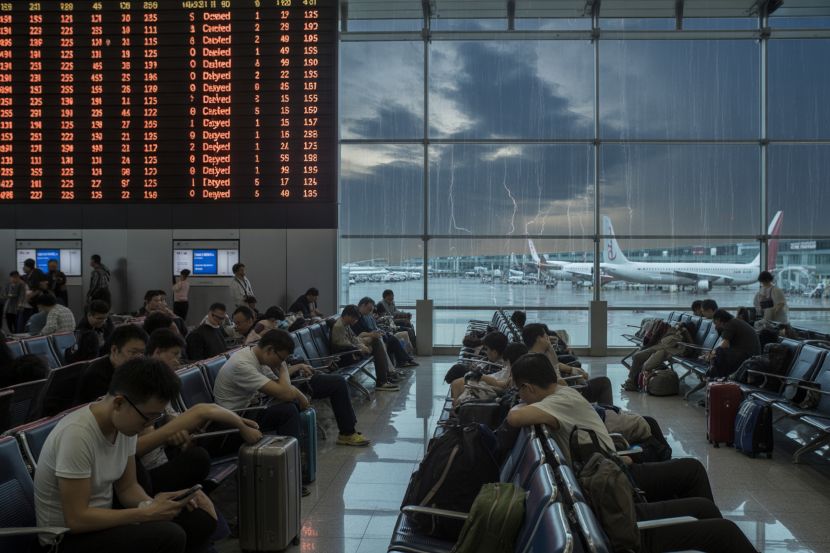
In a significant blow to air travel, three major Asian airlines—Shenzhen Airlines, Batik Air, and Pakistan Airlines—have been forced to cancel several flights across key domestic and international routes due to bad weather conditions. This disruption has affected a wide range of passengers, causing delays, cancellations, and massive inconvenience. The ripple effect of these cancellations is also expected to impact local tourism industries in the affected regions. In this article, we break down the details of these cancellations, the affected regions, and what you need to know if you’re planning to travel with these airlines.
Flight Cancellations Due to Bad Weather: How Many Flights Were Affected?
The disruption caused by bad weather has led to the cancellation of numerous flights from these three airlines, primarily affecting travelers within and outside Asia. Here is an overview of the affected flights:
Shenzhen Airlines
Total Flights Cancelled: 20
Aircraft Type: A320 and ATR
Regions Affected: Key routes including those connecting mainland China with other Asian countries have been disrupted. The flight cancellations have primarily occurred in areas prone to severe weather conditions, especially in airports like Beijing, Shenzhen, and Guangzhou.
Flight Number
Aircraft Type
Origin Airport
Destination Airport
Scheduled Departure Time
CSZ8696
B738
Nantong (NTG / ZSNT)
Guangzhou Baiyun Int’l (CAN / ZGGG)
Tue 07:25AM CST
CSZ8691
B738
Guangzhou Baiyun Int’l (CAN / ZGGG)
Nantong (NTG / ZSNT)
Tue 07:35AM CST
CSZ9821
B738
Guangzhou Baiyun Int’l (CAN / ZGGG)
Wuxi (WUX / ZSWX)
Tue 08:15AM CST
CSZ9373
B738
Nanning Wuxu Int’l (NNG / ZGNN)
Nanjing Lukou Int’l (NKG / ZSNJ)
Tue 08:15AM CST
CSZ9822
B738
Wuxi (WUX / ZSWX)
Guangzhou Baiyun Int’l (CAN / ZGGG)
Tue 11:20AM CST
CSZ9374
B738
Nanjing Lukou Int’l (NKG / ZSNJ)
Nanning Wuxu Int’l (NNG / ZGNN)
Tue 11:30AM CST
CSZ8166
B738
Wuxi (WUX / ZSWX)
Yuncheng (YCU / ZBYC)
Tue 01:55PM CST
CSZ8431
A320
Chengdu Tianfu Int’l (TFU / ZUTF)
Lanzhou Zhongchuan International (LHW / ZLLL)
Tue 03:00PM CST
CSZ9387
B738
Nanning Wuxu Int’l (NNG / ZGNN)
Zhengzhou Xinzheng Int’l (CGO / ZHCC)
Tue 03:10PM CST
CSZ8575
A320
Nanjing Lukou Int’l (NKG / ZSNJ)
Changsha Huanghua Int’l (CSX / ZGHA)
Tue 03:25PM CST
CSZ9275
A320
Xi’an Xianyang Int’l (XIY / ZLXY)
Huizhou Pingtan Airport (HUZ / ZGHZ)
Tue 03:55PM CST
CSZ9260
B738
Nantong (NTG / ZSNT)
Xi’an Xianyang Int’l (XIY / ZLXY)
Tue 04:25PM CST
CSZ8525
B738
Wuxi (WUX / ZSWX)
Guiyang Longdongbao (KWE / ZUGY)
Tue 04:35PM CST
CSZ8165
B738
Yuncheng (YCU / ZBYC)
Wuxi (WUX / ZSWX)
Tue 04:45PM CST
CSZ9547
B738
Wuxi (WUX / ZSWX)
Chengdu Shuangliu Int’l (CTU / ZUUU)
Tue 05:00PM CST
CSZ8432
A320
Lanzhou Zhongchuan International (LHW / ZLLL)
Chengdu Tianfu Int’l (TFU / ZUTF)
Tue 05:40PM CST
CSZ8576
A320
Changsha Huanghua Int’l (CSX / ZGHA)
Nanjing Lukou Int’l (NKG / ZSNJ)
Tue 06:00PM CST
CSZ9375
B738
Nanning Wuxu Int’l (NNG / ZGNN)
Nanjing Lukou Int’l (NKG / ZSNJ)
Tue 06:05PM CST
CSZ9388
B738
Zhengzhou Xinzheng Int’l (CGO / ZHCC)
Nanning Wuxu Int’l (NNG / ZGNN)
Tue 06:40PM CST
CSZ9172
B738
Nantong (NTG / ZSNT)
Beijing Capital Int’l (PEK / ZBAA)
Tue 06:45PM CST
Batik Air
Total Flights Cancelled: 3
Aircraft Type: A320
Regions Affected: Flights operating out of Jakarta-Soekarno-Hatta International Airport have been the most affected, particularly those heading to Yogyakarta and other popular tourist destinations in Indonesia.
Flight Number
Aircraft Type
Origin Airport
Destination Airport
Scheduled Departure Time
BTK6231
A320
Sultan Hasanuddin Int’l (UPG / WAAA)
Jakarta-Soekarno-Hatta Int’l (CGK / WIII)
Mon 09:15PM WITA
BTK7533
A320
Jakarta-Soekarno-Hatta Int’l (CGK / WIII)
Yogyakarta International Airport (YIA / WAHI)
Tue 08:10AM WIB
BTK7540
A320
Yogyakarta International Airport (YIA / WAHI)
Jakarta-Soekarno-Hatta Int’l (CGK / WIII)
Tue 10:00AM WIB
Pakistan Airlines
Total Flights Cancelled: 6
Aircraft Type: ATR and A320
Regions Affected: Multiple domestic routes were impacted, with Islamabad International Airport and Gilgit Airport facing operational slowdowns. The routes to Multan and Karachi were also disrupted.
Flight Number
Aircraft Type
Origin Airport
Destination Airport
Scheduled Departure Time
PIA601
ATR
Islamabad International Airport (ISB / OPIS)
Gilgit (GIL / OPGT)
Tue 07:10AM PKT
PIA602
ATR
Gilgit (GIL / OPGT)
Islamabad International Airport (ISB / OPIS)
Tue 09:15AM PKT
PIA330
A320
Jinnah Int’l (KHI / OPKC)
Multan Int’l (MUX / OPMT)
Tue 09:40AM PKT
PIA603
ATR
Islamabad International Airport (ISB / OPIS)
Gilgit (GIL / OPGT)
Tue 11:20AM PKT
PIA331
A320
Multan Int’l (MUX / OPMT)
Jinnah Int’l (KHI / OPKC)
Tue 12:50PM PKT
PIA604
ATR
Gilgit (GIL / OPGT)
Islamabad International Airport (ISB / OPIS)
Tue 01:25PM PKT
Key Airports Affected
The weather-related flight cancellations have led to disruptions at the following major airports:
Shenzhen Airlines
Beijing Capital International Airport (PEK / ZBAA)
Shenzhen Bao’an International Airport (SZX / ZGSZ)
Guangzhou Baiyun International Airport (CAN / ZGGG)
Batik Air
Jakarta-Soekarno-Hatta International Airport (CGK / WIII)
Yogyakarta International Airport (YIA / WAHI)
Pakistan Airlines
Islamabad International Airport (ISB / OPIS)
Gilgit Airport (GIL / OPGT)
Multan International Airport (MUX / OPMT)
Key Regions Affected
Several regions across Asia have felt the impact of these flight cancellations, leading to inconvenience for both local passengers and tourists alike:
Shenzhen Airlines
Beijing: With significant cancellations affecting both domestic and international flights, Beijing is experiencing logistical difficulties, particularly during high travel seasons.
Shenzhen: A major hub for Shenzhen Airlines, flight cancellations here have impacted travelers connecting to other parts of China and Asia.
Guangzhou: As a busy hub, cancellations at Guangzhou Baiyun International have caused delays and disruptions for many inbound and outbound international flights.
Batik Air
Jakarta: With multiple cancellations from Jakarta-Soekarno-Hatta International, passengers traveling between Jakarta, Yogyakarta, and other major Indonesian cities have been affected.
Yogyakarta: A popular destination for both local and international tourists, Yogyakarta is seeing delays as flights from Jakarta and other areas are canceled or rerouted.
Pakistan Airlines
Islamabad: Major cancellations at Islamabad International Airport have caused delays on flights from Islamabad to multiple destinations across Pakistan.
Gilgit: Due to severe weather, flights to and from Gilgit have been canceled, affecting the northern region of Pakistan, a hotspot for adventure tourism.
Multan: Cancellations on domestic flights out of Multan have disrupted local business and tourism activities, particularly affecting those traveling for events and business purposes.
Affected Routes and Cities
Shenzhen Airlines
Beijing to Shenzhen: Affected by cancellations due to heavy rains and winds disrupting flight schedules.
Shenzhen to Guangzhou: Major disruptions were seen, with flight delays and cancellations impacting travelers between these major cities.
Guangzhou to Beijing: Weather-related cancellations have affected travelers commuting between these two key cities in China.
Batik Air
Jakarta to Yogyakarta: Frequent cancellations have disrupted flights between Jakarta, Indonesia’s capital, and Yogyakarta, a key cultural destination in Java.
Yogyakarta to Jakarta: The return route also faced cancellations, affecting inbound and outbound travel between these key tourism cities.
Pakistan Airlines
Islamabad to Gilgit: Flights between these two popular destinations for adventure tourism were canceled, leading to major inconvenience for tourists heading to the mountainous region.
Islamabad to Multan: Cancellations have impacted business and leisure travel, with numerous flights between Islamabad and Multan being delayed.
Karachi to Multan: This domestic route was also affected, with numerous passengers stranded due to adverse weather conditions.
Passenger Struggles: Navigating the Chaos of Flight Cancellations
For travelers caught in the whirlwind of flight cancellations, the impact has been nothing short of disruptive. Passengers are facing extreme delays, flight cancellations, and missed connections, with many left stranded in airports for hours, if not days. As weather conditions worsen, particularly in high-risk areas like Beijing, Jakarta, and Islamabad, communication from airlines has been sparse, leaving travelers scrambling for information on rebooking options.
Many passengers, whose plans were meticulously arranged months in advance, have found their vacations or business trips shattered by these cancellations. Without clear guidance or timely updates, frustration levels are at an all-time high. Airlines, despite their best efforts to accommodate affected travelers, are facing overwhelming demand, and seats on alternate flights are often unavailable or far out in the future.
What You Can Do: Practical Advice for Affected Passengers
Stay Proactive and Stay Informed: The first step in managing flight disruptions is to stay on top of your flight’s status. Use airline apps, official websites, and flight tracking services to get real-time updates. Don’t wait for airlines to contact you—take the initiative to rebook flights as soon as cancellations are announced.
Explore Flexible Travel Options: For those whose flights are canceled, flexibility can be the key to finding a way out. Consider alternative travel routes, whether by train, bus, or even renting a car. In some cases, nearby airports may have open flights that can get you to your destination.
Secure Accommodation and Keep Calm: If stranded, many airports provide designated rest areas for passengers. Check the airport for any services or lounges offering temporary refuge. If these are unavailable, look into last-minute hotel bookings near the airport or ask the airline for assistance in arranging accommodations. Keep calm and prioritize your well-being as you wait for the next available flight.
Know Your Rights: Familiarize yourself with passenger rights related to cancellations and delays. Airlines may offer compensation, such as meal vouchers, hotel accommodations, or refunds. It’s essential to know what’s available to you to reduce the financial strain of extended waiting times.
How Local Tourism Is Bearing the Brunt of the Disruption
The ripple effect of flight cancellations doesn’t end with inconvenienced passengers; the tourism industry in affected regions has also felt the heat. Destinations that rely heavily on air travel—such as Yogyakarta, Gilgit, and Guangzhou—are seeing a sharp decline in visitor numbers. These cities, known for their unique cultural experiences and adventure tourism opportunities, are suffering the consequences of these travel disruptions.
Local businesses, including hotels, restaurants, and tour operators, are witnessing a dip in foot traffic and bookings. Seasonal travelers, particularly those in search of adventure or cultural enrichment, have been forced to cancel or postpone their plans. While the immediate impact is harsh, it also presents an opportunity for local tourism to adapt and recover.
What Local Businesses Can Do
Promote Alternative Attractions: Destinations affected by cancellations should promote off-the-beaten-path experiences to attract travelers who are still in the area. Diversifying tourism offerings—whether through virtual tours, discounted tickets, or last-minute packages—can keep local businesses afloat during these uncertain times.
Focus on Domestic Tourism: Given the uncertainty of international travel, many local businesses should turn their attention to domestic tourists who may be more inclined to explore nearby destinations. Domestic travelers may be more resilient in the face of cancellations, so providing attractive offers for them can help boost local tourism.
Strengthen Communication with Travelers: Businesses and tourism boards need to offer real-time updates on any operational changes. Clear, concise communication, whether through social media, email, or text alerts, will help alleviate passenger frustration and ensure that visitors are informed of any local changes.
Rebuilding with Resilience: How the Industry Can Bounce Back Stronger
While weather-related disruptions have thrown a wrench in travel plans, this is not the end of the road. The tourism and aviation industries, though temporarily shaken, can recover and come back stronger than ever. By learning from these disruptions, both airlines and local businesses can take proactive steps to minimize the impact of future cancellations and delays.
For Airlines: Streamlining Operations and Communication
Airlines must streamline their contingency plans to ensure passengers can be quickly rebooked on alternative flights. In addition, investing in better communication systems will provide real-time updates and transparency, helping to manage customer expectations during crisis situations. Clearer procedures for providing compensation and handling customer service can also go a long way in restoring trust.
For Local Tourism: Building a Resilient and Flexible Industry
Local tourism must focus on creating flexibility in its offerings. By diversifying tourism products and services—offering flexible booking policies, virtual experiences, or quick-response packages—businesses can remain competitive and retain tourist interest, even in times of uncertainty. Promoting alternative travel options within the region will also ensure that tourism remains dynamic.
Optimizing for the Future
The resilience of the tourism sector lies in its ability to adapt to changing circumstances. From offering enhanced customer service to diversifying the types of experiences available, the future of tourism will depend on how quickly industries can adjust to the evolving travel landscape. As the world adapts to the post-pandemic era and the impacts of climate change on travel, businesses that innovate, communicate well, and remain flexible will thrive.
Travel disruptions may be a short-term setback, but with the right mindset and strategic approach, the tourism industry can turn these challenges into opportunities for growth. With better infrastructure, smarter travel management, and a focus on customer care, both airlines and local tourism businesses can emerge from this crisis stronger and more prepared for future challenges. The key is resilience, adaptability, and a strong focus on enhancing the passenger experience.
Indian tourists are making their mark on Singapore’s retail scene in a big way, with their spending habits defying global trends and driving luxury sales. The Singapore Tourism Board (STB) has reported an impressive SGD 812.17 million in spending by Indian tourists in the first half of 2025 alone, marking an increase of 4.40% compared to the same period last year. This surge reflects the growing significance of Indian travelers in Singapore’s economy, especially in the luxury sector, as their purchasing power continues to rise.
In a world where high-end retailers are grappling with a downturn in sales, Singapore stands as an exception, largely due to the strong spending power of tourists from countries like India, China, and Indonesia. The long stays of Indian visitors, averaging 6.3 days, have further fueled their spending across various sectors, including retail, dining, entertainment, and accommodations. For the city-state, these figures highlight a recovery and growth in its retail landscape, with a noticeable upswing in luxury product purchases.
Indian Tourists’ Spending Surge in Singapore
India continues to be one of Singapore’s most lucrative markets. In the first ten months of 2025, over 1.03 million Indian visitors traveled to the island, a 2.6% increase from the previous year. The cumulative number of tourists visiting Singapore in 2025 reached 14.25 million, with Indian visitors contributing significantly to this growth.
Indian travelers are increasingly drawn to Singapore for its luxury shopping experiences. Orchard Road, the city’s prime shopping district, has been a major beneficiary, attracting top global brands like Prada and Van Cleef & Arpels. These luxury retailers have made a concerted effort to bolster their presence, with eye-catching outdoor displays and seasonal offerings designed to appeal to affluent shoppers.
The Luxury Boom: How Indian Tourists Are Changing Singapore’s Retail Landscape
Singapore has long been known for its status as a luxury shopping hub, but recent trends suggest that it’s one of the few major destinations where luxury sales are seeing an upward trajectory in 2025. According to Euromonitor International, luxury spending in Singapore is expected to grow by 7-9%, reaching an estimated SGD 13.9 billion by year-end. This is an impressive growth rate, especially when compared to other shopping destinations in Asia, such as China and Japan, where luxury sales have stagnated.
The spending habits of Indian tourists are a major driving force behind this boom. With a rapidly expanding affluent middle class, Indian travelers are more eager to invest in premium products, from high-end fashion to luxury jewelry. This shift in consumer behavior is reshaping Singapore’s retail environment, which has traditionally been focused on mass-market consumer goods.
Why Are Indian Tourists Opting for Longer Stays?
What sets Indian tourists apart from other international visitors to Singapore is their preference for longer stays. With an average duration of 6.3 days, Indian visitors are staying nearly a day longer than tourists from other nations. This extended stay leads to higher spending across multiple sectors.
Longer stays provide Indian travelers with the opportunity to explore more of what Singapore has to offer. From indulgent shopping experiences in high-end malls to gourmet dining in the city’s world-class restaurants, tourists are making the most of their extended holidays. Moreover, family-friendly attractions and luxury hotels have seen a boost in bookings, providing Indian families with the perfect mix of comfort and leisure.
What Does This Mean for Travelers?
For those considering a visit to Singapore, there are several key takeaways from these trends. Indian tourists have significantly influenced the country’s tourism and retail sectors, which now offer more premium experiences than ever before. Here are some travel tips for anyone planning a visit to Singapore:
Explore Orchard Road: This iconic shopping street is home to luxury brands, seasonal light displays, and top-notch dining options.
Consider Staying Longer: The extended stay of Indian tourists suggests that the longer you stay, the more you’ll be able to enjoy all the high-end experiences Singapore has to offer.
Indulge in Unique Experiences: Singapore’s focus on “quiet luxury” means there are exclusive experiences waiting for those looking for a more private, premium experience—whether it’s in art galleries, private yacht charters, or fine dining.
The Future of Luxury Tourism in Singapore
As Singapore continues to invest in its tourism and retail sectors, the future of luxury tourism looks incredibly bright. The country is positioning itself as the go-to destination for high-end shoppers and travelers, with a range of options from boutique hotels to private tours of Marina Bay Sands and the Gardens by the Bay.
With the growing importance of Indian tourists and the influx of high-net-worth individuals, Singapore is set to remain a key player in the luxury travel market. As more Indian families look for luxurious, family-friendly holidays, Singapore’s tourism boards and businesses will continue to adapt to meet their needs.

 Login
Login