
 Login
Login
Arad Fort Muharraq Bahrain: A fifteenth-Century Seaside Fortress Framing History and Travel
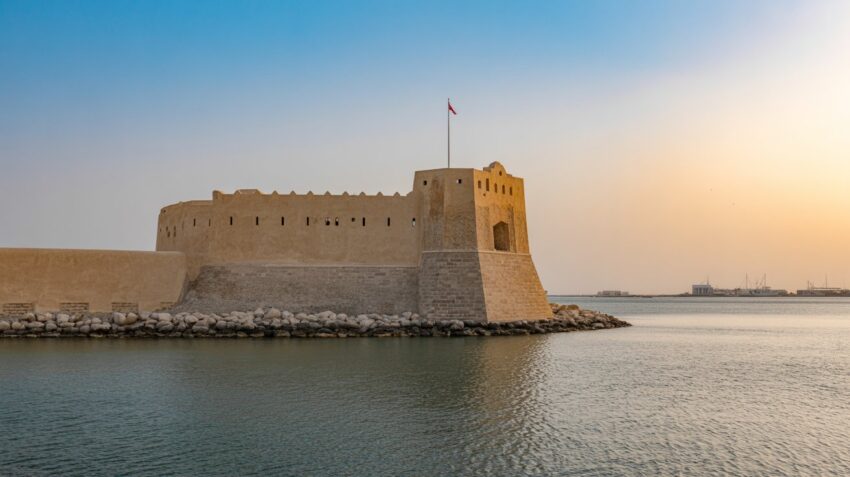
Arad Fort, Muharraq of Bahrain: Where the Sea Guards’ History
A Fortress Shaped by Water and Time
Standing quietly beside the sea, Arad Fort is one of Bahrain’s most evocative heritage landmarks. Built in the 15th century, the fort reflects a time when coastal defense, trade routes, and maritime life were inseparable from the island’s survival.
Unlike larger or more commercialized heritage sites, Arad Fort feels intimate and atmospheric. Its seaside setting, simple geometry, and open surroundings make it especially appealing to travelers interested in cultural tourism, slow exploration, and historical landscapes shaped by the sea.
What Is Arad Fort?
A 15th-Century Coastal Defense Structure
Arad Fort is a traditional Islamic-style fort constructed to protect Bahrain’s northern approaches. Built primarily from coral stone and local materials, it represents defensive architecture adapted to island geography.
Its compact form and thick walls reveal function over grandeur.
Why Arad Fort Matters for Tourism
History in a Walkable, Human Scale
Arad Fort plays an important role in Bahrain’s tourism by offering accessible heritage—a site that can be explored without crowds, guides, or long time commitments.
For travelers, it provides a concentrated encounter with Bahrain’s past, framed by the sea rather than the city.
Where Is Arad Fort Located?
On the Edge of Muharraq Island
Located on Muharraq Island, close to the coastline, Arad Fort occupies a strategic position overlooking the surrounding waters. Its placement highlights how geography influenced defense and settlement patterns.
The proximity to the sea enhances both historical understanding and visual appeal.
Who Built and Used Arad Fort?
Protecting Trade and Territory
The fort was constructed during a period when Bahrain faced regional competition and maritime threats. Its role was to guard access routes and support broader defensive networks across the island.
Understanding this context deepens appreciation of Bahrain’s strategic maritime history.
When Was Arad Fort Built?
A Structure Rooted in the Fourteenth Century
Dating back to the fifteenth century, Arad Fort has witnessed centuries of political change, trade movement, and coastal life. Despite its age, the structure remains remarkably intact.
This longevity adds to its authenticity.
How Arad Fort Reflects Coastal Heritage
Defense Designed for the Sea
Unlike inland forts, Arad Fort was shaped by its proximity to water. Sightlines, wall placement, and orientation reflect the need to monitor maritime activity.
For travelers, this makes the fort a lens through which to understand Bahrain’s historical relationship with the sea.
Visiting Arad Fort Today
Calm Exploration Without Distraction
Modern visitors experience Arad Fort as an open, contemplative space. Restoration work has preserved its form without overwhelming it with modern additions.
This restraint allows history to speak quietly.
The Seaside Views from Arad Fort
Where Architecture Meets Horizon
One of Arad Fort’s most distinctive features is its open relationship with the sea. Views from the fort reveal water, sky, and coastline rather than dense urban development.
These views make it especially appealing for reflective travel and photography.
Arad Fort and Cultural Tourism
A Gateway to Muharraq’s Heritage
Arad Fort complements other heritage sites in Muharraq by offering a military and maritime perspective. Together, these sites tell a fuller story of island life.
For cultural tourists, it adds depth and balance.
Photography at Arad Fort
Geometry, Light, and Sea
Photographers are drawn to Arad Fort for its clean lines, textured stone, and changing coastal light. Sunrise and sunset create dramatic contrasts between walls and water.
The lack of clutter allows timeless compositions.
Educational Value of Arad Fort
Learning Through Architecture
Arad Fort offers insight into traditional building methods, defensive design, and historical land use. These lessons emerge naturally through observation rather than exhibits.
For students and curious travelers, this makes learning intuitive.
Best Time to Visit Arad Fort Muharraq
Comfort and Atmosphere
Cooler months provide the most comfortable conditions for exploring the fort. Late afternoon visits are especially popular, as the soft light enhances the seaside setting.
Even short visits feel rewarding.
Arad Fort as a Slow Travel Destination
History Without Hurry
The fort does not demand much time, yet it encourages lingering. Visitors often walk slowly, pause at openings, and absorb the surroundings.
This rhythm aligns perfectly with slow travel values.
Comparing Arad Fort to Other Bahrain Forts
Intimate Rather Than Monumental
Compared to larger forts, Arad Fort feels modest and approachable. Its strength lies in atmosphere rather than scale.
Travelers seeking quiet heritage often prefer it.
Responsible Tourism at Arad Fort
Respecting a Historic Site
Visitors are encouraged to:
- Avoid climbing on walls
- Refrain from littering
- Respect signage and boundaries
- Keep noise levels low
Such care ensures long-term preservation.
Arad Fort and Bahrain’s Maritime Identity
Defense, Trade, and Survival
The fort symbolizes Bahrain’s historical dependence on the sea—not only for trade and pearling, but also for security.
This maritime identity remains central to the nation’s story.
Pairing Arad Fort with Other Travel Experiences
Building a Meaningful Itinerary
Arad Fort pairs well with:
- Muharraq heritage walks
- Coastal strolls
- Museums and old houses
- Quiet cafés nearby
Together, they create a layered travel experience.
Seasonal Atmosphere at Arad Fort
Subtle Changes, Lasting Calm
Seasonal changes influence light and temperature, but the fort’s atmosphere remains calm year-round. Wind and sea conditions subtly shape each visit.
Repeat visits always feel slightly different.
Challenges in Preserving Coastal Forts
Sea, Time, and Conservation
Like many coastal heritage sites, Arad Fort faces environmental challenges from humidity and salt air. Ongoing preservation is essential.
Tourism awareness helps justify conservation efforts.
Arad Fort in Bahrain’s Tourism Vision
Heritage Beyond Icons
Arad Fort represents Bahrain’s commitment to preserving lesser-known but deeply meaningful heritage sites. It enriches tourism by offering authenticity over spectacle.
This diversity strengthens cultural tourism.
Why International Travelers Appreciate Arad Fort
Quiet History with Context
For international visitors, Arad Fort provides history without crowds and context without complexity. It is easy to understand, easy to access, and emotionally resonant.
These qualities leave a strong impression.
Practical Tips for Visiting Arad Fort
Simple Planning
- Visit during cooler hours
- Wear comfortable walking shoes
- Bring water
- Allow time to enjoy the views
Facilities are minimal, enhancing the fort’s historic feel.
The Future of Arad Fort
Preserving Space for Reflection
The future of Arad Fort lies in maintaining its open, quiet character while ensuring structural preservation. Thoughtful management will keep it meaningful rather than commercial.
Silence is part of its value.
Where Bahrain’s Past Meets the Sea
Arad Fort, Muharraq of Bahrain, stands as a reminder that history does not always announce itself loudly. Sometimes, it waits quietly by the water, shaped by wind, stone, and centuries of change.
For travelers interested in cultural depth, seaside landscapes, and unhurried exploration, Arad Fort offers more than a photo stop—it offers perspective. Here, Bahrain’s past and present meet at the edge of the sea, inviting visitors to pause and listen.
The post Arad Fort Muharraq Bahrain: A fifteenth-Century Seaside Fortress Framing History and Travel appeared first on Travel And Tour World.