
 Login
Login
Riffa Bahrain: Royal History, Historic Forts, and Cultural Travel Beyond the Capital
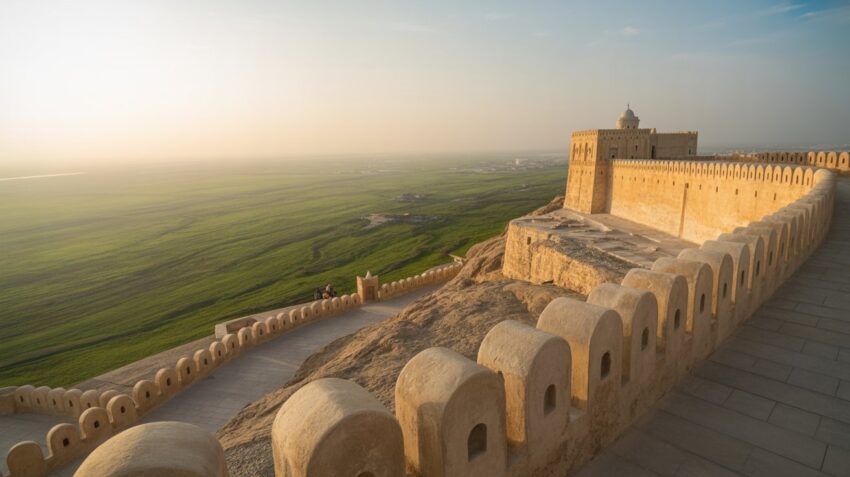
Riffa Bahrain: A City Shaped by Royal Power and Quiet Landscapes
Special Introduction: Where Authority Once Overlooked the Valley
Away from the bustle of the capital lies Riffa, a city whose identity is deeply intertwined with Bahrain’s ruling history. Set along a natural valley and divided into East and West, Riffa has long been associated with governance, leadership, and strategic oversight. Its forts rise not as decorative monuments, but as reminders of authority exercised over land and people.
For travelers interested in royal history, architecture, and understated cultural exploration, Riffa offers a more contemplative experience than Bahrain’s coastal cities—one rooted in power, place, and perspective.
What Is Riffa Known For?
Royal Heritage and Strategic Forts
Riffa is best known for its association with Bahrain’s ruling family and for historic forts that once served as seats of governance. Unlike port cities shaped by trade, Riffa developed inland, reflecting political and administrative priorities.
Its identity is formal, historic, and quietly influential.
Why Riffa Matters for Travel and Tourism
Understanding Power Beyond the Coast
For cultural tourism, Riffa provides insight into Bahrain’s royal and political history, complementing the maritime narratives found elsewhere. Visiting Riffa helps travelers understand how authority, land, and leadership shaped the island.
It adds balance to Bahrain’s travel story.
Where Is Riffa Located?
Inland, Elevated, and Central
Riffa lies in central Bahrain, positioned along a natural valley that once offered a strategic advantage. Its inland location distinguishes it from Bahrain’s coastal heritage cities.
Elevation gives perspective—both literal and symbolic.
Who Historically Lived in Riffa?
Rulers, Officials, and Local Communities
Historically, Riffa was home to ruling elites, administrators, and supporting communities. The presence of forts and large residences reflects its role as a political center rather than a commercial hub.
The city’s social structure mirrored its function.
When Did Riffa Rise to Prominence?
The Era of Fortified Authority
Riffa’s prominence grew during periods when centralized authority required secure inland bases. Forts were built not only for defense, but also as symbols of rule.
Architecture reinforced legitimacy.
Riffa Fort: The City’s Defining Landmark
Overlooking History From Above
Riffa Fort stands prominently above the valley, offering sweeping views of surrounding land. Its location reflects strategic thinking—visibility, control, and presence.
For travelers, the fort is both historical site and viewpoint.
Architecture of Riffa’s Forts
Function Over Ornament
Riffa’s forts are characterized by thick walls, limited openings, and elevated positions. Design choices prioritize defense, surveillance, and durability.
The architecture communicates purpose clearly.
Walking Through Riffa Fort
Space That Speaks of Power
Moving through the fort’s corridors and courtyards, visitors sense how space was used to manage people, movement, and authority.
Silence here feels intentional.
The Valley Landscape of Riffa
Nature as Strategic Asset
The valley below Riffa Fort once supported agriculture and settlement. Its greenery contrasts with Bahrain’s flatter desert regions, adding visual interest to the city.
Landscape and leadership intersect.
Riffa as a Quiet Travel Destination
Away From Crowds and Commerce
Unlike Manama or Muharraq, Riffa sees fewer tourists. This quietness appeals to travelers seeking reflective exploration rather than constant activity.
Space enhances experience.
Cultural Tourism in Riffa
History Without Performance
Riffa’s sites are not overly commercialized. There are no elaborate visitor centers or staged experiences—history is encountered directly.
This honesty attracts culturally curious travelers.
Comparing Riffa to Coastal Heritage Cities
Inland Authority Versus Maritime Trade
Where Muharraq reflects commerce and pearling, Riffa reflects governance and control. Together, they present two pillars of Bahrain’s historical structure.
Contrast deepens understanding.
Best Time to Visit Riffa
Light, Weather, and Views
Mornings and late afternoons are ideal, especially for visiting forts and viewpoints. Cooler months enhance walking comfort and visibility.
Timing shapes atmosphere.
Photography in Riffa
Geometry, Landscape, and Scale
Photographers are drawn to:
- Fort walls against open sky
- Valley views
- Play of light on stone
- Minimalist compositions
Riffa rewards restraint.
Riffa and Slow Cultural Travel
A Place to Pause
Riffa encourages slow travel—standing still, looking out, reflecting. There is little pressure to move quickly or consume experiences.
Time expands naturally.
Educational Value for Travelers
Learning About Governance Through Place
Riffa teaches:
- How authority was exercised
- Why forts mattered inland
- How geography shaped power
Understanding comes spatially.
Local Life in Modern Riffa
A Residential City Today
Today, Riffa functions largely as a residential city, balancing modern life with historic landmarks. Daily routines unfold quietly around sites of past authority.
Life continues calmly.
Respectful Visiting in Royal Heritage Areas
Awareness and Etiquette
Visitors should:
- Dress modestly
- Respect restricted areas
- Keep behavior calm and quiet
Respect aligns with place.
Pairing Riffa With Other Cultural Sites
Building a Historical Narrative
Riffa pairs well with:
- Muharraq’s pearling sites
- Manama’s museums
- Rural villages and valleys
Together, they form a layered itinerary.
Riffa for First-Time Visitors
A Different Perspective on Bahrain
For first-time visitors, Riffa reveals a side of Bahrain beyond trade and modernity—one rooted in governance and control.
It broadens perception.
Riffa for Repeat Travelers
Rediscovering Through Stillness
Repeat visits often reveal new details—light changes, quiet moments, overlooked viewpoints.
Subtlety rewards return.
Challenges in Preserving Royal Heritage
Conservation Without Overexposure
Maintaining forts while avoiding over-tourism is key. Preservation must respect historical gravity and community context.
Balance protects meaning.
Sustainable Tourism in Riffa
Low Impact, High Respect
Sustainable tourism here focuses on:
- Small visitor numbers
- Educational value
- Minimal infrastructure
Silence is part of preservation.
Emotional Experience of Visiting Riffa
Calm Authority
Many visitors describe Riffa as calm yet commanding. The city communicates strength without noise.
Its presence is understated but firm.
Why International Travelers Appreciate Riffa
History Without Distraction
International travelers seeking depth appreciate Riffa’s lack of spectacle. The city invites contemplation rather than entertainment.
Meaning replaces momentum.
The Future of Riffa as a Travel Destination
Heritage as Identity, Not Product
Riffa’s future lies in maintaining its role as a historical reference point rather than a mass attraction.
Integrity ensures longevity.
Where Power Once Looked Outward
Riffa Bahrain offers travelers a rare opportunity to step into the spatial logic of authority. As Bahrain’s second-largest city and a historic royal center, its forts and valleys tell stories not of trade or performance, but of leadership, control, and responsibility.
For those who value quiet history and meaningful places, Riffa stands apart. Here, heritage is not framed by crowds or commerce—it rises calmly above the land, watching still, as it always has.
The post Riffa Bahrain: Royal History, Historic Forts, and Cultural Travel Beyond the Capital appeared first on Travel And Tour World.