
Reading view

Thousands of Passengers Grounded across Middle East Amid Maintenance Issues and Bad Weather as Saudi Arabia, UAE, Qatar and Kuwait Face Travel Hell with 208 Cancellations and 1,513 Delays by Saudia, Emirates, Flydubai, Air Arabia and others at Riyadh, Dubai, Doha, Kuwait City and more, New Update
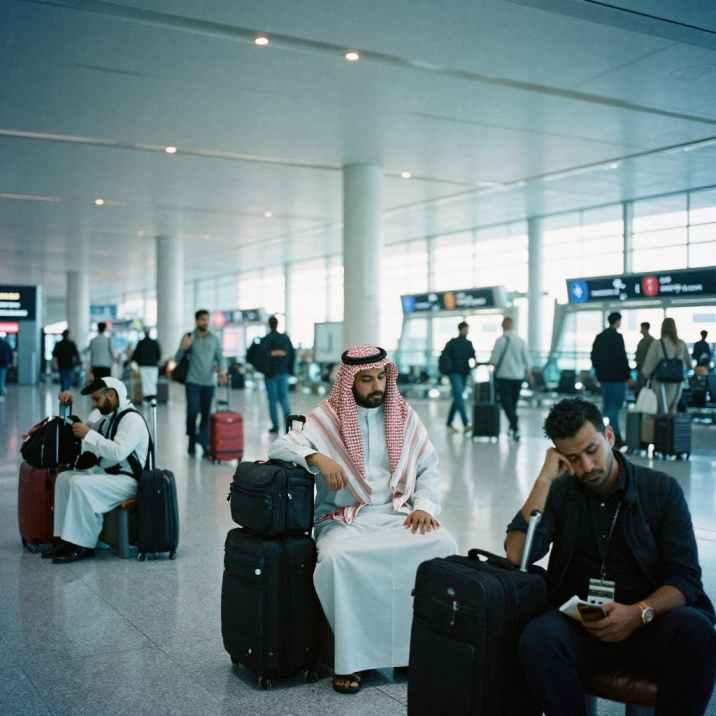
Thousands of Passengers Grounded across Middle East Amid Maintenance Issues and Bad Weather as Saudi Arabia, UAE, Qatar and Kuwait Face Travel Hell with 208 Cancellations and 1,513 Delays by Saudia, Emirates, Flydubai, Air Arabia and others at Riyadh, Dubai, Doha, Kuwait City and more, New Update

The aviation landscape across the Middle East is currently facing a massive wave of disruptions. A combination of severe weather and technical maintenance has triggered a ripple effect through Saudi Arabia, the UAE, Qatar and Kuwait. Major transit hubs are now struggling to manage a staggering volume of 208 cancellations and 1,513 delays. In Saudi Arabia, the situation is particularly intense. Travelers in Riyadh, Jeddah and Dammam face significant wait times. Even regional centers like Buraidah report impacted schedules. Meanwhile, heavy rainfall has transformed the travel experience in the UAE into a logistical challenge. Hubs in Dubai and Sharjah are working tirelessly to clear the backlog of stranded passengers.

Further across the Gulf, the transit corridors of Doha and Kuwait City remain under pressure. Airlines are currently prioritizing safety as they navigate these operational hurdles. This report explores the data behind this “travel hell” and examines the specific factors grounding thousands of passengers. From fuel system maintenance to unpredictable storms, the regional network is testing its resilience. Travelers should stay informed as authorities work to restore regularity across these vital global gateways.

Major Airports Affected

The impact of these disruptions is felt most acutely at the primary international gateways. In Saudi Arabia, King Khalid International Airport in Riyadh has emerged as a focal point of the crisis. According to official data, a total of 97 cancellations and 223 delays were recorded today at the facility. This situation was exacerbated by a concurrence of operational factors, including the diversion of flights from other regional airports and scheduled maintenance within the fuel supply system.

Further west, King Abdulaziz International Airport in Jeddah reported 23 cancellations and 152 delays, while King Fahd International Airport in Dammam saw 13 cancellations. Even regional facilities like Prince Nayef bin Abdulaziz Regional Airport in Buraidah were not spared, recording 5 cancellations as the ripple effects spread throughout the Kingdom.

In the UAE, the situation at Dubai International Airport remains critical. Known as one of the world’s busiest transit points, Dubai recorded 24 cancellations and a massive 632 delays. Nearby, Sharjah International Airport in Sharjah faced 37 cancellations and 107 delays, primarily driven by a severe weather system characterized by heavy rainfall and thunderstorms. Similarly, Hamad International Airport in Doha and Kuwait International Airport in Kuwait City have reported 5 and 4 cancellations respectively, alongside hundreds of delayed departures, as the entire Middle East corridor faces a synchronized slowdown.

Impacted Airlines

The burden of these cancellations has been largely carried by the region’s flagship carriers. Saudia has reported the most extensive disruptions, with 95 cancellations and 79 delays in Riyadh alone, followed by 20 cancellations in Jeddah. The airline’s domestic and international schedules have been heavily compromised by the technical challenges cited at King Khalid International Airport.

In the UAE, Emirates and Flydubai have been forced to manage a logistical nightmare in Dubai. Flydubai recorded 11 cancellations and 259 delays, while Emirates logged 7 cancellations and 205 delays. These figures represent a significant portion of the total travel disruptions in the Middle East. In Sharjah, Air Arabia bore the brunt of the weather-related grounded flights, with 37 cancellations and 81 delays. Other international carriers, including Egypt Air, Air China, SpiceJet and Turkish Airlines, have also seen their schedules to Riyadh, Dubai and Doha modified or suspended.

Probable Impact on Local Tourism

The ongoing “travel hell” is expected to have a noticeable influence on local tourism sectors. In cities like Riyadh and Jeddah, where Saudi Arabia is actively promoting its Vision 2030 tourism goals, the grounding of thousands of visitors could lead to immediate losses in the hospitality and retail sectors. Planned events and hotel bookings in Dubai and Doha are similarly at risk, as transit passengers—who form the backbone of the tourism economy in the UAE and Qatar—find themselves unable to reach their final destinations.

The disruption in Kuwait City and Sharjah further highlights the vulnerability of regional tourism to sudden aviation bottlenecks. As flights are diverted and schedules are rewritten, the seamless travel experience typically associated with the Middle East is being replaced by uncertainty, potentially deterring short-term leisure travelers and business professionals who rely on the precision of these flight networks.

What Affected Passengers Can Do Now

For those currently navigating the chaos across Saudi Arabia, the UAE, Qatar and Kuwait, several immediate steps are recommended by aviation experts.

  1. Verify Flight Status Remotely: Passengers are urged by airport authorities in Riyadh and Dubai to contact their airlines directly before departing for the airport hub. Utilizing official mobile apps and SMS alerts is advised to receive the most current updates on timing.
  2. Understand Passenger Rights: Under the regulations of the General Authority of Civil Aviation (GACA) in Saudi Arabia and similar bodies in the UAE and Kuwait, passengers may be entitled to refreshments, accommodation and rebooking assistance depending on the length and cause of the delay.
  3. Utilize Public Transport: In Dubai, travelers are encouraged to use the Metro to avoid road congestion caused by water accumulation, ensuring they reach the terminal safely if their flight is confirmed.
  4. Coordinate with Stakeholders: As operational teams in Riyadh work around the clock to restore regularity, travelers should remain in close coordination with airline staff at Dammam, Buraidah and Doha to secure seats on the next available flights.

The current situation is a stark reminder of the complexities involved in maintaining the vast aviation infrastructure of the Middle East. While teams work tirelessly to address the fuel system issues in Saudi Arabia and the weather challenges in the UAE, the road to operational normalcy for Saudia, Emirates and Flydubai remains a priority for the regional transport industry.

-The information provided is sourced from FlightAware.

The post Thousands of Passengers Grounded across Middle East Amid Maintenance Issues and Bad Weather as Saudi Arabia, UAE, Qatar and Kuwait Face Travel Hell with 208 Cancellations and 1,513 Delays by Saudia, Emirates, Flydubai, Air Arabia and others at Riyadh, Dubai, Doha, Kuwait City and more, New Update appeared first on Travel And Tour World.
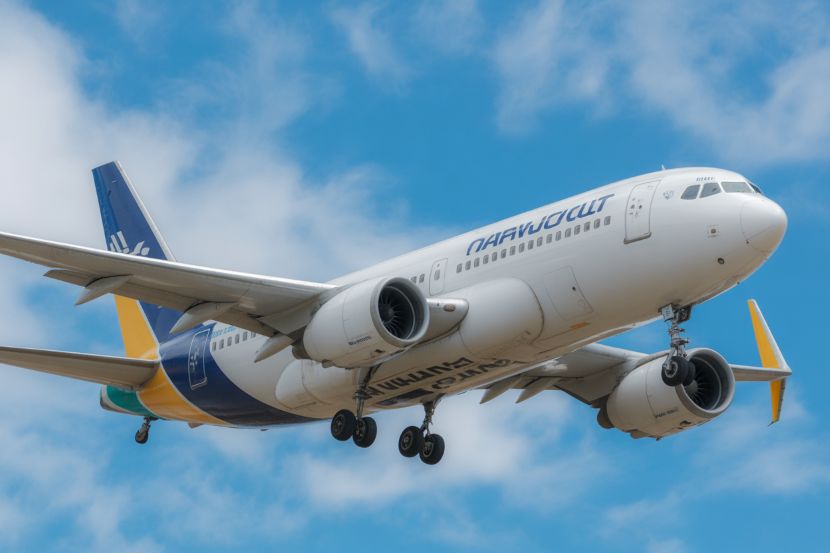
Thousand of Passengers Left Stranded as 1,960 Flights Delayed and 158 Canceled Across Dubai, Sharjah, Riyadh, and Jeddah with Emirates, FlyDubai, Saudia, and More Affected

Thousand of Passengers Left Stranded as 1,960 Flights Delayed and 158 Canceled Across Dubai, Sharjah, Riyadh, and Jeddah with Emirates, FlyDubai, Saudia, and More Affected
Middle East air travel chaos hits Dubai, Sharjah and Saudi hubs with 1,960+ delays and 158 cancellations. Travelers urged to check official flight updates.

Dubai and Sharjah in the United Arab Emirates, and King Khalid and King Abdulaziz International Airports in Saudi Arabia have emerged as focal points of widespread disruption in Middle East aviation this week. Personal accounts from affected travelers paint a vivid picture: weary families, stranded business commuters and holiday‑bound passengers trapped in terminals for hours amid an unprecedented operational breakdown at major Gulf hubs. Authorities, including the UAE’s aviation regulators and Saudi Arabia’s General Authority of Civil Aviation, have urged passengers to verify flight statuses via official airport platforms before setting out, after flight disruptions surged to totals rarely seen outside crisis conditions.

Middle East Flight Data Reveals Scale of Disruption

Recent compiled figures from airport operations reports reveal staggering totals across key Gulf hubs:

  • Dubai International Airport (DXB): 726 flight delays and 69 cancellations
  • Sharjah International Airport: 140 delays and 4 cancellations
  • King Khalid International Airport (Riyadh): 329 delays and 11 cancellations
  • King Abdulaziz International Airport (Jeddah): 220 delays and 6 cancellations

This amounts to 1,964 delays and 158 cancellations recorded across these airports in the latest reporting period. These figures dwarf normal seasonal variances and point toward systemic operational stress affecting the Gulf’s air travel networks.

UAE’s Official Response: Advisories and System Strain

Dubai Airports’ own flight status portal — the official source for real‑time schedule changes — continues to show an elevated rate of disruptions, with numerous departures and arrivals marked delayed or rescheduled.

Compounding the problem, carriers operating within the UAE, including Emirates and flydubai, have published operational alerts to travellers explaining that adverse weather forecasts and heightened air traffic volume are contributing to delays at DXB and Sharjah. These airline advisories, shared on official websites and customer help pages, stress early arrival times at the airport and direct passengers to monitor progress through official digital channels.

Weather and Operational Bottlenecks a Key Factor

Cold‑season weather fronts and fog‑related conditions early in the morning have disrupted flight movements in the Gulf and across the broader region. Recent reports from the UAE point to dense fog across major international and domestic airports as a key driver of temporary runway slowdowns, compounding regular holiday travel volumes.

Airlines and airport operational centres alike have acknowledged that the combination of busy seasonal travel peaks, limited visibility and aircraft rotation logistics has transformed minor delays into full‑scale schedule disruptions. The resultant lateness and missed connections have cascaded across the network.

Saudi Arabia Issues Travel Alerts as Tensions and Closures Ripple

Across the King‑dom, the situation is equally tense. Saudi Arabia’s General Authority of Civil Aviation (GACA) has issued official advisories urging passengers traveling through King Khalid International in Riyadh, King Abdulaziz International in Jeddah and other Saudi airports to contact their airlines directly before departing for the airport. This government‑level warning stems from regional airspace volatility and temporary closures, a response to geopolitical developments that triggered rerouting and cancellations across several Gulf‑bound flights.

The Saudi travel alert explicitly encourages passengers to verify schedules with airline providers as well as monitor updates from airport authorities, as ongoing changes in their flight status are possible with little notice.

Airport/CarrierDelaysCancellations
Dubai International (DXB)72669
Sharjah International (SHJ)1404
King Khalid International (RUH)32911
King Abdulaziz International (JED)2206
FlyDubai24335
Emirates27119
Pakistan International Airlines (PIA)16
Saudia143
Oman Air33
Gulf Air42
Flynas131
British Airways175
Air India172

Airline Impact: From Gulf Carriers to International Connections

Multiple airline operators are reflected in the disruption totals. Among the most affected:

  • FlyDubai: 243 delays, 35 cancellations
  • Emirates: 271 delays, 19 cancellations
  • Pakistan International Airlines: 1 delay, 6 cancellations
  • Saudia: dozens of delays & cancellations attributed across Saudi hubs
  • Oman Air, Gulf Air and Flynas: smaller but noticeable disturbance counts

The variety of airlines affected demonstrates that the disruptions are not isolated to a single carrier but are affecting a broad spectrum of international and regional flight operations.

Government and Official Site Travel Guidance

Government and aviation authority platforms such as Dubai Airports’ official flight status page, and Saudi Arabia’s GACA advisories, serve as primary reference points for up‑to‑date travel guidance. These portals are now essential tools for passengers planning to move through the region’s busiest hubs

Because airspace over certain parts of the Gulf remains unpredictable, official advisories are evolving. Travelers are strongly encouraged to use these government sources rather than unofficial third‑party apps or ticket reseller data, which may lag behind in reflecting real‑time changes.

Business Travel and Tourism Sector Strained

Local tourism offices and travel agencies are reporting that delayed or canceled flights are dampening business travel plans and holiday bookings, particularly at this point in the peak travel season. Hotels near major airports in Dubai and Jeddah have seen an uptick in last‑minute reservations as passengers seek immediate alternative accommodation, a trend confirmed by sources from regional hospitality partners.

In addition to weather and airspace volatility, analysts say the phenomenon could signal broader stress on air traffic management infrastructure that will require coordinated efforts between aviation authorities and airline operators across the Gulf Cooperation Council (GCC) states.

Human Impact: Stranded Passengers and Frustration

Across terminals in Dubai, Riyadh and Jeddah, the human dimension of the disruption is stark. Families separated from planned itineraries, business travellers missing important corporate events, and international connections delayed by cascading effects from Gulf hubs are all part of this unfolding story. What many passengers are reporting is a lack of reliable updates until the very last minute — a situation government‑sponsored platforms are now working to address with more frequent information bulletins.

What Travellers Must Do Now

  • Check your flight status directly via official airport websites before leaving home.
  • Contact your airline’s customer service for rebooking options.
  • Allow additional transit time when flying through DXB, Sharjah, Riyadh, or Jeddah.
  • Monitor weather and advisory updates from national aviation authorities.

These steps are critical as airports continue to manage one of the most disruptive periods for Gulf travel in recent memory.

The post Thousand of Passengers Left Stranded as 1,960 Flights Delayed and 158 Canceled Across Dubai, Sharjah, Riyadh, and Jeddah with Emirates, FlyDubai, Saudia, and More Affected appeared first on Travel And Tour World.
❌