Login
Login
Samoa Strengthens Culinary Tourism in 2026 with Regional Collaboration and Capacity Building to Boost Agritourism and Sustainable Travel Growth
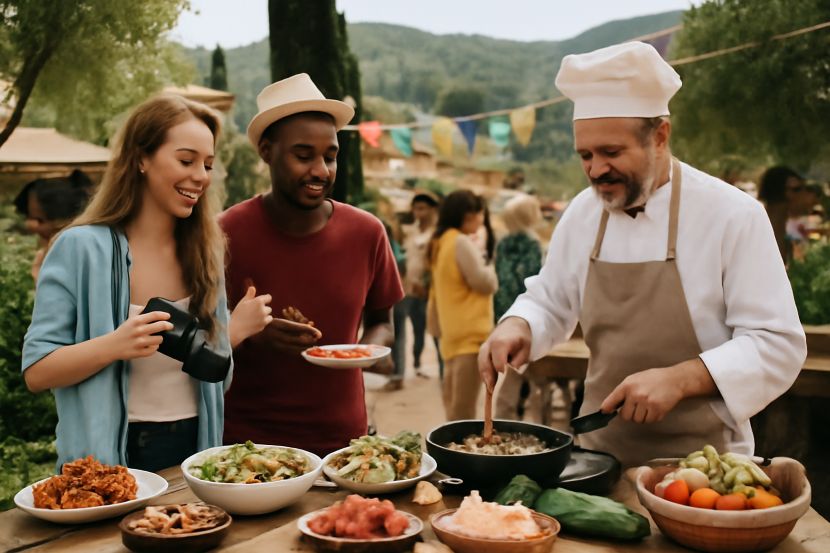
Samoa, a Pacific island paradise, is poised for a transformative shift in its tourism sector. The recent Gastronomy Tourism Workshop, held in November 2025, marks the beginning of a groundbreaking initiative to integrate culinary tourism with sustainable travel practices. As Samoa seeks to carve out a unique identity within the agrifood tourism sector, the island nation is embracing the power of food as a vital cultural and economic driver. This initiative, led by the Pacific Tourism Organisation (SPTO) in partnership with the Samoa Tourism Authority (STA), has highlighted the incredible potential for Samoa’s gastronomy tourism to boost local economies while preserving the rich culinary heritage that makes the region so distinctive.
Food has always played a central role in Samoan culture, but now it is taking on an entirely new dimension within the context of tourism. The Samoa Tourism Authority and local gastronomy expert Leiataua Jerry Brunt collaborated to bring together 50 passionate participants from the tourism and agriculture sectors, demonstrating the growing interest and momentum of agrifood tourism in the region. With support from the United Nations World Tourism Organisation (UNWTO), FAO Mountain Partnership, and the Government of Italy, the workshop showcased how Samoa can leverage its agriculture and gastronomy to create authentic and immersive travel experiences. These efforts aim to build stronger connections between tourism and local farming, bridging the gap that often separates visitors from the authentic local experiences that define Samoa.
This strategic initiative in Samoa is a catalyst for the future of culinary tourism in the Pacific Islands, with significant implications for sustainable tourism and agritourism growth across the region. With its focus on local ingredients, traditional knowledge, and authentic storytelling, Samoa is not just enhancing its food culture—it is creating an entirely new tourism pathway that benefits local farmers, businesses, and the entire tourism ecosystem.
Samoa’s Gastronomy Tourism Strategy: Local Roots, Global Appeal
The Gastronomy Tourism Workshop in Samoa was not just a one-off event; it is part of a broader strategy to develop and promote gastronomy tourism as a cornerstone of Samoa’s tourism offering. This initiative aims to celebrate and promote Samoan culinary traditions while creating sustainable travel experiences that respect and showcase the island’s agriculture and food culture.
At the heart of this development is the realization that food tourism can be an enormous economic driver, influencing everything from farmers’ livelihoods to the broader tourism infrastructure. The workshop’s success underscores the increasing importance of integrating local agriculture into tourism offerings. By focusing on locally sourced food and traditional cooking practices, Samoa is fostering a tourism model that is both culturally enriching and economically beneficial.
Reviving and Showcasing Traditional Cuisine
One of the key highlights of the workshop was the presentation by Savaii Koko, a cocoa farming group that demonstrated how local cocoa farming and traditional cooking practices can create memorable visitor experiences. Samoa is known for its high-quality cocoa—a key ingredient in many of its local dishes—and the group showed how these indigenous products can be transformed into tourism experiences. Visitors could learn about the chocolate-making process, from farm to table, while experiencing the cultural heritage behind each dish.
In addition, Samoa Women’s Association of Growers (SWAG) shared its efforts to link farmers directly with tourism operators, showcasing the potential for women-led agriculture to provide new, impactful experiences for visitors. This initiative is essential in helping women farmers gain access to the growing agritourism market and ensuring they benefit from the economic opportunities created by food tourism.
Partnerships to Strengthen Agritourism and Resilience
At the workshop, collaborations between farmers, tour operators, hoteliers, and research institutions were at the forefront. The National University of Samoa (NUS) presented its research into agritourism training, showcasing how educational initiatives and innovation could contribute to sector resilience. The importance of training and capacity building for both farmers and tourism operators was emphasized as a key part of Samoa’s long-term plan to make gastronomy tourism a central pillar of the tourism industry.
The creation of a Samoa National Agritourism Strategy is already underway. This strategic document will be a blueprint for the island nation to grow its agritourism sector sustainably, providing guidance for tour operators, farmers, government agencies, and the private sector on how to work together to maximize the potential of food tourism.
Building a Sustainable Culinary Tourism Ecosystem
The workshop also focused on sustainable practices that can be incorporated into agritourism. With the UNWTO, FAO, and other international partners backing this initiative, Samoa is moving forward with a sustainable tourism strategy that promotes eco-friendly farming, local food sourcing, and cultural preservation. This approach ensures that gastronomy tourism not only drives economic growth but also contributes to the long-term environmental health of the island’s ecosystems.
By connecting farmers with tourism operators, hotels, and restaurants, the island is creating a cohesive food system that strengthens the local economy and highlights the importance of local produce. This network benefits everyone—from the small-scale farmer who grows indigenous crops to the local chef who prepares traditional dishes that showcase the island’s culinary richness.
The Role of Food in Shaping Sustainable Tourism
Food is not just about nourishment—it is a cultural expression, a story passed down through generations, and an essential part of Samoan identity. As tourism evolves, food culture is becoming an integral part of the narrative, enhancing the visitor experience by introducing them to the island’s unique flavors and traditional cooking methods. The Gastronomy Tourism Workshop demonstrated how food can be a powerful tool for building connections between locals and visitors, fostering cultural pride, and supporting economic development.
Samoa’s Road Ahead: The Impact of Culinary Tourism
The Samoan tourism sector is poised for significant growth in 2026, and gastronomy tourism will play a critical role in driving this transformation. As the island strengthens its connections between agriculture and tourism, the local community will see enhanced economic opportunities, and visitors will gain a deeper understanding of the Samoan way of life.
For Samoan farmers, this shift represents a chance to diversify their income streams and tap into the lucrative tourism market. By connecting their products to tourism experiences, farmers will have a new platform to showcase their work, tell their stories, and sell their goods directly to consumers. For tourism operators, this means a greater opportunity to develop authentic experiences that align with the growing global demand for sustainable travel.
Culinary Tourism as a Driver of Change
As gastronomy tourism continues to gain momentum, it will become an essential aspect of the island’s overall tourism strategy. By prioritizing sustainability, education, and collaboration, Samoa is positioning itself as a leader in agrifood tourism in the Pacific region. This will not only create long-term economic resilience for the island but will also ensure that local farmers, chefs, and tourism operators can thrive in a future built on authenticity and sustainability.
Conclusion: A Flavorful Future for Samoa
Samoa is at the forefront of a culinary tourism revolution that is poised to transform the Pacific region. With its rich agricultural heritage, vibrant food culture, and commitment to sustainability, the Gastronomy Tourism Workshop is just the beginning of an exciting journey toward a more inclusive, resilient, and flavorful tourism future. As Samoa moves forward with its National Agritourism Strategy, the world will discover not only the beauty of the island’s beaches and jungles but also the depth of its culinary identity, all while contributing to a sustainable and economically thriving tourism sector.
The post Samoa Strengthens Culinary Tourism in 2026 with Regional Collaboration and Capacity Building to Boost Agritourism and Sustainable Travel Growth appeared first on Travel And Tour World.