
Reading view

Corporacion America Airports Sees Strong Increase In Passenger Traffic

Corporacion America Airports Sees Strong Increase In Passenger Traffic
airport

Corporacion America Airports SA (CAAP), one of the world’s leading private airport operators, has reported a notable 8.5 percent increase in total passenger traffic for November 2025 compared to the same month in 2024. The surge in passenger numbers has been driven by strong growth across domestic, international, and transit traffic segments, with Argentina leading the charge in contributing to the overall growth.

Domestic and International Traffic Surge

The total number of passengers handled by CAAP’s airports in November 2025 reached 7.14 million, marking an impressive year-on-year (YoY) increase. Domestic passenger traffic saw a more moderate increase of 4.4 percent, primarily driven by traffic in Argentina, Brazil, and Ecuador. International traffic, on the other hand, saw a more robust rise of 12.3 percent, reflecting the ongoing rebound in global tourism. Argentina, in particular, saw impressive growth, contributing to more than 50 percent of the overall traffic increase. The country recorded a total passenger traffic increase of 7.4 percent YoY, driven by both strong domestic and international performances.

Argentina’s Strong Performance in Domestic and International Segments

Argentina has proven to be a key driver of traffic growth within CAAP’s network, accounting for a significant portion of the YoY increase in passenger numbers. Domestic traffic in Argentina grew by 3.6 percent, aided by increased frequency on several key routes. Notably, Aerolíneas Argentinas resumed service to Río Cuarto, Córdoba, while private carriers JetSMART and Flybondi increased their frequencies on domestic routes such as Buenos Aires–Resistencia and Buenos Aires–San Juan. International traffic from Argentina grew by 12.8 percent, with notable developments including an increase in weekly flights on several routes. For example, Arajet increased its flights on the Buenos Aires–Punta Cana route, while Copa Airlines expanded its service on the Mendoza–Panama route.

International Growth Across Other Markets

Beyond Argentina, several other markets in CAAP’s network saw significant growth in passenger numbers. Brazil, for instance, recorded an increase of 10.8 percent in total passenger traffic, with domestic traffic rising by 8.1 percent. International traffic in Brazil grew by 18.3 percent, a substantial gain despite ongoing challenges in the aviation environment. In Italy, passenger traffic grew by 10.4 percent, with international travel accounting for nearly 80 percent of total traffic. Although domestic traffic in Italy saw a slight decline, international traffic grew strongly at Florence and Pisa airports.

In Armenia, passenger traffic soared by 15.9 percent YoY, supported by the introduction of new routes and increased frequencies. Wizz Air, for instance, launched new routes from Yerevan, marking a strong contribution to Armenia’s growth. In Uruguay, international passenger traffic rose by 7.5 percent, aided by increased frequencies on key routes such as the Santiago de Chile route by SKY Airlines.

Ecuador and Other Markets Show Mixed Results

Ecuador, in contrast, showed more subdued growth in November, with total passenger traffic increasing by just 2.7 percent. While domestic traffic rose by 7.6 percent, international traffic declined by 1.4 percent, reflecting challenges such as high airfares and security concerns. Despite these setbacks, the overall increase in Ecuador’s passenger traffic signals a steady recovery in the tourism sector.

Other markets like Uruguay and Armenia also reported positive growth, with Uruguay’s passenger traffic benefiting from seasonal increases and a forecasted strong peak season, while Armenia’s strong performance was driven by the expansion of low-cost carriers in the region.

Cargo and Aircraft Movement Insights

In terms of cargo volume, CAAP saw a slight decline of 0.6 percent in November 2025 compared to the same month in 2024. The decline in cargo volume was mainly driven by negative performance in Brazil, Italy, and Armenia. However, Argentina posted a positive growth of 9.4 percent in cargo traffic. Aircraft movements also increased by 5.0 percent across the network, with Argentina, Brazil, and Ecuador accounting for the largest share of total movements. Notably, Uruguay reported a significant increase of 15.1 percent in aircraft movements, signalling a growing demand for both domestic and international travel.

A Positive Outlook for 2025 and Beyond

Overall, Corporacion America Airports is seeing robust growth in passenger traffic across its global network, with Argentina playing a key role in the growth. The company’s continued success reflects the ongoing recovery and expansion of the global travel and tourism sector. As passenger numbers increase and international travel gains momentum, CAAP is well-positioned to continue its role as a leading airport operator in the coming years.

The post Corporacion America Airports Sees Strong Increase In Passenger Traffic appeared first on Travel And Tour World.
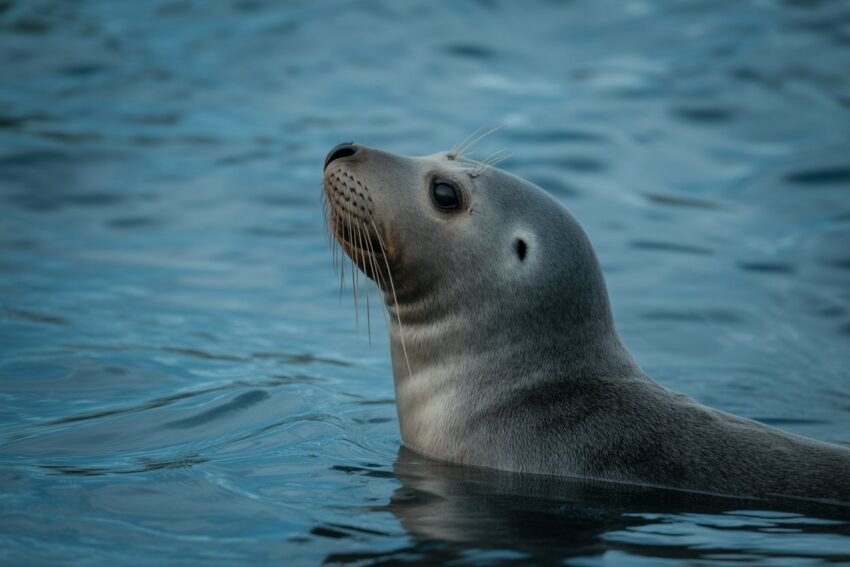
Argentina Launches Latest Patagonia Azul Marine Park : Major Travel and Conservation Breakthrough- All You Need To Know Now !

Argentina Launches Latest Patagonia Azul Marine Park : Major Travel and Conservation Breakthrough- All You Need To Know Now !

In a landmark moment for conservation and travel, Argentina’s newest marine park, Patagonia Azul Provincial Park, has been established in Chubut Province to secure one of the richest coastal and marine ecosystems in the South Atlantic for future generations. The announcement has been confirmed through official government releases and expanded public documents on marine protected areas in Argentina.

This marine park represents a major advance in the Government of Argentina’s long‑term commitment to protecting ocean biodiversity while strengthening sustainable travel opportunities along the nation’s southern coastline. Visitors and conservation advocates alike now have a new destination to experience spectacular marine life amid a setting of jaw‑dropping natural beauty.

Historic Marine Conservation in Argentina Now Redefines Coastal Protection

The Patagonia Azul Provincial Park project covers approximately 295,135 hectares of coastal and adjacent marine ecosystems, making it one of the largest protected natural marine areas in Argentina’s history. The land‑sea continuum of this park stretches over rugged coastlines, kelp forests, and a labyrinth of over 60 islands and islets.
Officials and environmental partners have highlighted that this protection zone now places legally safeguarded habitat under provincial jurisdiction, offering new and enhanced legal conservation mechanisms that balance ecological integrity with public access and travel.

Prior to this decisive move, coastal habitats in Patagonian waters faced threats from industrial fishing and habitat degradation. The new status marks a decisive evolution from past conservation measures, aligning Argentina with global priorities to protect ocean life and contribute meaningfully to international biodiversity commitments.

Rewilding and Government Collaboration Fuels Marine Park Impact

A unique element of the park’s creation has been its collaborative nature. The Government of Chubut, Argentina’s National Parks Administration, local communities around Camarones, and civil society organisations all played central roles in planning and making Patagonia Azul a reality.

Key contributions included donated land for access points, biological research facilities, campgrounds, and a coastal trail designed to integrate public travel with environmental stewardship. These expansions ensure the marine park is not just a conservation space for wildlife but also an accessible travel destination with educational and low‑impact eco‑tourism features.

By developing infrastructure that encourages sustainable travel, such as designated routes for observation and marine monitoring ports, the park now offers an elevated experience for visitors seeking immersive natural exploration.

Wildlife Hub: Whales, Penguins and Sea Life Thrive in New Marine Zone

One of the most talked‑about impacts of Patagonia Azul’s protection is its benefit to marine species that depend on this rich environment. The region is home to humpback whales, southern right whales, Magellanic penguins, and more than 60 species of seabirds, all of which now enjoy significantly strengthened legal safeguards against ecological disruption.

These species attract visitors from across the world. The opportunity to witness whale migrations and penguin rookeries draws eco‑tourists, nature photographers, and marine scientists alike, making Patagonia Azul both a biodiversity haven and a transformative travel draw.

Marine Biodiversity Protection Now Central to Argentina’s Ocean Strategy

The new park builds on Argentina’s broader marine conservation framework, which includes a system of marine protected areas governed under the National Protected Areas System (SNAMP) — aimed at preserving high‑diversity ecosystems, commercial species breeding grounds, and habitats threatened by human activity.

Past government action has seen the creation of other key protected marine areas such as Namuncurá‑Banco Burdwood and its extension zones, which encompass deep‑water canyons, seabed environments, and essential fisheries habitats. These collective efforts reflect the Argentine government’s ongoing policy to integrate marine protection with sustainable economic and travel development.

Local Communities and Scientific Research Benefit From Marine Park Growth

For coastal towns like Camarones and nearby communities, the marine park is expected to unlock new economic opportunities. By anchoring scientific research projects and drawing eco‑tourism, regional economies can benefit from year‑round engagement rather than short‑season tourism.

Active planning workshops held in recent months have emphasised participatory management, where local stakeholders help shape how public use and conservation education will be implemented — placing coastal residents at the heart of the park’s ongoing stewardship.

Travel and Conservation Align as Argentina Sets New Ocean Protection Standard

The establishment of Patagonia Azul Provincial Park signifies a broader shift in Argentina’s environmental priorities, underscoring that marine protection and sustainable travel can be powerful partners in building resilient natural economies.

By codifying protections for this coastal marine ecosystem and inviting responsible travel, Argentina not only preserves vital biodiversity but also creates an inspirational destination for global visitors seeking deeper engagement with the natural world.

As global attention turns toward safeguarding ocean health, Argentina’s bold step stands as both a conservation success and travel milestone — proving that smart policy and community engagement can deliver extraordinary outcomes for nature and people.

The post Argentina Launches Latest Patagonia Azul Marine Park : Major Travel and Conservation Breakthrough- All You Need To Know Now ! appeared first on Travel And Tour World.
❌