
Reading view

Passengers Trapped In New York As Delta, JetBlue, Endeavor, American, Alaska, Jazz and More Airlines Face 377 Cancellations and 210 Delays in US Due to Severe Snowfall and Strong Winds, Disrupting New York JFK, Los Angeles, San Francisco, Miami, Orlando, and Others

Passengers Trapped In New York As Delta, JetBlue, Endeavor, American, Alaska, Jazz and More Airlines Face 377 Cancellations and 210 Delays in US Due to Severe Snowfall and Strong Winds, Disrupting New York JFK, Los Angeles, San Francisco, Miami, Orlando, and Others

Passengers Trapped In New York Today As Delta, JetBlue, Endeavor, American, Alaska, Jazz and more airlines linked to John F Kennedy International Airport face 372 flight cancellations and 210 delays recorded in a single day, as severe winter weather driven by intense snowfall and powerful winds forced airlines to suspend operations, restrict schedules, and prioritize runway safety across the New York region. JetBlue (134 cancellations, 65 delays) and Delta Air Lines (93 cancellations, 47 delays) were the most affected airlines, followed by Endeavor Air (28 cancellations, 8 delays), Republic Airways (25 cancellations, 8 delays), and American Airlines (16 cancellations, 28 delays). Several international carriers also experienced sharp disruption ratios, including Air France (11 cancellations), Singapore Airlines (4 cancellations), Lufthansa (4 cancellations), and Swiss (4 cancellations).
As the storm progressed through the Northeast, flight cancellations increased sharply overnight, placing New York City’s airport network under sustained operational pressure and resulting in extensive delays across inbound, outbound, and connecting services. Beyond New York, ripple effects were felt at major gateways such as Los Angeles International Airport, San Francisco International Airport, Miami International Airport, Hartsfield-Jackson Atlanta International Airport, London Heathrow Airport, and Charles de Gaulle Airport, highlighting how JFK-led cancellations triggered widespread network disruption across North America, Europe, and the Caribbean.

  • Updated today: 372 cancellations and 210 delays were recorded, with disruption centered on New York JFK.
  • JetBlue and Delta Air Lines accounted for the largest share of cancelled and delayed flights.
  • International airlines including Air France, Lufthansa, ITA Airways, and Swiss faced high cancellation percentages on limited schedules.
  • Major US hubs such as Los Angeles, San Francisco, Miami, and Atlanta saw secondary impacts.
  • Caribbean and European routes experienced noticeable knock-on delays and cancellations tied to JFK operations.

Most Affected Connected Airports

John F Kennedy International Airport

JFK was the epicenter of the disruption, logging 153 cancellations and 143 delays, accounting for the majority of all affected flights in the dataset.

Los Angeles International Airport

LAX recorded 11 cancellations, reflecting how transcontinental services were directly impacted by JFK-originating issues.

San Francisco International Airport

SFO saw 8 cancellations, largely tied to disrupted coast-to-coast and international connections.

Miami International Airport

Miami reported 6 cancellations and 3 delays, affecting key domestic and Caribbean-bound routes.

London Heathrow Airport

Heathrow experienced 5 cancellations, underlining the international reach of JFK’s operational disruption.

Airlines Most Affected by Flight Cancellations and Delays

JetBlue

JetBlue faced the heaviest disruption overall, with 134 cancellations and 65 delays, reflecting its strong operational dependence on JFK.

Delta Air Lines

Delta recorded 93 cancellations and 47 delays, significantly impacting both domestic and international services.

American Airlines

American Airlines logged 16 cancellations and 28 delays, affecting multiple hub connections.

Endeavor Air

Endeavor Air reported 28 cancellations and 8 delays, highlighting vulnerability among regional operators.

Air France

Air France experienced 11 cancellations, representing one of the highest cancellation ratios among international carriers at JFK.

How Travellers Were Impacted at Major Airports

  • Passengers experienced missed connections and extended ground delays at key hubs.
  • Rebooking demand increased sharply, leading to longer customer service wait times.
  • International travelers faced overnight delays due to limited replacement flight availability.
  • Holiday and leisure itineraries were compressed or rerouted, especially on transatlantic and Caribbean routes.
  • Travellers were advised to monitor airline notifications closely and allow additional buffer time.

Learn More

Overview of Flight Cancellations

The wave of cancellations was concentrated among major US airlines, with JetBlue, Delta Air Lines, American Airlines, Alaska Airlines, and Frontier Airlines recording repeated disruptions. International operators such as Lufthansa, Singapore Airlines, ITA Airways, Air France, British Airways, and Swiss also contributed to the cancellation tally.
From an airport perspective, New York (JFK) appeared most frequently, followed by Los Angeles (LAX), San Francisco (SFO), Miami (MIA), and Atlanta (ATL). Internationally, London Heathrow (LHR) and Paris Charles de Gaulle (CDG) were the most recurrently affected cities.
Overall, the data underscores how a single-day operational breakdown at a major global hub like JFK can cascade across dozens of cities and airlines, disrupting travel well beyond the point of origin.

Image Source: AI

Source: Different airports and FlightAware

The post Passengers Trapped In New York As Delta, JetBlue, Endeavor, American, Alaska, Jazz and More Airlines Face 377 Cancellations and 210 Delays in US Due to Severe Snowfall and Strong Winds, Disrupting New York JFK, Los Angeles, San Francisco, Miami, Orlando, and Others appeared first on Travel And Tour World.

New Year’s Eve Crowds To Gather at Jackson Square in the French Quarter

New Year’s Eve Crowds To Gather at Jackson Square in the French Quarter

New Year’s Eve celebrations in New Orleans are set to feature a mix of organized festivities and informal gatherings on Wednesday, December 31, with Jackson Square serving as a traditional focal point in the historic French Quarter. While the square at 701 Decatur Street, framed by the iconic St. Louis Cathedral, continues to draw large crowds for an open, free midnight moment, the city’s official Crescent City Countdown event includes live music and a signature fleur-de-lis drop visible from the area.

The evening begins with a concert stage at Jackson Square featuring performances by artists such as Tank and the Bangas, followed by the ceremonial midnight drop of an illuminated fleur-de-lis from the Jax Brewery rooftop overlooking the Mississippi River. Fireworks over the river typically follow shortly after, weather permitting. The free, public nature of the gathering allows visitors to arrive throughout the evening, with crowd density building from early hours and peaking around 10:00 p.m. through midnight, before dispersing into surrounding streets and venues. This blend of structured programming and spontaneous celebration reinforces Jackson Square’s longstanding role as a central reference point for New Year’s Eve in the French Quarter.

Transportation Access and Movement Considerations for Travelers

Jackson Square’s location makes it particularly relevant for visitors navigating the city on foot. The surrounding area is well-suited for walking, though travelers are advised to anticipate street closures and heavier foot traffic as midnight approaches. Vehicle access within the French Quarter is typically limited during peak hours, and planning ahead is considered essential for those arriving from outside the immediate area.

Public transportation options, including nearby streetcar lines, are expected to operate on adjusted holiday schedules. These services provide an alternative for travelers seeking access to the Quarter without relying on personal vehicles. Increased pedestrian volume around Jackson Square and adjoining streets often shapes how travelers plan their evening routes and post-midnight movement.

Following midnight, many attendees continue toward nearby riverfront areas within walking distance of the square. Weather conditions generally determine visibility, but fireworks are typically observed from locations near the Mississippi River shortly after the New Year begins. The square’s position within this network of walkable spaces reinforces its role in broader New Year’s Eve travel patterns across the district.

How Informal Public Spaces Shape Tourist Movement

For travelers, informal public gatherings such as the one at Jackson Square often influence how time is structured on major calendar dates. Without fixed programming or controlled entry, these spaces allow visitors to arrive and depart according to personal schedules, encouraging flexible movement rather than centralized attendance.

Such settings frequently become navigational anchors for tourists unfamiliar with local street layouts. The presence of a recognizable landmark provides a point of orientation, helping visitors transition between accommodation areas, dining locations, and entertainment venues. This type of travel behavior tends to distribute foot traffic gradually rather than concentrating it in a single venue, shaping how visitors experience the surrounding area.

The absence of formal staging or admission requirements also aligns with the expectations of travelers seeking accessible experiences. Public squares that allow open entry often become default gathering points, particularly for visitors prioritizing walkability and ease of access during high-traffic travel periods.

Travel Timing and Visitor Stay Patterns Around Year-End

With New Year’s Eve falling on a Wednesday, visitor activity is expected to extend beyond a single night. Many travelers are anticipated to arrive earlier in the week and remain through the following weekend, contributing to sustained tourism presence rather than a short-duration surge. This extended stay pattern affects how visitors interact with central locations such as Jackson Square over multiple days.

For travelers planning longer visits, the square often serves not only as a midnight destination but also as a daytime reference point during the surrounding travel period. Its consistent role in pedestrian movement and orientation remains relevant before and after New Year’s Eve itself.

This type of travel distribution reflects broader patterns seen during midweek holidays, where visitor flow spreads across several days, influencing accommodation occupancy, transit usage, and walking activity throughout the French Quarter.

Safety Measures and On-Site Management

Local officials and hospitality professionals traditionally advise visitors to dress comfortably, remain aware of personal belongings, and observe posted guidance throughout the area. The New Orleans Police Department typically maintains an increased presence around Jackson Square during New Year’s Eve to assist with crowd flow and public safety.

Law enforcement and city agencies focus on managing pedestrian movement and responding to situational needs as crowd levels increase. These measures are intended to support the large number of people moving through the square and surrounding streets during peak hours.

For travelers, awareness of these operational conditions forms part of planning for the evening, particularly when navigating dense crowds or transitioning between locations as the New Year begins.

Image Source: AI

The post New Year’s Eve Crowds To Gather at Jackson Square in the French Quarter appeared first on Travel And Tour World.
Eating Across Vancouver: Restaurants, Cafés, and Breweries

Eating Across Vancouver: Restaurants, Cafés, and Breweries

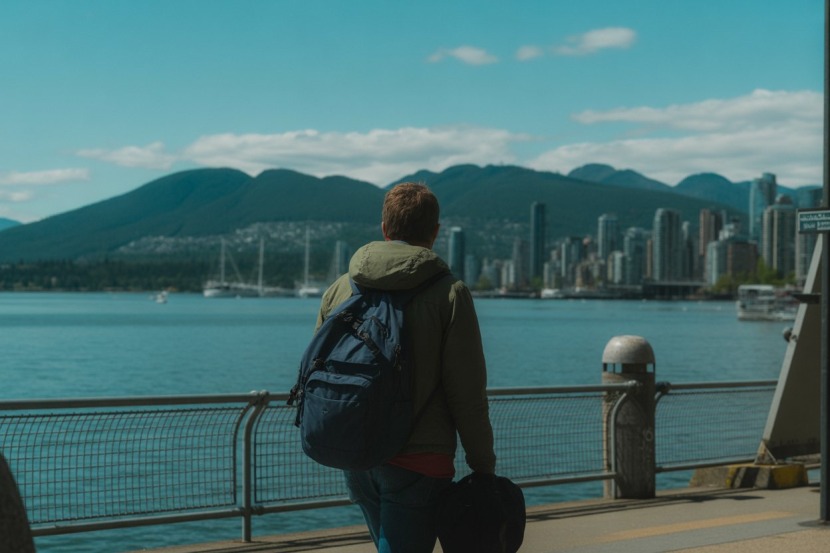
Vancouver is positioned along an extensive coastline and surrounded by mountainous terrain and dense vegetation. For travelers, the city functions as a major destination where dining and drinking form a central part of the visitor experience. Restaurants operate across a wide range of cuisines and price levels, with strong representation from Asian culinary traditions. Budget meals without alcohol are commonly available below twelve dollars, while higher-end restaurants offer multi-course dining experiences at significantly higher price points. Dining districts are distributed across several neighborhoods, allowing tourists to encounter varied food environments within short travel distances.

Restaurant Distribution and Price Accessibility

Restaurant density is highest in Kitsilano and the West End, where dining venues are closely clustered. The central business area contains many upscale establishments, particularly along Robson Street and within downtown hotels. East Vancouver features a concentration of ethnic restaurants that reflect long-established community food traditions.
For visitors monitoring expenses, meal pricing remains relatively accessible. Casual restaurants frequently offer full meals at lower price points when alcohol is excluded. At the upper end, fine-dining restaurants provide structured multi-course menus paired with professional service. Many establishments encourage advance reservations, most commonly through online booking platforms, while some still require direct phone reservations. Travelers are advised to check restaurant websites or listing pages in advance to avoid delays.

Dining as Part of the Visitor Routine

For tourists, dining in Vancouver often becomes a recurring activity rather than a single planned experience. The city’s layout allows meals to be combined easily with sightseeing, shopping, or neighborhood exploration. Food choices are available throughout the day, supporting flexible itineraries. Dining areas function as social spaces where travelers regularly pause between other activities. This consistent availability of food options contributes to a travel rhythm that places eating alongside movement and exploration.

Food Experiences and Travel Planning

From a travel-planning perspective, Vancouver’s food environment supports varied visitor preferences without requiring specialized scheduling. Casual lunches, structured dinners, and informal snack stops are integrated into most neighborhoods. This allows travelers to adapt dining plans based on time, budget, and location rather than fixed reservations alone. As a result, food-related decisions remain adaptable throughout a visit, aligning with changing daily travel patterns.

Cantonese Cuisine and the Shift Toward Richmond

Vancouver holds a significant reputation for Cantonese cuisine due to long-standing migration patterns from Hong Kong during the 1980s and 1990s. Skilled chefs relocated during this period, shaping the quality and pricing of dishes such as dim sum and siu mei. Over time, the center of high-quality Chinese dining shifted away from Vancouver’s Chinatown, where remaining restaurants largely cater to tourists.
Currently, the strongest concentration of Chinese restaurants is found in the suburb of Richmond, where a large portion of the population is ethnically Chinese. Dining venues are widely distributed along No. 3 Road, Westminster Highway, Alexandra Road, and nearby side streets east of Richmond Centre. Travelers seeking Chinese cuisine frequently travel to this area for dining.

Vegetarian and Vegan Dining Availability

The city has developed a substantial number of vegetarian and vegan restaurants. Dedicated plant-based establishments operate across multiple neighborhoods, including downtown, Kitsilano, Main Street, Chinatown, Strathcona, Commercial Drive, and Hastings-Sunrise. These restaurants focus exclusively on vegetarian or vegan menus, making Vancouver accessible for travelers with dietary preferences that avoid animal products. The availability of such venues allows tourists to maintain consistent dietary choices throughout their stay.

Reservations, Payments, and Budget Considerations

Reservation practices vary by restaurant. While many use digital reservation platforms, some establishments still rely on phone bookings. Payment methods are generally modern, with most businesses accepting credit cards. However, smaller family-owned Chinese restaurants frequently operate on a cash-only basis. Travelers are advised to carry cash when dining at such establishments. Cheque payments are rarely accepted across the city.
Budget-conscious travelers can access local newspapers that distribute discount coupons, including two-for-one meal offers, which are widely available throughout the city.

Food Festivals and Seasonal Dining Programs

Each January, Vancouver hosts a citywide food festival involving more than 270 local restaurants. Participating venues offer fixed-price menus over a 17-day period. The program, known as Dine Out Vancouver, includes newly opened restaurants, established neighborhood venues, and award-recognized establishments. This event provides travelers visiting during winter with structured dining opportunities across multiple price tiers.

Drinks: Tea, Bubble Tea, Beer, and Ice Cream

A widely available local tea-based drink known as the London fog is prepared using Earl Grey tea and milk and is served in most coffee shops across Vancouver. Bubble tea is also prevalent, particularly among younger residents, with numerous tea houses located throughout the city. Notable locations operate along West King Edward Avenue and Oak Street.
Beer tourism is supported by several breweries and brewpubs. Granville Island Brewery operates on Granville Island and offers tours. Additional brewpubs are located in Yaletown and Gastown, while specialized beer venues focus on Northwestern and Oregon-based microbreweries.
Vancouver is also recognized for gourmet ice cream shops. Prominent chains operate across the city, with London fog-flavored ice cream being a commonly recommended option for visitors.

Image Source: AI

The post Eating Across Vancouver: Restaurants, Cafés, and Breweries appeared first on Travel And Tour World.

Busan as South Korea’s Coastal Hub for Seafood-Focused Travel

Busan as South Korea’s Coastal Hub for Seafood-Focused Travel

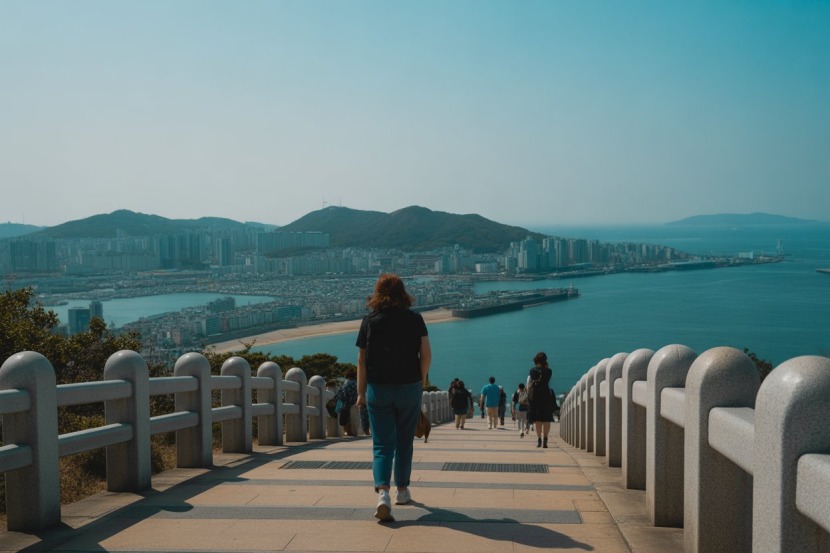
Located in the south-eastern part of South Korea, Busan is a major port city within the broader South Gyeongsang region. It is recognized as the country’s second-largest city and is positioned along the coast, giving it direct access to the sea. The city is associated with beaches, mountainous terrain, spa facilities, and a strong seafood culture. Its coastal position has shaped its role in both domestic travel and food tourism, particularly in relation to seafood consumption. Busan’s identity as a travel destination is closely connected to its maritime setting and long-established fishing activity, which supports daily seafood supply across the city.

Seafood Markets and Everyday Food Experiences

Busan’s food tourism is closely tied to its seafood distribution points and street-level markets. Jagalchi Fish Market functions as the primary seafood landing site, where locally caught seafood enters the city’s food supply. Early morning visits are common, with food service available from around 07:00, including grilled fish and Korean soup varieties traditionally associated with post-drinking meals. Food options are available throughout the day, spanning different price ranges and formats.

Another key food location is the International Market, where a wide variety of goods are sold at low prices. The area also supports casual dining, with foods such as spicy glass noodles, Chungmu-style gimbap, and seed-filled sweet pancakes commonly available. Restaurant operations in Busan are characterized by frequent openings and closures, and many establishments focus on a limited number of specialty dishes. Vegetarian dining options are limited, reflecting broader patterns found elsewhere in the country.

How Food Shapes the Tourist Routine

For travelers moving through Busan, food consumption often becomes part of the daily rhythm rather than a standalone activity. Meals are integrated into market visits, beach outings, and evening walks, allowing tourists to engage with the city through repeated, small-scale dining experiences. The presence of specialized restaurants encourages visitors to make meal choices in advance, particularly when traveling in groups. As a result, eating in Busan often aligns with location and timing rather than extended planning, reinforcing a travel pattern shaped by availability and proximity.

Local Dining as a Travel Constant

Across Busan, food functions as a constant feature within the travel experience. Dining options appear across neighborhoods, transit hubs, and waterfront areas, ensuring that eating remains embedded within everyday movement through the city. Rather than centralized dining districts alone, food establishments are distributed widely, supporting flexibility for travelers. This structure allows tourists to encounter local dishes repeatedly in different settings, reinforcing familiarity without requiring deep culinary knowledge or formal reservations.

Regional Dishes Found Primarily in Busan

Several dishes are associated specifically with Busan and are less commonly found elsewhere in South Korea. Dong-nae pajeon is a seafood and green onion pancake recognized as an affordable and widely consumed local dish. Shellfish-based snacks are also common and are considered popular among local residents.

Daegu tang, a cod-based soup prepared with vegetables, is typically found near the eastern side of Haeundae Beach, where dedicated restaurants serve the dish. Bokguk, a soup made using pufferfish, is also available in Busan. Pufferfish requires licensed preparation due to its toxicity, and restaurants serving it are identifiable through visual signage, often including cartoon-style fish imagery.

Another widely recognized Busan food item is eomuk, a fishcake made from seafood mixed with starch. It is typically fried or boiled and is sold throughout the city. High concentrations of eomuk vendors are found near Jagalchi, Ggangtong Market, and Busan Station, reinforcing its association with travel corridors and high-traffic areas.

Nightlife Districts and Drinking Areas

Busan supports a large number of drinking establishments spread across multiple districts. Nampodong and the area surrounding Pusan National University are among the most active locations. Bars are often located within multi-story commercial buildings, with signage visible from the street, frequently using English terminology or European references.

The Kyeongseong University area is known for its high density of drinking venues and is located near Gwangalli Beach. Gwangalli itself is frequently associated with nighttime activity, with the illuminated Gwangan Bridge forming a visible backdrop across the bay. In Haeundae, bars catering to international visitors are concentrated along Gunam-ro, connecting Haeundae metro station and the beachfront.

Image Source: AI

The post Busan as South Korea’s Coastal Hub for Seafood-Focused Travel appeared first on Travel And Tour World.

Banyuwangi Airport Chosen as Hub for Santai Seaplane’s Amphibious Tourism Flights

Banyuwangi Airport Chosen as Hub for Santai Seaplane’s Amphibious Tourism Flights

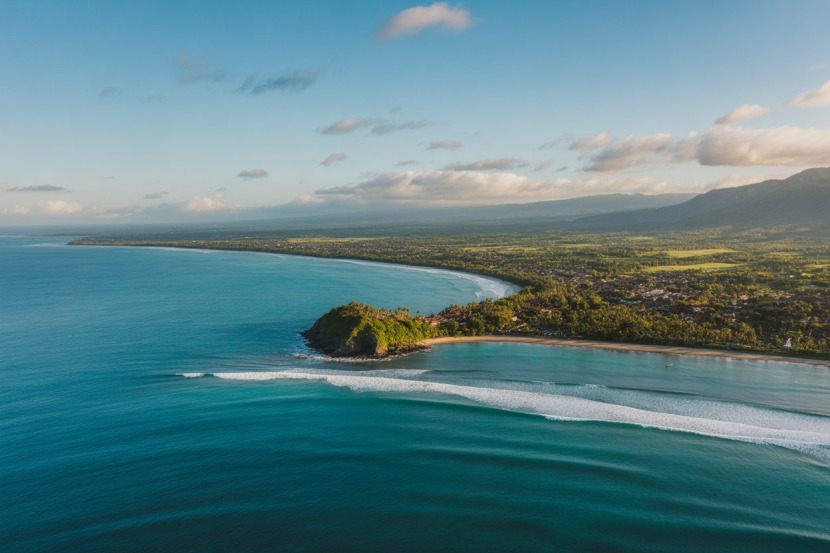
Santai Seaplane, operating under PT Santai Seaplane Aviation and backed by the Seaplane Asia Group based in Hong Kong, has identified Banyuwangi Airport (BWX) as a central base for upcoming amphibious aircraft services serving Bali and surrounding regions of Indonesia. The decision has been supported by InJourney Airports and Akademi Penerbang Indonesia Banyuwangi, marking the transition of the initiative into an active implementation phase. The move positions Banyuwangi as a focal point for premium air travel connectivity across East Java and the Lesser Sunda Islands, with commercial services targeted for early 2026.

Banyuwangi Airport Selected as Strategic Operational Base

The selection of Banyuwangi Airport has been driven by its geographic role between Java and Bali and its proximity to established and emerging tourism zones. Approved permits for water-based aircraft movements are set to be utilized at the Banyuwangi water aerodrome, along with designated water landing locations at Menjangan in North Bali and additional approved sites in southern Bali. These facilities collectively form the initial phase of a broader seaplane network.
As part of the rollout, a dedicated Santai Seaplane operations and sales center is planned within Banyuwangi Airport. The facility is to be developed under a Build-Operate-Transfer framework, reinforcing a long-term operational commitment to the region while supporting integrated land-and-water aviation activity.

Regional Air Connectivity Supporting Tourism Movement

From Banyuwangi, amphibious operations are expected to facilitate direct and time-efficient travel between coastal, island, and mainland destinations already named within the operational plan. Planned route development includes air links to Wisnu Airport, Denpasar, Lombok, and Moyo Island. In addition to scheduled movements, the base is positioned to support curated aerial sightseeing flights above Mount Ijen and Mount Bromo, as well as scenic coastal flights along Bali.
The hub structure enables Banyuwangi to function as a central coordination point for flights designed around tourism mobility, with aircraft movements intended to complement existing transport flows rather than replace them.

A Travel Experience Designed Around Seamless Transitions

For travelers, the structure of amphibious operations is oriented toward reducing friction between arrival points and final destinations. By combining land-based airport access with water landings, tourism movement is positioned to shift away from indirect routing and extended ground transfers. The model emphasizes continuity of journey, where transitions between terminals, coastlines, and islands are designed to remain fluid and time-efficient.
This approach aligns with broader patterns in premium travel, where access, convenience, and route efficiency are increasingly prioritized as part of the overall tourism experience rather than treated as logistical afterthoughts.

Tourism Mobility Shaped by Flexibility and Access

The operational framework highlights flexibility as a defining characteristic of the service model. Amphibious aircraft are positioned to support varied travel purposes without being tied to a single tourism segment. Whether aligned with scheduled sightseeing flights or tailored charter services, the structure allows travel planning to be adjusted around individual itineraries rather than fixed infrastructure limitations.
Such adaptability reflects evolving traveler expectations, where access to diverse landscapes and coastal environments is valued alongside reliability and time management.

Targeted Services for Specialized Travel Segments

Several tourism and travel-oriented service categories are planned within the Banyuwangi-based operation. Scenic shore excursions are structured for cruise passengers arriving at Benoa and East Java ports, combining aerial sightseeing with onward travel to secluded destinations. Inter-island charter services are set to support direct access to Mandalika and Bangko Bangko in Lombok, serving sports-tourism and luxury travel markets.
Additionally, the Banyuwangi base is designated to support bespoke charter connectivity to commercial centers such as Surabaya. Beyond tourism, operational capacity is also intended to accommodate goods delivery and medical evacuation flights, expanding the functional scope of the seaplane network.

Implementation Timeline and Network Expansion

Following consultations with national and regional stakeholders, the initiative has entered its active implementation phase. Demonstration flights and technical feasibility assessments for additional locations are planned for completion in early 2026, aligning with the projected launch of commercial services. The phased approach allows operational readiness to be validated before network expansion across further designated water aerodromes within the archipelago.

Alignment With Sustainable Airport Infrastructure

Banyuwangi Airport has been internationally recognized for its environmentally responsive terminal design by architect Andra Matin. Features such as natural ventilation and a grass-covered roof have reduced energy demand and environmental impact. This infrastructure has been aligned with Santai Seaplane’s stated focus on low-impact aviation operations and responsible access to coastal and marine environments.
By anchoring operations at BWX, the travel experience is structured to begin within a sustainability-focused terminal and continue through water-based landings at ecologically sensitive destinations already included within the operational plan.

Image Source: AI

The post Banyuwangi Airport Chosen as Hub for Santai Seaplane’s Amphibious Tourism Flights appeared first on Travel And Tour World.
❌