
Reading view

Thailand’s Night Economy Transforms Bangkok, Ratchaburi, and Beyond, Revitalizing Tourism with Stunning Light Festivals and Cultural Events – Everything You Need to Know
Thailand’s Night Economy Transforms Bangkok, Ratchaburi, and Beyond, Revitalizing Tourism with Stunning Light Festivals and Cultural Events – Everything You Need to Know
Thailand's Night Economy Transforms Bangkok, Ratchaburi, and Beyond, Revitalizing Tourism

Thailand is embracing a bold new strategy to revive its tourism sector with the launch of its “night economy.” By extending tourism activities into the evening hours, the country is reimagining the travel experience, particularly in major cities like Bangkok and other regional destinations. The recent Vijit Chao Phraya 2025 Festival in Bangkok served as a dynamic example of how cultural events and nightlife can drive tourism. The festival not only brought the capital to life but also generated substantial economic activity across the country, marking a significant milestone in Thailand’s post-pandemic recovery.

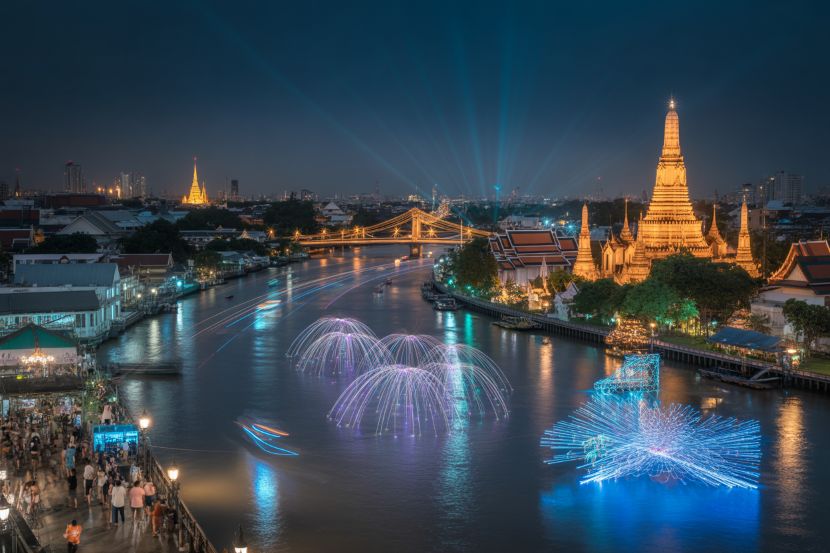
The Vijit Chao Phraya Festival was an electrifying cultural event, with Bangkok’s Chao Phraya River transformed into a vast open-air stage, featuring light installations, drone shows, and projection mapping. The festival attracted over 1.7 million visitors, infusing the local economy with approximately 5.5 billion baht (roughly 177 million USD) in revenue. This success has spotlighted the potential of the night economy to attract international and domestic travelers alike, encouraging longer stays and more spending.

Thailand’s Night Economy: A Game-Changer for Tourism

Thailand’s night economy initiative isn’t limited to flashy events or late-night entertainment—it’s about offering a broader range of nighttime activities that showcase the nation’s culture, cuisine, and creativity. From night markets in Chiang Mai to temple tours in Ayutthaya, travelers can now enjoy new experiences that were previously unavailable after dark. The government is working to make nighttime tourism a key part of the country’s strategy to extend tourists’ stays and maximize their spending.

The government’s approach aims to distribute the economic benefits of tourism across more areas of the country, not just in Bangkok. Secondary cities are being integrated into the plan, ensuring that regions like Ratchaburi and Khon Kaen also benefit from the increase in tourist footfall. The night economy is poised to offer something for everyone—from romantic riverside dinners in Ratchaburi to vibrant nightlife in Pattaya.

The success of the festival proved that visitors are eager for cultural experiences that can be enjoyed well into the night, and the Thai government is keen on capitalizing on this demand.

How the Night Economy Enhances the Thai Travel Experience

For travelers seeking to explore Thailand, this new focus on the night economy provides more ways to connect with the local culture. Here’s how visitors can make the most of this vibrant nighttime experience:

  • Late-Night Dining and Night Markets: Explore the variety of local flavors at night markets in Bangkok, Phuket, and Chiang Mai, where food stalls offer everything from Pad Thai to grilled skewers.
  • Cultural Light Shows and River Cruises: Visitors can indulge in river cruises along the Chao Phraya, enjoying multimedia light shows at night. The Vijit Chao Phraya Festival is just the beginning of a broader trend of integrating light and sound installations into Thai culture.
  • Night Tours of Historical Sites: Historical landmarks such as Ayutthaya, Wat Arun, and the Grand Palace are offering evening tours, allowing visitors to admire the architecture lit under the night sky.

As Thailand makes strides to enhance its night economy, travelers are encouraged to plan their trips to enjoy the extended hours of entertainment, food, and culture.

What Does This Mean for Travelers?

Thailand’s night economy represents a major shift in how the tourism industry can operate. For tourists, this means extended opportunities to explore, with more activities available during the evening, allowing travelers to maximize their stay. From luxurious riverside experiences in Bangkok to cultural light festivals in Ratchaburi, tourism in Thailand is no longer confined to daylight hours.

In addition, the economic ripple effects of these events are already being felt across other sectors like transportation and hospitality. Hotels, restaurants, and local communities are seeing increased profits, benefiting from the surge of nighttime activity. For those visiting Thailand, it’s a chance to see a new side of the country—one that is vibrant, dynamic, and increasingly centered around the idea of sustainable tourism.

Future Prospects: Expanding the Night Economy Across Thailand

Looking ahead, the tourism authorities have ambitious plans to make the night economy a permanent feature of Thailand’s tourism landscape. The Tourism Authority of Thailand (TAT) plans to expand nighttime initiatives not only in Bangkok but also across other must-visit locations like Chiang Mai, Phuket, and Pattaya. The aim is to spread economic benefits more equally across the nation by making night tourism accessible to a wider range of destinations.

Tourists can expect bigger and better festivals, with more elaborate light shows, cultural performances, and interactive experiences. The TAT’s goal is to establish Thailand’s nighttime tourism as a global draw, setting the country apart as a must-visit destination for travelers seeking rich cultural experiences after dark.

Unlocking Thailand’s Nighttime Potential

As Thailand accelerates its efforts to build a sustainable and vibrant night economy, the country is not only enhancing the appeal of Bangkok but also opening the doors for smaller regions to thrive. By offering travelers new, exciting ways to experience the country’s heritage, art, and culture, Thailand is positioning itself as a leader in nighttime tourism across Southeast Asia.

This strategic shift in tourism not only benefits local businesses but also helps distribute the flow of tourists more evenly across the country, ensuring that all regions reap the rewards of this booming industry.

Key Takeaways for Travelers

  • New nighttime experiences await in Bangkok, Ratchaburi, and beyond, including late-night markets, cultural festivals, and river cruises.
  • Secondary cities will also become major players in the night tourism scene, creating new opportunities for exploration.
  • Thailand’s tourism infrastructure is evolving, offering tourists more ways to enjoy the country’s beauty well into the night.

Thailand’s forward-thinking approach to nighttime tourism is a win-win for both the tourism sector and travelers looking for more diverse and unique experiences.

The post Thailand’s Night Economy Transforms Bangkok, Ratchaburi, and Beyond, Revitalizing Tourism with Stunning Light Festivals and Cultural Events – Everything You Need to Know appeared first on Travel And Tour World.
Thailand Dominates Global Tourism: How The Night Economy is Making it the Ultimate Travel Powerhouse!

Thailand Dominates Global Tourism: How The Night Economy is Making it the Ultimate Travel Powerhouse!

On the banks of the Chao Phraya River, the annual Vijit Chao Phraya 2025 festival illuminated the night sky with dazzling fireworks and vibrant light displays, signaling Thailand’s strategic move to reinvigorate its tourism sector through the promotion of the night economy. This initiative, designed to extend visitor spending hours and increase overnight stays, seeks to capitalize on Thailand’s rich cultural heritage and scenic beauty to attract more tourists, especially during the high season.

As part of this effort, major cultural events like the Vijit Chao Phraya 2025 festival are positioned at the heart of Thailand’s broader economic goals. The festival not only showcased the country’s creative programming but also demonstrated the potential for cultural tourism to drive economic growth, particularly during the year-end period when tourism typically peaks.

Festival’s Impact on Tourism and Economic Growth

The Vijit Chao Phraya 2025 festival transformed Bangkok’s main riverbank into an open-air cultural stage, with 15 curated locations including historic sites, temples, bridges, and contemporary landmarks. These sites were adorned with a variety of multimedia installations, including laser effects, projection mapping, and even drone shows, creating a mesmerizing spectacle that drew visitors from around the world.

According to the Tourism Authority of Thailand (TAT), the 45-day festival attracted more than 1.7 million visits, generating an estimated revenue of at least 5.5 billion baht (approximately 177 million USD). This success highlights the potential of cultural tourism to stimulate local economies, benefiting a wide range of sectors from hospitality to transportation.

Atthakorn Sirilatthayakorn, the Minister of Tourism and Sports, emphasized that the festival was not only a major cultural event but also a strong indication of how creative initiatives can help boost travel demand. It also served as a prime example of how cultural programming can contribute to tourism-led economic growth while enhancing the capital’s global appeal, particularly during the year-end high season when international tourists flock to Thailand.

Night Economy: A Game Changer for Tourism

The success of the Vijit Chao Phraya 2025 festival marks a crucial step in the Thai government’s night economy policy, which is designed to extend the tourism day into the evening, encouraging visitors to engage in more activities and stay longer. According to TAT Governor Thapanee Kiatphaibool, the night economy aims to stimulate tourism at night by offering new dimensions of activity that enhance the nighttime experience for tourists. This strategy not only focuses on Bangkok, Thailand’s largest city but also seeks to expand these nighttime initiatives to secondary cities, thus spreading the economic benefits of tourism more evenly across the country.

The broader goal is to diversify and enrich the tourism experience, making it possible for visitors to enjoy cultural and recreational activities well into the night. By doing so, Thailand hopes to foster longer stays and higher spending, which will contribute significantly to both local economies and the national tourism industry.

Expanding the Night Economy Beyond Bangkok

While the Bangkok initiative has been a resounding success, Thailand is now looking to extend the night economy model to other major cities across the country. The government plans to bring must-visit destinations into the fold, providing more cultural events, night markets, street food festivals, and nighttime performances. By doing so, tourism authorities hope to encourage travel to areas beyond the capital, distributing the economic benefits of tourism more widely throughout the country.

This approach could help mitigate the pressure on Bangkok’s already crowded tourism scene and encourage travelers to explore the cultural diversity and historical significance of Thailand’s secondary cities. Not only will this help boost local economies, but it will also give tourists a more diverse experience of the country, enriching their travel and enhancing their overall satisfaction.

Economic Ripple Effects Across Sectors

The Vijit Chao Phraya 2025 festival had a substantial economic impact on several sectors. River transport services saw a significant uptick in passengers, benefiting from the large influx of tourists traveling to and from the event. The local hospitality industry, including hotels, restaurants, and tourist attractions, also reaped the rewards of increased visitor spending. Additionally, communities along the river benefited from the event, with many local businesses seeing increased foot traffic and sales.

The festival not only highlighted the importance of cultural events in stimulating tourism but also reinforced the interconnectedness of tourism and economic development. With tourism serving as a major economic driver for Thailand, events like the Vijit Chao Phraya festival are essential to maintaining and expanding the country’s position as a leading tourism destination in Southeast Asia.

Looking Ahead: Expanding and Enhancing Future Festivals

Building on the success of the inaugural event, Thailand’s tourism authorities are already planning ways to enhance the scale and presentation of next year’s Vijit Chao Phraya festival. The goal is to establish the festival as a signature event that showcases Thailand’s cultural allure to a global audience, while continuing to drive significant tourism-related revenue.

Future iterations of the festival are expected to be even more ambitious, with the integration of new technologies and creative ideas aimed at increasing visitor engagement. Thailand is positioning itself as a global cultural hub, and events like the Vijit Chao Phraya festival play a central role in solidifying this reputation.

Conclusion: Night Economy as a Key to Thailand’s Tourism Growth

Thailand’s growing focus on the night economy is expected to be a key driver of future tourism growth. By harnessing the power of creative cultural events like the Vijit Chao Phraya festival, the government is ensuring that the tourism industry continues to thrive long after the sun sets. The success of the festival provides a blueprint for future initiatives, both in Bangkok and in other cities, that will allow Thailand to spread the economic benefits of tourism more widely.

With over 1.7 million visits and an estimated revenue of 5.5 billion baht, Thailand’s latest venture in the night economy has proven to be a resounding success. By expanding these efforts to other regions, the country aims to continue positioning itself as a global leader in tourism and cultural tourism, ensuring a bright future for its economy and international appeal.

The post Thailand Dominates Global Tourism: How The Night Economy is Making it the Ultimate Travel Powerhouse! appeared first on Travel And Tour World.
❌