
Reading view

Northern Ireland: How the Holiday Traffic Surge on Christmas Day and Boxing Day Showcases Family Unity

Northern Ireland: How the Holiday Traffic Surge on Christmas Day and Boxing Day Showcases Family Unity

During the festive period, the roads in Northern Ireland experience a noticeable uptick in traffic, especially on Christmas Day and Boxing Day. This heavy traffic has become an annual pattern, as families travel across the country to visit loved ones, often braving less-than-ideal weather conditions to maintain family connections. This surge in traffic provides a unique snapshot of the deep-rooted cultural and familial bonds that define the region, as people make the effort to stay connected with their families despite the commercialized nature of the holiday season.

A Familiar Sight: Increased Traffic on Christmas Day and Boxing Day

Over the last few years, heavy traffic on the Sydenham Bypass, Bangor Road, and the outer ring road in South and East Belfast has been a common feature of Christmas Day and Boxing Day. Roads such as the M3 bridge are often filled with vehicles, with two busy lanes running in each direction. Even the prospect of a breakdown, which could easily lead to a hefty tailback, has become a familiar concern for drivers navigating the Belfast area.

These roads have always been busy, but the congestion during the holiday season feels particularly heavy, with families making their way to different corners of the region for lunches and family gatherings. Drivers who are accustomed to the usual commute in the greater Belfast area will often find themselves slowing down, aware that the typical Christmas traffic jams are a part of the festive routine.

Why So Much Traffic on Christmas Day?

The reasons behind the increase in traffic on Christmas Day and Boxing Day are quite clear, though still uplifting. It reflects the strong family ties and the human desire to be close to loved ones during the festive season. In a world that has become increasingly commercialized, these traffic patterns are a reminder of the importance of family and the lengths people go to in order to spend time together, whether they are traveling from nearby or from other parts of Northern Ireland.

While there may be concerns about the commercialization of Christmas, it’s heartwarming to witness the cultural emphasis on family bonds, with many people making the effort to reconnect, regardless of any personal differences. This annual tradition of traveling to see family provides a welcome sense of togetherness, even for those who may not share as close a relationship as they once did.

The Role of Traffic in Shaping Christmas in Northern Ireland

This surge in Christmas traffic also offers a deeper understanding of the region’s priorities and values. In addition to the familial connections, these busy roads are also a reflection of the holiday traditions and the efforts people make to preserve the importance of family gatherings. This is not just a matter of practical necessity—many see this as part of the holiday ritual, an integral part of celebrating Christmas.

For tourists visiting Northern Ireland during the festive season, this increased traffic is something to keep in mind. The vibrant culture of family gatherings and holiday events creates a bustling atmosphere, making it an ideal destination for those looking to experience the warmth of Irish hospitality. However, travelers should be prepared for longer commutes, especially when visiting family-friendly attractions or heading to popular events, such as Christmas markets or scenic spots in Belfast and Derry.

Impact on Business and Leisure Travel

For business travelers during the holiday season, this surge in traffic could cause some delays, particularly for those attending end-of-year meetings or events. Belfast and Derry are major hubs for business activity, but during the Christmas period, the traffic may complicate commutes and delay appointments. Those planning to fly from Belfast International or City Airport may also find that the extra traffic affects travel times, especially during peak hours.

For tourists, the festive traffic creates a sense of holiday atmosphere while also requiring some foresight. Those visiting popular tourist destinations such as the Giant’s Causeway, Belfast’s Titanic Quarter, or Derry’s medieval walls should plan their trips around these peak traffic periods. These places, while typically quieter during the holiday season, can still experience congestion due to family visits and local holiday events. It’s important for tourists to be patient and enjoy the festive energy of the season, while also factoring in additional travel time.

Quick Tips for Navigating Post-Christmas Traffic in Northern Ireland

  1. Check Traffic Updates: Before heading out, keep an eye on real-time traffic updates from local sources like Traffic Watch NI and BBC News for the latest congestion reports.
  2. Plan for Peak Travel Times: Christmas Day and Boxing Day traffic will be at its heaviest between 11 am and 3 pm. Consider traveling before or after these peak hours to avoid the busiest times.
  3. Consider Public Transport: For those traveling between major cities, public transportation may be a more convenient option than driving. Trains and buses often run on adjusted schedules during the holidays, but they can avoid the congestion on major roads.
  4. Use Navigation Apps: Utilize apps like Google Maps or Waze to find alternative routes around traffic hotspots. These apps often provide real-time updates on road conditions and help identify quicker paths.
  5. Be Prepared for Delays: Ensure your vehicle is ready for winter conditions, and carry snacks, water, and entertainment for longer travel times due to the heavy traffic.
  6. Embrace the Holiday Spirit: Despite the traffic, enjoy the festive cheer around you. Listen to holiday music, enjoy the decorations, and remember that the effort to be with loved ones is what makes Christmas special.

Conclusion: The Heart of Christmas in Northern Ireland

The heavy Christmas traffic in Northern Ireland is more than just a logistical challenge—it reflects the country’s deep-rooted values of family, togetherness, and the holiday spirit. For both business travelers and tourists, this surge in traffic is part of what makes the season so memorable. While it can create challenges, it’s also a reminder of the efforts people make to spend time with loved ones. With a little planning and flexibility, navigating the festive season’s travel disruptions can become part of the holiday adventure, as visitors explore the warmth and hospitality of Northern Ireland during one of the most wonderful times of the year.

Disclaimer: The Attached Image in This Article is AI Generated

The post Northern Ireland: How the Holiday Traffic Surge on Christmas Day and Boxing Day Showcases Family Unity appeared first on Travel And Tour World.
M4 Closures in Swindon and Wiltshire: How to Manage Roadworks and Diversions in 2026

M4 Closures in Swindon and Wiltshire: How to Manage Roadworks and Diversions in 2026
M4 Closures in Swindon and Wiltshire

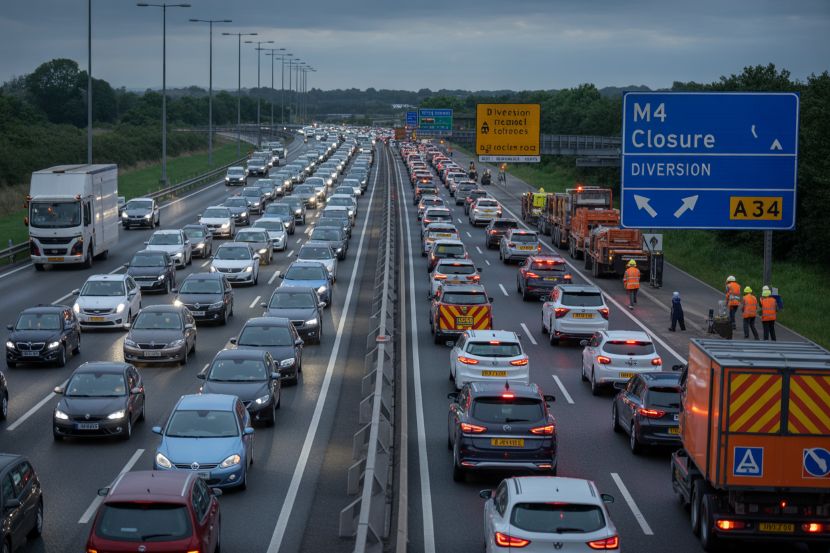
Motorists and travelers heading to or from Swindon, Wiltshire, and the surrounding areas in 2026 will face significant disruptions as the M4 motorway undergoes essential maintenance work. Starting January 2, sections of the M4 will be partially closed between Junction 5 (A4) and Junction 15 (A419/A346). These closures are set to continue intermittently throughout the year, with the motorway shutting down between 9 pm and 6 am daily until December 24, 2026. This major infrastructure project will affect both local traffic and long-distance travelers, particularly those using the M4 to access London, Bristol, and surrounding towns.

M4 Closure Details: When and Where to Expect Disruptions

The closures on the M4 will take place during overnight hours, between 9 pm and 6 am, to minimize the disruption to daytime travel. However, with the motorway being closed at multiple points, including the slip and link roads at Junctions 8, 9, 13, and 15, the closures will have a significant impact on travelers, especially those passing through Swindon, Slough, Windsor, Maidenhead, and areas of West Berkshire.

National Highways, the government body responsible for UK motorways, has confirmed that a series of diversions will be put in place to help direct traffic around the affected areas. These diversions will involve alternative routes such as the M25, A4, A33, A34, and several other major roads, as well as local roads like the A308(M) and B4192.

While these diversion routes are officially approved, traffic conditions may change depending on local circumstances, so drivers are advised to check live traffic updates before traveling.

Impact on Business and Leisure Travelers

The extended M4 closures could lead to significant disruptions for both business travelers and tourists planning to travel through the region. For business professionals heading to meetings or events in London, Bristol, or Slough, the diversion routes could add considerable time to their journeys, especially during peak hours. Additionally, logistics companies and commercial drivers who rely on the M4 to move goods across the country will need to plan ahead to account for delays caused by the diversions.

Tourists traveling to or from Wiltshire, Berkshire, or the Cotswolds may also find their routes disrupted, particularly if they are planning to visit major attractions like Windsor Castle, Bristol Zoo, or the charming towns in the Cotswolds. The diversions, while designed to minimize the impact, will likely cause delays, especially for those not familiar with the area.

Key Diversion Routes and Affected Areas

To help travelers navigate the closures, National Highways has outlined the official diversion routes that will be used during the maintenance work. The diversion routes include the following:

  • M25
  • A4, A33, A34
  • A308(M)
  • A322, A327, A329(M)
  • A338, A339, A355, A404(M)
  • A419, A3044, A3113, A3290, A4155, and B4192

Drivers should expect significant changes to their usual routes and allow extra time to reach their destinations, particularly for longer trips between London and Bristol or South Wales.

Tips for Travelers

To help you manage the disruptions caused by the M4 closures, here are some quick tips for a smoother journey:

  1. Check Real-Time Traffic Updates: Before setting off, always check the National Highways website or use live traffic apps to get real-time updates about any changes to the diversion routes or new closures.
  2. Travel During Off-Peak Hours: If possible, plan to travel outside of peak traffic hours, especially on busy days when congestion is likely to be heavier, such as weekends and during holiday periods.
  3. Allow Extra Time: Expect delays due to the detours and diversions. It’s recommended to add at least 30-60 minutes to your estimated travel time, depending on your route and destination.
  4. Use Public Transport for Shorter Journeys: For those traveling within Berkshire or Wiltshire, consider using local public transport or trains to bypass the motorway closures altogether.
  5. Stay Informed About Roadworks: Follow local news and traffic updates for information on any unexpected closures or delays. The National Highways Customer Contact Centre is available for further assistance if needed.
  6. Prepare for Longer Travel Times: Particularly during busy periods like the summer holidays or the Christmas period, be prepared for longer-than-usual travel times on diversion routes. It’s advisable to plan breaks or stops if necessary.

Longer-Term Infrastructure Improvements

While the M4 closures may cause short-term inconvenience, the long-term benefits will be significant. The maintenance work is essential to improve the flow of traffic and ensure the safety of the motorway for years to come. Once the project is completed, the M4 will be better equipped to handle the growing number of vehicles, contributing to improved travel times and a more efficient transport network across the region.

The work at the M4 Junctions and surrounding areas is part of ongoing infrastructure improvements aimed at supporting the economic growth of the region, facilitating smoother travel for both local residents and visitors, and promoting safer driving conditions for all road users.

Conclusion: Managing M4 Disruptions for a Smoother Travel Experience

The M4 closures in Swindon and Wiltshire will undoubtedly cause some disruption throughout 2026, but with careful planning and awareness of alternative routes, travelers can minimize the impact on their journeys. Whether you’re a business traveler on a tight schedule or a tourist exploring the charming towns of Berkshire and Wiltshire, planning ahead and staying informed is key to navigating these temporary closures. By using updated diversions and adjusting travel times, you can still make the most of your trip while construction work continues to improve the M4 for the future.

Disclaimer: The Attached Image in This Article is AI Generated

The post M4 Closures in Swindon and Wiltshire: How to Manage Roadworks and Diversions in 2026 appeared first on Travel And Tour World.

Glasgow: Plan Your Boxing Day Journey – 19.7 Million Cars and Major Rail Delays on the Horizon

Glasgow: Plan Your Boxing Day Journey – 19.7 Million Cars and Major Rail Delays on the Horizon
Glasgow

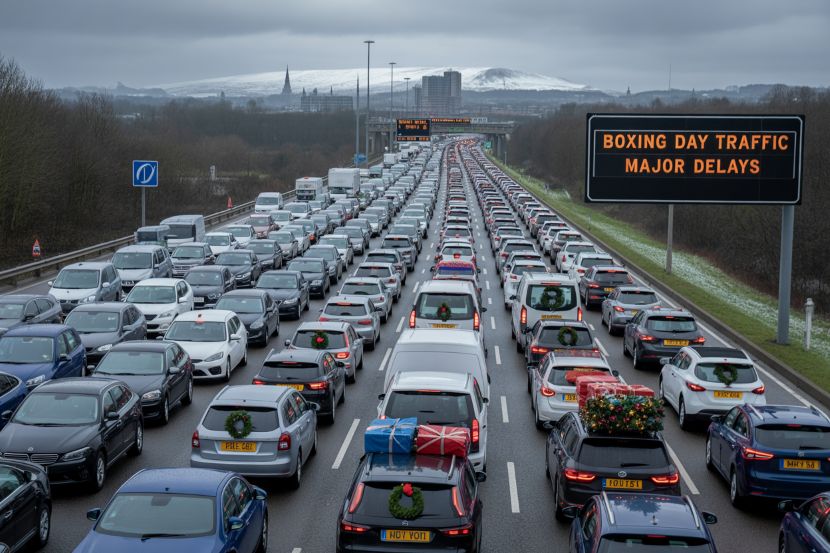
Drivers across the UK, including those in Glasgow, are being warned of a surge in traffic on Boxing Day, with nearly 20 million car journeys expected nationwide. As millions head out to visit family, go shopping, or return to work after the festive period, congestion is expected to peak, especially between 10 am and 7 pm. With major disruptions on rail services and limited public transport options, drivers are urged to plan their routes and timings carefully to avoid unnecessary delays.

Surge in Boxing Day Traffic: What Travelers Need to Know

According to the AA, 19.7 million vehicles are expected on the roads across the UK on Boxing Day, as holidaymakers and families take to their cars to visit loved ones or shop for post-Christmas sales. With traffic levels expected to be the highest between 10 am and 7 pm, travelers are encouraged to set off outside these peak times if possible to avoid the heaviest congestion.

In a survey conducted by the AA, the majority of respondents indicated that visiting family and friends is the primary reason for their festive travel, with 60-63% planning to travel during the 11-day holiday period. Shopping is another common reason, cited by 47-52% of travelers, while work-related journeys make up 27-29% of trips.

For Glasgow residents, and those traveling to or from the city, it’s important to keep in mind that although the city’s streets will be packed, some routes, such as those leading to and from the airport, are likely to be particularly congested. Drivers should anticipate delays on major roads like the M8 and M77, as well as in the Glasgow city center.

Impact on Business Travel and Tourists

The travel surge on Boxing Day is likely to affect both business travelers and tourists. For business travelers, especially those needing to get to meetings or events, the increased traffic could cause delays. Moreover, Glasgow Airport is expecting a high volume of passengers, so those flying out of or into the city should arrive early to accommodate longer check-in times.

For tourists, especially those visiting Glasgow or Scotland for a winter break, the surge in traffic could delay visits to attractions. Popular spots like the Kelvingrove Art Gallery and Museum, Glasgow Cathedral, and the Christmas Markets may be less accessible due to the traffic around key tourist areas.

Rail Disruptions to Add to the Travel Stress

In addition to road congestion, rail services will also face disruptions over the festive period. Network Rail has announced that engineering works on sections of the West Coast Main Line will affect train services between London Euston and Glasgow, as well as other routes to and from the north of England. Rail travelers should be prepared for delays and possible cancellations, especially from December 26 to January 4. For those traveling between Glasgow Queen Street and Crianlarich or Helensburgh Central, services will resume on January 2.

With most rail services suspended for Christmas Day and Boxing Day, business travelers should consider alternative transport options. Buses or private car hire could be more reliable during this time, especially if train services are not available.

Quick Tips for Travelers in Glasgow and Beyond

For those planning to drive or travel through Glasgow during the Christmas period, here are a few helpful tips:

  1. Plan Travel Around Peak Hours: Avoid traveling between 10 am and 7 pm on Boxing Day if possible, as this is when traffic is expected to be heaviest. Plan to leave earlier or later in the day to avoid congestion.
  2. Check for Road Closures and Diversions: Be aware of potential roadworks or closures, particularly near Glasgow city center or on major routes like the M8. Stay updated with real-time traffic apps to adjust your route accordingly.
  3. Book Transport in Advance: If you are flying or using public transport, make sure to book your tickets well in advance to avoid long lines or sold-out trains. Glasgow Airport is expected to be busy, so arriving early is key.
  4. Consider Car Alternatives: Given the potential for delays, consider using taxis, rideshare apps, or buses to get around. Glasgow city buses will be running on Boxing Day, but with limited service hours.
  5. Stay Updated on Rail Disruptions: If you’re relying on trains, check for engineering works or cancellations on the National Rail website. The West Coast Main Line and Glasgow train stations will be impacted.
  6. Pack Extra Supplies for Long Waits: Given the potential for delays, pack snacks, water, and entertainment for your journey, especially if you’re traveling with family or in a large group.

The Outlook for New Year’s Travel

Following Boxing Day, the travel rush will continue, with 22 million vehicles expected on the road on Saturday, January 2, and 20.7 million on January 6. New Year’s Day will be the quietest day in terms of travel, with 18 million journeys expected, offering drivers a brief respite before the rush picks up again. As people return to work and school after the holiday period, traffic will again spike, making it essential for travelers to plan ahead.

Conclusion: Navigating the Boxing Day Rush

Boxing Day travel in Glasgow and across the UK will be marked by heavy traffic, rail disruptions, and longer-than-usual travel times. Business travelers and tourists alike should take extra precautions by planning their routes, checking for delays, and allowing additional time to reach their destinations. While the surge in travelers may cause some inconvenience, with a bit of preparation and patience, you can navigate through the festive travel chaos with ease.

Disclaimer: The Attached Image in This Article is AI Generated

The post Glasgow: Plan Your Boxing Day Journey – 19.7 Million Cars and Major Rail Delays on the Horizon appeared first on Travel And Tour World.
❌