
 Login
Login
US Travel In Turmoil With Over 1,800 Cancellations And More Than 22,000 Delays as Winter Storm Hits Airports And Roads, Making Conditions Treacherous For Travelers: How To Prepare
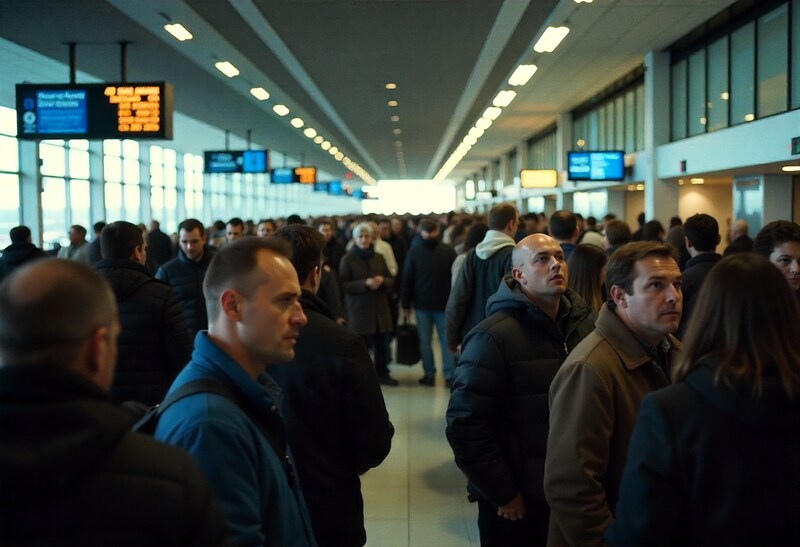
US travel is in turmoil due to a powerful winter storm that has caused over 1,800 flight cancellations and more than 22,000 delays nationwide. The severity of the storm, which brought freezing rain, sleet, and snow, has made roads and airports dangerous for travelers. Due to icy runways and poor visibility, major transportation hubs are finding it difficult to handle the spike in cancellations. Travelers trying to drive or use ground transportation face difficulties due to the equally dangerous roads. Travel chaos has spread widely due to a combination of extreme weather, large passenger numbers, and airline operational strain. Travelers are advised to keep an eye on weather forecasts, regularly check flight statuses, and factor in extra time for any delays or cancellations.
A powerful post-Christmas winter storm has left travelers stranded and caused major disruptions across the Northeastern United States, as one of the year’s busiest travel weekends collided with one of the worst snowstorms in nearly four years. With airlines struggling to keep up with the surge in cancellations and delays, travelers faced a tumultuous holiday experience as the storm intensified over the weekend.
As of Saturday morning, more than 1,800 flights were canceled across the U.S., with over 22,000 delays reported nationwide. The storm’s impact was particularly severe on major transportation hubs in the New York Tri-State area, including John F. Kennedy International Airport (JFK), Newark Liberty International Airport (EWR), and LaGuardia Airport (LGA), where hundreds of flights were canceled in a 24-hour period, causing widespread chaos.
Heavy Disruptions at Major Airports
The storm’s timing was disastrous, occurring during the peak post-Christmas travel period when millions of Americans were expected to return home after the holiday. With an estimated 8 million passengers scheduled to travel by air, the severe weather compounded an already high demand for flights, leaving travelers to contend with lengthy delays and limited rebooking options.
Airlines, particularly JetBlue, Delta, and United Airlines, were among the hardest hit by the storm. The carriers faced operational strain as they worked to manage cancellations and delays, offering travel alerts and fee waivers to assist stranded passengers. Despite these efforts, the backlog of rebookings only added to the frustration, leaving many travelers scrambling to find alternative flights as the storm continued its destructive path.
Winter Storm Warnings and Its Widespread Impact
The National Weather Service (NWS) issued winter storm warnings for over 23 million people, with the storm’s most significant impact expected in the New York City area and southern New England. Snowfall accumulations of 10 to 20 centimeters (4 to 8 inches) were anticipated, with some higher elevations potentially receiving up to 30 centimeters (12 inches) of snow. The storm’s intensity was exacerbated by a clash of cold air moving south from Canada, creating hazardous conditions that not only affected aviation but also threatened road safety.
In addition to snow, sleet and freezing rain were expected to affect areas between Philadelphia and New York, increasing the risk of accidents and complicating travel. The treacherous road conditions were compounded by the high number of vehicles on the road as holiday travelers sought to return home. Commercial vehicle restrictions were implemented on several interstate highways in Pennsylvania and New Jersey as authorities worked to manage the situation and protect motorists.
Emergency Measures and State of Emergency
In response to the severity of the storm, emergency measures were quickly put in place across the region. A State of Emergency was declared to ensure that local agencies were equipped with the necessary resources to manage the fallout from the storm. New York City activated its Winter Weather Emergency Plan, with sanitation crews pretreating roads and hundreds of plows stationed throughout the city’s five boroughs.
While the snowfall was expected to taper off by midday Saturday, officials warned that the icy conditions would persist for several days due to plummeting temperatures. The continuing cold front meant that the storm’s aftereffects could extend well into the final week of the year, potentially causing delays that would stretch beyond the busy holiday season.
Travel Advisory and Road Conditions
As snow and freezing rain continued to make roads hazardous, New York City issued a travel advisory to alert residents and visitors about the difficult conditions. With cold temperatures limiting snowmelt, the risk of slippery surfaces was high, increasing the danger for drivers and pedestrians alike. The weather service cautioned travelers about the dangerous road conditions, particularly as many began returning from holiday destinations.
While winter weather often leads to increased demand for electricity, power grids in the region showed no signs of major strain, allowing utilities to continue functioning despite the high energy demands associated with the storm. However, as natural gas prices saw a rise due to increased heating needs, concerns about energy costs added an extra layer of complexity to the storm’s economic impact.
Nationwide Travel Disruptions
Although the storm’s worst impact was felt in the Northeast, it was not the only area experiencing travel disruptions. Other regions across the United States also faced challenges as a result of the rapidly moving weather system. Airports in cities like Philadelphia, Detroit, and Boston Logan experienced delays, further exacerbating the travel chaos as passengers tried to navigate through one of the busiest travel periods of the year.
With winter weather expected to continue influencing travel through the holiday season, airlines are expected to remain on high alert, working to minimize delays and cancellations while ensuring the safety of their passengers. The storm’s impact on major transportation hubs highlights the vulnerability of air travel during winter months, especially when multiple weather systems collide to create hazardous conditions.
Long-Term Effects on Travel
The storm’s timing and intensity have raised questions about the preparedness of airports and airlines during extreme weather events, especially when they coincide with major travel surges. As the final week of the year approaches, passengers are urged to stay informed about weather conditions and check flight statuses regularly to avoid unnecessary travel disruptions.
While the storm has caused significant inconvenience for many travelers, it also serves as a reminder of the unpredictability of winter weather and the challenges it poses to the travel industry. Airlines are expected to continue implementing measures to mitigate disruptions, including offering flexible rebooking options and providing timely information to passengers.
As the winter storm continues to affect the Northeastern United States, both air and road travel remain in a state of flux. With significant snowfall and icy conditions expected to linger for days, travelers are advised to take extra precautions and prepare for ongoing delays. Airlines, airports, and local authorities are working tirelessly to manage the situation, but the storm’s impact is likely to be felt for several days. Passengers traveling during the final week of 2025 should stay updated on weather forecasts and flight statuses to ensure safe and timely journeys.
US travel is in turmoil with over 1,800 cancellations and more than 22,000 delays as a winter storm brings snow, sleet, and freezing rain, making both airports and roads treacherous. Travelers are advised to stay updated and prepare for possible delays due to hazardous conditions and operational strain on airlines.
The holiday travel season has once again been shaped by the challenges of winter weather, reminding all that flexibility and preparedness are key to navigating the complexities of air travel during these unpredictable months.
The post US Travel In Turmoil With Over 1,800 Cancellations And More Than 22,000 Delays as Winter Storm Hits Airports And Roads, Making Conditions Treacherous For Travelers: How To Prepare appeared first on Travel And Tour World.