
Reading view

Mount Athos, Greece: A Sacred Pilgrimage Destination Where Faith and Tradition Shine Amid Modern Tourism
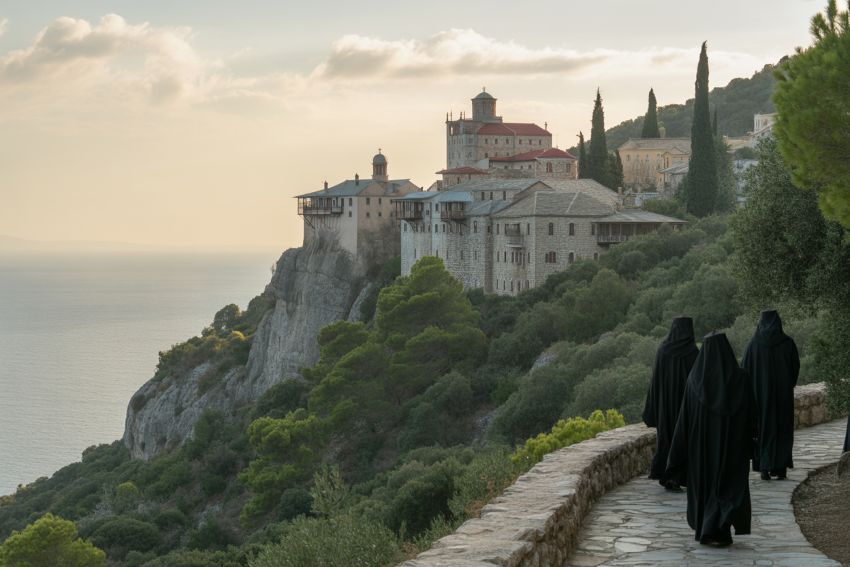
Mount Athos, Greece: A Sacred Pilgrimage Destination Where Faith and Tradition Shine Amid Modern Tourism

Mount Athos, located on the Athonite Peninsula in northern Greece, is a prime example of religious tourism, attracting visitors who are motivated by faith rather than the usual reasons for leisure travel. This sacred destination is distinguished by its long-standing monastic traditions, which date back to the eighth century, as well as its unique status as a monastic republic governed by strict religious rules. Mount Athos, also known as “The Garden of the Virgin Mary”, continues to hold a special place in the hearts of Orthodox Christians who come not only to explore its natural beauty and ancient monasteries but also to deepen their spiritual connection to God.

A Sanctuary of Spiritual Seeking

Unlike most tourist destinations, Mount Athos is primarily a site for religious pilgrimage, where individuals journey to seek spiritual enlightenment rather than purely cultural or recreational experiences. The peninsula, which houses 20 holy monasteries, several sketes, and cells, is regarded as a hub of spiritual growth and Orthodox culture. It is also home to the largest collection of Greek manuscripts in the world and invaluable religious artefacts. Visitors who make the journey to Mount Athos do so to experience the uninterrupted rhythm of monastic life, to engage in prayer, and to explore a way of life that has remained unchanged for centuries.

Pilgrimage versus Religious Tourism

The distinction between pilgrimage and religious tourism is often blurred, but Mount Athos offers a clear example of the former. Pilgrims on Mount Athos travel with a singular purpose: to fulfil a vow or to search for a deeper connection to God. Religious tourism, on the other hand, may involve secular motivations, such as the desire for cultural exploration, recreation, or educational experiences. In the case of Mount Athos, however, the vast majority of visitors—82.25% of those surveyed—identify as pilgrims rather than religious tourists. This significant distinction reflects the sacred nature of the destination, where the visitor’s primary motivation is spiritual rather than secular.

Spiritual Significance and Pilgrim Experiences

The religious journey to Mount Athos is not simply a sightseeing tour. Rather, it is an immersive experience in monastic life. Visitors typically stay for four days, during which they follow the monastic routine, participate in liturgical services, and engage in the daily tasks of the monastery. The monks’ hospitality is a central aspect of the experience, as pilgrims participate in activities like cooking, cleaning, and serving others. These tasks are viewed not only as acts of service but also as an opportunity for personal spiritual growth. The focus remains on humility, reverence, and a deeper understanding of the Orthodox Christian faith.

A Study of Visitor Motivations

A study conducted in May–June 2023 explored the motivations behind visitors’ journeys to Mount Athos. A significant portion of the respondents, 41.60%, had visited Mount Athos only once, but 28.92% had made the journey more than three times, showing a sustained commitment to the pilgrimage experience. Interestingly, the study also revealed that the majority of visitors to Mount Athos self-identify as pilgrims. The motivations behind their visit centre around the fulfilment of vows, seeking spiritual enlightenment, and engaging with Orthodox culture. For most pilgrims, the focus is not on leisure activities such as hiking or sampling local cuisine, but rather on immersing themselves in the spiritual practices of the monastic community.

Cultural and Natural Attractions

While the primary focus of a visit to Mount Athos is spiritual, the destination also offers other attractions. The region is known for its stunning natural beauty, including dramatic landscapes and ancient monasteries perched on the mountainsides. The Athonite cuisine, traditional winemaking, and cultural heritage further enrich the experience. However, as the research reveals, these offerings serve only as complementary features to the religious experience, rather than as the central motivation for visitors’ travels. In contrast to secular tourist destinations, Mount Athos provides an environment conducive to prayer, meditation, and spiritual renewal.

Strict Entry Requirements: Preserving Sanctity

Access to Mount Athos is governed by strict rules, and entry is restricted to men, in accordance with the tradition of the Avaton, a constitutionally enshrined prohibition on female visitors. In order to visit, men must apply for a special permit called a “diamonitirion”. The permit allows pilgrims to stay for a maximum of four days, ensuring that the experience remains focused on religious observance rather than tourism. Visitors to Mount Athos are expected to adhere to the monastic lifestyle during their stay, engaging in prayer, communal work, and silent reflection. Activities such as swimming, fishing, and other forms of recreation are discouraged, further emphasizing the sacred nature of the pilgrimage.

The Impact of Mount Athos on Local Communities

Despite its strict entry requirements and limited appeal to secular tourists, Mount Athos plays an important role in the local economy. The influx of religious pilgrims helps sustain the monasteries and supports the surrounding communities, particularly through the sale of religious artefacts, traditional foodstuffs, and local wines. However, it is crucial that tourism to Mount Athos is carefully managed to preserve its sanctity and spiritual integrity. The balance between faith-driven travel and the economic benefits of religious tourism remains a critical issue for the future of the destination.

A Pilgrimage of Transformation

Visiting Mount Athos is far more than just an opportunity to see ancient monasteries and beautiful landscapes. It is a transformative spiritual journey that allows visitors to reconnect with their faith and engage in practices that are both humbling and uplifting. For many, the journey to Mount Athos becomes an annual pilgrimage, a return to a place that offers both physical and spiritual nourishment. The experience fosters a deeper connection to the Orthodox faith while also providing pilgrims with a sense of peace and tranquility that is often difficult to find in the hustle and bustle of everyday life.

Mount Athos as a Unique Destination for Spiritual Growth

Mount Athos remains a beacon of spiritual devotion in a world increasingly dominated by secular concerns. Visitors to this sacred site have a clear purpose in mind: to participate in an Orthodox Christian pilgrimage. The overwhelming majority of visitors identify as pilgrims, highlighting the importance of spirituality in the Mount Athos experience. While tourism is undoubtedly a key driver of the local economy, visitors’ attention is firmly focused on the location’s spiritual and religious significance. Mount Athos remains one of the world’s most revered pilgrimage sites, with faith and tradition at the heart of the visitor experience.

The post Mount Athos, Greece: A Sacred Pilgrimage Destination Where Faith and Tradition Shine Amid Modern Tourism appeared first on Travel And Tour World.
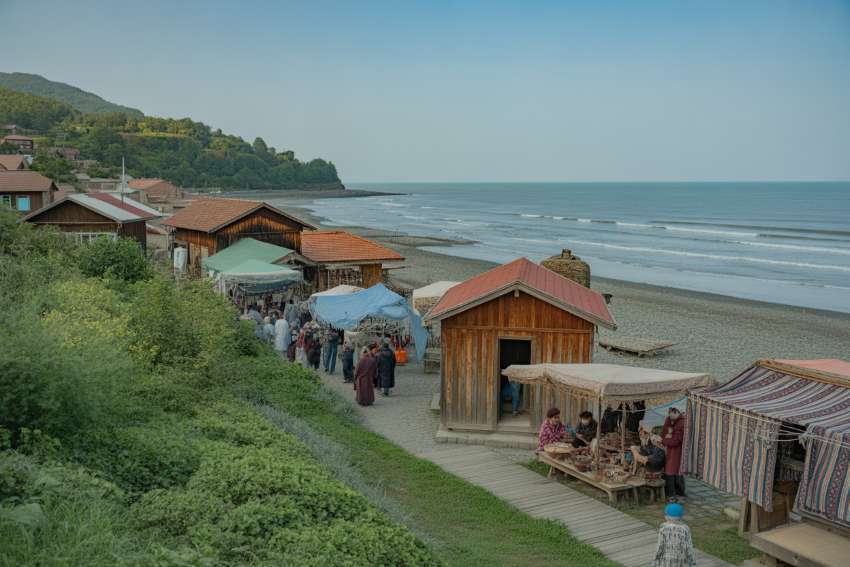

Mazandaran Introduces Two-Week Tourist Visa to Boost Iran’s Coastal Tourism and Handicrafts Industry

Mazandaran Introduces Two-Week Tourist Visa to Boost Iran’s Coastal Tourism and Handicrafts Industry

Mazandaran, one of Iran’s most vibrant tourism destinations, will benefit from the recent approval of a new two-week tourist visa, which is expected to significantly boost tourism in the region. Mazandaran, known for its picturesque landscapes, rich cultural heritage, and thriving handicraft industry, has long played an important role in Iran’s tourism industry. This new visa policy is part of a larger effort to promote the province’s tourism potential while also addressing the environmental and cultural challenges associated with increased visitor numbers.

The Growing Importance of Mazandaran as a Tourism Hub

Mazandaran’s tourism sector has been rapidly growing, driven by its strategic location along the Caspian Sea coast, lush green landscapes, and historical landmarks. The province’s allure has attracted both domestic and international tourists, with many seeking to experience its natural beauty, cultural heritage, and unique handicrafts. Despite the increasing influx of tourists, the volume of visitors has often not matched the province’s rich environmental and cultural capacities, leading to concerns about sustainability and infrastructure strain. As a result, the introduction of the two-week tourist visa is seen as a positive step to streamline tourist arrivals and promote long-term development in the region.

The Role of Handicrafts in Mazandaran’s Tourism Growth

Mazandaran’s handicraft sector, particularly renowned for weaving and woodcarving, is another key aspect of its tourism appeal. These crafts are deeply embedded in the province’s cultural fabric, yet they remain relatively under-recognized on a national scale. The two-week tourist visa is expected to attract more visitors to the region, including those interested in exploring Mazandaran’s artisanal products. The provincial government has stressed the importance of introducing these handicrafts at the national level, with plans to offer valid certificates to local artisans to authenticate and promote their work.

By providing recognition and fostering market opportunities, the tourism initiative seeks to boost the handicraft industry’s visibility and economic contribution to Mazandaran’s tourism sector. The promotion of local crafts not only enriches the cultural experience for visitors but also creates new avenues for sustainable economic growth through artisanal tourism.

Balancing Tourism with Environmental Protection

While tourism brings significant economic benefits, it also raises several environmental concerns. Mazandaran, with its lush forests, mountains, and coastal areas, is vulnerable to the environmental degradation that often accompanies mass tourism. The province’s government has recognized these challenges and is focused on developing tourism in a sustainable manner. Officials have highlighted the need for careful planning, organization, and infrastructure development to minimize environmental harm.

The government has also expressed its commitment to ensuring that the growth of tourism does not come at the expense of the province’s natural beauty. Addressing issues such as excessive migration and potential cultural anomalies caused by rapid tourism growth will be crucial in preserving Mazandaran’s unique environmental and cultural heritage. Efforts to protect the environment will be emphasized, with a particular focus on preserving the region’s coastal ecosystems and ensuring that tourism growth remains in harmony with local communities.

Focus on Coastal Tourism and the Sea-Based Economy

Mazandaran’s proximity to the Caspian Sea offers significant opportunities for the development of coastal and marine-based tourism. The province’s rich maritime resources, combined with its natural beauty, make it an ideal destination for activities such as boat tours, coastal resorts, and leisure cruises. The provincial government has placed a strong emphasis on developing sea-based tourism, with particular attention given to organizing tourism around the Caspian Sea’s coastal regions.

In line with these goals, the Iranian government has entered into discussions with Oman to activate cruise lines in the Sea of Oman. This collaboration aims to attract more international tourists to the region by enhancing connectivity and creating more cruise opportunities. The strategic focus on the sea-based economy is expected to diversify Mazandaran’s tourism offerings and appeal to a broader audience, including those seeking marine and adventure tourism experiences.

Support for Marine-Based Tourism Investments

In addition to promoting coastal tourism, the government has made clear its support for investors in the marine tourism sector. Investments in Babolsar and Chabahar, two key cities in Mazandaran and southeastern Iran, are being actively encouraged. These areas are seen as vital hubs for developing sea-based tourism, with the potential to attract both local and international investment.

The government has also extended support to tourist boats by maintaining fuel subsidies, covering 80 per cent of their fuel costs. This policy aims to make it more affordable for tour operators and businesses involved in marine tourism, ensuring that the industry remains competitive and attractive to both investors and tourists.

Addressing Infrastructure Challenges

One of the main challenges facing Mazandaran’s tourism sector is its current infrastructure, which is struggling to keep pace with the growing number of visitors. The province’s infrastructure, particularly in coastal and tourist-heavy areas, has often been insufficient to support large-scale tourism. This mismatch between tourism demand and infrastructure capacity has led to problems such as overcrowding, underdeveloped facilities, and strain on local resources.

Recognizing these challenges, the government has outlined a macro-level policy for developing the Caspian Sea coasts. The development of coastal areas has been designated as a key priority in the Seventh Development Plan, which seeks to address the region’s infrastructure deficiencies. The plan aims to improve transportation, hospitality, and tourism-related services, creating a more sustainable and efficient environment for both residents and tourists.

The Future of Mazandaran Tourism

The introduction of the two-week tourist visa, combined with the ongoing development of Mazandaran’s coastal tourism infrastructure, is expected to have a long-term impact on the province’s tourism industry. As the region develops as a popular tourist destination, careful planning and coordination will be required to balance tourism growth with environmental preservation and cultural protection.

Looking ahead, Mazandaran’s tourism industry is expected to benefit from both domestic and international visitors drawn to the province’s stunning landscapes, rich cultural heritage, and unique handicraft industry. Mazandaran has the potential to become one of Iran’s most important and successful tourism hubs, thanks to the government’s commitment to sustainable tourism practices and infrastructure development.

The post Mazandaran Introduces Two-Week Tourist Visa to Boost Iran’s Coastal Tourism and Handicrafts Industry appeared first on Travel And Tour World.

Specialized Two-Week Tourist Visas To Stimulate International Travel And Economic Expansion Within The Mazandaran Province

Specialized Two-Week Tourist Visas To Stimulate International Travel And Economic Expansion Within The Mazandaran Province
Strategic Implementation of Two-Week Tourist Visas for Mazandaran Province.

A significant shift in the accessibility of northern Iran has been signaled by the Tourism and Handicrafts Minister, Ezzatollah Zarghami. It was announced that a specialized two-week tourist visa is to be issued specifically for those wishing to visit the province of Mazandaran. This strategic move is intended to streamline the process for international travelers who seek to explore the unique ecological and cultural landscape of the Caspian Sea region. By prioritizing visa facilitation, the ministry aims to position the region as a primary destination on the global travel map. The administrative framework for this initiative is being developed by the Ministry of Cultural Heritage, Tourism, and Handicrafts to ensure that the influx of visitors is managed with efficiency and hospitality.

Strategic Objectives for Regional Growth

The announcement was made during a formal visit to the province, where the potential for economic rejuvenation through tourism was highlighted. It is believed by officials that the introduction of a dedicated entry permit will act as a catalyst for local businesses and hospitality services. The province of Mazandaran is recognized for its dense forests, coastal attractions, and historical sites, yet it is felt that its full potential has not yet been realized by the global community. Through this new policy, a more inviting environment is being created for foreign nationals, allowing for a deeper immersion into the local culture without the burden of traditional, lengthy bureaucratic hurdles.

Natural Splendor and the Caspian Appeal

The geographical allure of the region is centered largely on the southern shores of the largest inland body of water in the world. It is observed that the combination of the Alborz mountain range and the sea creates a microclimate that is unlike any other part of the Middle East. Dense woodlands, known as the Hyrcanian forests, are found here, which have been recognized globally for their ecological significance. By offering a two-week window, visitors are being given ample time to traverse the winding mountain roads and enjoy the serene atmosphere of the coastal towns. The natural beauty of the area is considered a prime asset that is now being leveraged through modern administrative updates.

Infrastructure Development and Capacity Building

In conjunction with the visa announcement, emphasis is being placed on the necessity of improving local infrastructure. It is understood that the arrival of more international guests requires an upgrade in accommodation standards, transportation networks, and multilingual services. Investment is being encouraged in the boutique hotel sector and eco-lodges, which are popular among modern travelers seeking authentic experiences. The passive support of the government is being directed toward private investors who are willing to enhance the tourism value chain. By focusing on quality over quantity, a sustainable model of tourism is being sought for the province.

The Role of Cultural Heritage in Tourism

Beyond the natural scenery, the historical depth of the region is being promoted as a major draw. Ancient traditions, local handicrafts, and the unique culinary heritage of the northern people are being integrated into the travel experience. It is noted that the ministry is working to document and preserve these cultural assets while simultaneously making them accessible to outsiders. The two-week duration is deemed sufficient for travelers to engage with local communities and participate in traditional festivities. This holistic approach ensures that tourism serves as a bridge between different cultures, fostered by the ease of entry provided by the new visa regulations.

Environmental Considerations and Sustainable Travel

As the number of visitors is expected to rise, concerns regarding the ecological footprint of tourism are being addressed. A balance is being sought between the economic benefits of high visitor numbers and the preservation of the delicate Caspian ecosystem. Guidelines are being established to promote responsible travel behavior, ensuring that the forests and beaches remain pristine for future generations. The focus is being shifted toward high-value, low-impact tourism, which aligns with global trends in environmental stewardship. It is hoped that the province can serve as a model for how a region can open its doors to the world while maintaining its natural integrity.

Future Perspectives on Iranian Tourism Policy

This localized visa policy for one province is seen by many analysts as a pilot program that could be expanded to other regions of the country. If success is met in the north, similar initiatives might be implemented in the south or the central desert regions. The flexibility shown by the ministry indicates a progressive shift in how international relations and tourism are handled. By simplifying the entry process, a message of openness and readiness is being sent to the world. The long-term vision involves a comprehensive network of specialized travel permits that cater to the diverse interests of the global traveling public.

Conclusion and Impact on Local Communities

The ultimate beneficiaries of these changes are expected to be the residents of the province. Increased footfall in local markets and higher occupancy rates in rural homestays are projected to improve the standard of living. Opportunities for employment in the service sector are being created, particularly for the youth who are proficient in foreign languages and digital technologies. The passive observation of growth is being replaced by active preparation for a new era of prosperity. As the first sets of these visas are issued, the eyes of the international travel community will be on the green landscapes of the north, waiting to discover the treasures that have been made more accessible than ever before.

The post Specialized Two-Week Tourist Visas To Stimulate International Travel And Economic Expansion Within The Mazandaran Province appeared first on Travel And Tour World.
❌