Login
Login
Indonesia’s Pertamina Imports One Million Barrels of Crude Oil from Algeria: Key Implications for Energy and Tourism
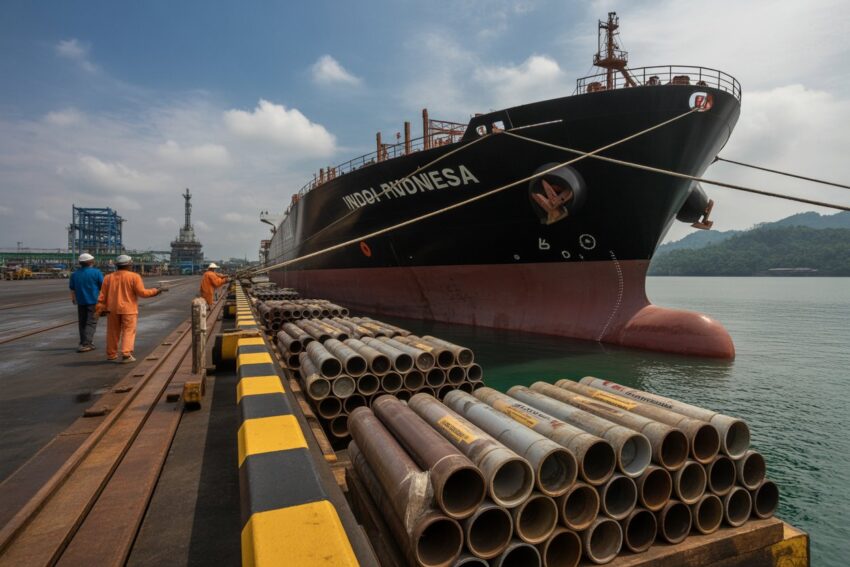
In a significant development for the energy sector, Pertamina, Indonesia’s state-owned oil and gas company, has successfully shipped 1 million barrels of crude oil from Algeria to Indonesia. This strategic move aims to strengthen Indonesia’s oil supply chain, diversify its sources of crude oil, and ensure the country’s energy security. For travelers, especially those visiting Indonesia or planning business trips related to the energy sector, this news could have broader implications for the country’s economy, international trade, and energy landscape. Here’s a detailed look at the shipment, its importance for Indonesia, and what travelers should know about the broader effects.
What Is Pertamina’s Shipment of Crude Oil from Algeria?
- The Shipment: Pertamina, through its subsidiary Pertamina International Shipping, has secured 1 million barrels of crude oil from Algeria, a country known for its oil reserves. This shipment, which arrives in Indonesia, plays a vital role in Indonesia’s oil import strategy and aims to meet the growing domestic demand for energy.
- Why Algeria?: Algeria is a key oil producer in Africa, with substantial reserves that make it an attractive partner for countries like Indonesia. The country has long been a critical player in the global energy market, and its crude oil is known for being high-quality, making it an ideal addition to Indonesia’s oil mix.
- Energy Security: The shipment is part of Indonesia’s broader effort to diversify its sources of crude oil, ensuring that the country does not rely too heavily on a single source or region. By importing oil from Algeria, Indonesia enhances its energy security and strengthens its position in the global energy market.
How Does This Shipment Impact Indonesia?
- Improved Oil Supply: The 1 million barrels of crude oil from Algeria will help Pertamina meet the increasing demand for oil in Indonesia. With the country’s rapidly growing population and industrialization, ensuring a stable and diversified supply of oil is essential for economic development.
- Strengthening Pertamina’s Role: Pertamina’s strategic decision to source oil from Algeria demonstrates the company’s growing influence in international trade and its ability to secure vital resources. The company plays a crucial role in Indonesia’s energy sector, supplying not just crude oil but also refined products to domestic consumers and industries.
- Economic Stability: The increased supply of crude oil from multiple international sources helps stabilize Indonesia’s energy prices, benefiting the broader economy. A stable oil supply reduces the risk of price volatility, which can lead to higher costs for consumers and businesses, particularly in sectors reliant on energy.
- Trade Relations: The shipment strengthens Indonesia’s trade relations with Algeria and the broader North African region. This could lead to future collaborations, not just in the energy sector, but also in other industries such as infrastructure, technology, and education, creating opportunities for travelers involved in business or diplomatic exchanges between the two countries.
The Role of Oil in Indonesia’s Energy Landscape
- Growing Energy Demand: Indonesia’s energy consumption is steadily increasing, driven by a growing population, expanding industries, and greater urbanization. The country’s domestic oil production, while substantial, is not enough to meet its needs, making imports from other countries like Algeria essential.
- Indonesia’s Oil Imports: Pertamina’s import of crude oil highlights the country’s reliance on external sources to meet its energy needs. While Indonesia is a significant oil producer, it is also a major importer of crude oil. The partnership with Algeria is part of a broader strategy to ensure the country’s energy security by sourcing oil from diverse global regions.
- Renewable Energy Transition: Although Indonesia is increasing its focus on renewable energy, such as geothermal, solar, and hydroelectric power, oil remains a critical component of the country’s energy mix. The importation of oil supports Indonesia’s current energy infrastructure while the country transitions to greener energy sources in the future.
How Does This Shipment Affect Travelers?
- Economic and Infrastructure Growth: The increased oil supply contributes to economic stability and growth, which indirectly benefits travelers visiting Indonesia. As energy costs stabilize, business operations in the country become more predictable, encouraging both international and domestic tourism. For travelers in Indonesia, this could mean more affordable transportation, better infrastructure, and a stronger economy.
- Impact on Transportation Costs: Oil is a key component in Indonesia’s transportation infrastructure. The shipment of crude oil from Algeria could help stabilize fuel prices, which in turn affects the cost of flights, public transport, and road travel within the country. Travelers may experience more predictable transportation costs, particularly in the tourism and hospitality sectors.
- Potential for New Business Opportunities: With the energy sector being a major contributor to Indonesia’s economy, travelers involved in business or trade may find new opportunities in the country’s growing energy market. As Pertamina continues to expand its operations and strengthen international partnerships, there could be more avenues for business collaborations, investments, and technological innovations, particularly in the oil and gas sector.
- Increased Environmental Focus: Indonesia’s growing energy demands also present challenges in terms of environmental sustainability. While the shipment of crude oil provides short-term benefits, travelers involved in sustainability or environmental advocacy may be interested in Indonesia’s efforts to balance oil imports with a long-term transition to renewable energy. This balance may influence the country’s environmental policies and future energy projects.
Advantages of the Crude Oil Shipment for Indonesia
- Energy Security: By diversifying its oil sources, Indonesia can better insulate itself from geopolitical instability or fluctuations in oil prices. With a more secure and diversified supply, the country can maintain stable energy prices, benefiting both consumers and businesses.
- Economic Growth: The successful shipment enhances Indonesia’s standing in the global energy market. It reflects the country’s growing economic influence and its ability to forge strategic partnerships in the energy sector, boosting its international reputation as a stable and reliable partner.
- Employment Opportunities: The oil sector provides significant employment opportunities in Indonesia, from extraction to logistics, refining, and distribution. With an increase in oil imports, there are likely to be more job opportunities, especially in the transportation, trade, and energy sectors, which may benefit local communities.
Disadvantages and Challenges
- Dependence on Imported Oil: While the importation of crude oil strengthens Indonesia’s supply chain, it also increases the country’s dependency on foreign oil, which can be vulnerable to global price fluctuations or supply chain disruptions. Over-reliance on oil imports could undermine long-term energy independence.
- Environmental Impact: Increased oil imports contribute to Indonesia’s carbon footprint. While the country is making strides in renewable energy, the use of fossil fuels remains high. This environmental impact may concern travelers who are passionate about sustainability and reducing their carbon footprint.
Looking Ahead: What This Means for Indonesia and Travelers
- Focus on Renewable Energy: While the shipment of crude oil helps support Indonesia’s current energy needs, the country is also focusing on increasing its share of renewable energy. For travelers involved in sustainability, it’s worth keeping an eye on Indonesia’s energy policies, particularly its efforts to reduce reliance on fossil fuels and increase renewable energy capacity.
- Impact on Tourism: The stable energy supply supports Indonesia’s tourism infrastructure, ensuring that travelers can enjoy their trips without significant disruptions in services like transport, accommodation, and electricity. As Indonesia continues to grow as a travel destination, maintaining a reliable energy supply will be crucial for sustaining this growth.
What Travelers Should Know
The shipment of 1 million barrels of crude oil from Algeria to Indonesia by Pertamina is a significant step toward ensuring the country’s energy security and economic stability. For travelers, this means that the infrastructure supporting their visit will likely remain stable, with predictable transportation costs and improved services. However, it’s important to consider the long-term impact of Indonesia’s reliance on imported oil and its future transition toward renewable energy sources.
As Indonesia continues to evolve in the global energy market, travelers involved in business, trade, or environmental sustainability will have a keen interest in how the country balances its energy needs with its goals for sustainable development.
The post Indonesia’s Pertamina Imports One Million Barrels of Crude Oil from Algeria: Key Implications for Energy and Tourism appeared first on Travel And Tour World.