
 Login
Login
Architecting A Sustainable Future: The Strategic Revitalization Of Cultural Heritage Tourism In Hung Yen And Hai Phong
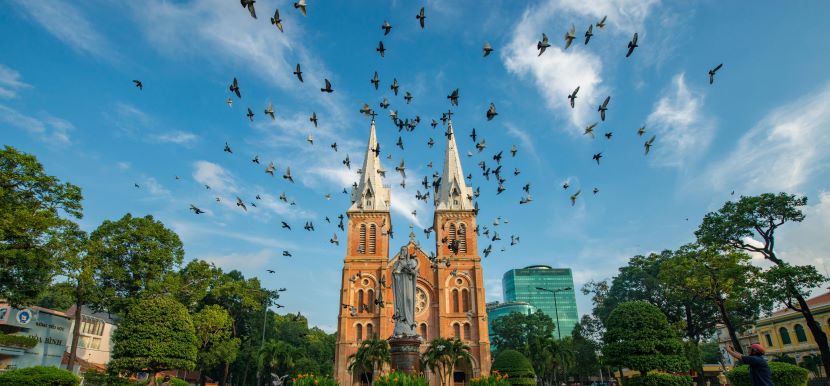
As the tourism sector of Vietnam undergoes a significant transition toward a model of sustainable development rooted in historical values, the provinces of Hung Yen and Hai Phong are being positioned as central pillars for growth. It is observed by regional experts that the rich potential for cultural heritage tourism in these areas offers a unique opportunity to create distinctive travel experiences. However, the process of converting these historical assets into effective socio-economic development tools is recognized as a complex task that requires meticulous, long-term planning. The objective remains to utilize these traditional identities as a form of soft power to bolster the national image while ensuring environmental and social resilience for future generations.
Addressing Structural Vulnerabilities in Infrastructure
The integration of historical sites into a cohesive tourism framework is currently hindered by several systemic bottlenecks. In the province of Hung Yen, it is noted that many significant locations are situated deep within residential clusters, resulting in limited accessibility for larger groups and a lack of essential support services. It is reported that a majority of travel itineraries are restricted to single-day excursions, which leads to minimal visitor engagement and restricted economic expenditure. Furthermore, the development of tourism products along specific regional routes is found to be disconnected, with a noticeable absence of immersive activities such as historical re-enactments or live cultural performances.
The potential of river-based tourism is also identified as an underutilized resource. Although the Special National Relic Site of Pho Hien was historically a thriving river port, the waterways of the Red, Luoc, and Bac Hung Hai rivers have not yet been effectively integrated into the modern tourism economy. These logistical gaps are seen as primary obstacles to creating a seamless visitor experience that links multiple historical landmarks across the province.
Preservation Challenges and Modernization Risks
The maintenance of physical integrity at heritage sites presents a significant challenge for local authorities. Degradation due to environmental factors, land encroachment, and the risks of excessive modernization are frequently cited as threats to the authentic value of these locations. In the period spanning 2021 to 2025, more than 210 heritage sites in Hung Yen were subjected to restoration efforts, illustrating the substantial scale of physical deterioration within the regional heritage system.
Similar difficulties are observed in the city of Hai Phong. Despite possessing a renowned urban architectural legacy, many historic structures have not yet received the investment required to form robust tourism chains. It is noted that several French colonial villas and religious landmarks are in a state of decay. While initiatives such as night tours and walking experiences in the old quarter have been introduced, they are described as lacking a distinct identity when compared to offerings in other major urban centers. Furthermore, the digital transformation of these sites is found to be limited, compounded by a shortage of professional guides and a lack of engaging interpretive narratives.
Strategic Objectives for Cultural and Spiritual Growth
According to statements from the Hung Yen Department of Culture, Sports and Tourism, a strategic aim has been established to develop more diverse tourism products that enhance the appeal of northern Vietnam. Cultural and spiritual tourism are identified as the core components of this strategy. Simultaneously, efforts are being made to promote craft village tourism, eco-tourism, and community-based initiatives. Key destinations such as the Special National Relic Site of Pho Hien, the Dau An Temple, and the Keo Pagoda are being promoted as the primary faces of the provincial brand.
A model known as Heritage Road – One journey, multiple destinations is being implemented to establish connections between major sites. This initiative seeks to link landmarks like Da Hoa and Da Trach with traditional craft villages such as the Nam Cao silk village, which maintains a 200-year-old sericulture tradition. By expanding these connections to include the neighboring hubs of Hanoi and Hai Phong, a more diversified and stable tourism chain is intended to be created.
Financial Investment and Technological Integration
Significant financial resources are being allocated to ensure the longevity of these cultural assets. In 2023, a project valued at 120 billion VND was approved by the provincial People’s Committee for the restoration of the Pho Hien complex. This funding is directed toward 16 specific heritage sites for the duration of 2023 to 2025. Additionally, a separate program with a budget of 73 billion VND is being executed to prevent the further deterioration of 107 other locations.
To modernize the visitor experience, digital technologies such as Augmented Reality (AR) and Virtual Reality (VR) are being introduced at various tourist spots. These tools are utilized to create fresh cultural perspectives and to increase the level of engagement among younger and international demographics. By blending traditional preservation with modern innovation, it is hoped that the historical narrative of the region will be made more accessible to a global audience.
Hai Phong’s Vision for Urban and Maritime Heritage
Under the master plan for Hai Phong’s tourism development, which extends to 2030, urban tourism and the night-time economy are prioritized. The city is focused on the restoration of historical architectural works while developing specialized corridors such as the Museum–Nghe Temple–Opera House route. A notable achievement in 2024 involved the promotion of the Cat Ba heritage site on international media platforms like CNN, which successfully generated global interest in the region’s natural and cultural value.
The city is also working to resolve inter-provincial bottlenecks through cooperation agreements and joint promotional campaigns. By focusing on the unique imprint of French architecture and coastal folk beliefs, Hai Phong aims to complement the river-based civilization of Hung Yen. This synergy is expected to facilitate the creation of comprehensive travel routes, such as the Hanoi–Hung Yen–Hai Phong journey, which encompasses the Red River and various spiritual landmarks. These collaborative efforts are viewed as essential for establishing a resilient tourism economy that benefits both local communities and international stakeholders.
The post Architecting A Sustainable Future: The Strategic Revitalization Of Cultural Heritage Tourism In Hung Yen And Hai Phong appeared first on Travel And Tour World.