
Reading view

Hundreds Of Passengers Stranded At Montreal-Trudeau Airport In Canada As Jazz, Air Canada, PSA , And Other Airlines Cancel 11 Flights And Delay 50, Disrupting Montreal, LaGuardia, St. John’s, And More
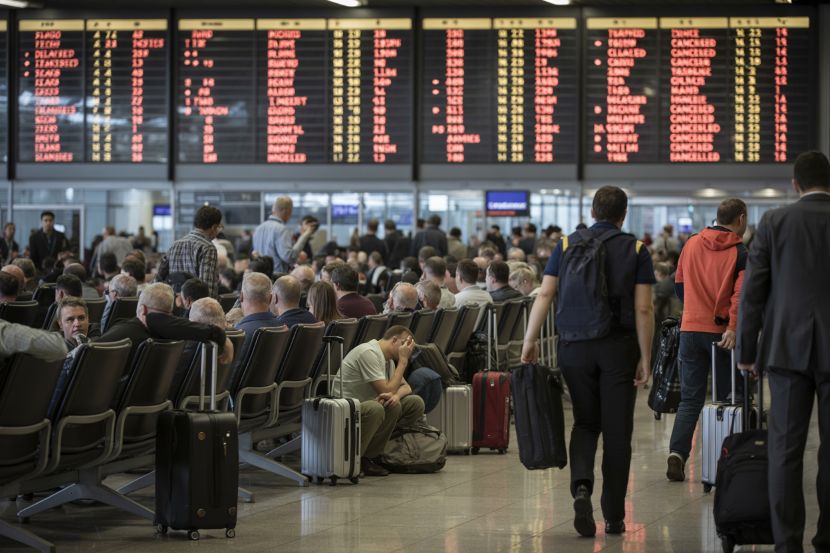
Hundreds Of Passengers Stranded At Montreal-Trudeau Airport In Canada As Jazz, Air Canada, PSA , And Other Airlines Cancel 11 Flights And Delay 50, Disrupting Montreal, LaGuardia, St. John’s, And More
Montreal-Trudeau International faces 50 flight delays and 11 cancellations, affecting passengers. Disruptions extend to Montreal, LaGuardia, St. John’s, and other airports.

Hundreds Of Passengers Stranded At Montreal-Trudeau Airport In Canada As Jazz, Air Canada, PSA , And Other Airlines Cancel 11 Flights And Delay 50, Disrupting Montreal, LaGuardia, St. John’s, And More.Passengers traveling through Montreal-Trudeau International Airport are facing significant disruptions today, as the airport has been hit with 50 flight delays and 11 cancellations. The disruptions are affecting both domestic and international routes, with flights departing to and from LaGuardia, St. John’s, and other major airports.

The delays and cancellations have left passengers stranded in terminal lounges, desperately trying to find out when they can expect to resume their journeys. The flight information boards at Montreal-Trudeau are filled with red alerts, with Jazz Airlines, Air Canada, and PSA Airlines being the most affected carriers.

Montreal-Trudeau Airport (YUL) — The Epicenter of Today’s Flight Disruptions

Montreal-Trudeau, one of Canada’s busiest airports, is currently facing severe operational challenges. Of the 50 delays, the majority are attributed to Jazz Airlines, with a significant portion of delays also stemming from Air Canada flights. These delays are mostly impacting international routes, including flights to the United States and European destinations, with some cancellations further compounding the situation.

Passengers have faced long waiting times, frequent updates to gate assignments, and mounting frustration as their travel schedules continue to change. Airport staff have been working to assist passengers, but the scale of the disruption has caused widespread delays throughout the airport.

Airlines Most Affected by Flight Delays and Cancellations

The airlines most impacted by today’s disruptions at Montreal-Trudeau include:

  • Jazz Airlines (ACA): With 13 delays and 6 cancellations, Jazz Airlines has been the most affected carrier. Delays were mainly on flights to and from Montreal, Toronto, and several US destinations.
  • Air Canada (ACA): Reporting 7 delays and 3 cancellations, Air Canada’s operations were significantly impacted by the delays, especially on its regional flights to Ontario and the Maritimes.
  • PSA Airlines (AAL): PSA Airlines reported 5 cancellations and 1 delay, with most cancellations tied to shorter regional flights.
  • Delta Air Lines and American Airlines: These carriers, while not at the forefront of cancellations, have reported scattered delays due to the backup caused by the situation at Montreal-Trudeau.

Flight Delays and Cancellations by Airport — Widespread Impact Across North America

While Montreal-Trudeau is at the heart of the disruption, other airports in both Canada and the United States have been affected. LaGuardia Airport (LGA) in New York, as a major destination for travelers departing Montreal, saw 24 delayed flights as passengers waited for connections. Meanwhile, St. John’s International Airport (YYT) experienced a 50% cancellation rate on flights coming from Montreal, further extending the ripple effect of these delays.

How Passengers Are Being Affected — Long Waiting Times and Uncertainty

For passengers stuck in Montreal, the delays and cancellations have been frustrating. Some travelers have reported being at the airport for over 6 hours, hoping for updated flight information, with several missed connections adding to the distress. Airlines are doing their best to accommodate passengers, offering alternative flight options and assistance for rebooking, but the sheer volume of delayed flights has left many unsure of when they will reach their destinations.

Passengers have expressed their frustration through social media, citing long lines at customer service desks, poor communication regarding flight updates, and difficulty in obtaining timely information. Many are left scrambling to secure accommodation, especially those whose flights have been cancelled.

What’s Causing the Delays — Weather, Operational Pressures, and Air Traffic Issues

Experts suggest that a combination of factors is contributing to the ongoing delays at Montreal-Trudeau. While weather-related delays are common in winter, the severity of this disruption seems to be more rooted in aircraft rotation issues and staffing shortages that have compounded the operational difficulties at the airport. As a result, flights have been delayed for several hours, and gate congestion has made it difficult to get planes back in the air on time.

Another contributing factor has been air traffic control issues in both Canada and the United States, with ripple effects causing delays for international departures. Although these delays are not unusual during busy travel periods, the current extent of disruption at Montreal-Trudeau suggests underlying challenges in the airport’s operational processes.

How El Dorado International Airport Is Responding — Recovery and Communication Plans

To manage the ongoing disruption, Montreal-Trudeau International Airport is working closely with Canada’s aviation authorities and airline representatives to reduce the backlog of delayed flights. Airport staff have been allocated to provide real-time updates and assist passengers with rebooking, while airlines are exploring options for extra flights to help ease the congestion.

For now, passengers are advised to remain in constant contact with their respective airlines for the latest updates and potential rebooking options. The airport has also launched additional communication channels, such as real-time text alerts, to keep passengers informed of changes to their flight statuses.

Looking Ahead — Can Montreal-Trudeau Recover from the Disruptions?

As the airport works to recover from the ongoing delays, it remains unclear how soon normal operations will resume. Experts suggest that the airport may take several days to clear the backlog, especially if weather conditions worsen. Montreal-Trudeau International has been proactive in addressing customer concerns and offering alternative travel arrangements, but the scale of the disruption suggests that recovery may take longer than anticipated.

Stay Informed and Be Prepared for Continued Delays

As Montreal-Trudeau International Airport works towards clearing the backlog of delays and cancellations, passengers are urged to stay informed and be proactive in monitoring their flight status. While the airport and airlines are working hard to restore order, travelers should prepare for potential ongoing disruptions. This incident serves as a reminder of the interconnected nature of global air travel and the challenges airports face in managing high volumes of travelers during busy periods.

The post Hundreds Of Passengers Stranded At Montreal-Trudeau Airport In Canada As Jazz, Air Canada, PSA , And Other Airlines Cancel 11 Flights And Delay 50, Disrupting Montreal, LaGuardia, St. John’s, And More appeared first on Travel And Tour World.

Thousands of Travelers Affected across Canada as Air Canada, PAL, WestJet, Jazz and More Airlines Cancel 58 Flights and Delay 259 More Amid Snowstorm, at Halifax, Montreal, Vancouver, Calgary, St. John’s and Beyond

Thousands of Travelers Affected across Canada as Air Canada, PAL, WestJet, Jazz and More Airlines Cancel 58 Flights and Delay 259 More Amid Snowstorm, at Halifax, Montreal, Vancouver, Calgary, St. John’s and Beyond
Canada Travel

Thousands of travelers across Canada are facing major disruptions today as Air Canada, PAL, WestJet, Jazz, and several other airlines are forced to cancel 58 flights and delay 259 more. This massive disruption comes amid a powerful snowstorm sweeping across the country. Key airports in Halifax, Montreal, Vancouver, Calgary, and St. John’s are seeing the worst of the delays and cancellations. The snowstorm has created hazardous conditions, leading to a backlog of flights and leaving many passengers stranded. With severe weather affecting several major Canadian cities, travelers are urged to stay updated on their flight statuses.

The situation remains fluid, and more delays or cancellations could occur as the storm continues its course. Airlines are working to rebook affected passengers, but with snowstorm conditions worsening, it’s unclear when services will return to normal.

Total Delays and Cancellations Today

The disruptions have been felt across multiple Canadian airports, with a staggering 259 delays and 58 cancellations recorded. The snowstorm, combined with the return of Arctic cold, has resulted in difficult conditions for both air and ground travel.

Affected Airports, Airlines and Analysis

Several airports in Canada are being hit particularly hard by the snowstorm and the Arctic cold front. Below is an analysis of the airports and airlines affected, based on the delays and cancellations data:

St. John’s International (YYT)

  • Delays: 11
  • Cancellations: 10

St. John’s International, located in Newfoundland, is facing delays and cancellations due to heavy snowfall and icy conditions. PAL Airlines, operating in the region, has been impacted with 20 cancellations and 20 delays. Passengers are advised to stay updated on flight statuses and contact airlines for rebooking options.

Toronto Pearson International (YYZ)

  • Delays: 123
  • Cancellations: 6

Toronto Pearson International, Canada’s busiest airport, has experienced the highest number of delays. The snowstorm’s arrival and the persistent cold temperatures have led to severe delays in flight departures and arrivals. Jazz (Air Canada Express) has reported 14 cancellations and 36 delays, while Air Canada itself has had 3 cancellations and 82 delays. WestJet reported 2 cancellations and 34 delays. Travelers should check flight statuses frequently and expect ongoing delays throughout the day.

Montreal-Trudeau International (YUL)

  • Delays: 41
  • Cancellations: 10

Snowfall moving into Montreal has resulted in delays and cancellations at Montreal-Trudeau International. Jazz (Air Canada Express) has been one of the affected airlines with 14 cancellations and 36 delays. The storm’s impact on the region has made air travel challenging, with many travelers stuck at the airport awaiting updates.

Vancouver International (YVR)

  • Delays: 30
  • Cancellations: 4

While Vancouver generally enjoys milder weather, the snowstorm’s path has caused unexpected disruptions. With significant delays and a few cancellations at Vancouver International, WestJet reported 2 cancellations and 34 delays, causing further strain on travel. Passengers should prepare for further delays as the storm moves east.

Calgary International (YYC)

  • Delays: 24
  • Cancellations: 4

Calgary, typically no stranger to winter weather, has also been hit with snow and cold temperatures. As the storm progresses, expect continued delays at Calgary International, with WestJet again facing 2 cancellations and 34 delays. Snow clearance operations at the airport will continue throughout the day.

CFB Goose Bay (YYR)

  • Delays: 6
  • Cancellations: 5

Goose Bay, a smaller airport in Newfoundland and Labrador, is facing delays and cancellations due to snow and freezing temperatures. PAL Airlines, operating in this area, is also seeing a 20% cancellation rate with 20 delays. The airport is currently managing the situation, but passengers should anticipate disruptions until conditions improve.

Wabush (YWK)

  • Delays: 5
  • Cancellations: 4

Like Goose Bay, Wabush Airport is seeing a mix of delays and cancellations. PAL Airlines has also been impacted, with 20 cancellations and 20 delays. With snowfall affecting runway conditions, passengers at this airport are advised to stay in touch with their airlines for the latest updates.

Other Affected Airports

Other airports across Canada, including Halifax International (YHZ), Deer Lake Regional (YDF), and Lourdes-de-Blanc-Sablon (YBX), are also reporting delays and cancellations, though on a smaller scale compared to the major hubs like Toronto Pearson.

What Affected Passengers Can Do Now

For passengers stranded due to these disruptions, here are a few steps to take:

  1. Stay Updated: Passengers should regularly check flight statuses on their airline’s website or mobile app. Many airlines offer real-time updates on cancellations, delays, and gate changes.
  2. Contact Airlines: If your flight is canceled or significantly delayed, contact your airline immediately to inquire about rebooking options. Some airlines, such as Air Canada, WestJet, and Jazz (Air Canada Express), may offer to rebook you on the next available flight or provide vouchers for accommodations if your delay is extensive.
  3. Prepare for Cold Weather: With temperatures plummeting in many parts of Canada, especially in Ontario and Quebec, passengers should be prepared for extreme cold. Dress warmly, especially in airports like Toronto Pearson and Montreal-Trudeau, where temperatures are expected to drop below -20°C with wind chills reaching -30°C.
  4. Expect Further Disruptions: Although a milder weather pattern is expected by mid-February, further disruptions are possible due to additional storms. Travelers should stay informed about the weather forecast and be ready for sudden changes in flight schedules.

Conclusion

The ongoing snowstorm and Arctic cold sweeping across Canada are causing severe delays and cancellations, particularly at major airports like Toronto Pearson and Montreal-Trudeau. With over 259 delays and 58 cancellations, travelers should be prepared for ongoing disruptions in the coming days. Airlines such as Air Canada, WestJet, and Jazz (Air Canada Express) have seen significant impacts, with many flights delayed or canceled due to the snowstorm and the return of Arctic temperatures. Passengers are encouraged to stay updated, contact airlines for assistance, and prepare for harsh weather conditions as the storm continues to move eastward across the country.

Source: FlightAware and Affected Airports

The post Thousands of Travelers Affected across Canada as Air Canada, PAL, WestJet, Jazz and More Airlines Cancel 58 Flights and Delay 259 More Amid Snowstorm, at Halifax, Montreal, Vancouver, Calgary, St. John’s and Beyond appeared first on Travel And Tour World.

Passengers Stranded In Canada Today As St. John’s International Airport Faces 9 New Flight Cancellations And 13 Delays, Disrupting PAL, Air Canada, WestJet, And Other Airlines Across Halifax, Toronto, Montreal, Calgary and More

Passengers Stranded In Canada Today As St. John’s International Airport Faces 9 New Flight Cancellations And 13 Delays, Disrupting PAL, Air Canada, WestJet, And Other Airlines Across Halifax, Toronto, Montreal, Calgary and More

Passengers stranded in Canada today as St. John’s International Airport (YYT) reported 9 flight cancellations and 13 flight delays, disrupting travel across multiple Canadian cities, while no delays were linked to U.S.-bound or U.S.-arriving flights. The most heavily impacted airlines were PAL Airlines (6 cancellations, 7 delays) and Air Canada (3 cancellations, 4 delays). Other popular carriers, including WestJet (1 delay) and Cargojet (1 delay), also experienced limited disruption. Ripple effects were seen at Halifax International Airport (YHZ) and Toronto Pearson International Airport (YYZ). Additional impacts were recorded at Deer Lake Regional Airport (YDF), Montreal–Trudeau International Airport (YUL), Calgary International Airport (YYC), and St. Anthony Airport (YAY).

  • Update today: St. John’s International Airport recorded 9 cancellations and 13 delays, affecting domestic travel across Canada.
  • PAL Airlines emerged as the most affected carrier with 6 cancellations and 7 delays.
  • Air Canada followed with 3 cancellations and 4 delays, impacting multiple connecting routes.
  • Toronto Pearson and Halifax were among the busiest airports facing disruption today.
  • No U.S.-related flight delays were reported at St. John’s today.

Airlines Most Affected by Flight Cancellations and Delays

PAL Airlines

PAL Airlines faced the most severe disruption today at St. John’s, with 6 cancelled flights and 7 delayed services, affecting regional connectivity from Newfoundland and Labrador.

Air Canada

Air Canada reported 3 cancellations and 4 delays, impacting schedules linked to major Canadian hubs.

WestJet

WestJet experienced 1 delay with no cancellations, causing minor schedule changes for travelers.

Cargojet

Cargojet recorded 1 delayed flight, affecting cargo movements connected to St. John’s.

What can affected passengers do?

  • Check flight status frequently through airline apps or official websites, as schedules can change multiple times in a short period during disruption-heavy travel days.
  • Stay in contact with airline customer service for rebooking or refund options, especially if a cancellation or long delay impacts onward travel plans or same-day connections.
  • Arrive at the airport with extra time, since delays often lead to congestion at check-in counters, security screening, and boarding gates.
  • Keep travel documents, booking confirmations, receipts, and airline notifications accessible, which can help speed up assistance requests and compensation or refund claims where applicable.
  • Monitor airport advisories and public announcements, as gate assignments, boarding times, and departure schedules may change with little notice during ongoing disruptions.
  • Consider flexible travel alternatives if available, such as later departures or different routing options offered by the airline, to reduce the impact of same-day disruptions.
  • Make accommodation and ground transport arrangements cautiously, especially for late-evening or early-morning flights, as extended delays or cancellations can affect overnight travel plans.

Overview of Flight Disruptions

Flight disruptions today were concentrated within Canada, with repeated impacts across Newfoundland and Labrador, Nova Scotia, Ontario, Quebec, and Alberta. Airlines such as PAL Airlines, Air Canada, WestJet, and Cargojet were directly affected, while other major Canadian carriers including Porter Airlines and Air Transat operate within the same travel corridors experiencing pressure today.

St. John’s International Airport remained the focal point of disruption, with knock-on effects felt at Halifax International Airport, Toronto Pearson International Airport, Deer Lake Regional Airport, Montreal–Trudeau International Airport, and Calgary International Airport.

Despite the scale of cancellations and delays, today’s disruption remained fully domestic, with no reported impact on U.S. travel, keeping international schedules stable while Canadian travelers adjusted to short-notice changes.

Image Source: AI
Source: Different airports and FlightAware

The post Passengers Stranded In Canada Today As St. John’s International Airport Faces 9 New Flight Cancellations And 13 Delays, Disrupting PAL, Air Canada, WestJet, And Other Airlines Across Halifax, Toronto, Montreal, Calgary and More appeared first on Travel And Tour World.

Travel Setback at Quebec/Jean Lesage International Airport as Air Canada Faces 2 Cancellations and Multiple Delays, Disrupting Major Routes to Montreal, Toronto, Newark, Punta Cana, Fort Lauderdale, and More

Travel Setback at Quebec/Jean Lesage International Airport as Air Canada Faces 2 Cancellations and Multiple Delays, Disrupting Major Routes to Montreal, Toronto, Newark, Punta Cana, Fort Lauderdale, and More
Quebec Jean Lesage

Travel Setback at Quebec/Jean Lesage International Airport has caused significant disruptions as Air Canada grapples with 2 cancellations and multiple delays. These issues have affected several major routes to Montreal, Toronto, Newark, Punta Cana, Fort Lauderdale, and other destinations. Passengers have faced unexpected hold-ups, resulting in frustration and travel plans being thrown into disarray. The cancellations and delays are part of an ongoing situation that has led to widespread confusion among travelers. As Air Canada works to manage the disruption, many passengers are left stranded or rerouted, facing uncertainty about their departure times. While the airline is doing its best to resolve the issue, the ripple effects are being felt across both domestic and international flights. Travelers are urged to check their flight status frequently, and authorities are closely monitoring the situation at the airport.

Affected Cities

The cities include Quebec City (YQB), Montreal (YUL), Toronto (YYZ), and Sept-Îles (YZV). The data also features international destinations such as Newark (EWR), Fort Lauderdale (FLL), Punta Cana (PUJ), and Cancun (CUN). Additionally, the list contains the Canadian cities of Val-d’Or (YVO) and Bathurst (ZBF).

Flight Cancellations

AirlineCancelled (Count)Delayed (Count)
Air Canada25

Overview of Flight Cancellations

At Quebec/Jean Lesage International Airport, Air Canada has faced disruptions with 2 cancellations affecting its operations. These cancellations account for 14% of the airline’s scheduled flights at the airport. Additionally, there have been 5 delays, amounting to 35% of Air Canada’s flights at the airport. This combination of cancellations and delays has impacted several important routes, including flights to major destinations such as Montreal, Toronto, Newark, Punta Cana, and Fort Lauderdale. Passengers traveling on these routes have experienced significant delays and cancellations, leading to travel setbacks and confusion. Air Canada is working to manage the situation, but the disruptions continue to affect both domestic and international travel plans for passengers.

What to Do if Your Flight Gets Cancelled: A Quick Guide

Flight cancellations can be frustrating, but knowing the right steps to take can help minimize stress. Here’s what you can do if you find yourself in this situation:

Stay Updated
Monitor your email, phone, and the airline’s app for rebooking confirmation or further announcements.

Stay Calm and Check for Updates
As soon as you learn your flight is canceled, stay calm and check for updates. Many airlines will notify you via text, email, or their app. Visit the airline’s website for real-time updates on the situation.

Contact the Airline
Reach out to the airline’s customer service either in person at the airport or over the phone. If you’re at the airport, head to the service desk. If you’re not, try calling or using the airline’s online chat system to avoid waiting in long queues.

Know Your Rights
Familiarize yourself with the airline’s policies regarding cancellations. Many airlines offer rebooking options or compensation, especially if the cancellation is within their control. In the EU, for example, passengers are entitled to compensation under certain conditions.

Consider Alternative Flights
Ask the airline about the next available flight. If you can’t find a suitable option, consider booking a new flight through another airline, or check for other forms of transport like trains or buses.

The ongoing disruptions at Quebec/Jean Lesage International Airport due to Air Canada’s cancellations and delays have caused considerable inconvenience for passengers. With 2 cancellations and 5 delays, key routes to Montreal, Toronto, Newark, Punta Cana, and Fort Lauderdale have been impacted, leaving many travelers frustrated and stranded. While Air Canada works to address the situation, passengers are encouraged to stay informed about their flight statuses. The airline is striving to minimize further delays, but travelers should prepare for continued disruptions in the coming hours as the situation unfolds.

Source: FlightAware and affected airports

The post Travel Setback at Quebec/Jean Lesage International Airport as Air Canada Faces 2 Cancellations and Multiple Delays, Disrupting Major Routes to Montreal, Toronto, Newark, Punta Cana, Fort Lauderdale, and More appeared first on Travel And Tour World.
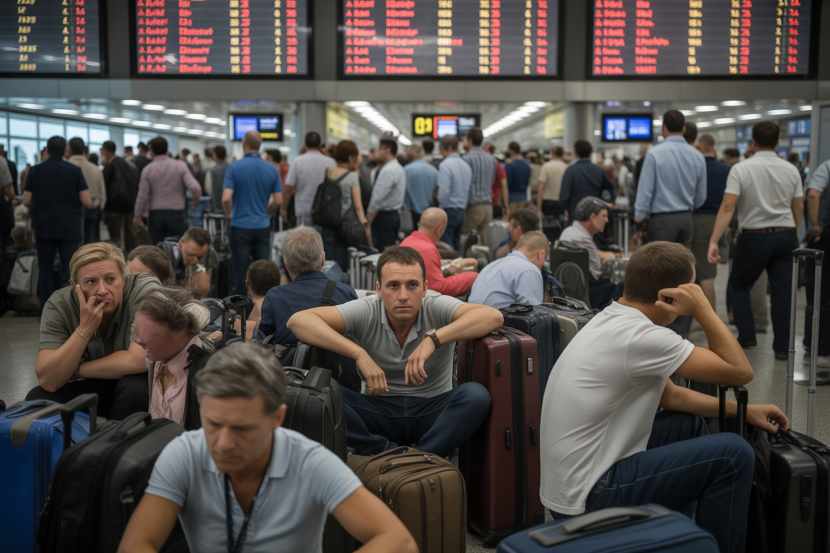
Weather Chaos Hits Montreal-Trudeau, Halifax, St. John’s, Toronto and Other Major Aiports as Seventy Four Flights are Delayed and Twenty Two Canceled Today by Air Canada, Jazz, PSA and More Airlines Leaving Many Passengers Stranded

Weather Chaos Hits Montreal-Trudeau, Halifax, St. John’s, Toronto and Other Major Aiports as Seventy Four Flights are Delayed and Twenty Two Canceled Today by Air Canada, Jazz, PSA and More Airlines Leaving Many Passengers Stranded
Montreal-Trudeau Airport sees 74 delays & 22 cancellations today due to weather&operational disruptions.

Montreal-Trudeau International Airport (YUL) is experiencing significant disruptions today with 74 flight delays and 22 cancellations reported. Passengers traveling to and from Montreal are facing a challenging day as both domestic and international flights are affected by severe weather conditions and operational issues. The snowstorm currently affecting parts of Quebec and Ontario has led to reduced visibility, slippery runways, and slower ground operations at Montreal-Trudeau, contributing to the delay and cancellation of flights.

The snowstorm, which began earlier this week, has continued to impact air travel across the region. Authorities have warned that the extreme weather conditions, combined with ongoing operational challenges, could lead to further disruptions as Montreal-Trudeau works to clear runways and manage airport logistics. Travelers are being advised to stay updated on the status of their flights and consider alternative travel plans in case of further delays.

Why Are Flights Delayed and Cancelled at Montreal-Trudeau Airport?

Montreal-Trudeau Airport is no stranger to winter weather disruptions, but today’s delays and cancellations have been more widespread, largely due to the snowstorm that has moved through the region. According to the National Weather Service (NWS), heavy snowfall and freezing rain have made it difficult for airport crews to maintain safe operations, including clearing runways and de-icing planes. With limited visibility and ongoing snowfall, air traffic control is also facing delays in managing the flow of aircraft, contributing to longer wait times for departing flights.

The snowstorm’s impact is not limited to Montreal. Airports throughout Quebec and Ontario are facing similar disruptions, with flight rerouting and delays at Ottawa and Toronto Pearson airports as well. Montreal-Trudeau is one of the busiest airports in Canada, and such weather events, while common in winter, still cause major disruptions when flights cannot be cleared for takeoff or safely landed. According to Canada’s Air Transport Security Authority (CATSA), winter weather conditions regularly lead to delays in aircraft operations and slower processing of passengers.

The Department of Transport Canada also acknowledged the heightened risk of delays during extreme winter weather, urging travelers to monitor the status of their flights in real-time, especially when inclement weather causes significant disruptions. With temperatures hovering around freezing, airport staff are working hard to de-ice aircraft and ensure that runways are safe for operations.

How Are Passengers Affected by the Disruptions?

For passengers at Montreal-Trudeau Airport, today’s delays and cancellations have created significant frustration and confusion. Many travelers have experienced long waiting times, especially those trying to rebook flights or find accommodation for overnight stays after their flights were canceled. While Montreal-Trudeau has provided real-time updates for travelers on their flight status via their website and social media channels, many passengers have been left scrambling to find alternative routes.

Some travelers who were impacted by the cancellations report being informed at the last minute that their flights were canceled, forcing them to wait in long queues at customer service counters. Airlines are working to rebook passengers on the next available flights, but availability is limited as the weather continues to affect airports across the region.

Passengers with international flights are particularly affected by the cascading delays, as many connecting flights have been impacted, leading to missed connections and longer waits. Travelers who were hoping to reach Europe, the U.S., or other parts of Canada are advised to check with their airlines for rebooking options.

For those already on the ground at the airport, additional amenities like food and water stations have been set up in certain terminals to help ease the waiting time. Many passengers have turned to airport lounges to wait out their delays, although these spaces are becoming increasingly crowded as more flights are delayed.

What Are Airlines Doing to Address the Situation?

In response to the widespread delays and cancellations, airlines are doing everything they can to assist affected passengers. Many airlines have activated their customer service teams and are providing rebooking options and accommodation vouchers to help ease the burden on passengers who have been impacted by the disruptions.

Air Canada, WestJet, and other major carriers operating at Montreal-Trudeau are working with travelers to rebook flights or issue travel credits for those unable to travel due to the weather disruptions. Airlines are also offering meal vouchers for passengers whose flights were significantly delayed, and some hotels near the airport are offering discounted rates for passengers who need to stay overnight.

At the same time, Montreal-Trudeau is working closely with ground handling services, security staff, and airlines to optimize passenger flow and minimize waiting times. The airport has increased the number of staff available to handle passenger queries and provide assistance for travelers facing flight disruptions. Passengers are encouraged to check in online and arrive earlier than usual to avoid congestion at the airport.

What Can Travelers Expect Going Forward?

As the winter storm continues to affect air travel in the Greater Montreal Area, passengers should expect ongoing delays and potential cancellations. The weather system is expected to persist through the evening and into the following days, which means that disruptions at Montreal-Trudeau Airport could continue for the rest of the week.

Travelers are advised to stay updated on their flight statuses and to take advantage of the airport’s real-time notifications via their official website and mobile app. It’s also advisable to keep communication lines open with airlines to confirm flight status, especially if you’re traveling with tight schedules or connecting flights.

The airport is expected to continue its efforts to clear runways and ensure the safe takeoff and landing of flights, but travelers should remain flexible and prepared for the possibility of further delays. The weather-related disruptions highlight the ongoing challenges airports face during winter months, and travelers should always factor in extra time when traveling during such conditions.

AirlineCancelled (#)Cancelled (%)Delayed (#)Delayed (%)
Air Canada107%1511%
Jazz (ACA)87%1816%
Air Canada Rouge (ACA)26%310%
PSA Airlines (AAL)250%250%
Air Creebec00%29%
Delta Air Lines00%116%
Endeavor Air (DAL)00%428%
Envoy Air (AAL)00%2100%
Central Mountain00%150%
Piedmont (AAL)00%233%
Porter Airlines00%310%
PAL Airlines00%330%
Royal Air Maroc00%150%
Sata Internacional00%150%
Swiss00%150%
Air Transat00%412%
Emirates00%150%
WestJet00%412%
Air France00%125%
Air Inuit00%533%

Conclusion: Staying Prepared During Winter Travel Disruptions at Montreal-Trudeau Airport

While the disruptions at Montreal-Trudeau International Airport are frustrating for passengers, it’s important to remember that winter weather is an inevitable part of air travel during this time of year. Airports, airlines, and authorities are doing everything they can to mitigate the effects of the storm and get passengers on their way safely.

For those still planning to travel through Montreal-Trudeau, it’s crucial to stay informed, be flexible, and allow for extra time as you navigate these ongoing weather-related disruptions. By keeping these tips in mind and being proactive about flight updates and alternate routes, travelers can ensure that their journey remains as smooth as possible, even during challenging weather conditions.

Source: Flight Aware

The post Weather Chaos Hits Montreal-Trudeau, Halifax, St. John’s, Toronto and Other Major Aiports as Seventy Four Flights are Delayed and Twenty Two Canceled Today by Air Canada, Jazz, PSA and More Airlines Leaving Many Passengers Stranded appeared first on Travel And Tour World.
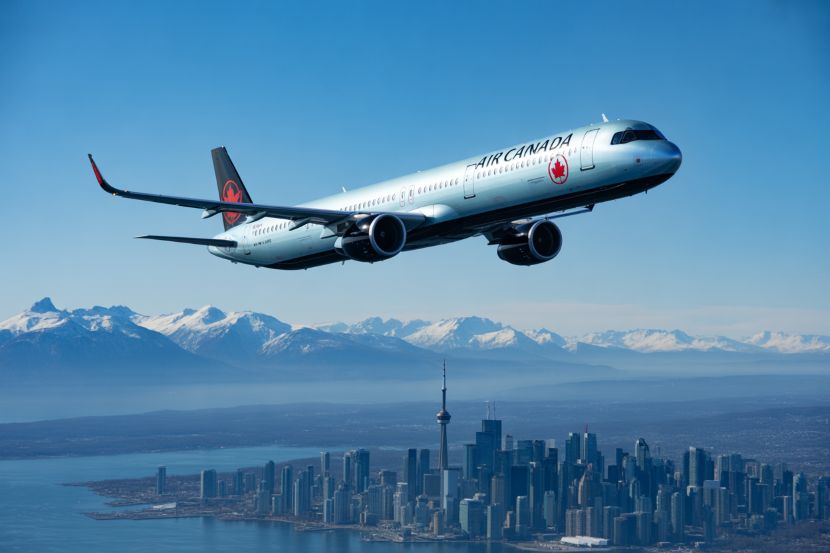
Travelers Affected at Halifax International Airport as PAL Airlines, Air Canada, WestJet, and Others Experience 18 Flight Cancellations with Multiple Delays, Impacting Major Airports in Gander, CFB Goose Bay, Ottawa, Montreal, Saint Pierre, and More

Travelers Affected at Halifax International Airport as PAL Airlines, Air Canada, WestJet, and Others Experience 18 Flight Cancellations with Multiple Delays, Impacting Major Airports in Gander, CFB Goose Bay, Ottawa, Montreal, Saint Pierre, and More
Halifax International

Travelers are facing significant disruptions at Halifax International Airport as PAL Airlines, Air Canada, WestJet, and other carriers experience 18 flight cancellations and multiple delays. This chaos has ripple effects, not only at Halifax but also impacting major airports in Gander, CFB Goose Bay, Ottawa, Montreal, Saint Pierre, and more. Passengers scheduled to fly on affected routes are left stranded or facing extended waiting times. The cancellations and delays are primarily caused by weather conditions, leading to a backlog of flights and a strain on airport operations. Travelers are being advised to stay updated on their flight status and to prepare for potential delays. The airlines involved are working to rebook passengers, but the disruptions have caused considerable frustration. Affected airports are also experiencing heavy traffic, making it difficult for travelers to navigate through terminals and make connecting flights.

Affected Cities

The cities experiencing flight disruptions include Halifax, St. John’s, Toronto, Gander, CFB Goose Bay, Ottawa, Saint John, Montreal, Saint Pierre, Deer Lake, and Sangster. These airports reported varying levels of cancellations and delays, with Halifax International, St. John’s, and Toronto Pearson among the most affected. Other airports like Gander, CFB Goose Bay, and Saint John had notable cancellations, while Ottawa, Montreal, and Saint Pierre experienced delays. Deer Lake and Sangster saw some disruptions as well, though the impact was comparatively lower. The extent of cancellations and delays varied across these locations, reflecting regional challenges in air travel.

Flight Cancellations

AirlineCancelledDelayed
PAL Airlines113
Air Canada Rouge30
Air Canada21
WestJet23

Affected Airlines

The airlines affected by the flight disruptions at Halifax International Airport include PAL Airlines, Air Canada, Air Canada Rouge, and WestJet. These carriers have reported a combination of flight cancellations and delays, significantly impacting travelers. PAL Airlines faced the most cancellations, with 11 flights cancelled, while Air Canada Rouge and Air Canada also saw a number of delays. WestJet’s operations were also affected, with several flights delayed. These disruptions have left passengers stranded at multiple airports across Canada, including Gander, CFB Goose Bay, and Ottawa, highlighting the widespread impact of the ongoing travel challenges.

Overview of Flight Cancellations

The flight cancellations at Halifax International Airport have had a significant impact on air travel, with the following breakdown:

  1. PAL Airlines: A total of 11 flights were cancelled, representing 50% of their scheduled flights at the airport. This is the highest cancellation rate among the airlines operating there, suggesting significant operational or weather-related disruptions affecting PAL Airlines’ flights.
  2. Air Canada Rouge: 3 flights were cancelled, which accounts for 60% of its total scheduled flights. This high cancellation rate points to potential issues affecting Air Canada Rouge’s operations at Halifax International Airport.
  3. Air Canada: Only 2 flights were cancelled, making up 8% of Air Canada’s total flights at the airport. While this is a relatively low percentage, it still caused inconvenience to passengers.
  4. WestJet: 2 flights were cancelled, which constitutes 25% of WestJet’s flights at the airport. This cancellation rate is moderate compared to other carriers but still reflects some disruption.

PAL Airlines experienced the highest number of cancellations, with 50% of their flights affected. Air Canada Rouge also faced a significant number of cancellations, with 60% of their scheduled flights impacted. Air Canada and WestJet had fewer cancellations, but these still contributed to the overall disruption at Halifax International. The delays were spread across these airlines, but the cancellations remained the primary issue.

What to Do if Your Flight Gets Cancelled: A Quick Guide

Flight cancellations can be frustrating, but knowing the right steps to take can help minimize stress. Here’s what you can do if you find yourself in this situation:

Stay Updated
Monitor your email, phone, and the airline’s app for rebooking confirmation or further announcements.

Stay Calm and Check for Updates
As soon as you learn your flight is canceled, stay calm and check for updates. Many airlines will notify you via text, email, or their app. Visit the airline’s website for real-time updates on the situation.

Contact the Airline
Reach out to the airline’s customer service either in person at the airport or over the phone. If you’re at the airport, head to the service desk. If you’re not, try calling or using the airline’s online chat system to avoid waiting in long queues.

Know Your Rights
Familiarize yourself with the airline’s policies regarding cancellations. Many airlines offer rebooking options or compensation, especially if the cancellation is within their control. In the EU, for example, passengers are entitled to compensation under certain conditions.

Consider Alternative Flights
Ask the airline about the next available flight. If you can’t find a suitable option, consider booking a new flight through another airline, or check for other forms of transport like trains or buses.

Halifax International Airport has experienced notable disruptions, with PAL Airlines and Air Canada Rouge facing the highest cancellation rates of 50% and 60%, respectively. These cancellations, along with delays from WestJet and Air Canada, have caused significant inconvenience for travelers. While the overall impact varied across airlines, the disruptions at major airports such as Gander and CFB Goose Bay highlight the broader effects on air travel in the region. Passengers are advised to stay updated on flight statuses and prepare for potential delays as airlines work to resolve operational challenges.

Source: FlightAware and affected airports

The post Travelers Affected at Halifax International Airport as PAL Airlines, Air Canada, WestJet, and Others Experience 18 Flight Cancellations with Multiple Delays, Impacting Major Airports in Gander, CFB Goose Bay, Ottawa, Montreal, Saint Pierre, and More appeared first on Travel And Tour World.

Air Canada, PAL Airlines, and WestJet Cancel 26 Flights at St. John’s International Airport, Leaving Passengers Stranded in Toronto, Halifax, Montreal, Orlando, Goose Bay, and Beyond

Air Canada, PAL Airlines, and WestJet Cancel 26 Flights at St. John’s International Airport, Leaving Passengers Stranded in Toronto, Halifax, Montreal, Orlando, Goose Bay, and Beyond
St. John's

Air Canada, PAL Airlines, and WestJet have caused significant disruption at St. John’s International Airport by cancelling 26 flights, leaving many passengers stranded. The cancellations have affected travelers on flights to key cities such as Toronto, Halifax, Montreal, Orlando, and Goose Bay, among others. As a result, many have been left uncertain about their next steps, facing long delays or rebooking issues. This mass flight disruption highlights the ongoing challenges that passengers face at major airports. The airlines, while working to rebook affected travelers, have yet to provide clear solutions for the hundreds impacted. St. John’s International Airport, a critical hub for both local and international flights, has become the epicenter of this chaos. Travelers across Toronto, Halifax, Montreal, and other locations are anxiously waiting for updates, with many facing unexpected hardships due to these unforeseen cancellations.

Affected Cities

The cities are St. John’s, Toronto, Halifax, Montreal, Orlando, Goose Bay, and Deer Lake. These cities are linked to the reported flight cancellations and delays at their respective airports, including St. John’s International (YYT), Toronto Pearson International (YYZ), Halifax International (YHZ), Montreal-Trudeau (YUL), Orlando International (MCO), CFB Goose Bay (YYR), and Deer Lake Regional. These locations are critical hubs for air travel and have been significantly impacted by the disruptions highlighted in the data. Each city plays a key role in the region’s aviation network and passenger travel experience.

Flight Cancellations

AirlineCancelledCancelled (%)DelayedDelayed (%)
Air Canada12100%00%
PAL Airlines1266%00%
WestJet266%00%

Affected Airlines

The airlines are Air Canada, PAL Airlines, and WestJet. These carriers are responsible for the 26 flight cancellations at St. John’s International Airport, significantly impacting passengers traveling to and from various cities. Air Canada, with its extensive domestic and international network, is a major player in these disruptions, alongside PAL Airlines and WestJet, two prominent carriers serving key Canadian routes. These airlines, while working to address the situation, have left many passengers stranded in cities like Toronto, Halifax, Montreal, and Orlando. The cancellations have created confusion and delays, emphasizing the challenges that these airlines face during unexpected disruptions.

Overview of Flight Cancellations

The significant flight cancellations affecting St. John’s International Airport (YYT), with Air Canada, PAL Airlines, and WestJet being the primary carriers involved. A total of 26 flights were cancelled, creating a ripple effect across several key cities and disrupting travel plans for passengers.

Air Canada reported the highest number of cancellations, with 12 flights being affected. These cancellations resulted in 100% of its scheduled flights being impacted, leaving travelers stranded and without clear solutions. PAL Airlines, on the other hand, cancelled 12 flights, which accounted for 66% of its total flights, also creating a major inconvenience for passengers. WestJet had 2 cancellations, which made up 66% of its scheduled flights at the time.

The ripple effect of these cancellations stretched beyond St. John’s, impacting major cities like Toronto, Halifax, Montreal, Orlando, and Goose Bay. Passengers from these cities experienced significant delays and had to navigate the uncertainty of rebooking or waiting for further updates from the airlines.

These cancellations are a stark reminder of how quickly disruptions can cascade through a global aviation network, especially when major carriers are involved. Despite ongoing efforts from the airlines to manage the situation and offer alternative flights, the passengers left stranded face the frustrating challenge of dealing with the aftermath of this widespread disruption.

The 26 flight cancellations at St. John’s International Airport by Air Canada, PAL Airlines, and WestJet have caused significant disruption for passengers. With key destinations such as Toronto, Halifax, Montreal, Orlando, and Goose Bay affected, many travelers have been left stranded or delayed. While the airlines are working to rebook passengers, the ongoing uncertainty highlights the challenges faced by both airlines and travelers during unexpected disruptions. As the situation evolves, it underscores the importance of clear communication and efficient solutions to mitigate the impact on affected passengers.

Source: FlightAware and affected airports

The post Air Canada, PAL Airlines, and WestJet Cancel 26 Flights at St. John’s International Airport, Leaving Passengers Stranded in Toronto, Halifax, Montreal, Orlando, Goose Bay, and Beyond appeared first on Travel And Tour World.

Air Canada’s Expanded Winter Network: Year-Round Toronto Flights from Europe and New Quito Connections for North American and Latin American Travelers – Here’s What to Know About the Latest Expansion

Air Canada’s Expanded Winter Network: Year-Round Toronto Flights from Europe and New Quito Connections for North American and Latin American Travelers – Here’s What to Know About the Latest Expansion
Air Canada’s Expanded Winter Network: Year-Round Toronto Flights from Europe

In an exciting move, Air Canada has announced a major expansion of its winter network, which includes the launch of year-round flights from Manchester and Copenhagen to Toronto. Starting in October, both routes will be operated by the airline’s new Airbus A321XLR, marking a key milestone for its growing presence at Toronto Pearson International Airport. This strategic enhancement comes as part of Air Canada’s ongoing efforts to enhance connectivity between Europe, Canada, and beyond, with a special focus on boosting travel to Latin America and Ecuador. Whether you’re planning a vacation or a business trip, these new services promise fast and convenient connections across the globe. The newly added routes offer a seamless way for travelers to explore Toronto, one of Canada’s most vibrant cities, and connect further to exciting destinations across North America, South America, and beyond.

Year-Round Service to Toronto from Manchester and Copenhagen

Starting in October 2026, passengers will be able to book year-round flights from Manchester and Copenhagen directly to Toronto, Canada’s largest city. Air Canada’s expansion into these routes reflects the growing demand for international travel, making it easier than ever for UK and European travelers to access Toronto year-round.

These flights will be operated using the Airbus A321XLR, an advanced, fuel-efficient aircraft that also offers the first narrow-body Signature Class seats on an Air Canada flight. This feature includes lie-flat seats, providing maximum comfort for long-haul flights. The A321XLR will serve as the backbone of Air Canada’s expanded fleet at Toronto Pearson International Airport, positioning the airline to increase its presence at this global hub.

The route expansions are not just beneficial for travelers heading to Toronto, but also offer seamless connections to a variety of destinations across Canada, the US, and beyond, making it a convenient option for tourists looking to explore various regions of North America.

Connecting Latin America and Ecuador to Canada

In addition to the new flights from Manchester and Copenhagen, Air Canada is further expanding its global reach by boosting service to Latin America, with an emphasis on strengthening its connections to Ecuador. Beginning this winter season, Quito, Ecuador’s capital, will be added to the airline’s network, with three flights per week from Montreal and one weekly flight from Toronto.

For travelers seeking adventure in South America, Quito offers a rich blend of history, culture, and stunning landscapes. As one of the highest capital cities in the world, it offers visitors the chance to explore UNESCO World Heritage sites, colonial architecture, and breathtaking views of the surrounding Andean mountains. With Air Canada’s new service, reaching Quito from Canada becomes even more convenient, unlocking countless opportunities for tourists to explore this vibrant part of the world.

Air Canada’s Commitment to Growth and Accessibility

Air Canada’s strategic decision to base additional Airbus A321XLR aircraft at its Toronto-Pearson hub is a sign of the airline’s ongoing investment in expanding its reach globally. The new winter schedule aims to connect travelers to both Europe and Latin America, expanding options for those looking to travel from Canada to key international destinations.

Mark Galardo, the airline’s Executive Vice President, highlighted that this expansion is not only about increasing capacity but also improving customer experience and creating new opportunities for business and tourism. With faster connections between Canada and regions such as Latin America, the airline is set to continue fostering tourism and business links across North America, Europe, and South America.

Travel Tips for Exploring Toronto and Beyond

Whether you are traveling for business or leisure, Toronto is a city full of activities for every type of traveler. Here are some essential travel tips to ensure you make the most of your visit:

  1. Explore the Distillery District – Known for its cobblestone streets, art galleries, and unique boutiques, this historic area is a must-visit for a blend of old-world charm and modern-day culture.
  2. Experience the CN Tower – A visit to Toronto’s CN Tower offers panoramic views of the city and Lake Ontario. Don’t miss the glass floor, where you can stand 1,136 feet above the ground!
  3. Use Public Transportation – Toronto’s TTC subway system is efficient and affordable, making it easy to explore the city from downtown to high-end shopping districts.
  4. Winter Travel to Ecuador – If you are continuing your journey to Quito, pack light! Ecuador’s weather can vary significantly depending on altitude. Quito, being high in the Andes, has cooler temperatures, so layering up is always a good idea.
  5. Consider a Day Trip to Niagara Falls – If you’re in Toronto for a few days, take the 1.5-hour drive to the iconic Niagara Falls for a breathtaking experience.

The Growing Demand for South American Travel

Air Canada’s push to expand service to Latin America is part of a broader trend of increased travel demand to South America. Ecuador, with its rich cultural heritage, diverse landscapes, and mountainous regions, continues to attract travelers seeking unique experiences beyond the typical tourist destinations. With the new flights to Quito, it’s now easier than ever to experience this culturally rich nation directly from Canada.

For travelers from Europe, these new routes offer not only a great chance to explore Canada but also serve as a gateway to South America via Toronto or Montreal. With easier connections, travelers can extend their trips to various destinations in Latin America with Air Canada’s extensive network.

What’s Next for Air Canada?

Looking ahead, Air Canada seems poised to continue its expansion into international markets, with a focus on offering direct routes, new aircraft, and more flexible options for global travelers. The airline’s strategic decisions reflect both the demand for international connections and a clear commitment to improving the travel experience for its passengers.

As the airline grows, Toronto is set to remain a primary gateway for both business and leisure travelers heading to Canada and the rest of the world.

The post Air Canada’s Expanded Winter Network: Year-Round Toronto Flights from Europe and New Quito Connections for North American and Latin American Travelers – Here’s What to Know About the Latest Expansion appeared first on Travel And Tour World.

Canada Has Faced Several Emergency Landings Across Vancouver, Toronto, Montreal, and Newark: New Reports Unveil Shocking Details

Canada Has Faced Several Emergency Landings Across Vancouver, Toronto, Montreal, and Newark: New Reports Unveil Shocking Details

Flights to and from Canada experienced numerous emergency landing incidents between January 2022 and January 2026. This chronicle draws on news reports and aviation records and is written in third‑person passive voice. The aim is to document the causes and outcomes of each emergency landing and to show how often crews were compelled to seek one. This summary emphasises the breadth of incidents and the need for vigilance, and this article emphasises urgency for aviation safety[1][2].

Instrument and Sensor Failures

Air Canada faced several instrument and sensor problems in 2022. Flight AC120 from Vancouver to Toronto experienced an air‑speed indication fault and an emergency landing was requested[1]. Later that year flight AC1072 from Denver to Montreal made a PAN‑PAN call because of a cracked cockpit window and diverted for an emergency landing[2]. Another flight to Newark recorded unreliable air‑speed and landed in Winnipeg[3]. A cargo 767 between Bogotá and Toronto continued at lower altitude after its windshield cracked and performed an emergency landing[4]. These episodes demonstrate how sensor failures and glass defects repeatedly led to an emergency landing.

Smoke and Fumes Incidents

Smoke and fumes triggered multiple emergency landings. Flight AC447 from Ottawa to Toronto in 2023 filled with smoke due to a faulty pack and landed in Toronto[5]. A cargo flight from Atlanta to San Juan in 2024 reported an odour and declared Mayday before an emergency landing[6]. Rouge flight AC1702 from Las Vegas in 2025 diverted to Des Moines with smoke[7]. Later that year flight AC1038 from Denver detected an acrid smell, declared PAN‑PAN and returned to Denver for an emergency landing and evacuation[8]. In January 2026 a Dreamliner from Auckland dumped fuel and returned for an emergency landing after detecting an unusual odour[9]. These incidents show how quickly crews must respond when fumes appear.

Hydraulic and Landing‑Gear Failures

Hydraulic leaks and landing‑gear malfunctions dominated 2024. Flight AC819 from Venice lost nose‑wheel steering and diverted to Dublin[10]. AC42 from Toronto to Delhi experienced system warnings, dumped fuel and returned to Toronto[11]. AC1162 departing Fort McMurray displayed a gear‑fail alert and diverted to Edmonton[12]. Dash 8 flight 2259 skidded off Halifax’s runway when its gear collapsed; sparks and a wing fire erupted but only minor injuries occurred[13]. Each episode concluded with an emergency landing.

Engine and Pressurization Issues

Engines and pressurization systems caused several emergencies. A WestJet turboprop from Kamloops to Calgary in March 2023 saw flames from its right engine and made an emergency landing in Kelowna[14]. In October 2025 WestJet flights WS‑707 and WS‑310 shut down engines due to power loss or low oil and diverted to Vancouver and Calgary[15][16]. Delta flight 135 from Amsterdam diverted to Happy Valley‑Goose Bay in December 2023 because of a mechanical issue[17]. Pressurization problems on WJA2251 from Puerto Vallarta and WS‑131 from Calgary triggered oxygen masks and rapid descents before safe emergency landings[18][19]. These cases demonstrate how engine failures and cabin pressure loss force crews into emergency landings.

Behaviour and Medical Emergencies

Human factors also caused emergency landings. In February 2024 WestJet flight WS‑710 diverted to Winnipeg after a passenger tried to open an exit[20]. Later that spring a Terrace–Calgary flight returned because of another unruly passenger[21]. Air Canada flights AC870 and AC1705 in May 2025 diverted to St John’s and Chicago due to disruptive passengers[22][23]. Medical issues also triggered emergency landings: flight AC2 from Tokyo to Toronto landed in Yellowknife for urgent care, and a WestJet Dreamliner to London diverted to Heathrow when a passenger required medical attention[24][25]. These examples show that behaviour and health can be as decisive as mechanical faults.

Crashes and Long Diversions

A handful of events highlight the extremes of emergency landings. On 17 February 2025 Delta flight 2123 from Minneapolis flipped while landing in snowy winds at Toronto, injuring 18 people[26]. Long diversions also tested travellers: Delta flight 135 in December 2023 diverted to Goose Bay and passengers were stranded for nearly a day[17]. SAS flight SK910 in November 2025 diverted to the same base after a technical irregularity and passengers waited almost 22 hours for a replacement plane[27]. These extremes range from near‑catastrophic crashes to long, cold waits.

Patterns and Lessons

Throughout this period emergency landings were reported frequently. Instrument and window problems showed the need for robust checks and redundancy[2]. Smoke and odour incidents emphasised maintenance and rapid response[8]. Hydraulic and gear failures revealed mechanical complexity[12]. Engines and pressurization systems required continuous monitoring and crew training[14][18]. Human factors and weather added unpredictability[20][26]. Every emergency landing thus becomes a lesson for regulators and airlines.

Category Table of Emergency Landings (Jan 2022 – Jan 2026)

Improved data sharing and cross‑carrier cooperation could help reduce future emergency landings. Victims and families demanded inquiries into the crash and called for improved runway de‑icing and wind shear detection and accountability.

CategoryKey flights & yearsNotes
Instrument or sensor failureAC120 2022, AC1072 2022, AC584 2022, AC7261 2022Airspeed or window issues triggered an emergency landing[1][2]
Smoke and fumesAC447 2023, AC7220 2024, AC1702 2025, AC1038 2025, AC40 2026Smoke or odours prompted emergency landings[5][7]
Hydraulic or gear failureAC819 2024, AC42 2024, AC1162 2024, AC2259 2024Steering or gear faults led to emergency landings[10][13]
Engine troublesWS‑Encore fire 2023, WS‑707 2025, WS‑310 2025, Delta 135 2023Fires or power loss caused emergency landings[14][17]
PressurizationWJA2251 2023, WS‑131 2024Cabin pressure loss resulted in emergency landings[18][19]
Passenger behaviour & medicalWS‑710 2024, WS Terrace 2024, AC870 2025, AC1705 2025, AC2 2025, WS Dreamliner 2025Disruptive passengers or medical needs led to emergency landings[20][24]
Major accidents/diversionsDelta 2123 2025, Delta 135 2023, SAS SK910 2025Crash or long diversion required emergency landings[26][27]

The post Canada Has Faced Several Emergency Landings Across Vancouver, Toronto, Montreal, and Newark: New Reports Unveil Shocking Details appeared first on Travel And Tour World.

Etihad Airways Takes to the Skies with Groundbreaking Nonstop Flights from Abu Dhabi to Calgary – A New Era of Connectivity Between UAE and Western Canada!

Etihad Airways Takes to the Skies with Groundbreaking Nonstop Flights from Abu Dhabi to Calgary – A New Era of Connectivity Between UAE and Western Canada!
Etihad Airways

In a bold move set to reshape the travel landscape, Etihad Airways has announced its first nonstop flight service connecting Abu Dhabi to Calgary, Canada. This historic new route, beginning on 3 November 2026, marks the first direct air link between Western Canada and the Middle East, making it a game changer for tourism, business, and global connectivity.

A Fresh Gateway for Travelers

This nonstop flight service will open up exciting new opportunities for both Canadian and UAE travelers. The new route will operate four times a week, offering seamless travel for those looking to explore either side of the world. For those in Canada, it’s now easier than ever to access Abu Dhabi’s cultural gems, luxurious resorts, and business hubs, while UAE residents and visitors gain a direct gateway to explore the breathtaking Canadian Rockies and Alberta’s natural beauty.

Flight Details: A Smooth Journey with Boeing 787‑9 Dreamliners

Etihad’s flights between Abu Dhabi International Airport (AUH) and Calgary International Airport (YYC) will be serviced by the cutting-edge Boeing 787‑9 Dreamliner. This modern aircraft, renowned for its comfort and fuel efficiency, ensures that passengers can enjoy a comfortable, long‑haul flight experience with various seating options, including Business and Economy class. With the Dreamliner’s superior cabin pressure and quieter engines, travelers can look forward to a peaceful and restful journey.

Flights will be scheduled for Sundays, Tuesdays, Thursdays, and Fridays, providing flexibility and convenience for passengers planning both business and leisure trips. The flight timings are designed to ensure minimal jetlag, with a morning departure from Abu Dhabi and a midday arrival in Calgary. This makes it easier than ever for business professionals and tourists to make the most of their travel time.

Why This New Route Matters: Boosting Business, Trade, and Tourism

The Abu Dhabi to Calgary route is more than just a connection between two cities; it’s an important step in strengthening the ties between the UAE and Canada. With Calgary’s thriving economy, especially in sectors like energy, technology, and advanced manufacturing, the new nonstop flight offers a significant boost to business travel, opening up new opportunities for cross‑border collaboration. Both countries stand to benefit, as this route promises to drive economic growth, increase trade, and facilitate easier travel for investors.

From a tourism perspective, the new route will help facilitate more Canadian tourists visiting the UAE’s cultural landmarks, luxury resorts, and Expo 2020 Dubai legacies, as well as providing a streamlined path for travelers seeking to explore Western Canada’s natural wonders, including the Canadian Rockies, Banff National Park, and Calgary’s world-class skiing and festivals. In short, this is a win-win for tourism boards and travel industries on both sides of the globe.

Strengthening Canada’s Connection to the Middle East

The launch of Etihad’s Abu Dhabi–Calgary route will serve as the only direct nonstop flight linking Western Canada with the Middle East. Calgary’s vibrant tourism scene is a perfect fit for Etihad’s expansive network, providing a gateway for travellers from the UAE and other countries to access one of the most scenic and adventure-filled regions of North America. Whether it’s hiking, skiing, or experiencing the local culture, Calgary is poised to become a must‑visit destination for travelers from the UAE.

Etihad’s Expanding Global Reach

This new service is part of Etihad Airways’ broader strategy to expand its global network. The airline has already established a strong presence in North America, with direct services to New York, Toronto, Chicago, and soon Charlotte. Calgary now joins this prestigious list, further enhancing Etihad’s ability to connect travelers between the UAE, North America, and beyond. As Etihad continues to grow, more cities around the world can expect to benefit from the airline’s expansion plans. This move solidifies Etihad’s status as a leading global carrier, offering increased accessibility for both business and leisure travellers worldwide.

The Environmental Benefits: Sustainable Travel at Its Core

Etihad Airways has long been committed to sustainability, and the 787‑9 Dreamliner plays a pivotal role in helping the airline reduce its environmental impact. Known for its fuel efficiency, the Dreamliner helps Etihad lower its carbon footprint on long‑haul routes. By using newer, greener aircraft and focusing on sustainable aviation practices, Etihad is contributing to the global efforts to reduce the carbon emissions of the aviation industry.

An Exciting Future for Travelers Between the UAE and Canada

This new nonstop service marks the beginning of a new era for travelers looking to explore both the UAE and Canada. Etihad Airways is not only improving connectivity between Abu Dhabi and Calgary, but it’s also laying the foundation for further cultural exchange, tourism development, and economic collaboration. As the route opens up on 3 November 2026, the air link promises to drive growth and innovation in both global travel and international business, while offering passengers a direct, seamless travel experience like never before.

With the launch of this game‑changing route, Etihad Airways is proving once again that air travel is more than just about getting from point A to point B—it’s about building connections, fostering economic ties, and creating opportunities for travellers worldwide. Whether you’re flying for business or leisure, the Abu Dhabi–Calgary route is set to be one of the most exciting new developments in global aviation.

In Conclusion

Etihad Airways’ announcement to launch nonstop flights between Abu Dhabi and Calgary represents a transformative moment in both the travel industry and international relations. It opens up a wealth of new possibilities for Canadian and Emirati travelers alike, making it easier than ever to experience the best of both regions. This new route is expected to lead to greater tourism, stronger trade links, and more efficient connections between the UAE and Canada. Starting November 2026, the skies will be just a little bit closer between these two dynamic parts of the world.

The post Etihad Airways Takes to the Skies with Groundbreaking Nonstop Flights from Abu Dhabi to Calgary – A New Era of Connectivity Between UAE and Western Canada! appeared first on Travel And Tour World.

Air Canada Faces a Critical 2026 Labour Showdown: Could Customer Service Agents Strike and Impact Your Travel Plans?

Air Canada Faces a Critical 2026 Labour Showdown: Could Customer Service Agents Strike and Impact Your Travel Plans?
Air Canada

As the 2026 labour negotiations between Air Canada and Unifor Local 2002 — the union representing over 5,800 customer service agents — draw near, travellers across Canada are bracing for potential disruptions. With the collective agreement between Air Canada and its customer service employees set to expire on February 28, 2026, the pressure is mounting for both sides to reach a deal. As the clock ticks down, the spectre of a strike or lockout looms, leaving Canadian travellers questioning how this might affect their journeys. Here’s a comprehensive breakdown of how Canadian labour laws might shape the fate of thousands of flights and travellers in the coming months.

Understanding the Stakes: How a Strike Could Impact Canada’s Major Airports

If a strike were to occur, key airports like Toronto Pearson, Vancouver International, and Montréal‑Trudeau could face massive disruptions. With the airline’s customer service agents responsible for tasks like check‑in, reservations, baggage handling, and customer support, the impact could be felt deeply across Canada’s aviation system. Long queues, delayed flights, and the inability to rebook tickets could frustrate even the most seasoned traveller. While a strike remains a last resort, the risk is real, especially with the union’s demands for better wages, working conditions, and job protections.

Canada’s Labour Code in the Spotlight: What Happens When a Contract Expires?

Canada’s robust Labour Code sets clear parameters for what happens when a contract between employers and unions ends. Once Air Canada’s contract with Unifor Local 2002 expires, the union and the airline enter a 60-day conciliation period. During this time, federal mediators help the two parties negotiate a new agreement. If the process fails, a 21-day cooling-off period follows, preventing any work stoppages. However, once this cooling-off period ends, federally regulated strikes or lockouts can occur—provided that the appropriate legal steps are followed. It’s a system designed to allow time for negotiations while also balancing the interests of workers and businesses.

Unifor and Air Canada: A Bitter Bargaining Battle Brewing in 2026

Air Canada’s customer service agents are no strangers to fighting for their rights. The Unifor Local 2002 union has been negotiating for a fair deal for its members, with key demands focused on better wages, job security, and improved working conditions. The union’s leadership insists that Air Canada must step up to the plate and ensure that its employees are properly compensated for the crucial roles they play in keeping flights running smoothly. While a strike is not yet on the horizon, the growing tension between the airline and its workers could lead to significant consequences for travellers if an agreement is not reached.

What Exactly Does the Legal Process Look Like for a Potential Air Canada Strike?

The process of going on strike in Canada is a complex one, designed to avoid disruptions to public life while allowing workers to exercise their right to protest unfair working conditions. Once the conciliation period ends, both parties are given a cooling-off period during which further negotiations must take place. If these fail, and the union has been authorized to strike by its members, the union can legally begin a work stoppage. But this process, although drawn out, provides safeguards to avoid sudden strikes and ensure that travellers have enough time to prepare.

Why Should Travellers Be Concerned About a Strike in 2026?

While the legal processes offer a measure of stability, it’s impossible to ignore the disruption that could arise if Air Canada’s customer service agents decide to go on strike. With the airline’s customer service agents handling all aspects of passenger interaction, including baggage check-in, flight rebooking, and ticketing, a strike would significantly affect the passenger experience at key airports like Vancouver, Toronto, and Montréal. This would be especially true during busy travel periods, such as spring break and summer vacations.

The Government’s Role: Ensuring Air Canada’s Operations Stay Intact

Should the strike threat escalate, the Canadian government, through the Canada Industrial Relations Board (CIRB), will likely step in to ensure public safety and travel continuity. As seen in previous labour disputes with Air Canada, the government has the power to mediate and even force arbitration if the dispute threatens critical national interests, such as air travel.

Impact on Canada’s Travel Plans: What Can You Do as a Traveller?

With potential disruptions looming, it’s crucial for Canadian travellers to stay informed and prepare. If you have travel plans with Air Canada in 2026, especially through major hubs like Toronto Pearson, Vancouver International, and Montréal, it’s wise to regularly check the airline’s official website and news releases for updates on the status of negotiations. In the case of a strike, consider flexible ticketing options and be prepared for potential delays, rebookings, or even cancellations.

Conclusion: The Road Ahead for Air Canada and Canadian Travellers in 2026

The 2026 labour negotiations between Air Canada and its customer service agents are set to be a pivotal moment for Canada’s aviation industry. With both sides gearing up for a potential showdown, the legal framework in place offers some reassurance that disruptions will not be immediate, but travel uncertainties remain. Canadian travellers are advised to stay alert, as this unfolding situation could bring about major changes in how they experience air travel through key hubs across the nation.

The post Air Canada Faces a Critical 2026 Labour Showdown: Could Customer Service Agents Strike and Impact Your Travel Plans? appeared first on Travel And Tour World.
❌