
 Login
Login
FAA Warns Airlines of Space Debris Risks in 2026 as Space Launches Surge: What You Need To Know
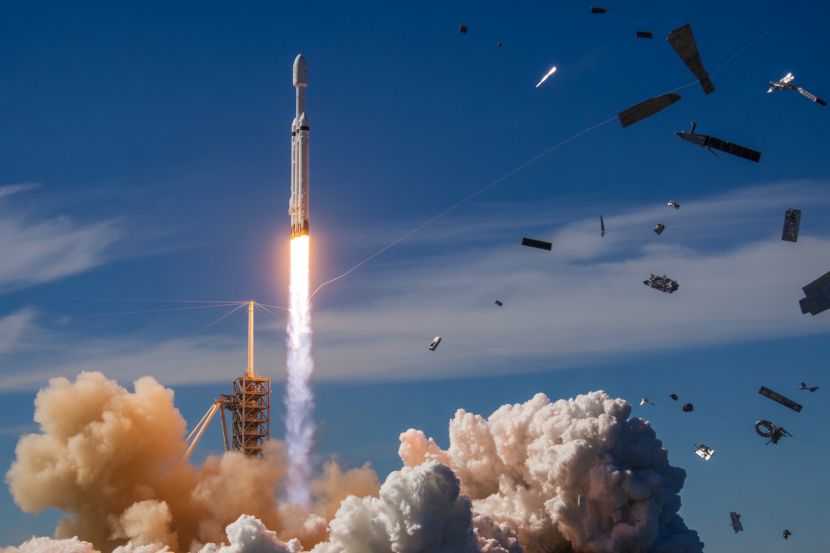
The United States Federal Aviation Administration (FAA) developed a safety alert to address concerns about commercial aviation because the space industry is expanding at a rapid pace. The warning, issued in January 2026, highlights the growing risks posed by space launches and rocket reentries. Airlines operating in the same airspace face unexpected hazards from spacecraft that perform launch and re-entry operations.
The alert, identified as SAFO 26001, urges airlines and flight crews to be aware of the increasing potential for debris from rocket failures and reentries, particularly from commercial space operations, which have dramatically increased in recent years. Although this safety alert does not carry regulatory force, it strongly signals to the aviation industry that space activities are no longer distant events but increasingly common occurrences that can impact the skies above.
Why Is This an Issue Now?
The growing commercial space sector is expanding at a rapid pace, with a record number of licensed launches and reentries expected by 2034. In 2024, the FAA reported 148 space operations, a figure that is projected to increase to 200-400 per year by the middle of the next decade. With the growing number of spacecraft launches, the FAA has recognised that airspace is becoming more congested, and spacecraft debris could pose serious risks to airliners flying through shared air corridors.
Increased space traffic has already begun to intersect with commercial aviation routes, leading to potential risks for aircraft that could be impacted by rocket failures or debris scattering through the atmosphere. This presents a challenge for aviation safety as flight paths increasingly overlap with the reentry zones of space launches, especially for long-haul and transatlantic flights that cross vast oceanic areas.
FAA’s Key Recommendations for Airlines
In response to these rising threats, the FAA has outlined precautionary steps for airlines to help them navigate the growing risks associated with space debris:
- Review Space Launch Hazards: Airlines should incorporate NOTAMs (Notices to Air Missions) and airspace management plans into their flight planning to stay aware of launch windows and debris response areas.
- Prepare for Flight Path Adjustments: Airlines must be ready for potential reroutes or holding patterns in the event of space debris or rocket failures, ensuring sufficient fuel reserves to avoid emergencies.
- Identify Alternate Airports: In case of Debris Response Area alerts, airlines should specify alternate airports where aircraft can land safely to avoid flying through dangerous zones.
- Monitor Debris Extents: Space debris can travel far beyond initially designated zones, and it is essential for flight crews to stay alert to shifting debris fields.
- Long-Haul Flights: Oceanic airspace, where many long-haul flights operate, does not have radar coverage, making space debris tracking challenging in those regions. Airlines need to have protocols in place for communication and real-time updates on any potential threats.
SpaceX Launch Failure and Its Impact on Air Travel
A notable example of the potential disruption was the SpaceX Starship failure in March 2025, which led to falling debris that affected air travel operations. In Florida, where the launch occurred, major airports had to implement temporary ground stops, resulting in hundreds of cancelled and delayed flights. Passengers were left stranded, experiencing long delays or being forced to reroute to alternate cities, demonstrating how a single space mishap can ripple across the aviation system.
What Does This Mean for Passengers and Air Travel?
For travellers, the most immediate impact of the FAA’s warning may be the possibility of delays or flight diversions caused by space debris-related risks. Flight crews will need to stay informed about space operations happening within their designated airspaces. This could lead to changes in flight routes, holding patterns, and unscheduled landings if a debris response area is activated unexpectedly. For long-haul flights, the challenge is even more pronounced, as oceanic routes lack the radar and tracking systems available in land-based corridors.
Airlines and Space Integration: A New Reality in the Skies
The FAA’s safety alert also underscores a shift in how aviation and space exploration must coexist. As more private companies enter the space launch market, the divide between the two sectors is blurring. Airplanes and spacecraft now share the same vertical space at different times, making precise timing and awareness crucial for ensuring safety in both sectors. The FAA has emphasised that faster detection systems, better communication protocols, and adaptive routing technologies are needed to mitigate risks and protect both air and space travel.
Ensuring Safety in a Changing Airspace
As space exploration evolves and becomes more frequent, aviation authorities face the growing task of managing an increasingly congested airspace shared by both commercial flights and spacecraft. The FAA’s safety alert serves as a timely reminder that space debris presents a real and growing risk to aviation, with potential disruptions in air travel becoming more frequent.
Airlines together with flight crews need to maintain their ability to adapt to the ongoing transformations in air and space travel. With better planning methods and quicker detection systems and effective communication networks, airlines can maintain their safe operations in shared airspace. Passengers need to remain updated about their travel situation while they should prepare for possible delays and changes which may occur during their long-haul and transatlantic flights.
The post FAA Warns Airlines of Space Debris Risks in 2026 as Space Launches Surge: What You Need To Know appeared first on Travel And Tour World.