
Reading view

Could the U.S. Lose Millions of Visitors Due to New ESTA Social Media Policy?
Could the U.S. Lose Millions of Visitors Due to New ESTA Social Media Policy?

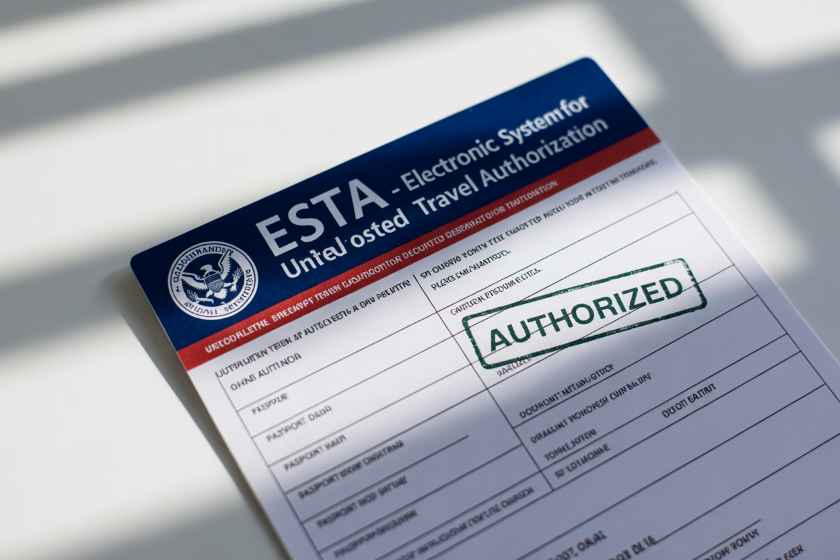
Proposed changes to the U.S. Electronic System for Travel Authorisation (ESTA) program are raising alarms across the global tourism sector. If implemented, the new rules would require travelers from 42 countries to provide social media platform information used over the past five years, alongside other personal data. While the measure is presented as a step to strengthen border security, it has sparked significant concern among tourism professionals and travellers, fearing a negative impact on the U.S. tourism industry.

The ESTA visa waiver program currently allows citizens from 42 countries to visit the U.S. for short stays without the need for a visa. However, the proposed changes could make the U.S. feel less welcoming, potentially reducing its attractiveness as a tourism destination.

Survey Reveals Traveller Concerns Over Social Media Data Requirement

To understand the potential effects of these changes, the World Travel & Tourism Council (WTTC) conducted a large-scale survey of 4,563 frequent international travelers. Respondents hailed from key ESTA-eligible countries, including Australia, France, Germany, Japan, South Korea, and the United Kingdom. Nearly two-thirds of the participants reported being aware of the proposed policy, signaling that the debate around the changes is widely known, even among travelers themselves.

The results of the survey were telling, with a large portion of respondents expressing concerns about the intrusive nature of the new requirement. Many travelers felt that the collection of social media data would make the U.S. seem less welcoming, reducing its appeal for both leisure and business travel. Specifically, around 34% of those surveyed said they would be less likely to visit the U.S. in the next two to three years if the mandatory social media information was introduced.

Tourism Losses Could Total Billions

Beyond traveler sentiment, the WTTC combined survey findings with detailed economic modeling to estimate the potential economic impact of the proposed ESTA changes. Their analysis predicts that a decline in international arrivals could result in a loss of up to $15.7 billion in tourism spending. If the new rules are enacted, the U.S. could see as many as 4.7 million fewer visitors from ESTA-eligible countries by 2026, which would represent a 23% drop in arrivals. This contraction could have far-reaching effects on the tourism industry, potentially putting more than 150,000 jobs at risk across various sectors, including hospitality, travel services, and tourism-related employment.

This estimate underscores the significant economic stake the U.S. holds in maintaining its tourism sector. International visitors contribute billions to the U.S. economy annually, and a sharp decline in tourism could lead to ripple effects throughout the broader economy.

Tourism Challenges in a Post-Pandemic Landscape

The potential tightening of ESTA regulations comes at a time when inbound tourism to the U.S. is still recovering from the pandemic. Unlike many competing destinations, which have already seen tourism return to pre-pandemic levels, the U.S. is still working to regain its position as a global tourism leader. This is particularly concerning as the U.S. prepares to host several major international events, including FIFA World Cup matches in 2026 and the 2028 Olympic Games in Los Angeles.

For many travelers, the proposed requirement to provide social media information seems more burdensome than the entry requirements in other major tourism destinations. The survey indicated that many travelers feel that the new ESTA conditions would create additional obstacles to visiting the U.S., at a time when other countries are making it easier for tourists to enter. With so many travel options available, some international tourists may choose destinations with fewer entry restrictions or more straightforward visa policies.

The Impact on Business and Leisure Travel

The proposed ESTA changes could affect both leisure and business travelers. Business tourism, which brings significant revenue to the U.S., could see a decline if potential visitors find the process too invasive. International companies often send employees to attend conferences, meetings, and events in the U.S., and these visitors may now consider alternative destinations with fewer entry barriers.

Leisure tourists could also be discouraged by the new rules, particularly those who value their privacy or those who may not want to disclose personal social media accounts. This shift could drive travelers to explore other countries in the Americas or Europe, which are actively promoting easier access and fewer bureaucratic hurdles for international visitors.

Balancing Security and Tourism Competitiveness

As the U.S. faces a growing challenge in balancing security measures with its competitiveness in the global tourism market, the proposed ESTA changes highlight the delicate balancing act the country must perform. On one hand, strengthening border security is essential in ensuring national safety. On the other, making the U.S. feel less welcoming could harm its reputation as an open, attractive destination for international visitors.

For countries that rely heavily on tourism as a major part of their economy, maintaining a welcoming atmosphere is critical. With global tourism trends shifting toward more accessible, user-friendly entry policies, the U.S. must carefully consider whether the benefits of enhanced security outweigh the potential loss in visitor numbers and the broader economic consequences.

Conclusion: A Critical Moment for U.S. Tourism

The proposed changes to the U.S. ESTA program represent a critical moment for the country’s tourism industry. While intended to bolster border security, the new rules may unintentionally discourage millions of potential visitors, leading to billions in lost revenue and job losses across the tourism sector. As the U.S. looks to host major global events in the coming years, ensuring the country remains an attractive and accessible destination for international travelers is more important than ever. Balancing security needs with tourism competitiveness will be key in determining the future success of the U.S. tourism industry.

The post Could the U.S. Lose Millions of Visitors Due to New ESTA Social Media Policy? appeared first on Travel And Tour World.

Conchagua Volcano Views: Panoramic Landscapes of Eastern El Salvador

Conchagua Volcano Views: Panoramic Landscapes of Eastern El Salvador
 Conchagua Volcano

A Vantage Point Above Land and Sea

Conchagua Volcano views offer one of the most expansive and visually striking perspectives in El Salvador. Rising in the country’s eastern region, this dormant volcano provides sweeping panoramas that extend from lush inland forests to the shimmering waters of the Gulf of Fonseca. From its upper elevations, visitors can observe a rare convergence of land, sea, and sky that defines the geographical character of the region.

Unlike more frequently visited volcanic sites, Conchagua remains relatively tranquil, making it an appealing destination for travelers seeking scenic beauty without heavy crowds. The volcano’s viewpoints reveal a landscape shaped by volcanic forces, maritime influences, and human settlement, all visible from a single vantage point.

For nature-focused tourism, Conchagua Volcano represents both a visual highlight and a place of quiet contemplation. Its views capture the diversity of eastern El Salvador in a way few other locations can.

Historical Background of Conchagua Volcano

Conchagua Volcano has long held significance for the communities surrounding it. While not active in recorded history, its geological presence has shaped settlement patterns, agriculture, and local culture for centuries. Indigenous groups recognized the volcano as a natural landmark, using it for orientation and as a spiritual reference point.

During the colonial period, the volcano continued to serve as a navigational guide for coastal and inland routes. Its elevated position allowed early travelers and traders to survey the surrounding territory, particularly the coastline of the Gulf of Fonseca.

Over time, Conchagua’s slopes supported farming communities that benefited from fertile volcanic soil. The volcano’s enduring presence has made it a symbol of stability and continuity, linking past and present through both physical and cultural landscapes.

Geographical Location Within El Salvador

Conchagua Volcano is located in the department of La Unión, in eastern El Salvador. It stands near the border between inland mountainous terrain and the coastal lowlands that lead into the Gulf of Fonseca. This strategic position is what enables the volcano’s renowned panoramic views.

The surrounding region is characterized by rolling hills, tropical forests, coastal plains, and maritime ecosystems. From higher elevations, visitors can observe islands scattered across the gulf, as well as portions of neighboring countries that share its waters.

Geographically, the volcano forms part of the broader volcanic chain that runs through El Salvador. However, its proximity to the coast distinguishes it from other volcanoes, offering a rare combination of ocean and mountain scenery.

Importance of Conchagua Volcano Views in Global Tourism

Conchagua Volcano views contribute to El Salvador’s growing reputation as a destination for nature-based and experiential tourism. Globally, travelers increasingly seek destinations that offer dramatic landscapes, photographic opportunities, and authentic encounters with natural environments.

The volcano’s viewpoints appeal particularly to eco-tourists and landscape photographers, as they provide uninterrupted vistas that change with weather and light conditions. Sunrise and sunset views are especially valued, drawing visitors interested in slow travel and immersive experiences.

From an international tourism perspective, Conchagua enhances the diversity of El Salvador’s attractions. While the country is often associated with beaches and surf culture, volcanic viewpoints like Conchagua expand its appeal to travelers interested in geology, geography, and scenic exploration.

Natural Features and Scenic Perspectives

The views from Conchagua Volcano encompass a remarkable range of natural features. Inland, dense vegetation and agricultural plots illustrate the region’s reliance on the land. Toward the coast, the Gulf of Fonseca unfolds as a vast expanse of water dotted with islands and fishing communities.

Atmospheric conditions play a significant role in shaping the visual experience. On clear days, visibility extends across the gulf, revealing distant shorelines and layered horizons. Cloud cover and mist add dramatic texture, transforming the scenery into a shifting panorama.

The volcano’s slopes support diverse flora and fauna, contributing to the sense of immersion in a living landscape. These natural elements combine to make the views from Conchagua both visually compelling and environmentally significant.

How to Reach Conchagua Volcano

Reaching Conchagua Volcano requires travel to eastern El Salvador, typically through the city of La Unión. From the capital, San Salvador, the journey by road takes approximately three to four hours, depending on traffic and route conditions.

Private vehicles are the most common way to access the volcano, as they allow flexibility in timing and stops along the way. The road leading toward the upper areas of Conchagua is passable, though conditions may vary seasonally.

Local guides and tour operators offer transportation and guided visits, which can be particularly beneficial for first-time visitors. These services often include insights into the area’s history and natural features, enhancing the overall experience.

Who Can Visit Conchagua Volcano

Conchagua Volcano is accessible to a wide range of visitors, including international tourists, domestic travelers, nature enthusiasts, and photographers. The viewpoints do not require advanced technical climbing skills, making them suitable for visitors with moderate mobility.

Families and small groups can enjoy the area, although supervision is recommended near elevated viewpoints. Solo travelers often appreciate the peaceful atmosphere and opportunities for reflection.

While the site is generally welcoming, visitors should be prepared for uneven terrain and variable weather conditions. Comfortable footwear and basic outdoor preparedness are advisable.

Best Time to Visit for Tourists

The best time to experience Conchagua Volcano views is during the dry season, which typically runs from November to April. During this period, clearer skies increase the likelihood of expansive visibility across the gulf and surrounding landscapes.

Early morning and late afternoon are considered ideal times for visiting. Morning hours often provide calm conditions and soft light, while afternoons and evenings offer dramatic colors as the sun sets over the water.

During the rainy season, from May to October, the landscape becomes greener, but cloud cover may limit visibility. Some travelers prefer this season for its atmospheric scenery, though conditions can change quickly.

Cultural and Community Context

The communities surrounding Conchagua Volcano maintain strong connections to the land and sea. Fishing, agriculture, and small-scale commerce form the backbone of the local economy, all of which are visible from the volcano’s viewpoints.

Visitors observing the region from above gain a broader understanding of how geography influences daily life. The relationship between coastal settlements and inland farming areas becomes especially apparent from this elevated perspective.

Tourism centered on Conchagua Volcano has the potential to support local livelihoods when approached responsibly. Community-based initiatives and guided visits contribute to sustainable development while preserving cultural identity.

Environmental Considerations and Responsible Tourism

As interest in Conchagua Volcano views grows, responsible tourism practices are increasingly important. Preserving natural vegetation, minimizing waste, and respecting wildlife help protect the area’s ecological balance.

Visitors are encouraged to follow designated paths and avoid disturbing natural habitats. Supporting local guides and services contributes to conservation efforts and community well-being.

Sustainable tourism ensures that Conchagua’s scenic value remains intact for future generations while allowing visitors to enjoy its unique perspectives.

Practical Tips for Visitors

Travelers should check weather conditions before visiting, as visibility can change rapidly. Bringing water, sun protection, and appropriate clothing enhances comfort during the visit.

Photography enthusiasts may wish to allow extra time to capture changing light conditions. Tripods and wide-angle lenses are particularly useful for landscape photography.

Respectful behavior toward local communities and natural surroundings enhances the experience and supports positive tourism relationships.

A View That Defines Eastern El Salvador

Conchagua Volcano views offer a powerful visual narrative of eastern El Salvador, uniting mountains, coastlines, and communities within a single frame. The experience is both scenic and reflective, revealing the intricate relationship between nature and human settlement.

For travelers seeking perspective—both literal and metaphorical—Conchagua provides an unforgettable vantage point. Its quiet presence and expansive views invite visitors to pause, observe, and connect with the landscape in a meaningful way.

As El Salvador continues to diversify its tourism offerings, Conchagua Volcano stands as a reminder that some of the country’s most compelling stories are told not through words, but through views that stretch far beyond the horizon.

The post Conchagua Volcano Views: Panoramic Landscapes of Eastern El Salvador appeared first on Travel And Tour World.
❌