
Reading view

India Tourism Soars as Uttarakhand Throws Open Kamet, Nanda Devi East, Chaukhamba, Trishul, Shivling, Panchachuli and More Legendary Himalayan Peaks Free for Indian Mountaineers, Redefining the Future of High-Altitude Adventure

India Tourism Soars as Uttarakhand Throws Open Kamet, Nanda Devi East, Chaukhamba, Trishul, Shivling, Panchachuli and More Legendary Himalayan Peaks Free for Indian Mountaineers, Redefining the Future of High-Altitude Adventure
Uttarakhand
India’s

India’s tourism is gaining fresh momentum as Uttarakhand opens Kamet, Nanda Devi East, Chaukhamba, Trishul, Shivling, Panchachuli and dozens of other Himalayan peaks to Indian mountaineers without charging any state-level fees, removing a long-standing financial barrier that kept high-altitude climbing out of reach for many. The decision reshapes adventure tourism by making serious expeditions more accessible to domestic climbers, encouraging Indian-led teams to take on world-famous summits, and channeling tourism growth into remote mountain districts. By cutting costs, simplifying permissions, and pairing access with digital systems and strict environmental rules, Uttarakhand is positioning itself as a welcoming yet responsible hub for high-altitude travel, where mountaineering drives skills, jobs, and sustainable tourism rather than remaining an elite pursuit.

India’s high-altitude adventure landscape has taken a decisive turn as Uttarakhand opens eighty-three Himalayan peaks to Indian mountaineers without charging any state-level fees. The policy shift removes one of the biggest barriers that has long kept many aspiring climbers away from serious expeditions and signals a broader push to position the state as a leading centre for adventure tourism rooted in local development.

The newly cleared peaks stretch across some of the most dramatic terrain in the Indian Himalayas, with elevations ranging from five thousand seven hundred metres to seven thousand seven hundred fifty-six metres. These are not obscure summits. Many of them are globally recognised mountains that have shaped the history of Himalayan mountaineering. Until now, access for Indian climbers came with a heavy financial burden, often turning serious climbs into an expensive privilege rather than an achievable goal.

For decades, Indian mountaineers had to navigate a maze of charges. Peak fees, camping fees, forest permits, and environmental levies combined to push costs into thousands of rupees before a climber even began planning logistics, equipment, or training. Young climbers, students from mountaineering institutes, and independent expedition teams were the most affected. The removal of these state-imposed fees changes that equation overnight, making Uttarakhand’s high mountains far more accessible to domestic talent.

The decision emerged from coordination between the Tourism Development Council and the Forest Department, marking one of the most substantial overhauls of adventure tourism policy the state has seen in years. Officials involved in the process describe it as a strategic move rather than a symbolic one. The goal is not just to increase the number of expeditions, but to build a long-term ecosystem where mountaineering supports employment, skills development, and sustainable tourism in remote Himalayan districts.

Among the peaks now open without state charges are some of the most storied names in Indian mountaineering. Kamet, Nanda Devi East, the Chaukhamba and Trishul groups, Shivling, Satopanth, Changabang, Panchachuli, and Neelkanth sit high on the wish list of climbers worldwide. These mountains demand technical skill, experience, and respect for extreme conditions, and they have traditionally attracted well-funded international expeditions. The new policy is expected to encourage more Indian-led teams to attempt these summits, strengthening the country’s presence in serious Himalayan climbing.

International mountaineers are also set to benefit, though in a different way. Foreign climbers will continue to pay fees determined by the Indian Mountaineering Foundation, but Uttarakhand has removed all additional Forest Department charges at the state level. This simplifies the process and narrows the cost gap between Uttarakhand and competing Himalayan destinations. By reducing paperwork and overlapping fees, the state hopes to cut down approval timelines and make expedition planning more predictable for overseas teams.

A key pillar of the reform is digitisation. The introduction of the Uttarakhand Mountaineering Permission System shifts the entire approval process online. Expedition applications, route details, and documentation will now be submitted through a single digital platform. Authorities say this will improve transparency, reduce delays, and help coordinate between tourism, forest, and security agencies. It also gives the state better tools to track activity in ecologically sensitive zones and border-adjacent regions.

Beyond tourism statistics, the policy is designed with local economies in mind. Increased mountaineering activity typically brings demand for local guides, high-altitude porters, mule operators, homestays, transport services, and small supply businesses. In many Himalayan villages, these seasonal opportunities can make a significant difference to household incomes. By lowering entry barriers for climbers, the state expects a steadier flow of expeditions that can provide more consistent work across climbing seasons.

Officials have stressed that accessibility does not mean a relaxation of responsibility. Climbers will still be required to follow strict safety norms, environmental standards, and cultural guidelines. Waste management, minimal-impact camping, and respect for local traditions remain non-negotiable. The fragile ecosystems of the high Himalayas can suffer lasting damage from unmanaged tourism, and the policy places responsibility squarely on climbers and organisers to protect these landscapes.

The broader ambition is to reshape how adventure tourism works in Uttarakhand. Instead of focusing only on a handful of overcrowded trekking routes, the state aims to distribute activity across a wider range of regions and peaks. This approach can reduce pressure on popular corridors while introducing lesser-known valleys to carefully managed economic activity.

India’s tourism is accelerating as Uttarakhand opens Kamet, Nanda Devi East, Chaukhamba, Trishul, Shivling, Panchachuli and more Himalayan peaks without state fees, removing a major cost barrier for Indian mountaineers. The move is set to boost adventure tourism, expand access to iconic summits, and spread economic benefits across remote mountain communities.

With this move, Uttarakhand is not just removing fees. It is lowering barriers, modernising systems, and linking mountaineering growth to community livelihoods. If managed well, the policy could redefine India’s role in Himalayan climbing, creating space for a new generation of Indian mountaineers while preserving the ecological and cultural integrity of one of the world’s most extraordinary mountain regions.

The post India Tourism Soars as Uttarakhand Throws Open Kamet, Nanda Devi East, Chaukhamba, Trishul, Shivling, Panchachuli and More Legendary Himalayan Peaks Free for Indian Mountaineers, Redefining the Future of High-Altitude Adventure appeared first on Travel And Tour World.
Award-Winning Travel Agencies from Rajasthan and Ladakh Lead the Way in Indian Tourism with Special Recognition for Their Excellence in Transport Services – Here’s What to Know About Their Unique Services

Award-Winning Travel Agencies from Rajasthan and Ladakh Lead the Way in Indian Tourism with Special Recognition for Their Excellence in Transport Services – Here’s What to Know About Their Unique Services
Award-Winning Travel Agencies from Rajasthan and Ladakh Lead the Way in Indian Tourism

India’s tourism sector has recently celebrated outstanding achievements in the field of travel services, with Leh-Ladakh Taxi Driver and Rajasthan Tours and Drivers receiving prestigious recognition at the India National Tourism Award 2025. This annual award, presented by the Ministry of Tourism, India, highlights agencies that have made exceptional contributions to tourism safety, customer service, and responsible travel. The winners in 2025 were chosen for their dedication to offering safe, reliable, and highly personalized travel experiences in some of the country’s most unique and challenging regions. These two agencies, one serving the Himalayan beauty of Ladakh and the other the cultural marvels of Rajasthan, embody the growing importance of ground transport services, particularly in the niche markets of high-altitude and culturally rich tourism.

Leh-Ladakh Taxi Driver: Mastering the Challenges of the Himalayan Terrain

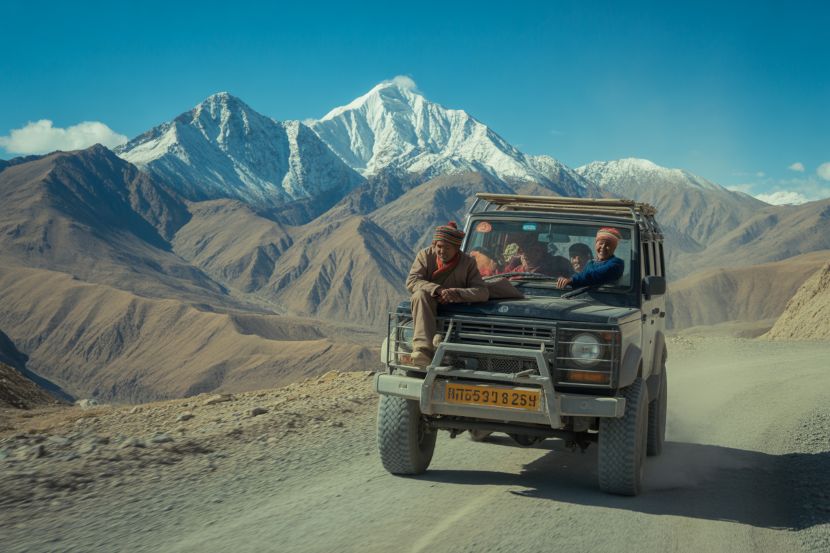
Leh-Ladakh Taxi Driver, a key player in the tourism scene of Ladakh and Zanskar, earned its India National Tourism Award 2025 for its exceptional service in high-altitude travel. Operating in one of the most rugged and remote parts of the country, the agency specializes in car with driver services across Ladakh’s spectacular landscapes. The region, renowned for its harsh terrain, includes some of the world’s highest motorable passes, isolated valleys, and stretches of road with limited infrastructure, posing unique challenges for both travelers and service providers.

Leh-Ladakh Taxi Driver has built a strong reputation for offering travelers safe, flexible, and expertly guided journeys across Nubra Valley, Pangong Lake, Tso Moriri Lake, and Zanskar. The agency caters to both individual tourists and guided trekking expeditions, ensuring seamless transportation to various trekking starting points. Vehicles are specially selected to meet the demands of the mountainous roads, and drivers are trained to navigate the altitude-induced conditions and unpredictable weather patterns.

Rajasthan Tours and Drivers: A Royal Journey Through India’s Heart

On the other side of the country, Rajasthan Tours and Drivers also earned the India National Tourism Award 2025 for its unparalleled service across the culturally rich and historically significant region of Rajasthan. This agency is widely recognized for its private car with driver tours, offering travelers the chance to explore the Golden Triangle, covering Delhi, Jaipur, and Agra, as well as the picturesque cities of Jodhpur, Udaipur, and Jaisalmer. The agency has earned trust for its well-maintained vehicles, professional drivers, and the flexibility to create personalized itineraries tailored to individual interests.

Known for its customer-focused approach, Rajasthan Tours and Drivers ensures that its clients not only experience iconic landmarks like the Taj Mahal and Rajasthan’s ancient forts but also gain insight into the rich culture and history of the region. The drivers, who are well-versed in local routes and history, serve as informal guides, helping visitors make the most of their travels.

Traveling Across India with Safety and Comfort: What You Need to Know

Both Leh-Ladakh Taxi Driver and Rajasthan Tours and Drivers emphasize the importance of travel safety and comfort, two essential factors that distinguish them in the competitive tourism sector. For tourists venturing into Ladakh, where the terrain is often unpredictable, choosing an experienced, local operator like Leh-Ladakh Taxi Driver ensures not just convenience but also peace of mind. Rajasthan Tours and Drivers offers similar assurances, ensuring that even travelers unfamiliar with the region can enjoy a hassle-free experience while exploring some of India’s most iconic historical sites.

Why Choose Private Car Services for Your India Travels?

The growing popularity of private car with driver services is becoming a significant trend in Indian tourism, particularly in areas that require specialized knowledge of local routes and weather conditions. This service model provides a mix of flexibility, comfort, and safety. For travelers looking for customized itineraries or those wishing to explore off-the-beaten-path destinations, such as the remote villages of Zanskar or the desert dunes of Rajasthan, these agencies provide the perfect solution.

For tourists traveling through India’s rural regions or remote destinations, private car services make it possible to access places that are often difficult to reach through public transportation. This service also allows for more personalized experiences, where travelers can set their own pace and change their plans on the go.

Supporting Responsible Tourism and Local Communities

Both agencies are committed to responsible tourism, ensuring that their services do not just cater to the needs of the tourists but also respect the local cultures and environments. For Leh-Ladakh Taxi Driver, this means not just focusing on traveler safety but also working towards the sustainability of Ladakh’s fragile ecosystem. The agency has adopted practices that minimize environmental impact, such as using eco-friendly vehicles and following guidelines that reduce the carbon footprint.

Similarly, Rajasthan Tours and Drivers promotes the local economy by hiring local drivers and guiding them in offering authentic insights into Rajasthan’s diverse culture, traditions, and history. The agency’s focus on cultural tourism ensures that tourists are introduced to the heritage of Rajasthan without exploiting the region’s resources or disrupting local communities.

Travel Tips for Exploring Ladakh and Rajasthan

  • For Ladakh: Due to the high-altitude terrain, travelers should take the necessary precautions to avoid altitude sickness. It is recommended to spend a day acclimatizing in Leh before venturing to higher regions like Nubra Valley or Pangong Lake.
  • For Rajasthan: Always carry sunscreen, hats, and sunglasses as the desert sun can be intense. Additionally, booking a private car with a knowledgeable driver allows tourists to fully enjoy Rajasthan’s historic sites without the hassle of navigating unknown roads or dealing with local transportation.

In Conclusion: A New Era of Travel in India

The recognition of Leh-Ladakh Taxi Driver and Rajasthan Tours and Drivers as winners of the India National Tourism Award 2025 reflects the growing importance of quality travel services in India. Whether you’re traversing the high-altitude roads of Ladakh or discovering the cultural gems of Rajasthan, these agencies ensure that travelers enjoy safe, reliable, and immersive experiences.

India’s tourism industry is evolving with a focus on quality transport services that help preserve both the cultural heritage and natural beauty of the country. With these recognized agencies at the forefront, travelers can now explore India in ways that are not only enriching but also sustainable for generations to come.

The post Award-Winning Travel Agencies from Rajasthan and Ladakh Lead the Way in Indian Tourism with Special Recognition for Their Excellence in Transport Services – Here’s What to Know About Their Unique Services appeared first on Travel And Tour World.
❌