Reading view

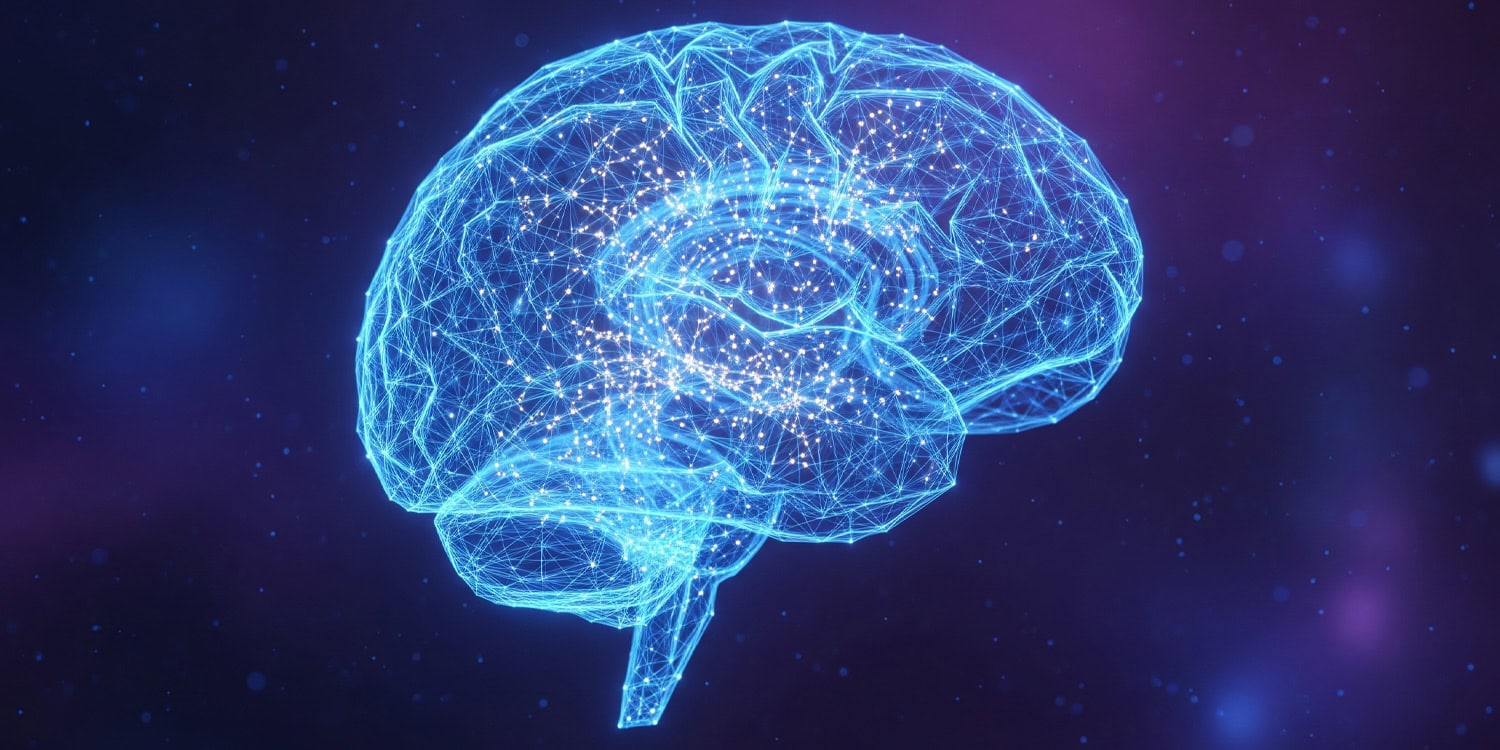
Brain scans reveal neural connectivity deficits in Long COVID and ME/CFS

New research suggests that the brains of people with Long COVID and Myalgic Encephalomyelitis/Chronic Fatigue Syndrome (ME/CFS) struggle to communicate effectively during mentally tiring tasks. While healthy brains appear to tighten their neural connections when fatigued, these patients show disrupted or weakened signals between key brain areas. This study was published in the Journal of Translational Medicine.

ME/CFS and Long COVID are chronic conditions that severely impact the quality of life for millions of people. Patients often experience extreme exhaustion and “brain fog,” which refers to persistent difficulties with memory and concentration.

A defining feature of these illnesses is post-exertional malaise. This describes a crash in energy and a worsening of symptoms that follows even minor physical or mental effort. Doctors currently lack a definitive biological test to diagnose these conditions. This makes it difficult to distinguish them from one another or from other disorders with similar symptoms.

The research team sought to identify objective biological markers of these illnesses. Maira Inderyas, a PhD candidate at the National Centre for Neuroimmunology and Emerging Diseases at Griffith University in Australia, led the investigation. She worked alongside senior researchers including Professor Sonya Marshall-Gradisnik. They aimed to understand how the brain behaves when pushed to the limit of its cognitive endurance.

Professor Marshall-Gradisnik noted the shared experiences of these patient groups. “The symptoms include cognitive difficulties, such as memory problems, difficulties with attention and concentration, and slowed thinking,” Professor Marshall-Gradisnik said. The team hypothesized that these subjective feelings of brain fog would correspond to visible changes in brain activity.

To test this, the researchers utilized a 7 Tesla MRI scanner. This device is much more powerful than the standard scanners found in most hospitals. The high magnetic field allows for extremely detailed imaging of deep brain structures. It can detect subtle changes in blood flow that weaker scanners might miss.

The study involved nearly eighty participants. These included thirty-two individuals with ME/CFS and nineteen with Long COVID. A group of twenty-seven healthy volunteers served as a control group for comparison.

While inside the scanner, participants performed a cognitive challenge known as the Stroop task. This is a classic psychological test that requires focus and impulse control. Users must identify the color of a word’s ink while ignoring the actual word written. For example, the word “RED” might appear on the screen written in blue ink. The participant must select “blue” despite their brain automatically reading the word “red.”

“The task, called a Stroop task, was displayed to the participants on a screen during the scan, and required participants to ignore conflicting information and focus on the correct response, which places high demands on the brain’s executive function and inhibitory control,” Ms. Inderyas said.

The researchers structured the test to induce mental exhaustion. Participants performed the task in two separate sessions. The first session was designed to build up cognitive fatigue. The second session took place ninety seconds later, after fatigue had fully set in. This “Pre” and “Post” design allowed the scientists to see how the brain adapts to sustained mental effort.

The primary measurement used in this study was functional connectivity. This concept refers to how well different regions of the brain synchronize their activity. When two brain areas activate at the same time, it implies they are communicating or working together.

The results revealed clear differences between the healthy volunteers and the patient groups. In healthy participants, the brain responded to the fatigue of the second session by increasing its connectivity. Connections between deep brain regions and the cerebellum became stronger. This suggests that a healthy brain actively recruits more resources to maintain performance when it gets tired. It becomes more efficient and integrated under pressure.

The pattern was markedly different for patients with Long COVID. They displayed reduced connectivity between the nucleus accumbens and the cerebellum. The nucleus accumbens is a central part of the brain’s reward and motivation system. A lack of connection here might explain the sense of apathy or lack of mental drive patients often report.

Long COVID patients also showed an unusual increase in connectivity between the hippocampus and the prefrontal cortex. The researchers interpret this as a potential compensatory mechanism. The brain may be trying to bypass damaged networks to keep functioning. It is attempting to use memory centers to help with executive decision-making.

Patients with ME/CFS showed their own distinct patterns of dysfunction. They exhibited increased connectivity between specific areas of the brainstem, such as the cuneiform nucleus and the medulla. These regions are responsible for controlling automatic body functions. This finding aligns with the autonomic nervous system issues frequently seen in ME/CFS patients.

The researchers also looked at how these brain patterns related to the patients’ medical history. In the ME/CFS group, the length of their illness correlated with specific connectivity changes. As the duration of the illness increased, communication between the hippocampus and cerebellum appeared to weaken. This suggests a progressive change in brain function over time.

Direct comparisons between the groups highlighted the extent of the impairment. When compared to the healthy controls, both patient groups showed signs of neural disorganization. The healthy brain creates a “tight” network to handle stress. The patient brains appeared unable to form these robust connections.

Instead of tightening up, the networks in sick patients became looser or dysregulated. This failure to adapt dynamically likely contributes to the cognitive dysfunction known as brain fog. The brain cannot summon the necessary energy or coordination to process information efficiently.

“The scans show changes in the brain regions which may contribute to cognitive difficulties such as memory problems, difficulty concentrating, and slower thinking,” Ms. Inderyas said. This provides biological validation for symptoms that are often dismissed as psychological.

The study does have some limitations that must be considered. The number of participants in each group was relatively small. This is common in studies using such advanced and expensive imaging technology. However, it means the results should be replicated in larger groups to ensure accuracy.

The researchers also noted that they lacked complete medical histories regarding prior COVID-19 infections for the ME/CFS group. It is possible that some ME/CFS patients had undiagnosed COVID-19 in the past. This could potentially blur the lines between the two conditions.

Future studies will need to follow patients over a longer period. Longitudinal research would help determine if these brain changes evolve or improve over time. It would also help clarify if these connectivity issues are a cause of the illness or a result of it.

Despite these caveats, the use of 7 Tesla fMRI offers a promising new direction for research. It has revealed abnormalities that standard imaging could not detect. These findings could eventually lead to new diagnostic tools. Identifying specific broken circuits may also help researchers target treatments more effectively.

The study, “Distinct functional connectivity patterns in myalgic encephalomyelitis and long COVID patients during cognitive fatigue: a 7 Tesla task-fMRI study,” was authored by Maira Inderyas, Kiran Thapaliya, Sonya Marshall-Gradisnik & Leighton Barnden.

Morning sunlight shifts sleep cycles earlier and boosts quality

Spending more time in the sun early in the morning may help people fall into healthier sleep patterns, according to a new study published in BMC Public Health. Researchers found that morning light exposure shifts sleep timing earlier and improves sleep quality.

Scientists have long known that sunlight plays a crucial role in regulating the body’s internal clock, which helps determine when people feel alert and when they feel sleepy. This internal clock relies heavily on light signals from the environment, particularly natural daylight. In recent decades, however, many people have spent less time outdoors due to office work, screen use, and urban living. These trends intensified during pandemic lockdowns, when outdoor movement was limited for months at a time.

Led by Luiz Antônio Alves de Menezes-Júnior from the Federal University of Ouro Preto in Brazil, the researchers behind the new study wanted to better understand whether the timing of sunlight exposure matters, not just the total amount of sunlight people receive. Previous research suggested morning light might be especially important, but few large population studies had tested this idea in real-world settings.

To explore this question, the scientists surveyed 1,762 adults living in two Brazilian cities between October and December 2020. Participants reported how often and how long they were exposed to sunlight at different times of day—before 10 a.m., between 10 a.m. and 3 p.m., and after 3 p.m. They also answered detailed questions about their sleep habits, including how long they slept, how quickly they fell asleep, and when they went to bed and woke up.

One key measure examined in the study was the “midpoint of sleep,” which represents the halfway point between falling asleep and waking up. This measure is important because it reflects how well a person’s sleep schedule aligns with their internal body clock.

The findings showed that morning sunlight had the strongest influence on sleep timing. For every additional 30 minutes of sunlight exposure before 10 a.m., the midpoint of sleep shifted earlier by about 23 minutes. In practical terms, this means individuals who spent more time in morning sunlight tended to fall asleep and wake up earlier, aligning their sleep more closely with natural day-night cycles.

Sunlight exposure after 3 p.m. also shifted sleep timing earlier, but the effect was smaller. Midday sunlight showed no clear link to sleep timing. Importantly, the study also found that more morning sunlight was associated with better overall sleep quality, while total sleep time and time spent falling asleep were largely unaffected.

The researchers believe morning sunlight helps reset the body’s internal clock, sending a strong signal that it is time to be awake and alert. This signal then helps the body prepare for sleep later that evening. Without enough early-day light, the body clock can drift later, leading to delayed sleep and difficulty waking up.

“Morning sunlight, in particular, helps regulate the secretion of melatonin, a hormone crucial for sleep regulation, thereby improving sleep onset and sleep quality. Increased sunlight exposure also correlates with lower levels of daytime sleepiness and improved alertness during the day,” the authors explained.

The study does have limitations. For instance, it did not control for other exposure to artificial light, such as screens, which also impacts the body clock. Additionally, it relied on self-reported data; thus, the results may be affected by memory errors or personal bias.

The study, “The role of sunlight in sleep regulation: analysis of morning, evening and late exposure,” was authored by Luiz Antônio Alves de Menezes-Júnior, Thais da Silva Sabião, Júlia Cristina Cardoso Carraro, George Luiz Lins Machado-Coelho, and Adriana Lúcia Meireles.

What brain scans reveal about people who move more

New research indicates that physical movement may help preserve the ability to recall numbers over short periods by maintaining the structural integrity of the brain. These findings highlight potential biological pathways connecting an active lifestyle to cognitive health in later life. The analysis was published in the European Journal of Neuroscience.

As the global population ages, the prevalence of cognitive impairment and dementia has emerged as a primary public health concern. Memory decline compromises daily independence and social engagement. Medical experts have identified physical inactivity as a modifiable risk factor for this deterioration.

Prior investigations have consistently linked exercise to better cognitive performance. Researchers have found that older adults who maintain active lifestyles often exhibit preserved memory and executive function. However, the biological mechanisms driving this protective effect remain only partially understood.

The brain undergoes physical changes as it ages. These changes often include a reduction in volume and the accumulation of damage. Neuroscientists categorize brain tissue into gray matter and white matter.

Gray matter consists largely of neuronal cell bodies and is essential for processing information. White matter comprises the nerve fibers that transmit signals between different brain regions. The integrity of these tissues is essential for optimal cognitive function.

Another marker of brain health is the presence of white matter hyperintensities. These are small lesions that appear as bright spots on magnetic resonance imaging scans. They frequently indicate disease in the small blood vessels of the brain and are associated with cognitive decline.

Previous studies attempting to link activity with brain structure often relied on self-reported data. Surveys asking participants to recall their exercise habits are prone to inaccuracies and bias. People may not remember their activity levels correctly or may overestimate their exertion.

To address these limitations, a team of researchers conducted a large-scale analysis using objective data. The study was led by Xiaomin Wu and Wenzhe Yang from the Department of Epidemiology and Biostatistics at Tianjin Medical University in China. They utilized data from the UK Biobank, a massive biomedical database containing genetic and health information.

The researchers aimed to determine if objectively measured physical activity was associated with specific memory functions. They also sought to understand if structural markers in the brain could explain this relationship statistically. They focused on a sample of middle-aged and older adults.

The final analysis included 19,721 participants. The subjects ranged in age from 45 to 82 years. The study population was predominantly white and had a relatively high level of education.

Physical activity was measured using wrist-worn accelerometers. Participants wore these devices continuously for seven days. This method captured all movement intensity, frequency, and duration without relying on human memory.

The researchers assessed memory function using three distinct computerized tests. The first was a numeric memory test. Participants had to memorize a string of digits and enter them after they disappeared from the screen.

The second assessment was a visual memory test involving pairs of cards. Participants viewed the cards briefly and then had to match pairs from memory. The third was a prospective memory test, which required participants to remember to perform a specific action later in the assessment.

A subset of 14,718 participants also underwent magnetic resonance imaging scans. These scans allowed the researchers to measure total brain volume and the volumes of specific tissues. They specifically examined gray matter, white matter, and the hippocampus.

The hippocampus is a seahorse-shaped structure deep in the brain known to be vital for learning and memory. The researchers also quantified the volume of white matter hyperintensities. They then used statistical models to look for associations between activity, brain structure, and memory.

The study found a clear positive association between physical activity and performance on the numeric memory test. Individuals who moved more tended to recall longer strings of digits. This association held true even after adjusting for factors like age, education, and smoking status.

The results for the other memory tests were less consistent. Physical activity was not strongly linked to prospective memory. The link to visual memory was weak and disappeared in some sensitivity analyses.

When examining brain structure, the researchers observed that higher levels of physical activity correlated with larger brain volumes. Active participants had greater total brain volume. They also possessed higher volumes of both gray and white matter.

The scans also revealed that increased physical activity was associated with a larger hippocampus. This was observed in both the left and right sides of this brain region. Perhaps most notably, higher activity levels were linked to a lower volume of white matter hyperintensities.

The researchers then performed a pathway analysis to understand the mechanism. This statistical method estimates how much of the link between two variables is explained by a third variable. They tested whether the brain structures mediated the relationship between activity and numeric memory.

The analysis showed that brain structural markers explained a substantial portion of the memory benefits. Total brain volume, white matter volume, and gray matter volume all acted as mediators. White matter hyperintensities played a particularly strong role.

Specifically, the reduction in white matter hyperintensities accounted for nearly 30 percent of the total effect of activity on memory. This suggests that physical activity may protect memory partly by maintaining blood vessel health in the brain. Preventing small vessel damage appears to be a key pathway.

The findings indicate that physical activity helps maintain the overall “hardware” of the brain. By preserving the volume of processing tissue and connection fibers, movement supports the neural networks required for short-term memory. The preservation of white matter integrity seems particularly relevant.

The researchers encountered an unexpected result regarding the hippocampus. Although physical activity was linked to a larger hippocampus, this volume increase did not explain the improvement in numeric memory. The pathway analysis did not find a significant mediating effect for this specific structure.

The authors suggest this may be due to the nature of the specific memory task. Recalling a string of numbers is a short-term working memory task. This type of cognitive effort relies heavily on frontoparietal networks rather than the hippocampus.

The hippocampus is more closely associated with episodic memory, or the recollection of specific events and experiences. The numeric test used in the UK Biobank may simply tap into different neural circuits. Consequently, the structural benefits to the hippocampus might benefit other types of memory not fully captured by this specific test.

The study provides evidence that the benefits of exercise are detectable in the physical structure of the brain. It supports the idea that lifestyle choices can buffer against age-related degeneration. The protective effects were observed in a non-demented population, suggesting benefits for generally healthy adults.

There are several important caveats to consider regarding this research. The study was cross-sectional in design. This means data on activity, brain structure, and memory were collected at roughly the same time.

Because of this design, the researchers cannot definitively prove causality. It is possible that people with healthier brains find it easier to be physically active. Longitudinal studies tracking changes over time are necessary to confirm the direction of the effect.

Another limitation is the composition of the study group. The UK Biobank participants tend to be healthier and wealthier than the general population. This “healthy volunteer” bias might limit how well the findings apply to broader, more diverse groups.

The measurement of physical activity, while objective, was limited to a single week. This snapshot might not perfectly reflect a person’s long-term lifestyle habits. However, it is generally considered more reliable than retrospective questionnaires.

Future research should explore these relationships in more diverse populations. Studies including participants with varying levels of cardiovascular health would be informative. Additionally, using a wider array of memory tests could help map specific brain changes to specific cognitive domains.

Despite these limitations, the study reinforces the importance of moving for brain health. It suggests that physical activity does not just improve mood or heart health. It appears to physically preserve the brain tissue required for cognitive function.

The preservation of white matter and the reduction of vascular damage markers stand out as key findings. These structural elements provide the connectivity and health necessary for the brain to operate efficiently. Simple daily movement may serve as a defense against the structural atrophy that often accompanies aging.

The study, “Association Between Physical Activity and Memory Function: The Role of Brain Structural Markers in a Cross-Sectional Study,” was authored by Xiaomin Wu, Wenzhe Yang, Yu Li, Luhan Zhang, Chenyu Li, Weili Xu, and Fei Ma.

Memories of childhood trauma may shift depending on current relationships

Most people assume their memories of growing up are fixed, much like a file stored in a cabinet, but new research suggests the way we remember our childhoods might actually shift depending on how we feel about our relationships today. A study published in Child Abuse & Neglect reveals that young adults report fewer adverse childhood experiences during weeks when they feel more supported by their parents. This suggests that standard measures of early trauma may reflect a person’s current state of mind as much as their historical reality.

Adverse childhood experiences, or ACEs, refer to traumatic events such as abuse, neglect, and household dysfunction that occur before the age of 18. Medical professionals and psychologists frequently use questionnaires to tally these events because a high number of ACEs is associated with poor mental and physical health outcomes later in life. These screenings rely on the assumption that an adult’s memory of the past is stable and reliable over time.

However, human memory is not a static playback device. It is a reconstructive process that can be influenced by current moods, identity development, and social contexts. This is particularly true for emerging adults, who are navigating the transition from dependence on parents to establishing their own independent identities. This developmental period often requires young people to re-evaluate their family dynamics.

Annika Jaros, a researcher at Michigan State University, led an investigation into this phenomenon alongside co-author William Chopik. They sought to determine if fluctuations in current social relationships or stress levels corresponded with changes in how young adults remembered early adversity. They hypothesized that recollections of the past might wax and wane alongside the quality of a person’s present-day interactions.

The team recruited 938 emerging adults, largely undergraduate students, to complete three identical surveys. These surveys were spaced four weeks apart over a two-month period. At each interval, participants completed the Childhood Trauma Questionnaire, a standard tool used to identify histories of emotional, physical, and sexual abuse, as well as physical and emotional neglect.

In addition to recalling the past, participants rated the current quality of their close relationships. They reported on levels of support and strain with their parents, friends, and romantic partners. They also rated their current levels of academic stress to see if general life pressure affected their memories.

The researchers used statistical models to separate the data into two distinct categories of variance. They looked at differences between people, such as whether a person with a generally happy childhood reports better adult relationships. They also looked at variations within the same person over the course of the eight weeks.

The results showed that reports of childhood adversity were largely consistent over the two months. However, there was measurable variability in the answers provided by the same individuals from month to month. The analysis revealed that this variability was not random but tracked with changes in parental relationships.

When participants reported receiving higher-than-usual support from their parents, they reported fewer instances of childhood adversity. Conversely, during weeks when parental strain was higher than their personal average, recollections of emotional abuse, sexual abuse, and emotional neglect increased. This pattern suggests that a positive shift in a current relationship can soften the recollection of past transgressions.

The influence of friends and romantic partners was less pronounced than that of parents. While supportive friendships were generally associated with fewer reported ACEs on average, changes in friendship quality did not strongly predict fluctuations in memory from week to week. Romantic partners showed a similar pattern, where high support correlated with fewer retrospective reports of sexual abuse, but the effect was limited.

Academic stress also played a minor role in how participants viewed their pasts. While higher stress was linked to slight increases in reports of emotional abuse and physical neglect, the impact was small compared to the influence of family dynamics. The primary driver of change in these memories appeared to be the quality of the bond with caregivers.

The authors noted several limitations to the study that contextualize the results. The sample consisted primarily of university students, meaning the results may not apply to older adults or those with different socioeconomic backgrounds. The study covered only an eight-week period, leaving it unclear if these fluctuations persist or change over years.

There was also a pattern of attrition that affected the data. Participants with more severe histories of trauma were more likely to stop responding to the surveys over time. This may have reduced the study’s ability to capture the full range of variability in how trauma is recalled by those with the most difficult histories.

Despite these caveats, the findings have practical implications for therapists and researchers. A single screening for childhood adversity may capture a snapshot influenced by the patient’s current state of mind rather than a definitive history. Assessing these experiences multiple times could provide a more accurate picture of a patient’s background and current psychological state.

The study challenges the idea that retrospective reports are purely factual records. Instead, they appear to be dynamic interpretations that serve a function in the present. As young adults work to integrate their pasts into their life stories, their memories seem to breathe in time with their current emotional needs.

“People are generally consistent in how they recall their past, but the small shifts in reporting are meaningful,” said Chopik. “It doesn’t mean people are unreliable, it means that memory is doing what it does — integrating past experiences with present meaning.”

The study, “Record of the past or reflection of the present? Fluctuations in recollections of childhood adversity and fluctuations in adult relationship circumstances,” was authored by Annika Jaros and William J. Chopik.

Aristotle was right: virtue appears to be vital for personal happiness

Virtues such as compassion, patience and self-control may be beneficial not only for others but also for oneself, according to new research my team and I published in the Journal of Personality in December 2025.

Philosophers from Aristotle to al-Fārābī, a 10th-century scholar in what is now Iraq, have argued that virtue is vital for well-being. Yet others, such as Thomas Hobbes and Friedrich Nietzsche, have argued the opposite: Virtue offers no benefit to oneself and is good only for others. This second theory has inspired lots of research in contemporary psychology, which often sees morality and self-interest as fundamentally opposed.

Many studies have found that generosity is associated with happiness, and that encouraging people to practice kindness increases their well-being. But other virtues seem less enjoyable.

For example, a compassionate person wants to alleviate suffering or misfortune, but that requires there be suffering or misfortune. Patience is possible only when something irritating or difficult is happening. And self-control involves forgoing one’s desires or persisting with something difficult.

Could these kinds of virtues really be good for you?

My colleagues and I investigated this question in two studies, using two different methods to zoom in on specific moments in people’s daily lives. Our goal was to assess the degree to which, in those moments, they were compassionate, patient and self-controlled. We also assessed their level of well-being: how pleasant or unpleasant they felt, and whether they found their activities meaningful.

One study, with adolescents, used the experience sampling method, in which people answer questions at random intervals throughout the day. The other, studying adults, used the day reconstruction method, in which people answer questions about the previous day. All told, we examined 43,164 moments from 1,218 people.

During situations that offer opportunities to act with compassion, patience and self-control – encountering someone in need, for example, or dealing with a difficult person – people tend to experience more unpleasant feelings and less pleasant ones than in other situations. However, we found that exercising these three virtues seems to help people cope. People who are habitually more compassionate, patient and self-controlled tend to experience better well-being. And when people display more compassion, patience and self-control than usual, they tend to feel better than they usually do.

In short, our results contradicted the theory that virtue is good for others and bad for the self. They were consistent with the theory that virtue promotes well-being.

Why it matters

These studies tested the predictions of two venerable, highly influential theories about the relationship between morality and well-being. In doing so, they offered new insights into one of the most fundamental questions debated in philosophy, psychology and everyday life.

Moreover, in the scientific study of morality, lots of research has examined how people form moral judgments and how outside forces shape a person’s moral behavior. Yet some researchers have argued that this should be complemented by research on moral traits and how these are integrated into the whole person. By focusing on traits such as patience, compassion and self-control, and their roles in people’s daily lives, our studies contribute to the emerging science of virtue.

What still isn’t known

One open question for future research is whether virtues such as compassion, patience and self-control are associated with better well-being only under certain conditions. For example, perhaps things look different depending on one’s stage of life or in different parts of the world.

Our studies were not randomized experiments. It is possible that the associations we observed are explained by another factor – something that increases well-being while simultaneously increasing compassion, patience and self-control. Or maybe well-being affects virtue, instead of the other way around. Future research could help clarify the causal relationships.

One particularly interesting possibility is that there might be a “virtuous cycle”: Perhaps virtue tends to promote well-being – and well-being, in turn, tends to promote virtue. If so, it would be extremely valuable to learn how to help people kick-start that cycle.


This article is republished from The Conversation under a Creative Commons license. Read the original article.

Scientists identify key brain structure linked to bipolar pathology

Recent analysis of human brain tissue suggests that a small and often overlooked region deep within the brain may play a central role in bipolar disorder. Researchers found that neurons in the paraventricular thalamic nucleus are depleted and genetically altered in people with the condition. These results point toward potential new targets for diagnosis and treatment. The findings were published in the journal Nature Communications.

Bipolar disorder is a mental health condition characterized by extreme shifts in mood and energy levels. It affects approximately one percent of the global population and can severely disrupt daily life. While medications such as lithium and antipsychotics exist, they do not work for every patient. These drugs also frequently carry difficult side effects that cause patients to stop taking them. To develop better therapies, medical experts need a precise map of what goes wrong in the brain.

Past research has largely focused on the outer layer of the brain known as the cortex. This area is responsible for higher-level thinking and processing. However, brain scans using magnetic resonance imaging have hinted that deeper structures also shrink in size during the course of the illness. One such structure is the thalamus. This central hub acts as a relay station for sensory information and emotional regulation.

Within the thalamus lies a specific cluster of cells called the paraventricular thalamic nucleus. This area is rich in chemical messengers and has connections to parts of the brain involved in emotion. Despite these clues, the molecular details of this region remained largely unmapped in humans. A team led by Masaki Nishioka and Tadafumi Kato from Juntendo University Graduate School of Medicine in Tokyo launched an investigation to bridge this gap. They collaborated with researchers including Mie Sakashita-Kubota to analyze postmortem brain tissue.

The researchers aimed to determine if the genetic activity in this deep brain region differed from healthy brains. They examined brain samples from 21 individuals who had been diagnosed with bipolar disorder and 20 individuals without psychiatric conditions. They looked at two specific areas: the frontal cortex and the paraventricular thalamic nucleus. To do this, they used a technique called single-nucleus RNA sequencing.

This technology allows researchers to catalog the genetic instructions being used by individual cells. By analyzing thousands of nuclei, the team could identify different cell types and see which genes were active or inactive. This provided a high-resolution view of the cellular landscape. They compared the data from the thalamus against the data from the cortex to see which region was more affected.

The analysis revealed that the thalamus had undergone substantial changes. Specifically, the paraventricular thalamic nucleus contained far fewer excitatory neurons in the samples from people with bipolar disorder. The researchers estimated a reduction of roughly 50 percent in these cells compared to the control group. This loss was specific to the neurons that send stimulating signals to other parts of the brain.

In contrast, the changes observed in the frontal cortex were much more subtle. While there were some alterations in the cortical cells, they were not as extensive as those seen in the deep brain. This suggests that the thalamus might be a primary site of pathology in the disorder. The team validated these findings by staining proteins in the tissue to visually confirm the lower cell density.

Inside the remaining thalamic neurons, the genetic machinery was also behaving differently. The study identified a reduced activity of genes responsible for maintaining connections between neurons. These genes are essential for the flow of chemical and electrical signals. Among the affected genes were CACNA1C and SHISA9. These specific segments of DNA have been flagged in previous genetic studies as potential risk factors for the illness.

Another gene called KCNQ3, which helps regulate electrical channels in cells, was also less active. These channels act like gates that let electrically charged potassium or calcium atoms flow in and out of the cell. This flow is what allows a neuron to fire a signal. When the genes controlling these gates are turned down, the neuron may become unstable or fail to communicate.

The specific combination of affected genes suggests a vulnerability in how these cells handle calcium and electrical activity. High-frequency firing of neurons requires tight regulation of calcium levels. If the proteins that manage this process are missing, the cells might become damaged over time. This could explain why so many of these neurons were missing in the patient samples.

The team also looked at non-neuronal cells called microglia. These are the immune cells of the brain that help maintain healthy synapses. Synapses are the junction points where neurons pass signals to one another. The data showed that the communication between the thalamic neurons and these immune cells was disrupted.

A specific pattern of gene expression that usually coordinates the interaction between excitatory neurons and microglia was weaker in the bipolar disorder samples. This breakdown could contribute to the loss of synapses or the death of neurons. It represents a failure in the support system that keeps brain circuits healthy. The simultaneous decline in both neuron and microglia function suggests a coordinated failure in the region.

The researchers note that the paraventricular thalamic nucleus is distinct from other brain regions. It contains a high density of receptors for dopamine, a neurotransmitter involved in reward and motivation. This makes it a likely target for antipsychotic medications that act on the dopamine system. The specific genetic profile of these neurons aligns with biological processes previously linked to the disorder.

There are limitations to consider regarding these results. The study relied on postmortem tissue, so it represents a snapshot of the brain at the end of life. It is difficult to know for certain if the cell loss caused the disorder or if the disorder caused the cell loss. The sample size was relatively small, with only 41 donors in total.

Additionally, the patients had been taking various medications throughout their lives. These drugs can influence gene expression. The researchers checked for medication effects and found little overlap between drug signatures and their findings. However, they could not rule out medication influence entirely.

Looking ahead, the authors suggest that the paraventricular thalamic nucleus could be a target for new drugs. Therapies that aim to protect these neurons or restore their function might offer relief where current treatments fail. Advanced imaging could also focus on this region to help diagnose the condition earlier.

Associate Professor Nishioka emphasized the importance of looking beyond the usual suspects in brain research. “This study highlights the need to extend research to the subcortical regions of the brain, which may harbor critical yet underexplored components of BD pathophysiology,” Nishioka stated. The team hopes that integrating these molecular findings with neuroimaging will lead to better patient outcomes.

Professor Kato added that the findings could reshape how scientists view the origins of the illness. “We finally identified that PVT is the brain region causative for BD,” Kato said. “This discovery will lead to the paradigm shift of BD research.”

The study, “Disturbances of paraventricular thalamic nucleus neurons in bipolar disorder revealed by single-nucleus analysis,” was authored by Masaki Nishioka, Mie Sakashita-Kubota, Kouichirou Iijima, Yukako Hasegawa, Mizuho Ishiwata, Kaito Takase, Ryuya Ichikawa, Naguib Mechawar, Gustavo Turecki & Tadafumi Kato.

Diet quality of children improved after five months of gardening and nutrition sessions

A study conducted in Jordan found that primary school children’s dietary quality improved after 5 months of weekly gardening sessions and nutrition education. Their fiber intake increased, saturated fat intake decreased, and their overall knowledge of nutrition improved. The paper was published in Nutrients.

Childhood obesity has increased markedly over the past few decades, becoming a major public health concern worldwide. Rates have risen in both high-income and low- and middle-income countries, indicating that the trend is global rather than region-specific.

One of the strongest contributors to this increase is a shift in children’s diets toward energy-dense, nutrient-poor foods. Diets high in ultra-processed foods, added sugars, and saturated fats are associated with excess calorie intake and weight gain. Sugary drinks play a particularly important role, as they add substantial calories without promoting satiety. At the same time, consumption of fruits, vegetables, whole grains, and fiber-rich foods has declined in many populations. Larger portion sizes and more frequent snacking have also normalized higher energy intake among children.

Study author Nour Amin Elsahoryi and her colleagues wanted to explore the effects of a five-month school-based vegetable gardening and education intervention on the body composition, dietary intake, and knowledge, attitudes, and practices regarding vegetable consumption of primary school students (4th – 6th grade). They hypothesized that the gardening intervention would improve children’s dietary intake, body composition, and knowledge and attitudes about vegetable consumption.

Study participants were 216 4th – 6th grade students from two primary schools in Amman, Jordan. Their average age was 10 years. 88 of them were boys. 121 participants were from one school, and 95 were from the other school.

Students from one school were assigned to the intervention group, while those from the other participating school served as the control group. The intervention group participated in weekly 1-hour gardening exercises in a 1,000-square-meter garden built on land owned by the school where the intervention was taking place.

The garden contained self-irrigating raised beds with indigenous herbs and vegetables, and a separate storage shed to store tools and teaching materials. To facilitate the work, the school received the necessary gardening equipment, such as rakes, watering hoses, benches, gardening gloves, and composting bins, as well as educational material, tables, whiteboards, portable handwashing stations, and basic cooking instruments. Immediately after each gardening session, students participated in one-hour culturally adapted nutrition education sessions. These sessions were conducted by professionals trained in child-oriented nutrition education and behavioral modification.

Before and after the intervention, study authors measured participating students’ height and weight, asked them to report their dietary intake from the previous 24 hours, and assessed their knowledge, attitudes, and practices related to vegetable intake.

Results showed that the intervention group lost 1.88 kg of weight, on average, while the control group showed minimal weight increases. The dietary quality of the intervention group improved. More specifically, the intervention group increased fiber intake (by 2.36 grams per day) and reduced saturated fat consumption (by 9.24 grams per day). The intervention group also showed better nutrition knowledge compared to the control group.

“This intervention effectively improved body composition, dietary quality, and nutrition knowledge among Jordanian primary school children. These findings provide evidence for implementing culturally adapted school gardening programs as childhood obesity prevention interventions in Middle Eastern settings, though future programs should incorporate family engagement strategies to enhance behavioral sustainability,” study authors concluded.

The study contributes to the scientific understanding of the potential effects of gardening interventions. However, it should be noted that dietary changes were self-reported, which left room for recall bias to have affected the results.

The paper, “A School-Based Five-Month Gardening Intervention Improves Vegetable Intake, BMI, and Nutrition Knowledge in Primary School Children: A Controlled Quasi-Experimental Trial,” was authored by Nour Amin Elsahoryi, Omar A. Alhaj, Ruba Musharbash, Fadia Milhem, Tareq Al-Farah, and Ayoub Al Jawaldeh.

Researchers identify the psychological mechanisms behind the therapeutic effects of exercise

New research suggests that a structured exercise program improves mental health by altering how individuals process stress and intrusive thoughts. Published in Psychological Medicine, the study indicates that physical activity reduces overall psychiatric symptoms by lowering perceived stress and interrupting repetitive negative thinking patterns. These findings provide evidence that the psychological benefits of exercise are driven by specific changes in cognitive and emotional processing.

Scientific literature has established that physical activity can help manage symptoms of specific mental health conditions, such as depression and anxiety. But the specific psychological pathways that lead to symptom improvement remain unclear.

The authors of the new study aimed to identify the mechanisms that explain why exercise is effective by conducting a secondary analysis of the data collected during the ImPuls trial, a randomized controlled trial involving 399 adults.

“The idea for the primary study emerged from a growing body of research, including numerous empirical studies and review articles, demonstrating that exercise is an effective therapeutic approach for a range of mental disorders,” said study author Anna Katharina Frei, a PhD candidate at the University of Tübingen.

“However, at least within outpatient care in Germany, this potential has not yet been sufficiently utilized — despite, for example, long waiting times for psychotherapy and/or the side effects associated with psychopharmacological treatments.”

“With the ImPuls study, our aim was therefore not only to demonstrate that a transdiagnostic exercise intervention is effective in reducing overall symptom burden, but also to show that its implementation in an outpatient setting is feasible. This formed the basis of the primary study.”

“Although the beneficial effects of exercise on mental health have been demonstrated repeatedly, the underlying mechanisms are often not well understood,” Frei said. “The aim of the secondary analysis was to contribute to the existing literature by examining three processes that are common to various mental disorders and may mediate treatment effects: perceived stress, repetitive negative thinking, and sleep quality.”

Participants were originally recruited from ten different outpatient treatment centers across Germany. To be eligible for the study, individuals had to be physically inactive and diagnosed with at least one of several conditions. These conditions included depressive disorders, agoraphobia, panic disorder, post-traumatic stress disorder, or nonorganic primary insomnia.

In the original trial, participants were randomly assigned to one of two groups. The first group served as the control and received “treatment as usual,” which included standard outpatient therapies such as medication or psychotherapy.

The second group received treatment as usual combined with a specialized exercise intervention called ImPuls. The ImPuls program was a six-month intervention designed to foster a long-term physical activity habit.

The exercise intervention began with a four-week supervised phase. During this time, participants attended group sessions two to three times per week, engaging in moderate-to-vigorous aerobic exercise, specifically outdoor running. These sessions also included behavioral coaching strategies, such as goal setting and barrier management, to help participants stay motivated.

Following this initial phase, participants continued to exercise independently for five months. They received support through regular telephone calls to monitor their activity levels and address any challenges.

The researchers collected data at three specific time points: at the beginning of the study, after six months, and after twelve months. They used validated questionnaires to measure several psychological factors.

The primary outcome was global symptom severity, assessed using the Global Severity Index. This measure evaluates overall psychological distress across dimensions of somatization, depression, and anxiety.

In this secondary analysis, the team specifically examined data regarding the three proposed mechanisms of change. Perceived stress was assessed using a scale that asks individuals how unpredictable or overwhelming they find their lives.

Repetitive negative thinking was measured by asking participants about their tendency to have intrusive, unproductive thoughts that are difficult to stop. Finally, sleep quality was evaluated using a comprehensive index that accounts for sleep duration, disturbances, and daytime dysfunction.

The results confirmed that the exercise intervention was effective in reducing global symptom severity, replicating the primary trial’s conclusion. Participants in the ImPuls group experienced greater improvements in their mental health compared to those who received only standard treatment. This positive effect was observed at the six-month mark and persisted at the twelve-month follow-up.

The researchers then used statistical modeling to determine which factors were responsible for this improvement. Their analysis revealed that the reduction in global symptoms was fully mediated by changes in perceived stress and repetitive negative thinking.

This means that the beneficial effect of the exercise program on mental health was entirely explained by the fact that it lowered participants’ stress levels and reduced their engagement in negative thought loops.

Contrary to some expectations, changes in sleep quality did not mediate the treatment effects. Although sleep is often a target in mental health treatment, the statistical models indicated that improved sleep was not the driver of the symptom reduction in this specific study context. The benefits were driven by cognitive and emotional changes rather than changes in sleep patterns.

The findings align with the “cross-stressor adaptation hypothesis.” This theory suggests that because exercise places a physiological load on the body, regular physical activity helps the biological stress response system adapt.

Over time, this adaptation may make individuals less reactive to other forms of emotional or psychological stress. By regularly engaging in the physical stress of running, participants may have built a resilience that translated into a lower perception of life stress.

The results also support the “distraction hypothesis” regarding repetitive negative thinking. Individuals with mental health disorders often suffer from rumination, where they dwell on negative emotions and problems.

Exercise requires focus and energy, which may force a break in this cycle of negative thoughts. This temporary distraction can provide relief and allow individuals to regain a more balanced perspective.

“Exercise can be an effective way to reduce overall psychological symptom severity by decreasing repetitive negative thinking and perceived stress,” Frei told PsyPost. “In other words, engaging in regular physical activity may help people cope better with everyday stressors and interrupt repetitive negative thinking patterns, which are common across many mental health conditions. These findings highlight exercise as a valuable and accessible complement to existing mental health treatments.”

As with all research, there are some limitations. Because the control group in the original trial received treatment as usual rather than an active control intervention, it is difficult to rule out the possibility that the benefits were due to nonspecific factors.

These factors could include the social support from the group or the attention received from study staff. It is possible that simply meeting with a group and having a shared goal contributed to the improvements.

The study sample was comprised largely of individuals with depressive disorders, who made up about 72% of the participants. While the study was transdiagnostic, the dominance of depression diagnoses means the findings may be most applicable to that condition.

The mechanisms might differ for a population primarily composed of individuals with anxiety disorders or PTSD. Future research should investigate whether these findings hold true in samples with different diagnostic compositions.

Another limitation involves the measurement of the data. The mediators and the outcomes were assessed at the same time points. This simultaneous measurement restricts the ability to make definitive claims about causality. While the statistical models support the idea that reduced stress caused the symptom improvement, it is theoretically possible that feeling better led to reduced stress.

Future research should explore the day-to-day dynamics of these effects. Using methods that track participants in real-time could reveal how a specific session of exercise impacts mood and thinking patterns in the hours that follow. Understanding the immediate temporal relationship between physical activity and thought processes would provide stronger evidence for the causal mechanisms.

The study, “Changes in repetitive negative thinking and stress perception mediate treatment effects of a transdiagnostic exercise intervention,” was authored by Anna Katharina Frei, Thomas Studnitz, Britta Seiffer, Jana Welkerling, Johanna-Marie Zeibig, Eva Herzog, Mia Maria Günak, Thomas Ehring, Keisuke Takano, Tristan Nakagawa, Leonie Sundmacher, Sebastian Himmler, Stefan Peters, Anna Lena Flagmeier, Lena Zwanzleitner, Ander Ramos-Murguialday, Gorden Sudeck, and Sebastian Wolf.

Study links burnout and perfectionism to imposter phenomenon in psychiatrists

A study of psychiatrists in Turkey found a strong correlation between the imposter phenomenon on one side, and burnout, maladaptive perfectionism, and compassion fatigue on the other. In other words, psychiatrists who experienced burnout, compassion fatigue, and maladaptive perfectionism were more likely to doubt their abilities and fear being exposed as frauds despite objective evidence of competence. The research was published in BMC Psychiatry.

The imposter phenomenon refers to a persistent feeling of intellectual or professional fraudulence despite clear evidence of competence and achievement. Individuals experiencing it tend to attribute their own success to luck, effort, or external factors rather than ability. It was first described by psychologists Pauline Clance and Suzanne Imes in the late 1970s.

The phenomenon is common among high-achieving individuals, particularly in competitive academic or professional environments. People with imposter feelings fear being exposed as incompetent by others. These feelings can coexist with objectively strong performance and external recognition. The imposter phenomenon is associated with anxiety, stress, and reduced job or academic satisfaction. It is not a mental disorder but a psychological pattern of self-evaluation. Social comparison, perfectionism, and minority or outsider status can intensify imposter experiences.

Study author Nur Nihal Türkel and her colleagues wanted to explore the relationship between the imposter phenomenon, burnout, and maladaptive perfectionism among mental health professionals. They note that because maladaptive perfectionism and the imposter phenomenon both stem from elevated expectations and feelings of inadequacy, they are likely to be related. Maladaptive perfectionism is a pattern of striving for unrealistically high standards accompanied by excessive self-criticism, fear of failure, and distress when those standards are not met.

Study participants were 160 psychiatrists from Turkey between 24 and 70 years of age. Study authors recruited them by sending emails to psychiatrists registered with the Turkey Psychiatric Association. The participants’ average age was approximately 34 years. 69% were women. 46% of them worked in university hospitals, and 37% worked in public hospitals.

Study participants completed an online survey that included assessments of burnout, compassion satisfaction, and compassion fatigue (the Professional Quality of Life Scale), perfectionism (the Almost Perfect Scale-Revised), and the imposter phenomenon (the Clance Imposter Scale).

Results showed that individuals with a more pronounced imposter phenomenon tended to have more pronounced maladaptive perfectionism, compassion fatigue, and burnout. They also tended to experience lower compassion satisfaction and to be younger on average.

“This study found that burnout and maladaptive perfectionism impact the imposter phenomenon in psychiatrists. To mitigate the effects of the imposter phenomenon on mental health professionals, societal norms that contribute to burnout and perfectionism must be reassessed,” the study authors concluded.

The study contributes to the scientific understanding of the psychological underpinnings of the imposter phenomenon. However, it should be noted that all study data was collected using self-reports, leaving room for reporting bias to have affected the results. Additionally, the cross-sectional design of the study does not allow any causal inferences to be derived from the results.

The paper, “The imposter phenomenon in psychiatrists: relationships among compassion fatigue, burnout, and maladaptive perfectionism,” was authored by Nur Nihal Türkel, Ahmet Selim Başaran, Hande Gazey, and İrem Ekmekçi Ertek.

Menopause is linked to reduced gray matter and increased anxiety

New research suggests that menopause is accompanied by distinct changes in the brain’s structure and a notable increase in mental health challenges. While hormone replacement therapy appears to aid in maintaining reaction speeds, it does not seem to prevent the loss of brain tissue or alleviate symptoms of depression according to this specific dataset. These observations were published online in the journal Psychological Medicine.

Menopause represents a major biological transition marked by the cessation of menstruation and a steep decline in reproductive hormones. Women frequently report a variety of symptoms during this time, ranging from hot flashes to difficulties with sleep and mood regulation.

Many individuals turn to hormone replacement therapy to manage these physical and psychological obstacles. Despite the common use of these treatments, the medical community still has questions about how these hormonal shifts affect the brain itself. Previous research has yielded mixed results regarding whether hormone treatments protect the brain or potentially pose risks.

To clarify these effects, a team of researchers from the University of Cambridge undertook a large-scale analysis. Katharina Zuhlsdorff, a researcher in the Department of Psychology at the University of Cambridge, served as the lead author on the project.

She worked alongside senior author Barbara J. Sahakian and colleagues from the Departments of Psychiatry and Psychology. Their objective was to provide a clearer picture of how the end of fertility influences mental well-being, thinking skills, and the physical architecture of the brain.

The team utilized data from the UK Biobank, a massive biomedical database containing genetic and health information from half a million participants. For this specific investigation, they selected a sample of nearly 125,000 women.

The researchers divided these participants into three distinct groups to allow for comparison. These groups included women who had not yet gone through menopause, post-menopausal women who had never used hormone therapy, and post-menopausal women who were users of such therapies.

The investigation first assessed psychological well-being across the different groups. The data showed that women who had passed menopause reported higher levels of anxiety and depression compared to those who had not.

Sleep quality also appeared to decline after this biological transition. The researchers observed that women taking hormone replacement therapy actually reported more mental health challenges than those who did not take it. This group also reported higher levels of tiredness.

This result initially seemed counterintuitive, as hormone therapy is often prescribed to help with mood. To understand this, the authors looked backward at the medical history of the participants. They found that women prescribed these treatments were more likely to have had depression or anxiety before they ever started the medication. This suggests that doctors may be prescribing the hormones specifically to women who are already struggling with severe symptoms.

The study also tested how quickly the participants could think and process information. The researchers found that reaction times typically slow down as part of the aging process.

However, menopause seemed to speed up this decline in processing speed. In this specific domain, hormone therapy appeared to offer a benefit. Post-menopausal women taking hormones had reaction times that were faster than those not taking them, effectively matching the speeds of pre-menopausal women.

Dr. Katharina Zühlsdorff noted the nuance in these cognitive findings. She stated, “Menopause seems to accelerate this process, but HRT appears to put the brakes on, slowing the ageing process slightly.”

While reaction times varied, the study did not find similar differences in memory performance. The researchers administered tasks designed to test prospective memory, which is the ability to remember to perform an action later. They also used a digit-span task to measure working memory capacity. Across all three groups, performance on these memory challenges remained relatively comparable.

A smaller subset of about 11,000 women underwent magnetic resonance imaging scans to measure brain volume. The researchers focused on gray matter, the tissue containing the body of nerve cells. They specifically looked at regions involved in memory and emotional regulation. These included the hippocampus, the entorhinal cortex, and the anterior cingulate cortex.

The hippocampus is a seahorse-shaped structure deep in the brain that is essential for learning and memory. The entorhinal cortex functions as a gateway, channeling information between the hippocampus and the rest of the brain. The anterior cingulate cortex plays a primary role in managing emotions, impulse control, and decision-making.

The scans revealed that post-menopausal women had reduced gray matter volume in these key areas compared to pre-menopausal women. This reduction helps explain the higher rates of mood issues in this demographic. Unexpectedly, the group taking hormone therapy showed the lowest brain volumes of all. The treatment did not appear to prevent the loss of brain tissue associated with the end of reproductive years.

The specific regions identified in the study are often implicated in neurodegenerative conditions. Professor Barbara Sahakian highlighted the potential long-term importance of this observation. She explained, “The brain regions where we saw these differences are ones that tend to be affected by Alzheimer’s disease. Menopause could make these women vulnerable further down the line.”

While the sample size was large, the study design was observational rather than experimental. This means the researchers could identify associations but cannot definitively prove that menopause or hormone therapy caused the changes.

The UK Biobank population also tends to be wealthier and healthier than the general public, which may skew the results. Additionally, the study relied on self-reported data for some measures, which can introduce inaccuracies.

The finding regarding hormone therapy and lower brain volume is difficult to interpret without further research. It remains unclear if the medication contributes to the reduction or if the women taking it had different brain structures to begin with.

The researchers emphasize that more work is needed to disentangle these factors. Future studies could look at genetic factors or other health conditions that might influence how hormones affect the brain.

Despite these limitations, the research highlights the biological reality of menopause. It confirms that the transition involves more than just reproductive changes.

Christelle Langley emphasized the need for broader support systems. She remarked, “We all need to be more sensitive to not only the physical, but also the mental health of women during menopause, however, and recognise when they are struggling.”

The study, “Emotional and cognitive effects of menopause and hormone replacement therapy,” was authored by Katharina Zuhlsdorff, Christelle Langley, Richard Bethlehem, Varun Warrier, Rafael Romero Garcia, and Barbara J Sahakian.

❌