Login
Login
Military-Grade Certifications Explained: What It Actually Means for Your Gadgets

You’ve probably seen smartphone and laptop ads boldly claim “Military-Grade Certified”. This sounds impressive, implying that the device is tough enough for battlefield use. But what does that actually mean for everyday gadgets? Is it just marketing, or does it genuinely translate to a more rugged design? So here’s a detailed breakdown on what military-grade certification means and what it covers for consumer tech.

What Military-Grade Really Refers To
When manufacturers talk about military-grade certification, they’re typically referencing MIL-STD-810, which is a US military standard developed by the Department of Defense to test equipment resilience under harsh conditions. But this standard isn’t a single test.
Rather, it is a suite of environmental tests designed to simulate extreme scenarios such as high and low temperatures, humidity, shock, vibration, dust, and more. In the context of smartphones and laptops, passing MIL-STD-810 doesn’t mean the device is actually used by the military. It just means that the brand has put the device through a series of lab tests that help evaluate its durability outside of typical use cases.
How Devices Are Tested
MIL-STD-810 includes a wide range of potential tests, but common ones for consumer gear include:
- Temperature Extremes: Devices are exposed to very high and very low temperatures to check if components survive thermal stress.
- Humidity & Moisture: Long exposure to high humidity conditions to ensure internal circuits and coatings resist moisture.
- Shock & Drop: Gadgets are dropped repeatedly to simulate accidental drops or rough handling.
- Vibration: Continuous vibration tests mimic vehicle travel or machinery operation.
- Dust & Sand: Devices are exposed to blowing dust or sand to check sealing and blockage resistance.
Manufacturers choose which tests to run based on the specific condition they want to certify against. So passing a humidity and temperature test doesn’t mean a device has been tested for drop resistance unless that was explicitly part of its certification.
What It Means for Smartphones & Tablets
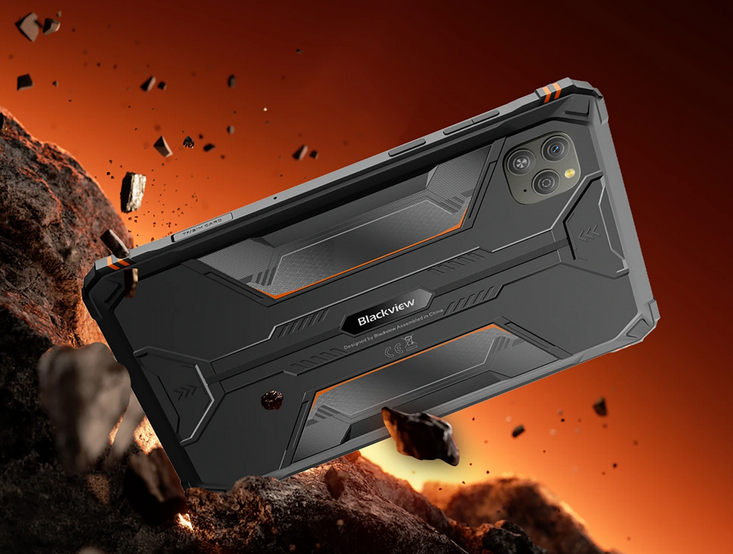
When a smartphone brand claims military-grade certification, it may seem like the handset is more rugged, but it might actually mean different things. Most certifications typically are for drop resistance, testing devices against repeated drops from specific heights and angles. So you can expect the device to better survive everyday falls. Apart from this, there are also the common IP ratings for water and dust resistance and temperature tolerance, where military tests are simulated with very hot and cold conditions.
What It Means for Laptops

These military tests are quite practical for laptops, especially for work and travel. Just like smartphones, you get the thermal stability tests based on ambient temperature, while others check overall durability. This can include testing hinges and other moving parts, along with keyboard and chassis durability with vibration, repeated motions, and drop tests. That said, military certification isn’t a guarantee of indestructibility; it only shows that your laptop has passed specific lab controlled tests.
The Marketing vs Reality
It’s crucial to understand that “military-grade certified” is not a universal seal of bulletproof reliability. Manufacturers self-select which parts of the MIL-STD standard to test against, and there’s no single global authority enforcing uniform application for consumer products. Some brands may choose to advertise the most favourable tests while skipping other ones. For example, a device might be tested for dust ingress and temperature, but not shock or vibration. These are still technically “MIL-STD certified,” but it doesn’t mean comprehensive ruggedness.
The Takeaway
Military-grade certification is real, symbolizing a set of standardized tests that evaluate a gadget’s ability to resist environmental stresses. For both smartphones, tablets, and laptops, passing such tests usually means an extra layer of durability that gives peace of mind for travel, outdoor work, or accidental mishaps. But one must keep in mind that this does not make it bulletproof. Use military grading as one factor in your purchase decision alongside IP ratings, but don’t simply expect your device to be invulnerable to harm.
For more daily updates, please visit our News Section.
Tech enthusiast? Get the latest news first! Follow our Telegram channel and subscribe to our free newsletter for your daily tech fix! 
The post Military-Grade Certifications Explained: What It Actually Means for Your Gadgets appeared first on Gizmochina.