
Reading view

The 2026 Transformation of Al Ain: A New Era for Abu Dhabi’s Cultural Heart
The 2026 Transformation of Al Ain: A New Era for Abu Dhabi’s Cultural Heart

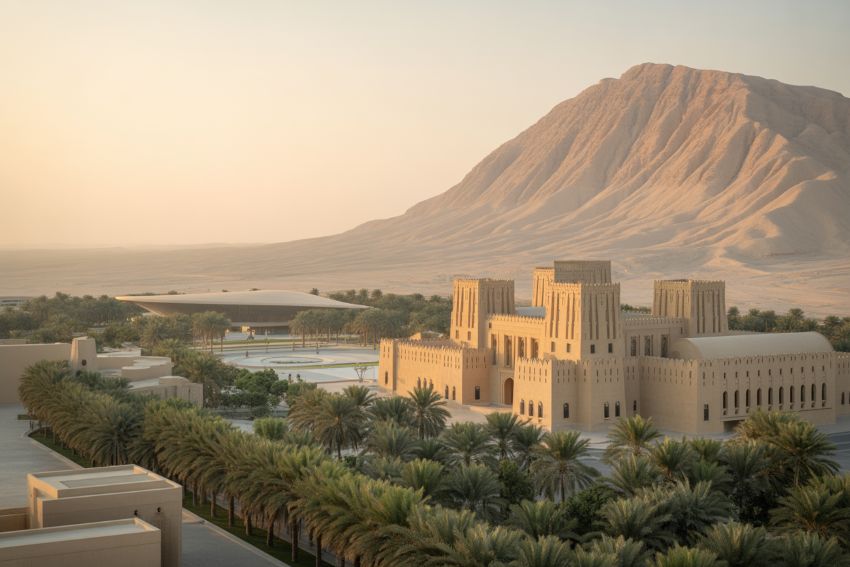
The Al Ain Region’s landscape is set to undergo significant transformation as comprehensive strategic plans for 2026 are implemented. During a recent high-level meeting, His Highness Sheikh Hazza bin Zayed Al Nahyan, the Ruler’s Representative in the Al Ain Region, meticulously reviewed the future of the region’s cultural and tourism industries. This briefing was held by a distinguished delegation led by the Chairman of the Department of Culture and Tourism – Abu Dhabi (DCT Abu Dhabi). The primary goal of these discussions was to position Al Ain as a premier destination that combines its deep-rooted history with modern leisure facilities.

Strategic Framework and Economic Impact

The pivotal role of the tourism and culture sectors in fostering sustainable development was highlighted throughout the session. It was noted that these industries are being positioned as central pillars for strategic investment within the emirate. By prioritizing these sectors, a multifaceted benefit is expected to be delivered to the local community, ranging from economic growth to the enrichment of social and cultural life. The integration of visitor experiences is being designed to ensure that the appeal of the Al Ain Region is strengthened for both domestic travellers and international tourists. Furthermore, the commitment to these sectors is viewed as a catalyst for improving the overall quality of life and the generation of new employment opportunities for the local workforce.

Revitalizing Heritage and UNESCO Sites

A significant portion of the development strategy is dedicated to the preservation and enhancement of historical landmarks. Updates were provided on the rehabilitation of the Al Ain Museum, an institution vital to the preservation of the UAE’s narrative. Additionally, the tourism appeal of the region’s famous oases and UNESCO World Heritage sites is being actively enhanced through sensitive development projects. These sites are regarded not merely as relics of the past but as living landscapes that must be maintained and promoted to safeguard the region’s unique identity. The environmental assets of Al Ain are being integrated into the broader tourism map to ensure that conservation efforts and visitor engagement go hand in hand.

Expanding Leisure and Family Destinations

While heritage remains a cornerstone, the expansion of family-orientated entertainment is also being prioritized to broaden the region’s demographic reach. Plans were reviewed for the modernization and development of iconic locations, including Hili Fun City and the Al Ain Zoo. Retail and lifestyle hubs, specifically Al Jimi Mall, are also included in the scope of these enhancements. Moreover, the natural wonder of Jebel Hafeet is being targeted for further leisure development, ensuring that the mountain remains a primary attraction for those seeking adventure and scenic beauty. These projects are intended to create a comprehensive leisure ecosystem that caters to diverse tastes and age groups.

Aligning with Abu Dhabi Tourism Strategy 2030

The initiatives presented are strictly aligned with the overarching objectives of the Abu Dhabi Tourism Strategy 2030. This long-term roadmap is designed to reinforce the emirate’s presence on the global tourism stage. By investing in the Al Ain Region, a firm commitment is being demonstrated toward achieving an integrated development model. The efforts led by DCT Abu Dhabi are focused on striking a delicate balance between modernizing leisure offerings and preserving the rich heritage that defines the area. This strategic alignment ensures that every project contributes to a unified vision of sustainable and culturally conscious growth.

A Vibrant Calendar of Cultural Festivals

The cultural profile of Al Ain is also being bolstered through an expanded calendar of annual events and festivals. These programmes are designed to attract a steady flow of visitors throughout the year and to provide a platform for traditional arts and literature. Key events such as the Traditional Handicrafts Festival and the Al Ain Book Festival are being utilized to celebrate local artistry and intellectual heritage. Additionally, community-centric celebrations like the Mother of the Nation Festival, the Dar Al Zain Festival, and Ghaitah Al Ain are being integrated into the tourism strategy. These festivals are recognized for their ability to reinforce the region’s status as a prominent cultural hub while providing immersive experiences for all attendees.

Collaborative Governance and Implementation

The scale of this vision is supported by a collaborative effort between government bodies and leading private sector entities. The recent meeting was attended by a high-level group including His Excellency Sheikh Mohammed bin Hamdan bin Zayed Al Nahyan and the Chairman of DCT Abu Dhabi. The presence of the Group CEOs of Aldar and Miral further emphasizes the public-private synergy required to bring these large-scale projects to fruition. Through this unified approach, the infrastructure, hospitality, and entertainment components of the Al Ain Region are being developed in tandem to ensure a seamless and world-class visitor journey.

A Global Destination in the Making

As 2026 approaches, the Al Ain Region is preparing to take its place as a top destination on the global cultural tourism map. The strategic investments and rehabilitation projects reviewed by the leadership demonstrate a commitment to preserving the past while building a prosperous future. Al Ain is being transformed into a site where history and modernity coexist peacefully by emphasising sustainable development, community benefits, and an enhanced visitor experience. The ongoing efforts of DCT Abu Dhabi and its partners ensure that the “Garden City” continues to thrive as a beacon of Emirati culture and a must-see destination for visitors from all over the world.

The post The 2026 Transformation of Al Ain: A New Era for Abu Dhabi’s Cultural Heart appeared first on Travel And Tour World.
The Future of Transportation in Dubai: How Car Rentals Are Revolutionizing Travel

The Future of Transportation in Dubai: How Car Rentals Are Revolutionizing Travel

Dubai, a vibrant hub in the UAE, has long been a favourite destination for tourists, business travellers, and international events. As the city continues to grow and draw millions of visitors every year, the demand for convenient and efficient transportation options has risen dramatically. While taxis and public transport remain popular, more and more travellers are opting to rent a car in Dubai. This shift is being driven by the increasing desire for flexibility, comfort, and the ability to take control of their own travel schedules. Renting a car gives visitors the freedom to explore the city at their own pace, without the constraints of public transport or waiting for taxis.

Dubai’s Road Infrastructure: Built for Driving

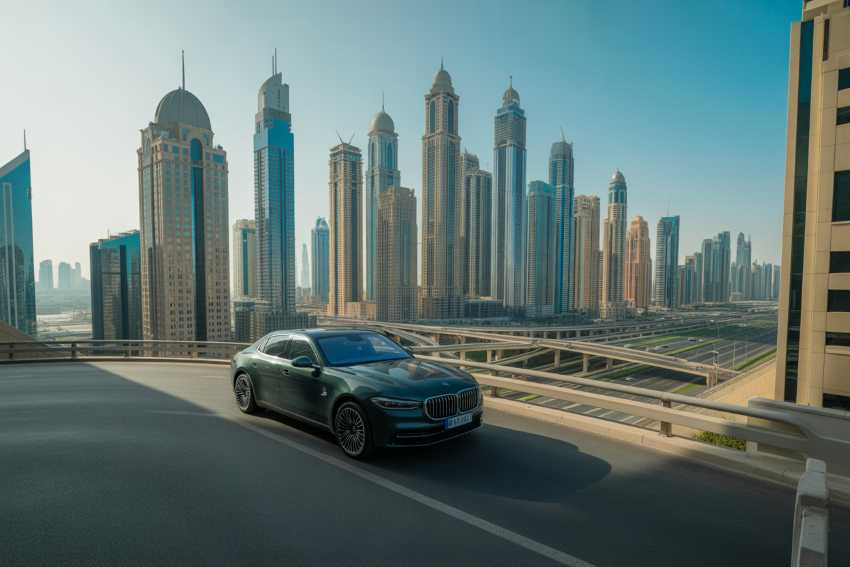
Dubai’s infrastructure is designed with ease of travel in mind. The city boasts a network of wide highways, modern road systems, and clearly marked routes, making it one of the easiest places to navigate by car. While public transport options are continually expanding, personal vehicles remain the most efficient way to travel, particularly for those staying for extended periods. The city’s roadways are well-maintained, and driving conditions are typically ideal, with less congestion compared to other major cities in the world.

For tourists visiting Dubai, renting a car provides unparalleled freedom. It allows them to explore various neighbourhoods, shopping districts, pristine beaches, and cultural attractions at their own pace. Whether it’s a day of sightseeing or attending business meetings, having access to a rental vehicle ensures that travellers can maximize their time in the city without worrying about fixed routes, delays, or waiting for taxis.

The Role of Digital Platforms in Simplifying Car Rentals

With the advent of digital technology, booking a car rental in Dubai has never been easier. Online platforms have revolutionized the rental process, allowing customers to compare prices, read reviews, and understand rental terms before making a reservation. This digital shift has led to a more transparent and user-friendly experience, reducing uncertainty for visitors.

Travellers can now complete their bookings online, which ensures that everything is in place upon arrival. These platforms provide clear pricing structures, enabling visitors to avoid unexpected charges and better plan their budget. The convenience of booking online also allows travellers to secure the best deals and choose the perfect vehicle that fits their needs, whether they are visiting for leisure or business.

Why Renting a Car in Dubai Is Beneficial

Car rentals in Dubai are not just about convenience; they offer several practical benefits that make them an attractive option for both tourists and business travellers alike. Here are some of the key advantages:

Control Over Travel Plans

Renting a car gives travellers greater control over their daily activities. They can choose where and when to go, without having to adhere to public transportation schedules or wait for a taxi. Whether it’s visiting Dubai’s iconic landmarks or exploring lesser-known gems, having a rental car allows visitors to create a travel itinerary that suits their personal preferences.

Comfort in Extreme Weather

Dubai’s climate is known for its high temperatures, particularly during the summer months. Renting a car offers a comfortable way to travel in the heat, with air-conditioned vehicles ensuring that travellers stay cool as they move between destinations. This is especially important for those who are not accustomed to hot climates and prefer to avoid walking long distances in the heat.

Easy Access to Attractions Outside the City Center

While Dubai’s city centre is home to numerous attractions, there are plenty of exciting places to visit beyond the urban limits. Renting a car opens up access to popular destinations like the desert, Ras Al Khor Wildlife Sanctuary, and nearby emirates such as Sharjah and Abu Dhabi. With a rental car, visitors can explore Dubai’s diverse surroundings at their leisure, without the need for additional transport arrangements.

Cost Predictability for Long Stays

For visitors planning extended stays in Dubai, renting a car can be more cost-effective than relying on taxis or other modes of transport. With long-term rental options, travellers can save money while ensuring they always have access to a vehicle when needed. Fixed daily or weekly rental rates offer predictability in terms of travel costs, making it easier to budget for transportation during the trip.

Changing Travel Habits: Independence and Digital Convenience

The growing trend of renting cars in Dubai is a reflection of changing travel habits. In an increasingly digital world, tourists and business travellers alike are looking for more independent, efficient, and transparent ways to navigate their destinations. The desire for flexibility, comfort, and ease of access to transportation options is now a top priority for many visitors.

As Dubai continues to grow in popularity as a global business and tourism hub, the demand for car rental services is expected to increase further. The ability to rent a car provides tourists and business professionals with a sense of control over their schedules, allowing them to balance work commitments, sightseeing, and leisure activities seamlessly.

Car Rentals Supporting Tourism and Business in Dubai

The car rental industry in Dubai plays a significant role in supporting both tourism and business activities in the city. For tourists, rental cars offer an easy and flexible way to experience all that Dubai has to offer, from world-renowned shopping malls to cultural landmarks like the Burj Khalifa, the Dubai Museum, and the Dubai Opera. The convenience of renting a car ensures that visitors can explore the city at their own pace without relying on crowded buses or taxis.

For business travellers, renting a car is often essential for getting to meetings and events efficiently. Dubai’s business districts, such as Downtown Dubai, Dubai International Financial Centre (DIFC), and Dubai Media City, are spread out across the city, and having access to a rental vehicle allows professionals to attend meetings without wasting time in transit.

Future Outlook for Car Rentals in Dubai

As Dubai’s infrastructure evolves and its global reputation continues to rise, car rental services will remain a cornerstone of the city’s transportation system. The growing demand for personal mobility, combined with the ease of booking through online platforms, ensures that car rentals will continue to thrive. This trend not only meets the needs of the increasing number of tourists but also serves the growing demands of business travellers and residents alike.

Dubai’s dedication to improving and expanding its transport options promises a future where the car rental experience will only get better. We can expect to see even more innovative services, flexible rental choices, and an increased availability of electric vehicles, all aimed at supporting sustainability goals. As the city grows and strives to provide a smooth, hassle-free travel experience, car rentals will remain a vital part of how people navigate Dubai.

The post The Future of Transportation in Dubai: How Car Rentals Are Revolutionizing Travel appeared first on Travel And Tour World.

Khyber Pakhtunkhwa’s First Integrated Tourism Zone in Thandiani to Boost Sustainable Ecotourism and Economic Growth

Khyber Pakhtunkhwa’s First Integrated Tourism Zone in Thandiani to Boost Sustainable Ecotourism and Economic Growth

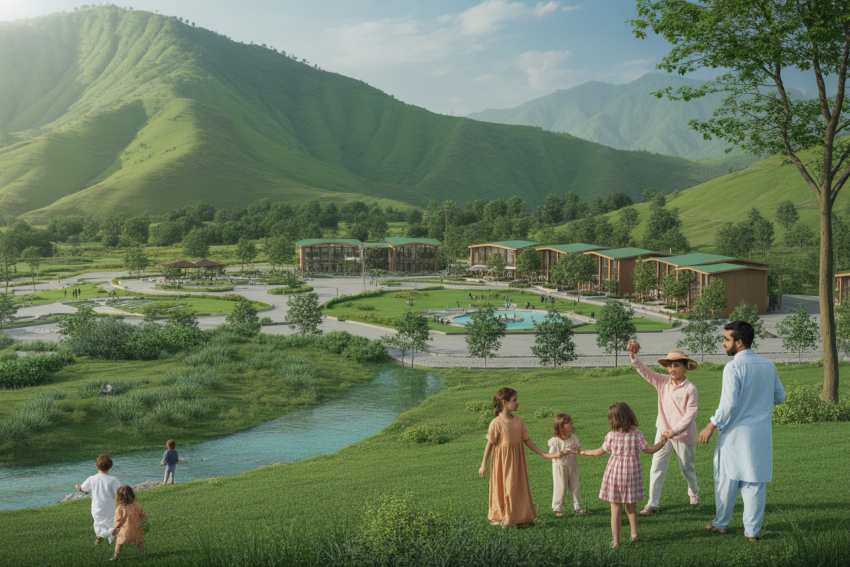
Under the leadership of Chief Minister Muhammad Sohail Afridi, the Khyber Pakhtunkhwa government has embarked on an ambitious journey to enhance the region’s tourism industry. The Thandiani Integrated Tourism Zone (ITZ), the first of its kind in the region, is being developed through a dynamic public-private partnership (PPP). This pioneering project aims to transform Thandiani, renowned for its refreshing climate, into a modern ecotourism hub. With private investment fuelling the initiative, it is poised to spark sustainable tourism growth while bringing valuable economic opportunities to the region.

Spanning 400 kanals, the Thandiani Integrated Tourism Zone will offer a diverse range of facilities, including recreational, commercial, and welfare spaces, making it a destination for all types of visitors. This project is set to become a benchmark for future tourism developments in Pakistan, aligning with the country’s vision of leveraging tourism for long-term economic prosperity.

Key Features of the Thandiani Tourism Project

The project in Thandiani is a comprehensive development plan that will include four distinct zones, each with a unique offering. Three key packages have been introduced, covering a wide array of tourism projects designed to attract diverse visitors.

Among the major components of this project, 14 tourism-related initiatives have been outlined. These include the construction of three new hotels or condotels, providing a total of 263 hotel and resort keys. The hotels are intended to cater to both high-end and mid-range travellers, ensuring a broad appeal to the growing domestic and international tourism market.

The project also includes service apartments, recreational areas, shopping malls, commercial complexes, and amusement parks. These facilities are aimed at enhancing the overall tourist experience by offering a mix of leisure, entertainment, and shopping opportunities. Additionally, the development will include welfare facilities and parking spaces, ensuring convenience and accessibility for visitors. Family service apartments will provide long-term accommodation options for those wishing to stay in Thandiani for extended periods, making the destination an ideal spot for both short-term getaways and longer vacations.

Ongoing Development of Other Integrated Tourism Zones in Khyber Pakhtunkhwa

Thandiani is not the only destination where the Khyber Pakhtunkhwa government is working to develop integrated tourism zones. The region has several other ongoing projects, each aimed at creating eco-friendly and sustainable tourism hubs. The Gunool Tourism Zone in Mansehra, Mankial in Swat, and Madaklasht in Chitral are all under development, with each location having its own distinct features designed to cater to various types of tourists.

The Gunool project spans 480 kanals, Mankial covers 754 kanals, and Madaklasht spans 540 kanals. Combined, these projects represent a total investment of PKR 12.3 billion, which is being directed toward transforming these areas into thriving tourism hotspots. These developments will focus on creating sustainable infrastructure, ecotourism initiatives, and other amenities aimed at enhancing the overall tourism experience.

The combined focus on multiple locations within Khyber Pakhtunkhwa illustrates the government’s dedication to revitalizing the region’s tourism sector and making it a key contributor to the local and national economy.

Economic Impact and Revenue Generation

The Thandiani Integrated Tourism Zone is projected to be a significant revenue generator for the province, with a total expected revenue of at least PKR 23 billion. This projection, however, does not set an upper limit, meaning that the actual revenue could surpass expectations if the project proves to be as successful as anticipated.

Tourism is seen as a major pillar of economic stability for the region, with long-term benefits expected in terms of employment, infrastructure development, and the overall growth of the local economy. As private investment drives the project, it is expected to create numerous job opportunities, not only in the tourism sector but also in the construction, retail, and service industries.

Moreover, the establishment of new tourism zones, particularly those that focus on ecotourism, will help create sustainable practices within the sector. This is expected to preserve the natural environment of these regions while providing economic opportunities to local communities. The integration of modern infrastructure with eco-friendly principles will serve as a blueprint for future tourism developments across the country.

Importance of Public-Private Partnership (PPP) in Tourism Development

The role of public-private partnerships in the success of the Thandiani Integrated Tourism Zone cannot be overstated. This model allows for the pooling of resources and expertise between the public and private sectors, ensuring that the project is both financially viable and effectively executed. The public sector provides the necessary regulatory support, while private partners bring in the capital, technical expertise, and management capabilities required to transform Thandiani into a world-class tourism destination.

Such collaborations have the potential to set new standards for tourism development in Pakistan, particularly in the Khyber Pakhtunkhwa region. By leveraging the strengths of both sectors, these integrated tourism zones can attract both national and international tourists, generating significant economic returns while preserving the region’s natural beauty.

Vision for Sustainable Tourism

Chief Minister Sohail Afridi emphasized that the provincial government is working in alignment with the vision of former Prime Minister Imran Khan, who envisioned tourism as a foundation for Pakistan’s economic stability. As part of this vision, the Thandiani Integrated Tourism Zone and other similar projects across Khyber Pakhtunkhwa are being developed with a strong emphasis on sustainability.

Eco-friendly practices are at the heart of these developments, ensuring that tourism does not come at the cost of the environment. This focus on sustainability is crucial in a country that has immense natural beauty and resources, making ecotourism a key aspect of its long-term development strategy.

The integration of sustainable practices in tourism development is expected to not only protect the environment but also create a positive image of Pakistan as a responsible and eco-conscious tourism destination. As the world becomes more environmentally conscious, such initiatives will play a vital role in attracting tourists who prioritize sustainability in their travel choices.

Conclusion

The Thandiani Integrated Tourism Zone marks an exciting milestone in Khyber Pakhtunkhwa’s journey to build a sustainable and thriving tourism sector. By bringing together both the public and private sectors, this project is set to open doors to new economic opportunities, upgrade the region’s infrastructure, and create a blueprint for sustainable tourism across Pakistan.

With its focus on eco-friendly development, diverse range of amenities, and an ideal location, Thandiani is poised to become one of the country’s top tourism destinations. This initiative, alongside other ongoing projects in the province, signals the beginning of a fresh era for Pakistan’s tourism industry—one where economic growth and environmental preservation go hand in hand.

The post Khyber Pakhtunkhwa’s First Integrated Tourism Zone in Thandiani to Boost Sustainable Ecotourism and Economic Growth appeared first on Travel And Tour World.

Pokhara Lakeside Area to Become Safer and More Tourism-Friendly with New Joint Initiatives

Pokhara Lakeside Area to Become Safer and More Tourism-Friendly with New Joint Initiatives

Pokhara, celebrated for its stunning landscapes and tranquil vibe, is taking proactive steps to improve the safety and overall experience for its visitors. As the heart of both domestic and international tourism, the Lakeside area plays a central role, and now, the Pokhara Tourism Council, working alongside local stakeholders, is focused on making it an even better place for tourists. Their goal is simple: to create a safer, cleaner, and more inviting environment. The initiative aims to tackle key areas such as safety, security, cleanliness, and maintaining order, ensuring that everyone can enjoy all that Pokhara has to offer with peace of mind.

A Collaborative Effort for Better Tourism Experience

The newly launched campaign is being implemented with a focus on collaboration between various local agencies. The Pokhara Tourism Council, under the leadership of its Chairperson, has teamed up with several important institutions, including the Ward Police Office, Tourism Police, Metropolitan Police, and ward officials. These organizations have joined forces to address growing concerns related to the safety and comfort of tourists visiting the area.

The collective efforts of these stakeholders aim to create a tourist-friendly atmosphere by tackling issues such as street vending, public disturbances, and unsanctioned activities that may hinder the smooth movement of visitors around the Lakeside area. The local authorities are particularly focusing on improving the safety and security of the area during the evenings, when tourist activity peaks.

Safety and Security Focus

The primary goal of the campaign is to ensure a safe environment for tourists by actively monitoring the area, particularly during the high-traffic hours of the evening. Security personnel from various organizations, including the Tourism Police and Metropolitan Police, will be regularly patrolling the Lakeside area. Through on-site monitoring and increased police presence, the campaign will curb any disruptive behaviour or unwanted activities that could pose risks to tourists.

Additionally, security measures will be reinforced through community engagement and awareness programmes aimed at promoting responsible behaviour and respect for local norms. This comprehensive approach ensures that both visitors and locals can coexist in a safe and harmonious environment, without compromising the appeal of the region.

Focus on Cleanliness and Hygiene

One of the core elements of the initiative is improving the overall cleanliness and sanitation of the Lakeside area. With an increasing number of visitors to the city each year, the need to maintain a pristine environment has become more urgent. The campaign includes efforts to control waste management, curb littering, and improve the appearance of public spaces, especially in areas frequented by tourists.

Local authorities are placing an emphasis on public awareness campaigns that encourage both locals and tourists to dispose of waste responsibly. Along with waste management, the cleaning of public facilities, including restrooms, will be prioritized to ensure that tourists have access to clean and sanitary conditions throughout their visit.

Controlling Street Vending and Public Disruptions

Street vending, while an integral part of many tourist destinations, has been identified as a potential barrier to the smooth movement of tourists in Pokhara’s Lakeside area. The campaign includes efforts to regulate street vendors and ensure that their activities do not cause inconvenience to tourists. This will be achieved through the enforcement of designated vending zones and regulations that help to maintain the flow of foot traffic and keep pathways clear.

The objective is not to eliminate street vendors but to regulate their activities to ensure that they do not interfere with the tourism experience. This will also contribute to a more orderly environment where tourists can enjoy their visit without the stress of navigating crowded or obstructed streets.

Improving Visitor Interaction with Local Community

One of the campaign’s broader goals is to create a positive interaction between the local community and visitors. Tourism is a vital source of income for the people of Pokhara, and as such, it is essential that the relationship between tourists and the local population remains cordial.

To achieve this, the initiative focuses on promoting cultural understanding and respect for local customs. Tourism-related organizations will play an active role in educating visitors about the culture and traditions of the area. This will be achieved through information sessions and outreach efforts that provide tourists with helpful tips for being respectful and mindful during their stay.

By fostering positive interactions, the campaign aims to make Lakeside not only a beautiful destination but also a place where both locals and tourists feel comfortable and appreciated.

The Long-Term Impact of the Initiative

While the campaign is initially focused on enhancing safety, cleanliness, and orderliness in the Lakeside area, its long-term impact could have far-reaching effects for the entire tourism industry in Pokhara. By creating a safer and more pleasant environment for tourists, these initiatives are expected to contribute to increased tourism in the region, boosting local businesses and generating greater revenue for the community.

Moreover, the collaboration between various agencies and the local community sets a precedent for future initiatives aimed at improving tourism infrastructure and enhancing the overall visitor experience in Pokhara. This model of cooperation can be expanded to other areas of the city, ensuring that tourism growth is sustainable and beneficial for everyone involved.

Conclusion

To wrap up, the collaborative efforts in Pokhara’s Lakeside area mark an exciting turning point in making the destination safer, cleaner, and more organized for tourists. The combined work of the Pokhara Tourism Council, local law enforcement, and tourism organizations is a testament to the city’s commitment to overcoming the challenges facing its tourism sector. This initiative not only aims to enhance the overall visitor experience but also strives to strengthen the bond between tourists and the local community, promising lasting benefits for the region’s tourism industry.

As Pokhara continues to attract more visitors, these efforts are laying a solid foundation for the Lakeside area to remain a welcoming, safe, and vibrant place for travellers from across the globe.

The post Pokhara Lakeside Area to Become Safer and More Tourism-Friendly with New Joint Initiatives appeared first on Travel And Tour World.

Greater Anglia’s Inspiration Train Brings 200 Years of Rail History to Colchester, Clacton-on-Sea and Hertford East

Greater Anglia’s Inspiration Train Brings 200 Years of Rail History to Colchester, Clacton-on-Sea and Hertford East

The ‘Inspiration’ Train, part of the national Railway 200 programme, is travelling across the Greater Anglia network, bringing an engaging exhibition commemorating the 200th anniversary of the modern railway. This travelling showcase, which has already attracted large crowds in Norwich and Lowestoft, will continue its journey, stopping at various stations throughout the region.

A Historical Journey

The exhibition celebrates the monumental milestone of the Stockton and Darlington Railway’s opening in 1825, regarded as the world’s first modern passenger railway. The event marked a pivotal moment in transport history, forever altering the way people and goods moved across regions. Railways have played an essential role in shaping the social and economic fabric of the UK, and the ‘Inspiration’ Train offers a window into this transformative journey.

The train itself does not transport passengers between locations. Instead, it serves as an exhibition space that invites the public to explore the evolution of railways, from their inception to their contemporary role in today’s world. Aimed at engaging all ages, the exhibition has garnered considerable interest, particularly among families, local communities, and those curious about rail’s pivotal place in shaping both urban and rural landscapes.

Popularity at Cambridge Station

During its recent stop at Cambridge station, the train proved a major draw, with more than 1,500 visitors over two days. This success has further fueled interest in the travelling exhibition, and additional stops are planned across the region, ensuring that more communities can experience the display.

With the 2026 tour extending to Colchester, Clacton-on-Sea, and Hertford East, the exhibition will continue to showcase how railways have helped connect communities, foster economic development, and influence regional growth throughout the last two centuries. The exhibition aims to leave a lasting legacy by inspiring the next generation of transport professionals.

Upcoming Tour Dates and Locations

Following its successful stint in Cambridge, the ‘Inspiration’ Train will be making the following stops:

  • Colchester Station: Tuesday 3 and Wednesday 4 February 2026
  • Clacton-on-Sea Station: Thursday 5 and Friday 6 February 2026
  • Hertford East Station: Saturday 7 and Sunday 8 February 2026

Each location will feature a day-long exhibit open to visitors from 10 a.m. to 4 p.m., with the final entry allowed at 4 p.m. Visitors can expect to spend around an hour exploring the exhibition. The display is designed to be an interactive and immersive experience, offering visitors a chance to delve into the past, present, and future of rail transport.

A Focus on Education and Future Careers

While the exhibition caters to rail enthusiasts, it also serves a wider educational purpose. Visitors will have the opportunity to explore the historical impact of railways on local economies and communities. The exhibition also emphasizes the importance of encouraging young people to consider careers in the transport and engineering sectors, fields crucial to the continuing evolution of modern transport systems.

A key aspect of the exhibition is its focus on inspiring the younger generation. Engaging displays will highlight the crucial role that rail has played in shaping the country’s development, from its early days to the digital age of high-speed trains. Young people interested in engineering, transport, and sustainable development are encouraged to view the railway industry as a viable and rewarding career path. To ensure broad access, a virtual version of the exhibition will be available for those unable to attend in person.

Why Rail Still Matters

The ‘Inspiration’ Train demonstrates how railways continue to contribute to the nation’s economic development and mobility. Railways, as one of the most energy-efficient forms of transport, play an essential role in the UK’s efforts to meet sustainability targets. The exhibition emphasizes the industry’s vital role in reducing carbon emissions, making it not only a transportation innovation but also a key player in the country’s push toward greener, more sustainable transport solutions.

Furthermore, railways have always connected people in more than just a physical sense. The Greater Anglia network, for example, has facilitated connections across rural and urban areas, supporting regional tourism, trade, and commuting. For many, the railway is still a lifeline that enables access to work, education, and leisure opportunities.

Virtual and School Group Engagement

Recognizing the limitations of travel, the exhibition offers a virtual version to ensure broader access to those unable to attend the exhibition in person. This is an excellent opportunity for schools and individuals to learn about the rich history of rail transport. Several local school groups are already scheduled to visit during the Colchester and Clacton stops, ensuring that students can actively participate in the event.

In addition to offering educational materials, the exhibition will showcase the cultural impact of railways on local communities. Whether highlighting local landmarks, industries, or personal stories, the ‘Inspiration’ Train provides a comprehensive overview of how railways have been woven into the daily lives of countless individuals.

Future Developments and Legacy

The Railway 200 programme has not only focused on celebrating the past but also on the future of rail transport. By promoting the next generation of engineers and transport experts, the programme serves as a catalyst for continued growth in the railway sector. The ‘Inspiration’ Train is expected to leave a lasting legacy in the communities it visits, inspiring new ideas and ambitions.

As the tour continues, it will further highlight how railways are adapting to the changing world, offering a glimpse into the future of transport. From high-speed trains to advanced technological solutions, the exhibition invites visitors to consider what the next 200 years of rail transport might look like.

Conclusion

The ‘Inspiration’ Train is more than just an exhibition; it is a celebration of two centuries of rail history, an exploration of modern engineering marvels, and an invitation to the next generation to contribute to the future of the railway industry. As it travels across Greater Anglia’s network, it provides a one-of-a-kind opportunity to connect with rail history while also inspiring future innovators.

Local communities can better understand how far rail transport has come and how much it continues to shape lives and landscapes by visiting the exhibitions in Colchester, Clacton-on-Sea, and Hertford East. This exhibit is a must-see for anyone interested in the profound impact railways have had and continue to have on the world.

The post Greater Anglia’s Inspiration Train Brings 200 Years of Rail History to Colchester, Clacton-on-Sea and Hertford East appeared first on Travel And Tour World.

Cebu City to Launch Cultural Heritage Tours as Part of Tourism Revitalization

Cebu City to Launch Cultural Heritage Tours as Part of Tourism Revitalization

The Cebu City government is implementing cultural heritage tours as a key component of its tourism strategy. The Cebu City Tourism Commission has announced a plan to create comprehensive guided tours of the region’s historical landmarks in order to highlight its rich history and culture. This new initiative is intended not only to attract international tourists but also to engage the local community, particularly youth, in learning more about Cebu’s cultural and historical significance.

A Growing Focus on Local Tourism
This project follows a positive response to the “Paglantaw: A Heritage Tour of Old Cebu”, which was part of the recent Association of Southeast Asian Nations (ASEAN) Tourism Forum held in the city. The event gave delegates the chance to explore Cebu’s cultural landmarks, with a focus on its historical and religious sites. The success of this immersive tour has laid the groundwork for Cebu City’s new tourism strategy, which aims to establish a deeper connection between local residents and their rich cultural heritage.

The Cebu City Mayor shared that the tourism commission has been working on the plans for these tours, emphasizing that the initiative is not exclusively for foreign tourists. The new project is meant to bridge the gap between locals, especially the youth, and the city’s historical and cultural assets. According to the Mayor, these tours will offer more than just historical facts—they will serve as a means to educate and foster pride in Cebu’s diverse cultural history.

Exploring Cebu’s Heritage: Key Landmarks Included in the Tours
The upcoming heritage tours are expected to feature several prominent landmarks that highlight Cebu’s long-standing historical significance. These will include iconic sites such as Magellan’s Cross, Basilica Minore del Santo Niño, and the Cebu Metropolitan Cathedral. In addition, visitors will also get a glimpse of Patria de Cebu, the Heritage of Cebu Monument in Barangay Parian, Fort San Pedro, National Museum of the Philippines – Cebu, and Casa Gorordo. These landmarks have stood the test of time, playing vital roles in shaping Cebu’s cultural identity.

As part of the tour experience, the use of tartanillas—traditional horse-drawn carriages that were once the preferred mode of transport for the wealthy families of Cebu—will offer a unique and immersive journey through the old streets of the city. This addition to the tours will allow visitors to connect with the past in a way that modern transport cannot replicate, offering a taste of life as it was during Cebu’s colonial era.

Institutionalizing the Heritage Tour Project
The plans for these tours are still in the preparatory stages, with institutionalization set to begin in March 2026. This timeline follows the Charter Day activities, which will serve as a precursor to the formal launch of the programme. During the ASEAN Tourism Forum, the Cebu City government was able to gain international attention for the city’s tourism efforts, especially through discussions with representatives from Malaysia, South Korea, China, and Russia. These engagements are expected to lead to deeper tourism collaborations and partnerships.

Building International Relations and Tourism Partnerships
Mayor Nestor Archival, who attended the ASEAN Tourism Forum, held important meetings with several foreign ministers from various nations. These discussions focused not only on the promotion of Cebu’s cultural heritage tours but also on ways to improve tourism relations between the Philippines and other countries in the region. In particular, the mayor noted that foreign ministers expressed keen interest in Cebu’s tourism offerings and have even extended invitations for future visits. They have also shown enthusiasm for direct travel links, especially between Cebu and Russia, which is seen as a promising market for increasing tourist arrivals.

The potential for direct flights from Russia to Cebu was also a significant talking point during a meeting with the Russian Ambassador to the Philippines. This move could significantly boost tourism and provide a more direct connection between Cebu and Russian tourists, further promoting Cebu as an international tourism hub.

The ASEAN Tourism Forum: A Platform for Regional Collaboration
The ASEAN Tourism Forum, which took place in Cebu from January 28 to 30, 2026, was an important event for the tourism sector in Southeast Asia. The forum offered a platform for tourism stakeholders across the region to share insights, discuss emerging trends, and form strategies to strengthen regional tourism. Cebu’s hosting of the forum not only underscored its growing importance as a tourism destination but also placed the city at the centre of regional discussions about tourism development.

The event featured a series of tourism exhibits and networking opportunities, where delegates from various countries, including Malaysia, South Korea, China, and Russia, participated in discussions on the future of tourism in the region. Cebu’s success in hosting such a high-profile event is seen as a testament to the city’s growing capabilities as a tourism destination and its commitment to developing its local heritage and culture as part of its long-term tourism strategy.

Future Prospects for Cebu’s Tourism Development
Looking forward, the Cebu City government’s new tourism strategy, focused on heritage and culture, aims to make the city a more attractive destination for both international and domestic tourists. This initiative is part of a broader vision to improve the overall tourist experience in Cebu and foster a deeper connection between visitors and the city’s rich cultural heritage.

The success of the heritage tours and the discussions held during the ASEAN Tourism Forum are expected to have a lasting impact on Cebu’s tourism landscape. With growing interest from international partners and the city’s proactive efforts to integrate culture and tourism, Cebu is positioning itself as a key player in the Southeast Asian tourism market. Moreover, the city’s plans to integrate sustainable tourism practices into its offerings will help ensure that the growth of the tourism sector benefits both visitors and local communities alike.

Conclusion
Cebu’s latest cultural tourism initiative represents a significant advancement in the city’s efforts to promote its rich history and cultural identity. Cebu not only preserves its heritage by offering immersive, guided tours of the city’s most iconic landmarks, but it also allows both local and international visitors to experience the city’s unique cultural landscape. With strong government support and positive international attention, Cebu is poised to become a more prominent player in Southeast Asia’s tourism industry.

The post Cebu City to Launch Cultural Heritage Tours as Part of Tourism Revitalization appeared first on Travel And Tour World.

Oman Celebrates Cultural Heritage at Nizwa Fort with ‘Bridges: Oman – Identity and Civilisation’ Event, Enhancing Visitor Understanding of Omani Traditions

Oman Celebrates Cultural Heritage at Nizwa Fort with ‘Bridges: Oman – Identity and Civilisation’ Event, Enhancing Visitor Understanding of Omani Traditions

The Directorate General of Endowments and Religious Affairs in Dakhliyah recently launched a four-day cultural event called ‘Bridges: Oman – Identity and Civilisation‘ at the historic Nizwa Fort. The event, which aims to promote Oman’s rich cultural identity and civilisational heritage, is being held at one of the country’s most significant historical landmarks, which was carefully chosen for its high volume of local and international visitors. The event, which showcases Oman’s cultural values and traditions in an engaging and visitor-friendly format, serves as an important avenue for cultural outreach, making it an ideal opportunity to reach a diverse audience.

The Nizwa Fort, one of Oman’s most popular tourist destinations, sees a large number of visitors every day, making it an ideal location to introduce visitors to aspects of Omani culture, traditions, and customs. As part of Oman’s ongoing effort to bridge cultural understanding, the event provides a diverse experience divided into four major sections, each focusing on a different aspect of the country’s identity.

Oman’s Identity and Cultural Heritage at the Heart of the Event

The ‘Bridges: Oman – Identity and Civilisation’ event has been designed to provide an immersive experience for its visitors, with each section focusing on an important pillar of Omani culture. The first area, the Omani Identity Corner, focuses on the foundational aspects of Omani character. It presents the rich customs and social traditions that define the country and its people. Visitors are introduced to Oman’s deep cultural roots, offering them a chance to better understand the way traditions are interwoven with the daily lives of Omanis. This corner also delves into the collective memory of Oman’s past, offering visitors a glimpse into how the country’s identity has evolved over time.

The Islamic Publications Corner is another key feature of the event. It offers visitors a comprehensive overview of Islam’s values, with a focus on its teachings of tolerance and peace. Books and informational materials are available for those interested in understanding the Islamic faith more deeply, highlighting its role as a source of social cohesion in Omani society. This corner aims to bridge cultural gaps by introducing visitors to the core values that are important to Omanis and how those values shape daily life in the country.

The Role of Women and Hospitality in Omani Society

Another significant section of the event, the Muslim Women’s Corner, highlights the contributions and role of women in Omani society, showcasing how the country’s traditions allow women to play an integral role in its development. This corner focuses on the historical and ongoing contributions of women in Oman and how their roles are deeply rooted in Islamic teachings, where women are given respect and dignity in all aspects of life. Visitors are offered insights into how women have helped shape the cultural, social, and economic landscape of Oman, helping to further their understanding of the progress Oman has made in gender equality and women’s empowerment.

The Hospitality Corner is dedicated to one of Oman’s most cherished traditions—its renowned hospitality. The section offers an introduction to the traditional practices of welcoming guests, a crucial aspect of Omani society. Omani hospitality, with its deep cultural significance, is celebrated through displays of traditional Omani welcome practices, such as serving dates and coffee, which are integral parts of a guest’s visit. The corner provides an authentic experience of how Omanis traditionally greet guests, offering visitors an opportunity to witness the country’s exceptional hospitality first-hand.

Importance of Nizwa and Its Historical Significance

Nizwa was specifically chosen as the location for the event due to its cultural and tourism significance. As one of the oldest cities in Oman, Nizwa holds immense historical value, making it the perfect backdrop for an event that aims to celebrate Oman’s identity and heritage. The city is known for its impressive fortifications, including the Nizwa Fort, which has stood the test of time and played a vital role in Oman’s history. Its strategic location and deep cultural significance make it a hub for both domestic and international visitors who seek to explore the country’s historical landmarks.

The event in Nizwa aims to enhance cultural dialogue and provide visitors with an in-depth understanding of Oman’s social fabric. It targets a wide array of people, from local Omanis to international visitors of all ages and nationalities, and provides them with a better understanding of Oman’s rich cultural heritage and its role in the global community. The event’s main objective is to highlight Oman’s historical roots, its Islamic values, and its unique cultural identity, all of which are fundamental to understanding the country as a whole.

A Platform for Cultural Exchange and Awareness

The Bridges: Oman – Identity and Civilisation event is not only about showcasing Omani culture but also about fostering an environment where different cultures can interact and learn from one another. It offers an open platform for cultural exchange, where Oman’s history, traditions, and values can be shared and appreciated by people from all walks of life. In doing so, the event aims to break down cultural barriers and promote a better understanding of Oman and its people on a global scale.

The initiative has been implemented in several locations across Oman in the past, and its success has been well received by the public. With each event, Oman has strived to present its true cultural image, allowing visitors to experience the nation’s deep-rooted values in a meaningful way. The current edition in Nizwa, with its well-established tourism infrastructure and historical importance, provides an ideal setting for building these cultural bridges.

Enhancing Oman’s Global Presence

‘Bridges: Oman – Identity and Civilisation’ at Nizwa Fort celebrates Oman’s culture, history, and hospitality, providing a diverse cultural experience for both tourists and locals. The event effectively highlights the pillars of Omani society and gives visitors valuable insights into the country’s traditions. As Oman strengthens its position as a key tourism destination in the region, initiatives like these help to showcase the country’s rich cultural identity to the world. By providing such experiences, Oman not only educates visitors but also promotes cultural dialogue and understanding on a global scale, which will contribute to the country’s continued success in the tourism industry.

The post Oman Celebrates Cultural Heritage at Nizwa Fort with ‘Bridges: Oman – Identity and Civilisation’ Event, Enhancing Visitor Understanding of Omani Traditions appeared first on Travel And Tour World.
❌