
Reading view

The Best-Kept Secret in Australian Travel: Direct A350 Flights to China Starting Soon

The Best-Kept Secret in Australian Travel: Direct A350 Flights to China Starting Soon

Starting June 2026, travellers can look forward to a brand-new, direct flight option between Adelaide and Shanghai, as China Eastern Airlines announces plans to deploy its modern Airbus A350 on the route. The seasonal service will run three times a week, providing travelers with a direct connection that has been absent since the pandemic. This exciting new development not only enhances tourism between Australia and China but also offers significant benefits to local industries, boosting trade with the fast-growing Chinese market.

The new flights are set to be a game-changer for travelers between South Australia and mainland China, as China Eastern positions Adelaide as one of the select Australian cities to host the advanced A350 aircraft. This will improve connectivity, shorten travel times, and reduce the reliance on indirect flights through other Australian cities like Sydney or Melbourne.

The A350: A Modern Touch to Adelaide’s Growing International Network

This seasonal service is part of a broader trend of international airlines returning to Australia with more advanced aircraft designed for long-haul routes. The Airbus A350, renowned for its fuel efficiency, advanced technology, and passenger comfort, will ensure that the new route is as comfortable and efficient as possible. Passengers will enjoy the benefits of the A350’s spacious cabin and reduced travel time compared to one-stop flights, giving them a competitive and convenient option in the Australia–China market.

The A350’s introduction marks a milestone for Adelaide Airport, which has been expanding its international network. The airport has worked hard to attract long-haul widebody aircraft, and with this new service, it further cements its role as a key hub for both tourism and trade. The direct route will not only make it easier for travelers but also support key industries in South Australia that rely on exports to China, including seafood, wine, and fresh produce.

Enhancing South Australia’s Tourism Appeal

For South Australian tourism, the arrival of China Eastern Airlines’ A350 means more opportunities for visitors to experience the best the state has to offer. From the vibrant city life of Adelaide to the breathtaking landscapes and world-class wine regions, South Australia offers a variety of experiences. With the new flights, Chinese travelers will have an easier way to explore these attractions, especially with the enhanced connectivity that comes from direct international flights.

Adelaide, known for its festivals, beautiful beaches, and award-winning wineries, stands to see a significant boost in tourism from China—one of the fastest-growing outbound markets in the world. With easier access to the region, the direct flights could lead to an increase in visitors, especially during the peak travel season, which aligns with both local events and festivals in South Australia.

Facilitating Trade and Economic Growth

The impact of the new China Eastern service goes beyond tourism; it has the potential to boost South Australia’s economy through stronger international trade links. The region’s export industries, particularly those in food and beverage sectors like seafood and wine, will benefit from direct air links to China, providing faster transport for goods and greater access to one of Australia’s most important trading partners.

The addition of these flights will allow businesses in South Australia to deliver their products to the Chinese market more efficiently, reducing transportation times and increasing overall trade flow. The belly-hold cargo capacity of the Airbus A350 will be crucial in helping move perishable goods, which will not only help local producers but also open up new export opportunities.

A Strong Commitment to Adelaide Airport’s Growth

With Adelaide’s growing international profile, the airport is ready for this expansion. The introduction of the A350 signifies a commitment by China Eastern Airlines to bolster Adelaide’s position in the global aviation landscape. This marks the beginning of a new chapter for Adelaide Airport, which has seen an increase in international services in recent years.

Adelaide Airport is poised to handle more widebody aircraft like the A350, which are capable of long-haul flights, offering not only a better travel experience for passengers but also helping to facilitate increased cargo operations. The route also aligns with the city’s ongoing efforts to support international tourism and strengthen economic ties with key markets across Asia.

The Future of Adelaide-China Air Connectivity

Looking ahead, this route may only be the beginning of more extensive air links between Adelaide and China. As demand grows, both for leisure and business travel, there could be further opportunities for more frequent services, potentially opening doors to other Chinese cities.

For travelers, the new China Eastern A350 flights represent the best of modern aviation—comfort, efficiency, and convenience. As Adelaide becomes a more connected destination on the international stage, it will continue to thrive as a key player in Australia’s tourism and trade industries.

With this fresh service, Adelaide is preparing to welcome more international visitors and foster greater economic opportunities. As the world continues to recover from the effects of the pandemic, direct connections like these will help bridge the gap between nations, fostering mutual growth in tourism, trade, and cultural exchange.

This seasonal service not only enhances the accessibility of Adelaide but also marks a significant milestone for China Eastern Airlines and South Australia’s thriving international network. Whether for leisure or business, travelers now have a smoother, more direct path between Shanghai and Adelaide, providing new opportunities for both tourism and commerce between the two regions.

The post The Best-Kept Secret in Australian Travel: Direct A350 Flights to China Starting Soon appeared first on Travel And Tour World.

Flight Cancellations in Jakarta, Surabaya and Medan Creates Travel Interruptions in Indonesia as Batik Air, Garuda Indonesia and others Face 22 Suspensions and 453 Delays, New Update

Flight Cancellations in Jakarta, Surabaya and Medan Creates Travel Interruptions in Indonesia as Batik Air, Garuda Indonesia and others Face 22 Suspensions and 453 Delays, New Update

Flight disruptions are currently rippling through Indonesia, leaving hundreds of travelers searching for answers. Operations at three critical aviation hubs face significant setbacks today. Jakarta-Soekarno-Hatta International Airport reports the highest volume of issues, followed by regional hubs in Surabaya and Medan. Batik Air and Garuda Indonesia are the primary carriers navigating these operational hurdles. While some flights remain grounded, others face hours of uncertainty on the tarmac. Consequently, these delays impact both business travelers and the vital tourism sector. There’s a total of 22 flight cancellations and 453 delays reported.

Major Airports Affected

The most substantial volume of disruptions was observed at Jakarta-Soekarno-Hatta International Airport, which serves as the primary gateway to Indonesia. As the country’s most active aviation hub, the impact here was pronounced, with 20 total cancellations and 298 delays reported within a single day. The density of traffic in Jakarta means that these 318 combined incidents likely affected a vast demographic of business and leisure travelers, creating a ripple effect across connecting flights.

Further east, Juanda International Airport, which serves the city of Surabaya, also reported operational hurdles. While the total number of cancellations remained low at just 1 flight, the facility dealt with 97 reported delays. For those traveling through Surabaya, the high volume of delayed departures necessitated extended wait times within the terminal, straining airport amenities and ground handling services.

Similarly, in North Sumatra, Kuala Namu International Airport—the primary airport for Medan —was not immune to the day’s challenges. Data indicates that 1 cancellation and 58 delays occurred at this location. Although the figures in Medan are lower than those seen in Jakarta, the impact on regional connectivity remains significant, especially for those utilizing the airport as a transit point for the northern regions of the archipelago.

Impacted Airlines

Batik Air emerged as the most heavily affected airline across all three monitored locations. In Jakarta, Batik Air accounted for 13 of the 20 cancellations and 80 of the 298 delays. The trend continued in Surabaya, where the airline was responsible for the sole cancellation of the day and 23 delays. In Medan, the airline again saw 1 cancellation and 3 delays.

Garuda Indonesia, the national flag carrier, also experienced some setbacks, though these were concentrated at the Jakarta-Soekarno-Hatta International Airport. At this hub, Garuda Indonesia recorded 7 cancellations and 20 delays. The concentration of these issues within the capital’s airport suggests that the airline’s primary hub operations were under significant strain today. The disparity in numbers between Batik Air and other carriers indicates that while the broader aviation environment in Indonesia faced hurdles, certain fleet schedules were more vulnerable to the day’s specific operational conditions than others.

Beyond these specific figures, delays were being experienced by several other Airlines, like Indonesia AirAsia, Citilink, Lion Air, Super Air Jet, Sriwijaya Air, TransNusa, Singapore Airlines and more.

Probable Impact on Local Tourism

The concentration of flight delays and cancellations in Jakarta, Surabaya and Medan carries inevitable implications for local tourism and hospitality sectors. As these three cities represent the commercial and cultural hearts of Indonesia, the sudden interruption of travel flows can lead to a temporary downturn in visitor arrivals and hotel occupancy rates.

In Jakarta, where the volume of cancellations was highest, the tourism sector often relies on the seamless transition of international tourists to domestic destinations. Delays of this magnitude can lead to missed connections for “multi-city” itineraries, potentially resulting in shortened stays within the capital.

For Surabaya and Medan, the delays affect the accessibility of key tourist landmarks. Surabaya is often used as a base for excursions to Mount Bromo, while Medan is the gateway for those traveling to Lake Toba. When nearly 100 flights are delayed in Surabaya or over 50 in Medan, the scheduled tours, transport bookings and local guide services are often thrown into disarray. The reliability of the aviation network is a cornerstone of tourism confidence and such a high frequency of interruptions may necessitate a period of recovery for the local travel markets in these regions.

What Affected Passengers Can Do Now

For those currently navigating the travel interruptions in Jakarta, Surabaya or Medan, several professional protocols should be followed to mitigate the impact of these delays and cancellations. As the situation remains fluid, staying informed through official channels is paramount.

  • Monitor Flight Status Constantly: Passengers are advised to utilize the official mobile applications or websites of Batik Air and Garuda Indonesia. Given the high volume of delays in Jakarta, real-time digital updates are often more efficient than waiting for terminal-wide announcements.
  • Documentation for Claims: It is recommended that travelers keep a record of all communications from the airline regarding their delay or cancellation. In the context of Indonesia’s aviation regulations, documented proof of the duration and nature of the delay is essential for any potential compensation or rebooking assistance.
  • Engagement with Ground Staff: At airports like Juanda International or Kuala Namu, where delays are high but cancellations are fewer, engaging directly with airline service desks can provide clarity on estimated departure times. It is often possible to request vouchers for refreshments or meals if a delay exceeds a specific time threshold, as per standard industry practice.
  • Travel Insurance Consultation: Those with comprehensive travel insurance should review their policies immediately. Many plans cover travel interruption or travel delay, which can help offset costs incurred by unexpected hotel stays or alternative transport arrangements necessitated by the 22 suspensions recorded today.

-The information provided is sourced from FlightAware.

The post Flight Cancellations in Jakarta, Surabaya and Medan Creates Travel Interruptions in Indonesia as Batik Air, Garuda Indonesia and others Face 22 Suspensions and 453 Delays, New Update appeared first on Travel And Tour World.

37 Flights Delayed and 5 Cancelled by PSA, Jazz, American and Other Airlines Leaving Passengers Stranded in Philadelphia, Portland, Luis Munoz and More Airports across the US

37 Flights Delayed and 5 Cancelled by PSA, Jazz, American and Other Airlines Leaving Passengers Stranded in Philadelphia, Portland, Luis Munoz and More Airports across the US
Philadelphia International Airport sees 37 delays and 5 cancellations today caused by weather and operational issues.

Philadelphia International Airport (PHL) is experiencing significant disruption today, with a total of 37 delays and 5 cancellations affecting flights within, into, and out of the United States. These disruptions are impacting both domestic and international travelers, causing frustration and uncertainty for those attempting to navigate the airport.

This rise in delays and cancellations has prompted questions about the underlying causes and how travelers can best manage their travel plans. While delays at major U.S. airports are not unusual, today’s figures are noticeably higher than average, with all 37 delays occurring within the U.S. The growing number of delays has also contributed to passenger dissatisfaction, as more flights continue to be impacted.

Why Is Philadelphia International Airport Facing So Many Delays and Cancellations?

There are several factors contributing to the flight disruptions at Philadelphia International Airport (PHL) today. According to officials, a combination of weather-related delays, increased air traffic, and operational challenges are at the heart of these issues.

One of the main contributors to today’s delays has been weather conditions, with snowfall and icy conditions affecting both departures and arrivals. While Philadelphia has not been hit by any major snowstorms this week, the accumulation of freezing rain in parts of the northeast has led to slippery conditions on the runways, which necessitate additional time for de-icing procedures before takeoff.

Another contributing factor is increased air traffic as the airport enters its busy winter travel season. As more travelers head to popular destinations for ski vacations and other winter activities, the sheer volume of flights passing through the airport can create bottlenecks. With limited available gates and aircraft on standby, the timing of incoming and outgoing flights has become more difficult to manage.

Furthermore, staff shortages due to seasonal employee turnover and higher-than-expected passenger traffic are also playing a role in the delays. Airlines and airport staff are working to manage the influx of travelers, but operational constraints have led to longer wait times at check-in counters, security lines, and boarding gates.

How Travelers Are Being Affected by Delays and Cancellations

For passengers at Philadelphia International Airport, today’s delays and cancellations have caused frustration and confusion. Many travelers are faced with extended layovers, missed connections, and rescheduled flights. With 5 cancellations so far today, those passengers are also dealing with the added stress of finding alternate flights or accommodations.

Those who have been delayed but are still on track to depart may find their departure times changed by hours, as flight crews attempt to accommodate the backlog of flights. Travelers who had hoped for a quick and smooth journey are being forced to adjust their plans on the fly.

Furthermore, passengers who are connecting through Philadelphia to other destinations are feeling the ripple effects of these delays. Missed connections are leading to longer waiting times for connecting flights, and some passengers are being rerouted to different airlines or airports altogether.

As for passengers who had flights that were canceled today, many are already scrambling to rebook. Philadelphia International Airport (PHL) advises all affected passengers to keep an eye on their flight status through the airport’s live update system and MiseryMap tool, which provides real-time flight status updates and offers an interactive visualization of flight delays. Travelers are encouraged to check their emails, contact airlines directly, or visit the customer service desk for assistance with rebooking and making alternative arrangements.

The Role of Technology in Managing Disruptions

While today’s delays and cancellations are certainly inconvenient for travelers, technology is helping to reduce the stress of the situation. Philadelphia International Airport (PHL) has invested in several tools designed to help travelers navigate disruptions more smoothly.

The MiseryMap, for example, allows passengers to view live flight delays, cancellations, and gate changes in real-time, helping them make informed decisions about whether to continue waiting or to explore other options. In addition, the airport’s mobile app provides users with up-to-the-minute flight status updates and notifications about possible delays.

Moreover, the airport’s adoption of automated systems for flight check-in and baggage handling has helped speed up processes, despite the volume of flights coming and going. Self-service kiosks and biometric screening systems continue to help ease congestion at check-in counters and security lines.

However, as today’s disruptions show, these tools have their limits when faced with severe weather conditions or a large-scale operational issue.

How Can Travelers Minimize the Impact of Delays and Cancellations?

For travelers impacted by delays and cancellations at Philadelphia International Airport (PHL), there are several tips that can help mitigate the stress:

  1. Stay Informed: Always monitor the status of your flight through the PHL mobile app or via the MiseryMap tool. Keeping track of real-time updates will allow you to make adjustments to your travel plans as needed.
  2. Prepare for Extra Time: If your flight has been delayed or canceled, expect longer waiting times. Bring extra food, water, and entertainment to make the wait more comfortable. Charging stations and seating areas are available throughout the airport.
  3. Check Airline Policies: Contact your airline as soon as possible if your flight has been canceled or delayed. Many airlines provide vouchers, meal allowances, and hotel accommodations for passengers affected by significant delays or cancellations.
  4. Flexible Travel Plans: If you are traveling during peak seasons, consider booking flights with built-in flexibility. Travel insurance can also help protect you in case of unforeseen delays or cancellations.
  5. Use Airport Amenities: Take advantage of the PHL’s lounges and facilities designed for long waits. Travelers can use these spaces to relax, recharge, and stay comfortable as they wait for new flight arrangements.
AirlineCancelled (#)% CancelledDelayed (#)% Delayed
PSA Airlines (AAL)33%2225%
Jazz (ACA)125%00%
American Airlines10%94%
Frontier00%13%
Piedmont (AAL)00%10%
Republic00%12%
Southwest00%29%
Alaska Airlines00%150%

Looking Ahead: Improving the Travel Experience at Philadelphia International Airport

While today’s disruptions may cause short-term inconvenience, Philadelphia International Airport remains committed to improving operational efficiency and passenger experience. With continued investments in infrastructure, digital tools, and customer service, the airport aims to minimize future delays and enhance the travel experience.

As air travel continues to rebound and weather conditions become more unpredictable, Philadelphia International Airport and the airlines operating there are constantly evaluating strategies to handle these challenges. Travelers are encouraged to remain patient and proactive when dealing with unexpected delays and cancellations, as aviation authorities work to address both short-term issues and long-term improvements.

The post 37 Flights Delayed and 5 Cancelled by PSA, Jazz, American and Other Airlines Leaving Passengers Stranded in Philadelphia, Portland, Luis Munoz and More Airports across the US appeared first on Travel And Tour World.

Querétaro Calling: Volaris Airlines Unites Families and Explorers with New Nonstop San Antonio Service

Querétaro Calling: Volaris Airlines Unites Families and Explorers with New Nonstop San Antonio Service

Querétaro is a place where every cobblestone street tells a story of heritage and hope. For many in San Antonio, this new flight is more than just a convenience. It is a long-awaited embrace from a distant relative. It is the smell of fresh tortillas in a sun-drenched plaza. Volaris Airlines is now turning those distant dreams into a reality you can touch. This path connects our vibrant Texas community to the colonial soul of Mexico.

Strengthening Tourism Through Aviation

The San Antonio Aviation Department recently shared exciting news for world travelers. Volaris Airlines will start nonstop service to Querétaro on June 2, 2026. This route marks a major win for the local tourism industry. It opens a direct door to one of Mexico’s most beautiful regions.

The city government confirms flights will run three times a week. Travelers can fly on Tuesdays, Thursdays, and Sundays. Each flight leaves San Antonio at 10:20 a.m. This timing is perfect for tourists. You can land and enjoy a traditional Mexican lunch.

A Boost for Local and International Travel

Airport officials see this as a vital expansion. Director of Airports Jesus Saenz noted that Mexico is a top market. He stated that the demand for these flights remains very high. He expressed great excitement about growing the airport’s reach.

The City of San Antonio aims to make travel easy. This new service joins existing options from Viva. Together, these airlines offer flights six days a week. This creates incredible flexibility for vacationers. More flights mean more people can discover the beauty of Querétaro.

Why Querétaro is a Must-Visit Destination

Querétaro is a treasure trove for history buffs. The city center is a UNESCO World Heritage site. It features stunning Spanish colonial architecture. Visitors love the massive stone aqueduct. It is a symbol of engineering and beauty.

Tourism boards highlight the region’s famous Wine and Cheese route. You can tour lush vineyards. You can taste artisanal cheeses in charming villages. The Sierra Gorda mountains offer amazing hiking trails. There is something for every type of explorer.

Strategic Growth at San Antonio International

San Antonio International Airport is growing fast. This is the second major announcement this year. Earlier, Breeze Airways added three new U.S. destinations. These include Raleigh-Durham, Memphis, and Pensacola.

The city government is investing in airport safety too. They are upgrading runways to handle more traffic. These improvements make San Antonio a premier travel hub. Better infrastructure leads to a better experience for tourists.

Economic Impact of Increased Flight Access

New flights bring more than just people. They bring economic growth. Tourism creates jobs in both cities. It supports hotels, restaurants, and local shops.

Aviation data from government reports shows a clear trend. Nonstop flights increase the number of visitors significantly. People prefer direct routes over long layovers. Volaris Airlines is making the journey seamless. This helps both economies thrive together.

The Power of Partnership

The airline industry is changing. Volaris and Viva merged in late 2025. They still use their own brand names. This merger provides more resources for better service.

City leaders believe this partnership stabilizes the market. It ensures reliable travel for years to come. San Antonio remains committed to international partnerships. These ties strengthen the cultural bond between the U.S. and Mexico.

Planning Your Summer Adventure

The June launch is perfectly timed for summer breaks. Families can plan extended stays in the Mexican highlands. The weather in Querétaro is often mild and pleasant. It offers a nice escape from the Texas heat.

Booking early is always a smart move. Travelers can find great deals on the Volaris website. The 10:20 a.m. departure time is very popular. It allows for a stress-free morning at the airport.

A Journey of the Heart

Travel is about the moments that take your breath away. It is about finding a home away from home. When you board that Volaris flight, you are chasing a new adventure. You are choosing to see the world with open eyes. Querétaro is waiting to welcome you with open arms. Your next great story begins at the departure gate in San Antonio. Pack your bags and let your spirit fly toward the horizon. The magic of Mexico is now just one short flight away.

The post Querétaro Calling: Volaris Airlines Unites Families and Explorers with New Nonstop San Antonio Service appeared first on Travel And Tour World.
Passengers Stranded In Canada Today As St. John’s International Airport Faces 9 New Flight Cancellations And 13 Delays, Disrupting PAL, Air Canada, WestJet, And Other Airlines Across Halifax, Toronto, Montreal, Calgary and More

Passengers Stranded In Canada Today As St. John’s International Airport Faces 9 New Flight Cancellations And 13 Delays, Disrupting PAL, Air Canada, WestJet, And Other Airlines Across Halifax, Toronto, Montreal, Calgary and More

Passengers stranded in Canada today as St. John’s International Airport (YYT) reported 9 flight cancellations and 13 flight delays, disrupting travel across multiple Canadian cities, while no delays were linked to U.S.-bound or U.S.-arriving flights. The most heavily impacted airlines were PAL Airlines (6 cancellations, 7 delays) and Air Canada (3 cancellations, 4 delays). Other popular carriers, including WestJet (1 delay) and Cargojet (1 delay), also experienced limited disruption. Ripple effects were seen at Halifax International Airport (YHZ) and Toronto Pearson International Airport (YYZ). Additional impacts were recorded at Deer Lake Regional Airport (YDF), Montreal–Trudeau International Airport (YUL), Calgary International Airport (YYC), and St. Anthony Airport (YAY).

  • Update today: St. John’s International Airport recorded 9 cancellations and 13 delays, affecting domestic travel across Canada.
  • PAL Airlines emerged as the most affected carrier with 6 cancellations and 7 delays.
  • Air Canada followed with 3 cancellations and 4 delays, impacting multiple connecting routes.
  • Toronto Pearson and Halifax were among the busiest airports facing disruption today.
  • No U.S.-related flight delays were reported at St. John’s today.

Airlines Most Affected by Flight Cancellations and Delays

PAL Airlines

PAL Airlines faced the most severe disruption today at St. John’s, with 6 cancelled flights and 7 delayed services, affecting regional connectivity from Newfoundland and Labrador.

Air Canada

Air Canada reported 3 cancellations and 4 delays, impacting schedules linked to major Canadian hubs.

WestJet

WestJet experienced 1 delay with no cancellations, causing minor schedule changes for travelers.

Cargojet

Cargojet recorded 1 delayed flight, affecting cargo movements connected to St. John’s.

What can affected passengers do?

  • Check flight status frequently through airline apps or official websites, as schedules can change multiple times in a short period during disruption-heavy travel days.
  • Stay in contact with airline customer service for rebooking or refund options, especially if a cancellation or long delay impacts onward travel plans or same-day connections.
  • Arrive at the airport with extra time, since delays often lead to congestion at check-in counters, security screening, and boarding gates.
  • Keep travel documents, booking confirmations, receipts, and airline notifications accessible, which can help speed up assistance requests and compensation or refund claims where applicable.
  • Monitor airport advisories and public announcements, as gate assignments, boarding times, and departure schedules may change with little notice during ongoing disruptions.
  • Consider flexible travel alternatives if available, such as later departures or different routing options offered by the airline, to reduce the impact of same-day disruptions.
  • Make accommodation and ground transport arrangements cautiously, especially for late-evening or early-morning flights, as extended delays or cancellations can affect overnight travel plans.

Overview of Flight Disruptions

Flight disruptions today were concentrated within Canada, with repeated impacts across Newfoundland and Labrador, Nova Scotia, Ontario, Quebec, and Alberta. Airlines such as PAL Airlines, Air Canada, WestJet, and Cargojet were directly affected, while other major Canadian carriers including Porter Airlines and Air Transat operate within the same travel corridors experiencing pressure today.

St. John’s International Airport remained the focal point of disruption, with knock-on effects felt at Halifax International Airport, Toronto Pearson International Airport, Deer Lake Regional Airport, Montreal–Trudeau International Airport, and Calgary International Airport.

Despite the scale of cancellations and delays, today’s disruption remained fully domestic, with no reported impact on U.S. travel, keeping international schedules stable while Canadian travelers adjusted to short-notice changes.

Image Source: AI
Source: Different airports and FlightAware

The post Passengers Stranded In Canada Today As St. John’s International Airport Faces 9 New Flight Cancellations And 13 Delays, Disrupting PAL, Air Canada, WestJet, And Other Airlines Across Halifax, Toronto, Montreal, Calgary and More appeared first on Travel And Tour World.
Bahrain’s Aviation Safety Week Highlights Key Challenges and Innovations, Here’s All You Need to Know

Bahrain’s Aviation Safety Week Highlights Key Challenges and Innovations, Here’s All You Need to Know

The Bahrain Airport Company (BAC), which manages the Bahrain International Airport (BIA), has kicked off its annual Safety Week at the Mövenpick Hotel. This campaign aims to emphasize the significance of aviation safety in all airport operations. This activity also shows the airport’s dedication to upholding the highest safety standards, which include compliance with the Safety Management System (SMS) regulatory requirements for the airport’s aerodrome certification.

Promoting a Culture of Safety at Bahrain International Airport

Safety Week serves as a critical platform to reinforce Bahrain International Airport’s commitment to operational excellence in aviation safety. It brought together aviation professionals, regulatory bodies, and industry partners under the theme “Human Factors in Aviation Safety.” This theme emphasizes the role of human performance in maintaining safety, recognizing that it is just as vital as technology, infrastructure, and systems in preventing accidents and ensuring smooth operations.

By focusing on human factors, the initiative aims to enhance the awareness and decision-making processes among all stakeholders involved in airport operations. The goal is to foster a culture where every individual within the airport community, from staff to management, shares responsibility for safety.

Collaboration Between Key Industry Players

The opening day of Safety Week featured several technical sessions and knowledge-sharing activities. One of the sessions, titled ‘The Human Factors at Bahrain International Airport,’ presented by BAC’s Aerodrome Safety and Compliance team, provided insights into the operational challenges and ongoing improvement efforts at the airport. This session highlighted how the airport is actively addressing local safety issues and refining processes to improve operational standards.

Another session, titled ‘Human Factors and Aviation,’ was presented by Arabian Petroleum Supply Company (APSCO), offering a broader view of human performance and risk management within the aviation industry. By examining global perspectives, this session sought to align Bahrain’s safety standards with international best practices, enhancing the airport’s compliance with global aviation safety protocols.

In addition to these sessions, a panel discussion titled ‘Challenges Across Bahrain’s Industries’ brought together leaders from various sectors, including Bahrain Airport Services (BAS), Bapco Refining, Bahrain Health and Safety Society, GPIC, and Alba. The panelists discussed shared challenges and opportunities for collaboration across industries to improve safety performance. The discussion highlighted the importance of cross-industry learning and the need for a unified approach to safety management, which can ultimately contribute to a safer environment for both airport employees and travelers.

Hands-On Safety Activities to Engage Stakeholders

As part of the comprehensive Safety Week programme, BAC organized an exhibition at Bahrain International Airport, which featured the participation of key airport stakeholders. This exhibition aimed to educate the public, airport staff, and visitors on the best practices in aviation safety, as well as the innovative safety measures being implemented at BIA. Through this exhibition, BAC highlighted the importance of safety awareness and proactive hazard identification in daily airport operations.

In addition to the exhibition, a Foreign Object Debris (FOD) Walk on the runway was also scheduled as part of the program. This activity is crucial in preventing runway safety incidents, as even the smallest foreign object can pose a significant threat to aircraft operations. The FOD Walk encouraged participants to actively engage in identifying and removing hazards from the runway, reinforcing the shared responsibility of maintaining a safe operating environment.

Impact on Tourism and Travel in Bahrain

The implementation of comprehensive safety initiatives, such as Safety Week, directly benefits tourists and travelers by ensuring a secure and efficient travel experience. For visitors arriving in Bahrain, the awareness and commitment to aviation safety across the airport’s operations help guarantee a smooth and safe journey from check-in to arrival.

Bahrain International Airport serves as a critical gateway for both tourism and business travel in the region. As the country seeks to position itself as a premier destination for tourists and investors, enhancing safety standards within its airport operations is key to attracting more international visitors. A strong safety culture not only ensures the well-being of travelers but also strengthens the confidence of tourists and business professionals in Bahrain’s infrastructure and service standards.

As Bahrain continues to develop its tourism sector, the emphasis on aviation safety is becoming increasingly important. International tourists expect world-class safety standards at airports, and the proactive approach taken by Bahrain Airport Company positions the country as a reliable and secure destination in the Middle East.

Supporting the UAE and Regional Aviation Goals

Bahrain’s commitment to high safety standards also aligns with the broader aviation objectives of the GCC region, where many countries are investing heavily in modernizing airport facilities and improving operational safety. The success of Bahrain’s Safety Week highlights the country’s ability to lead in regional aviation safety initiatives, reinforcing its position as a key player in the Middle East’s aviation and tourism sectors.

The event also complements the broader goals of the Kingdom of Bahrain’s National Tourism Strategy, which aims to increase the number of international visitors and enhance the quality of tourism services. The safety measures outlined during the week align with the strategy’s objectives of improving infrastructure and services to accommodate the growing demand for travel.

Building a Stronger Future for Aviation Safety

In addition to its impact on tourism, the Safety Week initiative supports the ongoing development of Bahrain’s aviation industry. By focusing on human factors and safety management, BAC is investing in its workforce and reinforcing the importance of a safety-conscious culture. This investment in human capital is critical for ensuring that all employees are equipped with the knowledge and skills needed to respond to evolving safety challenges.

The post Bahrain’s Aviation Safety Week Highlights Key Challenges and Innovations, Here’s All You Need to Know appeared first on Travel And Tour World.

Dallas Fort Worth (DFW) Ascends to 18th in Global Airport Rankings: A Masterclass in AI Innovation, Net-Zero Aviation, and the Future of the Texas Superhub

Dallas Fort Worth (DFW) Ascends to 18th in Global Airport Rankings: A Masterclass in AI Innovation, Net-Zero Aviation, and the Future of the Texas Superhub

As the world of aviation reaches new heights in 2026, Dallas Fort Worth International Airport (DFW) has firmly established itself as a global leader in innovation and efficiency. Recently recognized by Travel and Tour World as the 18th best airport in the world, and the 7th best in the Americas, this Texas-sized superhub is undergoing a massive transformation under its “DFW Forward” initiative. Spanning over 26.9 square miles, the airport serves as a critical gateway, connecting North Texas to nearly 200 domestic and 80 international destinations.

A New Era of Global Ranking: The Smart Airport Leader

The 2026 ranking by Travel and Tour World reflects a fundamental change in how the aviation industry measures success. Rather than focusing solely on terminal aesthetics, the criteria prioritized the “depth of intelligence” integrated into daily operations. Dallas Fort Worth (DFW) was specifically lauded as a Smart Airport Leader, securing the 18th spot globally and the 7th spot in the Americas.

This distinction stems from the airport’s transition from experimental technology to the scaled, real-world execution of artificial intelligence and automated ecosystems. By moving AI and biometrics into the realm of mission-critical infrastructure, the airport has set a benchmark for how modern hubs manage the complex interplay of passenger flow, aircraft movement, and environmental responsibility.

Flight Operations: The 13-Bank Revolution

As of April 2026, the operational heart of DFW—its massive American Airlines hub—has undergone its most significant scheduling overhaul in a decade. To better serve its average of 100,000 peak daily customers, the airline expanded its daily schedule from nine clustered flight “banks” to thirteen separate banks.

This strategic shift serves several vital purposes:

  • Reduced Congestion: By spreading flights more evenly throughout the daylight hours, the airport has reduced the extreme pressure on security checkpoints and terminal walkways.
  • Connection Reliability: The new structure offers travelers a wider array of departure options and more resilient connection windows, significantly lowering the risk of missed flights due to minor delays.
  • Airspace Efficiency: Smoothing out the peaks and valleys of aircraft movements has improved the efficiency of the North Texas airspace, contributing to better on-time performance for the more than 930 daily departing flights.

Infrastructure and the “Modular” Future of Terminal F

The physical transformation of Dallas Fort Worth (DFW) is most evident in the construction of its sixth terminal, Terminal F. This $1.6 billion project is a marvel of modern engineering, utilizing modular construction on an unprecedented scale.

Instead of traditional on-site building, massive megastructure modules—some the size of football fields and weighing as much as twelve widebody aircraft—were prefabricated off-site. These modules were then transported across the airfield and set onto pre-built foundations. This method has allowed the airport to accelerate its growth with minimal disruption to active flight operations.

When the first phase opens, Terminal F will provide a 400,000-square-foot concourse and 15 new gates. To maintain seamless transit, the SkyLink automated people mover is being extended with a dedicated station for the new terminal, ensuring that the average connection time between any two points in the airport remains under two minutes.

Artificial Intelligence and Digital Twins

Technologically, DFW has moved into the “digital twin” era. The airport utilizes a highly sophisticated digital replica of its entire 26.9-square-mile campus to simulate and optimize everything from traffic flow to utility usage.

  • Predictive Maintenance: AI-driven sensors monitor baggage systems and escalators, predicting failures before they occur to ensure a frictionless journey.
  • Computer Vision: LiDAR and advanced camera analytics are used for “Intelligent Airfield Management,” optimizing the path of aircraft from the runway to the gate to save fuel and time.
  • Smart Baggage: The airport is pioneering the use of Automated Guided Vehicles (AGVs) and robotics within its baggage handling facilities, using AI to identify and sort luggage with near-perfect accuracy.

Security Measures: Frictionless and Fortified

Security at DFW in 2026 is designed to be felt but not seen. The airport has integrated Biometric Identity Solutions across its international terminals, allowing for “curb-to-gate” processing where a passenger’s face acts as their boarding pass and passport.

In the security lanes, 3D scanners and thermal imaging have become the standard, permitting travelers to pass through checkpoints without removing electronics or liquids. To protect the vast amount of data being processed, DFW operates on a private 5G network, ensuring that critical security communications remain secure and uninterrupted by the thousands of personal devices connecting to public Wi-Fi.

Sustainability: The Path to Net-Zero 2030

While much of the aviation industry looks toward 2050 for carbon neutrality, Dallas Fort Worth (DFW) is on an accelerated path to reach Net-Zero Carbon Emissions by 2030. Having already been recognized as the first carbon-neutral airport in North America, its 2026 initiatives include:

  • Electric Central Utility Plant (eCUP): This $300 million facility provides sustainably powered heating and cooling to the terminals, reducing natural gas consumption by nearly 80%.
  • Renewable Energy: The airport’s entire electrical grid is powered by 100% renewable sources.
  • Circular Economy: DFW has implemented a massive organic waste composting program and transitioned its entire landside bus fleet to 100% renewable natural gas sourced from local landfills.
  • Hybrid Emergency Response: The airport is among the first in the nation to deploy hybrid Aircraft Rescue and Firefighting (ARFF) vehicles, further greening its critical safety operations.

Passenger Experience and Cultural Immersiveness

The passenger experience in 2026 is defined by a blend of Texas hospitality and high-tech convenience. Under the “DFW Forward” plan, the airport has launched a global call for artists to create immersive digital video installations within Terminal F and the renovated Terminal C. These digital corridors are designed to provide a calming, culturally rich environment for travelers.

Furthermore, the “Smart Retail” ecosystem allows passengers to use the DFW Mobile App to order food or shop from any terminal, with autonomous delivery robots capable of bringing items directly to a traveler’s gate. This commitment to service was reinforced when the Airports Council International (ACI) named DFW the best large airport in North America for customer experience for the third consecutive year.

Looking Forward: Advanced Air Mobility

As DFW solidifies its 18th-place global ranking, it is already looking toward the horizon. The airport is actively preparing for Advanced Air Mobility (AAM), with plans to integrate electric air taxis into its transportation network by 2028. This forward-thinking approach ensures that Dallas Fort Worth remains not just a transit point, but a cornerstone of the future of global travel.

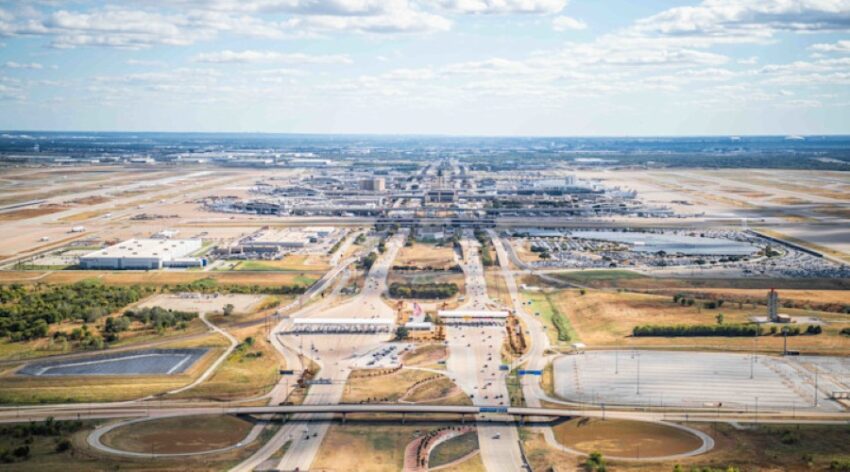
(Image Source: dfw airport)

The post Dallas Fort Worth (DFW) Ascends to 18th in Global Airport Rankings: A Masterclass in AI Innovation, Net-Zero Aviation, and the Future of the Texas Superhub appeared first on Travel And Tour World.
Want to Know What’s Changing for Domestic Flights? You Won’t Believe the New Routes

Want to Know What’s Changing for Domestic Flights? You Won’t Believe the New Routes

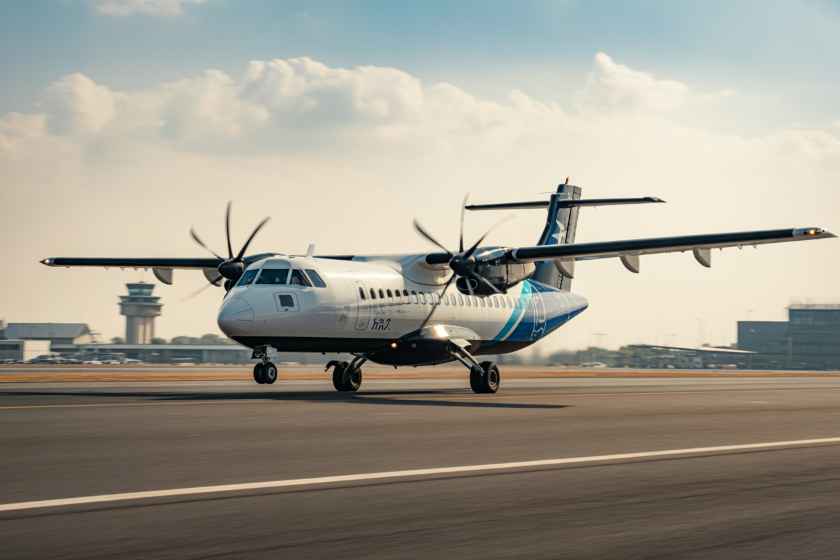
In a significant shift for domestic air travel, Philippine Airlines (PAL) will discontinue its turboprop flights out of Manila starting March 29, 2026. This decision follows compliance with the Manila Slot Coordination Committee (MSCC) Resolution 2025-02, which mandates that turboprop operations be moved out of Ninoy Aquino International Airport (NAIA). For travelers looking to reach destinations previously served by these turboprop flights, PAL has announced a rerouting plan that will direct passengers to alternative hubs such as Clark International Airport, Cebu City, and Iloilo City.

PAL’s announcement, which comes as part of the airline’s adjustment to the new MSCC regulations, is set to impact several popular domestic routes, particularly to scenic and high-demand destinations like Busuanga (Coron), Siargao, Antique, and Catarman. While this marks the end of the turboprop services from Manila, it opens up new opportunities for travelers to access these destinations through alternative hubs, ensuring continued connectivity for tourists across the country.

Rerouting Plan for Affected Routes

With the discontinuation of turboprop flights from Manila, PAL has unveiled a rerouting plan for affected passengers. Those booked on Manila–Busuanga (Coron)–Manila, Manila–Siargao–Manila, Manila–Antique–Manila, and Manila–Catarman–Manila routes will be redirected through Clark, Cebu, and Iloilo airports, depending on their final destination.

  • Manila–Busuanga (Coron)–Manila will now be rerouted via Clark–Busuanga (Coron)–Clark.
  • Manila–Siargao–Manila will be redirected to Clark–Siargao–Clark.
  • Manila–Antique–Manila flights will now operate as Manila–Iloilo–Manila.
  • Manila–Catarman–Manila services will be rerouted through Cebu–Catarman–Cebu.

These changes aim to provide seamless connectivity for travelers, although some routes will experience shifts in departure and arrival airports. PAL’s move to reroute passengers via alternative hubs ensures that travelers are not left stranded and can still reach their desired destinations with minimal disruption. Additionally, these changes coincide with PAL’s plans to increase domestic jet frequencies to better accommodate growing travel demand.

Increased Jet Frequencies to Key Domestic Destinations

As part of the transition, PAL will also boost its domestic jet services beginning March 2026 to meet increased demand for flights to popular destinations. The airline plans to add more frequencies to high-demand routes such as Manila–Cebu, Manila–Dumaguete, Manila–Iloilo, Manila–Roxas, Manila–Tacloban, and more. Here are some of the expanded flight services:

  • Manila–Cebu: Up to 76 flights weekly
  • Manila–Dumaguete: Up to 21 flights weekly
  • Manila–Iloilo: Up to 42 flights weekly
  • Manila–Roxas: Up to 14 flights weekly
  • Manila–Tacloban: Up to 28 flights weekly

These additional services will ensure that passengers have multiple options when flying to these popular destinations. The increase in jet frequencies will be particularly beneficial for travelers seeking quicker and more efficient air travel, as jets typically offer faster, more comfortable services compared to turboprop aircraft.

Changes in Routes and Services

The decision to discontinue turboprop services from Manila aligns with broader industry trends as airlines respond to shifting regulations and market demands. While it may lead to some inconvenience for passengers accustomed to flying directly from Manila to destinations like Busuanga, Siargao, and Antique, the rerouting through Clark, Cebu, and Iloilo airports provides viable alternatives for travelers. The focus on improving jet frequencies also indicates PAL’s commitment to enhancing its services for domestic travelers, ensuring that connectivity between major cities remains robust.

Affected Passengers and Options for Rebooking

For those whose flights are impacted by the discontinuation of turboprop services, PAL has assured passengers that they will receive updated itineraries. Passengers will be rebooked or rerouted to alternative hubs as necessary, and they will be given the option to select a new flight time, rerouted destination, or receive a refund if preferred. The airline’s customer service team will be available to assist affected travelers in making necessary adjustments to their plans.

Additionally, travelers who have already booked their flights to Antique will be particularly affected, as direct flights to this destination will no longer be available following the changes. These passengers will be rerouted through Iloilo, with options for rebooking or cancellation if necessary.

The Bigger Picture: Shifts in Philippine Aviation

Earlier this year, Cebu Pacific subsidiaries Cebgo and AirSwift also made similar changes, moving their turboprop operations from Manila to Clark, in line with the MSCC’s directive. This wider industry shift reflects a significant transition in Philippine aviation, as airports like Clark and Cebu take on a greater role in handling domestic flights, particularly to regional and tourist destinations.

For travelers, these changes mean a shift in the way they approach air travel within the Philippines. While some may need to adjust to new departure airports, the increased availability of domestic jet services offers faster and more efficient travel options. As airports like Clark continue to grow in prominence, the overall travel experience for tourists visiting destinations like Siargao, Coron, and Tacloban will likely improve in terms of convenience and frequency.

Tourism Impact

Tourism in the Philippines is expected to continue growing, and with that, the demand for efficient air travel will remain high. By increasing jet frequencies and improving rerouting options, PAL ensures that travelers can still easily reach the country’s top tourist destinations, from the beaches of Siargao to the cultural landmarks of Iloilo and the stunning waters of Coron. As the airline adjusts to these new regulations, passengers can expect improved service and more flexible options for reaching their desired vacation spots.

The post Want to Know What’s Changing for Domestic Flights? You Won’t Believe the New Routes appeared first on Travel And Tour World.

Ready to Explore Hanoi? Cebu Pacific’s New Flights Make It Easier Than Ever

Ready to Explore Hanoi? Cebu Pacific’s New Flights Make It Easier Than Ever

Starting May 2, 2026, travelers in North and Central Luzon will have a convenient new gateway to Vietnam, thanks to Cebu Pacific’s launch of direct Clark (CRK)–Hanoi (HAN) flights. This new service, which will operate three times weekly, marks a significant milestone for the airline as it strengthens Clark’s role as a travel hub. With flights departing from Clark every Tuesday, Thursday, and Saturday, and returning from Hanoi every Wednesday, Friday, and Sunday, this new route enhances travel options for both leisure and business travelers.

The introduction of direct flights between Clark and Hanoi brings Hanoi into focus as Cebu Pacific’s fifth international destination from Clark, joining other major destinations such as Bangkok, Hong Kong, Tokyo, and Singapore. This move comes as part of Cebu Pacific’s broader strategy to increase its network in Vietnam, further bolstering the airline’s presence in Southeast Asia.

A New Connection Between Clark and Hanoi

With the new direct flights, travelers from northern and central Luzon will now have easier access to Vietnam’s capital. Before this route was introduced, passengers in these regions would need to travel to Manila or other major hubs for connecting flights to Hanoi. This direct connection will save time, making it even more convenient for tourists to visit Hanoi and other attractions in Vietnam.

Hanoi, known for its blend of rich history, colonial architecture, and modern vibrancy, is one of Southeast Asia’s most fascinating destinations. The city is a cultural and historical center, with visitors flocking to its charming Old Quarter, the iconic Hoan Kiem Lake, and the majestic Temple of Literature. With the new direct flights from Clark, more travelers will be able to experience all that Hanoi has to offer, without the hassle of connecting flights.

Discovering Hanoi’s Rich Culture and Stunning Landscapes

Hanoi, Vietnam’s second-largest city, offers a fascinating mix of culture, cuisine, and history. The city is famous for its French colonial architecture, vibrant street food scene, and serene lakes and parks. Popular tourist spots include the Ho Chi Minh Mausoleum, where visitors can learn about Vietnam’s revolutionary leader, and the famous Old Quarter, where narrow streets are lined with shops selling local handicrafts, textiles, and street food.

Beyond the city, Hanoi serves as a gateway to several of Vietnam’s most stunning natural wonders. Day trips from Hanoi offer the opportunity to explore Ha Long Bay, a UNESCO World Heritage site known for its towering limestone karsts and emerald green waters. Ninh Binh, another popular day trip, offers dramatic landscapes featuring rice paddies and ancient temples nestled among limestone mountains.

With the new Clark-Hanoi route, tourists will now find it easier to access these stunning natural landscapes, making it simpler for them to plan trips to both the city and the surrounding countryside.

Cebu Pacific Expands Its International Reach from Clark

This new route marks the airline’s fifth international destination from Clark and demonstrates Cebu Pacific’s commitment to strengthening the airport as a hub for regional and international travel. Clark, located in Pampanga, is a growing travel hub that is increasingly becoming an important gateway for travelers from northern and central Luzon, offering a more convenient option than traveling to Manila for international flights.

Cebu Pacific President and Chief Commercial Officer, Xander Lao, shared that the airline’s focus on Clark is a strategic effort to provide travelers with more convenient flight options. “Launching direct flights from Clark to Hanoi is an exciting milestone for Cebu Pacific as we continue to strengthen Clark as a hub,” he said. “This route enhances travel options from Clark, allowing passengers from north and central Luzon to reach Hanoi more easily.”

In addition to the Clark-Hanoi flights, Cebu Pacific also operates direct flights from Manila to Da Nang, Hanoi, and Ho Chi Minh City, as well as from Cebu to Ho Chi Minh City. These routes provide a wider range of options for travelers looking to visit various parts of Vietnam, reinforcing Cebu Pacific’s position as a key player in regional travel.

Special Promotion to Celebrate the New Route

To celebrate the launch of the Clark-Hanoi route, Cebu Pacific is offering a limited-time promotional Piso seat sale. From January 28 to February 1, 2026, travelers can book flights to Hanoi for as low as one Piso, with travel valid from May 2 to October 31, 2026. This promotional offer is designed to encourage early bookings, giving passengers the chance to secure affordable seats for their trip to Vietnam.

The Piso sale is just one of the many ways Cebu Pacific aims to make travel to Vietnam more accessible. With this offer, travelers from North and Central Luzon, as well as other parts of the Philippines, can take advantage of the new direct flights to Hanoi and explore all the wonders Vietnam has to offer at an affordable price.

Expanding Travel Choices for Filipino Tourists

The new Clark-Hanoi flights are just the latest in a series of new services from Cebu Pacific, aimed at expanding travel options for Filipino tourists. Whether traveling for leisure or business, the new route makes it easier than ever to explore Vietnam’s capital city and beyond. With more direct flights to Hanoi and other popular destinations in Vietnam, Cebu Pacific continues to enhance its regional network, providing more travel choices for Filipino passengers.

For travelers looking to explore Vietnam’s culture, cuisine, and natural beauty, the new Clark-Hanoi flights offer an easy, convenient way to get there. From the bustling streets of Hanoi to the tranquil waters of Ha Long Bay, the journey to Vietnam is now more accessible than ever before.

The post Ready to Explore Hanoi? Cebu Pacific’s New Flights Make It Easier Than Ever appeared first on Travel And Tour World.

Delta Air Lines Expands Service At Syracuse Hancock International Airport With New Routes And Aircraft Upgrades

Delta Air Lines Expands Service At Syracuse Hancock International Airport With New Routes And Aircraft Upgrades

Delta Air Lines has announced plans to operate improved services at Syracuse Hancock International Airport (SYR) from Summer 2026 through two major service updates which will provide Central New York travelers better connection options to their destinations. The expanded service, which includes a new nonstop flight to Hartsfield-Jackson Atlanta International Airport (ATL) and a significant aircraft upgrade for flights to Minneapolis, is expected to bolster both domestic and international access to the region.

New Nonstop Flight to Atlanta

Starting on June 7, 2026, Delta will introduce an additional mid-day nonstop flight between Syracuse and Atlanta, offering passengers more flexibility in scheduling their travels. This new flight, departing Atlanta at approximately 12:00 p.m. (ET), will arrive in Syracuse around 2:15 p.m. (ET). The return flight will leave Syracuse at 3:15 p.m. (ET) and land in Atlanta by 5:45 p.m. (ET).

Operated on a larger Airbus A321 aircraft, the new service will not only increase seat capacity but also enhance same-day connectivity, giving Central New York residents access to more Delta destinations. For the local community, the additional flight will strengthen the region’s vital connection to the airline’s vast global network, providing more travel options for both business and leisure.

Jason Terreri, Executive Director of the Syracuse Regional Airport Authority (SRAA), expressed enthusiasm over the new service, calling it a significant win for both the region’s economy and its residents.

Aircraft Upgrade on Minneapolis Route

Alongside the new Atlanta service, Delta will also enhance its Minneapolis–Syracuse route, reflecting the growing demand for air travel between Central New York and the Upper Midwest. Starting in Summer 2026, Delta will replace the current CRJ900 regional jet with a larger Airbus A319 aircraft. This upgauge will result in a 75 percent increase in seat capacity, offering more room for passengers and improving the overall flying experience.

The transition to the Airbus A319 is a direct response to the growing popularity of this route and the increasing demand for both leisure and business travel between Syracuse and Minneapolis. The upgrade is expected to significantly improve capacity and accommodate the rising interest in connecting with Delta’s expanding network in the Upper Midwest.

Delta’s strategic move to bolster its Syracuse–Minneapolis route comes as part of the airline’s broader efforts to meet increasing traveller needs while continuing to strengthen its operations in key markets. The enhanced route will provide Syracuse travellers with more options for connecting flights, further cementing the role of SYR as a key gateway to both domestic and international destinations.

Economic Impact and Benefits for Central New York

The changes to Delta’s service at Syracuse Hancock International Airport come at a time when the region is seeing a significant boost in tourism and economic growth. With its strategic position between major cities and attractions, Syracuse serves as a prime location for connecting flights, drawing business and leisure travellers alike. These new offerings from Delta not only provide more convenient travel options but also play a vital role in supporting the local economy by enhancing connectivity to major hubs across the U.S. and beyond.

Syracuse is set to benefit greatly from the added connectivity, as visitors and residents alike will have improved access to critical business centres in both the Southeast and the Upper Midwest. This enhanced accessibility supports the city’s thriving tourism industry, making it easier for visitors to enjoy the region’s offerings, from its rich cultural experiences to the nearby natural beauty of the Finger Lakes and Adirondacks.

What This Means for Local and Regional Tourism

The expansion of Delta’s service at SYR aligns perfectly with ongoing efforts to boost tourism and business travel to Upstate New York. By offering more frequent and direct flights, travellers will find it easier to explore both Central New York and the surrounding region. For tourism professionals in the area, this expansion provides new opportunities to attract visitors, particularly for weekend getaways, family vacations, and business conventions.

This change is also expected to enhance the appeal of Syracuse as a destination for international tourists. With improved access to international connections through Atlanta and Minneapolis, visitors will have greater ease in flying to Syracuse, enjoying the city’s mix of cultural and natural attractions, and exploring the broader Upstate New York area. The increased seat capacity and additional flight frequencies also provide more options for international tourists seeking to experience the unique offerings of this charming region.

A Major Step Forward for Syracuse’s Air Connectivity

Delta’s decision to expand air service at Syracuse Hancock International Airport in Summer 2026 marks a major milestone in the region’s continued growth as a travel hub. The additional flight to Atlanta and aircraft upgrade for the Minneapolis–Syracuse route are both strategically important moves, providing travellers with enhanced convenience and flexibility while supporting the economic vitality of Central New York.

Delta shows its trust in Syracuse by making investments into the area which will serve both business and leisure travelers from the city. The city of Syracuse will develop into a more important part of New York States travel and tourism industry because of its better transportation links and enhanced travel services.

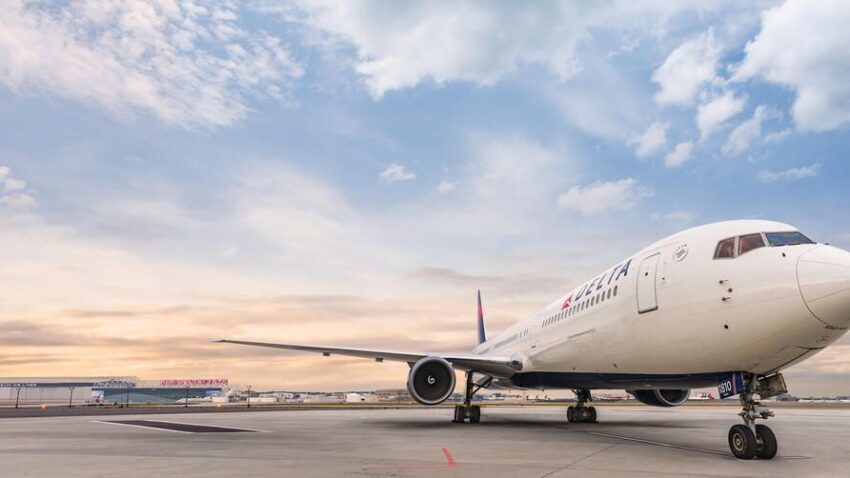
Image Credit: Delta Air Lines

The post Delta Air Lines Expands Service At Syracuse Hancock International Airport With New Routes And Aircraft Upgrades appeared first on Travel And Tour World.

Amman City Airport Welcomes Jazeera Airways Inaugural Flight – What It Means for Travel to Jordan

Amman City Airport Welcomes Jazeera Airways Inaugural Flight – What It Means for Travel to Jordan
Jazeera Airways marks a milestone with its inaugural flight to Amman City Airport strengthening air connectivity between Kuwait & Jordan.

In a historic move for both aviation and the Middle East travel market, Jazeera Airways has launched its first direct scheduled commercial flight from Kuwait to Amman City Airport (ADJ). This milestone marks the first time an airline has operated direct flights between the two airports, establishing a significant new link in air travel between Jordan and Kuwait.

The inaugural flight, which touched down on February 1, 2026, at Amman City Airport, was celebrated as a key development in the airport’s reopening and operational activation. Jazeera Airways, Kuwait’s leading low-cost carrier, has been serving Amman for nearly two decades, but this marks the first time the airline has operated flights directly into Amman City Airport, a more convenient gateway to the Jordanian capital.

A New Era for Amman’s Aviation Landscape

Amman City Airport, located just 10 kilometers from the heart of Amman, offers travelers a more efficient airport experience with shorter transfer times compared to the city’s main airport, Queen Alia International Airport. The proximity of Amman City Airport to central Amman is a key advantage for business travelers and tourists alike, reducing the time and cost it takes to reach the city from the airport.

The development of Amman City Airport as a functional and competitive alternative to Queen Alia is part of a larger initiative by the Jordanian government to boost regional and international connectivity. The strategic location of the airport, combined with the Jazeera Airways flights, has the potential to significantly enhance the airport’s traffic and tourism footprint in the region. (jordan.gov.jo)

A Strong Partnership for Regional Connectivity

The partnership between Jazeera Airways and Amman City Airport is a promising one for regional air travel. Ahmed Azzam, CEO of Jordan Airport Company, hailed the arrival of Jazeera Airways as a key milestone. In his statement, Azzam emphasized that the airline’s new routes further cement Amman City Airport’s role in strengthening air connectivity within the region, contributing to sustainable aviation growth in Jordan.

Azzam also pointed out that the addition of Jazeera Airways flights would not only benefit passengers but also boost economic activity in Jordan, enhancing the country’s position as a regional aviation hub. He expressed optimism about long-term growth, as more airlines and passengers use Amman City Airport as a primary point of entry into the capital.

Jazeera Airways Sets Sights on Expanded Regional Access

Barathan Pasupathi, the CEO of Jazeera Airways, shared his excitement about the inaugural flight and the airline’s long-term goals. Pasupathi remarked that this was a significant milestone for the airline, as it marked the first time Jazeera Airways had operated scheduled flights to Amman City Airport. He noted that the move aligns with the airline’s broader commitment to improving regional connectivity by providing smarter access points for travelers across the Middle East.

Pasupathi explained that flying into Amman City Airport would allow the airline to provide passengers with faster access to the Jordanian capital, helping to lower costs for travelers while offering them a seamless travel experience. By operating out of Amman City Airport, Jazeera Airways is also offering more convenient travel options to Kuwait, Saudi Arabia, and other Gulf destinations.

The Future of Air Travel Between Kuwait and Amman

The introduction of Jazeera Airways flights to Amman City Airport is expected to lead to increased demand for flights between Kuwait and Amman, with both business travelers and tourists taking advantage of the newly available route. Jazeera Airways’ reputation for providing affordable flights means that both budget-conscious travelers and those seeking convenience will find the route appealing.

Given Jazeera Airways’ focus on providing affordable travel options, the airline is set to play a vital role in opening up Jordan to more regional tourists. The ease of access to the capital city will also provide a gateway to explore other parts of Jordan, including famous sites such as Petra, the Dead Sea, and the Jordan Valley.

With the added convenience and affordability that Jazeera Airways offers, the airline is poised to make a substantial impact on Jordan’s tourism sector, helping to boost the country’s recovery post-pandemic and support economic growth by attracting more visitors from across the Gulf region.

Amman City Airport’s Role in Shaping Future Travel

The opening of Amman City Airport has already led to a positive shift in travel habits, providing travelers with more options and better accessibility. The addition of Jazeera Airways to the list of airlines operating at the airport strengthens its position as an important regional airport, well-connected to major cities in the Middle East.

The Jordanian government is also focused on ensuring that the airport’s infrastructure keeps pace with the growing demand for air travel. By supporting key projects and partnering with airlines such as Jazeera Airways, Jordan is taking significant steps to create a thriving hub that attracts travelers from all corners of the globe.

Conclusion: A Bright Future for Regional Travel

The launch of Jazeera Airways’ inaugural flight to Amman City Airport marks the beginning of a new era in regional air connectivity for both Kuwait and Jordan. With increased flight options, a modern airport, and a growing partnership between Jazeera Airways and the Jordan Airport Company, passengers can expect faster, more affordable travel between the two countries. This move not only enhances the travel experience for tourists and business travelers but also strengthens Jordan’s role as a key player in Middle Eastern aviation.

As Jazeera Airways continues to grow its network across the region, passengers will enjoy the benefits of more accessible, affordable travel in the heart of the Middle East, with Amman City Airport playing a key role in that transformation.

The post Amman City Airport Welcomes Jazeera Airways Inaugural Flight – What It Means for Travel to Jordan appeared first on Travel And Tour World.
❌