
 Login
Login
Save the Great Barrier Reef While Snorkeling: How Tourists Are Helping to Restore Coral with Reef Magic!
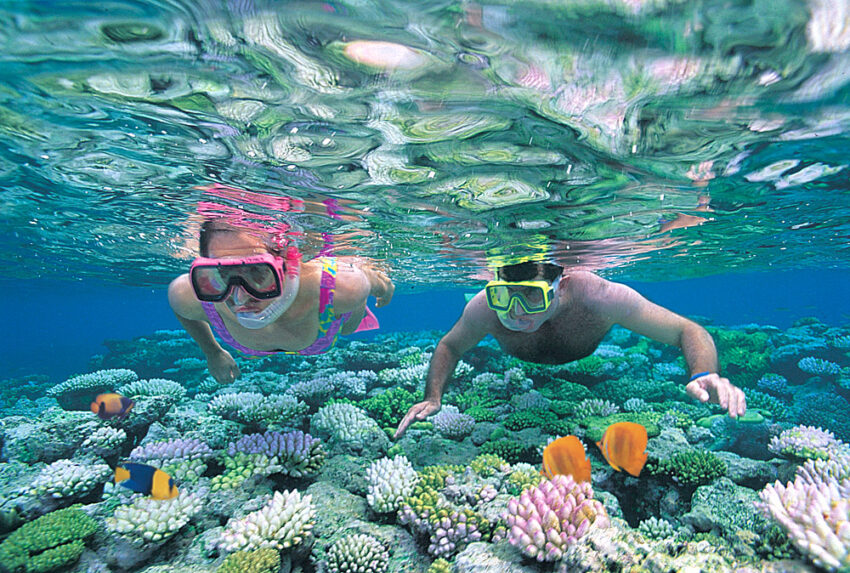
The Great Barrier Reef (GBR) is one of the world’s most iconic natural wonders, but it’s also facing increasing environmental challenges. While many may see tourism as a threat to its fragile ecosystem, there is a growing movement where visiting the reef becomes an active part of the solution. Thanks to initiatives by operators like Reef Magic, visitors can now contribute directly to efforts aimed at protecting and restoring the reef.
A New Way to Explore the Reef
Reef Magic, a Cairns-based, Australian-owned company, offers tourists a unique opportunity to not only explore the reef but also actively participate in its recovery. Since 2022, the company has been operating day trips to Moore Reef, located 40 kilometers offshore from Cairns. The Moore Reef pontoon, which Reef Magic operates, is described as the “newest and most technologically advanced” on the GBR. With solar panels and wind turbines powering the facility, it embodies Reef Magic’s commitment to sustainability and environmental responsibility.
This pontoon serves as a base for visitors to engage in a variety of activities, including snorkelling, diving, and exploring the underwater observatory. The location also supports scientific research and marine conservation efforts, with a fully functional wet lab and overnight accommodation for scientists working on reef restoration projects. The main aim of Reef Magic’s day trips is to provide an accessible and comfortable experience for all types of travelers, whether they are young children, senior citizens, experienced divers, or non-swimmers.
Coral Restoration and Citizen Science
While Reef Magic’s standard tours offer a traditional reef experience with glass-bottom boat tours, First Nations cultural briefings, and buffet lunches featuring locally sourced ingredients, a special Reef Recovery Day takes it a step further. On this special tour, visitors can participate in the Mars Assisted Reef Restoration System (MARRS) project. The MARRS initiative is a citizen-science effort designed to help restore damaged parts of the reef using MARRS stars, which are hexagonal limestone-coated steel structures used to anchor living coral fragments.
The MARRS stars are a key part of the restoration process. They are placed on damaged reef sections and help create a stable environment for new coral growth. The limestone-coated steel is designed to encourage coral fragments to attach and grow, forming new reef habitats. Reef Magic’s guests have the opportunity to strap living coral fragments to the MARRS stars, contributing directly to the reef’s recovery efforts.
For many tourists like Emily O’Driscoll and James Dunster, a couple from New South Wales, this experience was a highlight of their trip. They chose Reef Magic’s Reef Recovery Day specifically for its focus on reef restoration, explaining that they wanted to do more than just see the reef—they wanted to make a meaningful contribution. “We wanted to make a difference,” said Emily, adding that the experience was both fun and accessible, with no specialist skills required.
How Tourism is Supporting Coral Recovery
The MARRS project is a collaborative effort between various stakeholders, including Mars Sustainable Solutions, GBR Biology, and Traditional Owner groups like the Gunggandji and Yirrganydji communities. As part of this initiative, coral fragments are collected and identified in a wet lab, then carefully attached to the MARRS stars. The goal is to promote site-assisted recovery, which speeds up the natural process of reef regeneration. While coral reefs can naturally recover over time, this method accelerates the process, helping restore barren or damaged sections of the reef much faster.
Marine biologists like Natalie Smith, a senior reef guide, call the coral fragments “fragments of opportunity.” These pieces, though broken, still contain living tissue that, when attached to the MARRS stars, can regenerate and thrive. This process is crucial in areas where mass coral bleaching and cyclones have left the reef in a state of damage. With the help of tourism, the MARRS stars have been placed in various reef locations since 2020, successfully restoring biodiversity in affected areas.
Celebrating Collaboration and Cultural Heritage
An essential component of Reef Magic’s approach is the incorporation of First Nations cultural knowledge into conservation efforts. Fred Lifo, a cultural officer from the Gunggandji community, has played a vital role in the MARRS project by bridging the gap between Western science and Indigenous knowledge. Fred has worked closely with marine scientists to gather coral fragments, with the goal of preserving both cultural traditions and reef ecosystems.
Fred’s involvement exemplifies the power of collaboration, where both traditional ecological knowledge and scientific research work hand in hand to restore the Great Barrier Reef. As Fred explains, the reef has been an integral part of his people’s culture for thousands of years, and preserving it is essential not just for environmental reasons but also for cultural identity.
Reef Recovery and the Future of GBR Tourism
Reef Magic’s efforts are part of a broader movement in the tourism industry where travelers are increasingly interested in making a positive impact on the destinations they visit. It’s clear that responsible tourism can contribute significantly to conservation efforts, especially when combined with educational opportunities and hands-on participation. As the Great Barrier Reef continues to face challenges like climate change and coral bleaching, projects like MARRS are helping to ensure that future generations can continue to experience and enjoy the reef.
Tourists can play an active role in the recovery of the GBR, not only by choosing sustainable operators like Reef Magic but also by engaging in citizen-science projects that support research and restoration. By making informed choices about how they experience the reef, travelers can help safeguard this incredible natural wonder for years to come.
The post Save the Great Barrier Reef While Snorkeling: How Tourists Are Helping to Restore Coral with Reef Magic! appeared first on Travel And Tour World.