
Reading view

The Metro Tunnel in Melbourne Is Now Fully Open : Here’s Why You Should Be Excited
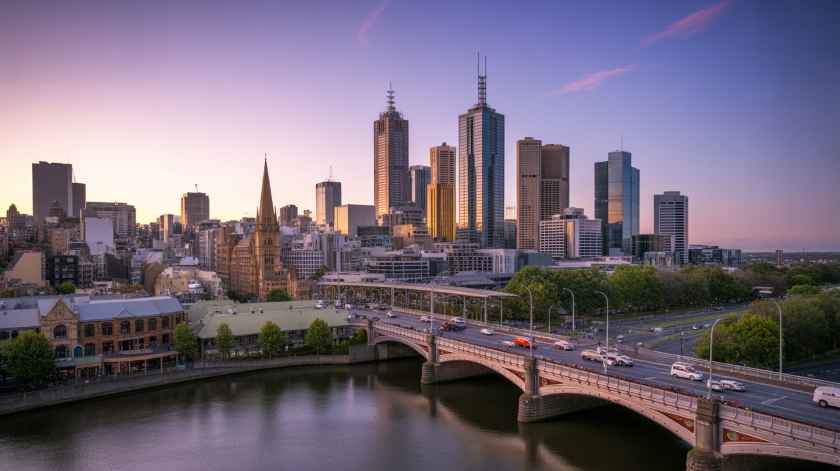
The Metro Tunnel in Melbourne Is Now Fully Open : Here’s Why You Should Be Excited

The highly anticipated Melbourne Metro Tunnel is officially open for full commuter services as of February 1, 2026. After a successful soft launch in December, the tunnel is now in full operation, transforming how locals and visitors travel across Melbourne. The Metro Tunnel provides a seamless connection between the northern and southern parts of the city, making commuting and exploring Melbourne’s many attractions faster and more convenient than ever before.

This 9-kilometer double-track underground railway line, as part of Victoria’s Big Switch program, is set to significantly improve Melbourne’s public transport network. At the heart of the changes is the ability for trains to run every 3-4 minutes during peak hours, and every 10 minutes off-peak, adding over 1200 new services to the weekly schedule. The full operation of the tunnel is expected to benefit both commuters and tourists alike, offering faster access to Melbourne’s key districts, landmarks, and attractions.

A New Gateway to Melbourne’s Attractions

For visitors to Melbourne, the new Metro Tunnel offers an easier way to access the city’s vibrant cultural scene, dining options, shopping precincts, and iconic landmarks. With the tunnel connecting lines to the north and south, tourists can quickly hop on trains from Parkville Station to visit major attractions, such as Federation Square, Flinders Street Station, and the Royal Botanic Gardens. The Metro Tunnel’s central location makes it an ideal option for those looking to efficiently explore Melbourne’s cultural and entertainment hubs.

The opening of the Metro Tunnel marks a significant improvement in Melbourne’s public transport options for tourists. With over 1200 extra services per week, visitors now have more flexibility in planning their trips across the city. Whether you’re visiting Melbourne for a weekend or staying longer, the enhanced train services will make it easier to discover Melbourne’s diverse neighborhoods, from the artistic Fitzroy to the trendy Southbank area.

Parkville Station: A Key Connection Point for Tourists

The launch of the Metro Tunnel was celebrated at Parkville Station, which is one of the primary stations in the northern section of the tunnel. Parkville is home to several significant Melbourne attractions, including the University of Melbourne and the Royal Melbourne Hospital, making the station an important transport hub for both locals and visitors.

For tourists heading to Melbourne’s Cultural Precinct, Parkville Station serves as a gateway to some of the city’s best-known museums and galleries, such as NGV International and the Australian Centre for Contemporary Art. With the Metro Tunnel now fully operational, visitors can easily access these cultural gems in a fraction of the time it used to take, providing a smoother experience for those exploring Melbourne’s artistic scene.

Improving Accessibility to Melbourne’s Key Destinations

The Metro Tunnel is not only about improving the flow of commuters; it is also designed to make Melbourne more accessible for tourists who want to see the best the city has to offer. The underground tunnel connects several key areas in Melbourne, making travel more efficient and less time-consuming. Whether you’re looking to visit Queen Victoria Market, known for its fresh produce and local goods, or Melbourne Zoo to see the animals, the Metro Tunnel ensures easy access to all these places and more.

For those planning to visit Docklands or Southbank, the Metro Tunnel provides an expedited journey with direct connections to areas rich in shopping, dining, and entertainment options. With these enhanced links, tourists can spend less time traveling and more time enjoying what Melbourne has to offer.

Boosting Melbourne’s Tourism Economy

With Melbourne’s tourism industry continuing to grow, the Metro Tunnel’s completion is expected to have a significant impact on local tourism. As accessibility to Melbourne’s attractions improves, more visitors are likely to take advantage of the city’s expanded transport options. By connecting popular tourist destinations with ease and efficiency, the Metro Tunnel will help support Melbourne’s reputation as a top destination for both international and domestic travelers.

Melbourne’s tourism sector is set to benefit from increased foot traffic to key locations, contributing to the city’s economy and helping local businesses thrive. Tourists will enjoy easier and more frequent connections to the city’s cafes, restaurants, and shopping districts, contributing to an all-around improved experience in Melbourne.

A Sustainable and Modern Transport Solution

The Metro Tunnel represents more than just a transport upgrade—it’s a step toward creating a more sustainable and modern Melbourne. The increase in public transport services means fewer cars on the road, which helps reduce congestion and lower the city’s carbon footprint. The new train routes also align with Melbourne’s broader goals to create a greener, more sustainable urban environment, benefiting both residents and visitors.

In addition, the tunnel’s state-of-the-art infrastructure ensures that trains are running more efficiently and on time, improving the overall travel experience. Whether you’re commuting to work or exploring the city, the Metro Tunnel provides a comfortable and reliable transport option.

Looking Ahead: Future Developments and Expansion

The opening of the Metro Tunnel marks only the beginning of Melbourne’s transportation improvements. As part of ongoing development plans, there are expected upgrades and expansions to Owen Roberts International Airport, as well as continued efforts to enhance the city’s transport systems. These developments will make it even easier for travelers to move around the city and enjoy a more connected Melbourne.

As more areas of the Metro Tunnel open up to full service, and additional upgrades to Melbourne’s infrastructure are completed, visitors can look forward to even more seamless travel experiences. The ongoing investments in public transport reflect Melbourne’s commitment to accommodating the growing number of tourists and providing them with a convenient and enjoyable way to explore the city.

The post The Metro Tunnel in Melbourne Is Now Fully Open : Here’s Why You Should Be Excited appeared first on Travel And Tour World.
Qantas Ignites 2026 Travel With Massive Sale: 500 Thousand Discounted Seats Across sixty Global Flight Routes

Qantas Ignites 2026 Travel With Massive Sale: 500 Thousand Discounted Seats Across sixty Global Flight Routes

Qantas revealed what has been positioned as one of its largest foreign sales for 2026, marking a significant advancement in international aviation. Over 500 Thousand seats have been discounted on practically the whole international network, which presents a significant chance for tourists who intend to travel abroad in the coming year. Over sixty routes and over thirty locations worldwide will be covered by the deal, which is planned as a one-week campaign.

Travel dates included in the sale have been confirmed to span from February through December 2026, allowing flexibility across multiple travel seasons. This timing has been aligned with continued enthusiasm for overseas travel among Australians, a trend that has been reinforced by recent data and market behaviour. Through this initiative, international mobility has been encouraged at scale, while value-driven planning has been made more accessible to a broad range of travellers.

Scale and Scope of the International Sale

The size of the sale has been positioned as one of the most expansive undertaken by Qantas in recent years. With more than half a million seats included, almost the entire international network has been represented. Routes across Asia, Europe, North America, Africa, and the Pacific have been incorporated, reflecting a strategic effort to stimulate demand across both short-haul and long-haul markets.

The one-week duration has been framed to create urgency, while the extensive route coverage has ensured that a wide range of travel preferences has been addressed. From leisure-focused destinations to major global cities, the sale has been structured to appeal to holidaymakers, visiting friends and relatives travellers, and business leisure travellers alike.

Europe and Short Haul Routes as Key Highlights

Europe has emerged as a particularly strong drawcard within the sale, with competitive pricing introduced for peak northern summer travel. Economy return fares from Perth to Paris have been made available from $1,549, offering access to one of Europe’s most popular destinations during its busiest season. This pricing has been positioned to attract travellers seeking long-haul value during traditionally high-demand periods.

Short-haul routes have also been prominently featured. One-way fares from Sydney to Auckland or Wellington have been offered from $299, reinforcing strong trans Tasman connectivity. The airline’s new Gold Coast to Auckland route has joined the sale with one-way fares from $309, expanding options for travellers departing from Queensland.

Additional return fares have included Singapore from $769, Los Angeles from $999, and New York from $1,399 on select dates. Through this mix of regional and intercontinental routes, the sale has been designed to address diverse travel goals while maintaining competitive pricing.

Strong Demand Reflected in Australian Travel Data

The timing of the sale has been closely aligned with evidence of sustained outbound demand. Recent Australian Bureau of Statistics data has shown that 12.5 million overseas trips were taken in the year to November 2025. This figure has been widely interpreted as a clear signal of continued appetite for international travel among Australians.

With the Australian dollar having shown signs of strengthening, international travel has been perceived as offering improved value. Against this economic backdrop, the sale has been positioned as an opportunity for travellers to secure favourable fares while planning well ahead for 2026. Long lead times have been encouraged, particularly for peak travel periods and popular global events.

Global Events and Destination Appeal in 2026

Additional momentum for international travel has been generated by major global events scheduled for 2026. The United States has been highlighted as a key destination year, as it prepares to host the World Cup, celebrate America’s 250th anniversary, and mark the Route 66 Centennial. These milestones have collectively been framed as significant demand drivers for inbound travel.

Interest in the United States has been further supported by the strengthening Australian dollar, which has improved affordability for Australian visitors. Through discounted fares to cities such as Los Angeles and New York, access to these milestone events has been made more achievable for travellers planning.

Economy Plus Expansion Across Long Haul Fleet

In a related development, Qantas has confirmed that its new Economy Plus product will be extended to long-haul flying. The new cabin offering has been scheduled to roll out across the Airbus A330 fleet from mid 2026. This expansion has been positioned as part of a broader strategy to enhance comfort and choice within the economy segment.

By introducing Economy Plus on long-haul routes, additional value has been offered to travellers seeking extra space and amenities without upgrading to premium cabins. This move has been aligned with evolving customer expectations and increased competition across international markets.

Overview of Sale Fares by Departure City

A wide selection of sale fares has been released across multiple Australian departure points, providing flexibility and regional accessibility.

From Sydney, return economy fares have included Singapore from $769, Los Angeles from $1,049, New York from $1,399 via Auckland, and Bali from $599. Premium Economy and Business class options have also been discounted across these routes.

From Melbourne, return economy fares have included Los Angeles from $1,049, New York from $1,399 via Auckland, and Bali from $659. Premium Economy and Business fares have been made available on select long-haul routes.

From Brisbane, economy return fares have included Singapore from $709, Los Angeles from $999, New York from $1,199 via Auckland, and Palau from $799. Premium Economy and Business fares have also been included.

From Adelaide, options have included Auckland from $359 one way, Tokyo Haneda from $1,199 via Sydney return, and London from $1,679 via Melbourne and Singapore. Higher cabin classes have also been discounted on these routes.

From Perth, return economy fares have included Paris from $1,549 and Johannesburg from $1,479, with Premium Economy and Business class fares also available. One-way options to Auckland have been included across multiple cabins.

Implications for Travellers and the Travel Industry

For travellers, the sale has been positioned as a rare opportunity to fly further for less while securing seats well in advance of travel. The breadth of destinations and fare types has allowed personalised travel planning, whether for short breaks, extended holidays, or milestone events.

For travel advisors, the sale has been viewed as a timely catalyst for value-led international conversations. With strong outbound demand already established, the availability of competitive fares across almost the entire Qantas international network has simplified the process of converting interest into confirmed bookings.

A Strategic Moment for 2026 Travel Planning

Overall, the launch of this large-scale international sale has underscored confidence in continued global travel recovery and growth. By aligning discounted fares with strong demand indicators, favourable currency conditions, and major global events, Qantas has positioned itself at the centre of 2026 travel planning. Through this initiative, international travel has been made more accessible, flexible, and appealing for Australian travellers looking ahead to the year to come.

Image Courtesy: Ideogram

The post Qantas Ignites 2026 Travel With Massive Sale: 500 Thousand Discounted Seats Across sixty Global Flight Routes appeared first on Travel And Tour World.

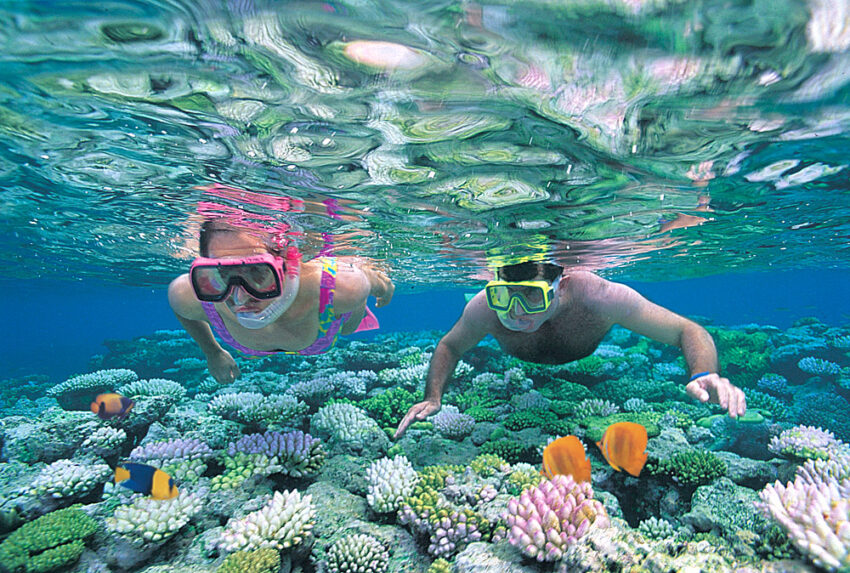
Save the Great Barrier Reef While Snorkeling: How Tourists Are Helping to Restore Coral with Reef Magic!

Save the Great Barrier Reef While Snorkeling: How Tourists Are Helping to Restore Coral with Reef Magic!

The Great Barrier Reef (GBR) is one of the world’s most iconic natural wonders, but it’s also facing increasing environmental challenges. While many may see tourism as a threat to its fragile ecosystem, there is a growing movement where visiting the reef becomes an active part of the solution. Thanks to initiatives by operators like Reef Magic, visitors can now contribute directly to efforts aimed at protecting and restoring the reef.

A New Way to Explore the Reef

Reef Magic, a Cairns-based, Australian-owned company, offers tourists a unique opportunity to not only explore the reef but also actively participate in its recovery. Since 2022, the company has been operating day trips to Moore Reef, located 40 kilometers offshore from Cairns. The Moore Reef pontoon, which Reef Magic operates, is described as the “newest and most technologically advanced” on the GBR. With solar panels and wind turbines powering the facility, it embodies Reef Magic’s commitment to sustainability and environmental responsibility.

This pontoon serves as a base for visitors to engage in a variety of activities, including snorkelling, diving, and exploring the underwater observatory. The location also supports scientific research and marine conservation efforts, with a fully functional wet lab and overnight accommodation for scientists working on reef restoration projects. The main aim of Reef Magic’s day trips is to provide an accessible and comfortable experience for all types of travelers, whether they are young children, senior citizens, experienced divers, or non-swimmers.

Coral Restoration and Citizen Science

While Reef Magic’s standard tours offer a traditional reef experience with glass-bottom boat tours, First Nations cultural briefings, and buffet lunches featuring locally sourced ingredients, a special Reef Recovery Day takes it a step further. On this special tour, visitors can participate in the Mars Assisted Reef Restoration System (MARRS) project. The MARRS initiative is a citizen-science effort designed to help restore damaged parts of the reef using MARRS stars, which are hexagonal limestone-coated steel structures used to anchor living coral fragments.

The MARRS stars are a key part of the restoration process. They are placed on damaged reef sections and help create a stable environment for new coral growth. The limestone-coated steel is designed to encourage coral fragments to attach and grow, forming new reef habitats. Reef Magic’s guests have the opportunity to strap living coral fragments to the MARRS stars, contributing directly to the reef’s recovery efforts.

For many tourists like Emily O’Driscoll and James Dunster, a couple from New South Wales, this experience was a highlight of their trip. They chose Reef Magic’s Reef Recovery Day specifically for its focus on reef restoration, explaining that they wanted to do more than just see the reef—they wanted to make a meaningful contribution. “We wanted to make a difference,” said Emily, adding that the experience was both fun and accessible, with no specialist skills required.

How Tourism is Supporting Coral Recovery

The MARRS project is a collaborative effort between various stakeholders, including Mars Sustainable Solutions, GBR Biology, and Traditional Owner groups like the Gunggandji and Yirrganydji communities. As part of this initiative, coral fragments are collected and identified in a wet lab, then carefully attached to the MARRS stars. The goal is to promote site-assisted recovery, which speeds up the natural process of reef regeneration. While coral reefs can naturally recover over time, this method accelerates the process, helping restore barren or damaged sections of the reef much faster.

Marine biologists like Natalie Smith, a senior reef guide, call the coral fragments “fragments of opportunity.” These pieces, though broken, still contain living tissue that, when attached to the MARRS stars, can regenerate and thrive. This process is crucial in areas where mass coral bleaching and cyclones have left the reef in a state of damage. With the help of tourism, the MARRS stars have been placed in various reef locations since 2020, successfully restoring biodiversity in affected areas.

Celebrating Collaboration and Cultural Heritage

An essential component of Reef Magic’s approach is the incorporation of First Nations cultural knowledge into conservation efforts. Fred Lifo, a cultural officer from the Gunggandji community, has played a vital role in the MARRS project by bridging the gap between Western science and Indigenous knowledge. Fred has worked closely with marine scientists to gather coral fragments, with the goal of preserving both cultural traditions and reef ecosystems.

Fred’s involvement exemplifies the power of collaboration, where both traditional ecological knowledge and scientific research work hand in hand to restore the Great Barrier Reef. As Fred explains, the reef has been an integral part of his people’s culture for thousands of years, and preserving it is essential not just for environmental reasons but also for cultural identity.

Reef Recovery and the Future of GBR Tourism

Reef Magic’s efforts are part of a broader movement in the tourism industry where travelers are increasingly interested in making a positive impact on the destinations they visit. It’s clear that responsible tourism can contribute significantly to conservation efforts, especially when combined with educational opportunities and hands-on participation. As the Great Barrier Reef continues to face challenges like climate change and coral bleaching, projects like MARRS are helping to ensure that future generations can continue to experience and enjoy the reef.

Tourists can play an active role in the recovery of the GBR, not only by choosing sustainable operators like Reef Magic but also by engaging in citizen-science projects that support research and restoration. By making informed choices about how they experience the reef, travelers can help safeguard this incredible natural wonder for years to come.

The post Save the Great Barrier Reef While Snorkeling: How Tourists Are Helping to Restore Coral with Reef Magic! appeared first on Travel And Tour World.
❌